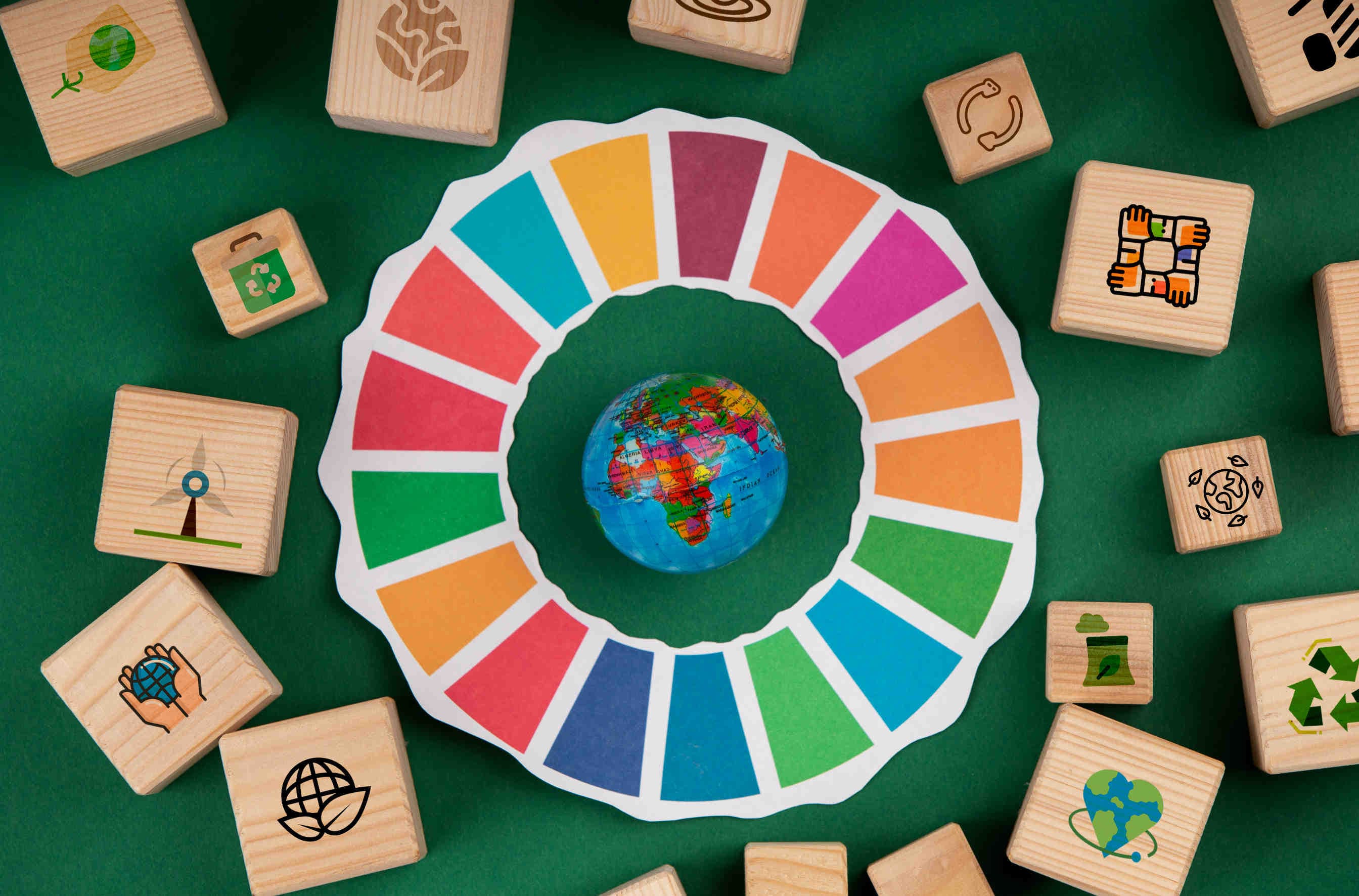
2030 Agenda: Sustainable Development Goals
    2030 Agenda17 GoalsUtilityCompanies

    2030 Agenda: Sustainable Development Goals

    Businesses must be the architects of the change desired by the UN's 2030 Agenda. Sustainable companies are needed for sustainability and to keep pace with the revolution, an economic, social, and corporate system that supports the goals is required.

    Read the article
    25/11/2023Of 3Bee, Elena Fraccaro
    456 Views
    25/11/2023Of 3Bee, Elena Fraccaro
    456 Views

    What is the 2030 Agenda?

    The 2030 Agenda for Sustainable Development is a challenge for the UN member nations. It is an action program for people, the planet, and prosperity, signed on September 25, 2015, by 193 countries. It consists of seventeen Sustainable Development Goals (SDGs) within a broader project comprising 169 targets to be achieved by 2030. The reference areas are social, economic, environmental, and institutional. The intent is to have a common base from which to build a better, different, and sustainable world for everyone. It is, therefore, a global challenge aimed at Governments but also at various components of society such as businesses.

    What is the 2030 Agenda?

    The Seventeen Goals

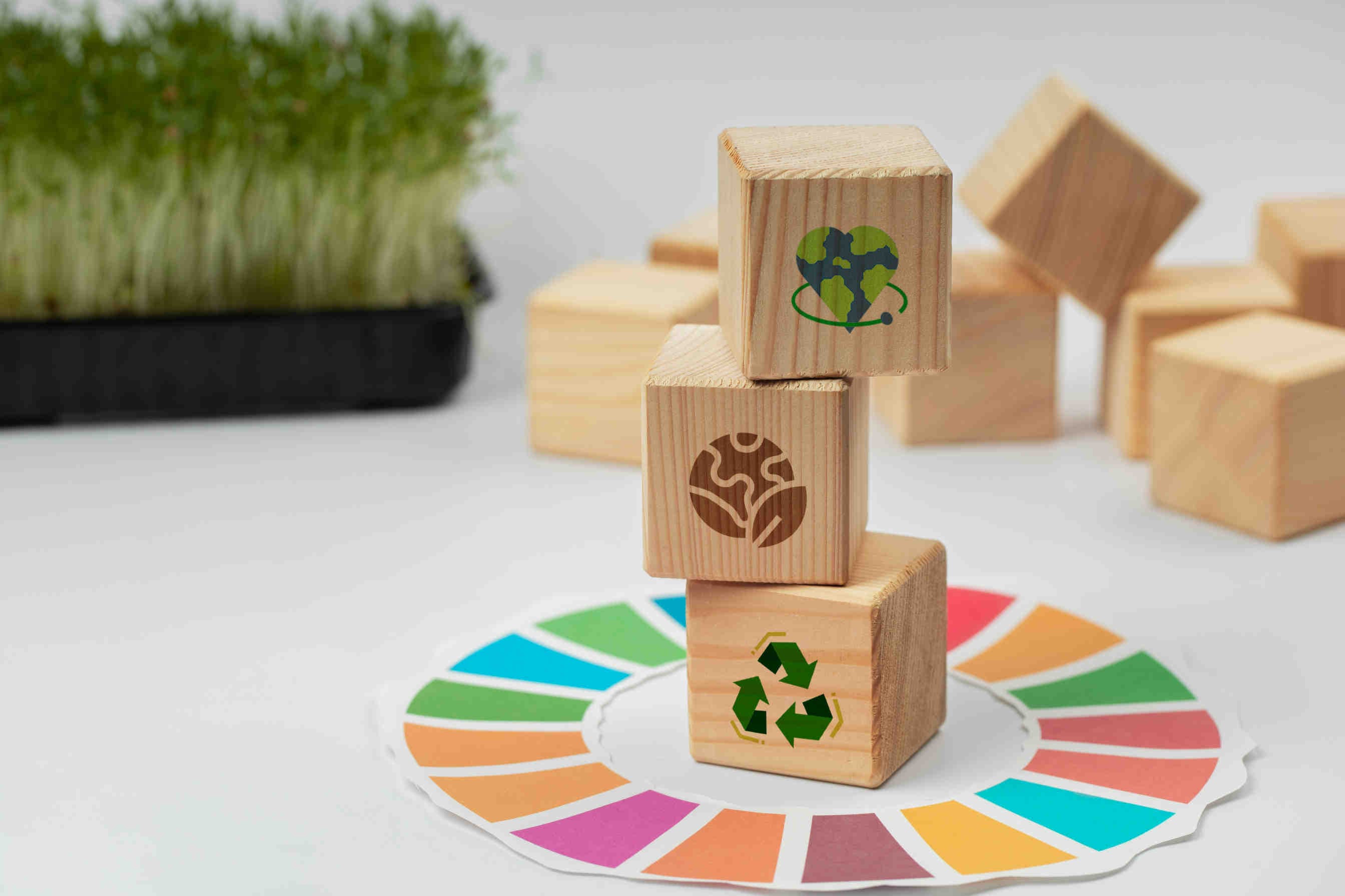
    The goals have been defined considering the most important issues to address. It starts with Goal number one, Eradicating Poverty. The subsequent targets include Eradicating Hunger, Health and Well-being, Quality Education, Gender Equality, Clean Water and Sanitation, Affordable and Clean Energy. It continues with Decent Work and Economic Growth, Industry, Innovation, and Infrastructure, Reduced Inequalities, Sustainable Cities and Communities. The Goals continue with Responsible Consumption and Production, Combating Climate Change, Life Below Water, Life on Land, Peace, Justice, and Strong Institutions, and finally, Partnerships for the Goals.
    The Seventeen Goals
    XNatura

    The Utility of Sustainable Development Goals

    Analyzing the Goals, it is noticeable how they balance the three dimensions of sustainable development: economic, ecological, and social. The aim is to defeat poverty worldwide, fight against inequality among citizens, address climate changes that endanger our planet, and build peaceful societies where human rights are fully respected. The 2030 Agenda emphasizes that sustainability – increasingly relevant in recent years – is not just an environmental issue. Businesses, Governments, Administrations, and public opinion must adopt an integrated approach and concrete measures to revolutionize the entire socio-economic paradigm. Only by doing so can the institutional and environmental challenges defined in the 2030 Agenda be faced. The world must be sustainable from an environmental, economic, and social standpoint.

    The Utility of Sustainable Development Goals

    The Role of Companies

    Among the actors involved in change, we find businesses. Companies are key in the commitment to achieving the goals set by the UN, and consequently, a strategy for sustainable development must be defined that leads to concrete results. In this way, nations will be able to achieve better results and be judged positively at the UN. Each country, in fact, will be evaluated annually through the activity of the High-level Political Forum, which will check the progress, the goals achieved, the challenges carried forward in the perspective of the 2030 Agenda. The judgment of national and international public opinion must also be faced. The citizens, customers of your company, are attentive to sustainability issues and demand effective interventions as well as evidence of the sustainable activities carried out.
    The Role of Companies
    XNatura

    Without Sustainable Companies, There is No Sustainability

    A concept that must be understood is that without sustainable companies, the sustainability sought by the UN can never be achieved. Businesses are involved in the sustainable development process across multiple goals. People, Planet, Prosperity, Peace, Participation - the five macro-areas at the center of the program pursue sustainability, which is the future of companies. The purposes are the regeneration of territories, territorial cohesion, energy transition, circular economy, and quality of life. The 2030 Agenda and businesses follow the same direction. The UN's action program pushes companies to think with a long-term perspective that goes beyond regulatory compliance. Business sustainability is the key to success, and while it may seem like a choice, it is actually a necessity. Only with a sustainable business will a significant role in society be achieved, while also creating the sustainability desired by the 2030 Agenda.
    Without Sustainable Companies, There is No Sustainability
    3Bee

    The Companies Commitment

    Your company must commit itself to improving the quality of work and the well-being of employees in the company. To gauge general satisfaction, the E-NPS of workers can be calculated and conclusions drawn about interventions to achieve an ever-better score. The commitment must then be directed to improving the quality of life of the communities where activities take place, showing greater attention to the social aspect. You must also promote active policies for young people to motivate and value them and try to reduce gender, generational, territorial, and social inequalities. Maximum effort is also needed in defending human rights, focusing on careful management of the supply chain. There are multiple fronts on which to act to show oneself as an active actor in the search for sustainable development and earn a successful position in the market.
    The Companies Commitment

    The Goals of the 2030 Agenda as an Opportunity

    Choosing to pursue sustainability while considering the goals of the 2030 Agenda means seizing an opportunity. The reasons are easily understood. The development of sustainable strategies and practices increases the efficiency of business activities and processes, pushing towards rational use of resources and reducing costs. Besides economic benefits, your company will gain greater consensus and improve its reputation. Customers are increasingly oriented towards the values of the company and choose to buy products from companies that have embraced the theme of sustainability. They demand reports that demonstrate the commitment to protecting the environment and society. Corporate Social Responsibility is now essential to share values and meet the demands of customers, stakeholders, and employees.

    The Goals of the 2030 Agenda as an Opportunity

    Social Compliance for a Credible Company

    Compliance is the ability of a company to adapt to laws, conform to regulations, and encourage employees to adopt behaviors that raise standards of conduct. Respect and awareness of regulations, therefore, both mandatory and voluntary, to safeguard the company's business. Credibility and solidity not only from an economic point of view but also environmental and social. To be competitive in the market, it is necessary to have a proactive approach, anticipating market needs and predicting what the new standards to conform to will be. Your assessments in this regard will determine the success of the company. What is today's need? Sustainability as the keystone of an unavoidable planetary change. No one can exempt themselves from this goal.

    Social Compliance for a Credible Company

    Environmental Compliance of Companies

    Environmental compliance refers to respecting and adhering to laws, regulations, standards, and practices related to the environment. The purpose is to protect the environment itself and prevent damage or negative impacts on nature and human health. In environmental matters, compliance refers to several aspects, including biodiversity conservation. 3Bee has released a monitoring protocol called XNatura to enhance the commitment of companies to biodiversity protection. It is a protocol for biodiversity monitoring based on technology and validated by a third-party certifying body, leveraging a data-driven approach to guide concrete actions in the field. Born from the synergy of technologies developed by 3Bee - Hive-Tech, Flora, and Spectrum - XNatura combines data collection and analysis in a single advanced framework.

    Environmental Compliance of Companies

    Environmental Impact: 3Bee for Businesses

    The 2030 Agenda sets environmental goals that 3Bee helps to achieve. In relation to Active Policies for Youth (Goal number 4), we mention the project "3Bee: at school for biodiversity" for the involvement of companies that want to support a school in an educational journey focused on biodiversity. In doing so, companies can demonstrate a real commitment to social sustainability in the territory, accelerating the achievement of ESG goals. In addition, 3Bee proposes regenerative projects to protect biodiversity useful for achieving the Goals of the 2030 Agenda, especially Goals 13 and 15. An example is the Biodiversity Oasis project: urban and agroforestry habitats created in areas and lands with low biodiversity. Thanks to technology, biodiversity within the Oases is constantly monitored. 3Bee's goal is to create the largest ecological corridor in Europe for pollinators. Want to know more?

    Environmental Impact: 3Bee for Businesses
    25/11/2023Of 3Bee, Elena Fraccaro
    456 Views
    Newsletter
    newsletter
    Subscribe to the Blog about bees and biodiversity