Offsetting CO2 emissions: the credit market
    creditioasiplantingcompensation

    Offsetting CO2 emissions: the credit market

    A reflection by 3Bee CEO Niccolò Calandri on the topic of CO2 emissions, given to Avvenire. Find out what carbon credits are, how the credit market works and how 3Bee operates in the field of offsetting.

    Read the article
    26/06/2023Of 3Bee, Elena Fraccaro
    1442 Views
    26/06/2023Of 3Bee, Elena Fraccaro
    1442 Views

    Carbon credits: what they are and what they are for

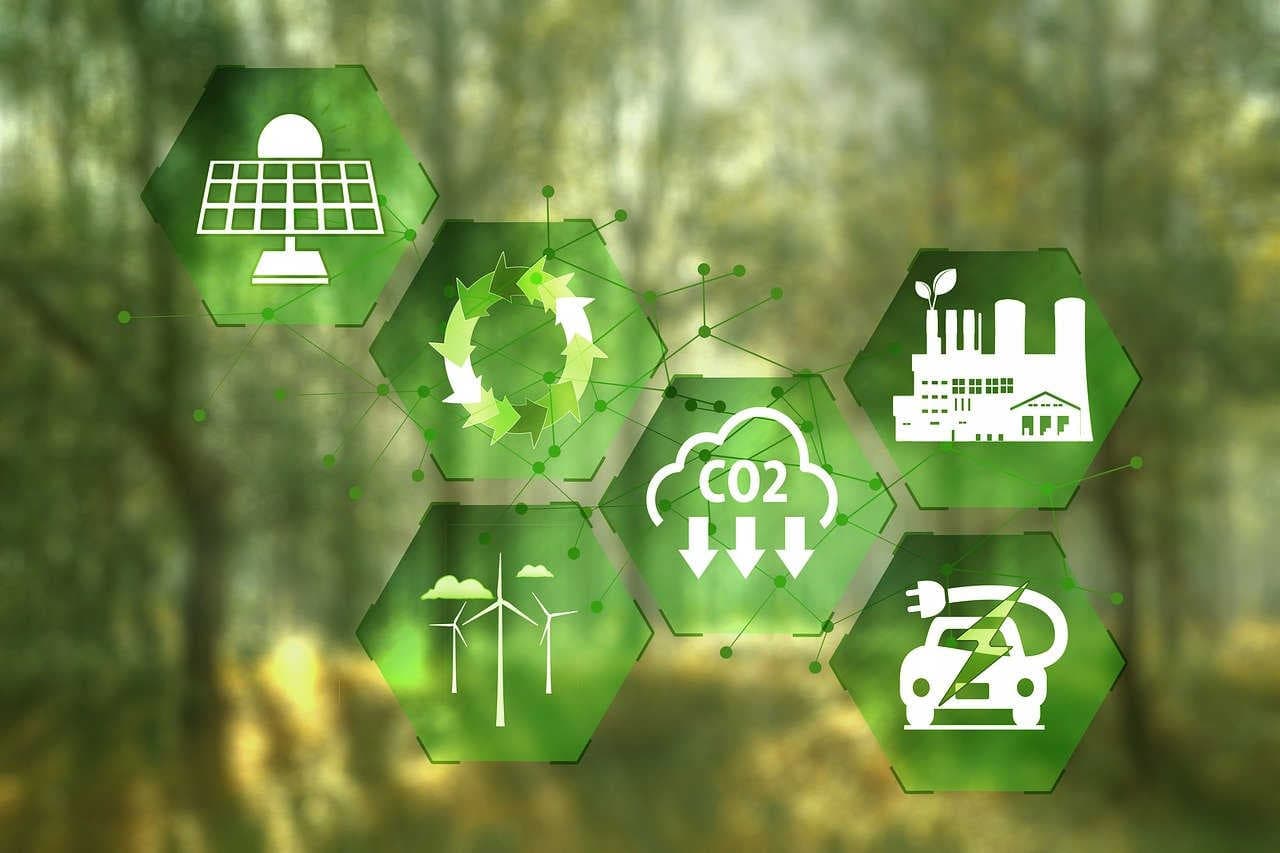
    For some time now, companies that want to contribute to the climate cause, but not directly, can purchase carbon credits: tradable certificates, each equivalent to one tonne of CO2 not emitted or absorbed through economic participation in an environmental protection project. Any company therefore has the possibility of offsetting a product, process or event with carbon credits. Despite this, not every product can become sustainable through offsetting and thus buying a credit: 3Bee CEO Niccolò Calandri told Avvenire that, about a year ago, he was faced with the question: 'how many bees is a tank worth'? Just a moment, though: time to realise that this equation does not work. Not only because a bee pollinates, brings life, unlike a tank, but also because certain products cannot become sustainable or be compensated for.
    crediti di carbonio CO2

    Regenerative projects: the importance of time

    At 3Bee we 'develop projects on biodiversity for businesses: we build natural oases. In our oases, a regenerative environment is recreated, free of monocultures and rich in pollinators. It is a complex, time-consuming process'. 3Bee's Biodiversity Oases connect nature with technology and businesses can become its custodians. Our CEO continues: "Enterprises also come along that want everything and now, look for the marketing gimmick of the month and then close the project. We had a company come to us a year ago that produces tanks. It had an interesting budget and a proposal, a marketing idea: something like 'if you buy tot tanks, we save tot bees'. Why not? You protect the habitat but you kill people.... It is clear that there was only a speculative purpose here. More than 80 per cent of the requests we receive are rejected because the partner is not yet fit for a real path of sustainability >>

    Oasi 3Bee
    XNatura

    The race for planting and the energy transition

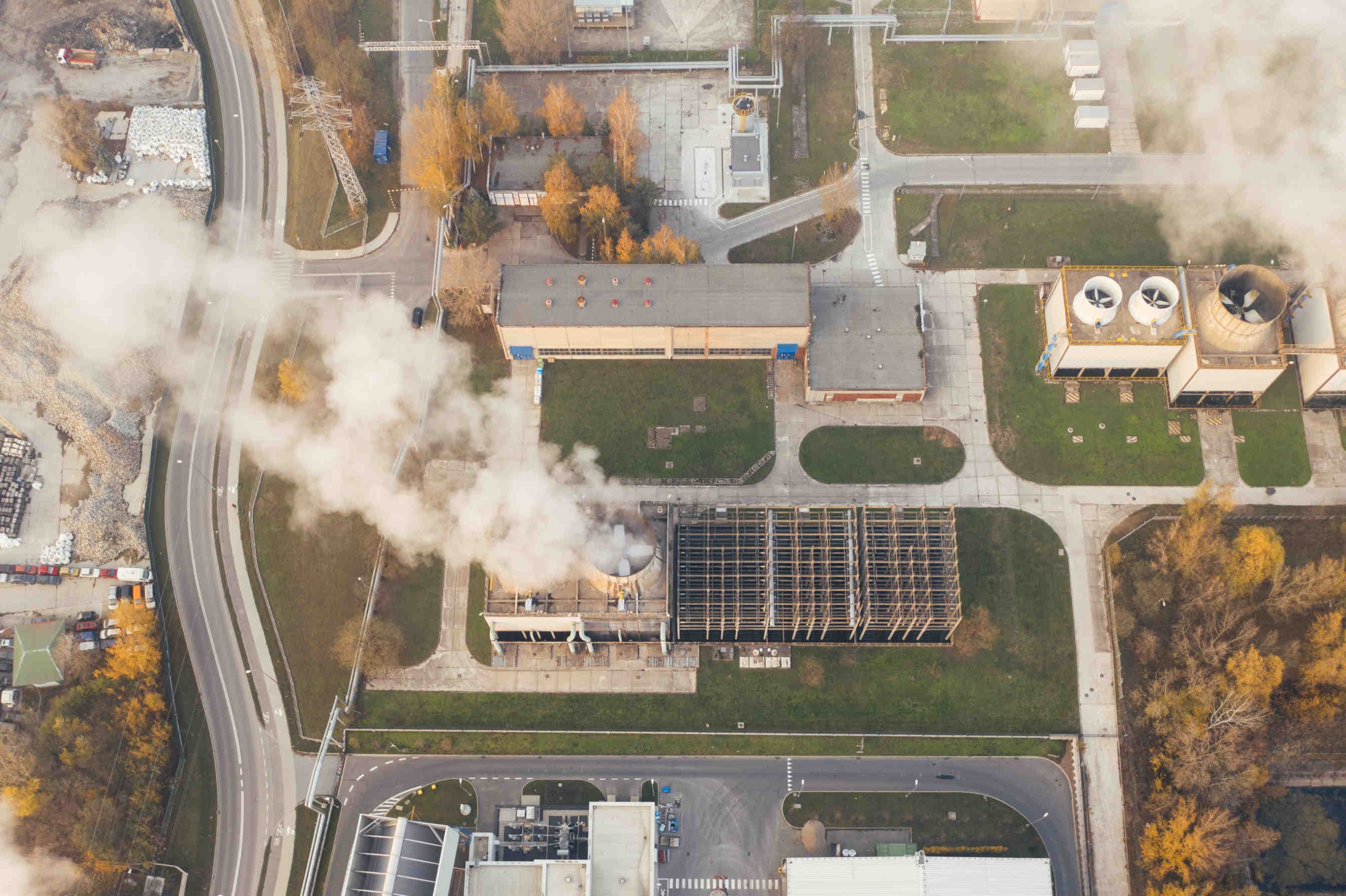
    As Oxfam explains, if the entire energy sector - whose emissions continue to grow - were to set near-zero targets through planting, a region the size of the entire Amazon rainforest would be needed to compensate for the environmental impact of the industry. There is therefore not enough land to compensate with trees for the world's industrial emissions. The rush of planting risks making us miss the point of the energy transition: trees are not a compensatory tool to be used in quantity. They are living beings, like bees. "In recent years, we have contributed to an improvement," says 3Bee's CEO, "thanks to the observation of data from the monitoring of the honey bee, a fundamental bio-indicator of the health of the environment. We are now focusing on other endangered pollinator species: we need to work on the regeneration of territories'.
    compensazione transizione energetica

    Offsetting in carbon credits

    Credit offsetting was created to push the economy to transform, but it is only a means, not the end to be achieved. Not all actions can be offset, but many companies continue to emit CO2 as before and then buy credits to offset the greenhouse gases produced. Often it is the oil companies themselves that organise Nbs (nature based solutions) projects that will receive funds from the credit market. Especially in tree-planting projects, many of which are in Africa. The Niger Delta is home to one of the largest mangrove ecosystems in the world, but with the advent of oil production, the forests have been suffering. More and more oil companies are supporting reforestation and running projects financed by carbon credits. But they have not stopped extracting oil, the cause of the problem for which thecarbon credits were created and the degradation of mangroves in Niger.

    alberi piantumazione compensazione
    XNatura

    Transparency of CO2 offsetting programmes

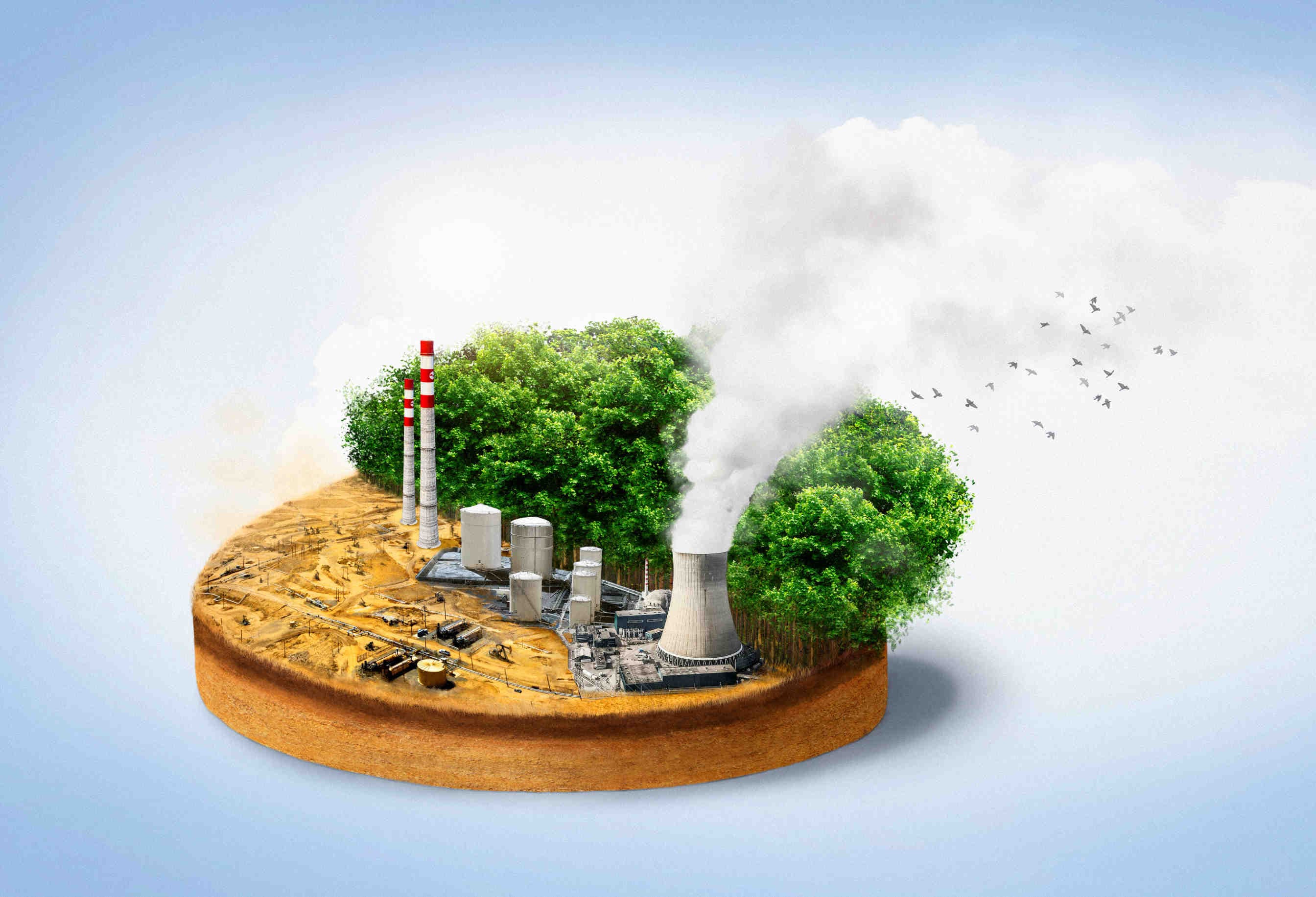
    "In another situation we were asked to compensate for the activities of a large company that produces pesticides. Why? This company also makes products to cure humans. Again, excluding it was easy (pesticides are a problem for humans and bees), but if it had proposed a path together to eliminate pesticides we would have undertaken it. Probably not: I think the pesticide business is still growing. In the end this company started its compensation project with the bees together with another operator who, like us, claims to protect them. Many companies that see offsets as a means to evolve towards zero impact are beginning to have doubts. According to a survey of board members of major companies listed on the London Stock Exchange, two-thirds are 'very concerned' and 35% 'fairly concerned' about the level of transparency offered by some carbon offset programmes.
    CO2 emissions 3Bee
    3Bee

    The importance of regulation

    "Does it make sense to compensate for anything? - our CEO Niccolò Calandri asked himself - No, some products should just be reduced, eliminated, avoided: I am referring to anything that creates a social harm. We are moving towards this trend in products towards consumers, thanks to the new generations. But I think the tank manufacturer and the B2B world will take longer: it has a very big inertia because its supply chains are hidden. Hopefully this change will come soon: this is where the heart of the issue is. If the market does not get there, it has to be the EU and the individual state to make the right rules, to impose transparency. So the B2B has to be regulated from outside'. This is what is happening with the new European regulations, which are forcing large and small companies to monitor the environmental impact of their product and production cycle.

    regolamentazione CO2 3Bee
    26/06/2023Of 3Bee, Elena Fraccaro
    1442 Views
    Newsletter
    newsletter
    Subscribe to the Blog about bees and biodiversity