ESG and sustainable transition: the regulation of change
    Green DealCompanies and StandardsEU DirectivesReporting

    ESG and sustainable transition: the regulation of change

    Sustainable transition is becoming an increasingly relevant objective for companies. In order to understand the direction to follow, it is necessary to know the regulations governing mobilisation. In this article, we offer an overview that clarifies doubts about the action to be taken.

    Read the article
    22/11/2023Of 3Bee, Elena Fraccaro
    317 Views
    22/11/2023Of 3Bee, Elena Fraccaro
    317 Views

    The European Green Deal sets the rules

    European companies face a sustainability challenge that can only be met by mobilising towards a green and climate-neutral transition. This transition is envisaged by the European Green Deal, the European Union's strategy to achieve climate neutrality by 2050. It is a package of initiatives to create a modern and competitive economy. The measures cover climate, environment, energy, transport, agriculture, industry and sustainable finance. Companies involved in this transition to climate neutrality will be able to take advantage of significant opportunities such as economic growth and the development of new business models. At the same time, they will have to produce environmentally friendly, circular and energy-efficient goods.
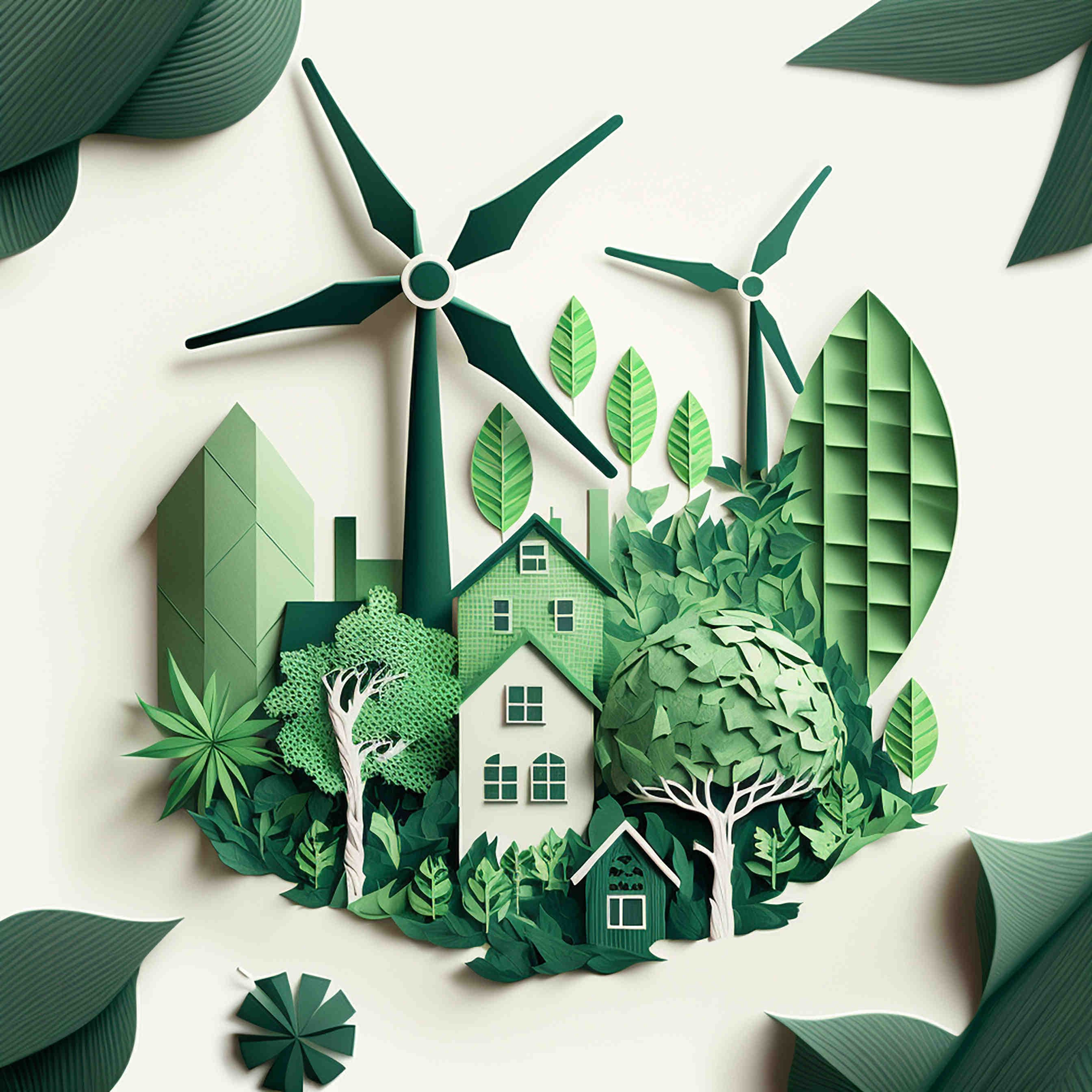
    Green Deal europeo

    The change of direction of enterprises

    The goal of the European Green Deal by 2050 is the transition to a green economy and climate neutrality. It goes hand in hand with the UN's sustainable development goals defined in the Agenda 2030, an action programme for companies called upon to take action in the social, economic, environmental and institutional spheres in order to build a more sustainable world. The ambitious task for companies, therefore, is to actively mobilise themselves towards sustainability with respect to the ESG standards and clear and transparent reporting of the actions taken to achieve their goals. Having ascertained that a voluntarist and promotional approach is not enough to steer companies, the European legislator has created a dynamic regulatory output to push as soon as possible for a change of course.

    Sostenibilità
    XNatura

    The European Union's sustainability regulations

    The European institutions initially adopted flexible rules inspired by the comply or explain principle. Companies were left free to comply with the sustainability provisions or to explain their reasons for not adhering to the policies defined by the EU. Subsequently, the need was felt to strengthen regulation and toimpose diligence conduct in terms of sustainability. Otherwise, it would not have been possible to pursue the transition goals of achieving a society that is resilient to climate change, respectful of human rights, the environment and at the same time economically innovative.
    Bandiera UE

    Corporate Sustainability Reporting

    The Corporate Sustainability Reporting Directive was published in the Official Journal of the European Union on 14 December 2022 - Corporate Sustainability Reporting Directive - which obliges large companies as well as small and medium-sized enterprises to include in the organisation's annual report the information that is indispensable for understanding the company's impact on sustainability issues. In addition, the Directive requires information to be included to understand how sustainability affects the performance of the company and the results achieved. The Social Balance Sheet is a tool that, for example, can be used to monitor socially responsible behaviour. With the exception of micro-companies, therefore, all companies must disclose their actions. This strengthens the obligations and responsibilities for the companies themselves and defines the timeframe in which concrete results can be achieved.

    Impegno per la sostenibilità
    XNatura

    Sustainability Reporting Standards

    The reporting obligation made it necessaryto define shared parameters different from the standards used for voluntary sustainability reporting. The European Commission thus adopted on 31 July 2023 the first block of European Sustainability Reporting Standards to improve corporate responsibility and the quality of CSRD reporting. The standards will consist of twelve general standards, ten of which cover specific topics such as workforce and climate change, and two cross-cutting topics. Each piece of information contained in the standards is subject to the principle of materiality assessment and leaves companies free to choose the themes they consider most relevant without having to justify the exclusion of any topics. The reporting obligation only concerns ESRS 1 and ERSR 2.

    Sostenibilità ambientale
    3Bee

    The Deforestation Regulation

    The next step after the adoption of the CSRD was the approval of the Deforestation Regulation concerning the placing on the European market and export outside the EU of a long list of goods that are produced from certain raw materials or are associated with deforestation. The European Parliament has ruled that these products - palm oil, cocoa, coffee, rubber, soya, wood and cattle - may not be placed on the EU market unless they have been produced in compliance with the regulations in force in the country of production and subject to Due Diligence procedures for gathering information and assessing the risk of non-compliance. Thus, products manufactured with raw materials from land subject to deforestation - phenomenon causing biodiversity loss - after 31 December 2020 are not permitted, and timber harvested causing degradation of the forest of origin is not permitted. All companies must comply with this regulation.

    Foresta

    Corporate Diligence for Sustainability

    The European Commission on 23 February 2022 adopted a proposal for the promotion of sustainable and responsible corporate behaviour. The reference is to theCorporate Sustainability Due Diligence Directive - Corporate Sustainability Due Diligence Directive. The new regulations revolutionise the way of doing business of European, Asian, American and all companies exceeding a certain turnover in the EU market. The benefits for companies are better access to finance, increased customer confidence,better risk management and adaptability, and increased attractiveness for talent.

    Insetti impollinatori

    The consequences of CS3D for companies

    The CS3D proposes a duty of care for companies in relation to negative impacts on the environment and human rights generated not only directly but also as a result of business relationships throughout the entire value chain. It means that every company will have to identify and prevent the negative impacts detected in the course of its own and its partners' activities. It will increase responsibilities for directors who will have to verify that actions taken are in the interest of society, in respect of human rights, climate change and the environment. All this in view of the fact that the impact of corporate activities on society is so significant that companies cannot be allowed to abandon the leading role of sustainability. The figure of the Sustainability Manager could be a valuable aid in managing the new responsibilities.

    Effetti sull'ambiente

    European Union environmental legislation

    The objectives of the European Green Deal and the 2030 Agenda aim at sustainable development with reference to the environment and human rights. The European Union's answer to environmental sustainability can be found in legislation that aims to protect the environment and promote sustainable development within the member states. Air, water, biodiversity, climate, soil must be protected and to push businesses in this direction, the EU has developed a series of directives such as the Water Framework Directive, the Habitats Directive and the Birds Directive as well as the Greenhouse Gas Emissions Directive and the Energy Efficiency Directive. The goal of environmental sustainability must be embraced in order not to risk taking actions that would lose the confidence of stakeholders, employees and customers who are increasingly concerned about sustainability issues.

    Impollinatori

    Social responsibility: a goal for business

    The regulatory framework pushes companies towards measurable economic activities also in terms of sustainability. At the centre of the tasks to be performed are the monitoring of the production chain, the management of raw material supplies and energy sources used in production processes. By drawing up a sustainability balance sheet in accordance with CSRD, one can certify social responsibility and communicate the extent of the impact of one's business from an economic, environmental and social perspective. With this in mind 3Bee provides companies with transparent communication of ESG through reports that comply with the CSRD directive and the reporting standards, in particular GRI, ESRS and SASB. 3Bee in fact, operates in the three ESG areas of expertise and especially in the environmental field, implementing projects for the protection and monitoring of biodiversity based on the use of proprietary technologies.

    Article edited by Valentina Trogu

    Materie prime
    22/11/2023Of 3Bee, Elena Fraccaro
    317 Views
    Newsletter
    newsletter
    Subscribe to the Blog about bees and biodiversity

    Frequently Asked Questions

    Do you have any doubts or other curiosities about this article? Here you will find some insights