Biodiversity credits: the 3Bee approach
    BiodiversityCreditsLossChallenge

    Biodiversity credits: the 3Bee approach

    The protection of biodiversity is increasingly crucial today, which is why new instruments such as biodiversity credits are emerging. What are they? How do they work? In which countries in the world do they officially exist? Read more in this article and discover 3Bee's role in this context.

    Read the article
    22/07/2024Of 3Bee, Lisa Santillo
    475 Views
    22/07/2024Of 3Bee, Lisa Santillo
    475 Views

    Biodiversity: intrinsic and economic value

    In a world facing growing challenges related to climate change, the topic of biodiversity is gaining increasing relevance. Indeed, climate resilience is closely linked to the conservation and regeneration of ecosystems. Biodiversity - the variety of all life forms on our planet, from the smallest organisms to large ecosystems - plays an indispensable role in maintaining fundamental ecological functions. However, biodiversity not only has intrinsic value, but also economic value. The latter is fundamental in terms of ecosystem services, in particular pollination, on which 75% of the world's crops depend and thus the presence of food on our tables. But not only that: areas with high biodiversity are more resilient to the increasingly frequent extreme weather events and the invasion of native species.
    biodiversità

    What are biodiversity credits?

    This is the context of biodiversity credits: a biodiversity credit is a certification that attests and quantifies the improvement of biodiversity in a specific area. This mechanism is similar to that of carbon credits and allows an economic value to be attached to conservation activities, incentivising the protection of biodiversity. In contrast to the already well-known carbon credits, biodiversity credits are still an emerging but equally crucial concept. To date, Australia is the only nation to officially recognise these credits to those who carry out conservation activities on land, but the debate is open and the potential is enormous. A similar approach is being developed in the United Kingdom, where the Biodiversity Net Gain strategy was recently published.

    bombi
    XNatura

    Biodiversity loss: an urgent challenge

    The loss of biodiversity in fact, is one of the most urgent challenges to be addressed, on a par with climate change. In December 2022, the COP 15 - United Nations Conference on Biodiversity - set international targets for the protection of biodiversity for the first time. Following this line, the Nature Restoration Law officially approved last June by the EU Council, provides for the restoration of 20 per cent of the EU's land and marine areas by 2030. Biodiversity is therefore also increasingly at the centre for the institutions, which meet regularly to take stock and set new goals, recognising the urgency of action in this field.
    rana

    A local challenge in a global context

    While climate change is a global crisis, where CO2 emissions produced in one corner of the world affect the global climate balance, biodiversity loss is an inherently local issue. This means that, unlike CO2 that can be offset anywhere in the world, the decline of biodiversity in a specific area must be addressed right there, by those who live and work there. We cannot delegate this responsibility to other countries: if we lose biodiversity in Italy, we cannot compensate for it elsewhere. This implies a commitment and a responsibility that go far beyond global strategies, requiring concrete and targeted action on a local scale. The loss of biodiversity is not just a conservation issue, but one that directly affects the resilience and sustainability of local communities.
    colibrì
    XNatura

    Biodiversity credits: the role of 3Bee

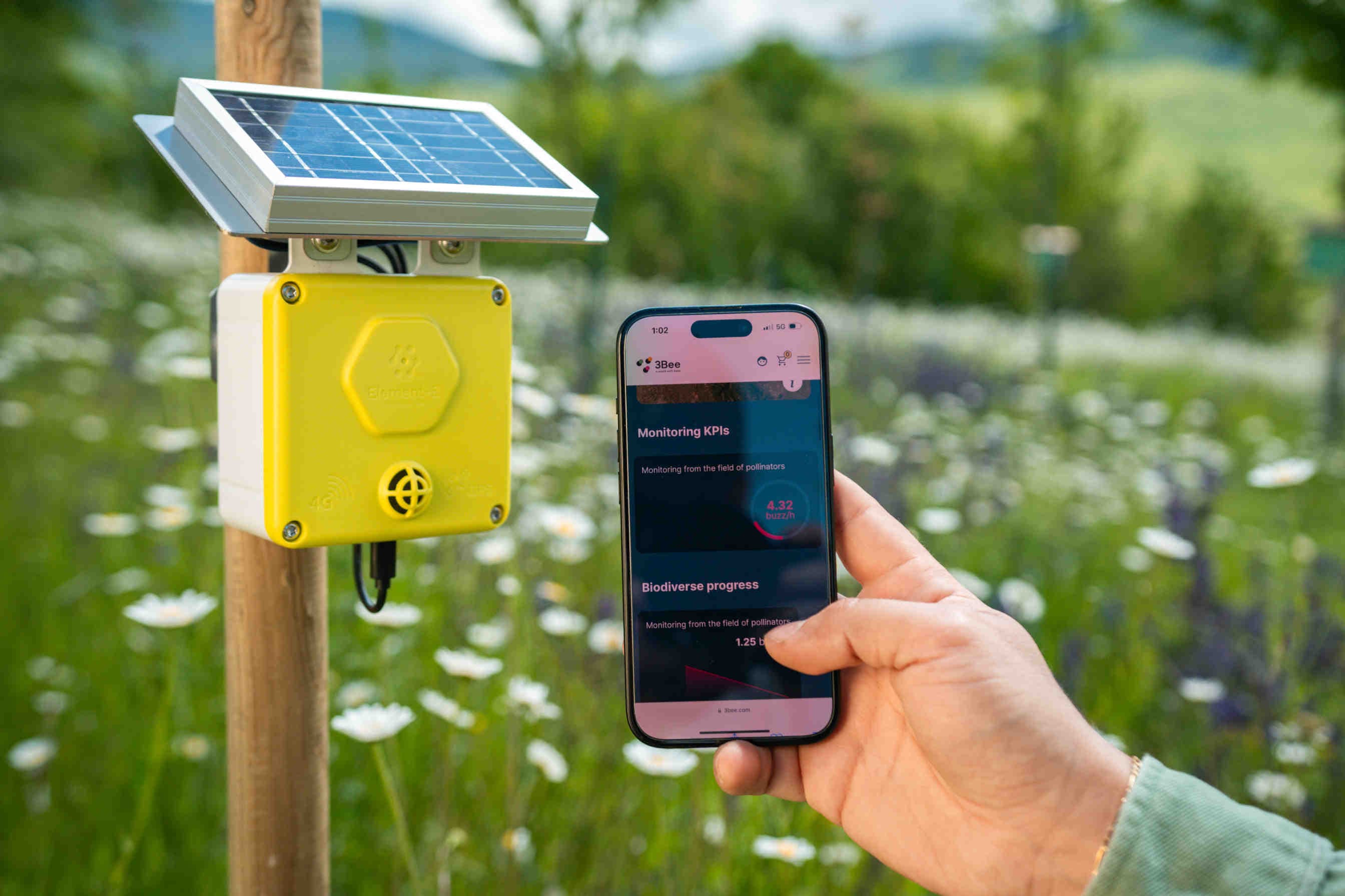
    3Bee, the nature tech company that develops technologies for the monitoring, protection and regeneration of biodiversity, has always set goals in line with the Nature Restoration Law. In particular, with the Oasis 3Bee of Biodiversity project, nature tech engages in the regeneration of low-biodiversity areas across Europe, creating spaces dedicated to the protection of local biodiversity and pollinating insects. In the 3Bee Oases of Biodiversity, the impact is traceable thanks to technology.
    3bee monitoraggio
    3Bee

    Assessing the impact on biodiversity: the 3Bee platform

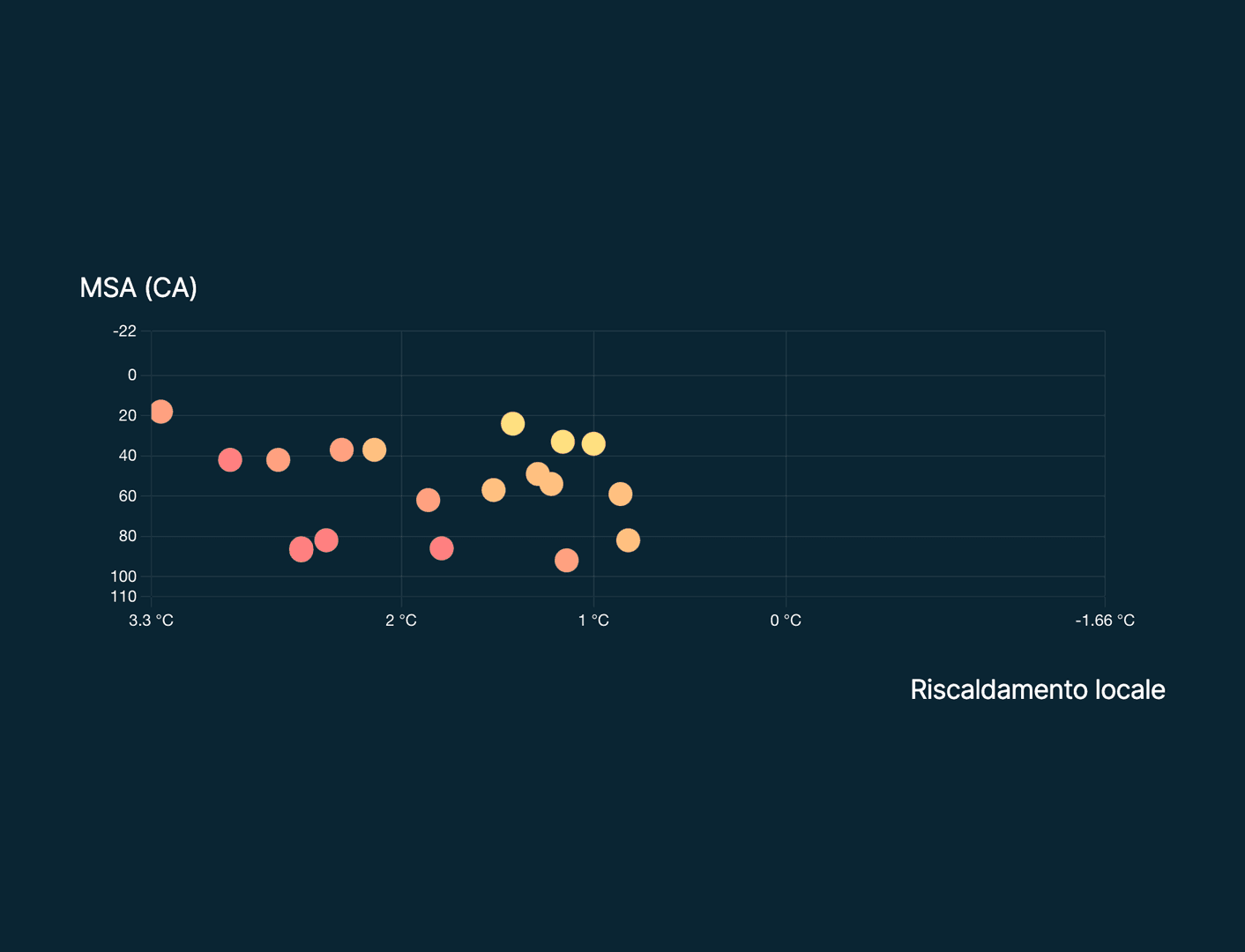
    The 3Bee biodiversity monitoring platform allows companies, authorities and municipalities to assess their impact on biodiversity. Here, data collected through the analysis of satellite images and IoT bioacoustic devices placed in the field are aggregated and synthesised into indices that allow for an estimation of the impact of company sites on local biodiversity. The 3Bee approach for biodiversity assessment, regeneration and monitoring is based on the guidelines of the verified XNatura protocol, based on bioacoustics and remote sensing. In a single monitoring platform, 3Bee enables companies to obtain transparent and objective data on the biodiversity impact of all company sites and the supply chain.
    Assessing the impact on biodiversity: the 3Bee platform

    Biodiversity credits: 3Bee and the UNI PdR table

    For the past few weeks, 3Bee has been participating in the work to develop a new PdR (reference practice), which will be closed by the end of the year 2024. Proposed by the Department of Agriculture of the University of Federico II, the document aims to identify the requirements for the generation of biodiversity credits, so that organisations that apply it can make a concrete contribution to the protection, regeneration and conservation of biodiversity and demonstrate their commitment to this end with verifiable scientific evidence. The PdR will outline guidelines and practices for the management and valorisation of biodiversity at both farm and site level, covering all key steps of the process (assessment, biodiversity plan, implementation, monitoring and reporting), as well as defining the requirements for the implementation of offsetting interventions with possible generation of biodiversity credits.

    farfalle fiori

    Climate resilience through biodiversity

    At a time when the climate crisis and the loss of biodiversity are among the greatest challenges facing humanity, it is imperative that technology and nature work symbiotically to address these challenges. And so, as we look ahead to an uncertain future, we know at least one thing for certain: the road to climate resilience passes through biodiversity. 3Bee's approach is based on the all-round protection of ecosystems as required by the European Union, in line with the CSRD Directive and international reporting standards (GRI, ESRS, SASB), in order to build a future in which biodiversity is brought to the fore as an indispensable pillar for a sustainable future, both locally and globally. Indeed, the ultimate goal of 3Bee is to create a framework that all European companies can use to monitor the biodiversity impact of their business sites.

    22/07/2024Of 3Bee, Lisa Santillo
    475 Views
    Newsletter
    newsletter
    Subscribe to the Blog about bees and biodiversity

    Frequently Asked Questions

    Do you have any doubts or other curiosities about this article? Here you will find some insights