Marine fish are threatened by climate change
    DeclinoStudioResultsEvolution

    Marine fish are threatened by climate change

    While many animal species migrate to colder areas to escape the high temperatures caused by climate change, this generally successful strategy does not seem to work in the case of marine fish, as highlighted by a recent study.

    Read the article
    05/04/2024Of 3Bee, Alessia Mircoli
    444 Views
    05/04/2024Of 3Bee, Alessia Mircoli
    444 Views

    The decline of marine fish populations

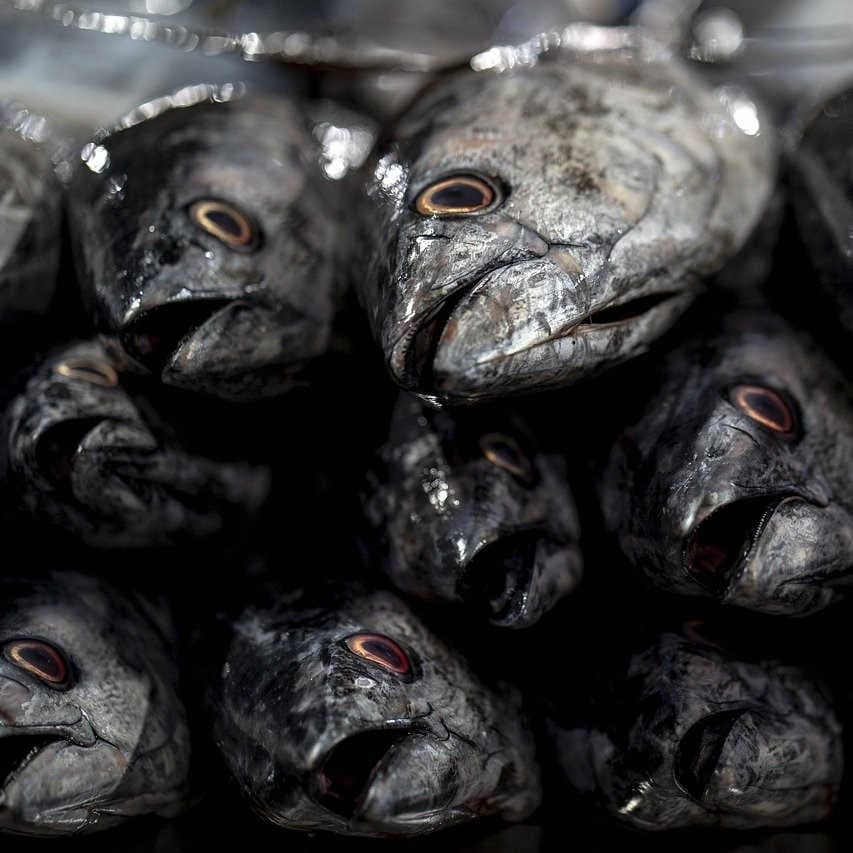
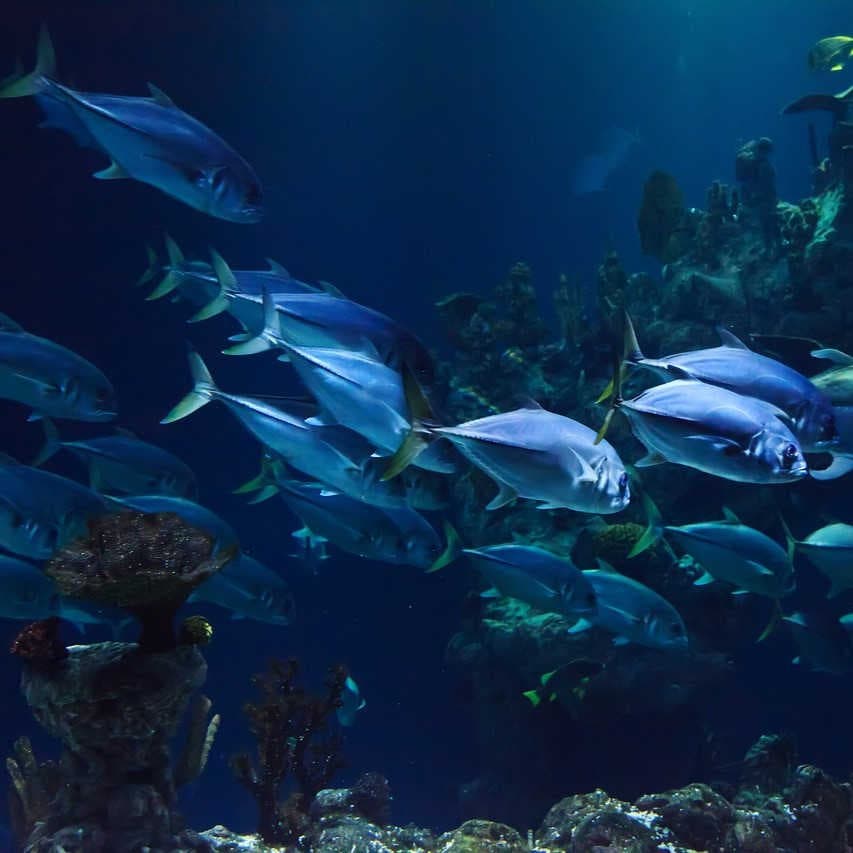
    It is now well known that the sudden rise in temperatures over the last century is increasingly endangering the environment and biodiversity. Many species, in order to counteract the effects of climate change, tend to move to the poles in search of cooler territories. These movements, according to many scholars, should benefit these species, which, by finding a more hospitable and less hot habitat, should be able to survive and reproduce without hindrance. However, a recent study published in Nature Ecology & Evolution that analysed the migrations of several marine fish species, revealed a worrying decline in the populations of species that move to new areas to escape the impacts of climate change.
    pesci in mare

    Conduct of the study

    In order to predict the effects of climate change, it is good practice to study the link between the speeds of animal movement and trends in their populations, i.e. to analyse whether these are increasing or decreasing. In this case, to reach the conclusion mentioned above, the research team examined data from two large databases on populations of marine species moving in response to climate change. Their analysis focused on 146 species, mainly found in temperate and subpolar regions.

    codici
    XNatura

    The results of the study

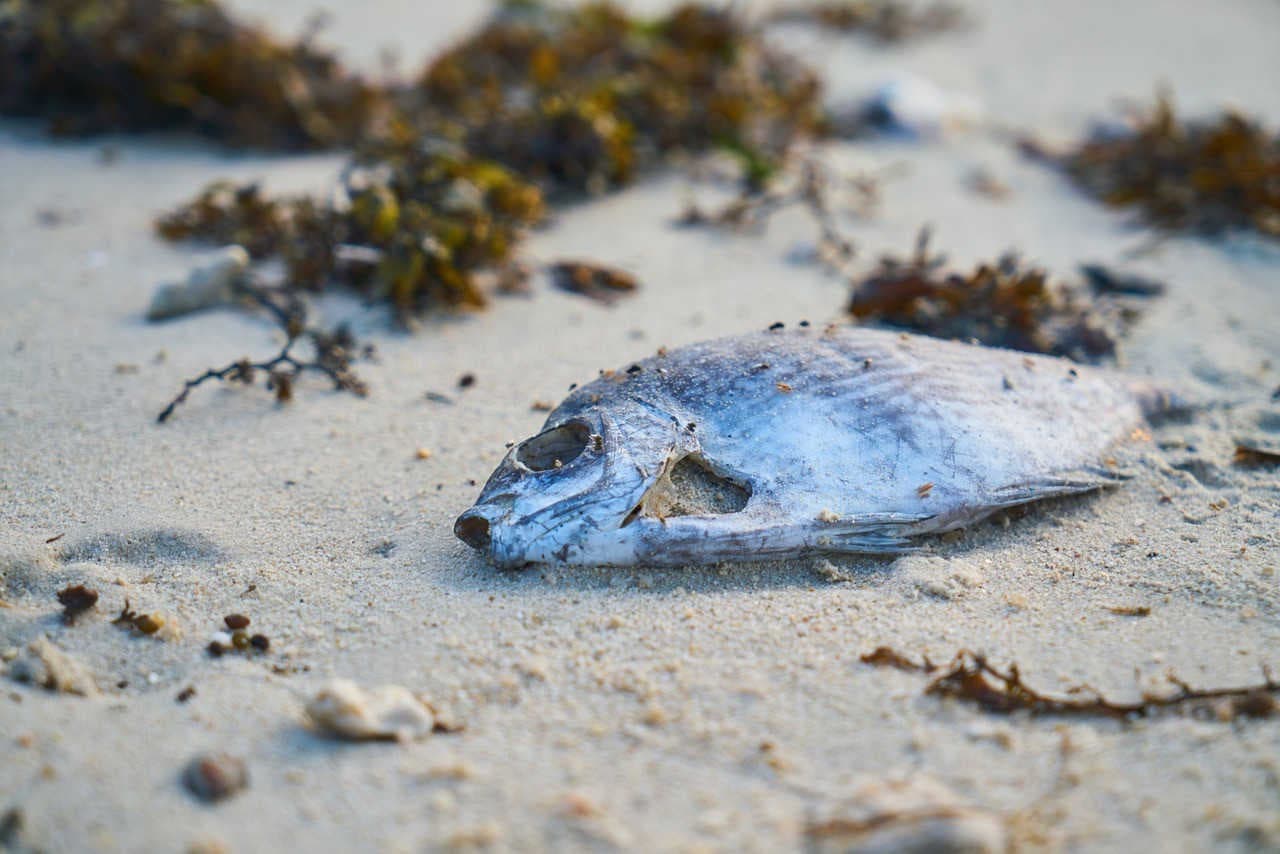
    The analysis of the data led to surprising results. The researchers noted that species that move rapidly northwards are experiencing a noticeable decline in their populations, unlike those that have not left their range. In particular, it appears that those in the northern parts of their range are declining, as opposed to those in the centre of their range. The researchers found that species with a high rate of migration, which can cover up to 17 km per year, show a 50% decrease in their population size in just 10 years. This figure is significantly more dramatic than the general trends for species that remain stable in their habitat.

    pesci morti

    Slow adaptation, rapid decline

    The evolutionary path that brought living beings to their current stage took millions of years. However, the climate changes have upset the balance of ecosystems in an incredibly short period of time. This sudden change, unfortunately, has not allowed different species to adapt morphologically and physiologically to the new climatic conditions, making them vulnerable to the destructive effects of climate alteration. The researchers, in fact, suggest that the fish populations analysed in this study are declining precisely because they belong to species unable to adapt rapidly to climate change, which would explain why they are unable to survive this repentant rise in temperatures.

    evoluzione dell'uomo
    XNatura

    Impacts of climate change on marine ecosystems

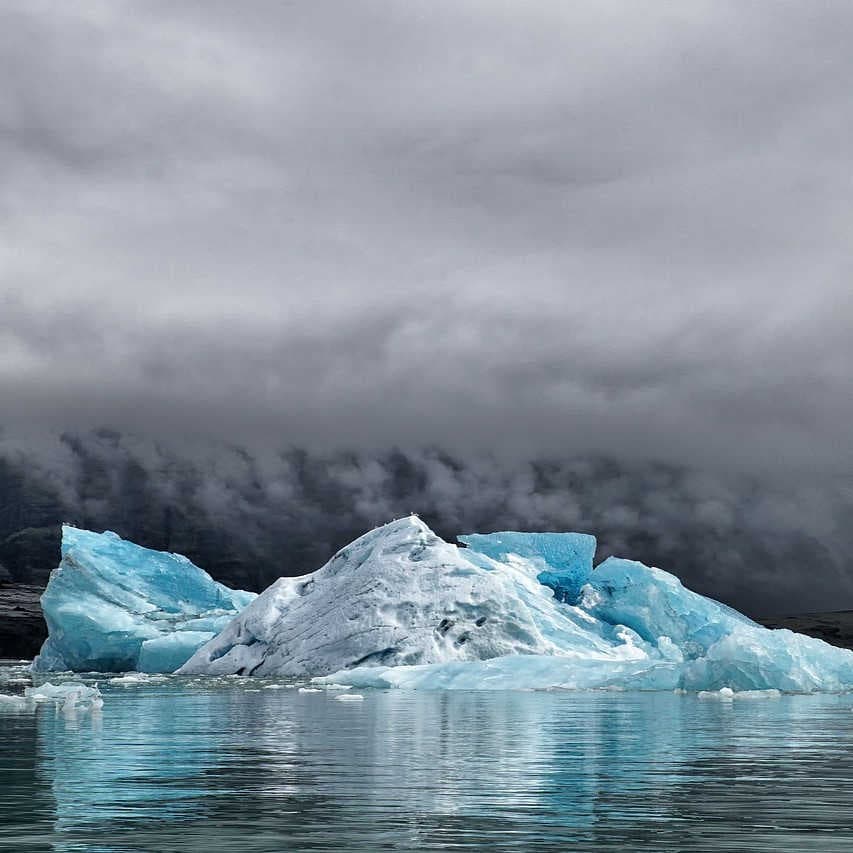
    Studies such as this one show how much climate change is damaging the planet and seriously jeopardising the survival of fish species. However, it is worth noting that in addition to the direct effect on fish populations, climate change is also affecting marine ecosystems in broad and complex ways. Variations in the distribution and abundance of species can affect the entire ecosystem, altering the dynamics of food chains and predator-prey relationships. These changes can cause knock-on effects that propagate through marine habitats and beyond, threatening the stability of the entire ecosystem.
    iceberg
    3Bee

    The oceans of the future

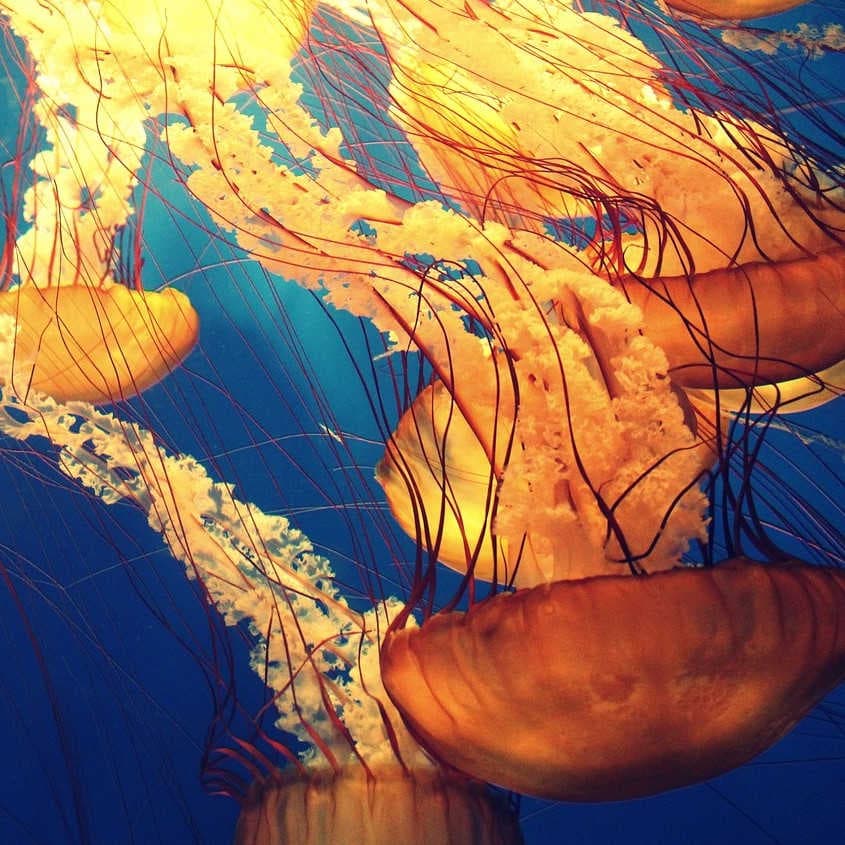
    Over the past decades, significant changes have occurred in the biota of marine systems, such as the elimination of large predators and significant changes in the distribution and seasonality of marine plankton. In this scenario, there is growing concern that the oceans may be increasingly dominated by jellyfish. It is speculated that their populations may increase for several reasons: firstly, they may indirectly benefit from fishing, in which humans target the largest and most valuable fish species at the apex of the ecological pyramid and, after depleting these stocks, descend to the next trophic level, and so on. Secondly, changing environmental conditions and climatic fluctuations seem to favour jellyfish at the expense of other marine species. This is just a hypothesis, but it is enough to make one realise how human actions can completely disrupt the environment and biodiversity.

    meduse in mare

    Research and Technological Innovation

    The reasons why this decline occurred are still not entirely clear. Those proposed by the researchers are only theories that, as such, should be investigated with further studies. Investing in scientific research and in the development of innovative technologies can play a key role in understanding organisms' responses to climate change and trying to counteract its effects. In this context, 3Bee is committed to developing technologies for monitoring terrestrial biodiversity such as the XNatura protocol, based on bioacoustics and remote sensing. New tools and methodologies such as this can help monitor environmental variations and animal populations, including fish populations, more effectively, providing more accurate data to guide management and conservation decisions, as well as lead to creative solutions to address specific climate change problems.

    laboratorio

    Responsible Trade and Resource Management

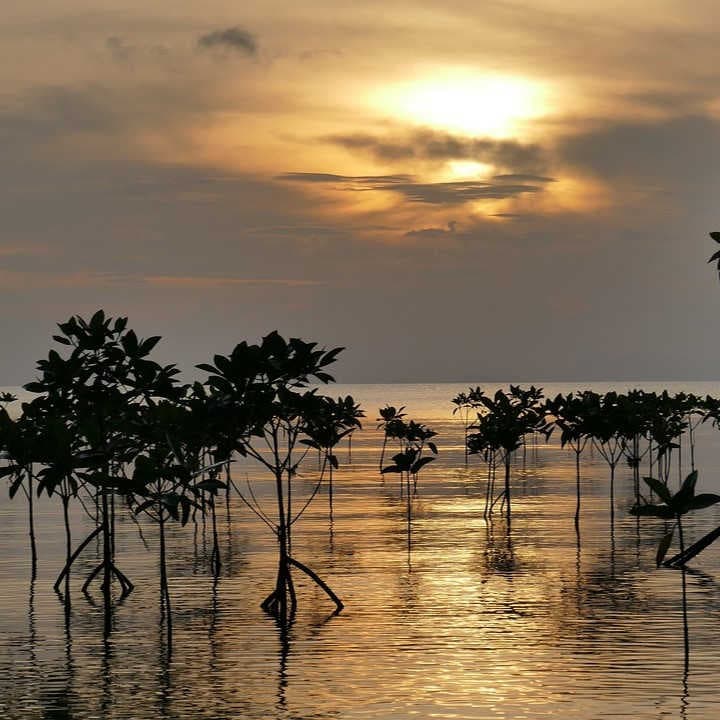
    Another important strategy to protect the oceans is to promote responsible trade and sustainable management of marine resources. This means adopting sustainable fishing practices that limit overfishing and damage to marine ecosystems. At the same time, it is important to combat the illegal trade in endangered marine species and to promote the conservation of critical habitats, such as mangroves, seagrass beds and coral reefs, which play a key role in the health of the oceans and the livelihood of coastal communities.

    mangrovie

    Collaboration between Sectors

    Effectively addressing <cllr>climate change and protecting marine ecosystems requires the collaboration and commitment of governments, non-governmental organisations, the private sector, local communities and individuals. Cooperation between different sectors can foster the exchange of knowledge, resources and experience, enabling the creation of innovative and sustainable solutions. Furthermore, actively involving local communities and stakeholders in management decisions can increase the effectiveness of conservation policies and programmes, ensuring greater support and involvement of people.

    unione fa la forza

    Education and Public Awareness

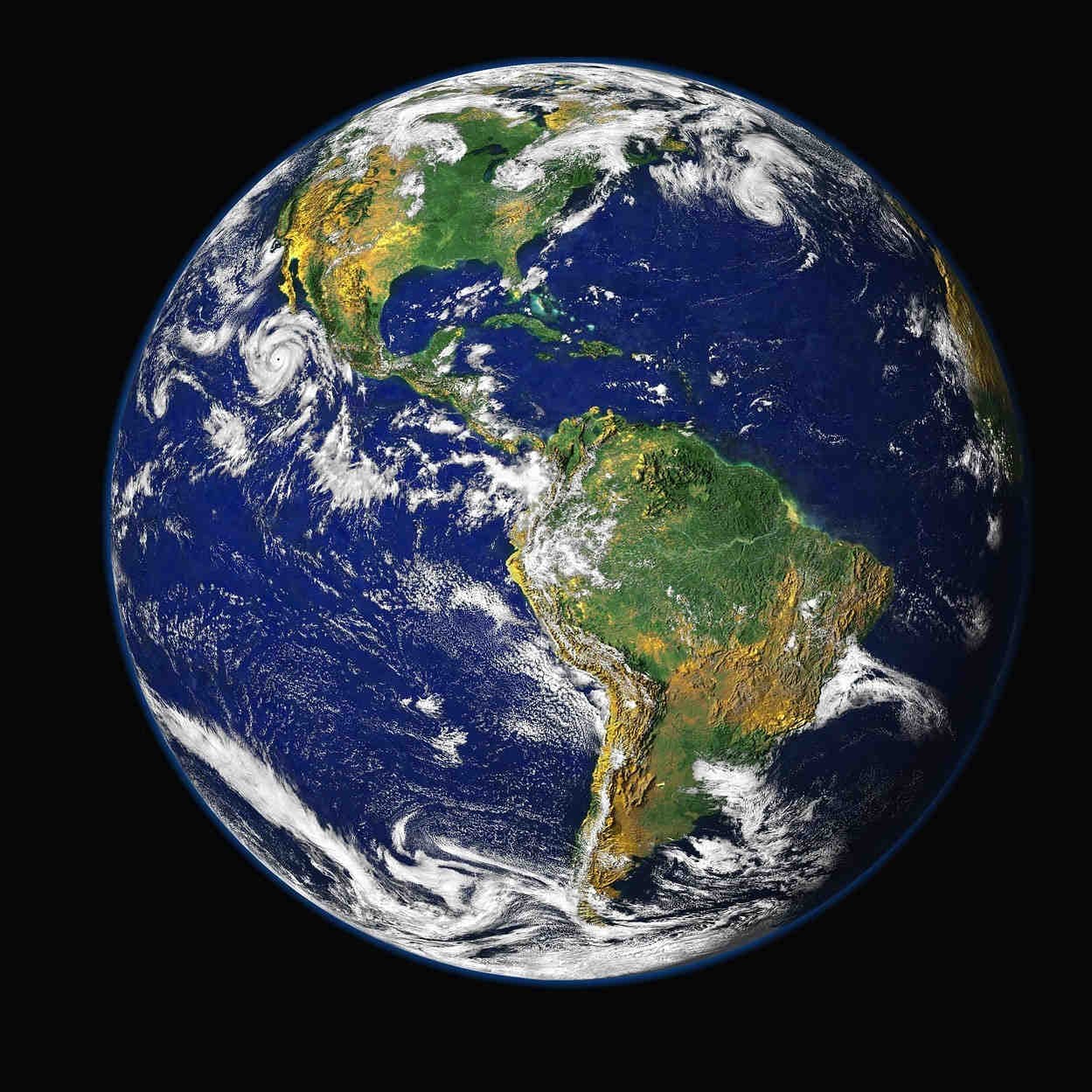
    Finally, it is of paramount importance to spread greater awareness about climate change and its impacts, not only on marine ecosystems, but on the entire planet. Although many people are aware of the existence of climate change, not everyone fully understands the extent of the damage that these phenomena are causing to the planet. Raising public awareness about the importance of environmental conservation and biodiversity can play a crucial role in promoting behavioural change and encouraging concrete actions to protect the environment. We must always keep in mind that the Earth is not our property, but rather a home we share with countless lifeways. It is our duty, therefore, to take care of it and abandon the idea that we can mould it to our liking.
    terra
    05/04/2024Of 3Bee, Alessia Mircoli
    444 Views
    Newsletter
    newsletter
    Subscribe to the Blog about bees and biodiversity

    Frequently Asked Questions

    Do you have any doubts or other curiosities about this article? Here you will find some insights