Artificial Intelligence: what role in the 2030 Agenda?
    IAAI algorithmsAI and lifeAgenda 2030

    Artificial Intelligence: what role in the 2030 Agenda?

    How can Artificial Intelligence contribute to Sustainable Development? AI can lead to important social, economic and environmental benefits and be a valuable ally in achieving sustainability and biodiversity protection goals. Find out how in this article.

    Read the article
    24/10/2023Of 3Bee, Elena Fraccaro
    1669 Views
    24/10/2023Of 3Bee, Elena Fraccaro
    1669 Views

    What is artificial intelligence?

    The birth of the name Artificial Intelligence dates back to 1955, when a group of researchers, including John McCarthy, Marvin Minsky, Nathaniel Rochester and Claude Shannon, wrote the "Dartmouth proposal" introducing for the first time the term Artificial Intelligence. However, important publications on intelligent systems and machines had been published in 1943 and 1950. In 1943, Warren McCulloch, a neurophysiologist, and Walter Pitts, a mathematician, published an article entitled "A logical calculus of the ideas immanent in nervous activity", in which they demonstrated how a simple system of artificial neurons could perform basic logical functions. In 1950, Alan Turing wrote an article entitled "Computing machinery and intelligence", in which he questioned whether machines could think. This article influenced many subsequent studies on AI.

    Che cos’è l’intelligenza artificiale

    L’IA: machine learning e deep learning

    Artificial intelligence (AI) is a field of research and study involving most systems and concerned with creating machines capable of performing tasks that require human intelligence. The goal of AI is to develop algorithms, models and technologies that enable machines to learn, understand, reason, make decisions and solve problems in a similar way as a human would. For example, machine learning is a machine learning where AI focuses on developing algorithms and models that allow machines to improve their performance over time. Machine learning includes subcategories such as deep learning, this is a deep learning that uses artificial neural networks with multiple layers to model and understand complex data.
    L’IA: machine learning e deep learning
    XNatura

    AI already present in our daily lives

    In addition to machine learning, the various phases include: reasoning and planning, which involves the development of algorithms that enable logical conclusions to be drawn, and sequences of actions to be planned; artificial vision, which focuses on the construction of systems capable of understanding, interpreting and analysing visual content, such as images and videos; and natural language processing, which involves the development of algorithms and models that enable machines to understand and generate human language. AI has already entered our daily lives, with applications ranging from virtual assistance such as Siri and Alexa, to recommendation systems on streaming platforms, to data analysis in business and medical environments, and much more. One must consider that AI is still evolving and presents challenges and limitations that require attention, such as ethics, transparency, security and socio-economic impact.

    L’IA già presente nella nostra vita quotidiana

    Agenda 2030, SDGs and ESG criteria

    In September 2015, more than 150 international leaders gathered at the United Nations with the goal of contributing to global development, protecting the environment and promoting human well-being. During this meeting, the community of states adopted the2030 Agenda for Sustainable Development, which comprises the 17 Sustainable Development Goals (SDGs) and 169 sub-goals. These goals aim to end poverty, combat inequality and achieve social and economic development, they also address crucial issues such as climate change and building peaceful societies by 2030. The MDGs/SDGs are universally valid, which means that all countries must contribute to the achievement of the goals according to their capacities and must take into account the ESG criteria of sustainable development in a balanced way. For the first time, a single policy document combines sustainable development and the fight against poverty.

    XNatura

    Correlation between AI and SDGs Goals

    The correlation between Artificial Intelligence and the Sustainable Development Goals (SDGs) stems from the fact that AI can play a significant role in achieving the SDGs. AI offers tools and innovative approaches to address complex challenges related to sustainable development and can help improve the efficiency, equity and impact of actions taken to achieve these goals. For example, AI can be used to analyse large amounts of data and identify useful patterns and trends in various sectors, such as healthcare, agriculture, energy and the environment. It can also improve resource planning and management, thus helping to reduce waste and promote efficiency through the adoption of ESG criteria for environmental sustainability. Furthermore, it can support the creation of innovative solutions to address disugua

    3Bee

    Studies on Artificial Intelligence and the SDGs

    Studies, institutions and conferences on AI and the SDSGs have had a significant prominence in recent years. In 2008, the Institute for Computational Sustainability (ICS) was established with the support of a subsidy Expeditions in Computing from the National Science Foundation. In 2018, McKinsey publishes an article titled "Using AI to help achieve Sustainable Development Goals" in which it identifies 160 potential applications of AI to achieve certain SDGs. McKinsey also maps the main capabilities developed by AI against the identified goals. On 13 January 2020, an article is published in Nature Communication entitled 'The role of artificial intelligence in achieving the Sustainable Development Goals'. Finally, the University of Oxford established a research centre called the Oxford Initiative on AI×SDGs. This centre collects a database of applications that use AI tools to achieve the SDGs.

    Studi su Intelligenza Artificiale e SDGs

    Impact on the SDGs

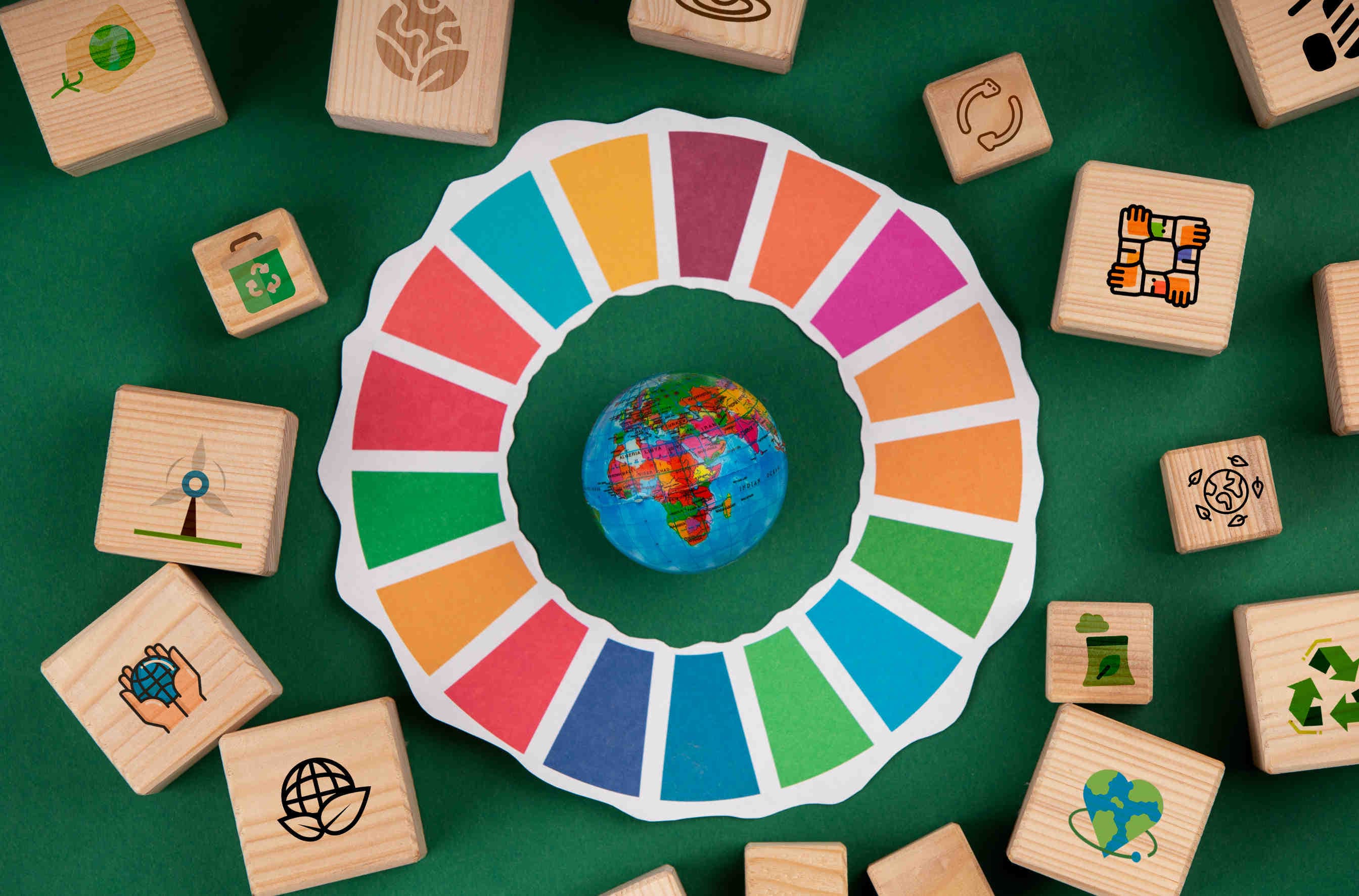
    Artificial Intelligence (AI) can make a number of concrete contributions to achieving the Sustainable Development Goals (SDGs). Examples include: poverty reduction; health and well-being; quality education; clean and affordable energy; decent work and economic growth; industry, innovation and infrastructure; reducing inequality; and sustainable cities and communities. AI offers a wide range of possibilities and is constantly evolving, opening up new opportunities to address complex challenges related to sustainable development. The Sustainable Development Goals (SDGs) currently represent the best global strategy shared by the world's leading countries. However, there is still a need to develop clear cost indicators, i.e. to assess the impact on limited resources, in particular environmental resources.
    Impatto sugli SDGs

    Supporting AI growth and innovation

    During the Italian presidency of the G7 in 2017, member countries issued a ministerial declaration recognising the significant benefits of AI on society and the economy. Furthermore, they agreed on a human-centred approach to AI. Subsequently, under Canada's chairmanship of the G7 in 2018, the G7 Innovation Ministers expressed a human-centric view of AI and the interconnected relationship between supporting economic growth and AI innovation. In the Charlevoix Joint Vision for the Future of Artificial Intelligence, G7 members sought to increase trust, adoption, and inclusion in AI development and deployment. Some of the actions agreed between the G7 members include: investing in research and development (R&D); continuing to encourage research; raising public awareness of the real benefits; promoting technical, ethical and technology-neutral approaches; transparency in information.

    Sostegno della crescita e innovazione dell’IA

    Italy first in the world to regulate AI

    The topic of Artificial Intelligence (AI) was central to the agenda of the G7 in Hiroshima and will continue to play a prominent role in the next G7 to be held in Italy, specifically in Puglia. In September, the European Parliament approved a draft providing for the regulation on the governance of Artificial Intelligence. This draft regulation aims to regulate the commercial use and technology of AI within the borders of the European Union. There is a very high level of world attention because Italy is among the first in the world to make a regulation that goes to act on all issues concerning the adoption of artificial intelligence systems within our society, in all contexts.

    Biodiversity and ecosystems

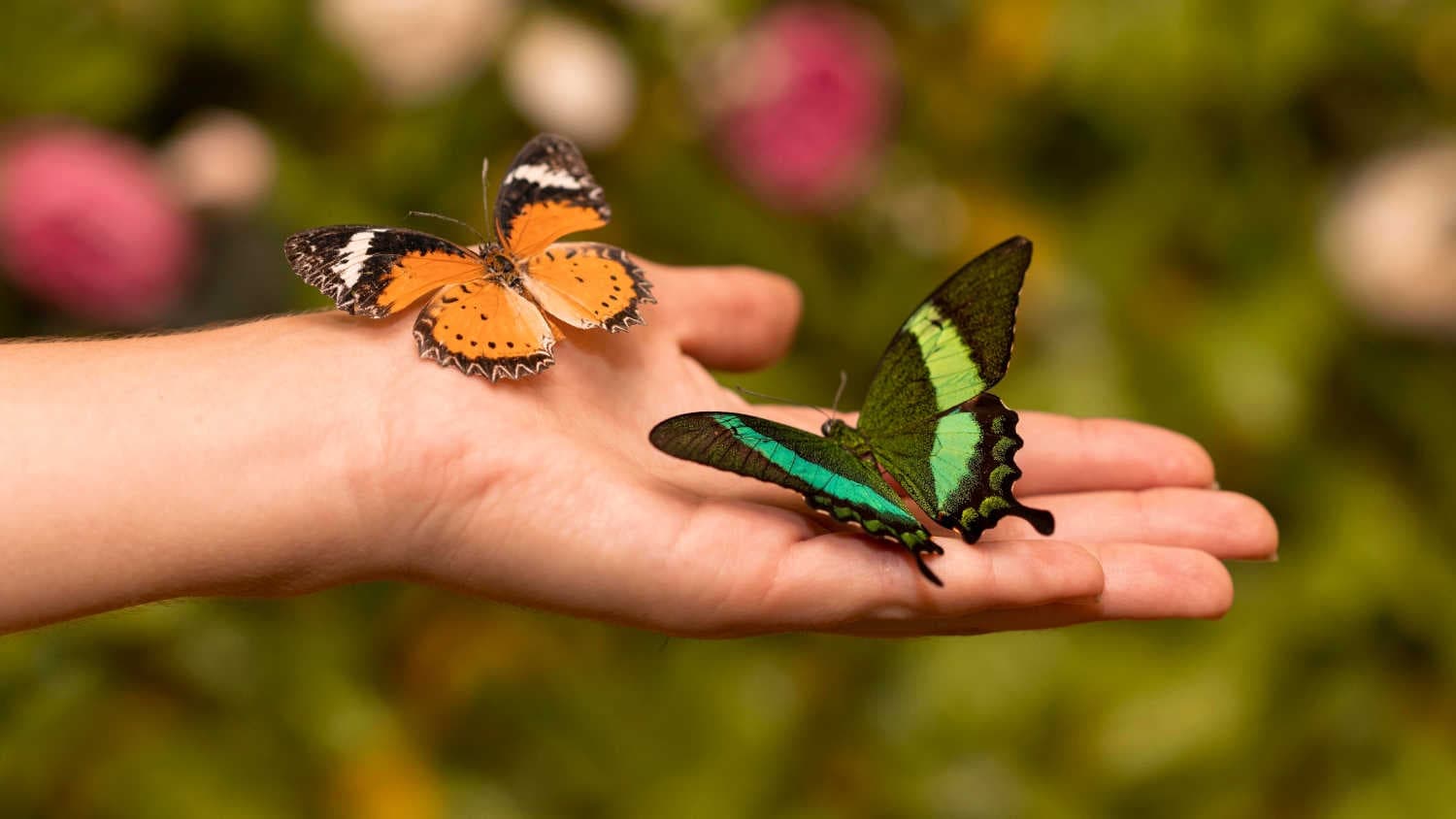
    In May 2019, a report by the Intergovernmental Science-Policy Platform on Biodiversity and Ecosystems (IPBES), the UN body in charge of biodiversity on Earth, was published, revealing a worrying picture about the planet's biodiversity. According to this report, most native plant and animal species have declined drastically, by more than 20 per cent, over the past century, causing severe damage to the Earth's ecosystem. In 1979, scientist James Loveloc and microbiologist Lynn Marguli formulated a revolutionary hypothesis. They claimed that life on Earth is interconnected and that the entire planet is a living organism. In 2020, the UN Secretary-General, António Guterres, linked the pandemic emergency to pollution, climate change and the depletion of biodiversity, emphasising the need for action to restore the ecosystem.
    Biodiversità ed ecosistemi

    Biodiversity and Agenda 2030

    In order to achieve the biodiversity goals of the 2030 Agenda, international cooperation and global commitment is required. In particular, Goal 15 'Life on Earth' aims to protect, restore and promote the sustainable use of terrestrial ecosystems. In this context, there are numerous instruments and initiatives that support the implementation of biodiversity actions, such as the Convention on Biological Diversity (CBD), which is an international agreement that aims to conserve biodiversity, the'Intergovernmental Science-Policy Platform on Biodiversity and Ecosystem Services (IPBES), which provides scientific information on the state-of-biodiversity, and the World Database on Protected Areas (WDPA), which collects information on protected areas worldwide.

    Biodiversità e Agenda 2030

    Goals of the 2030 Agenda and the importance of AI

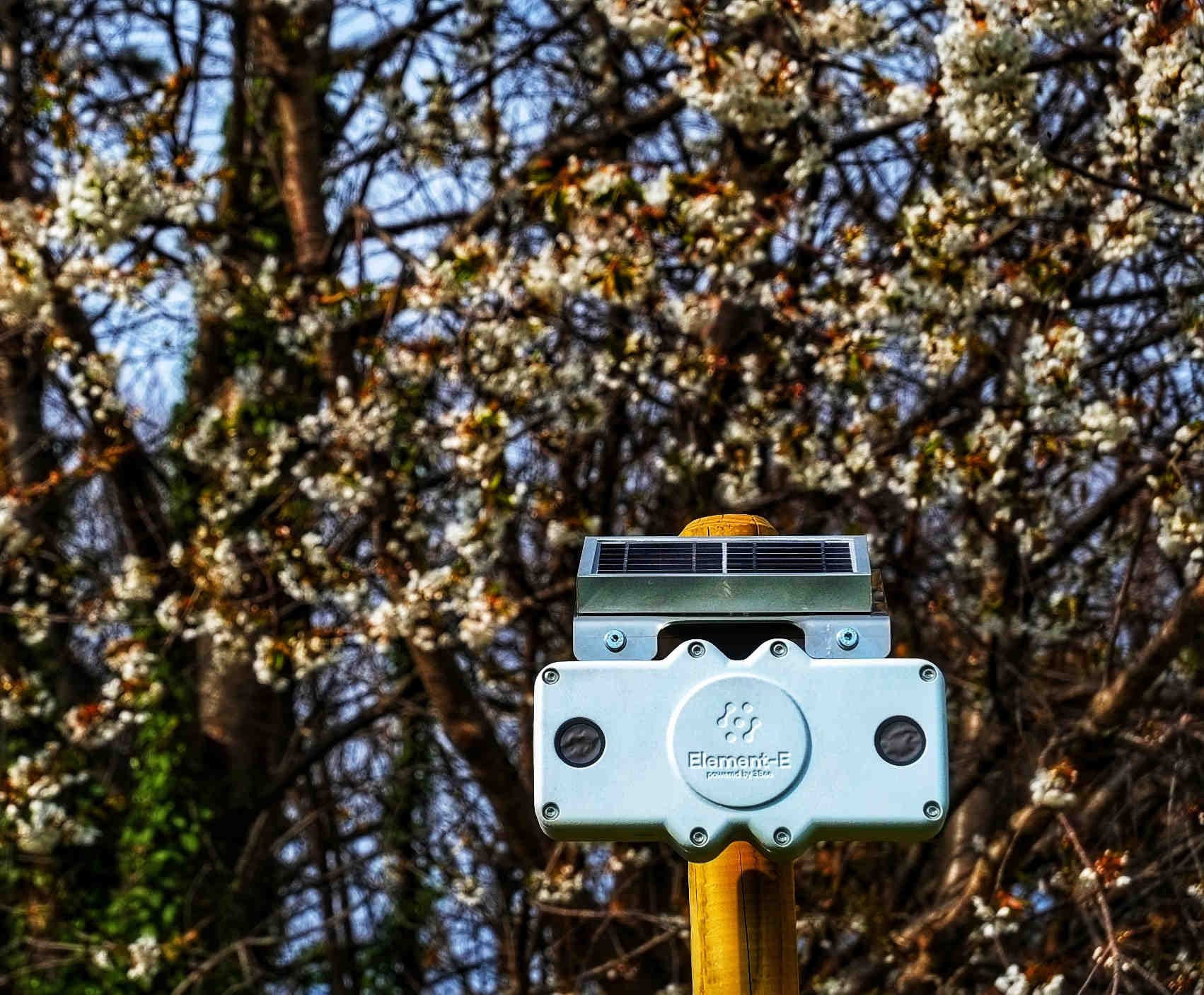
    As described above, the 2030 Agenda for Sustainable Development recognises the importance of biodiversity and commits to preserving it for future generations. AI plays a crucial role in addressing the diversity challenges. AI, as the report 'artificial intelligence for sustainable development' points out, can be engaged in a number of ways, including: making people realise that destroying the planet is not the best way to optimise well-being and survival; intervening in monitoring the situation of forests, fires, and biodiversity in general; and preventing poaching and criminal behaviour towards the environment. In this context, 3Bee connects nature with technology through the project Oases of Biodiversity: areas created in areas of low biodiversity, with the aim of regenerating it: thanks to 3Bee technologies - combining IoT and AI - the oases are constantly monitored and impact data converge in the Virtual Oasis.

    Obiettivi dell’agenda 2030 e importanza dell’IA

    Technology at the service of biodiversity

    In the context of the 2030 Agenda and with particular reference to Goal 15, 3Bee has developed XNatura, the technology-based biodiversity monitoring protocol and validated by a third-party certification body. Born from the synergy of technologies developed by 3Bee, XNatura combines data collection and analysis in a single advanced framework: in the long run, the goal is to bring to market the first true biodiversity certification. Among the technologies used, it is important to mention Flora, the 3Bee technology developed in collaboration with ESA, i.e. software that uses AI and satellite images to map the study area and estimate the potential biodiversity of the habitat and its suitability for pollinators. Data from Flora, Spectrum and Hive-Tech are collected in the monitoring protocol XNatura, which offers companies a reporting compliant with European regulations.

    Article edited by Angelina Tortora

    Tecnologia al servizio della biodiversità
    24/10/2023Of 3Bee, Elena Fraccaro
    1669 Views
    Newsletter
    newsletter
    Subscribe to the Blog about bees and biodiversity

    Frequently Asked Questions

    Do you have any doubts or other curiosities about this article? Here you will find some insights