What is artificial intelligence?
The birth of the name Artificial Intelligence dates back to 1955, when a group of researchers, including John McCarthy, Marvin Minsky, Nathaniel Rochester and Claude Shannon, wrote the "


How can Artificial Intelligence contribute to Sustainable Development? AI can lead to important social, economic and environmental benefits and be a valuable ally in achieving sustainability and biodiversity protection goals. Find out how in this article.
Read the articleThe birth of the name Artificial Intelligence dates back to 1955, when a group of researchers, including John McCarthy, Marvin Minsky, Nathaniel Rochester and Claude Shannon, wrote the "
Artificial intelligence (AI) is a field of research and study involving most systems and concerned with creating machines capable of performing tasks that require human intelligence. The goal of AI is to develop algorithms, models and technologies that enable

In addition to machine learning, the various phases include:

In September 2015, more than 150 international leaders gathered at the United Nations with the goal of contributing to global development, protecting the environment and promoting human well-being. During this meeting, the community of states adopted the2030 Agenda for Sustainable Development, which comprises the 17 Sustainable Development Goals (SDGs) and 169 sub-goals. These goals aim to end poverty, combat inequality and achieve social and economic development, they also address crucial issues such as climate change and building peaceful societies by 2030. The MDGs/SDGs are universally valid, which means that all countries must contribute to the achievement of the goals according to their capacities and must take into account the ESG criteria of sustainable development in a balanced way. For the first time, a single policy document combines sustainable development and the fight against poverty.

The correlation between Artificial Intelligence and the Sustainable Development Goals (SDGs) stems from the fact that AI can play a significant role in achieving the SDGs. AI offers tools and innovative approaches to address complex challenges related to sustainable development and can help improve the efficiency, equity and

Studies, institutions and conferences on AI and the SDSGs have had a significant prominence in recent years. In 2008, the Institute for Computational Sustainability (ICS) was established with the support of a subsidy Expeditions in Computing from the National Science Foundation. In 2018, McKinsey publishes an article titled "Using AI to help achieve Sustainable Development Goals" in which it identifies 160 potential applications of AI to achieve certain SDGs. McKinsey also maps the main capabilities developed by AI against the identified goals. On 13 January 2020, an article is published in Nature Communication entitled 'The role of artificial intelligence in achieving the Sustainable Development Goals'. Finally, the University of Oxford established a research centre called the Oxford Initiative on AI×SDGs. This centre collects a database of applications that use AI tools to achieve the SDGs.

Artificial Intelligence (AI) can make a number of concrete contributions to

During the Italian presidency of the G7 in 2017, member countries issued a ministerial declaration recognising the significant benefits of AI on society and the economy. Furthermore, they agreed on a human-centred approach to AI. Subsequently, under Canada's chairmanship of the G7 in 2018, the

The topic of Artificial Intelligence (AI) was central to the agenda of the G7 in Hiroshima and will continue to play a prominent role in the next G7 to be held in Italy, specifically in Puglia. In September, the European Parliament approved a draft providing for the regulation on the governance of Artificial Intelligence. This draft regulation aims to regulate the commercial use and technology of AI within the borders of the European Union. There is a very high level of world attention because Italy is among the first in the world to make a regulation that goes to act on all issues concerning the adoption of artificial intelligence systems within our society, in all contexts.
In May 2019, a report by the Intergovernmental Science-Policy Platform on Biodiversity and Ecosystems (IPBES), the UN body in charge of biodiversity on Earth, was published, revealing a worrying picture about the planet's biodiversity. According to this report, most native plant and animal species have declined drastically, by more than 20 per cent, over the past century, causing

In order to achieve the

As described above,
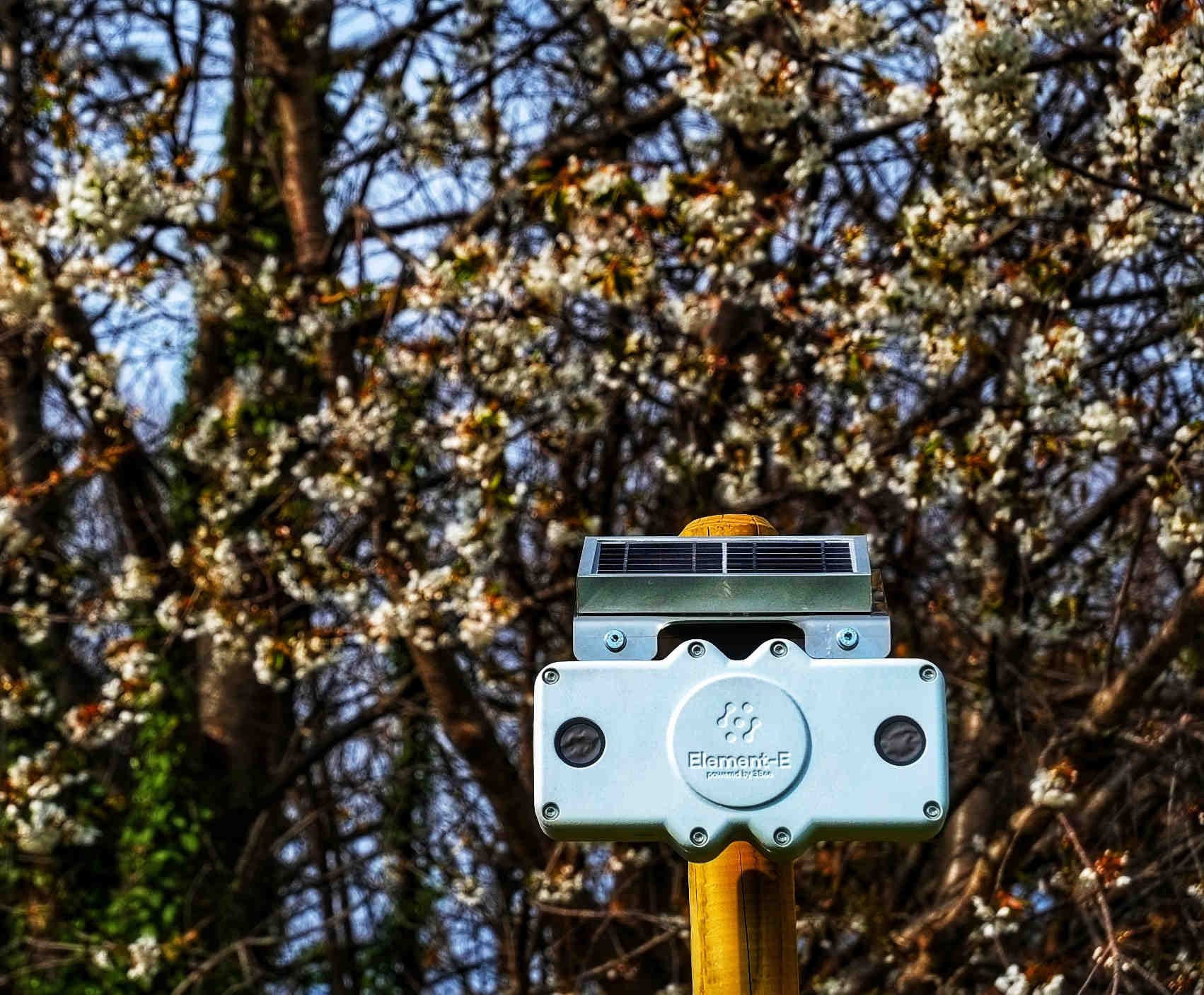
In the context of the 2030 Agenda and with particular reference to
Article edited by Angelina Tortora

Do you have any doubts or other curiosities about this article? Here you will find some insights