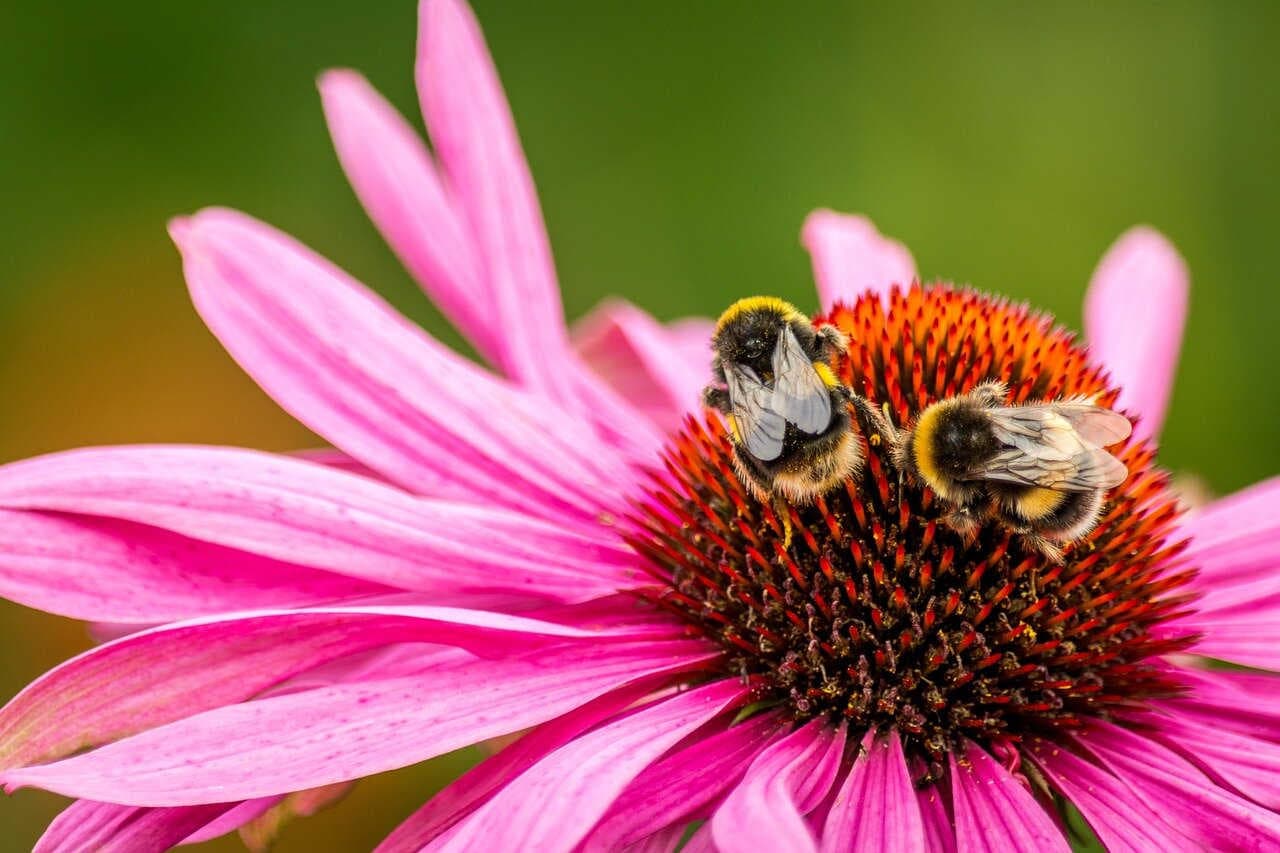
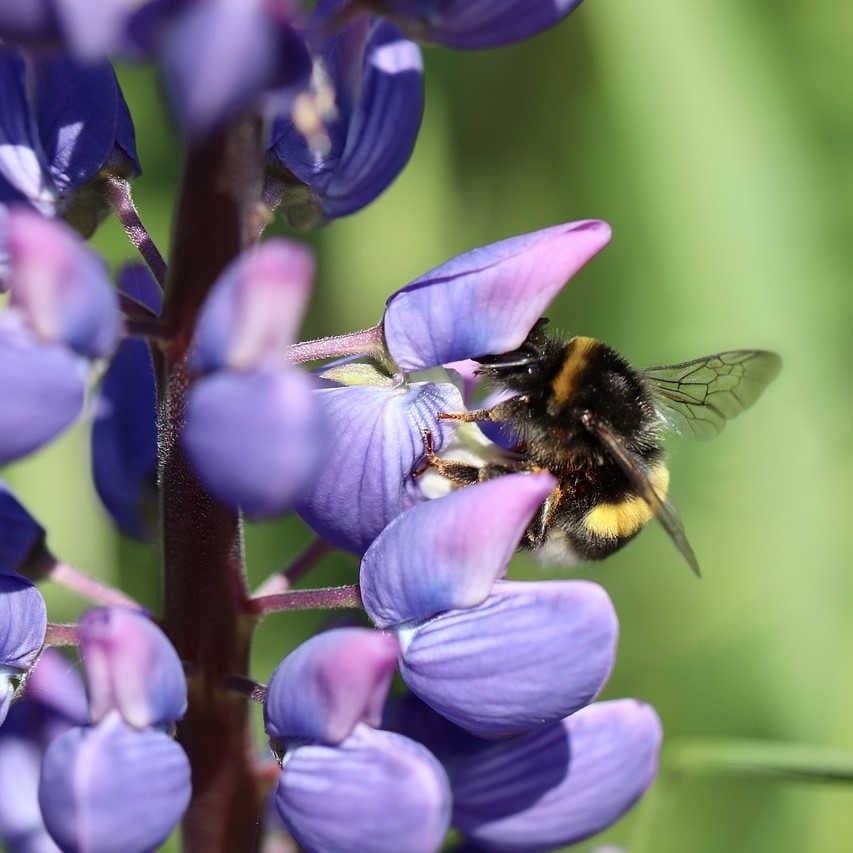
Why do bumblebees sleep on flowers?
    BombiLeavesEfficiencyFlowers

    Why do bumblebees sleep on flowers?

    Bumblebees are fascinating pollinators that play a fundamental role in the ecosystem. Their relationship with flowers conceals a number of interesting curiosities. Discover them in this article.

    Read the article
    06/03/2024Of 3Bee, Lisa Santillo
    6196 Views
    06/03/2024Of 3Bee, Lisa Santillo
    6196 Views

    (Male) bumblebees sleep on flowers

    Have you ever wondered why bombs sleep on flowers? This happens mostly with male bumblebees, which, after leaving the nest, rarely return to spend the night there. Once adults, they think only of feeding and looking for females to fertilise. This continualsearch for food and a mate drives them to scour even areas outside the immediate area of the starting nest. It often follows that, finding themselves without shelter, they go to sleep on flowers, particularly near the pistil, from which they can feed by easily retrieving nectar. Bumblebees often choose enclosed flowers at night to sleep in, because they offer a warm and safe place to rest. Even when it rains, bumblebees go in search of concave flowers (e.g. squash blossoms), so that they can find shelter from the rain.
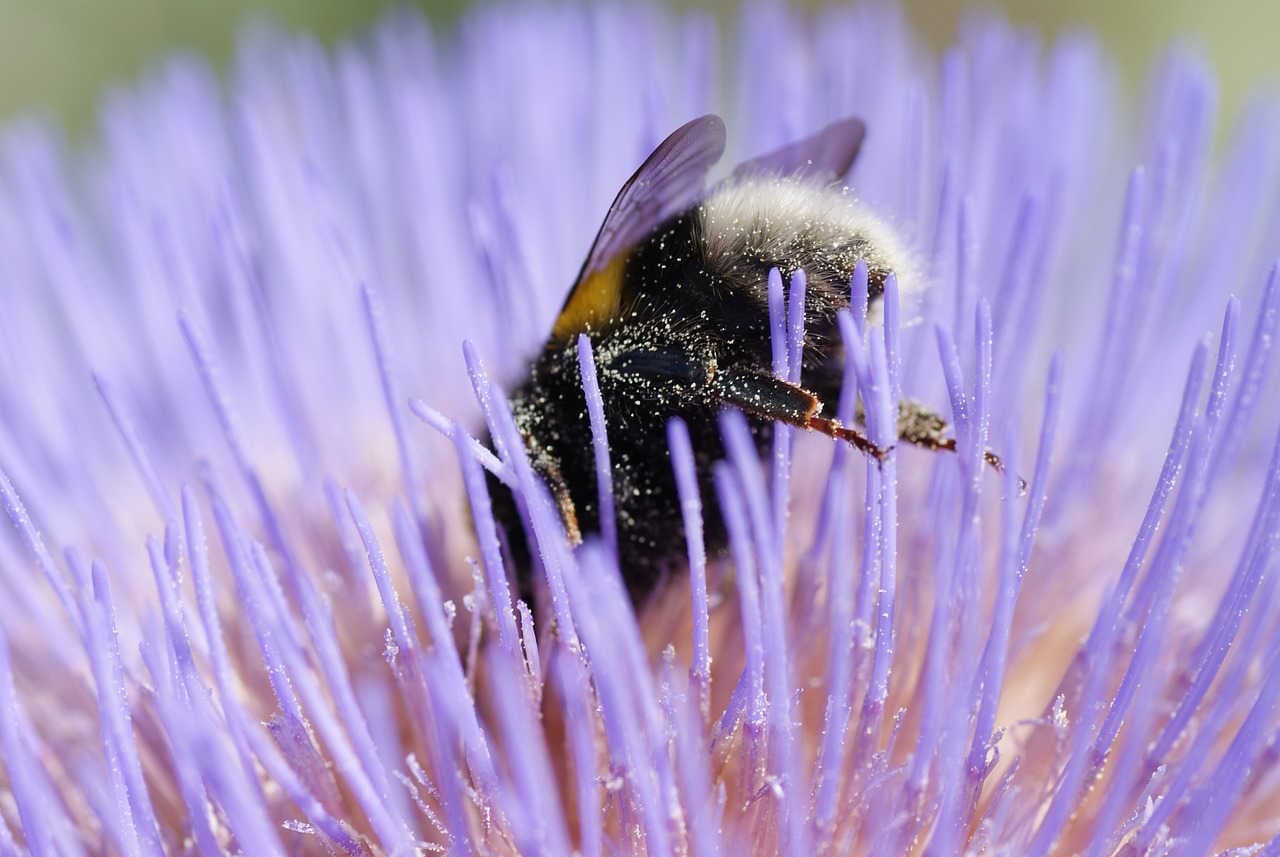
    bombo dorme su un fiore

    Bumblebees anticipate blooms by biting leaves

    But the relationship between bombs and flowers goes further. Entomologists from France and Switzerland conducted a study that showed how the behaviours of bumblebees are able to actively influence the availability of flowers, thus contributing to the pollination more resilient to climate change. Indeed, the bumblebees, when short of pollen, "bite" the leaves of the plants, which consequently accelerate flowering by 15 to 30 days. A strategy that allows the bumblebees to floom early even when nutrient resources are scarce. The researchers tried to reproduce this process in the laboratory, damaging the leaves as if they were bitten by bumblebees, but the results were not positive. In light of this, there appears to be an unknown mechanism capable of accelerating the natural rhythms of plants, further highlighting the symbiotic and interdependent relationship that binds them to pollinating insects.
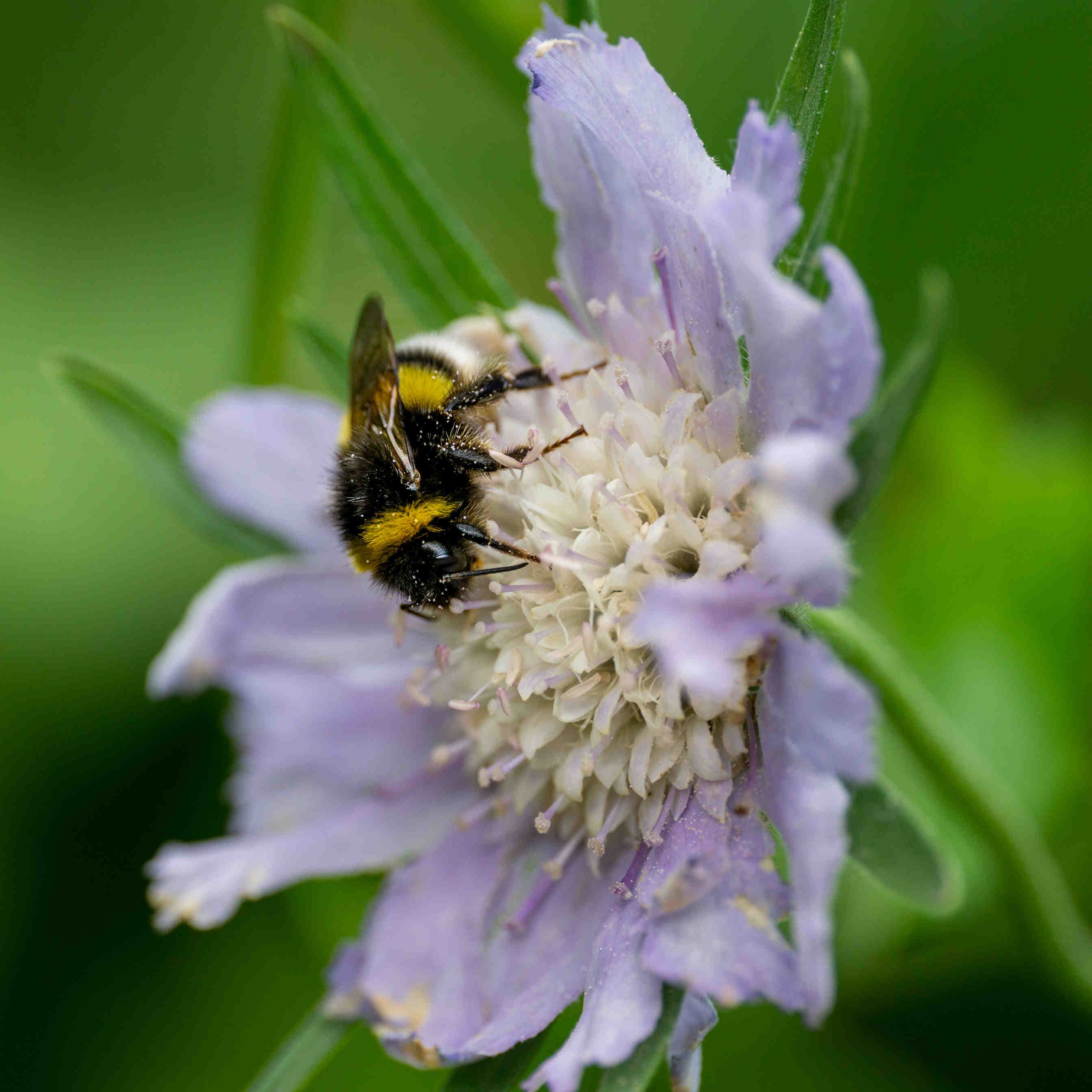
    bombus terrestris
    XNatura

    Sometimes efficiency loses: the strange case of B. terrestris

    One study from 2023 investigated another aspect of the bumblebee - flower relationship, showing that bumblebees optimise their foraging behaviour by assessing not only the quality of the nectar they are collecting, but also the time it takes to perform this task. The researchers analysed over 60,000 actions of the bumblebees under study to understand their choices. Using specialised software, the behaviour of the bumblebees was assessed as they had to choose between spending energy to collect sugar-rich nectar from flowers that were difficult to access or opting for less sugary but more easily accessible nectar. The results revealed that bumblebees tend to prefer flowers that maximise the energy reward regardless of the time required to access them over closer but less generous sources: they therefore prefer a process that results in a more abundant and energetic harvest over the efficiency of the same.
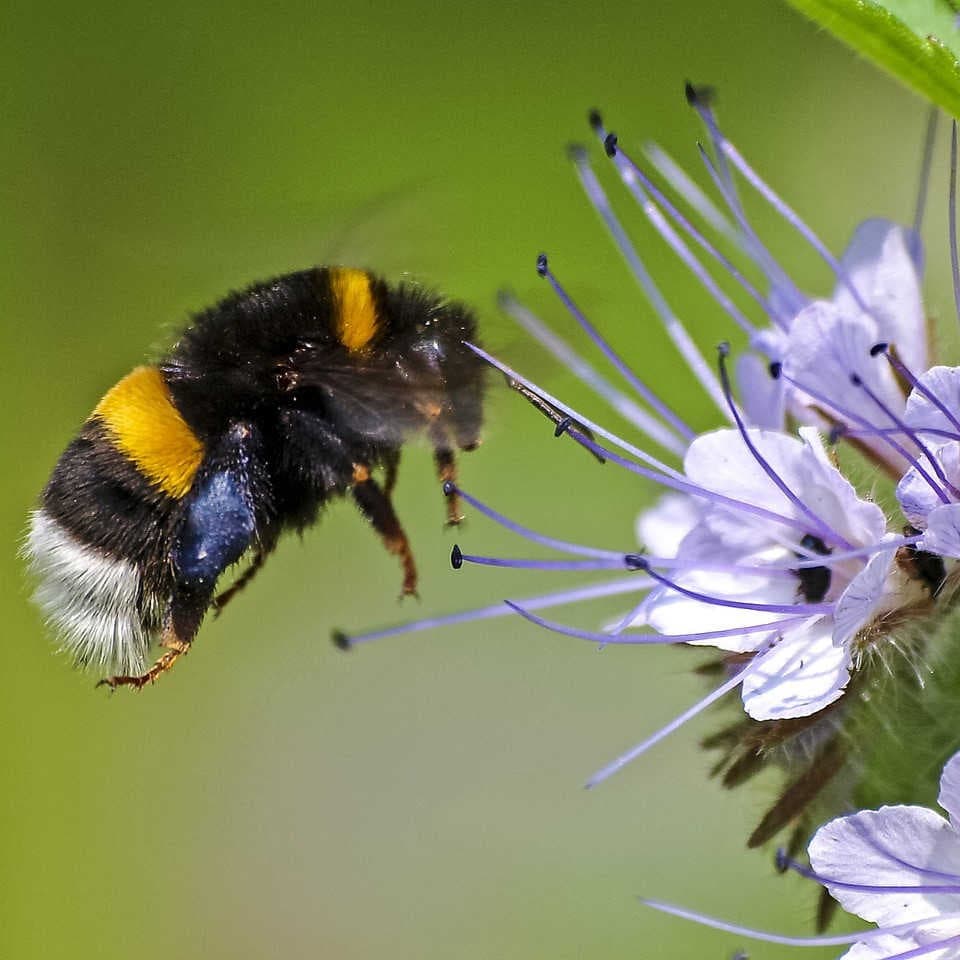
    bombo fiore impollinazione

    Bombs, flowers and electric shocks

    Clarke et al. (2013) found that flowers emit electrical signals and hypothesised that these weak electrical fields act together with other chemical and visual signals to increase the flower's ability to attract pollinators to itself. Studying bumblebees, they discovered that insects, flying through the air, acquire a positive charge, while flowers produce a weak electrical charge of a negative sign. When a bumblebee approaches a flower, no electrical discharge takes place because the potential difference is too low, but a small electromagnetic force develops that is sufficient to provide guidance. The researchers noted that when a bumblebee touches the flower, the electrical potential of the plant changes and remains so for several minutes. They therefore hypothesised that the change in potential serves to warn other bumblebees that the flower has already been "recently visited". This mechanism could be common to all pollinating insects.
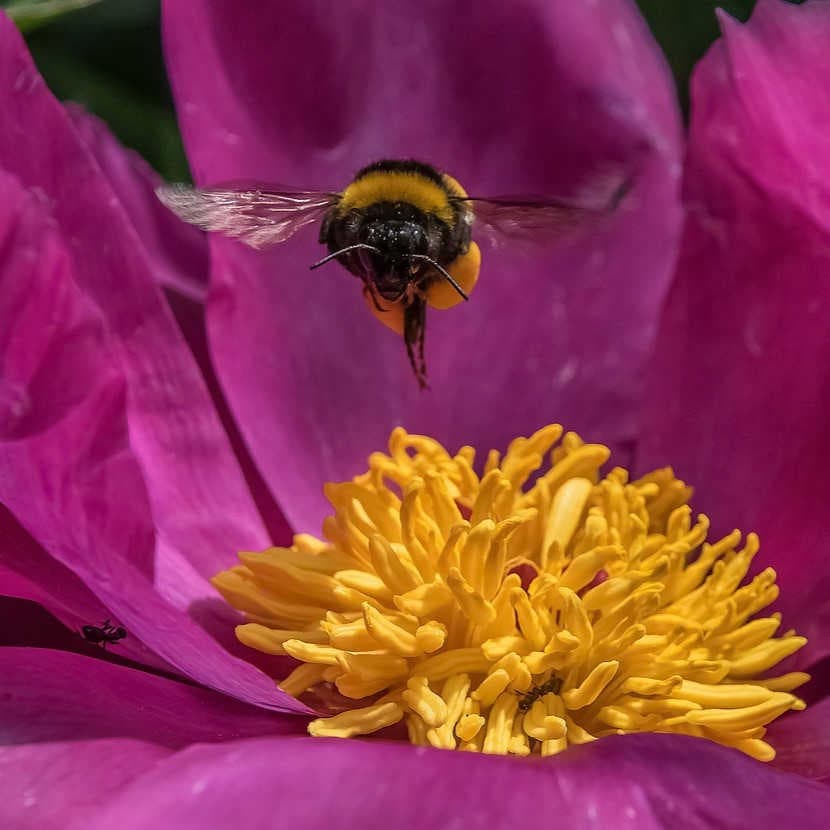
    bombo vola
    XNatura

    Why monitor and protect bumblebees

    To protect and conserve bumblebees, concrete solutions are needed. One important strategy is the creation of favourable habitats such as gardens and green areas. 3Bee is committed to this through the creation of Oases of Biodiversity: urban and agroforestry habitats created in areas of low biodiversity, in order to increase it. Places where technology and nature come together, to take a first step towards climate resilience. Thanks to Spectrum technology, 3Bee is able to record the sounds of certain pollinator species, including the bumblebees, in order to identify and classify them. This technology acts as an "electronic ear": it is an IoT bioacoustic sensor that can pick up the sound signature of pollinators and, through continuous and passive monitoring, assesses their diversity and frequency. Spectrum is one of the technologies deployed as part of the XNatura biodiversity monitoring protocol. Want to know more?

    monitoraggio bombi
    3Bee
    06/03/2024Of 3Bee, Lisa Santillo
    6196 Views
    Newsletter
    newsletter
    Subscribe to the Blog about bees and biodiversity

    Frequently Asked Questions

    Do you have any doubts or other curiosities about this article? Here you will find some insights