What is a habitat: the diversity of natural environments and their importance
    HabitatFactorsFreshwaterMarine

    What is a habitat: the diversity of natural environments and their importance

    What is a habitat and why is it so important for biodiversity? Habitats are places that provide the specific environmental conditions necessary for the survival of an organism. Discover their variety and the crucial role they play in maintaining natural balance.

    Read the article
    26/01/2025Of 3Bee, Lara Vivarelli
    767 Views
    26/01/2025Of 3Bee, Lara Vivarelli
    767 Views

    What is a habitat?

    Disclaimer: this is an automated translation from Italian. Go to the original article.

    The habitat is the place that offers the specific environmental conditions necessary for the survival of an organism. The term derives from the Latin "habitare," which means "he lives," and indicates the environment whose physical and biological characteristics allow a particular species to live, grow, develop, and reproduce, thus ensuring the quality of life. The concept of habitat describes the relationship between individuals of a species and the abiotic elements of the environment in which they live. There is no universal or fixed classification of the total number of habitats, as their type depends on various factors such as ecosystem, geography, and environmental conditions. However, it is possible to identify several main categories of habitat, each of which can be further divided into sub-categories.
    habitat

    What are the main factors that determine a habitat?

    The main environmental factors that influence the distribution of living organisms include temperature, humidity, type of soil, light intensity and thus the presence or absence of the necessary requirements to sustain the organism's life. In addition to these, each species needs an adequate food resource supply, which should neither be scarce nor in excess, in order to maintain the balance of the ecosystem. Water supply is a crucial factor, which must be sufficient for the needs of the organism. Furthermore, space is a fundamental element, as the spatial needs of each species vary greatly. Lastly, an adequate shelter, offering protection from predators and adverse climatic conditions, is essential for a species' survival in its habitat.
    fattori principali che determinano un habitat
    XNatura

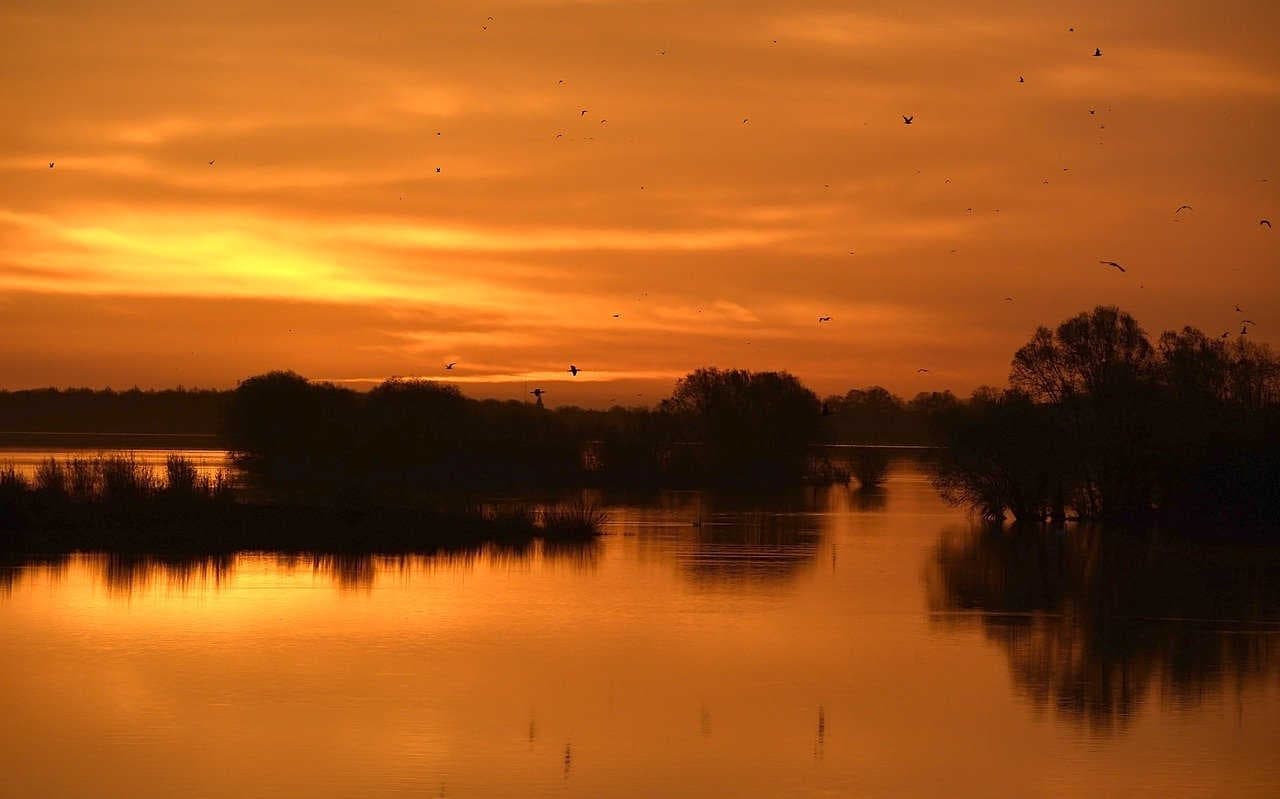
    What is a freshwater habitat?

    A freshwater habitat is a natural environment characterized by water with low salt concentration, such as lakes, rivers, streams, and ponds. These ecosystems are generally cooler or temperate and host vegetation that varies depending on the depth and characteristics of the water. The main features of a freshwater habitat include a rich availability of food resources, dissolved oxygen, and a balance between water and soil that supports a diverse biodiversity of plants, fish, insects, and other aquatic organisms. Although they occupy less than 0.01% of the Earth's surface, these environments host over 100,000 species. They include not only lakes, rivers, and ponds but also man-made basins, seasonal or permanent wetlands, and intermittent rivers. The riparian zone, which separates the water from the land, is sufficiently moist to prevent the stable growth of terrestrial vegetation.

    habitat acqua dolce

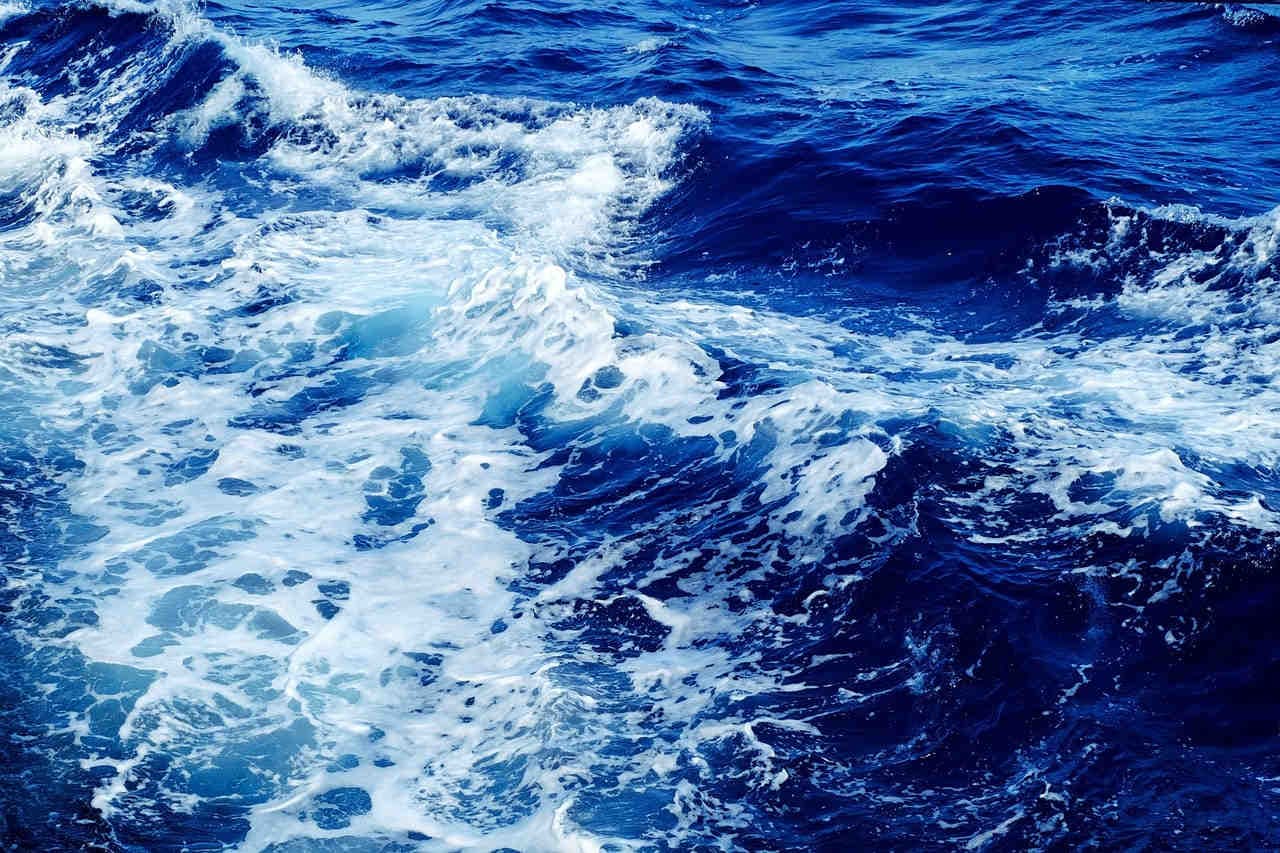
    What are the characteristics of a marine habitat?

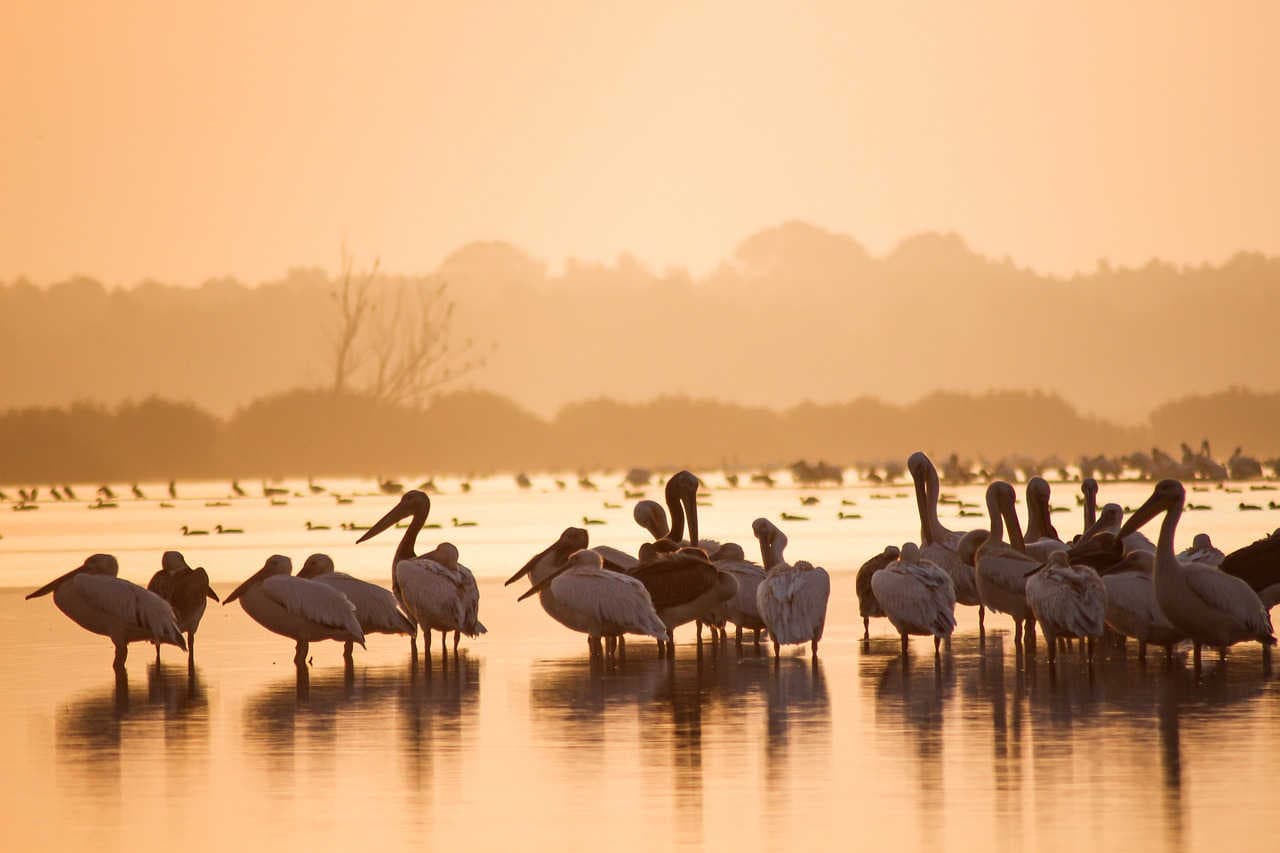
    Marine habitats are divided into two main categories: the open ocean and the coastal zones. The open ocean is the area beyond the coasts, home to some of the largest marine animals, such as sharks and cetaceans. Marine waters are salty and their salinity varies from region to region. Coastal habitats, where land meets sea, include ecosystems such as mangroves, coral reefs, salt marshes, estuaries, and seagrass meadows. These ecosystems are crucial for many species, serving as nurseries for fish and breeding areas for migratory birds. Mangroves protect coasts from erosion and flooding, while underwater meadows contribute to carbon capture and storage, reducing the impact of climate change. Thus, marine habitats are essential for biodiversity and the regulation of the global climate.
    habitat marini
    XNatura

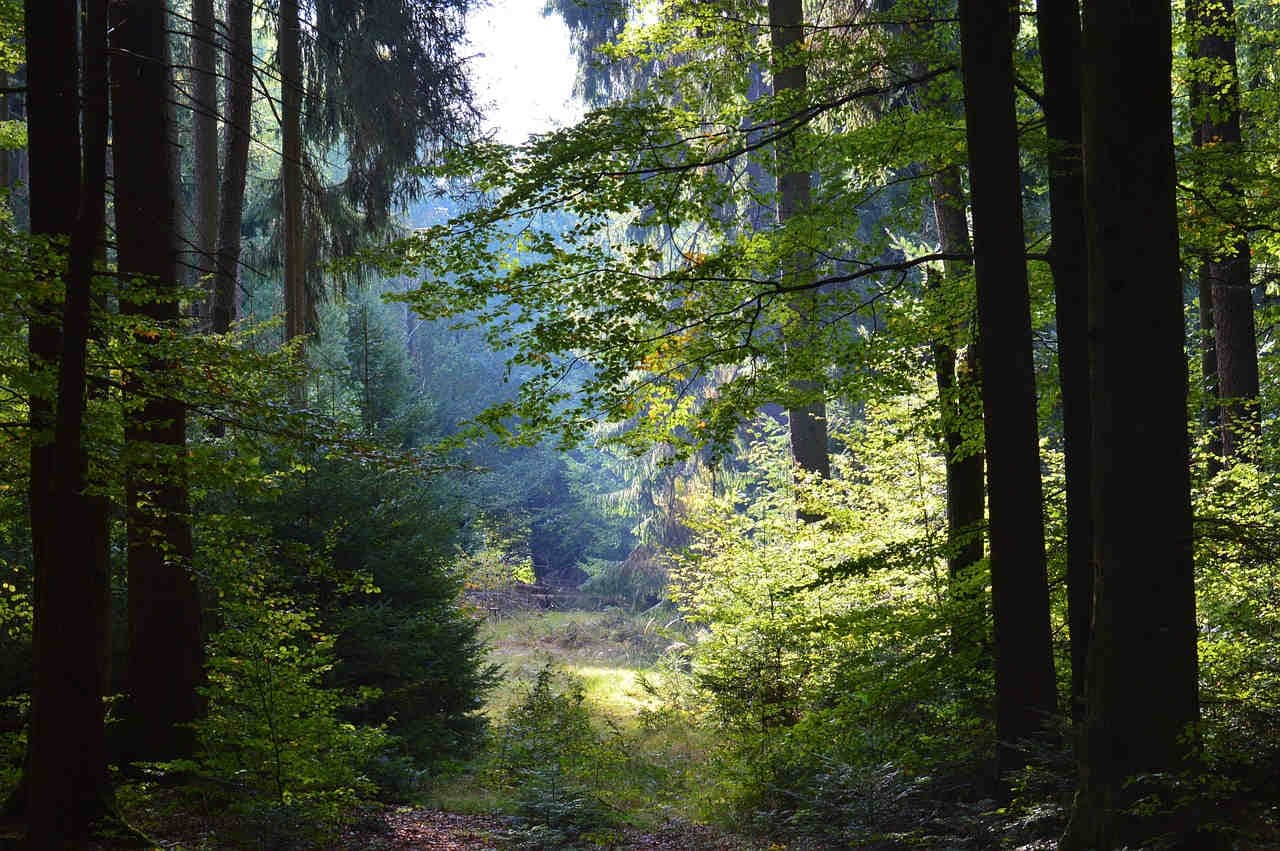
    What are the peculiarities of terrestrial habitats?

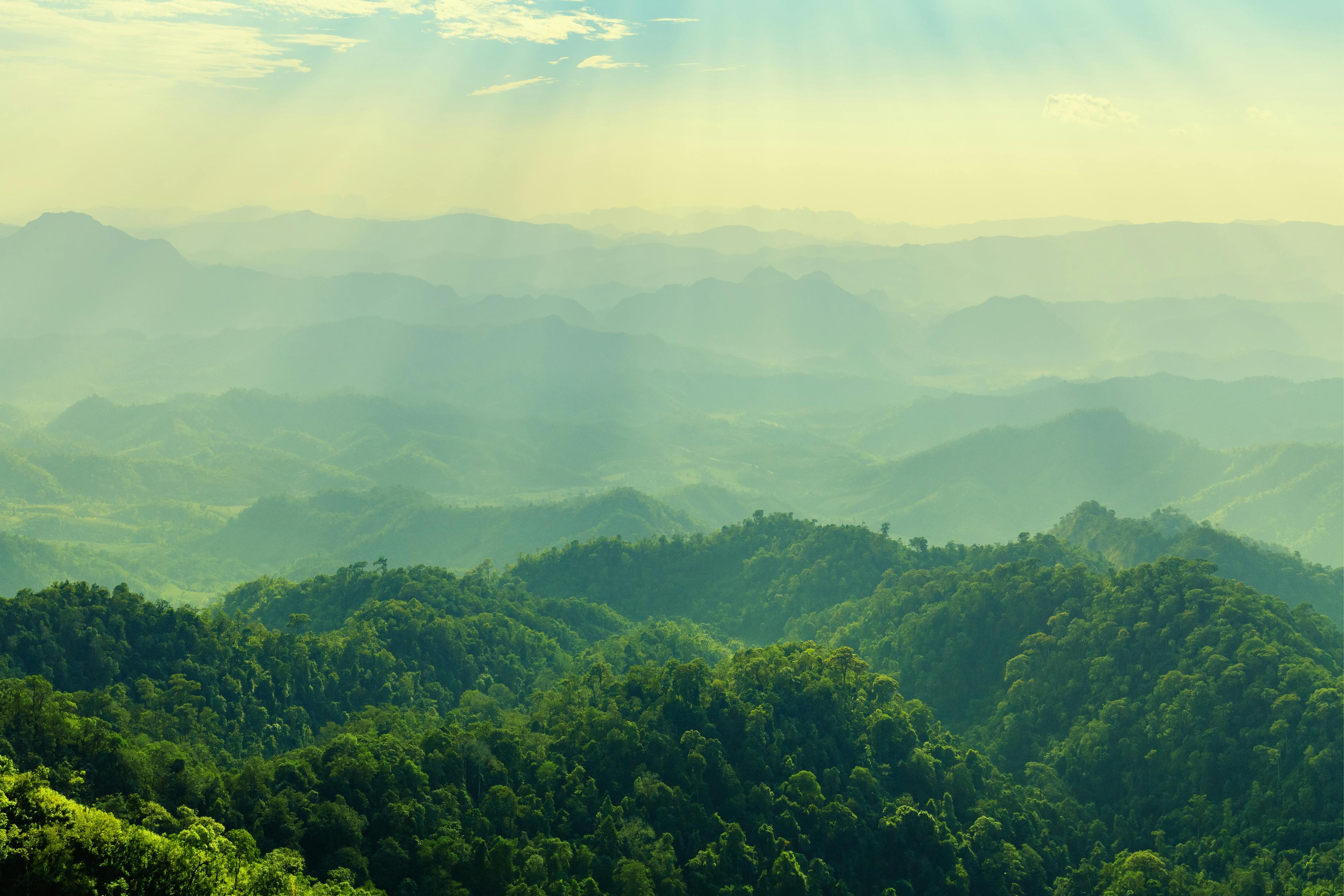
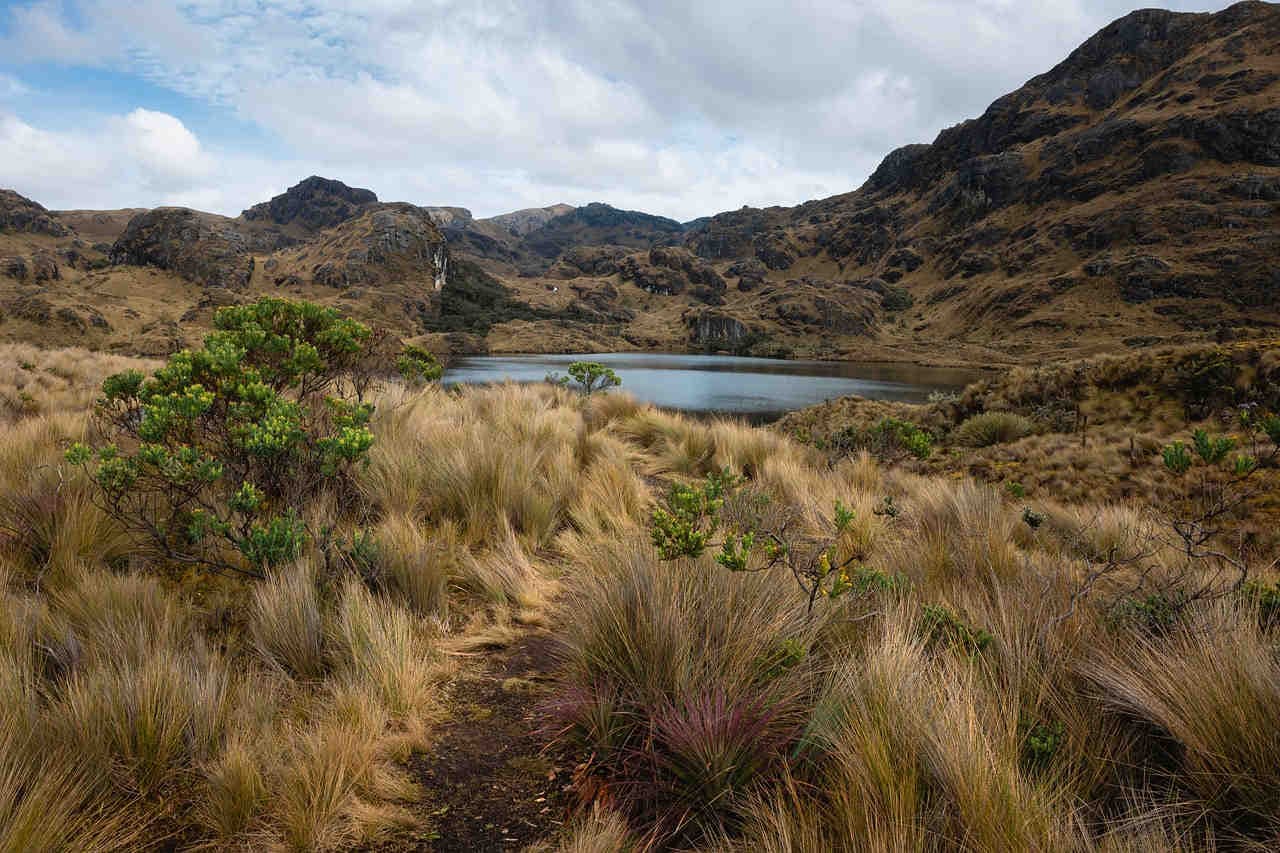
    Terrestrial habitats are natural environments that host a wide range of animal and plant species, influenced by factors such as climate, soil, temperature, and humidity. These ecosystems are divided into different types, each with specific characteristics. Forests, for example, according to the WWF, cover about 31% of the Earth's surface and include temperate, tropical, and boreal habitats, the latter also known as taiga. Grasslands, found on all continents except Antarctica, are dominated by herbaceous vegetation and host numerous grazing animals. Mountains and polar regions are located at high altitudes or cold areas, with ecosystems that change rapidly with altitude. In the higher areas, cold-adapted species inhabit the alpine grasslands, despite the presence of snow and ice.
    Habitat terrestre
    3Bee

    What characterizes a desert habitat?

    Desert habitats are a special example of terrestrial habitats. Specifically, these habitats are found between 15° and 35° latitude in various regions, such as North and South America, Africa, the Middle East, and Asia. These deserts receive less than ten centimeters of rain per year, and temperatures can vary drastically, reaching 60°C during the day and dropping below zero degrees at night. Despite the extreme conditions, many plant and animal organisms thrive in these environments. Plants, such as cacti, store water to withstand periods of heat and drought. Similarly, animals like camels, reptiles, kangaroo rats, Fennec foxes, and meerkats have adapted to obtain and conserve water by feeding on the plants that grow in the desert.

    habitat desertico

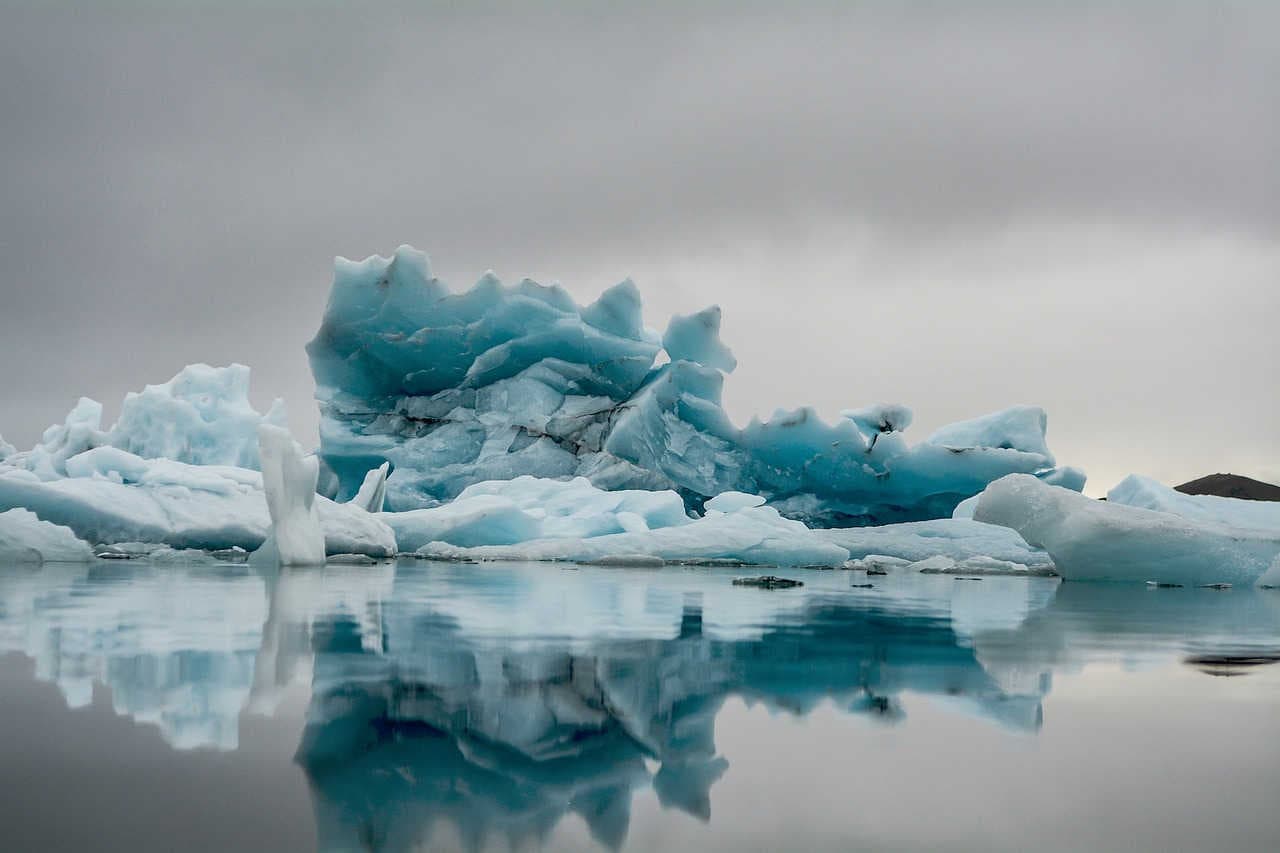
    What elements define a polar habitat?

    The polar habitats are located in the coldest areas of the Earth, near the poles, where temperatures reach extremely low levels and the light and dark cycles undergo drastic changes throughout the year. They are divided into two major categories: the Arctic, a sea surrounded by land, and the Antarctic, a continent surrounded by ocean. The Arctic, around the North Pole, is characterized by frozen seas and land dominated by tundra. The Antarctic, around the South Pole, is covered by a glacier that holds much of the Earth's freshwater resources. Although both habitats are cold, the fauna is different: in Antarctica, there are penguins, seals, and whales that mainly feed on krill, while in the Arctic, polar bears, narwhals, and other predators eat fish and shellfish. Both ecosystems are extraordinarily adapted to life in extremely harsh conditions.
    habitat polari

    What distinguishes an urban habitat?

    Urban habitats are man-made environments, such as cities, towns, and villages, where population density and built structures dominate the natural landscape. These spaces are characterized by a strong interaction between humans and other life forms, as well as a significant alteration of natural ecosystems. Although cities are heavily modified, they can host a surprising variety of plant and animal species, including birds, mammals, and insects, that find refuge in parks, gardens, and street trees. The species introduced by humans, both voluntarily and accidentally, have adapted to these environments, often thriving in favorable conditions. Urban areas are also crucial for air purification and climate management, thanks to the presence of vegetation that captures pollutants, stores carbon, and reduces the effect of high temperatures.

    habitat urbano

    Why is it important to protect natural habitats?

    Habitat degradation is one of the main global concerns, with pollution, invasive species, poaching, and human activities contributing to the rapid destruction of ecosystems. According to the IUCN, 85% of threatened species are affected by habitat loss. This degradation has significant impacts, not only on the environment but also on the economy, food security, and climate change. For instance, the destruction of mangrove forests reduces coastal protection and fish availability. However, conservation efforts are underway to protect habitats, such as the EU Habitat Directive and the Biodiversity Strategy 2030. These efforts include identifying at-risk habitats, protecting threatened species, and creating protected areas like the Natura 2000 network. Safeguarding habitats is essential for human well-being and for maintaining the global ecological balance.

    protezione habitat, habitat estremi
    26/01/2025Of 3Bee, Lara Vivarelli
    767 Views
    Newsletter
    newsletter
    Subscribe to the Blog about bees and biodiversity

    Frequently Asked Questions

    Do you have any doubts or other curiosities about this article? Here you will find some insights