Europe's unique circular economy to protect biodiversity
    BiodiversityclimaCircularityEnvironment

    Europe's unique circular economy to protect biodiversity

    Extraction and processing of materials are among the main causes of biodiversity loss, as well as being major sources of pollution, water stress and greenhouse gas emissions. The EU can initiate strategies to achieve a single sustainable circular economy with zero net emissions.

    Read the article
    08/11/2024Of 3Bee, Angelina Tortora
    128 Views
    08/11/2024Of 3Bee, Angelina Tortora
    128 Views

    How to cope with the loss of biodiversity

    Disclaimer: this is an automated translation from Italian. Go to the original article.

    The policy brief drafted with financial support from the Finnish Innovation Fund Sitra notes an overview of how to tackle the diversity loss and establish a unique circular economy. It provides insights into how to mitigate instability related to volatile commodity prices and strengthen the competitiveness of European companies, which operate on a continent with limited natural resources and are therefore more exposed to future resource scarcity. To promote the circular economy, the EU should incentivise investments, create public policies establishing common standards and a clear regulatory framework to accelerate the development of markets. The EU has already initiated a legislative framework for the circular economy, and it is crucial to extend it through the forthcoming Circular Economy Act.

    Come affrontare la perdita di biodiversità

    Resource efficiency against climate change

    In recent years, the fight against climate change and environmental degradation has often been neglected compared to other policy issues, with leaders favouring short-term economic goals. However, the European Union's transition to a zero net emissions economy is at the forefront of the Agenda 2030, especially after the measures taken to reduce dependence on Russian gas following the invasion of Ukraine in 2022. Carbon emissions remain at the centre of the global climate agenda, even though little awareness persists regarding the extent of natural resource extraction and the risks associated with violating planetary environmental limits. This leads to what is referred to as the 'tragedy of the horizon', the loss of biodiversity and other environmental impacts are a global public good problem and governments have difficulty agreeing on effective measures to address them.

    Efficienza delle risorse contro il cambiamento climatico
    XNatura

    Circulation of the single market to improve biodiversity

    The Policy Brief offers an overview of the environmental and economic reasons for Europe and recommends an immediate improvement of resource efficiency by increasing circularity in the single market. Greater efficiency would reduce the pressure on natural resources, contributing to the improvement of biodiversity and the decrease of pollution and water stress, both in Europe and in the regions from which imports come. Furthermore, it would improve the economic security and financial stability of the EU, strengthening the competitiveness of companies in the medium term. Materials include everything that is extracted and processed, which can be divided into biomass, fossil fuels, metals and non-metallic minerals. Although materials can be transported globally, the effects on land use, water and pollution are local.

    Circolarità del mercato unico per migliorare la biodiversità

    Environmental degradation: a threat to the economy and nature

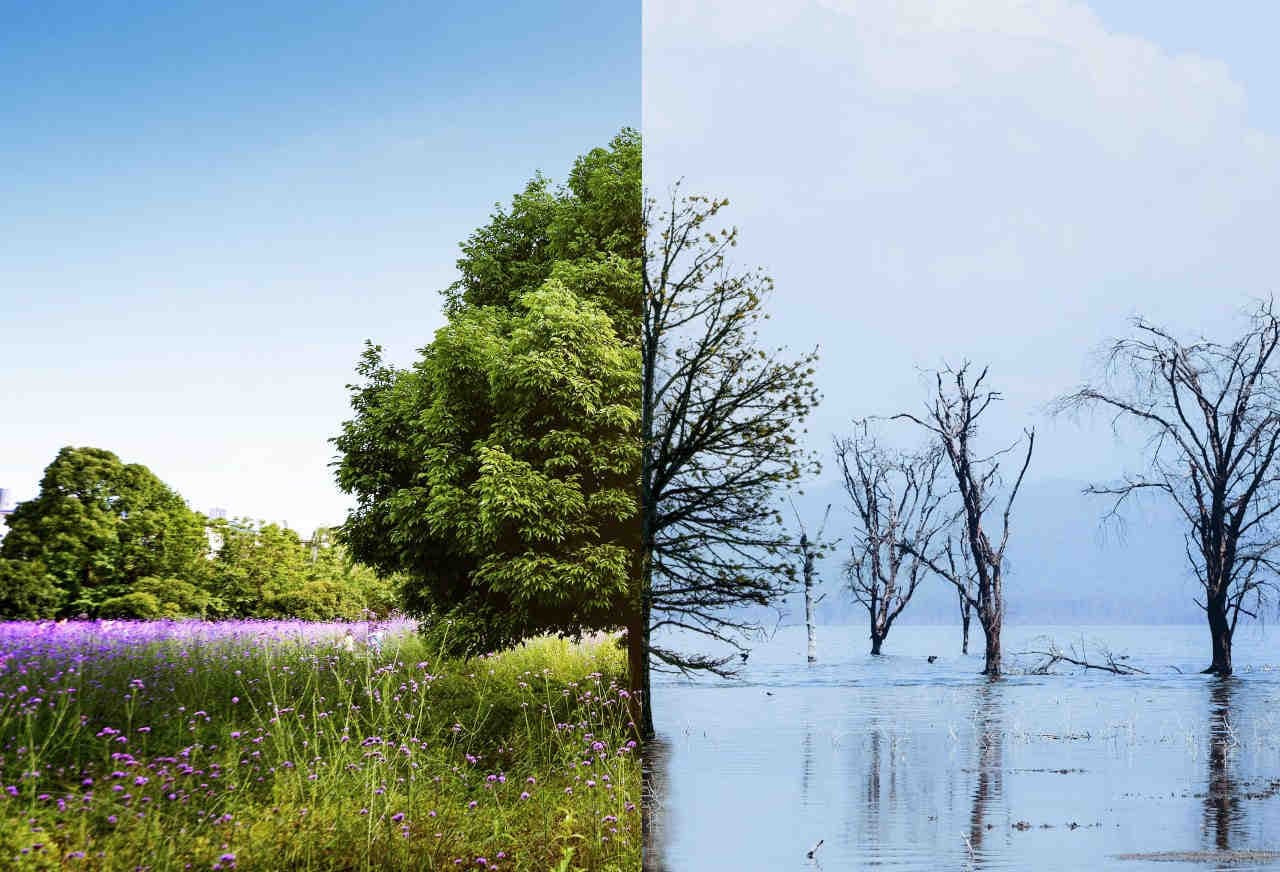
    Environmental degradation poses a threat to both the economy and nature. Many ecosystem services, such as pollination and soil fertility, cannot be easily replaced by technology. Others, such as fresh water, become expensive and complex to provide on a large scale when ecosystems are compromised. Moreover, the potential value of increased resource efficiency is often underestimated. This value includes the opportunity to improve economic security, financial stability and competitiveness in the long run. The EU plays a key role in promoting resource efficiency, thanks to its high levels of consumption and high-quality governance. It is a global leader in the application of circularity principles, but also faces various market failures that hinder significant progress in material use efficiency along production and consumption chains.

    Degrado ambientale: una minaccia per l’economia e la natura
    XNatura

    Over-exploitation of the planet's resources

    The extraction of natural resources has already surpassed several fundamental planetary limits. Activities related to the cultivation of biomass for food, forestry, textile production, and the extraction and processing of mineral and fossil resources are the main contributors to the three planetary crises: climate change, biodiversity loss, and pollution. In 2022, these activities, including fossil fuels, generated 64 per cent of greenhouse gas emissions, 40 per cent of health impacts related to air pollution, 98 per cent of the loss of terrestrial biodiversity, and nearly 100 per cent of biodiversity loss due to freshwater eutrophication.

    Eccessivo sfruttamento delle risorse sul pianeta
    3Bee

    What is meant by circular economy

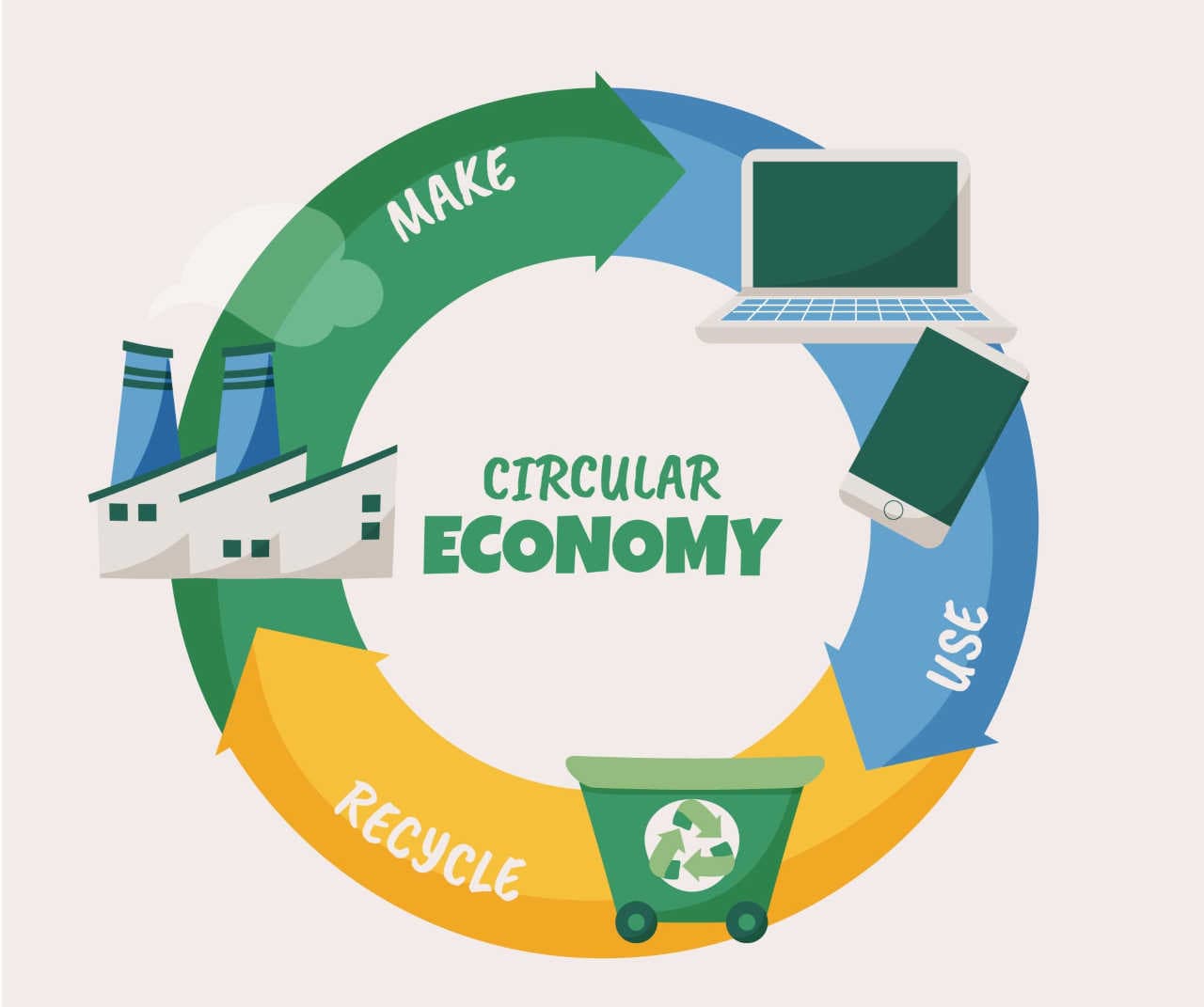
    The circular economy comprises a set of ideas and initiatives aimed at maintaining the high value of products and materials, extending their useful life and eliminating the unnecessary use of resources. It is an alternative paradigm to the current linear economy (extract-use-throw away), which aims to satisfy human needs, such as food and mobility, in a more resource-efficient way. The circular economy consists of designing products with minimal resource use, optimising material use and promoting recycling. The environmental benefits of a circular economy are significant and such approaches are expected to reduce EU industrial emissions by 34 per cent by 2050 compared to 2018 (Agora Industry, 2022). Furthermore, the circular economy could help to halt the loss of biodiversity in the EU, restoring it to 2000 levels by 2035.

    Che cosa si intende per economia circolare

    EU progress towards circularity

    The EU has been promoting circularity through regulations for over a decade, with action plans in 2015 and 2020 expanding the policy from a focus on waste to a more holistic view. Key measures include the battery regulation and the Right to Repair initiative. The CEAP of 2020 set ambitious targets, such as doubling the circular use of materials and reducing the amount of municipal waste not recycled by 2030. However, recent legislation requires further implementing legislation to promote the application of circular principles at national level. Although all EU countries have national strategies for the circular economy, many of them remain generic. The European Court of Auditors has pointed out that progress has been limited, with waste management still the focus of funding.

    I progressi dell’Ue verso la circolarità

    Circular economy and resource efficiency

    A single circular economy in Europe could significantly affect the EU's main trading partners, requiring a careful approach to ensure a fair transition. Increasing circularity would help to rebalance the consumption of resources in relation to the rest of the world, but the EU will need to support trade partners that depend on European markets during the transition. The prevailing linear economic model, characterised by a 'take-make-waste' cycle of production and consumption, leads to an over-extraction of natural resources in Europe and, above all, in regions with greater biodiversity (UNEP, 2024). By reducing imports of water- and pollution-intensive goods, the EU could alleviate the pressure on natural resources and communities on other continents.

    Economia circolare ed efficienza delle risorse

    Protecting biodiversity through EU policies

    The principles of the circular economy represent an effective approach to reduce inefficient use of resources and mitigate climate change, biodiversity loss and pollution. The current EU legislative framework has led to limited results and there is ample opportunity for optimisation. There is a need for implementation of policy strategies that consider the environmental costs of materials, close information gaps, ensure enforcement of EU regulations and incentivise investments in sustainable business practices. The circular economy could strengthen the EU's competitiveness by helping European companies spread their expertise and services. Therefore, a structural change that embraces the principles of the circular economy must align with the main policy objectives of the EU, where power, financial resources and political attention are concentrated.

    Tutela di biodiversità attraverso le politiche Ue
    08/11/2024Of 3Bee, Angelina Tortora
    128 Views
    Newsletter
    newsletter
    Subscribe to the Blog about bees and biodiversity

    Frequently Asked Questions

    Do you have any doubts or other curiosities about this article? Here you will find some insights