The decline of insects and the 'windscreen phenomenon'
    WindscreenInsectsRoleDeclino

    The decline of insects and the 'windscreen phenomenon'

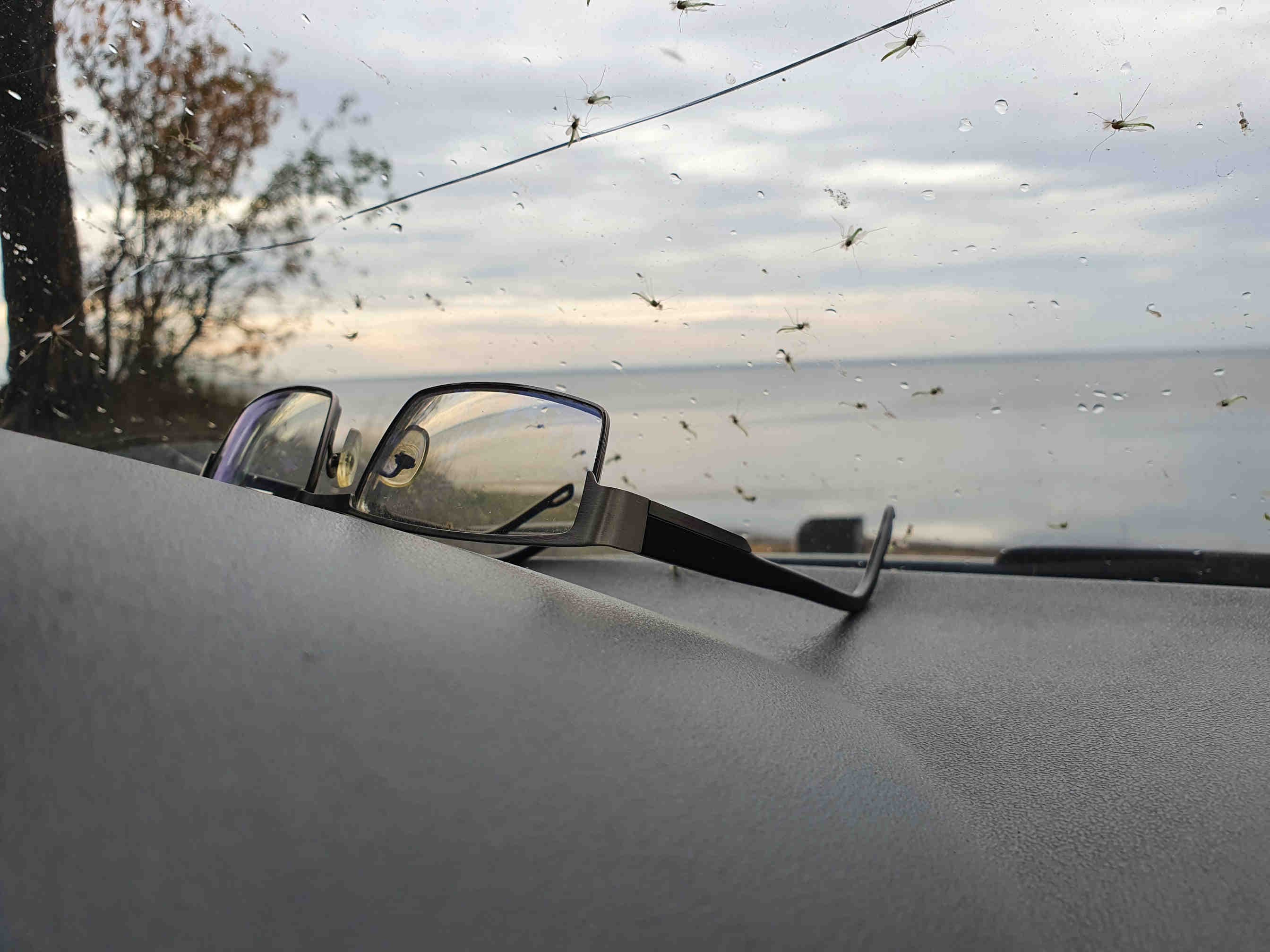
    What is the 'windshield phenomenon'? Entomologists use this paradox with reference to the declining situation of insects. We elaborate in this article why having a clean windscreen in our cars is an alarm bell that should not be underestimated.

    Read the article
    19/12/2023Of 3Bee, Elena Fraccaro
    764 Views
    19/12/2023Of 3Bee, Elena Fraccaro
    764 Views

    The 'windscreen phenomenon': the origins

    In 2016 the Canadian entomologist and popularizer John Acorn wrote a article for the journal American Entomologist mentioning "a new entomological meme" that consisted precisely of the windshield anecdote, i.e. the reporting by some drivers of a decreased presence of insects splattered on their windshields. This proves, albeit not scientifically, that insects are in a decline. Authoritative studies on the subject are diverse and have been carried out for years: among the causes of the decline of insects are global warming, the constant expansion of agricultural activities and the use of pesticides. In his article, John Acorn relates that the windshield anecdote originates in an informative yet humorous 1997 book, 'That Gunk on Your Car', written by entomologist Mark Hostetler. A sort of 'insect guide to North America' created through what was left of the insects that ended up on car windshields.

    parabrezza

    History and characteristics of insects

    According to the Italian Ministry of the Environment "up to now, more than one million species of insects have been described; however, studies conducted in tropical forests assume the presence of around ten million insect species yet to be discovered, in fact, dozens of new species are discovered and described in our country every year. In Italy more than 37,000 species of insects are known, listed in the site Fauna d'Italia, of which more than 12,000 belong to the order beetles. Among the latter, one of the best known and ecologically studied families is that of the carabidae, which has over 1600 species in Italy." Insects appeared on Earth around 400 million years ago, in the Devonian geological period. Over time, different species developed, colonising different substrates (ice, soil, lakes, rivers and more) and overcoming climate variations of various kinds and intensity.
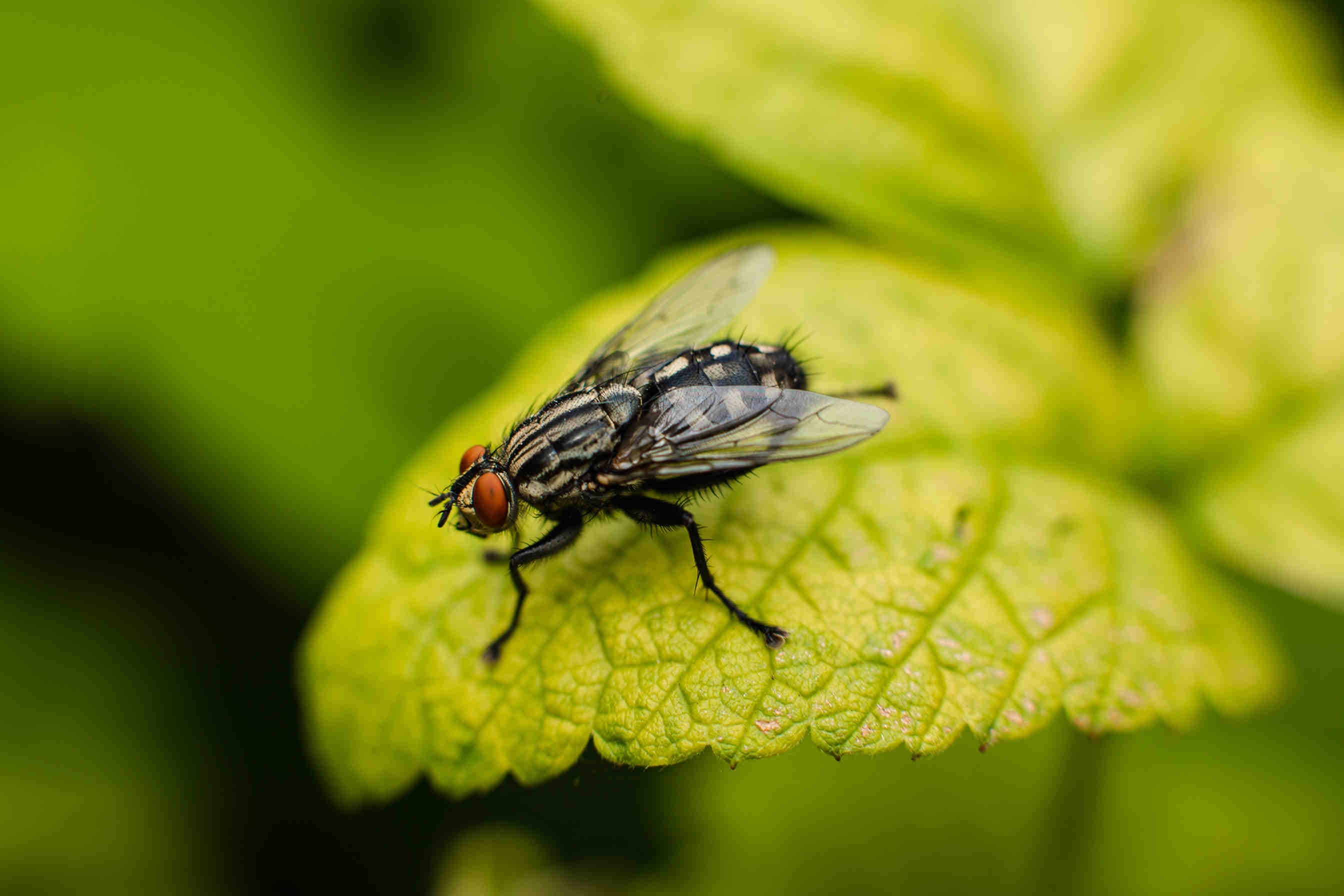
    mosca
    XNatura

    The fundamental role of insects

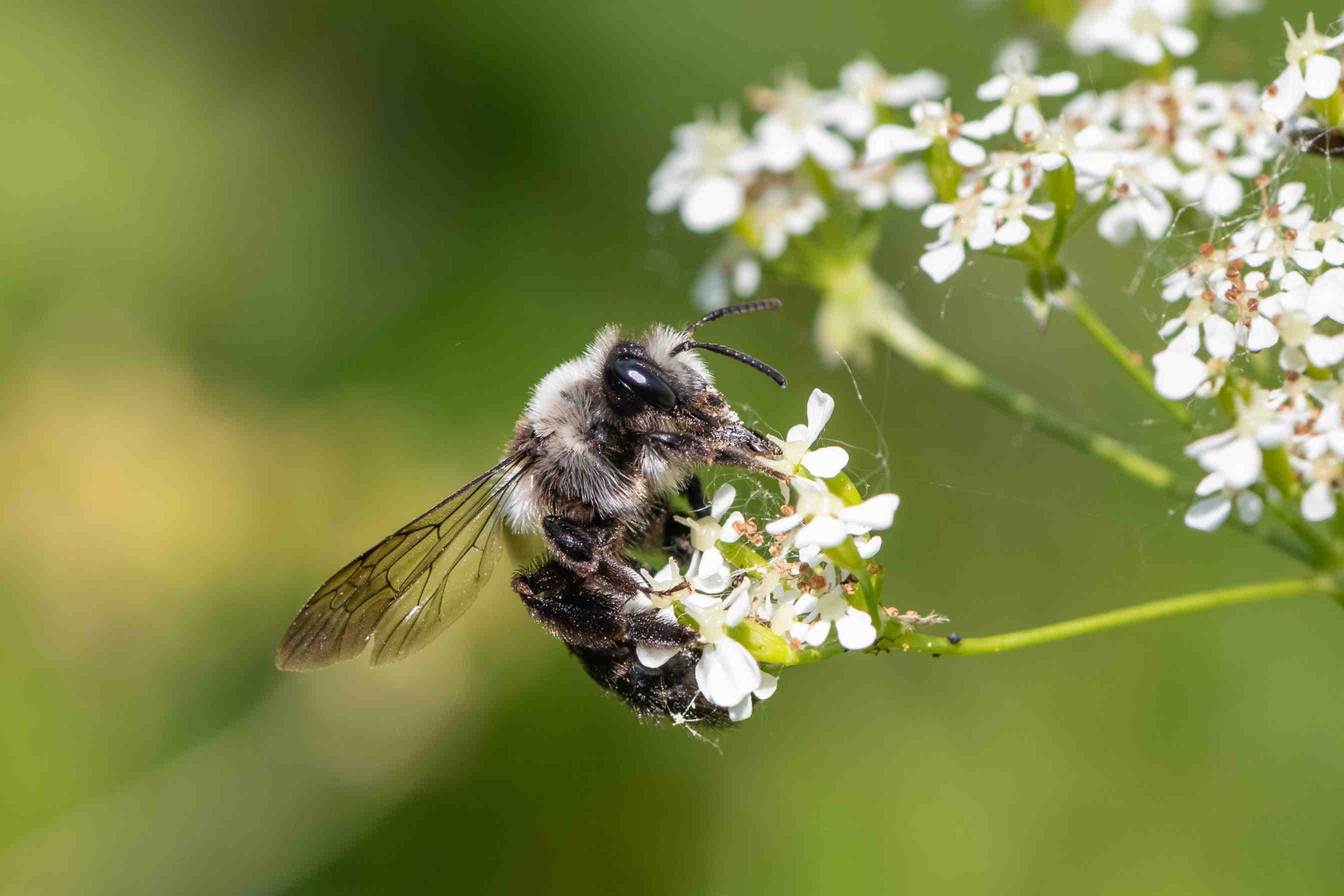
    insects provide a number of fundamental ecosystem services, playing an extremely important role. Many insect species, for example, can be used for the biological fight, while others are an important food source for fish, birds and other mammals. The pollinator insects, on the other hand, are essential for plant fertility and diversity because they contribute to the reproduction of around 90% of the world's wild plant species, highlighting their crucial role in maintaining biodiversity. The loss of pollinators could therefore have cascading effects on other members of the food chain, destabilising entire ecosystems. It is important to remember that about 75% of food crops globally depend at least in part on zoogamous pollination. Without these insects, the balance of our planet, and consequently that of humans, would therefore be severely compromised.

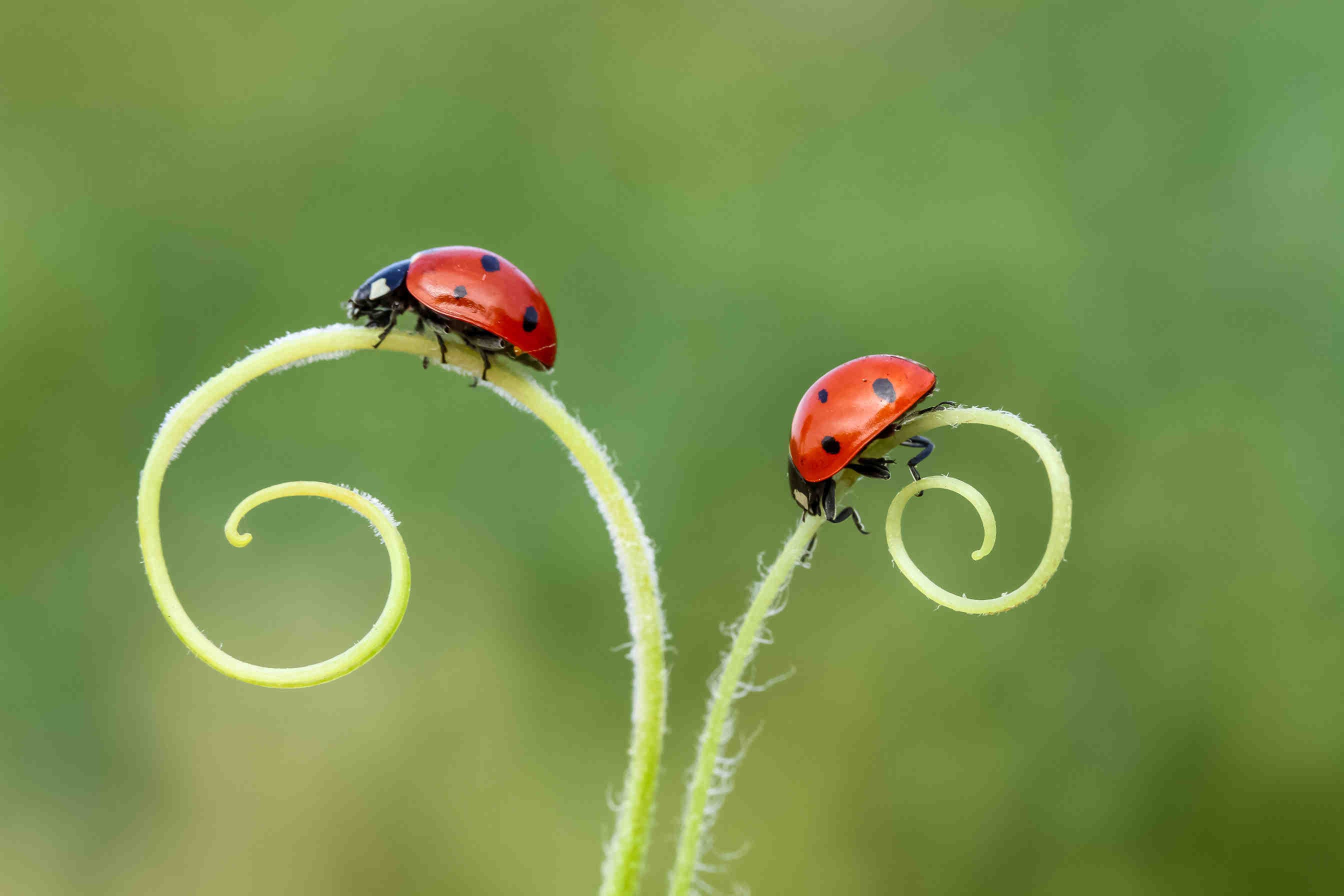
    coccinelle

    The decline of insects

    As the National Geographic states, "every year, the number of flying, climbing, crawling or burrowing insects in various parts of the planet drops by one or two percentage points. This means that the areas where the major decline occurs could lose the equivalent of a third of all their insects in two decades." News revealed by studies by some scientists in Proceedings of the National Academy of Sciences (PNAS) as early as 2020. In the same year, entomology studies conducted in Germany showed that over the last 27 years, there has been a seasonal decline in the biomass of flying insects of 76%, rising to 82% in mid-summer, in 63 protected natural areas (Hallmann, C. A. et al). The situation of decline is thus confirmed, but the analysis is complex: there are so many insect species and so many differences from one geographical area to another.
    ape selvatica
    XNatura

    Monitoring and protecting pollinating insects with 3Bee

    insects are therefore increasingly threatened by climate change and other anthropogenic impacts such as the loss of natural habitats, the use of pesticides and the consumption of soil. In this context, pollinating insects come into play: the ISPRA recently confirmed that 9% of bees and pollinating insects are at risk of extinction. It is therefore crucial to take concrete action to safeguard these precious guardians of ecosystems and biological diversity, and to restore their habitats. 3Bee, a leading Nature Tech company, uses unique and innovative technologies to listen to the pollinators and intervene when necessary. Where? Inside the Oases of Biodiversity: urban and agroforestry habitats created in areas of low biodiversity, with the aim of regenerating it.

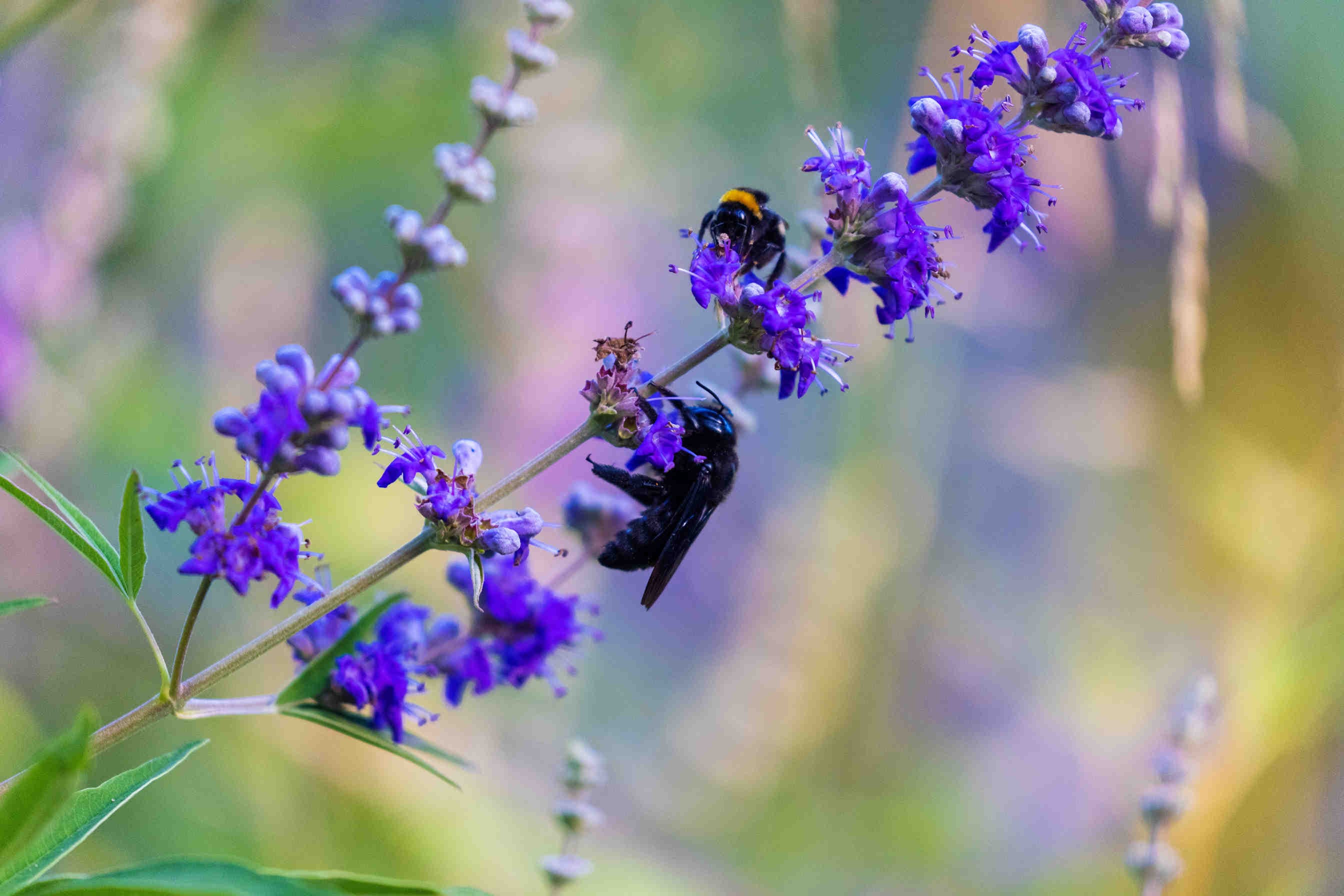
    bombo e ape carpentiere
    3Bee
    19/12/2023Of 3Bee, Elena Fraccaro
    764 Views
    Newsletter
    newsletter
    Subscribe to the Blog about bees and biodiversity