Pollinators: precious guardians of biodiversity
    PollinatorsBomboLife cycleXylocopa

    Pollinators: precious guardians of biodiversity

    What are the main pollinating insects? How many species exist? What are their main characteristics? From bumblebees to osmias, in this article we will learn about the main species of pollinators, precious guardians of biodiversity

    Read the article
    18/12/2023Of 3Bee, Elena Fraccaro
    886 Views
    18/12/2023Of 3Bee, Elena Fraccaro
    886 Views

    The fascinating world of pollinators

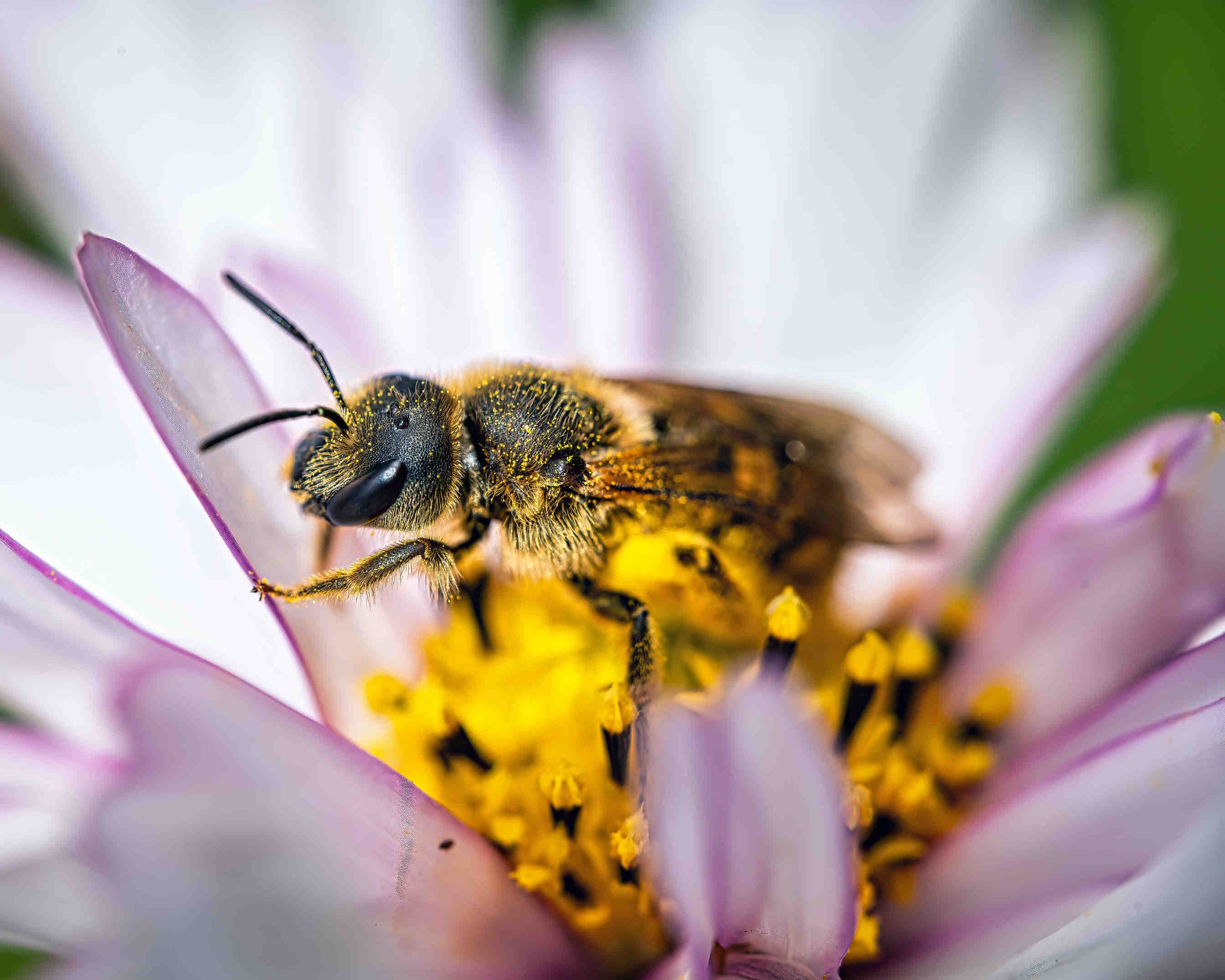
    The world of pollinating insects is extremely fascinating. Did you know that honeybees, the most famous of all bees, represent only a small fraction of the more than 20,000 species of bees found all over the planet? These bees are divided into as many as six main families: the Apidae family and the Megachilidae family, i.e., bees characterised by a long tongue, called ligula; the Andrenidae, Colletidae, Halictidae and Melittidae families, characterised by a shorter tongue. But what are the main characteristics of these families? Which pollinating insects belong to them? Let us start with the family Apidae, to which the bumblebee belongs.
    ape impollinazione

    The Bumblebee and its secrets

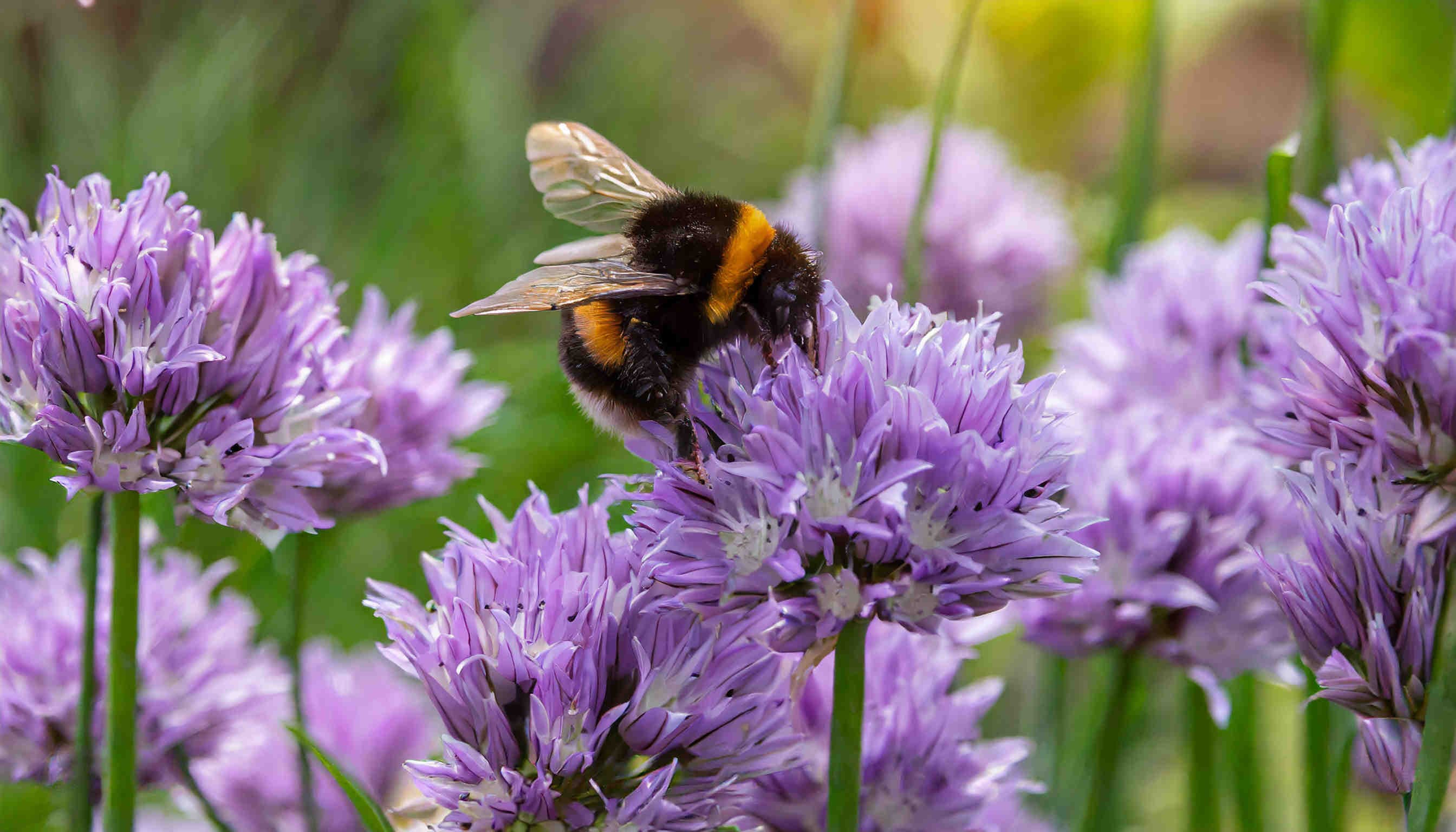
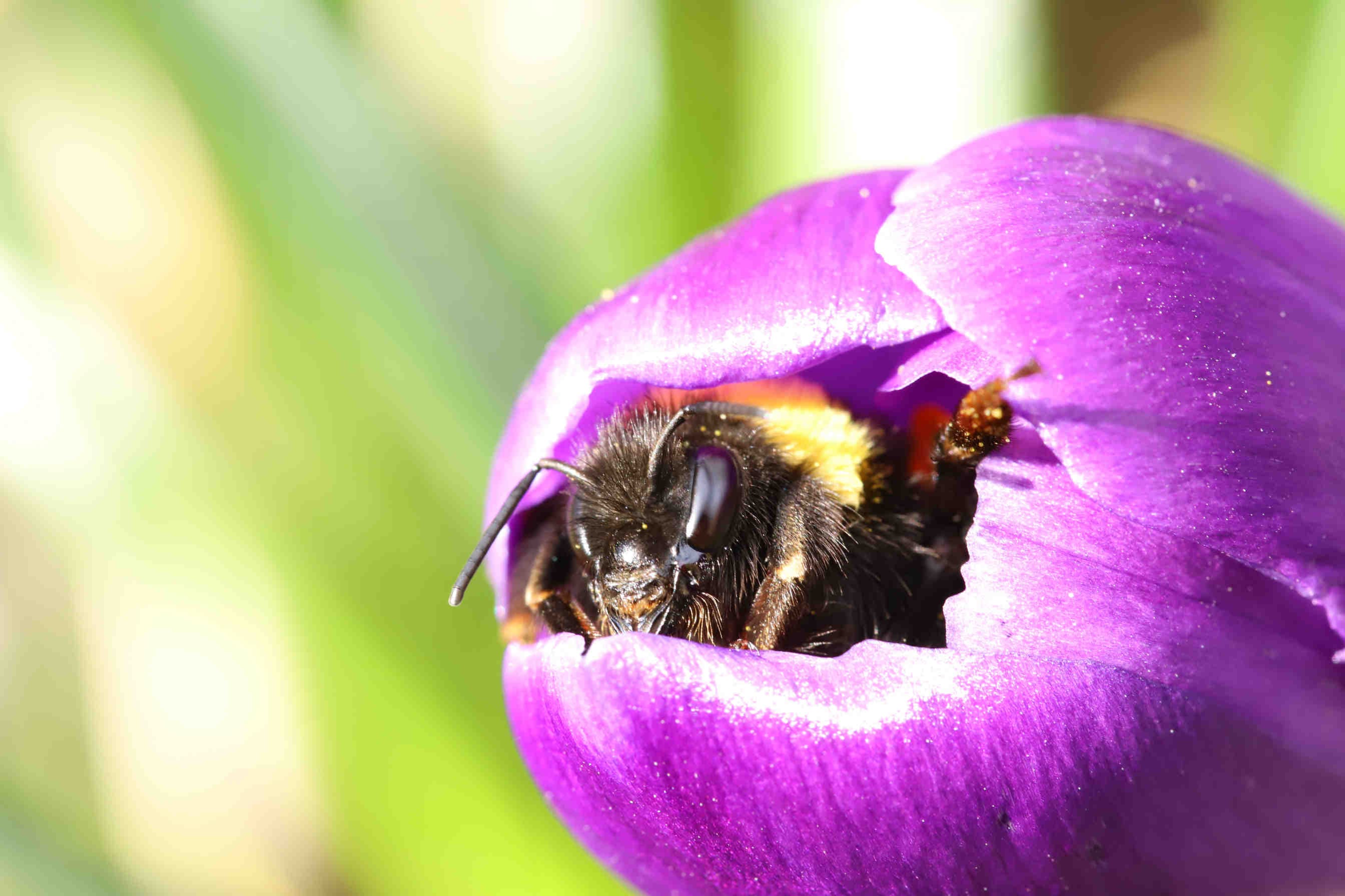
    Contrary to popular belief, the bumblebee is not the male honeybee. The bumblebee is a pollinator belonging to the same family as the honey bee, i.e. Apidae, but it is larger and has a characteristic fluffy hair covering its body. There are around 250 species of bumblebees worldwide, each with different colourations: from yellow and black, to orange bands, to completely black specimens. The bumblebee lives within small colonies and is therefore a social animal.
    bombo
    XNatura

    Life cycle and characteristics of bumblebees

    Its life cycle, however, is very different from that of bees. A colony of bees only survives during the warm season. With the arrival of cold weather, only the queens, i.e. the fertilised females, survive and retreat to a safe place for the winter, awaiting the return of milder temperatures. In spring, it is the queen's task to establish a new colony. To do this, she searches for the optimal location for the new nest, which is often in cavities in the ground or in the trunk of trees, where she can lay her eggs. Due to their physical characteristics, bumblebees are excellent pollinators: they have a longer daily activity period than honeybees and are able to go out exploring even in wind, fog and light rain.

    bombo fiore

    The Xylocopa: the Woody Bee

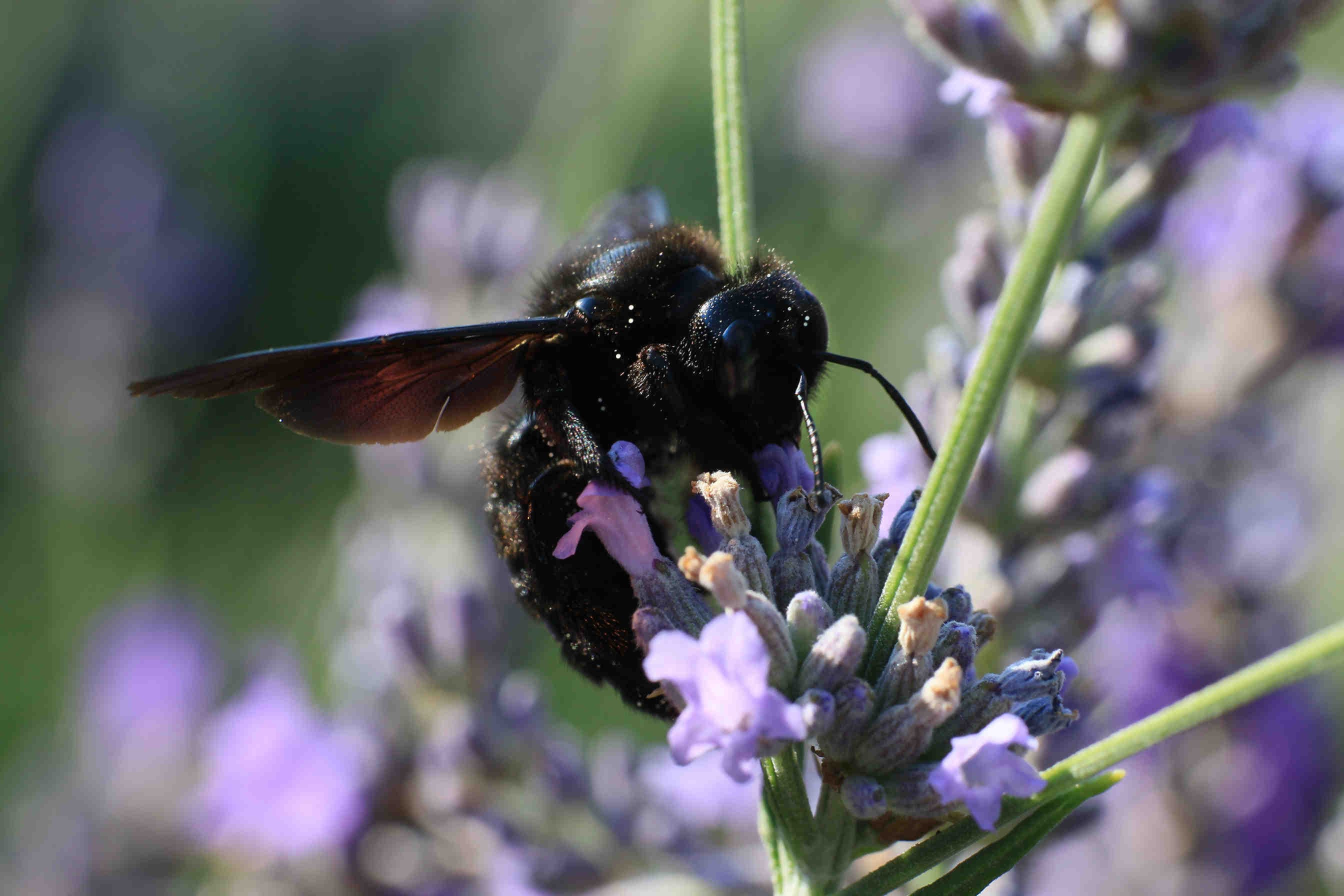
    Another species of the Apidae family is the Xylocopa violacea, commonly referred to as the Lumberjack Bee or Carpenter Bee. This solitary bee, found in south-central Europe, is easily recognisable by its appearance: it can reach 3 cm in length, has a black body and iridescent purple wings. Its flight does not go unnoticed thanks to its powerful rontium. The name Xylocopa is derived from Greek and means 'cut in the wood'. This name refers to the fact that the eggs of this bee are laid in cavities and galleries dug into soft, and sometimes rotting, wood. Although it is equipped with a robust stinger, the Wood-boring Bee is generally not aggressive and rarely stings. This species is among the first imenoptera to appear in early spring.
    Xylocopa violacea
    XNatura

    The Leaf-Cutting Bees

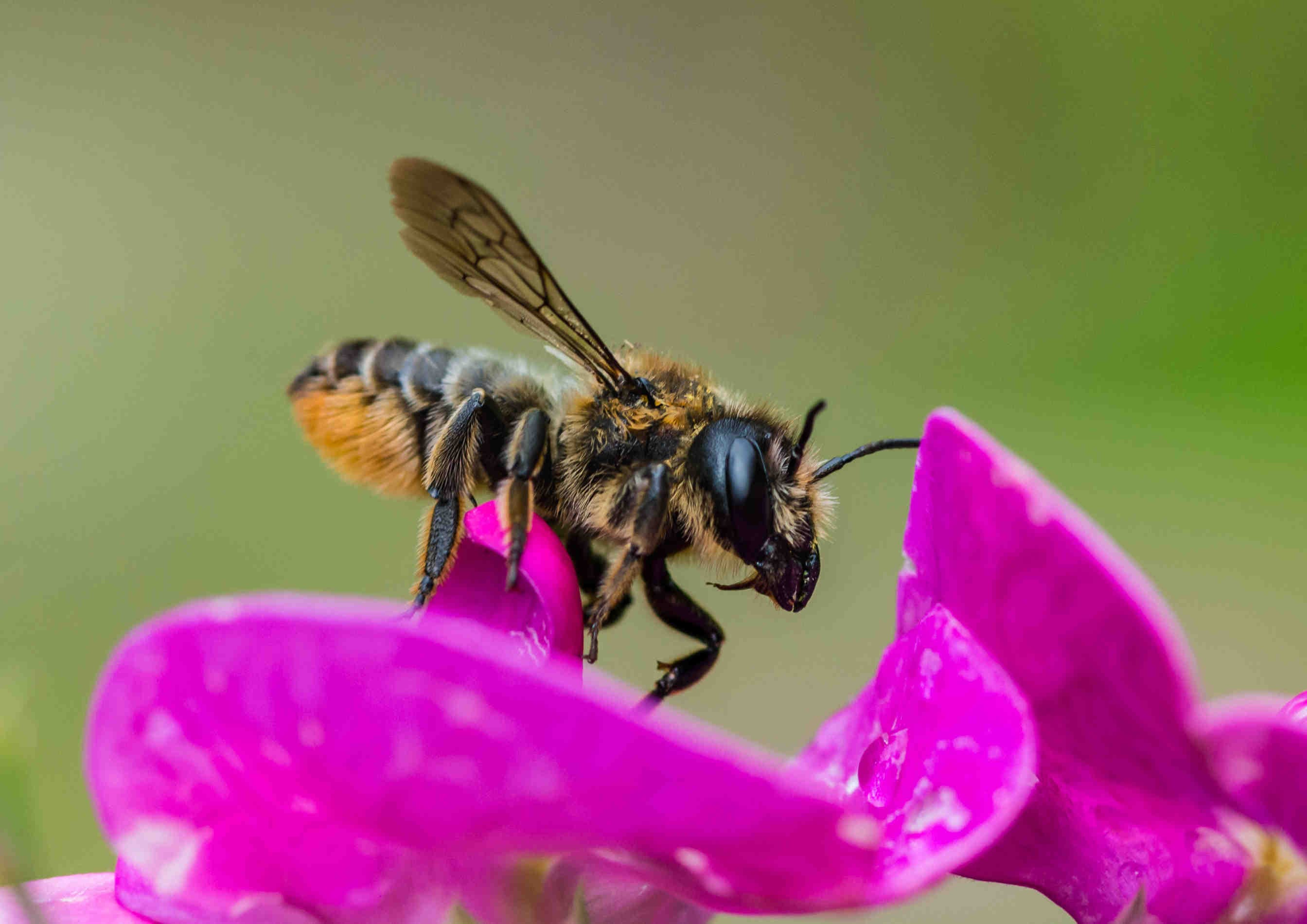
    The Megachilidae family includes up to 1,500 species of bees worldwide. These medium to large pollinators visit a wide range of flowers and plants of different species and families. In terms of morphology, females have a structure for collecting pollen that is commonly called a 'broom'. This is nothing more than the lower part of the abdomen, entirely covered by a thick fringe of hairs where the pollen collected from the flowers is imprisoned. Another common trait is related to their nesting behaviour. These bees prefer to create their nests inside cavities, such as holes in wood, rocks, soil, or in reeds and hollow stems. Some species cover the nest cavity with pieces of leaves, cut out with their mandibles, thus earning them the nickname leaf-cutting bees. Inside these protected cavities, eggs are laid, from which the next generation of bees will be born.

    ape taglia foglie
    3Bee

    The Osmia: A solitary but essential bee

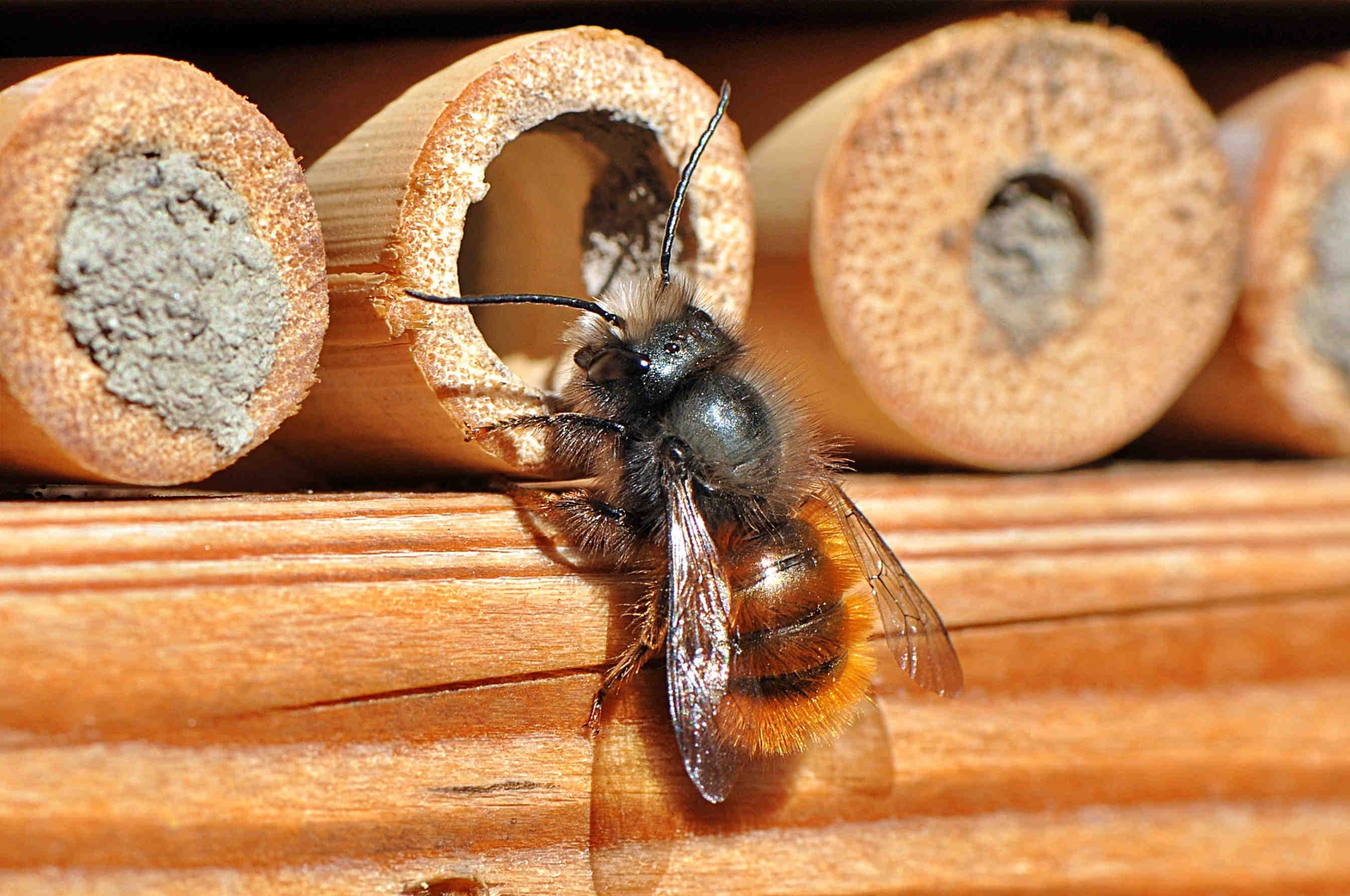
    The Osmia rufa, or Osmia bicornis, is a type of wild bee common in Europe that also belongs to the Megachilidae family. This species can reach 10-12 mm in length in females and is characterised by a red-brown body, covered with thick black hairs on the abdomen. The male specimens, on the other hand, are slightly smaller and have white hairs near the head and thorax. Unlike honeybees, Osmias are solitary, i.e., they do not live in colonies and do not have a queen or honey reserves but build their nests in unusual places, such as reeds, pipes or cavities in walls. After the eggs are laid, the female seals the nest with a clay plug. The eggs then develop into larvae and later pupae, and reach maturity during the following spring. The Osmia lives for a short time: about six weeks after birth, and after ensuring the birth of a new generation, it disappears.

    osmia

    3Bee: technology for the protection of biodiversity

    3Bee is the leading climate-tech company protecting biodiversity through technology, with a fundamental mission: protecting pollinators, the true heroes and guardians of ecosystems and biological diversity, and restoring their habitats. 3Bee's approach to biodiversity conservation is revolutionary. Through the use of unique and innovative technologies, 3Bee is able to listen to pollinators and intervene when necessary. The sensors and algorithms developed make it possible to collect quantifiable data on the health of domestic and wild bees, and their host habitat, making it accessible to all. This transparency not only improves understanding and awareness about the status of pollinators, but also facilitates the development of targeted solutions and the implementation of effective conservation actions to which everyone can contribute. Want to know more?

    3Bee: technology for the protection of biodiversity
    18/12/2023Of 3Bee, Elena Fraccaro
    886 Views
    Newsletter
    newsletter
    Subscribe to the Blog about bees and biodiversity

    Frequently Asked Questions

    Do you have any doubts or other curiosities about this article? Here you will find some insights