Royal jelly: a prodigious natural elixir
    IntroductionProductionCompositionbenefici

    Royal jelly: a prodigious natural elixir

    Explore the exceptional benefits of royal jelly in combating various diseases, along with its positive effects on general health, supporting the immune system and promoting long-term holistic well-being. But can it give rise to allergic reactions?

    Read the article
    03/06/2022Of 3Bee, Elena Fraccaro
    7071 Views
    03/06/2022Of 3Bee, Elena Fraccaro
    7071 Views

    What is royal jelly?

    Welcome to the magical world of real jelly, a prodigious natural elixir that offers numerous benefits for our health and general well-being. This precious gift from the bees has aroused great interest in the field of scientific research and natural medicine, as it is able to combat a wide range of diseases and ailments, improving our quality of life. In this blog, we will guide you through the extraordinary properties of royal jelly and its many therapeutic applications, ranging from regulating high cholesterol to reducing menopausal symptoms. Prepare to immerse yourself in a fascinating journey that will lead you to learn more about this powerful ally of our health, and how to make the most of its benefits to live a healthier and more energetic life. Royal jelly is the nourishment of the queen bee, don't you feel like a queen?
    What is royal jelly?

    Who produces royal jelly?

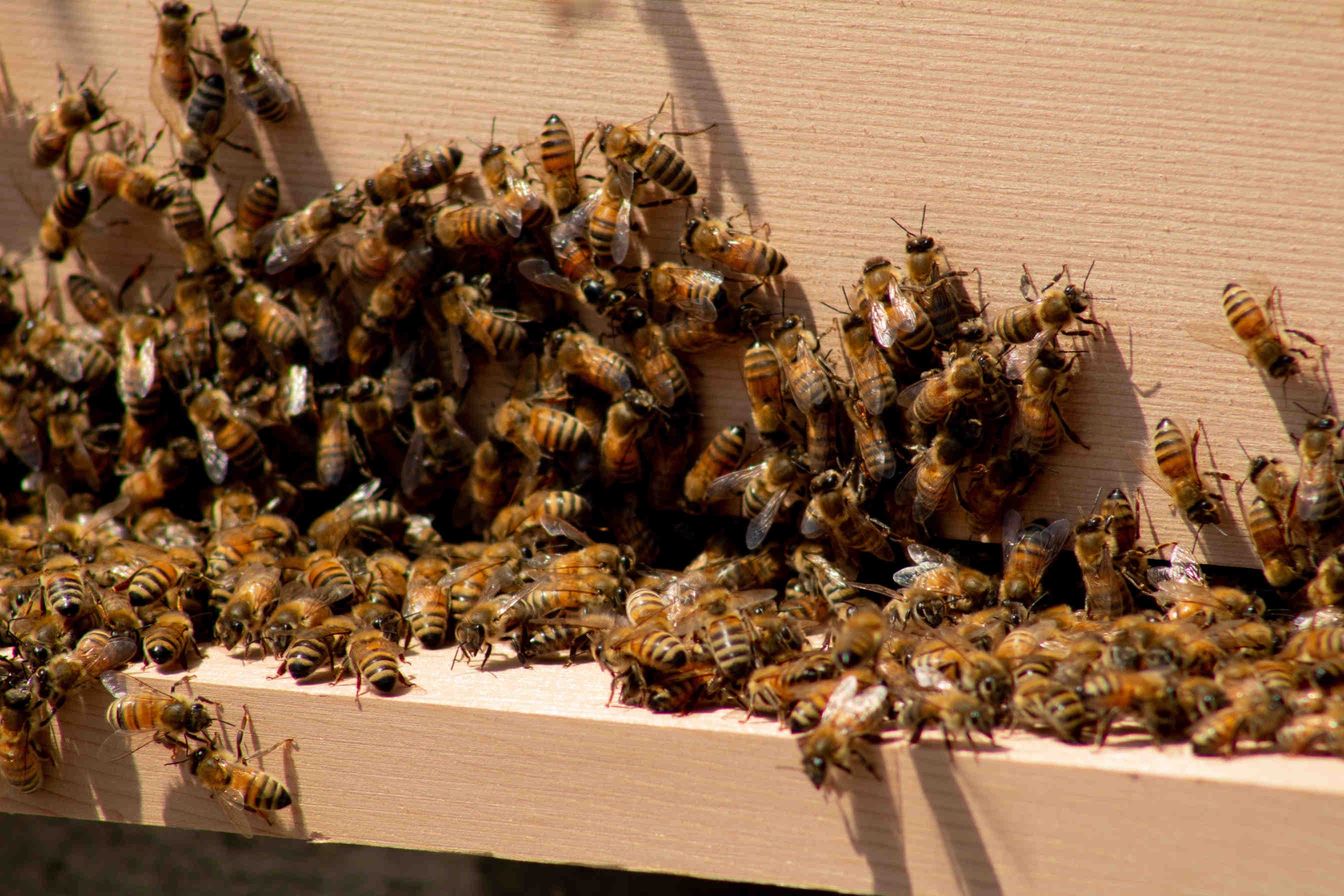
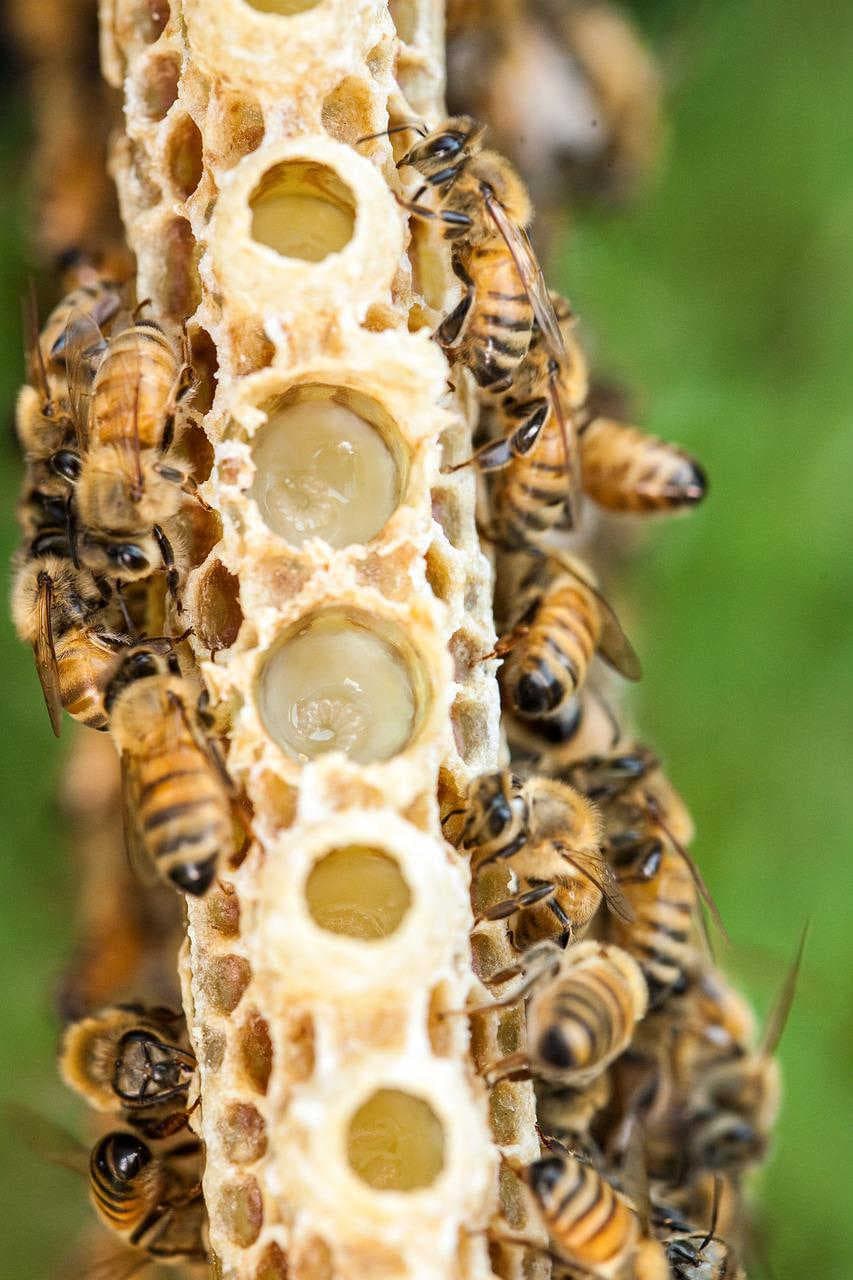
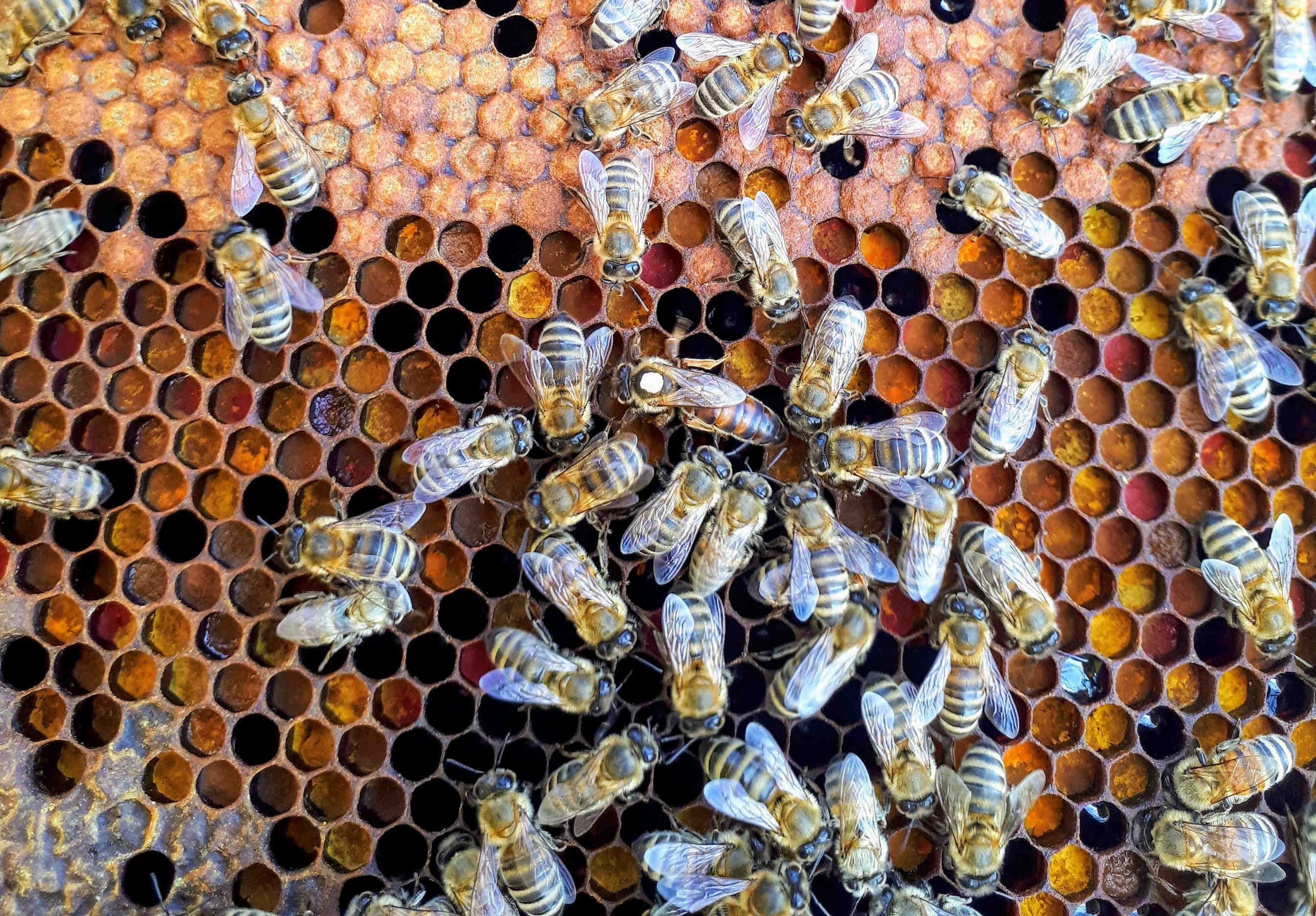
    royal jelly, or royal jelly, is a substance of entirely animal origin. It is, in fact, nothing more than the product of the secretion of the hypopharyngeal and mandibular glands of a particular type of bee. As we know, within a beehive each bee has a specific task, which it performs according to its age and the needs of the community. In this case, it is the nurse bees, i.e. bees between 5 and 15 days old, that are in charge of processing this precious food. It is certainly interesting to note that, within the hive, royal jelly is not always the same. Depending on the type of destination and the age of the larvae, it has a different composition.

    Who produces royal jelly?
    XNatura

    Main nutritional components and therapeutic properties

    To the eye, royal jelly appears as a gelatinous, whitish-coloured substance. Both the smell and the taste are rather pungent. It is decidedly acidulous to the taste. Although we have said that its chemical composition is variable, we can find elements that are always present: water, nitrogen compounds (proteins and amino acids), carbohydrates, lipids, minerals and other substances, including vitamins.

    Vitamins: Royal jelly is a valuable source of B vitamins, in particular B1, B2, B3, B5, B6 and B9, which play a key role in energy metabolism and nervous system health. In addition, it contains vitamins A, C, D and E, which are essential for healthy skin, eyes and the immune system. Minerals: Royal jelly is rich in minerals such as calcium, phosphorus, potassium, iron, zinc and selenium, which contribute to bone health, muscle function and the maintenance of electrolyte balance.

    Main nutritional components and therapeutic properties

    The benefits of royal jelly

    The reason why royal jelly is much sought after is for its innumerable and undoubted benefits. It is very useful as a tonic and restorative, highly recommended during periods of particular mental and physical stress, as it boosts physical and mental performance, facilitates memorisation and counteracts fatigue. It can be taken to combat anaemia, asthenia and to stimulate the appetite. It has considerable antioxidant action and counteracts the ageing process of the skin, which is made softer and more elastic. Its effect on blackheads, acne and hair loss is also interesting. We have seen how useful it is to take royal jelly in times of stress, but it also has positive effects on mood, against states of anxiety, insomnia and depression. It has also been found to have anti-inflammatory, anti-cancer properties and a beneficial effect on coronary artery disease and myocardiopathy.

    The benefits of royal jelly
    XNatura

    How is royal jelly taken?

    Once extracted and filtered, royal jelly is generally stored in dark glass vials, kept refrigerated so as not to alter its innumerable properties. With regard to intake, there are different indications. Some recommend taking 250mg a day, others increase the dose to 1g. It can be consumed pure, with honey or diluted in a little sweetened water. However, it is preferred to be taken in the morning on an empty stomach, before breakfast, possibly dissolved under the tongue to allow absorption through the sublingual glands and avoid the action of the gastric juices. As a rule, it is recommended to take it for a period of 20-30 days and possibly repeat the cycle 2-3 times during the year as needed.

    How is royal jelly taken?
    3Bee

    Fraud and product authenticity

    We can only agree that royal jelly is an incredible food with many properties. Unfortunately, it is estimated that only 5% of the royal jelly currently consumed in Italy is actually produced in our country. Choosing the right product that you are going to consume is essential to be sure of its genuineness and integrity. By adopting a 3Bee hive, you will not only be able to consume the royal jelly produced by your hive, but you will also be able to follow the day-to-day development of your chosen family by consulting the graphs and following the beekeeper in his daily work. You will also be able to receive at your home the honey that "your" bees have produced. In this way you can support the activity of a beekeeper of your choice and consume quality honey.

    Fraud and product authenticity

    Contraindications and side effects

    Despite the many benefits of royal jelly, it is important to be aware of the possible contraindications and side effects associated with its use. First of all, people with allergies to pollen, bees or bee products should avoid taking royal jelly, as it may cause severe allergic reactions, such as hives, swelling or difficulty breathing. In addition, royal jelly may affect hormonal balance, so it is advisable that people with hormonal disorders, such as breast or uterine cancer, or with a history of hormone-dependent cancers, consult a doctor before incorporating royal jelly into their diet. Pregnant and lactating women should also consult a doctor before taking royal jelly, as there are not enough studies to guarantee its absolute safety during these periods.

    03/06/2022Of 3Bee, Elena Fraccaro
    7071 Views
    Newsletter
    newsletter
    Subscribe to the Blog about bees and biodiversity

    Frequently Asked Questions

    Do you have any doubts or other curiosities about this article? Here you will find some insights