Omnibus package: 'Stop the clock' approved by EU Parliament
    EU ParliamentReportingOmnibusStop the Clock

    Omnibus package: 'Stop the clock' approved by EU Parliament

    The European Parliament approved the postponement of the deadlines for the CSRD and CSDD Directives, postponing the application of sustainability reporting for many companies by two years. Find out the details of the Omnibus Package, the implications of 'Stop the Clock' and the next regulatory steps.

    Read the article
    04/04/2025Of 3Bee, Angelina Tortora
    148 Views
    04/04/2025Of 3Bee, Angelina Tortora
    148 Views

    The European Parliament vote and the next steps

    Disclaimer: this is an automated translation from Italian. Go to the original article.

    On 1 April, the European Parliament approved the urgency procedure for the Stop the Clock on the Omnibus Package with 427 votes in favour, 221 against and 14 abstentions. Subsequently, on 3 April, with 531 votes in favour, 69 against and 17 abstentions, MEPs confirmed the postponement of the deadlines set by EU legislation on sustainability reporting (CSRD) and duty of care (CSDD). According to the adopted proposal, EU member states will have an extra year (until 26 July 2027) to transpose the due diligence provisions into their national legislation. The postponement also applies to larger companies, which will have to comply with the obligations from 2028 instead of 2027. For companies with more than 3,000 employees and a net turnover of more than EUR 900 million, the entry into force has also been postponed to 2028.
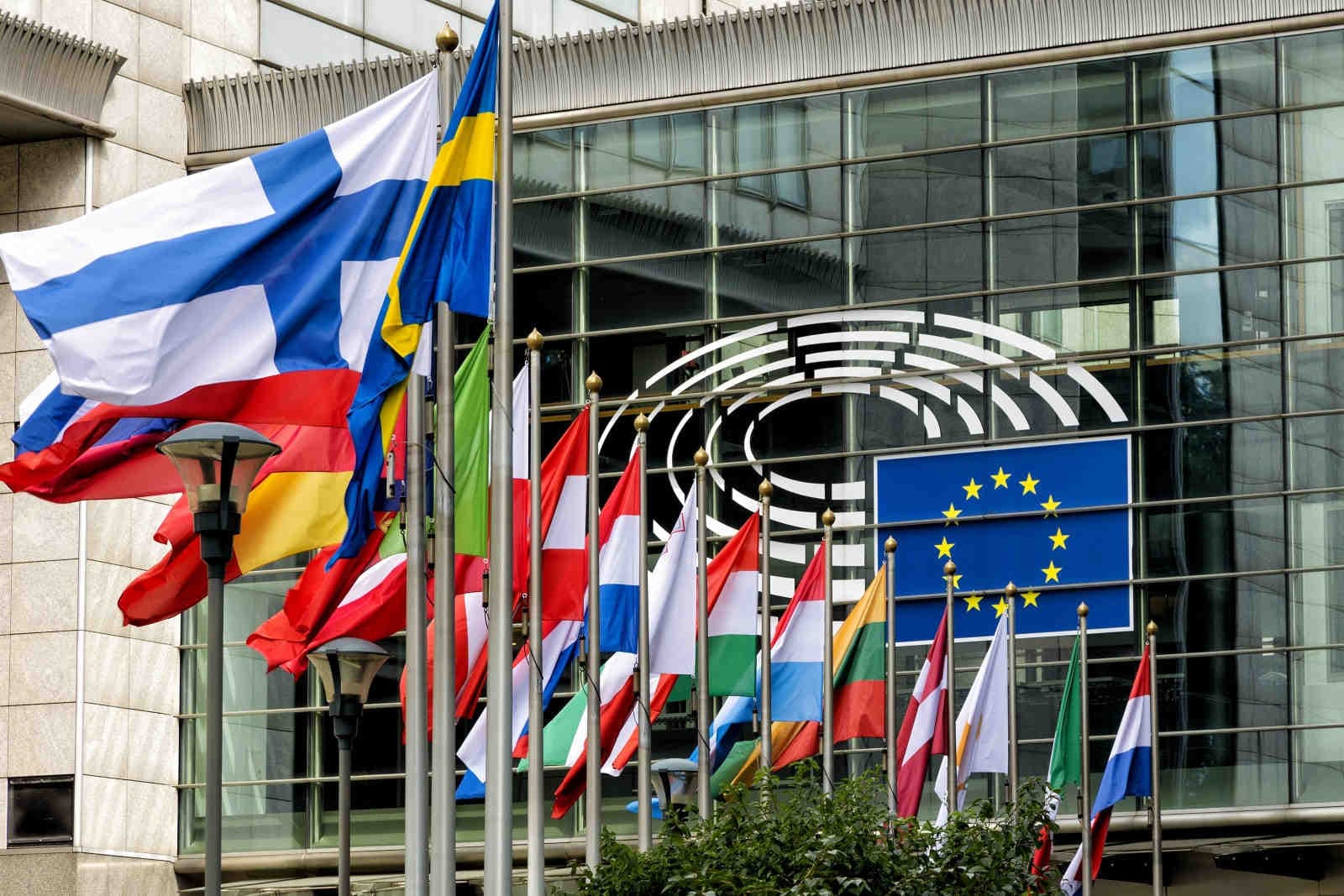
    Il voto del Parlamento Europeo e le prossime tappe

    Sustainability Reporting: The Postponement of the Directive

    The implementation of the directive on sustainability reporting has also been postponed: large companies with more than 250 employees will have to report on their social and environmental measures for the first time in 2028 (instead of 2026), while listed SMEs will have to do so from 2029. In order to speed up the adoption of the measures, the Parliament decided to deal with the dossier under urgent procedure. Now the measure will have to obtain the formal approval of the EU Council, which already gave a favourable opinion on 26 March 2025.

    Rendicontazione di sostenibilità: il rinvio della direttiva
    XNatura

    What is the Omnibus Package and why has it been postponed?

    The Omnibus Package is a set of measures proposed by the European Commission to simplify and ease regulatory obligations in the field of sustainability. The concept of 'Stop the Clock' refers to a temporary suspension of the application of certain regulations, allowing companies to adapt to new requirements without suffering burdensome impacts. The aim is to balance the need for regulation with economic reality, particularly for small and medium-sized enterprises (SMEs) facing new compliance challenges. The postponement is seen as a pragmatic measure to avoid operational difficulties and enable a more effective implementation of ESG policies. The Commission presented the Omnibus Package I on 26 February 2025, including, in addition to the postponement of the implementation dates, also proposals to change the content and scope of application of the regulations, which will now be considered by the Legal Affairs Committee of the Parliament

    Cos'è il Pacchetto Omnibus e perché è stato rinviato?

    Stop the Clock: a precedent in EU policies

    The Stop the Clock mechanism is nothing new in European legislation. A significant example dates back to 2012, when the EU temporarily suspended the application of the emission trading scheme (ETS) for international flights in and out of Europe. The aim was to allow more time for global negotiations to reach an agreement on aviation emissions, thus avoiding diplomatic tensions and trade retaliation. Past experience shows that the 'Stop the Clock' mechanism can be an effective strategy to manage complex regulatory transitions without compromising long-term environmental and economic goals.

    Stop the Clock: un precedente nelle politiche UE
    XNatura

    Impacts and future prospects

    The postponement decided by the European Parliament raises mixed opinions. On the one hand, businesses welcome this pause, which will allow them to better prepare for the expected obligations. On the other, some experts fear that the 'Stop the Clock' may slow down the adoption of sustainable practices and weaken the regulatory framework on social and environmental responsibility. The future will depend on the upcoming decisions of the EU Council and the evolution of the political and economic debate. The challenge remains to reconcile competitiveness and sustainability, ensuring that postponement does not become an obstacle to the EU's ambitious climate goals.

    Impatti e prospettive future
    3Bee

    3Bee's expansion into international markets

    This article has been realised within the project "Biodiversity services EU expansion" (CUP: E43D22000480009) in the framework of the Lombardy Region's call for tenders "PR FESR 2021-2027 - LINEA INTERNAZIONALIZZAZIONE 21-27", aimed at supporting the internationalisation of Italian companies. 3Bee is the naturetech company that develops innovative technologies for monitoring, protecting and regenerating biodiversity, supporting companies in defining customised climate strategies based on the analysis of their impacts and dependencies on nature. With an established portfolio in Italy, Germany and France and prominent partnerships, 3Bee continues its expansion into international markets to create real impact through technology.

    04/04/2025Of 3Bee, Angelina Tortora
    148 Views
    Newsletter
    newsletter
    Subscribe to the Blog about bees and biodiversity

    Frequently Asked Questions

    Do you have any doubts or other curiosities about this article? Here you will find some insights