Lily of the Valley: features, distribution and curiosities of an iconic plant
    Lily valleyLife cycleDistributionEcological role

    Lily of the Valley: features, distribution and curiosities of an iconic plant

    The lily of the valley is a perennial herbaceous plant known for its lance-shaped leaves and intensely scented white bell-shaped flowers. Discover in this article the features, distribution, life cycle, ecological role and curiosities about this iconic plant.

    Read the article
    16/02/2025Of 3Bee, Lisa Santillo
    1945 Views
    16/02/2025Of 3Bee, Lisa Santillo
    1945 Views

    Lily of the valley: main characteristics

    Disclaimer: this is an automated translation from Italian. Go to the original article.

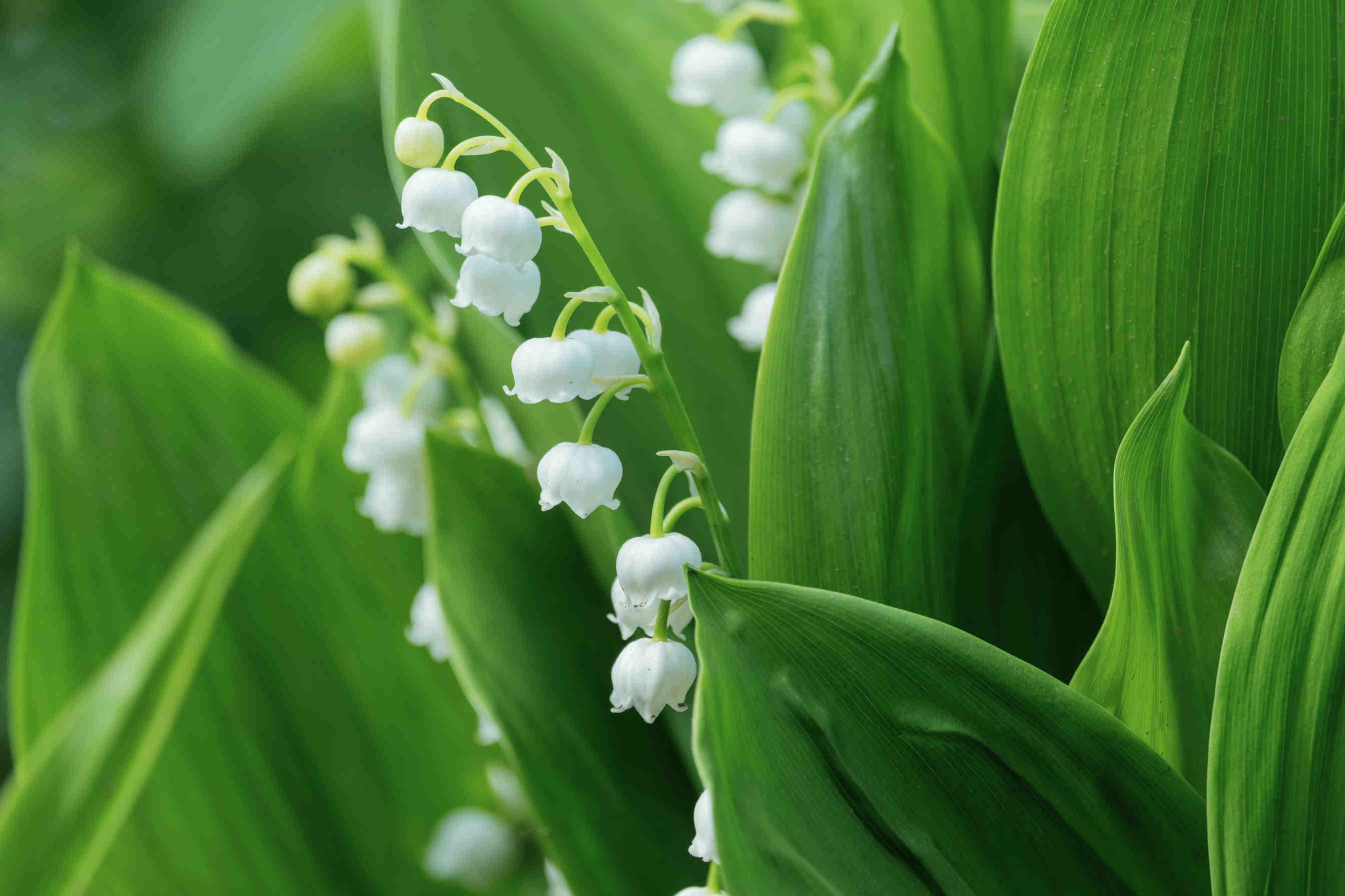
    The lily of the valley (Convallaria majalis) is a perennial herbaceous plant of the Asparagaceae family. It is recognized by its lanceolate leaves and intensely fragrant white bell-shaped flowers. It grows in the shady woods of Europe, Asia, and North America, preferring moist, humus-rich soils - a complex of organic substances found in the soil, derived from the decomposition of plant and animal residues. The plant mainly propagates through underground rhizomes, allowing it to form large colonies. Although appreciated for its elegant appearance and distinctive aroma, the lily of the valley is highly toxic: all its parts contain cardiotoxic glycosides, hazardous substances for humans and animals if ingested.
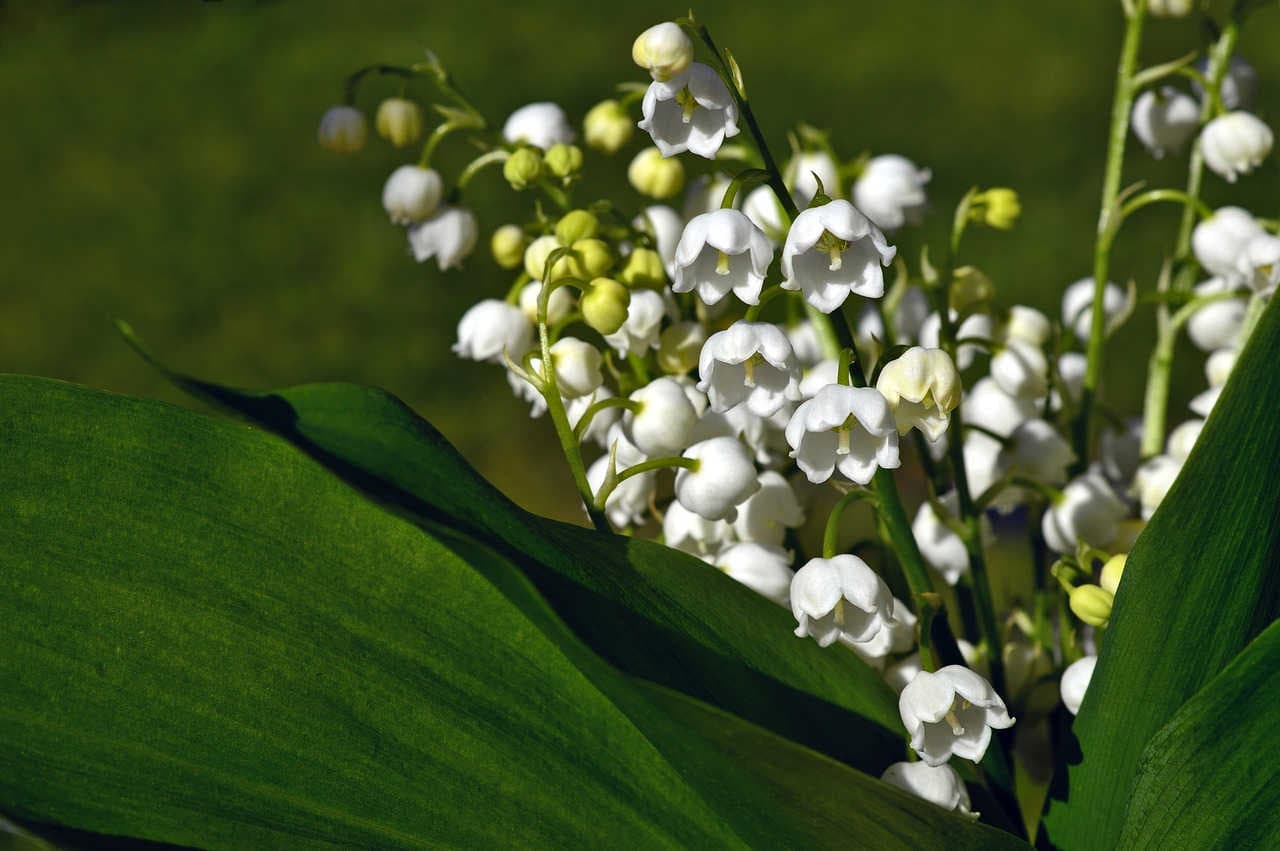
    mughetto fiore

    Life cycle of the lily of the valley

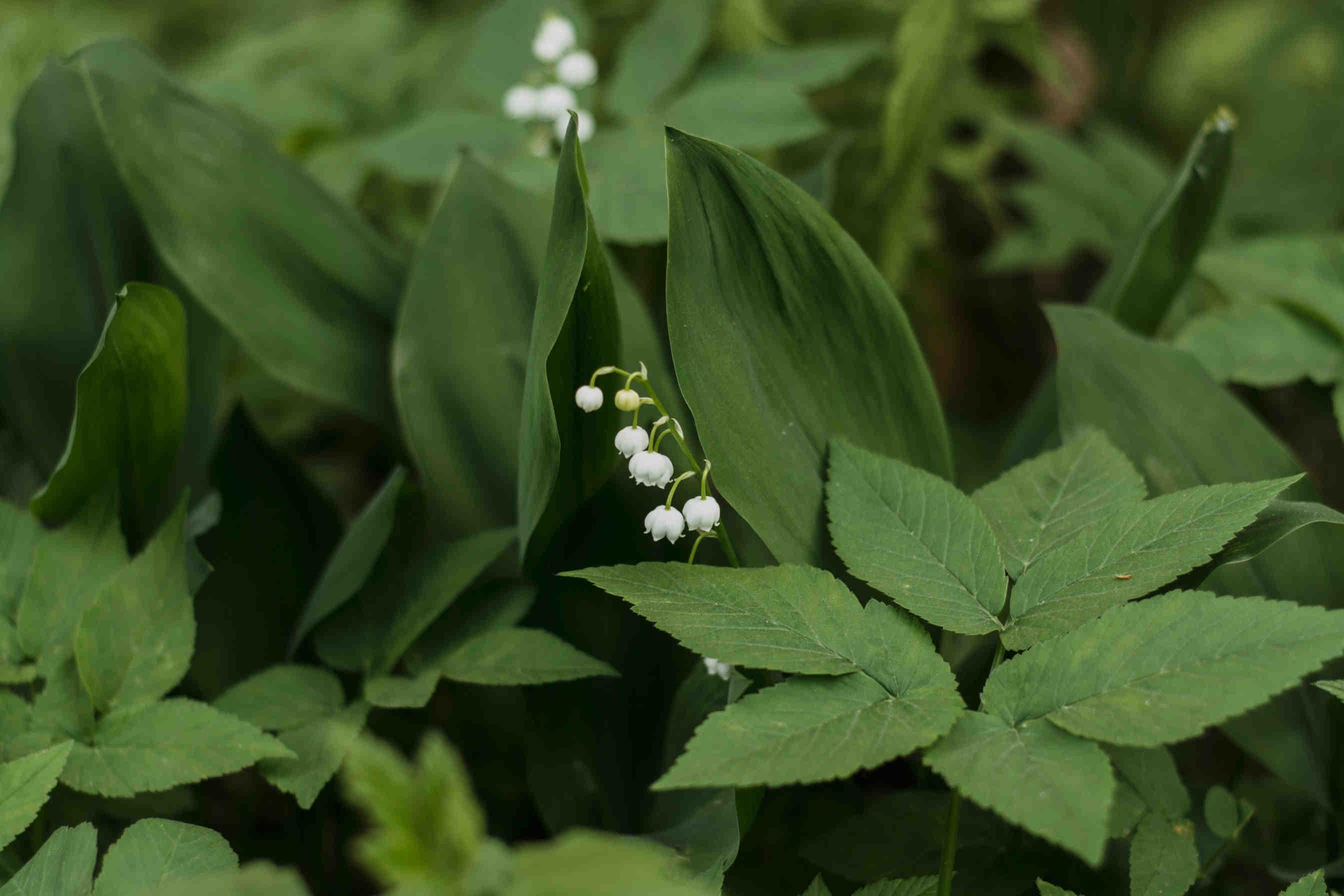
    The life cycle of the lily of the valley follows the seasons. In spring, green leaves emerge from the ground and the characteristic white flowers bloom between April and May. After blooming, the plant develops small red berries, containing seeds that represent one of the ways of reproduction. With the arrival of autumn, the above-ground part of the plant withers and disappears, while the rhizomes remain dormant in the soil during winter. Thanks to this strategy, the lily of the valley is able to regenerate every year without difficulty, gradually colonizing new areas.

    mughetto pianta
    XNatura

    Geographical distribution of the lily of the valley

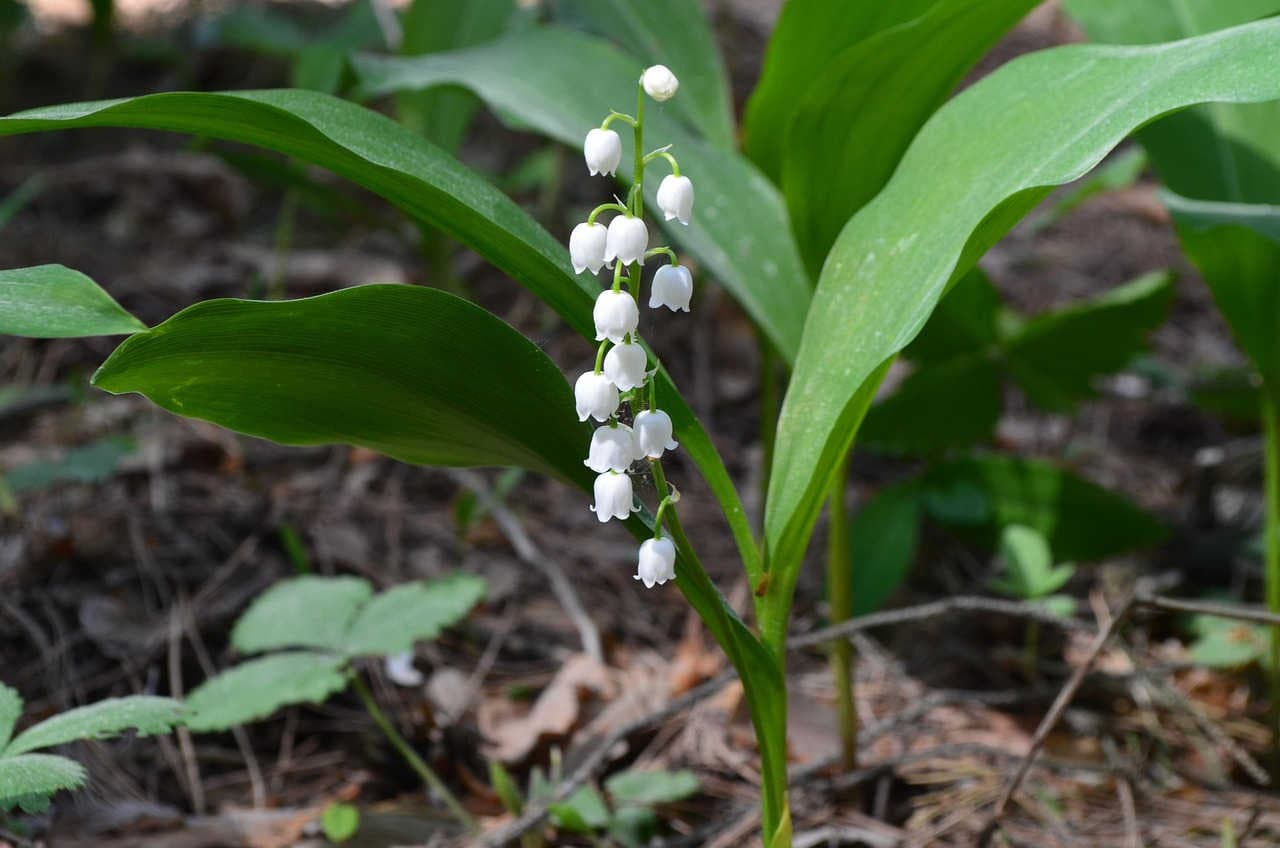
    The lily of the valley is widely distributed in the Northern Hemisphere, with natural populations present in Europe, Asia, and North America. It prefers cool and shady environments, such as deciduous understories, forest edges, and moist clearings. It is particularly common in mountainous and hilly areas, where it benefits from fertile soils rich in organic matter. In some regions, its collection is regulated to preserve wild populations, as excessive collection can threaten its natural spread.

    mughetto sottobosco

    The ecological role of the lily of the valley

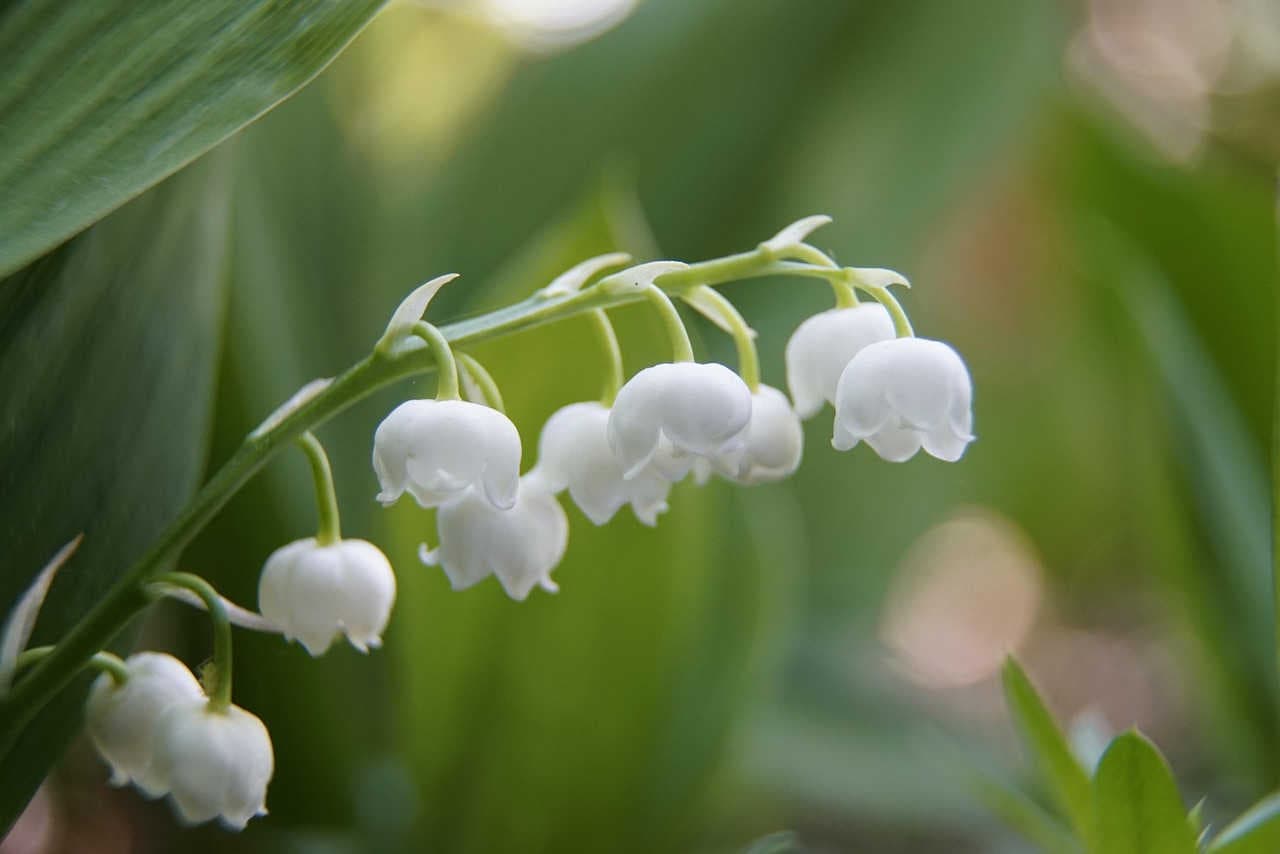
    The lily of the valley plays an important role in forest ecosystems. Its compact and widespread growth contributes to maintaining the stability of the undergrowth, limiting the proliferation of invasive species and promoting the maintenance of vegetative cover. In addition, it helps regulate soil moisture and protects against compaction, facilitating the development of other herbaceous plants that share the same habitat. Its presence indicates the health of temperate forests, as it grows in well-preserved environments rich in organic matter.

    mughetto
    XNatura

    Lily of the Valley: meaning of the name, symbolism and curiosities

    The name "lily of the valley" comes from the Latin "Convallaria majalis," which means "May valley flower," a reference to its natural habitat and blooming period. In many cultures, the lily of the valley symbolizes happiness and rebirth. In France, it is traditional to give a sprig of lily of the valley on May 1st as a good luck charm, a custom that originated during the Renaissance. In some Nordic legends, the flower is associated with the tears of the goddess Ostara, while in Christian times it was considered a symbol of purity and humility. Additionally, its essential oil is used in perfumery to create delicate and spring fragrances.

    app biodiversa
    3Bee

    Biodiversa: the 3Bee game app to monitor biodiversity

    Biodiversa is the free game app for monitoring biodiversity and protecting ecosystems that allows you to easily "collect" and identify plants you come across during an outdoor walk. An ambitious citizen science project aimed at creating a cooperative archive dedicated to flora in Europe, involving player users with cataloging challenges of species, some of which are rare or endangered. Available for iOS and Android, Biodiversa has a dynamic similar to that of some well-known free-to-play video games that encourage movement and travel in the real world to "collect" characters. From April 1, 2025, the "Biodiversa Heroes" prize contest returns: every new and different plant photographed and captured earns a point and moves up the ranking, to try to win fantastic prizes. The goal is to reward the most "biodiverse" nature explorers.

    16/02/2025Of 3Bee, Lisa Santillo
    1945 Views
    Newsletter
    newsletter
    Subscribe to the Blog about bees and biodiversity

    Frequently Asked Questions

    Do you have any doubts or other curiosities about this article? Here you will find some insights