Ladybirds: Little Heroes of Biodiversity
    IntroductionDescriptionRegenerationBiodiversity

    Ladybirds: Little Heroes of Biodiversity

    We discover the importance of ladybirds in biological pest control, their crucial role in conserving and maintaining natural ecosystems, and how these small but voracious creatures positively influence biodiversity and plant well-being.

    Read the article
    05/04/2023Of 3Bee, Elena Fraccaro
    3936 Views
    05/04/2023Of 3Bee, Elena Fraccaro
    3936 Views

    Introduction to ladybirds

    Ladybirds are small and charming insects that populate our gardens, lawns and fields, and are known for their vibrant liveries and characteristic black spots on their elytra. In addition to being adorable, these insects play a key role in maintaining the balance of ecosystems, in fact being considered in some contexts as umbrella species they are an indicator of biodiversity (Sattler et al., 2014). Due to their mainly carnivorous diet, bugs are considered valuable allies in biological pest and insect control, contributing to the reduction of the use of chemical pesticides and promoting plant health and the environment. In this article, we will explore the world of ladybirds and discover their important contribution to the conservation of biodiversity, as well as the challenges these tiny creatures face in the context of increasing climate change and environmental pollution.

    Introduction to ladybirds

    Ladybirds: a brief description

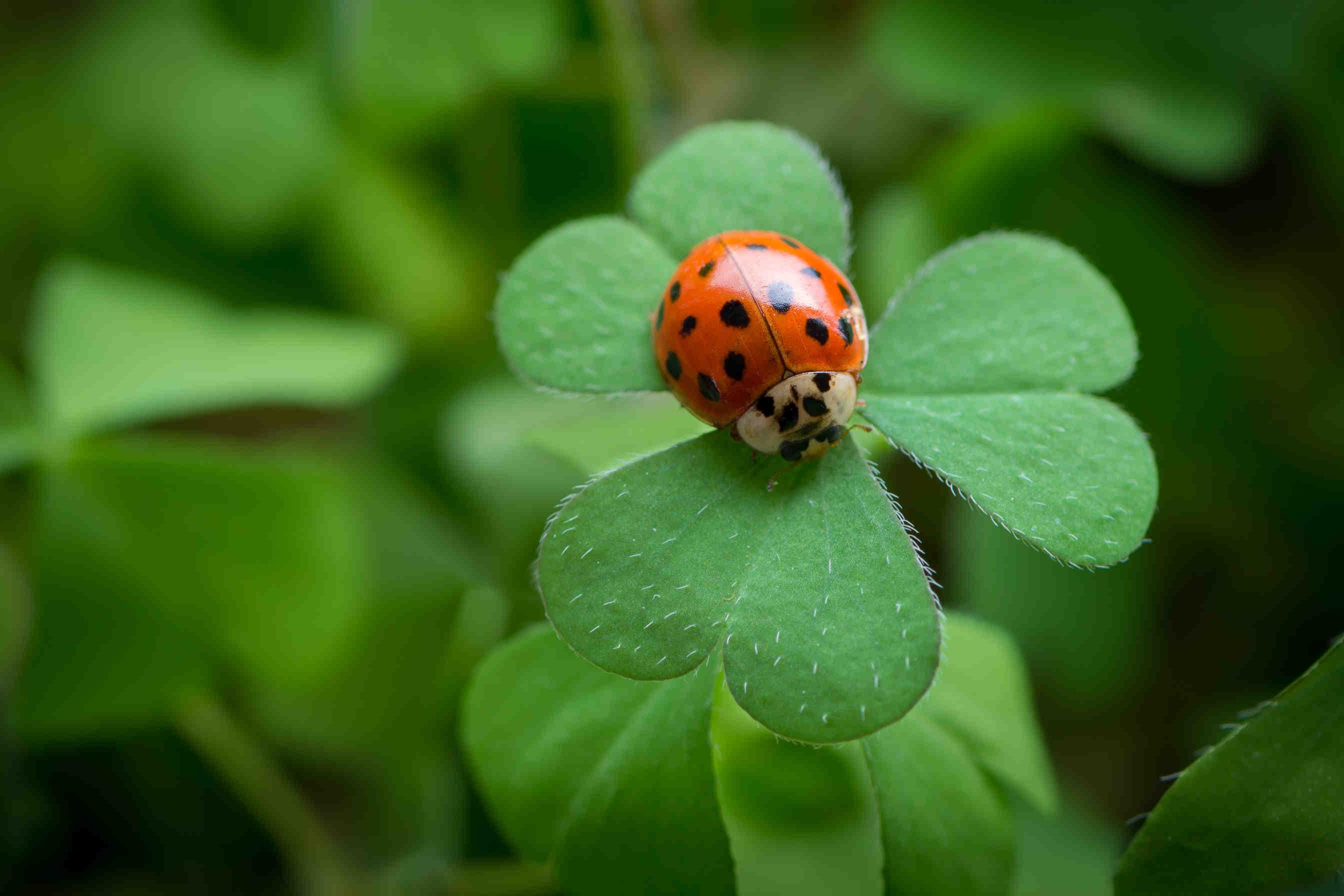
    Ladybirds belong to the order Coleoptera and the family Coccinellidae, which includes over 6,000 species distributed worldwide. Most ladybirds have an oval shape and range in size from 0.8 to 18 millimetres. Although the best known colouration is red with black spots, there are ladybirds of different colours and patterns, such as yellow, orange, brown and even black. This variety of colours and patterns serves to deter potential predators, thanks to a phenomenon called aposematism. The life cycle of ladybirds consists of four phases: egg, larva, pupa and adult. Females lay their eggs near colonies of aphids or other insects on which the larvae will feed once hatched. Ladybird larvae are voracious aphid predators, consuming up to 350 aphids per day. After completing their growth, the larvae pupate and develop into adults. The adults continue to feed on aphids.

    Ladybirds: a brief description
    XNatura

    The role of ladybirds in biological control

    Bugs play a key role in thebiological control of pests and insect pests, thanks to their voracity in eliminating aphids, mites, mealybugs and other plant-damaging organisms (COSTEA et al., 2017; Zhao et al., 2020). This characteristic makes ladybirds valuable allies for agriculture and garden management, helping to control pests without resorting to chemical pesticides harmful to the environment and human health. The use of ladybirds in biological control is a widely adopted practice in many countries to reduce the use of chemicals and maintain the natural balance of ecosystems. In addition, ladybirds can be introduced into greenhouses and protected crops to combat pests, improving the quality and yield of crops. The presence of ladybirds in gardens and vegetable gardens not only promotes the health of plants, but also contributes to the increase of biodiversity.

    Ladybirds and biodiversity

    Ladybirds actively contribute to the conservation of biodiversity and to maintaining the balance of ecosystems. Their presence helps regulate pest populations, preventing excessive damage to plants and limiting the spread of diseases. In addition, ladybirds are a source of food for numerous predators, such as birds, spiders and amphibians, thus playing a key role in the food chain.

    The diversity of species of ladybirds present in a ecosystem can be considered an ecological indicator of environmental quality (Dufrêne & Legendre, 1997; McGEOCH, 1998; Zahoor et al., 2003). This applies, in general, to native species and not to alloctone species.

    However, ladybirds are also sensitive to climate change and pollution, which can cause the loss of their habitat.

    Ladybirds and biodiversity
    XNatura

    The threat of climate change and pollution

    Although ladybirds are fundamental to biodiversity and the balance of ecosystems, they are not immune to the threats posed by climate change and environmental pollution. Global warming, warmer summers and milder winters can alter the life cycles and dynamics of ladybird populations, affecting their ability to control pests and adapt to new environmental conditions (Li et al., 2023).

    Pollution, particularly the excessive use of chemical pesticides, represents another danger to ladybirds and biodiversity in general (Sánchez-Bayo, 2021). Exposure to toxic chemicals can reduce the survival and fertility of ladybirds and other insects, compromising their effectiveness in biological control and endangering the stability of ecosystems.

    The threat of climate change and pollution
    3Bee

    The Asian harlequin ladybird: an invasive species

    Of all the threats to biodiversity, one of the most serious and often overlooked are the native species, organisms native to one region that are introduced by humans into another. These introductions can occur accidentally or intentionally, and often lead to problems such as competition with native species and alteration of the environment. An example of an invasive species in Europe is the Asian harlequin ladybird, known as Harmonia axyridis. This species has become increasingly common in recent years, initially introduced for its potential in aphid control. H. axyridis has proven to be larger and more voracious than native ladybirds, such as the seven-spotted ladybird (Coccinella septempunctata), competing effectively with them and demonstrating superior predation ability in intra-guild predation situations.

    coccinella arlecchino asiatica

    Harmonia axyridis: main characteristics

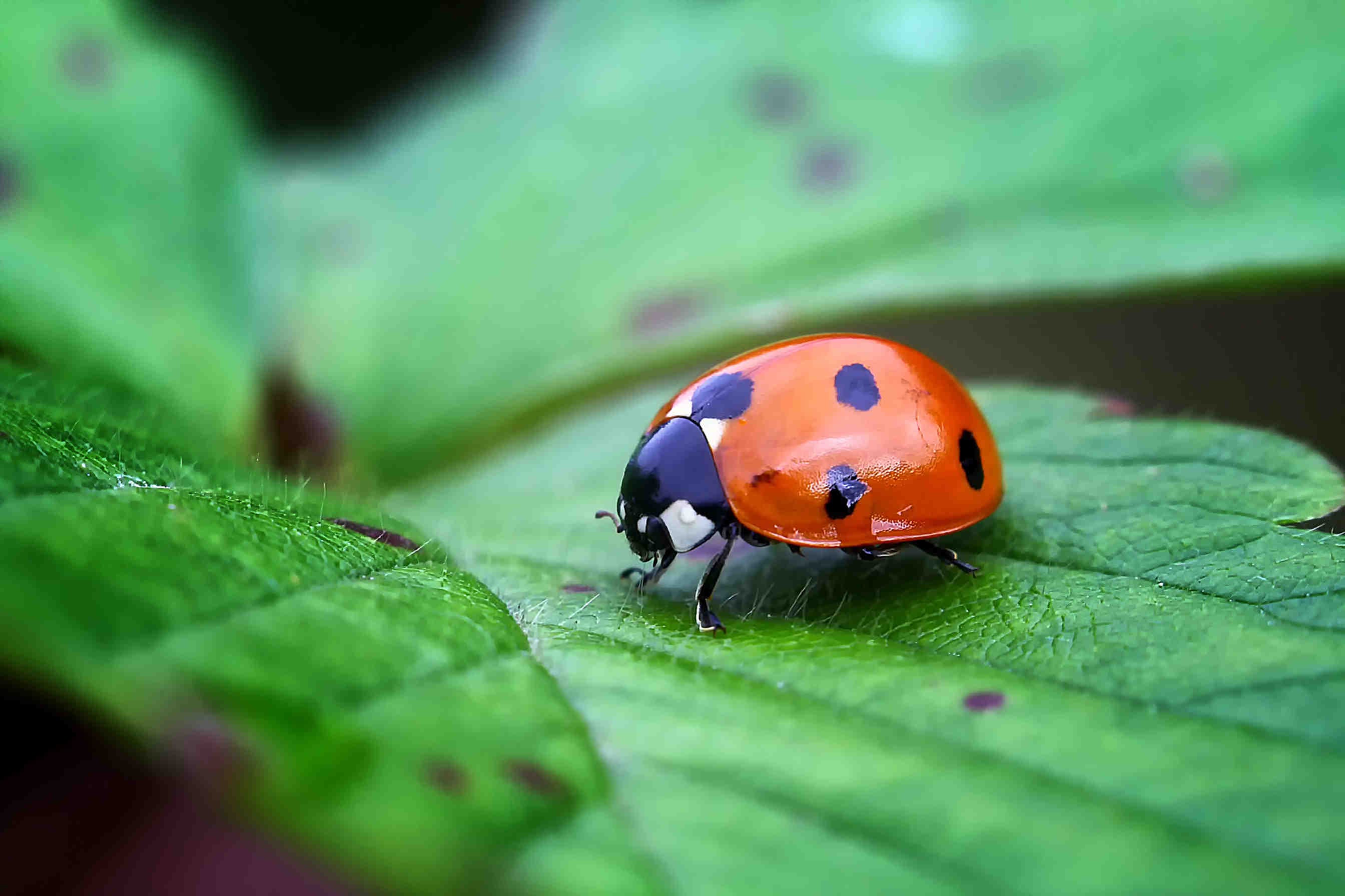
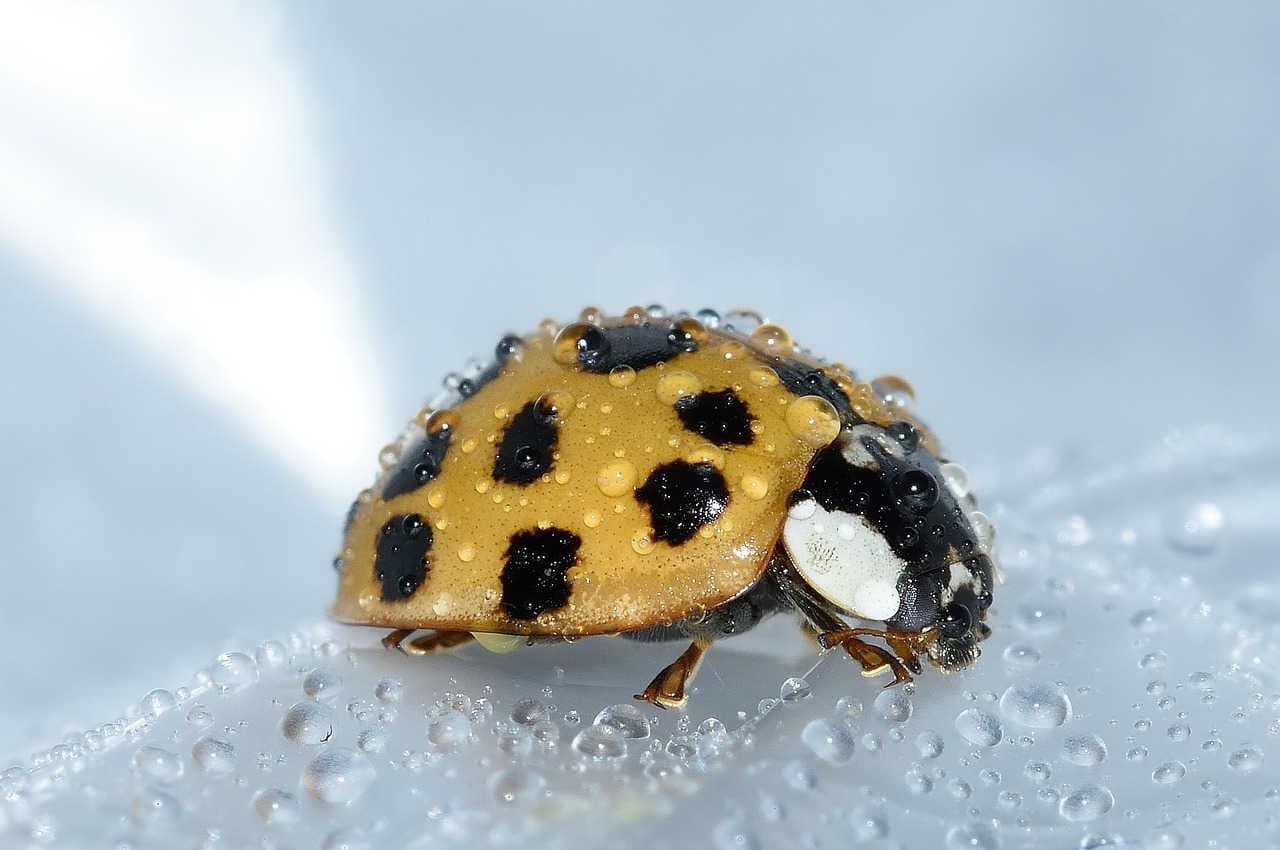
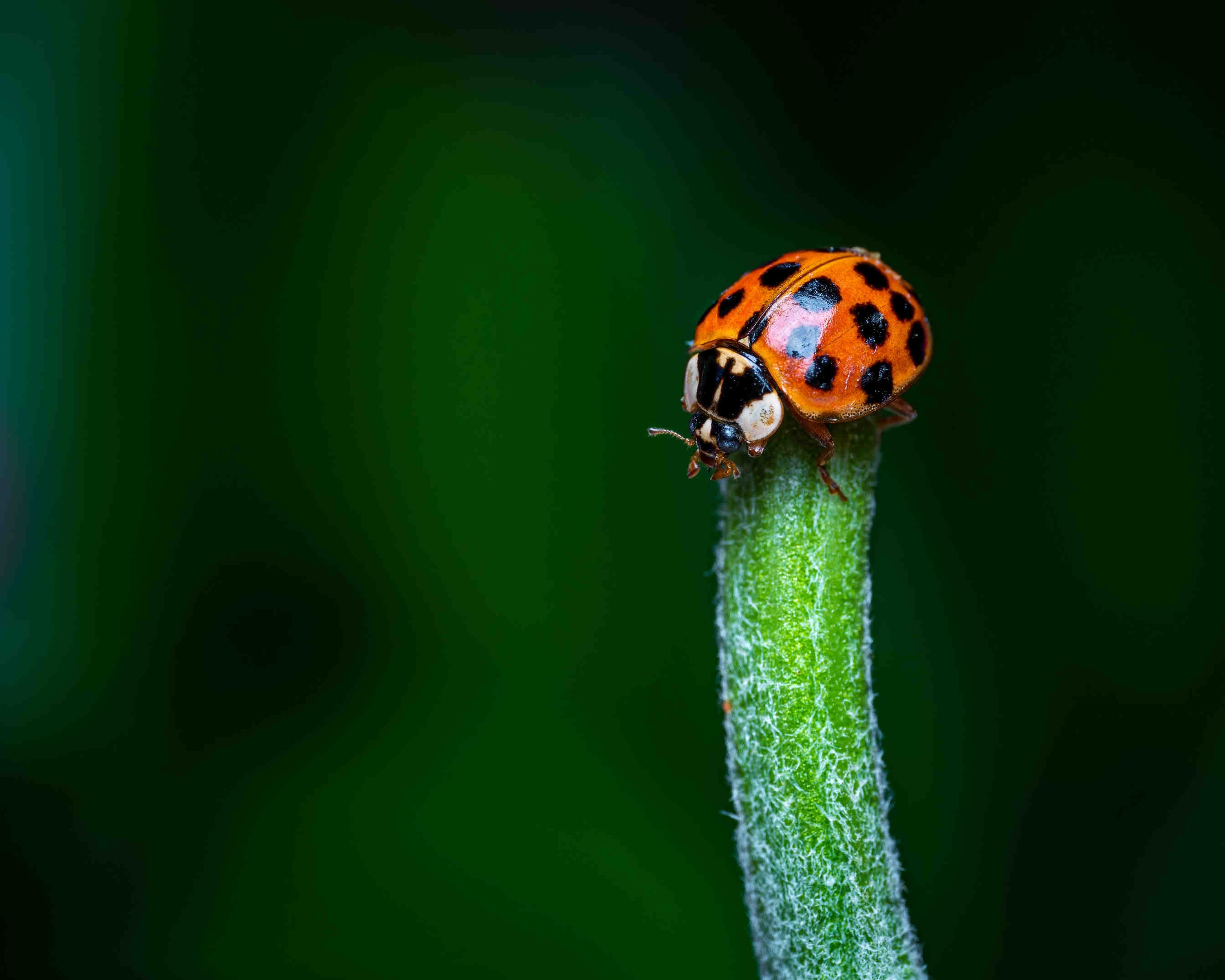
    Harmonia axyridis, the Asian harlequin ladybird, differs from the native ladybird Coccinella septempunctata in its appearance. While the Coccinella septempunctata is usually red with seven distinctive black dots on the elytra (leathery wings, the ones it spreads before taking off), H. axyridis can vary considerably in colour, ranging from yellow to red and even black. The Asian harlequin ladybirds also have a variability of spots, from no spots to many, and a variety of colours, often black but also white or red. From these characteristics it takes the name 'arlecchino'. In addition, H. axyridis has a more effective immune system and a defence against fungal pathogens that other native ladybirds, such as Coccinella septempunctata, do not possess. This means that if a native ladybird such as Coccinella septempunctata tries to defend itself against H. axyridis, it could be exposed to serious infections by these pathogens.
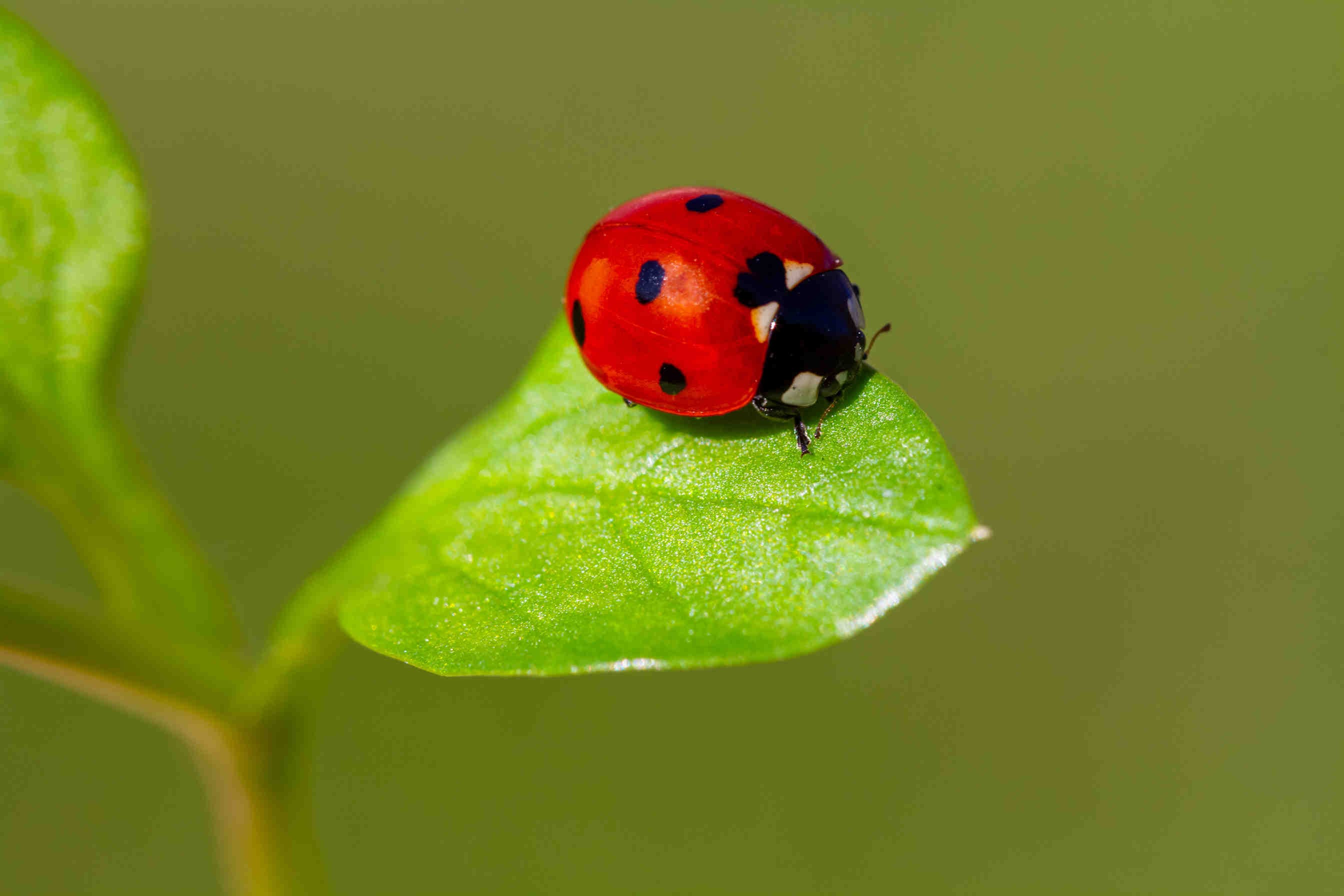
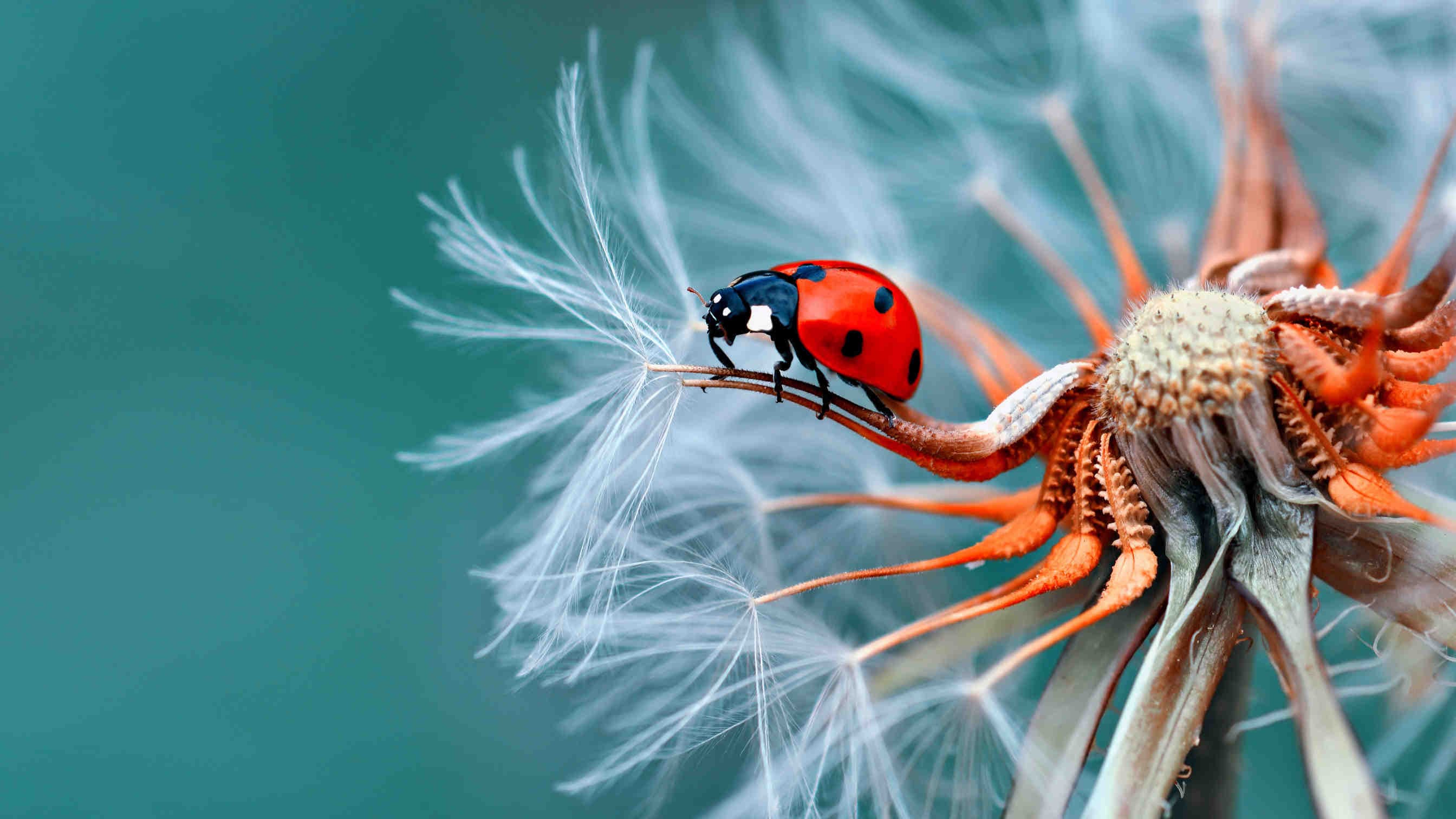
    Harmonia axyridis

    How we can protect and encourage ladybirds

    To protect and encourage the presence of ladybirds, a number of simple and effective measures can be taken. Here are some actions that can make a difference:
    - Create a favourable environment: Plant native flowers and plants that attract ladybirds and other beneficial insects, providing them with food and shelter. Flowers such as marigolds, wild carrots, coriander and yarrow are particularly appreciated by ladybirds.
    - Avoid excessive use of pesticides: this can harm ladybird populations and alter the balance of ecosystems.
    - Encourage biodiversity: Maintain a variety of plants and habitats in the garden or vegetable garden to encourage the presence of different species of ladybirds and other pollinating insects. 3Bee is committed to this through the Oases of Biodiversity project: urban and agroforestry habitats with refuges for pollinators and native flora, certified places with a traceable impact thanks to 3Bee technology.

    05/04/2023Of 3Bee, Elena Fraccaro
    3936 Views
    Newsletter
    newsletter
    Subscribe to the Blog about bees and biodiversity

    Frequently Asked Questions

    Do you have any doubts or other curiosities about this article? Here you will find some insights