Alien pollinators: why do they threaten ecosystems?
    alien insectsthreatbiodiversityphytophages

    Alien pollinators: why do they threaten ecosystems?

    Alien insects do not come from other planets, but from other places on Earth, and from an ecological point of view, they are comparable to aliens. In this article, we discuss what they are, which ones are the most common and find out how we can help pollinators thanks to 3Bee's projects.

    Read the article
    14/08/2023Of 3Bee, Elena Fraccaro
    1390 Views
    14/08/2023Of 3Bee, Elena Fraccaro
    1390 Views

    Alien insects: what they are

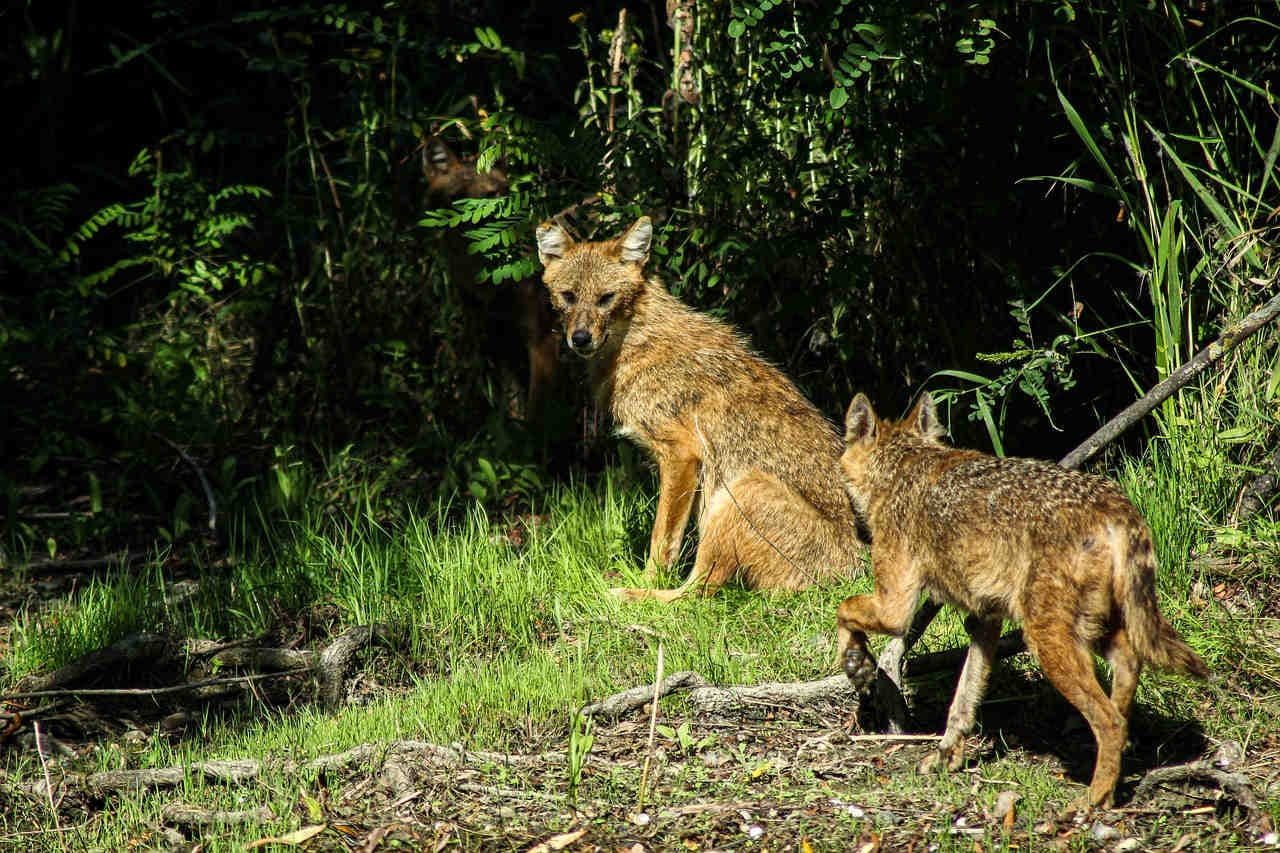
    Reading 'aliens', many will have thought of E.T. the extraterrestrial or the scary Xenomorphs from Alien. Although the second case is indeed based on some insects, we are actually talking about normal insects placed in a different environment, sometimes far away, from their areal (i.e. their area of origin). Moreover, 'aliens' are not just insects, as any fungus, animal or plant that, as a result of human action, is inserted into a new ecosystem is called an alien or alloctone, a more scientifically correct term. An organism that is native to a certain area in that same area is instead called autoctonous. Finally, when an animal expands its range independently, it is not called alien or allochthonous, as is the case with Vespa orientalis or the golden jackal in Italy.

    sciacallo dorato Italia

    Why alien insects threaten the environment

    When man introduces, consciously or unconsciously, an alien organism into a new range, it causes a balance that may be more or less important. In some cases it is limited, in that the species can fit in without causing excessive damage, perhaps in an ecological niche not occupied by native species in this new range or simply by not competing excessively. In other cases, a species may adapt so well to the new ecosystem that it causes enormous damage: this is why it is called 'invasive'. The damage can be of various kinds, including damage in agriculture or other cultivated plants (such as the Asian bug or the red boll weevil), direct damage to humans (e.g. the tiger mosquito) or competition with native species.
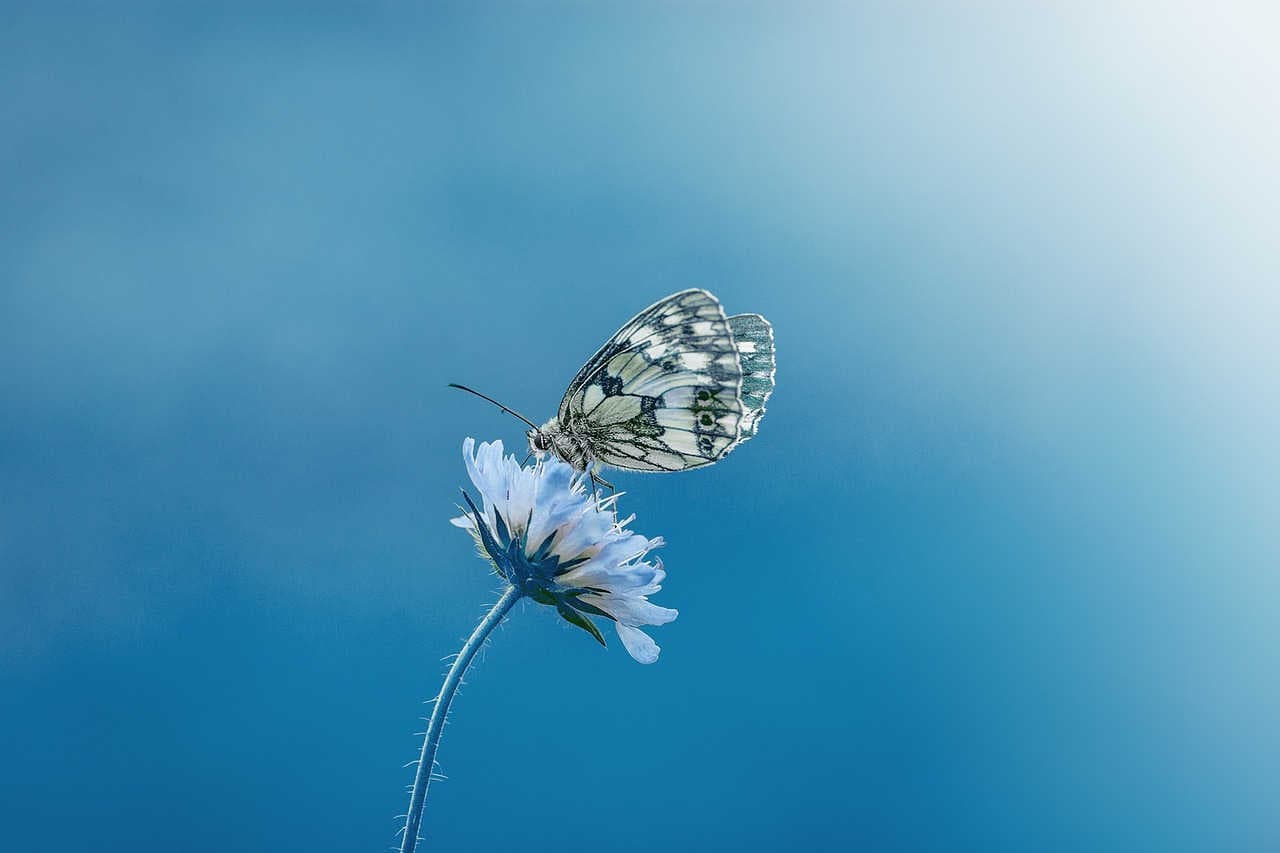
    farfalla
    XNatura

    Impacts on biodiversity and ecosystem services

    From an environmental point of view, the competition between alien species and native species is the biggest problem. In the past, the introduction of alien species has even caused the extinction of local species and we all know the case of the Dodo, which became extinct mainly due to the introduction of rats that preyed on eggs and chicks. This does not only happen in exotic and remote places, but can also potentially happen in ecosystems nearby or like the same one we live in. It is also true that it is unlikely to so easily lead to the extinction of a species here, but the potential effect on ecosystem services, i.e. a series of benefits that the environment provides to humans, must also be taken into account. Among these services is also pollination, without which the majority of plant species on earth would risk disappearing. To preserve native pollinators, 3Bee launched the Oasis of Biodiversity project.
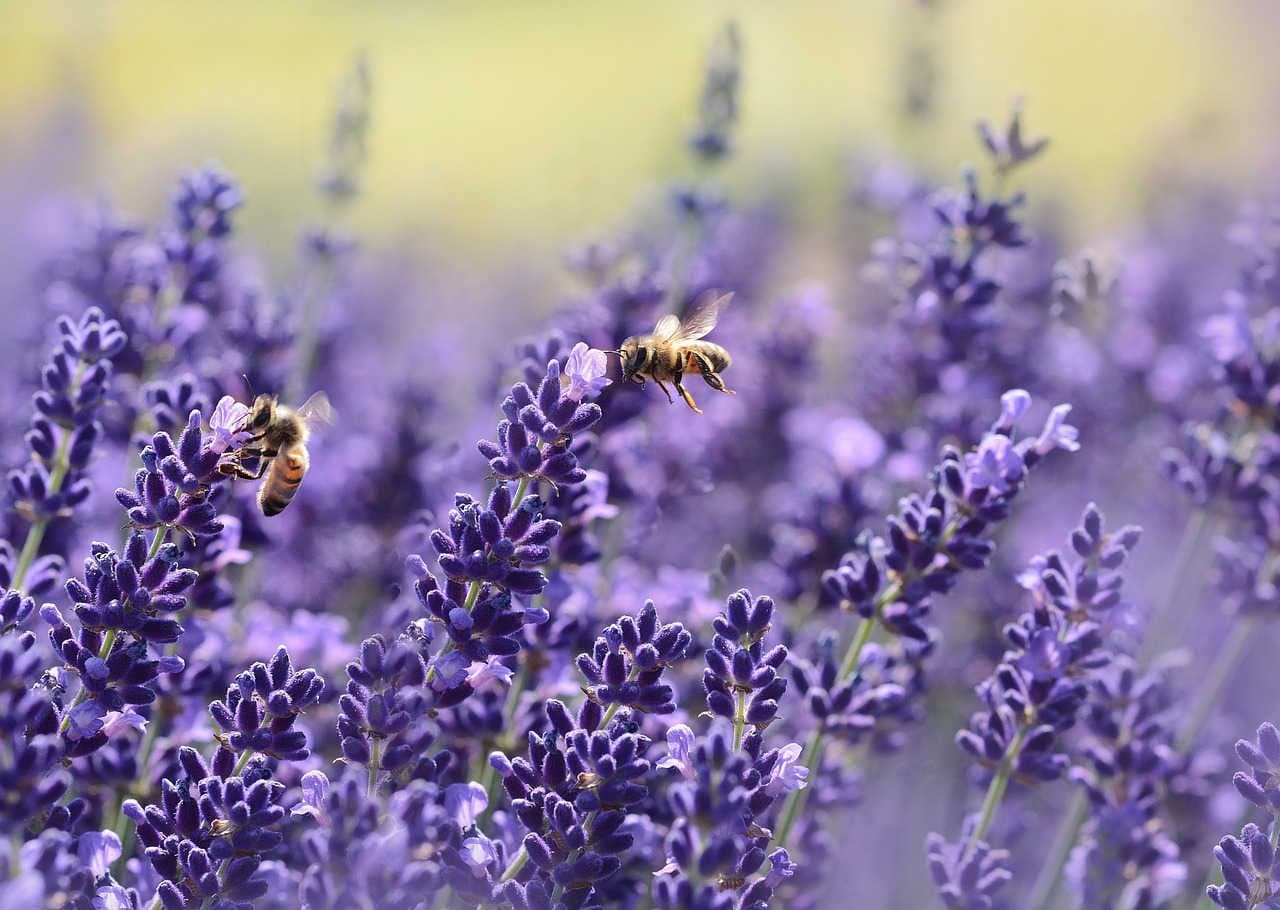
    api biodiversità

    Alien pollinators VS alien phytophages

    It is easy and straightforward to assess the impact of an allochthonous phytophagus, because it will feed on and thus debilitate or kill a number of plants. Take the Chinese bug, Halyomorpha halys: it feeds on a huge variety of species and, especially when it comes to damage in agriculture, it is easy to see how invasive it is because it causes hundreds of millions of euros of damage every year. Understanding the damage an alien pollinator can do is more complex. A pollinator is unlikely to cause damage to production, because it is providing the ecosystem service of pollination, but it can compete directly with a native species and contribute significantly to the latter's decline in numbers. Why is this a problem? Because it may have different tastes, i.e. prefer certain plants over others, so in the long run, this situation may favour some plants and disadvantage others. Let us look at some examples below.
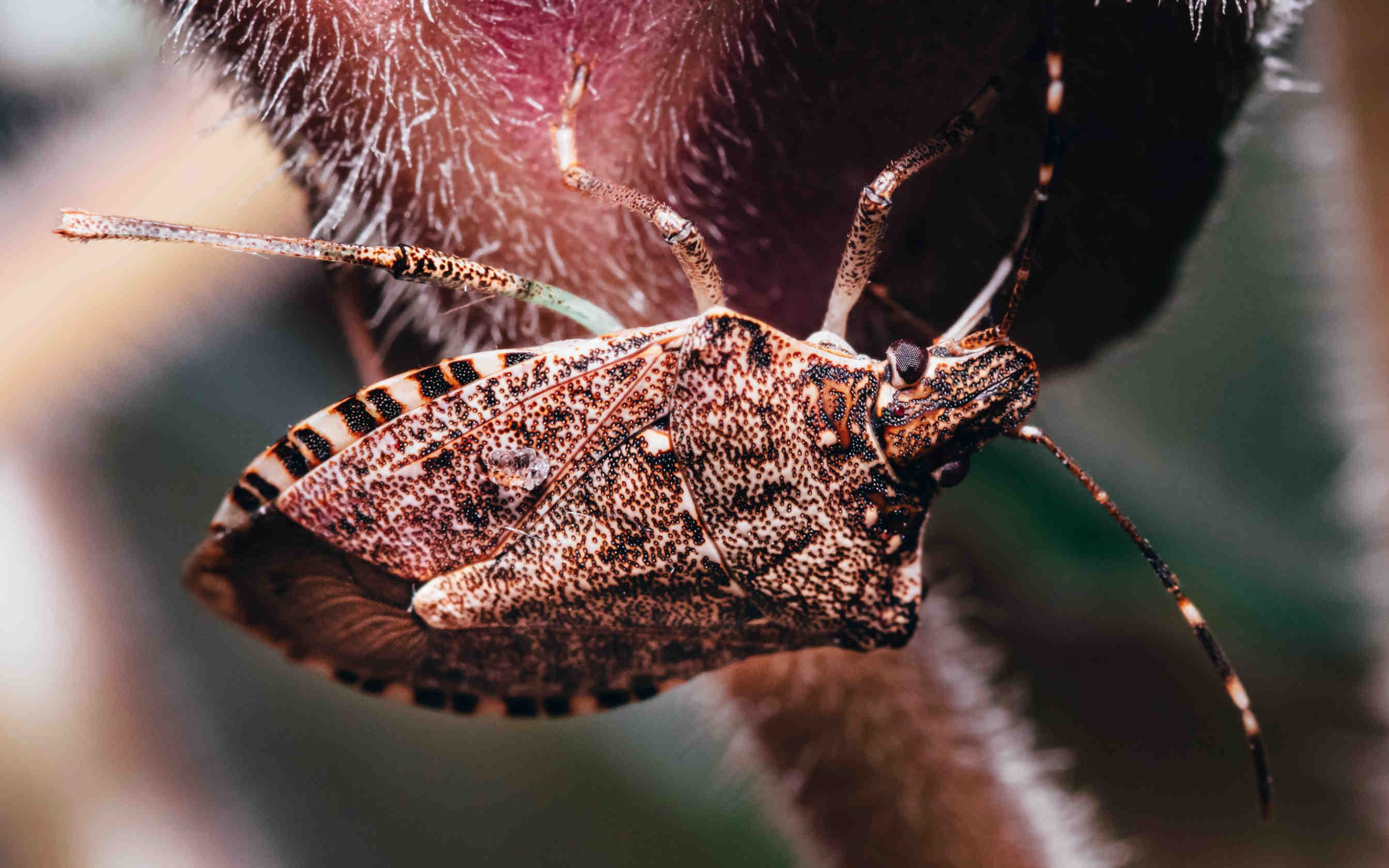
    cimice cinese
    XNatura

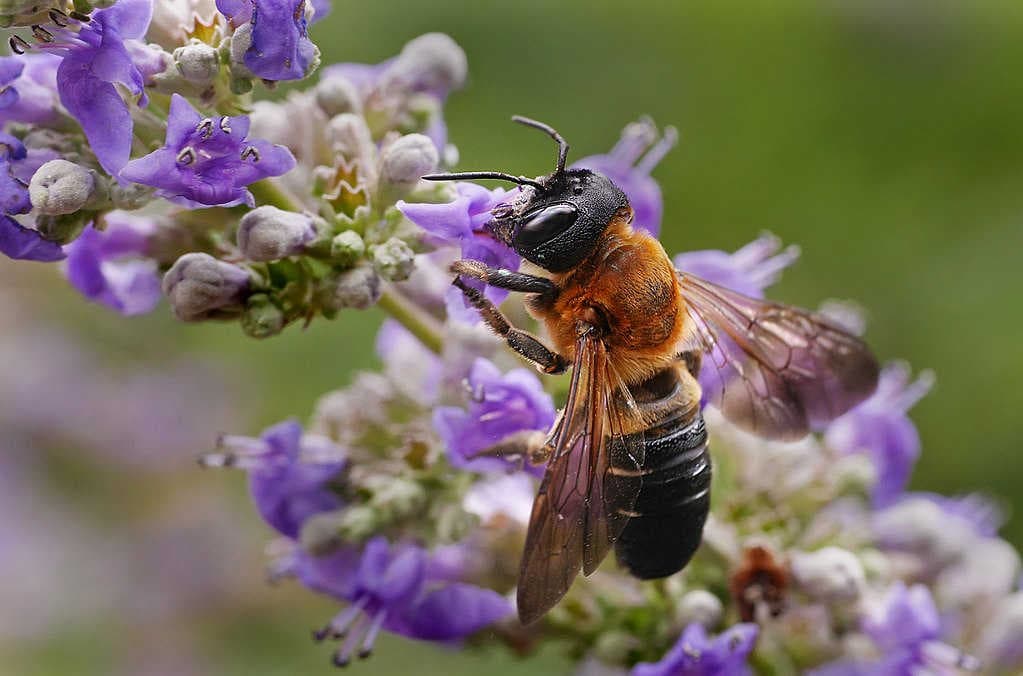
    Megachile sculpturalis

    How does an alien pollinator compete with native pollinators? To understand this, let us talk about this species from Japan and South-East Asia. It is a rather large bee, exceeding 2-2.5 cm, and is dark in colour with a beige down on the pronotum. It arrived in Italy in 2009 and is now widespread in much of the territory. It is called resinous bee because in the summer months it lays its eggs in cavities of about 1 cm, which it then fills with pollen and seals using plant resin. It does not compete for food with native species, but when it lays eggs: even native species (Megachile, Osmia and others) lay their eggs in small sealed cavities in spring, weeks before M. sculpturalis. When the latter finds the cavities occupied, it tends to destroy the nests already constructed in order to build its own, or if it does not destroy them, it tends to plug the exit, trapping the other species. This competition can weaken populations of native pollinators.

    Megachile sculpturalis
    3Bee

    Cacyreus marshalli

    This small fly of the Lycaenidae family was imported together with some geraniums from South Africa and was found in Rome as early as 1996. Like all lepidoptera, as a larva it feeds on leaves and as an adult it feeds on the nectar of flowers. In this case, the larvae dig tunnels feeding on the stems of geranium, cultivated or wild. It is a problem as a phytophagus, as if left unchecked it is capable of decimating crops of Pelargonium, the cultivated geranium, but as it also feeds on the wild one it risks competing with other lepidopteran species that feed on this plant.
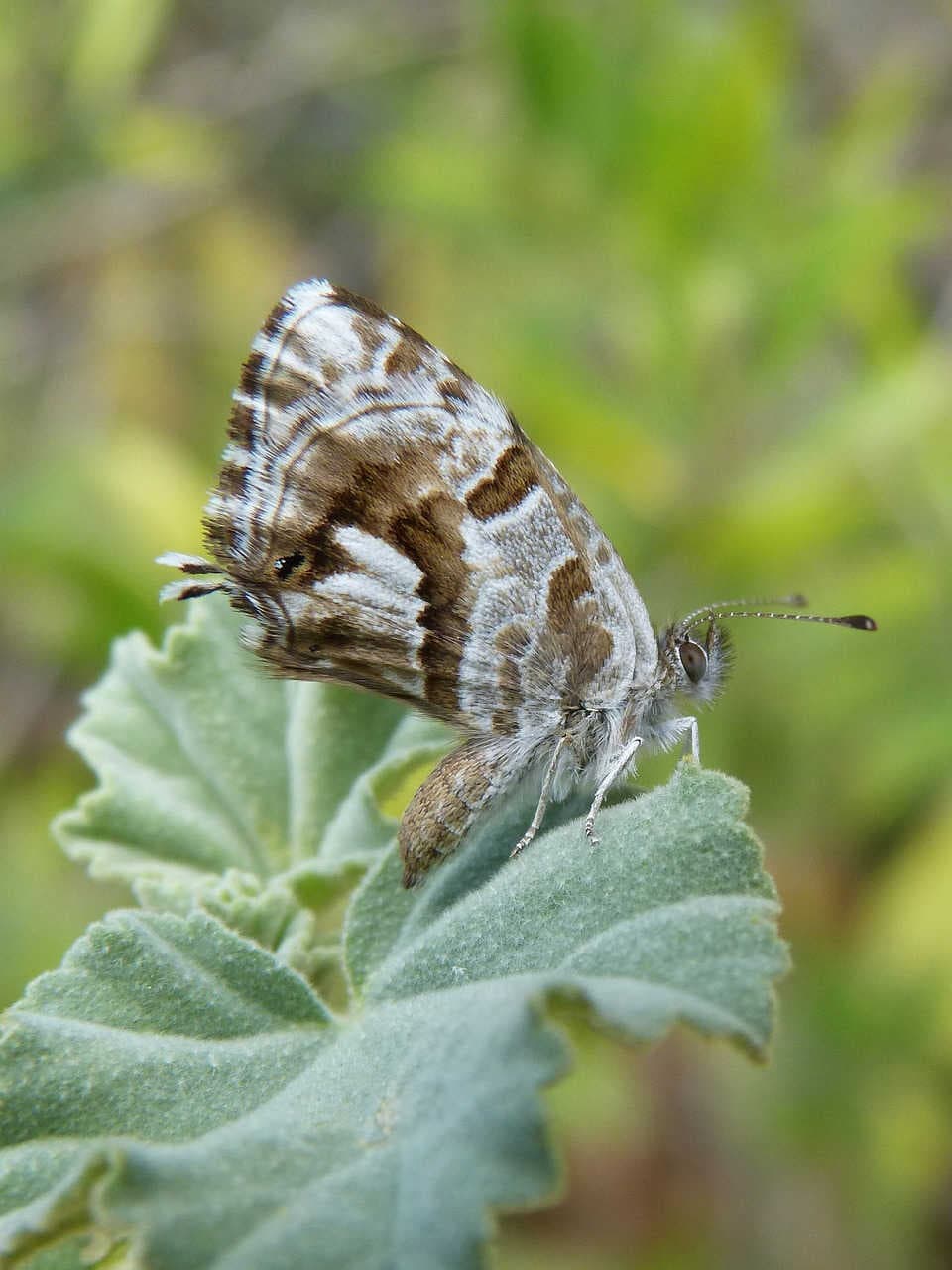
    Cacyreus marshalli

    Vespa velutina

    It is not a pollinator, but we must speak of Vespa velutina, a species from Southeast Asia, sometimes called Asian hornet, not to be confused with Vespa mandarinia, which has never before been found in Europe. The genus is the same as our hornet (Vespa crabro), only slightly larger and with totally different habits. V. velutina feeds mainly on Apis mellifera, the honey bee: since 2012, when it was found in Italy, dozens of V. velutina nests have been destroyed every year in order to breed honey bees. It is an extremely voracious and effective predator that causes serious damage to the reared colonies and against which our bees have no defence. Species native to South-East Asia have evolved and adopted behaviours to protect themselves effectively against their attacks, but this is not the case with us. Theirs, therefore, is a direct economic damage to beekeeping, but also an ecological damage as it can greatly reduce the ecosystem service of pollination.
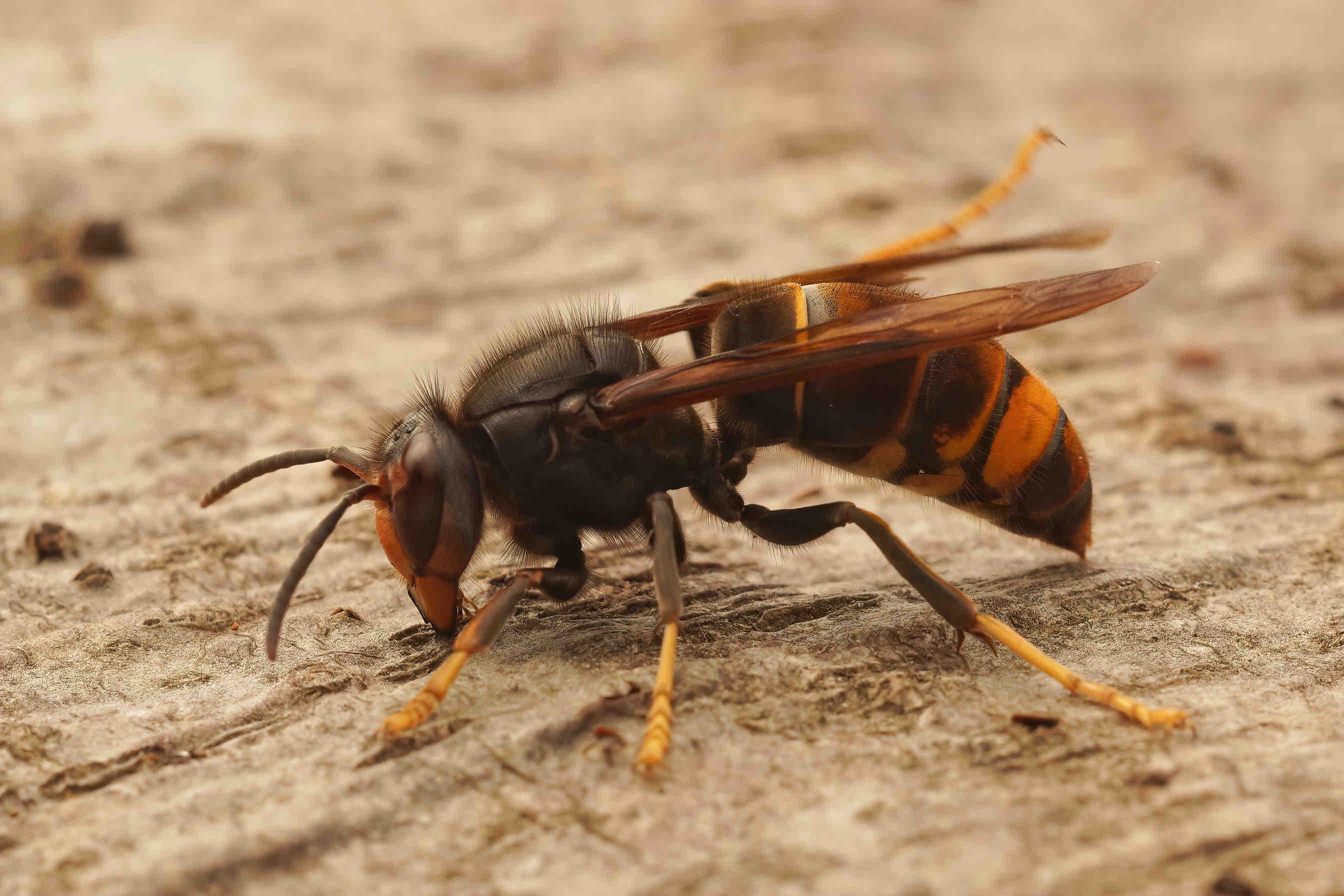
    vespa velutina

    From autochthonous to allochthonous

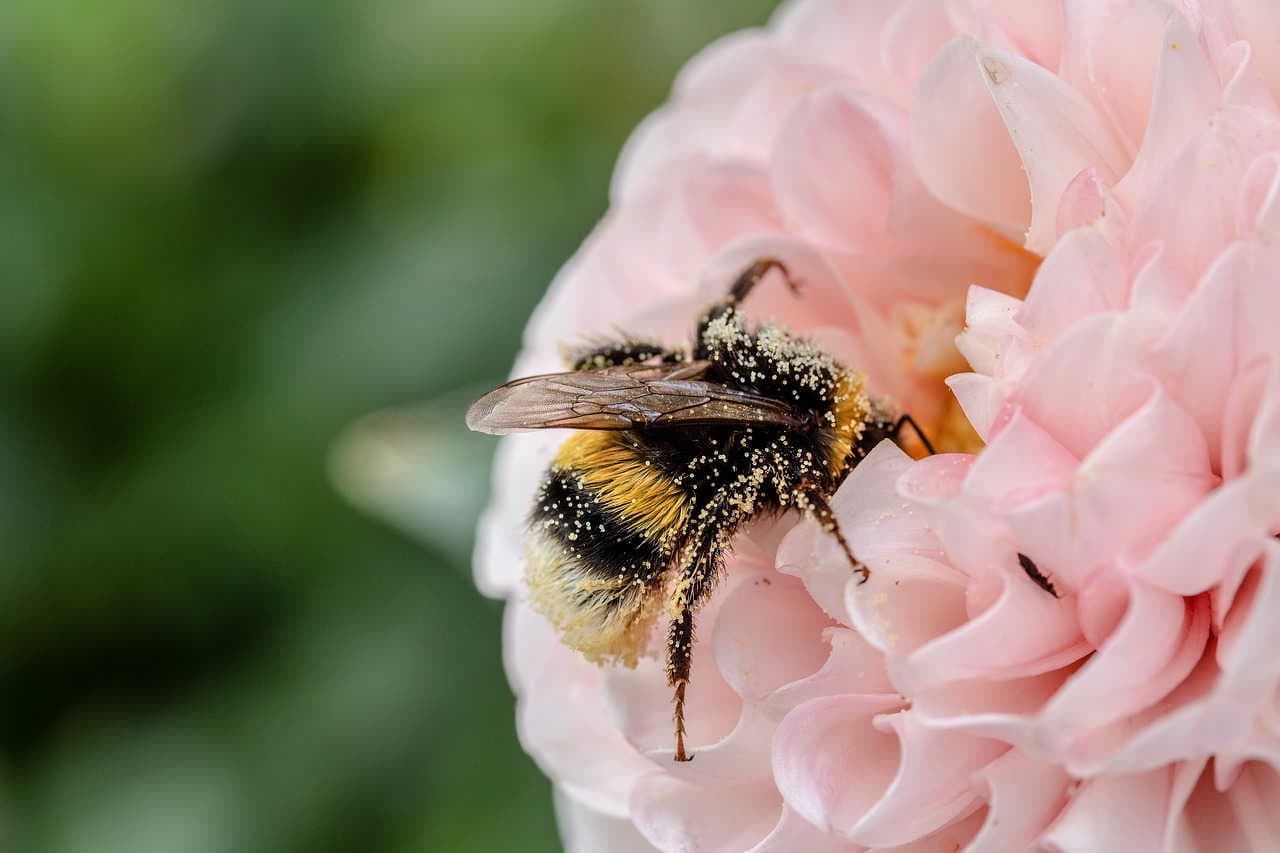
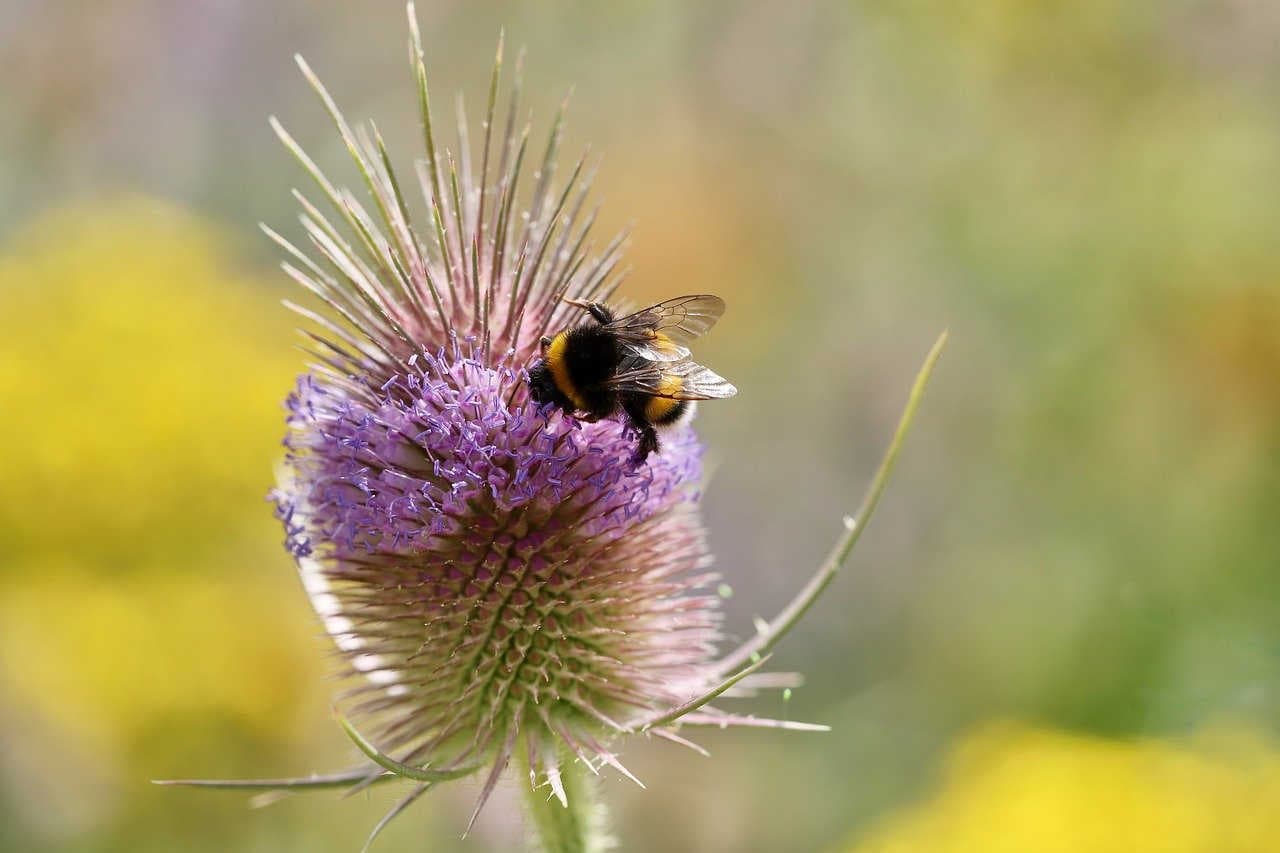
    Ecosystems are in delicate and sometimes precarious equilibrium and when we purposely or inadvertently introduce species into other ranges we risk seriously compromising entire areas of the world. We are used to thinking of alien species only when a species is introduced into Italy, but what happens when it is our own species that are introduced into other ranges? If the species becomes invasive it causes significant ecological damage if not stopped in time. Take the case of the bombs, in particular Bombus terrestris. In 1992, they were accidentally introduced into Tasmania and colonised the entire island. In this case, competition with local pollinators is low, as the bumblebees generally prefer cultivated plants. If left undisturbed, however, they contribute to the expansion of plants that are also invasive and potentially toxic to other wildlife, threatening the stability of such a fragile and delicate ecosystem in Australia.

    bombo

    A special case: Apis mellifera

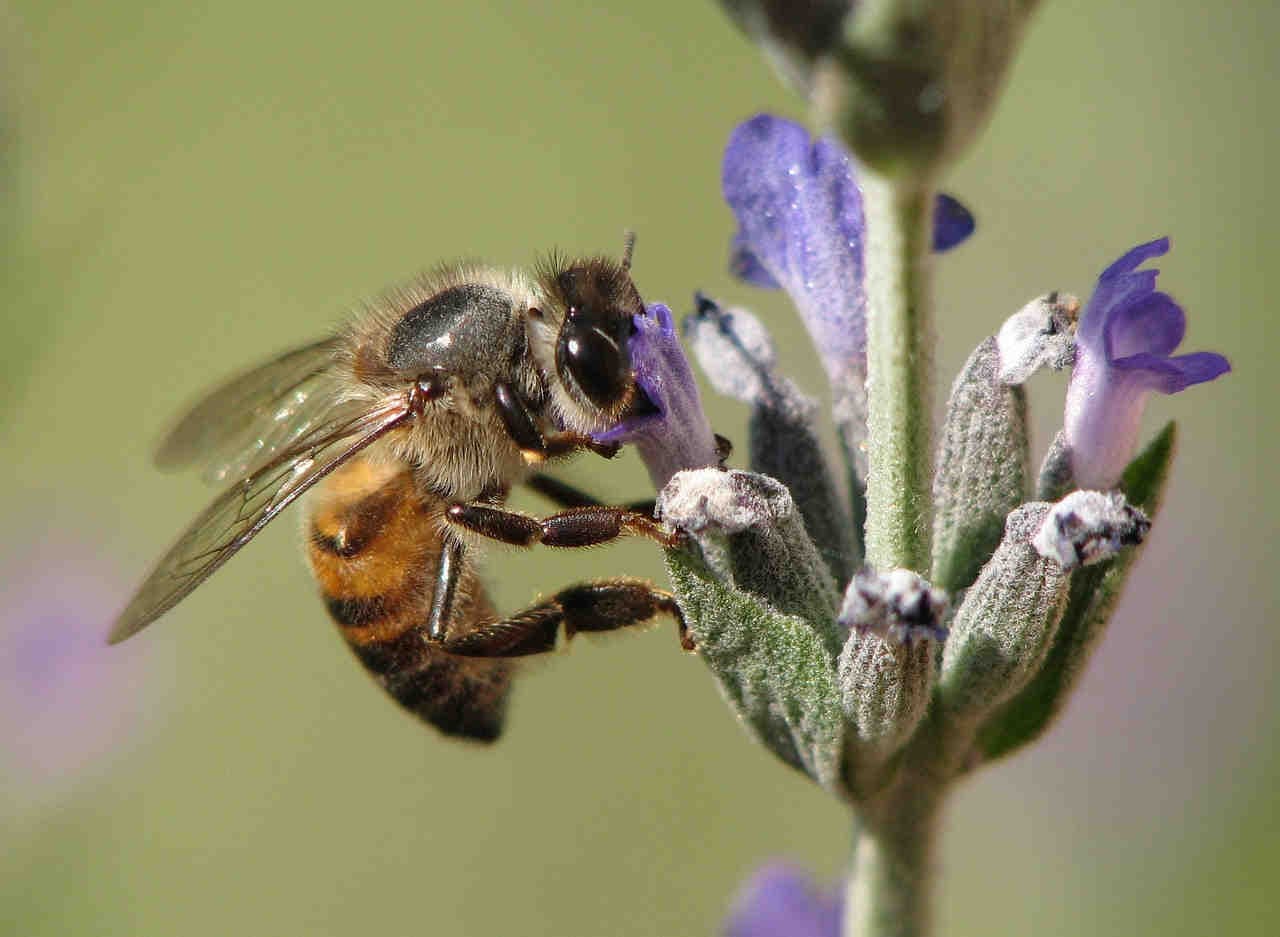
    The Apis mellifera is an insect belonging to the order Hymenoptera, superfamily Apoidea, family Apidea and genus Apis, which includes three other species of honey bees: Apis Cerana, Apis Dorsata and Apis Florea. Of these, A. mellifera is the most docile and most productive. What few people know is that the Apis mellifera, although it has been managed by beekeepers for many millennia, cannot be considered as a domestic animal and, as a prominent insect, it plays an unreplaceable role for the conservation of biodiversity, not to mention its impact on agricultural production. This is stated in the St. Michael's Charter, which promotes the protection of the biodiversity of native Apis mellifera subspecies. The honey bees represent a fundamental environmental bio-indicator and in 3Bee we aim to monitor them in order to obtain a real-time census of the biodiversity around us.

    apis mellifera

    How to protect our pollinators

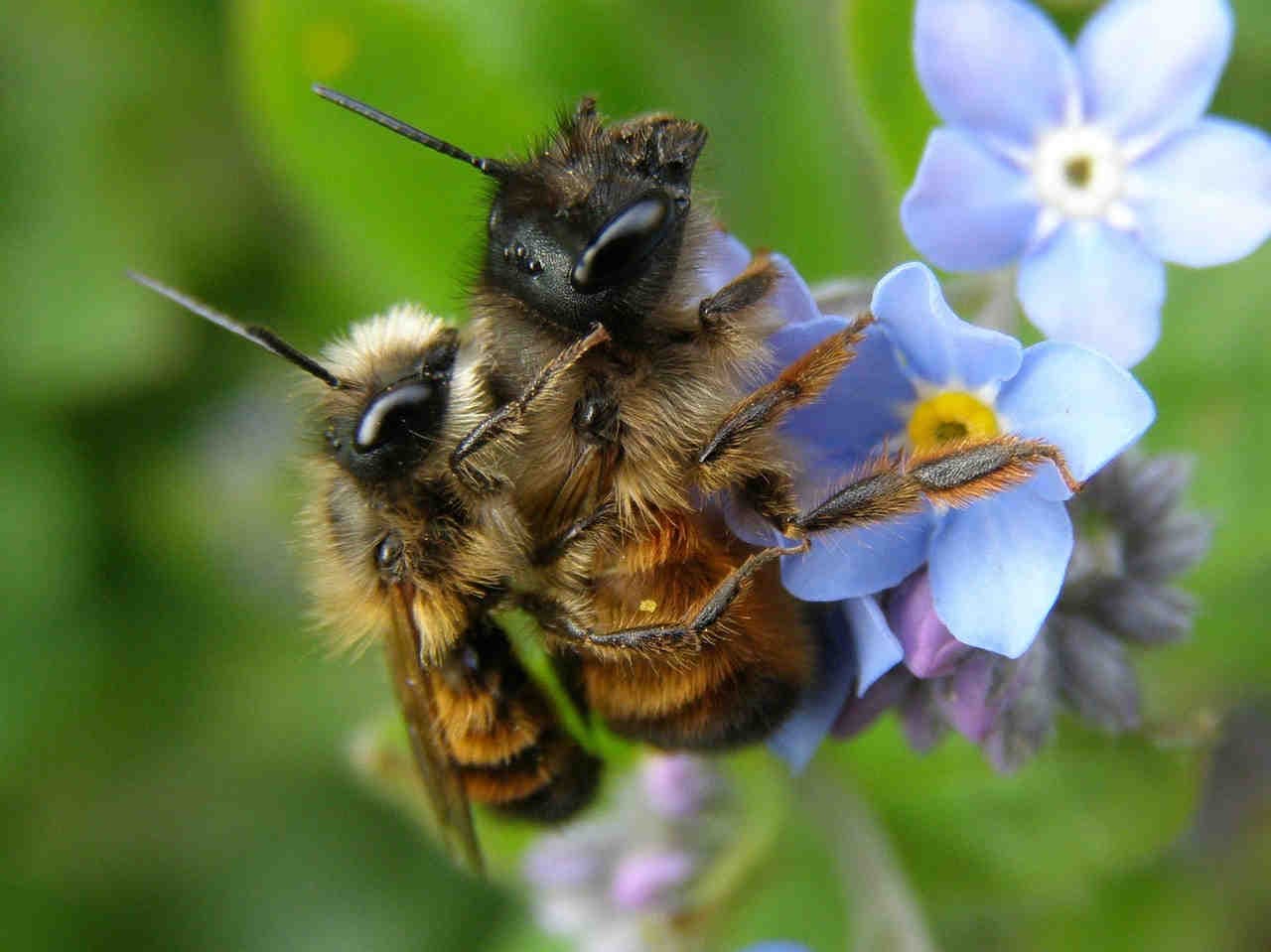
    We humans have greatly destabilised almost all ecosystems on earth, introducing alien species and altering the climate of the planet. We have seen how, and how profoundly, we risk altering ecosystems in a potentially irreparable manner by even introducing a species into a new range. We therefore have a duty to protect what we have left. For example, many native solitary species, such as the Osmias, have easy needs: they need a sunny area with several cavities where they will lay their eggs and then fill them with the pollen, useful for the larvae to feed. To help them, we can build a Osmie hut or use the ones 3Bee produces as part of the Adopt a Polly project, which can also be found in the Oasis of Biodiversity. It takes little to do our small but very important part for the future of the planet.


    <br/ Article edited by Niccolò Patelli
    How to protect our pollinators

    'Voices from the Oases': 3Bee's playlist for biodiversity

    In the run-up to World Habitat Day 2023, 3Bee is launching "Voices from the Oases", the first and only playlist available on Spotify, which plays for biodiversity conservation by reproducing the unique sounds of pollinators recorded by proprietary Spectrum technology. The project is flanked by a special campaign that 3Bee has realised with the support of Metro 5 Milano: in the Milano Porta Garibaldi and Lotto stations, until 15 October 2023, there will be more than 50 posters entirely dedicated to the pollinator insects, precious guardians of biodiversity. Travellers will be able to immerse themselves in a real musical exhibition dedicated to the theme, symbolising an urgent call to action to protect our fragile ecosystem. The loss of biodiversity in fact, precisely because it is not monitored, is an urgent emergency that needs to be addressed.
    Voices from the Oases - 3Bee
    14/08/2023Of 3Bee, Elena Fraccaro
    1390 Views
    Newsletter
    newsletter
    Subscribe to the Blog about bees and biodiversity

    Frequently Asked Questions

    Do you have any doubts or other curiosities about this article? Here you will find some insights