The link between monocultures and insect mortality
    MonoculturesNectarAgrofarmaciBioaccumulo

    The link between monocultures and insect mortality

    The lack of crop biodiversity due to the use of monocultures as an agricultural system and the overuse of pesticides has in recent years become a real threat to insects, including the main pollinators.

    Read the article
    24/11/2022Of 3Bee, Elena Fraccaro
    707 Views
    24/11/2022Of 3Bee, Elena Fraccaro
    707 Views

    The damage of monocultures

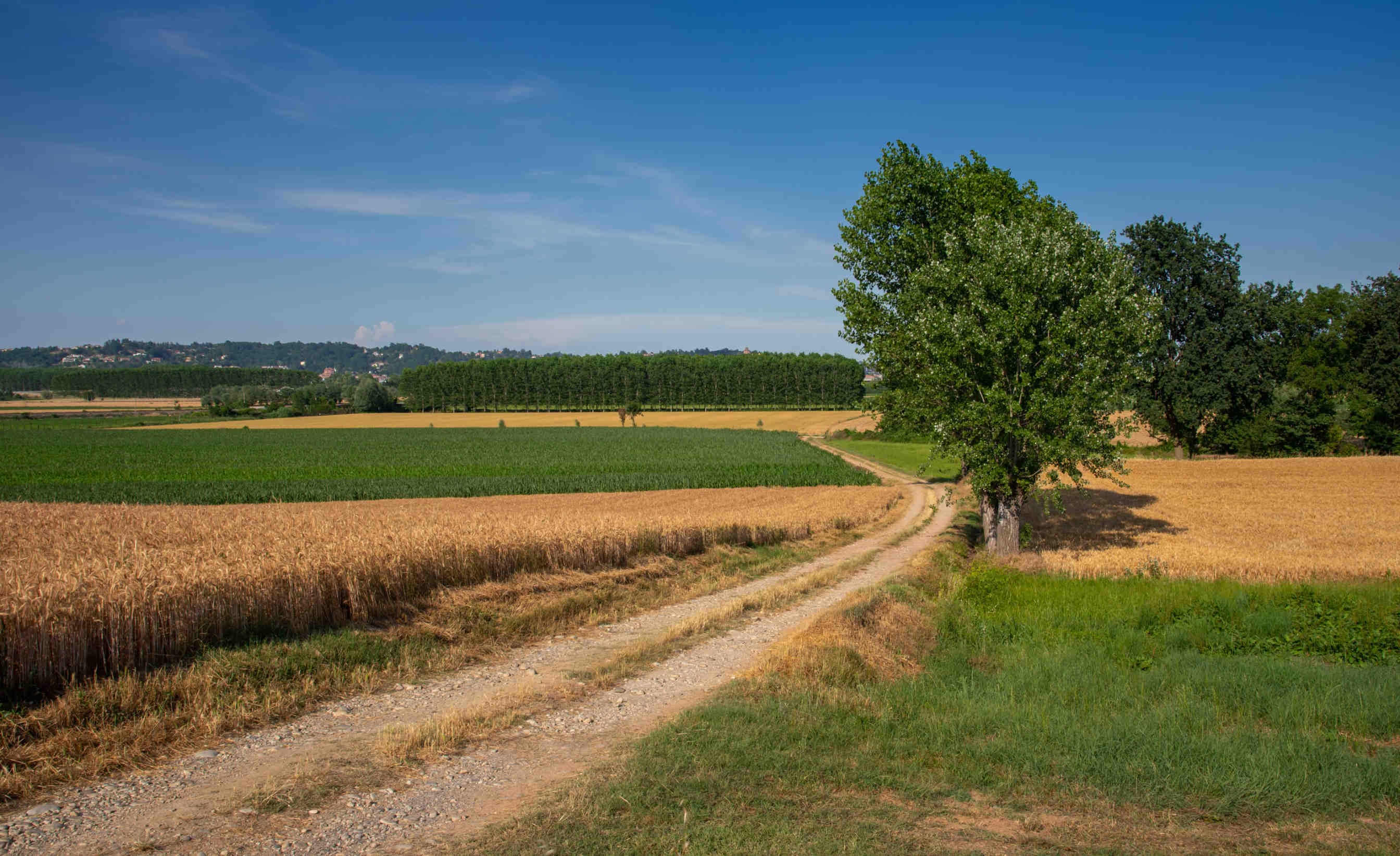
    The decline of several insect species that for centuries have benefited from agricultural crops as grazing areas is well known and documented. Even bees, which are essential for ensuring the natural pollination process, are part of this group. Among the reasons that have led to this demise is the massive use of monocultures, which thus leads to a lack of crop biodiversity.Monocultures not only weaken soil fertility, but also prevent wild plants, thus not exclusively for food purposes, from growing and consequently from flourishing. Today's monocultures are therefore designed tosupply the needs of humans and the livestock sector.The blooms of monocultures cannot fully meet the bees' need for nutrition.
    monocolture

    Lack of nectar

    Specifically, the bee feeds mainly on the nectar called nectar or floral, produced by angiosperms. Just like our food, which contains different nutrients that are all essential for our survival, the types of nectar are not all the same. Nectar is mostly composed of water (60-65%) and sugar (sucrose, glucose, maltose and fructose). It also contains, to a small extent, enzymes, mineral salts, organic acid phosphates, essential oils and vitamins (especially B vitamins). These elements may vary from plant to plant, but they are all essential to keep them strong and healthy. If bees only ever have the same type of plant as their sole source of nectar (a tomato or legume crop, for example) they will inevitably run into food shortages. One of the fundamental problems, together with the consequences of global warming, is therefore the lack of crop biodiversity.
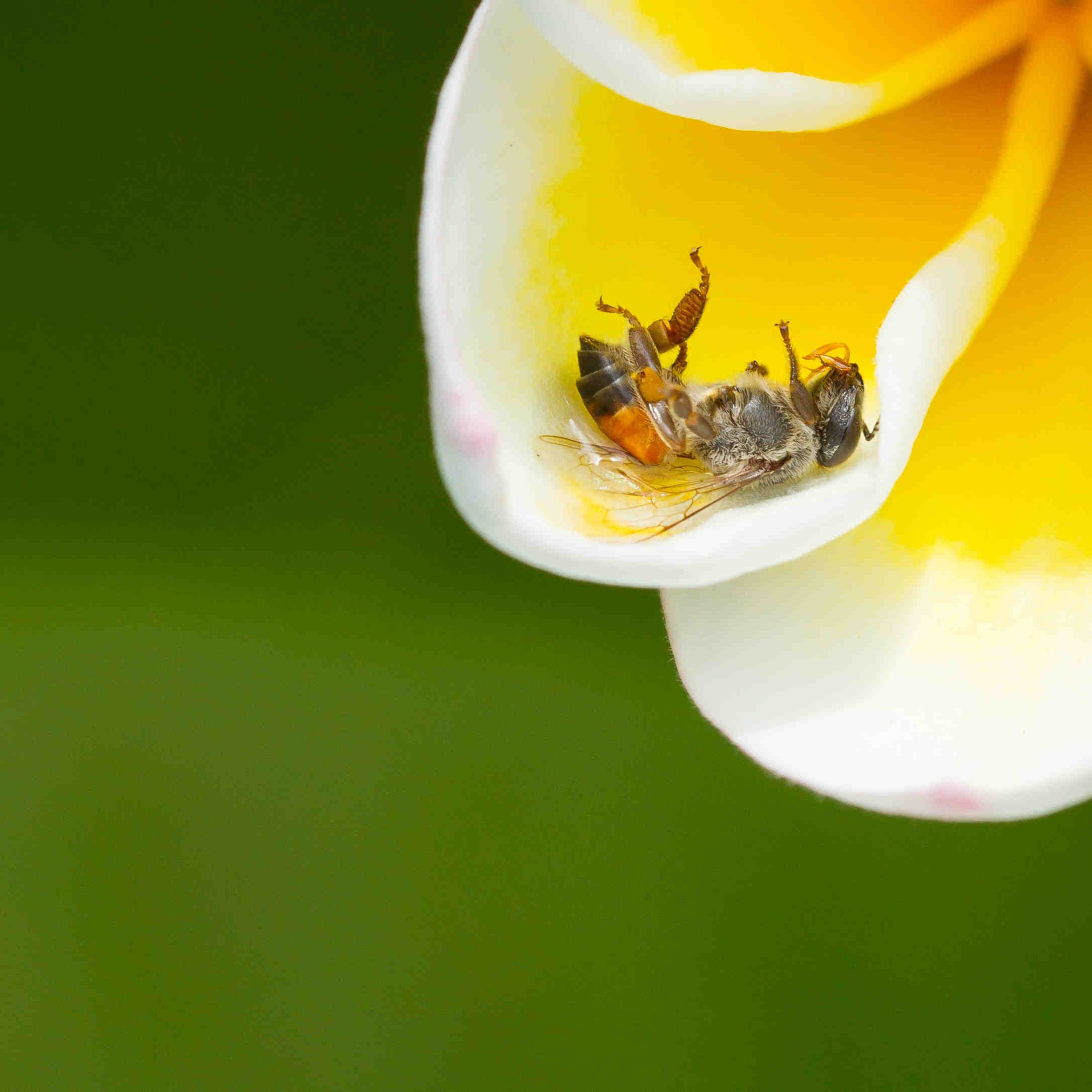
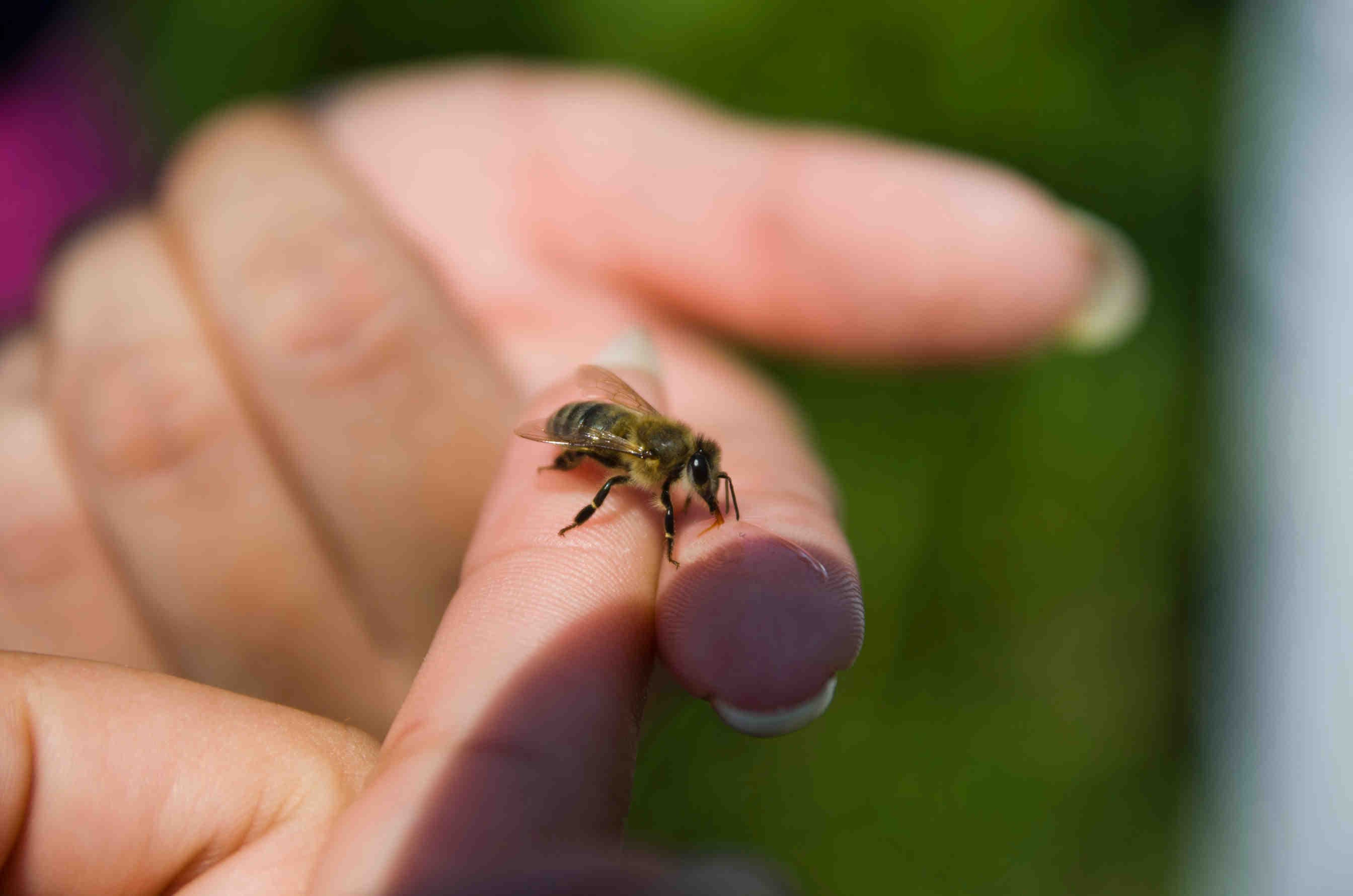
    Ape morta su fiore
    XNatura

    The consequences of pesticides

    One element that strongly affects bee health and that is widely used are phytosanitary products, i.e. those products, synthetic or natural, used for the treatment of plant diseases or to promote plant life processes. Plant protection products include herbicides, fungicides, insecticides, acaricides, plant growth regulators and repellents. The European body responsible for cataloguing and assessing the risk of certain pesticides is the EFSA. It is then the EU member states that regulate the use.
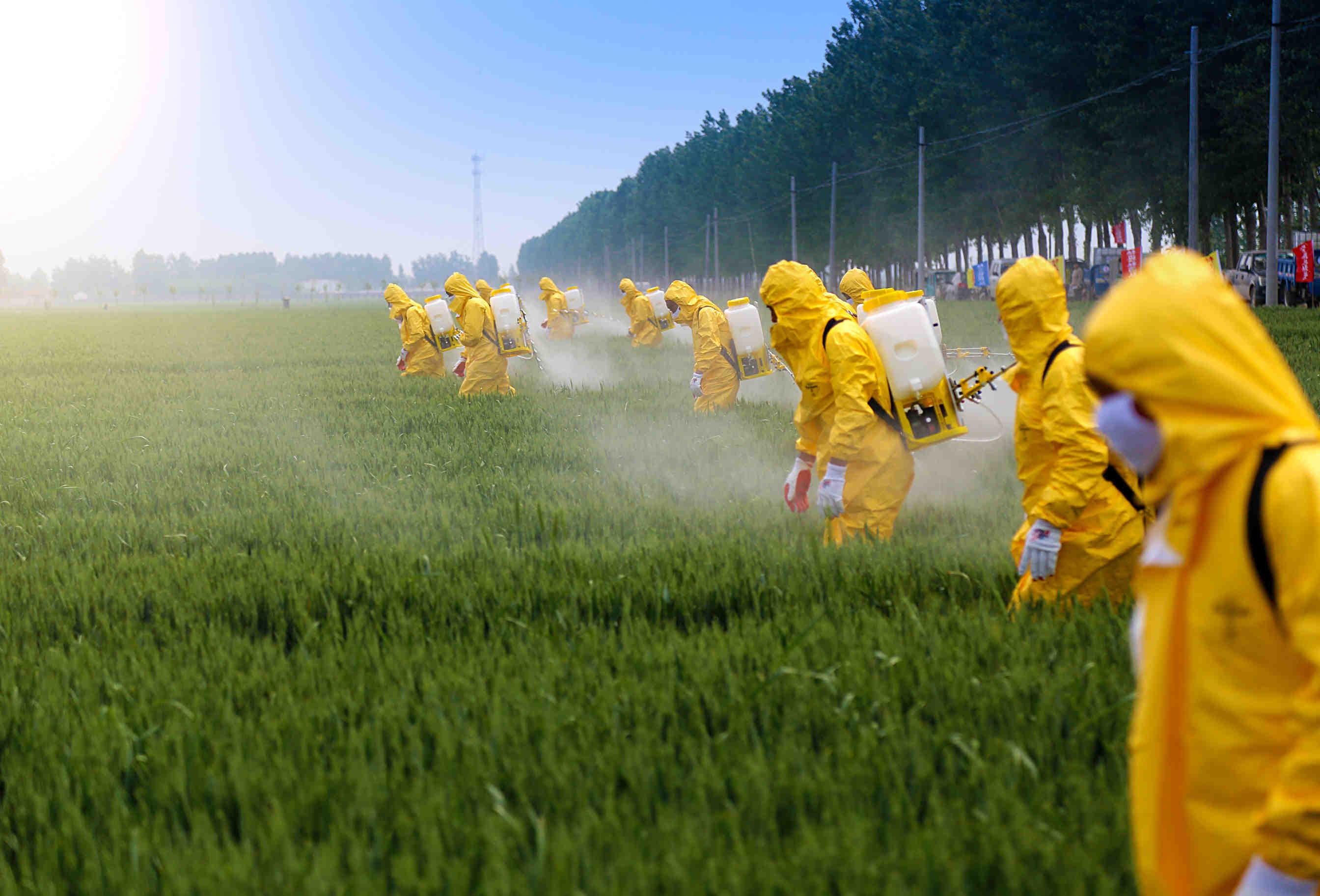
    Agrofarmaci

    Bioaccumulation: a threat to bees.

    Of all agrochemicals, bees are particularly sensitive to the neonicotinoids, sulphoximine and flupyradifuron , which have an indirect effect on the pollinator as they are not designed to combat it directly. However, some classes of plant protection products accumulate in the hives through the pollen and nectar used to feed the brood. All this leads to side effects on both larvae and queen, including the failure to give birth to adults and a general weakening of the colony that can lead to the loss of the family. Not only that, neonicotinoids have a effect on the nervous system that counteracts pollen and nectar collection activity.
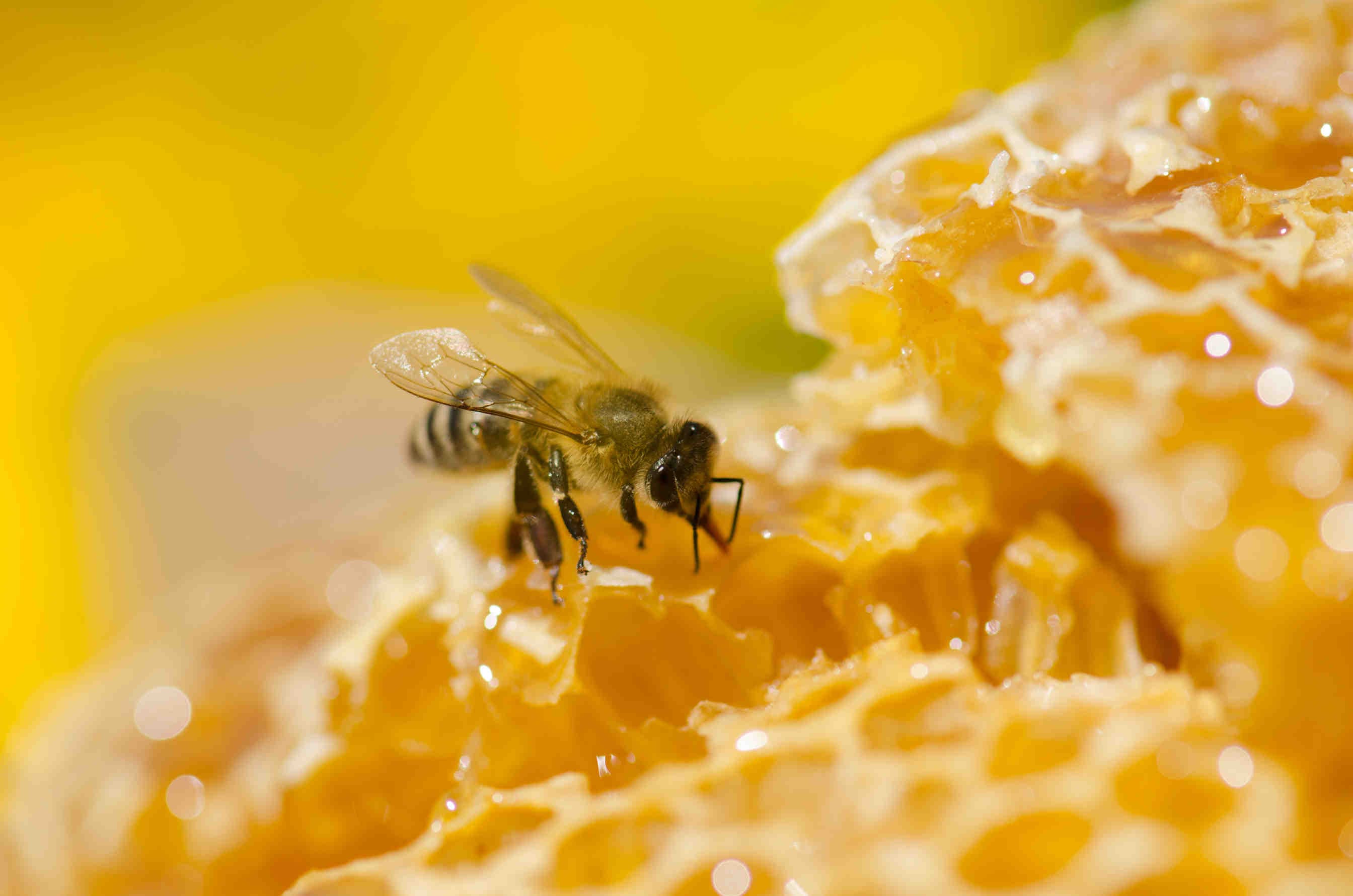
    Ape su alveare con miele
    XNatura

    Loss of biodiversity

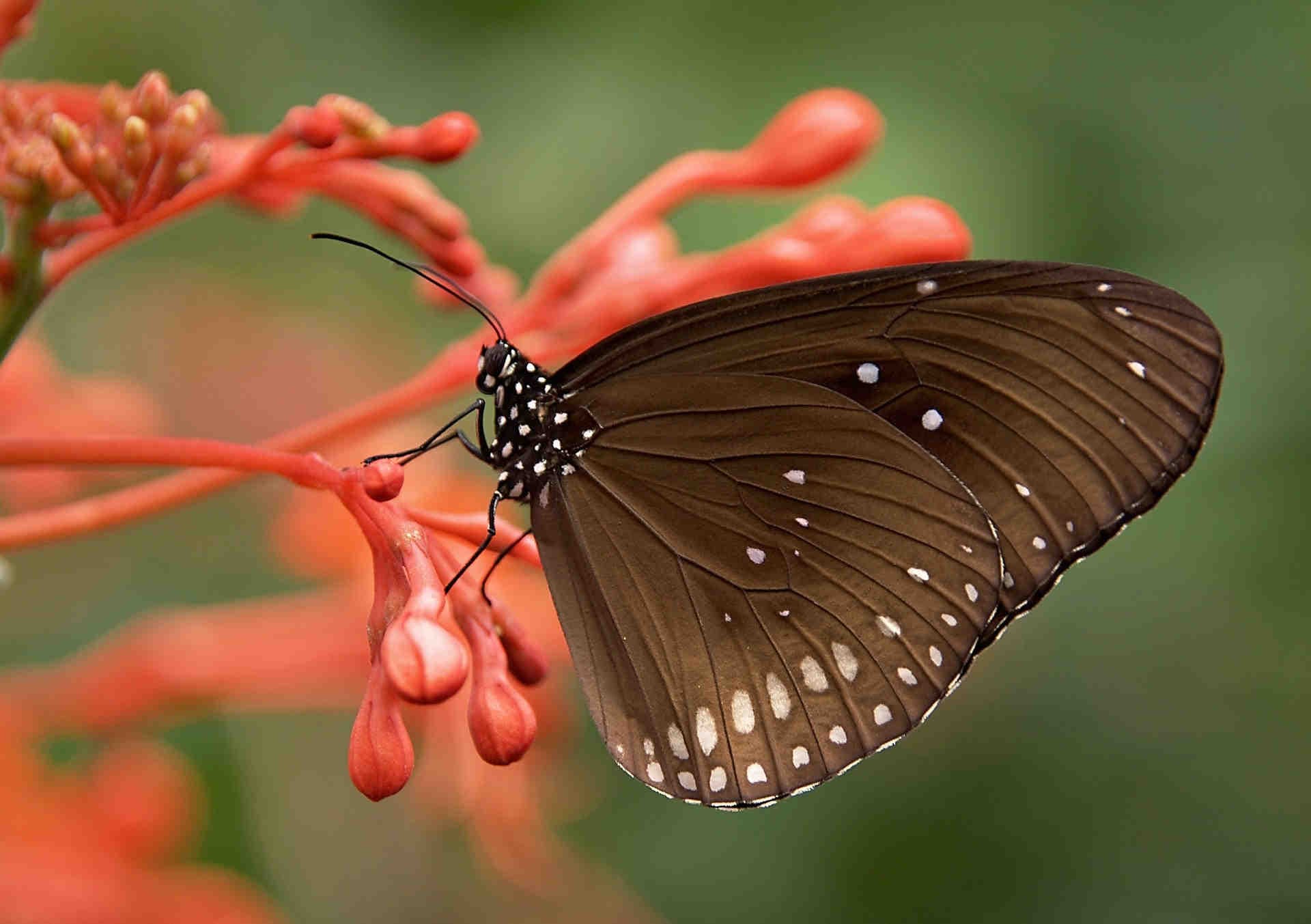
    The current practices, i.e. the use of monocultures and phytotherapeutic substances, are detrimental not only to bees, but to the entire biodiversity, thus also to plants and other animals. Indeed, there has been af sharp decline in the number of varieties of species that have lived in or near farmland for centuries. Among theanimals most affected, in addition tobees, are butterflies, bird species and small mammals such as topi and conigli. In Europe, the Court of Auditors found a 30% decrease in biodiversity since 1990. A reduction of plant species in agricultural land has therefore led to a major loss of biodiversity. The activities carried out to date by the Common Agricultural Policy (CAP), founded in the 1960s, are not proving sufficient. To reverse or at least try to reduce this loss of biodiversity, it is necessary to try new ways.

    Farfalla
    3Bee

    Agroforestry, a glimpse into the future.

    One of the most suitable options for the protection and regeneration of biodiversity is the innovative Agroforestry, i.e. a planting system that involves the combination of different types of plants: trees, shrubs, grasses, pasture. This technique greatly reduces soil erosion and constitutes a greater economic stability for farmers, as they do not have to rely on only one crop at any one time of the year. For beekeepers it can only be a advantage to provide bees with rich and complete nutrition. In this way, bees, for the same amount of land in a monoculture, will be able to feed on the nectar of different plant species and thus obtain a complete diet that will keep them strong and healthy. It should not be forgotten that trees are able to subtract C02, and it is therefore necessary to increase their presence on Earth, which is increasingly threatened by deforestation and extreme urbanisation.
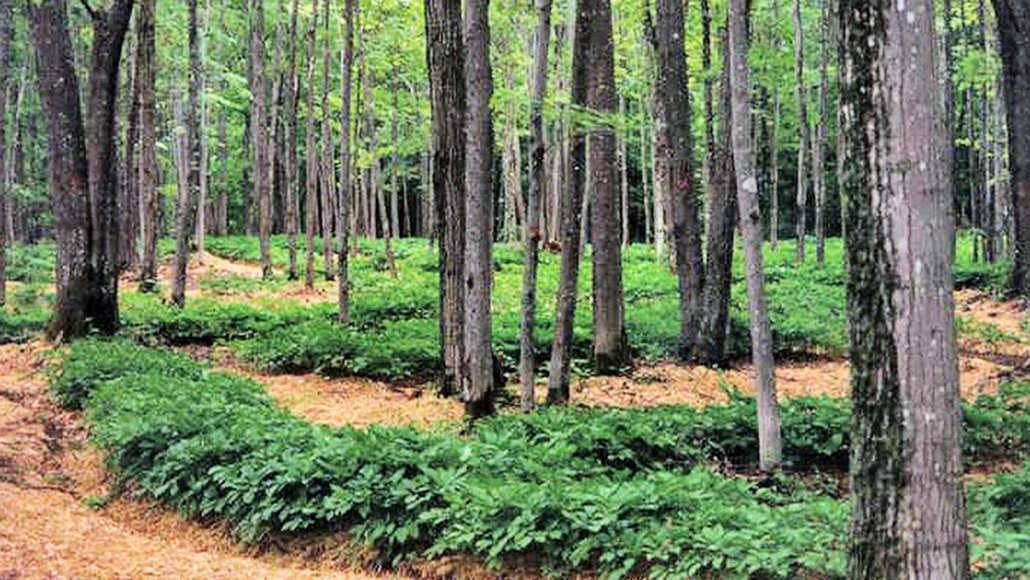
    Agroforestry 3Bee
    24/11/2022Of 3Bee, Elena Fraccaro
    707 Views
    Newsletter
    newsletter
    Subscribe to the Blog about bees and biodiversity