Habitats Directive: what it is and what it provides for
    DirectivePurposeHabitatNatura 2000

    Habitats Directive: what it is and what it provides for

    The Habitats Directive and the Natura 2000 network are one of the most important regulatory instruments for the conservation and protection of the natural environment in Europe. Find out why they are crucial for protecting biological diversity and how 3Bee is committed to protecting biodiversity.

    Read the article
    02/10/2023Of 3Bee, Elena Fraccaro
    1262 Views
    02/10/2023Of 3Bee, Elena Fraccaro
    1262 Views

    What is the Habitats Directive

    Without adequate protection and without placing an appropriate value on our natural resources, these risk being sacrificed in favour of more profitable economic activities, at least in the short term. The Habitat Directive, or rather "Directive No. 92/43/EEC on the conservation of natural habitats and of wild fauna and flora", was created to protect those areas where endangered species grow and proliferate, or perhaps a 'flag species', i.e. a species chosen as a symbol of an environmental problem and which often represents a way of protecting entire natural ecosystems.
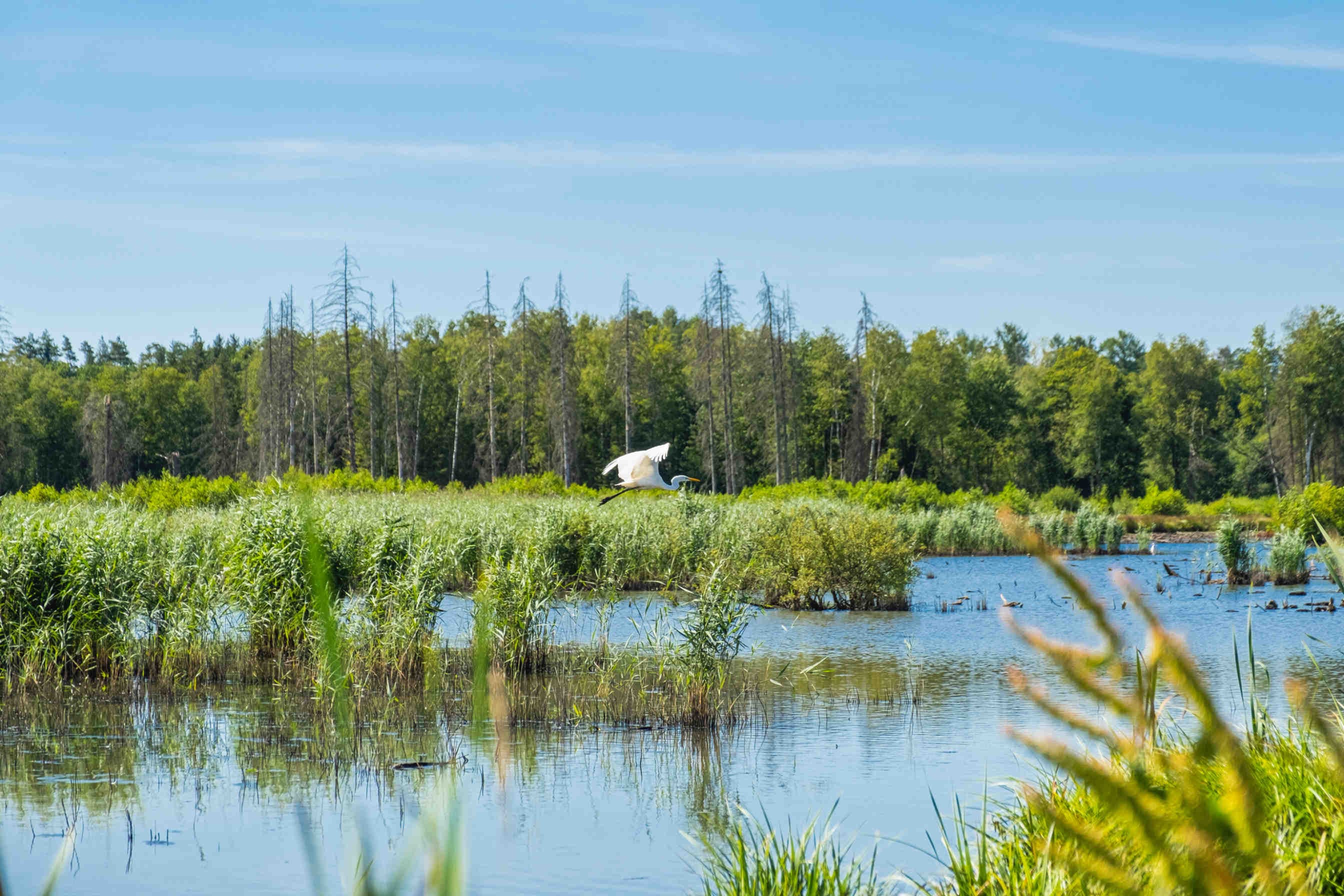
    Airone_Habitat

    Habitats Directive: the purpose

    The Habitats Directive "aims to promote the maintenance of biodiversity through the conservation of natural habitats in the European territory". To do this, in essence, measures are implemented to identify, classify and protect a number of particularly important habitats, which are then protected by establishing Special Areas of Conservation (SACs). These sites, included in the Natura 2000 network, derive from Sites of Community Importance (S.I.C.) and the creation of these protected areas has the clear and precise aim of conserving sensitive habitats that include endangered species.

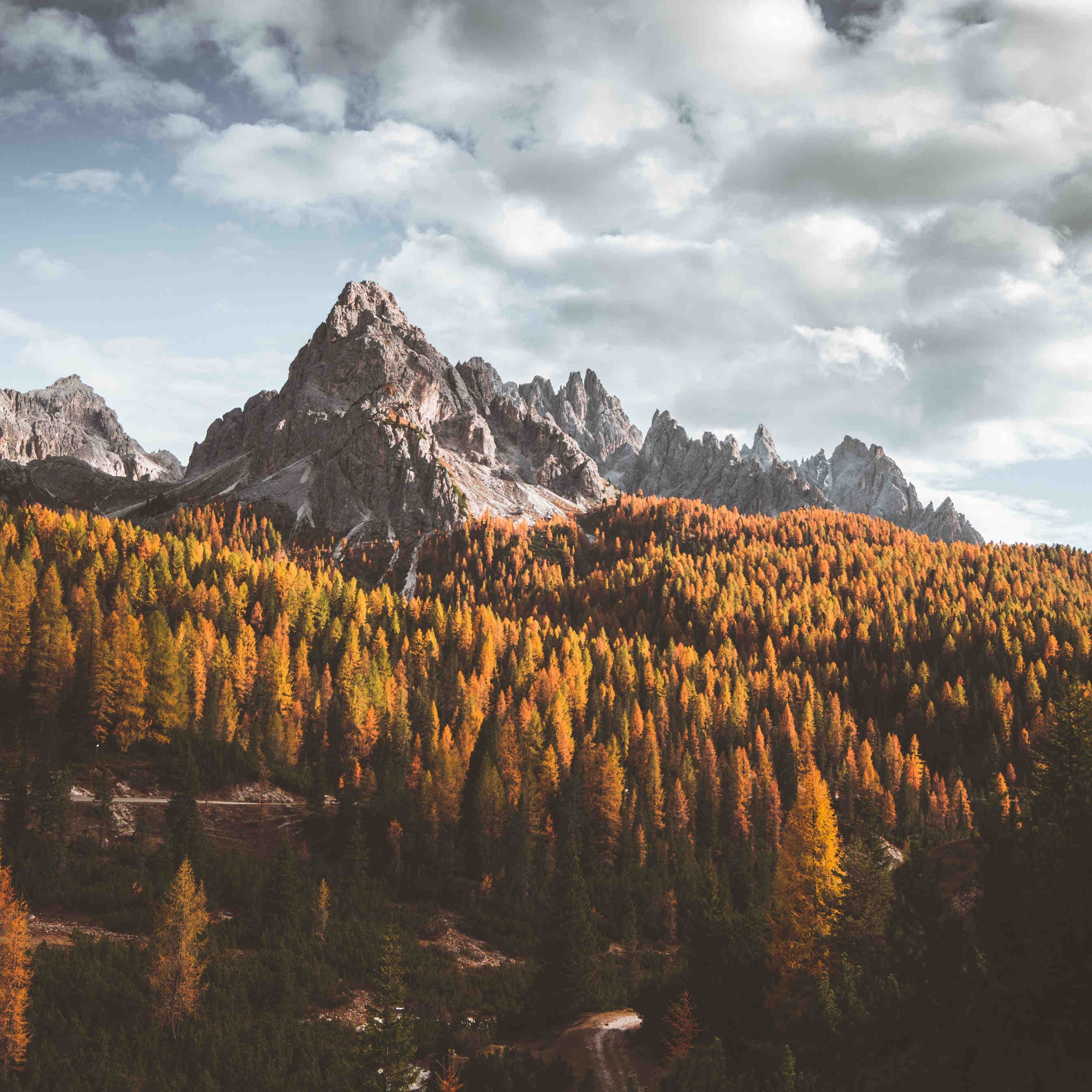
    Foresta_dolomiti
    XNatura

    Where does the Habitats Directive come from

    The Habitats Directive, in turn, is derived from the Birds Directive, a first and very important step taken by the European Union in the direction of nature conservation. The aim of this directive is to limit hunting of endangered species and at the same time to improve the management of natural areas established to protect them. From a modern point of view, limiting hunting and improving the conservation of species may appear to us as something well established, but it must be considered that the Birds Directive was established back in 1979, when the modern idea of nature conservation had yet to take hold.
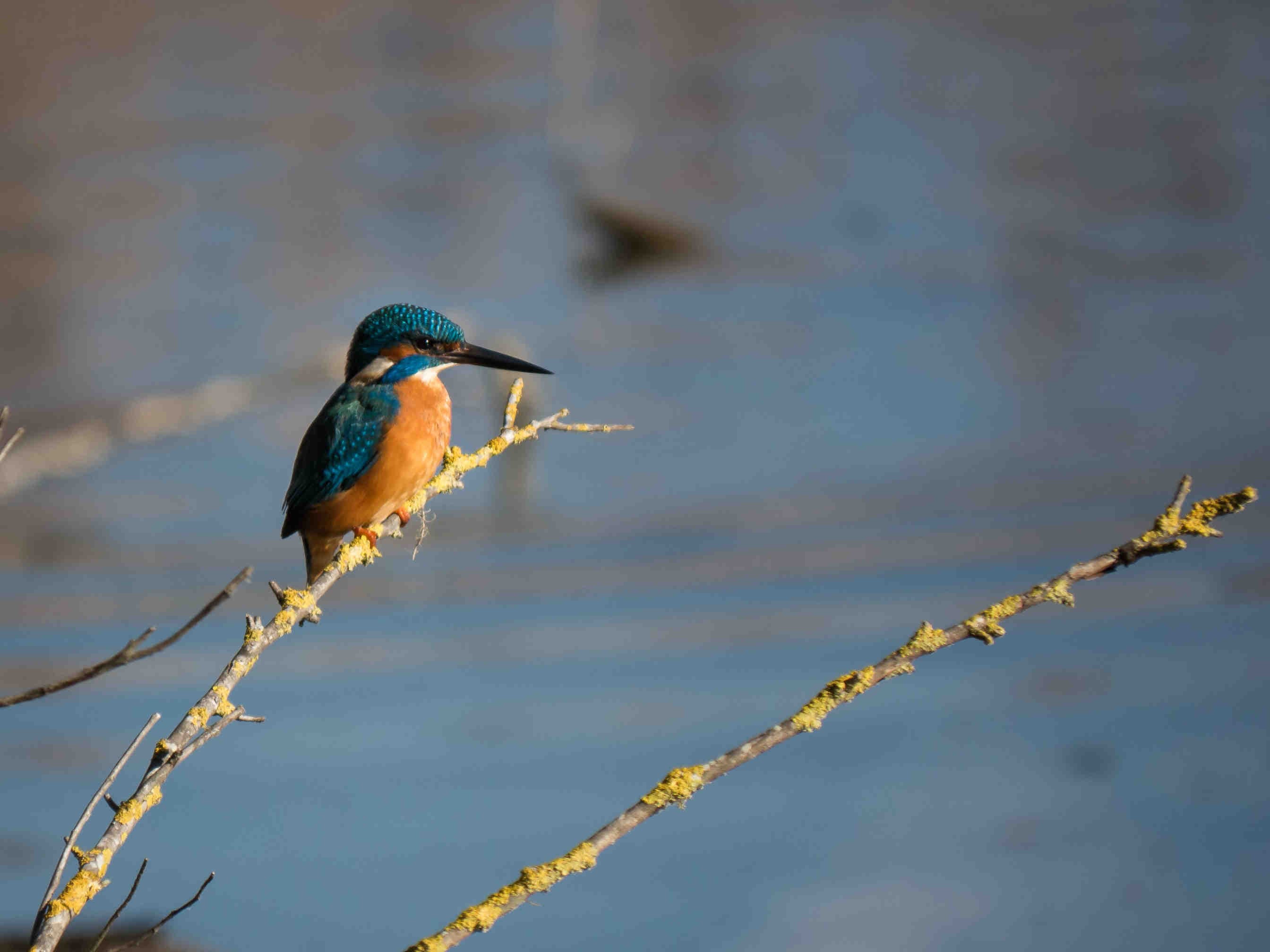
    Martin_Pescatore

    Natura 2000: what it is

    We have already introduced it before, but this important network of protected areas deserves a brief elaboration. Natura 2000 is a kind of catalogue of protected areas, divided according to the type of habitat. Its establishment is parallel to the Habitats Directive and, to date, it is the largest coordinated network of protected areas in the world and is constantly updated whenever member states add a new area or change an existing one. This network also facilitates the genetic flow between different populations of species and the migration of organisms, contributing to the viability of ecosystems. The maintenance of this network is extremely important because even though it is a European measure, individual states manage the areas independently.

    Lago_Tovel
    XNatura

    Sites of Community Interest (S.I.C.)

    Sites of Community Interest (S.I.C.) are environmentally relevant areas, defined by the European Union's Habitat Directive. An S.I.C. is an area chosen on the basis of several factors, first of all because they are part of Nature 2000 and serve to maintain and improve the connectivity of the network. S.I.C. contribute significantly to the conservation of natural habitats and rare or threatened animal and plant species, as specified in the Habitats Directive. These places act as sanctuaries for biodiversity, helping to preserve the variety of life on Earth. In addition, SCIs play a significant role in maintaining regional biodiversity. Their preservation positively impacts the surrounding ecosystem, contributing to the overall health of the natural environment in the region where they are located.

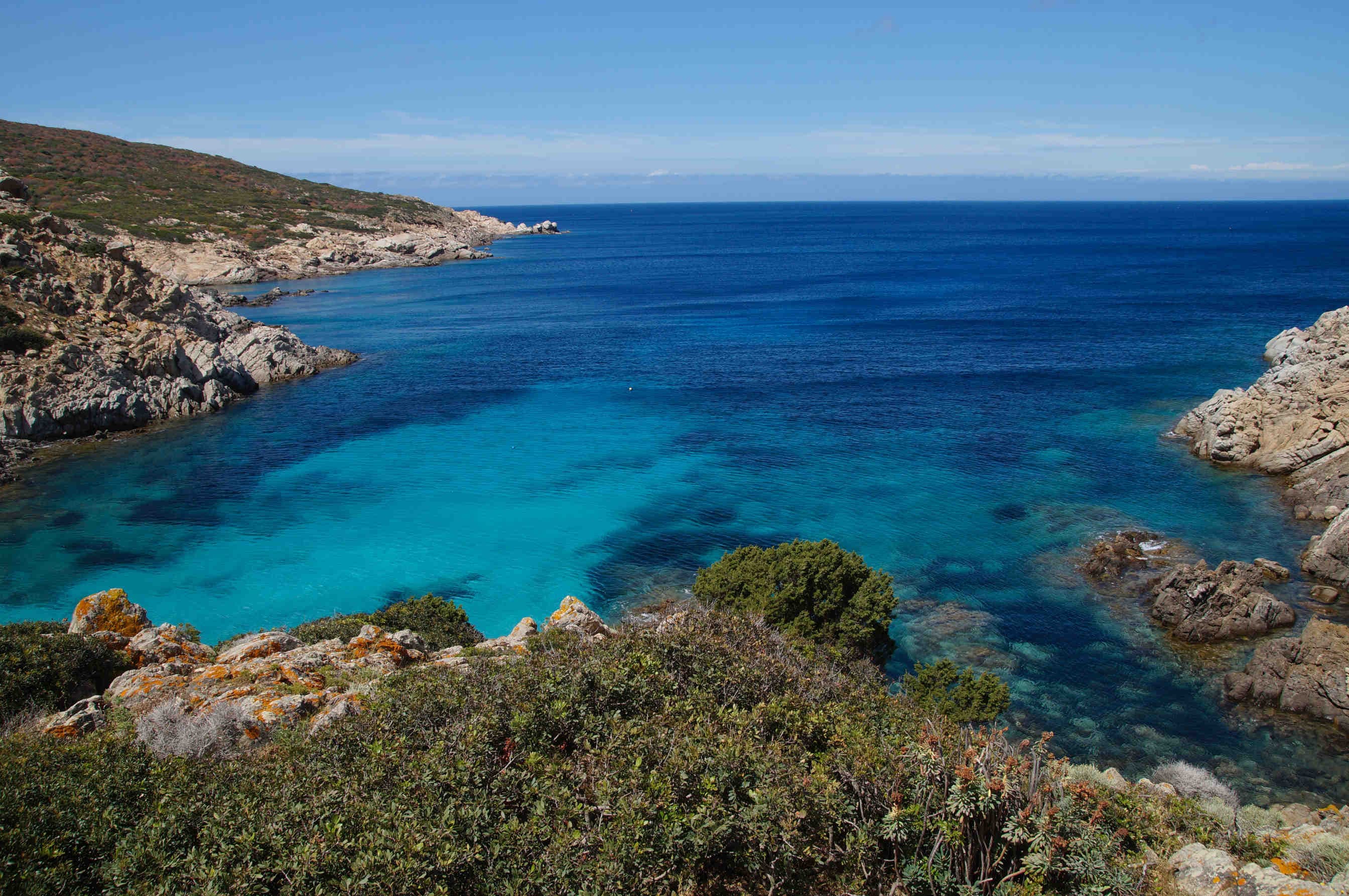
    Asinara
    3Bee

    Special Protection Zones (S.P.Z.)

    The Special Protection Areas (S.P.Z.s) are, in essence, protected S.I.C.'s that implement those conservation measures suggested by the Habitats Directive and are crucial areas for the conservation of biodiversity in Europe. SACs are a pillar in European nature protection, promoting the conservation of vital ecosystems and endangered species. These sites serve as safe havens for fauna and flora, playing a key role in preserving the ecological balance and are selected precisely because of the presence of natural habitats and species of high ecological importance.

    Frasassi

    Examples of protected areas

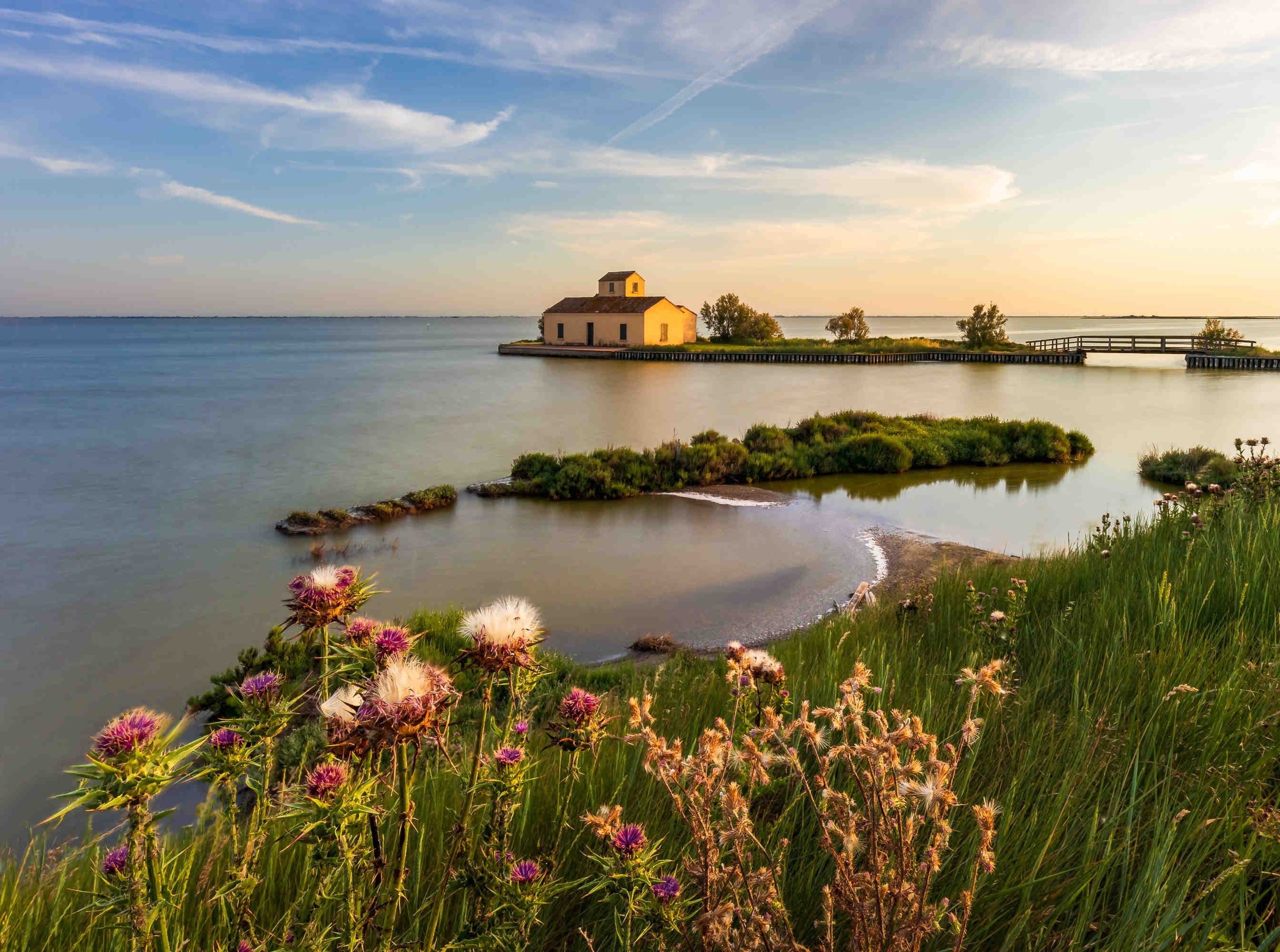
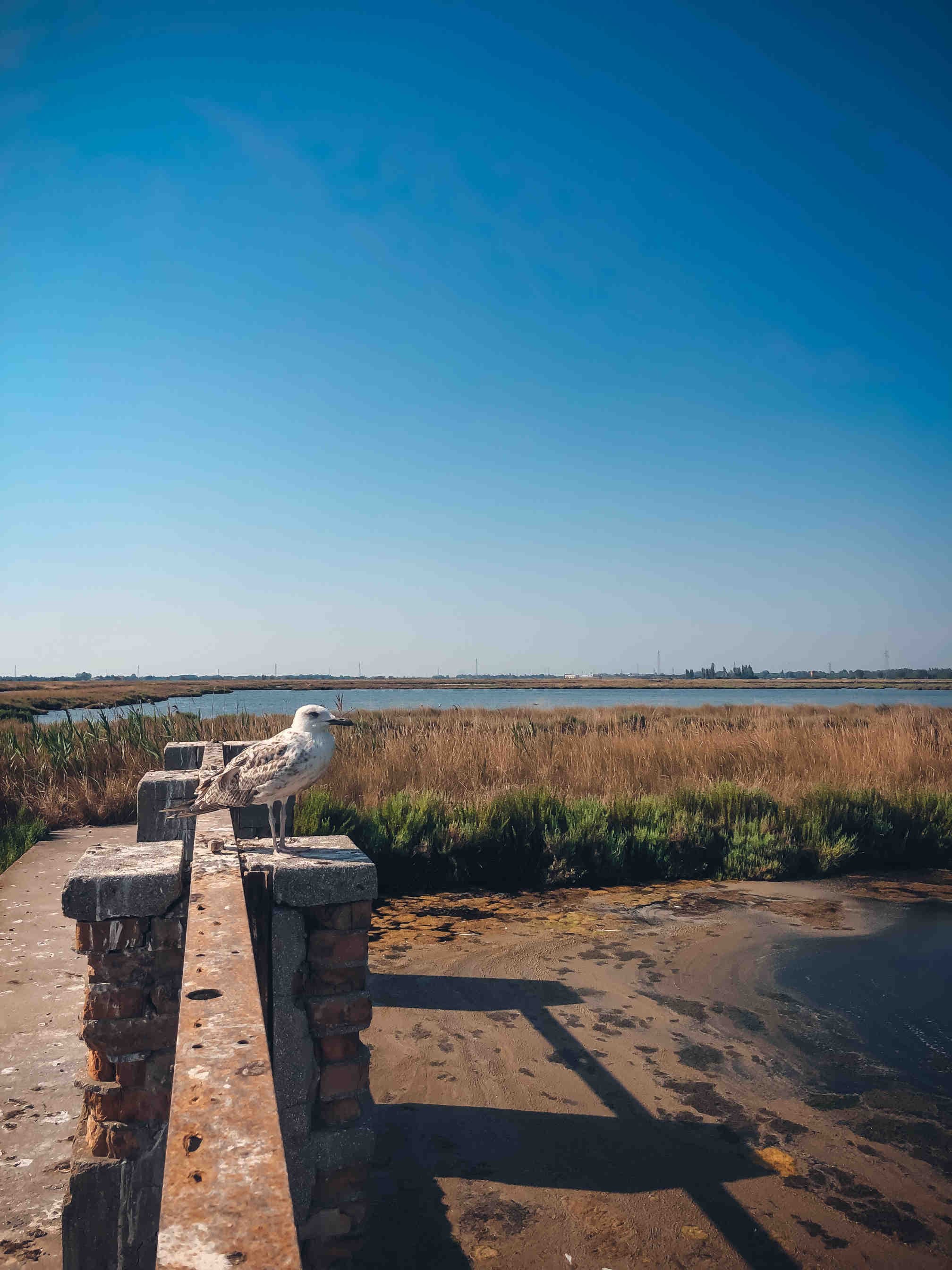
    A few examples An example of a protected area created precisely thanks to the measures mentioned above is the Po Delta area. The area of the Valli di Comacchio is a C.S.Z. of over 16,000 hectares located between the provinces of Ravenna and Ferrara and includes a significant part of ecosystems with brackish waters and halophilous vegetation (i.e. adapted to living in salt-rich soils) and is one of the most important protected sites of brackish areas. It includes 7 different habitats included in Natura 2000, several delicate plant species, such as Salicornia veneta (species of Community interest), dozens of bird species, including the Fratinus, the endemic turtle species Emys orbicularis and, among insects, Lycaena dispar, a fly identified as a species of Community interest, is reported.

    Valli_Comacchio

    The crucial role of the Habitats Directive and the Natura 2000 network

    In summary, the Habitats Directive and the Natura 2000 network play a key role in the conservation of Europe's natural environment. Through the identification, protection and active management of habitats and species, these initiatives contribute significantly to the promotion of environmental sustainability, biodiversity and the well-being of present and future generations. However, it is essential that Member States commit to fully implement these directives and ensure their effective enforcement to guarantee a healthy future for the European environment. This is where 3Bee comes in with its revolutionary approach to biodiversity conservation: through the use of innovative technologies, within the Oases of Biodiversity, 3Bee listens to the pollinators and collects quantifiable data on their health and host habitat, making it accessible to all.
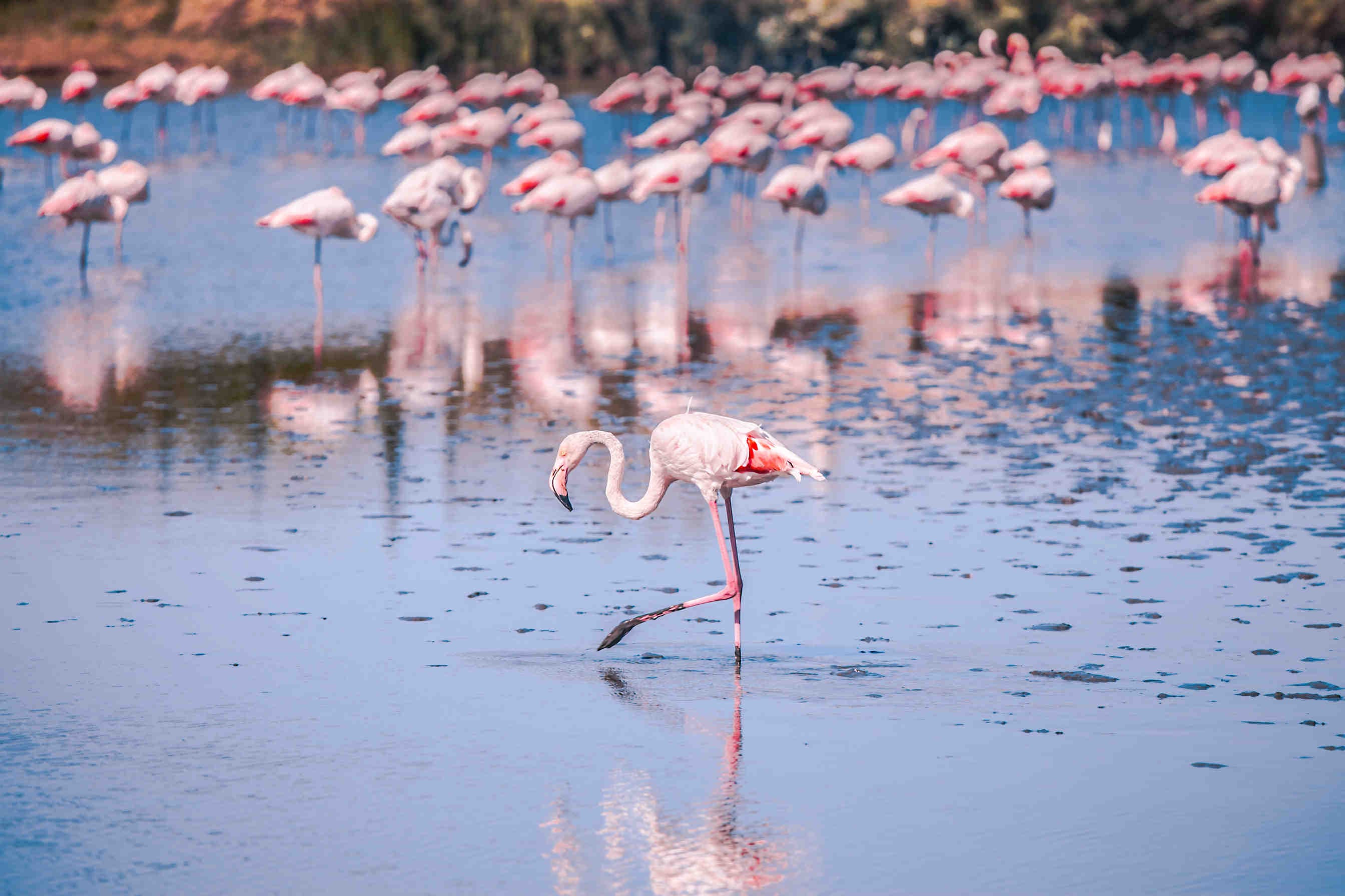
    Fenicotteri

    'Voices from the Oases': 3Bee's playlist for biodiversity

    In the run-up to World Habitat Day 2023, 3Bee is launching "Voices from the Oases", the first and only playlist available on Spotify, which plays for biodiversity conservation by reproducing the unique sounds of pollinators recorded by proprietary Spectrum technology. The project is flanked by a special campaign that 3Bee has realised with the support of Metro 5 Milano: in the Milano Porta Garibaldi and Lotto stations, until 15 October 2023, there will be more than 50 posters entirely dedicated to the pollinator insects, precious guardians of biodiversity. Travellers will be able to immerse themselves in a real musical exhibition dedicated to the theme, symbolising an urgent call to action to protect our fragile ecosystem. The loss of biodiversity in fact, precisely because it is not monitored, is an urgent emergency that needs to be addressed.
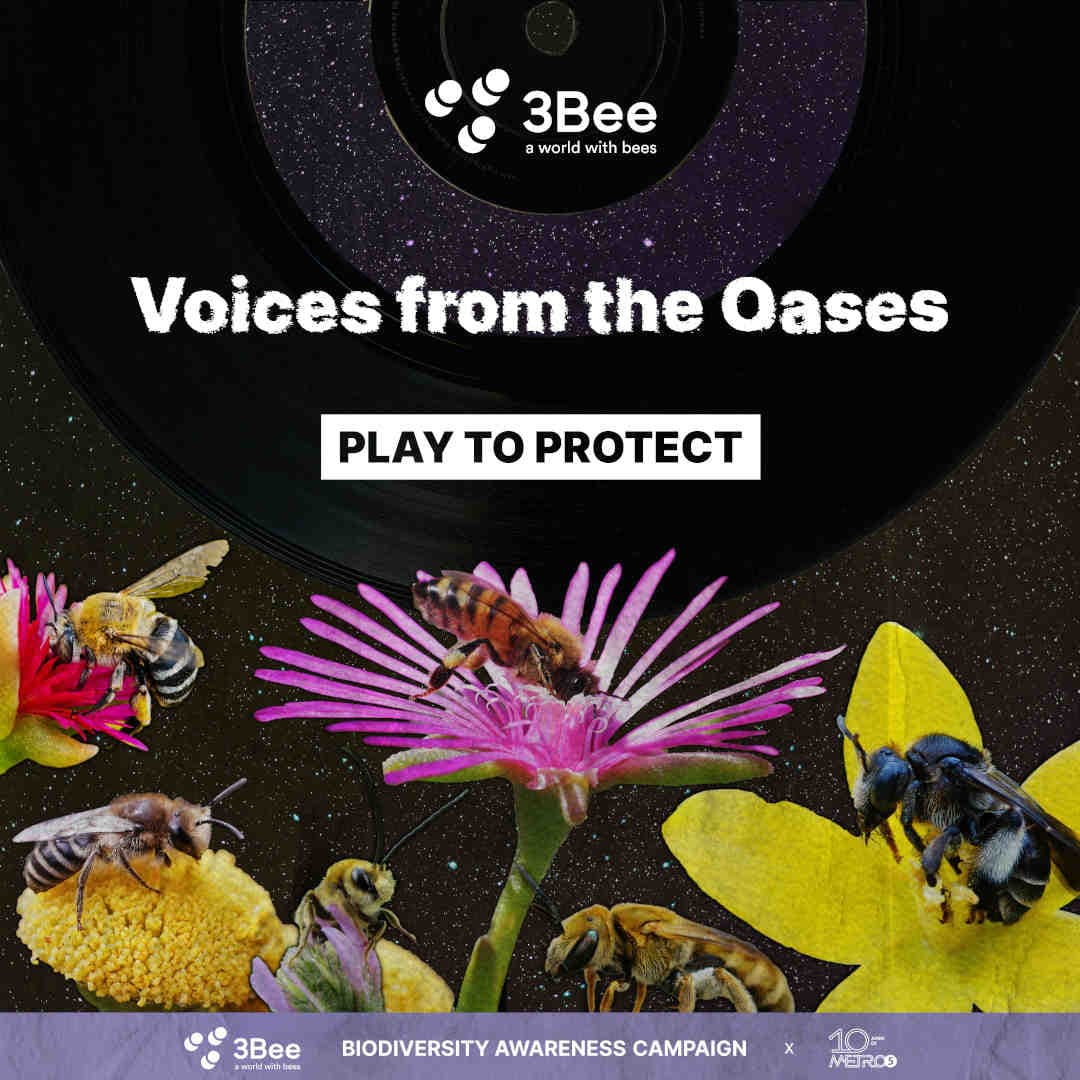
    Voci dalle Oasi 3Bee
    02/10/2023Of 3Bee, Elena Fraccaro
    1262 Views
    Newsletter
    newsletter
    Subscribe to the Blog about bees and biodiversity

    Frequently Asked Questions

    Do you have any doubts or other curiosities about this article? Here you will find some insights