Butterflies: a precious treasure for biodiversity
    habitatpollinationcuriositypleat

    Butterflies: a precious treasure for biodiversity

    Beautiful, delicate and elegant, butterflies are vital to the health of our ecosystems. Learn the main facts about butterflies and their importance for biodiversity. Join 3Bee to promote their protection.

    Read the article
    27/07/2023Of 3Bee, Elena Fraccaro
    1417 Views
    27/07/2023Of 3Bee, Elena Fraccaro
    1417 Views

    Butterflies: habitat and life cycle

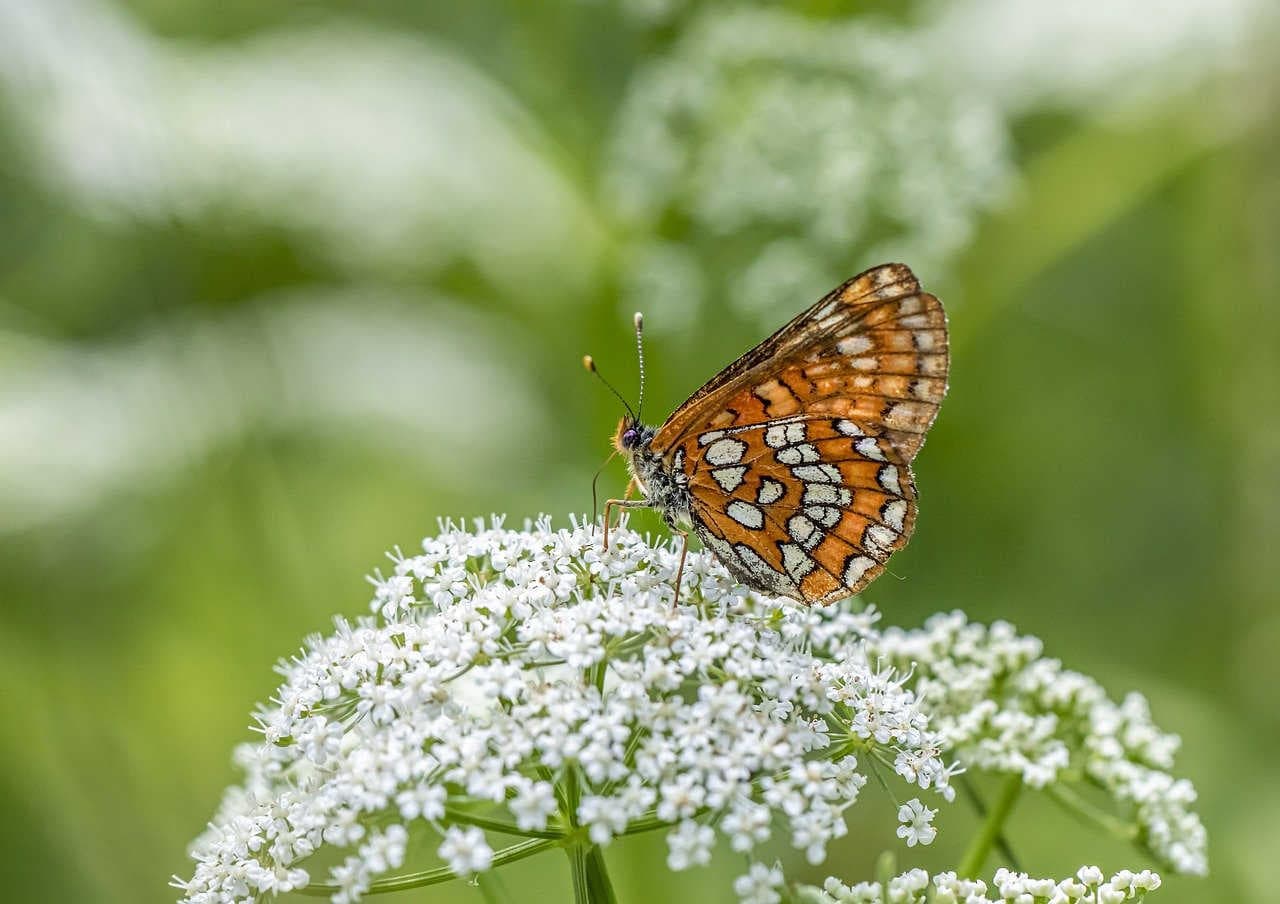
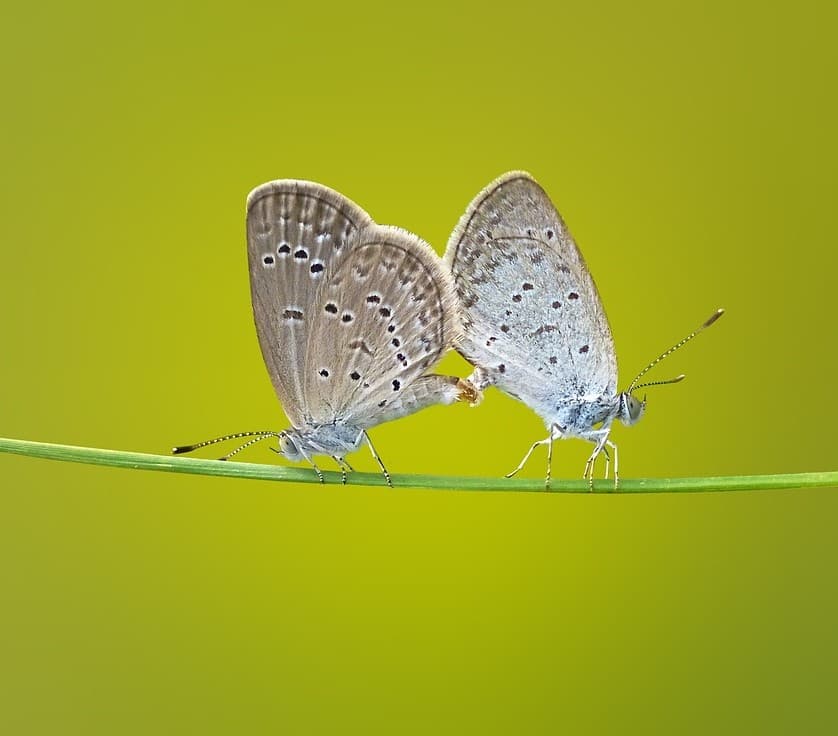
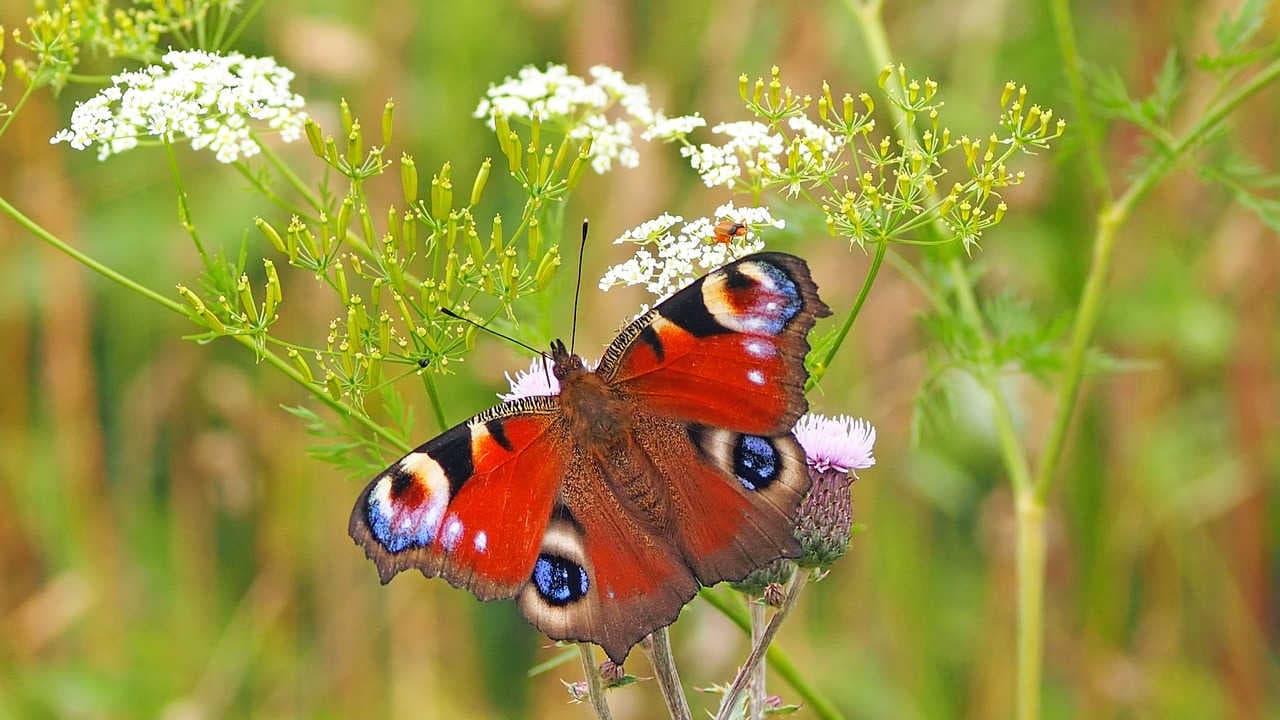
    From the Alps to the Apennines, from the Mediterranean coasts to the countryside and cities, butterflies are adapted to a wide range of habitats. Each species has unique characteristics, life habits and habitat preferences. Exploring the wonderful world of butterflies offers the opportunity to discover the beauty of nature and to appreciate its diversity. Belonging to the order of Lepidoptera, butterflies have a unique life cycle. They begin as small eggs and then develop into larvae, commonly called caterpillars. These caterpillars feed greedily on leaves and grow rapidly until they reach the chrysalis stage. During this stage, an extraordinary transformation takes place within the worm, in which the caterpillar transforms into a fully formed butterfly. Finally, the butterfly emerges from the cocoon and soars into the air, beginning its short but spectacular adult life.
    farfalla habitat

    The role of butterflies in pollination

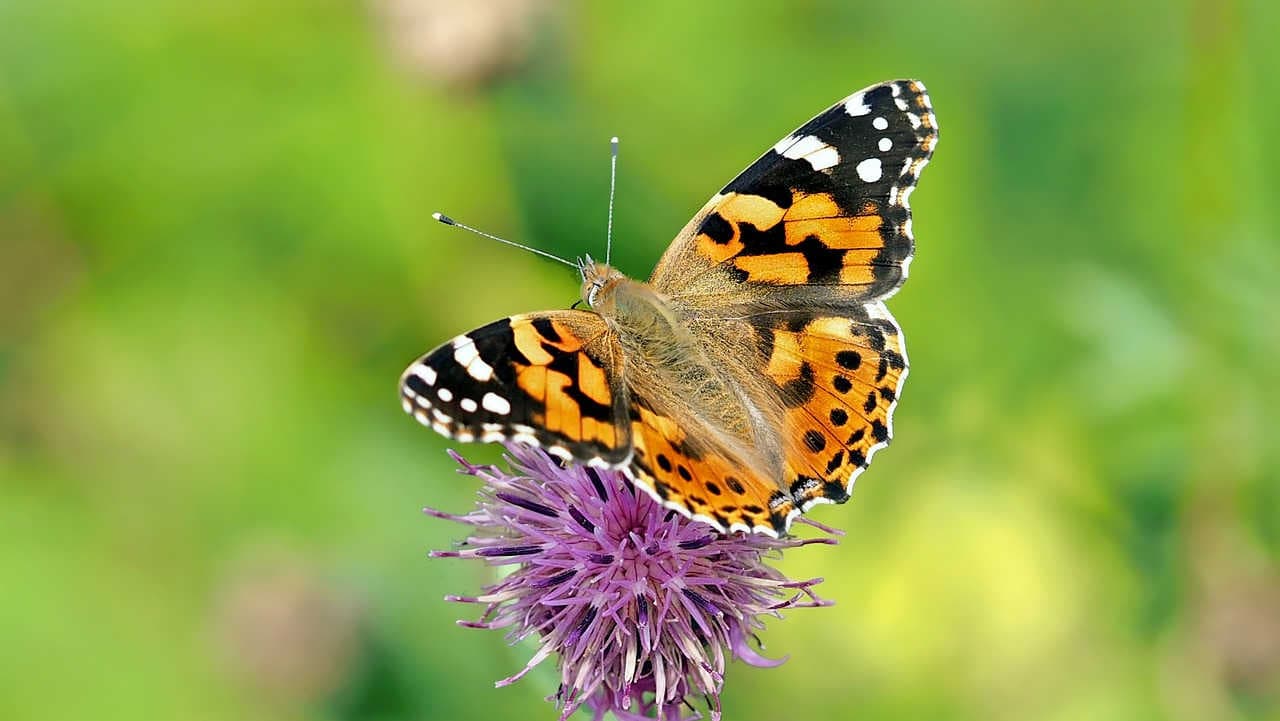
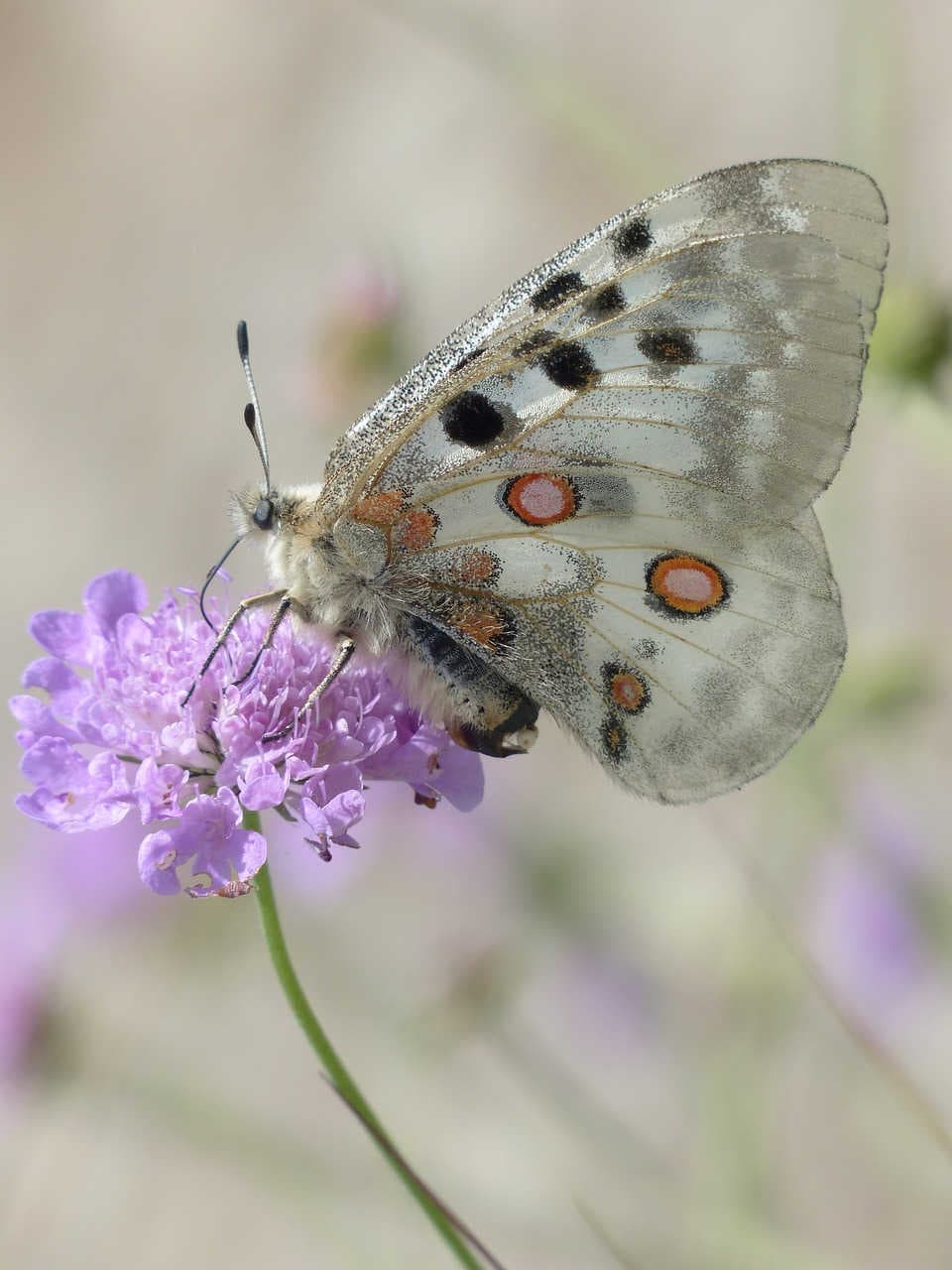
    Butterflies play a crucial role in the pollination of plants, as they feed on the nectar of flowers and transport pollen from one flower to another. In fact, butterflies have very long tongues - called spirotromba - which they keep coiled up when at rest and which they stretch out when they suck nectar. They are guided towards the flowers by the same colours and the same profume that guide bees. Moreover, they are considered a indicator of environmental health, as their presence abounds in areas rich in biodiversity.

    farfalle impollinazione
    XNatura

    Curiosities about butterflies

    Butterflies can see colours that we humans cannot perceive. In addition to seeing the primary colours, they can in fact see the ultraviolet. This ability is particularly important for them when searching for flowers, as flowers often reflect ultraviolet light in a unique way. In addition, the wings of butterflies not only serve aesthetic purposes, but also have vital functions. In addition to enabling flight, butterfly wings can be used to communicate with other individuals or they use their wings to thermoregulate themselves by absorbing or reflecting sunlight to regulate body temperature. In addition, butterflies have a completely liquid diet and alternate nectar from flowers with mineral salts that they find on wet soil. For this reason, butterflies sometimes drink from puddles of mud.

    curiosità farfalle

    Butterflies and moths: the main differences

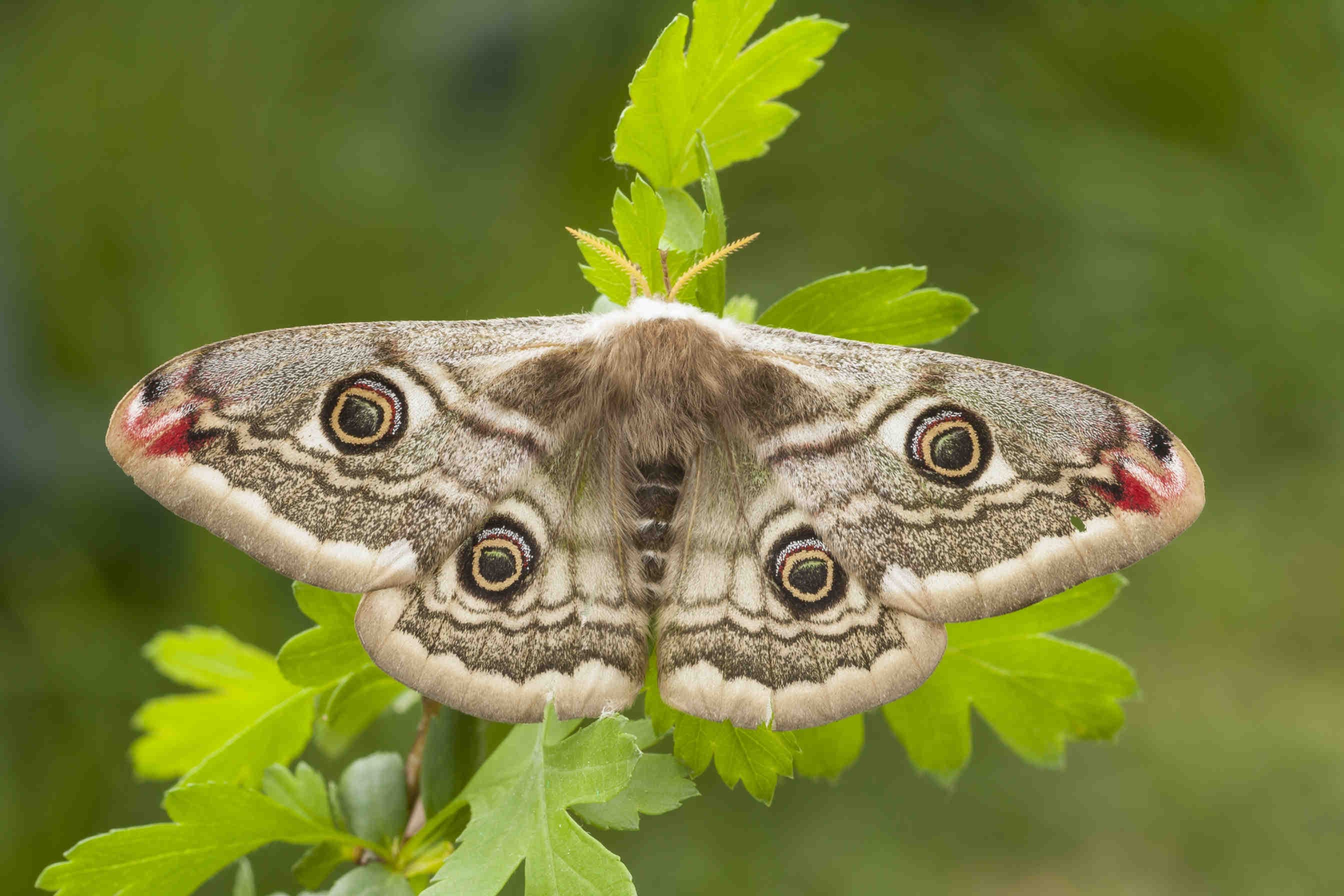
    The main difference between butterflies and moths lies in the position of the wings at rest and in the shape of the antennae: the wings of butterflies are perpendicular to the ground, while those of moths are parallel; as for the antennae, on the other hand, those of butterflies are clavate, while those of moths are phylliform for females and pinnate for males. The antennae of males are in fact equipped with different sensory receptors that enable them to better perceive female pheromones. Moreover, in the common imagination, butterflies are diurnal, whereas moths are nocturnal. This is incorrect: there are several nocturnal moths, but there are also diurnal ones. The latter are coloured, unlike night moths which are grey or brown, because they do not need colour. The same applies to butterflies: we have both diurnal and nocturnal ones and the latter are often difficult to recognise because they are very similar to each other and sometimes even look like moths.

    falena 3Bee
    XNatura

    Macroglossum stellatarum: the most popular Italian moth

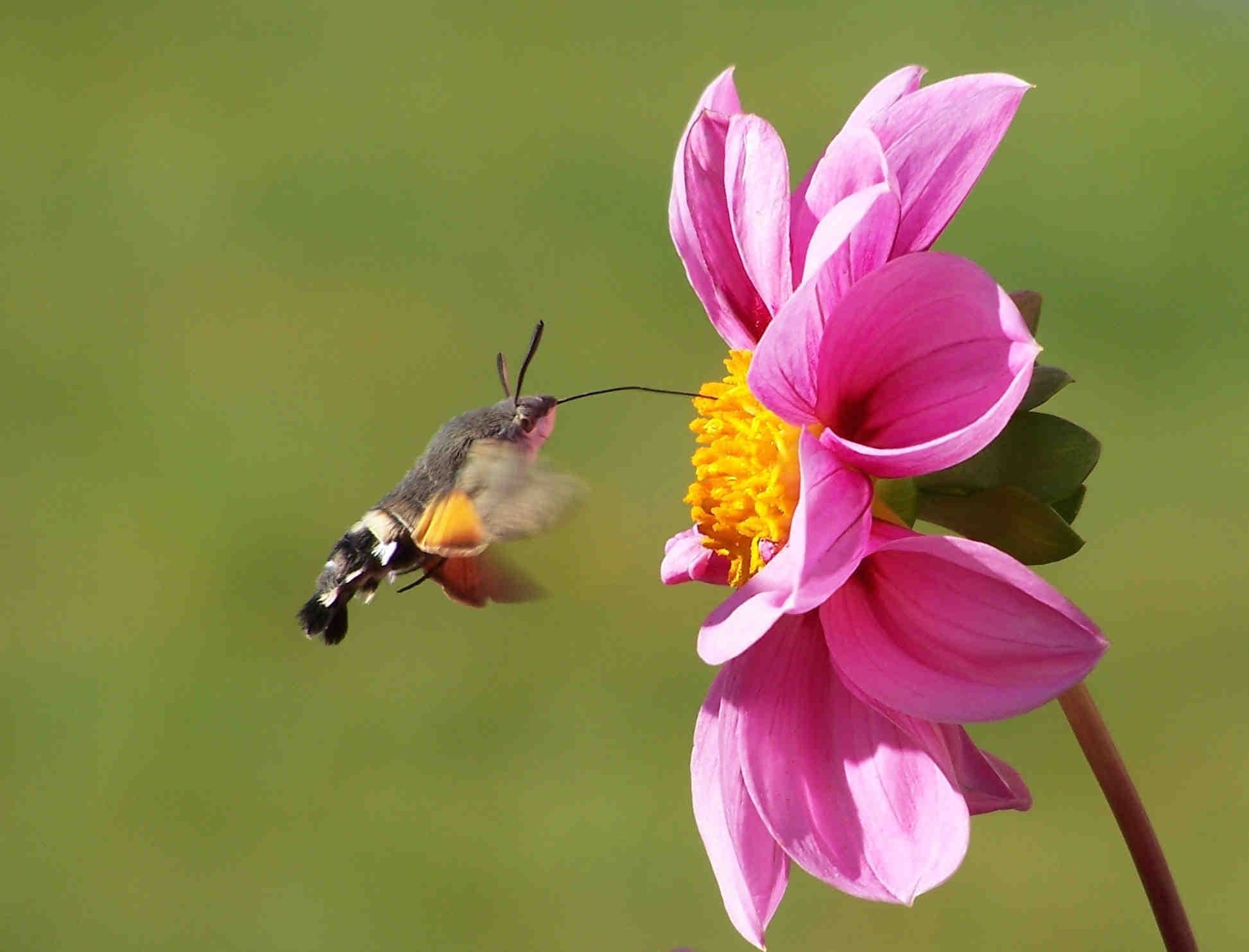
    Among the most popular Italian moths is the Macroglossum stellatarum, known as the hummingbird sphinx. This moth is distinguished by its fast flight and long, slender proboscis, which allows it to feed on the nectar of flowers while remaining in stationary flight, resembling the behaviour of a hummingbird. In fact, at the end of the addome is a characteristic black and white tuft of hair, which acts as a rudder and stabilises the flight: a kind of structural convergence with some birds, just like the hummingbird. This moth has a crucial role in the fertilisation of plants because of the variety of species it visits. During flight it emits a characteristic buzzing sound that often causes it to be mistaken for a dipteran or hymenoptera. It tends to flutter its forewings in a gliding position as it alights, partially covering its hindwings to leave its abdomen uncovered.

    Macroglossum stellatarum: the most popular Italian moth
    3Bee

    Butterflies and biodiversity

    Butterflies represent a valuable resource for global biodiversity. Indeed, there are more than 200,000 species of them in the world. Unfortunately, however, butterflies are declining dramatically due to certain human activities including intensive agriculture, deforestation, global warming. According to the ISPRA in fact, 9% of bees and butterflies are at risk of extinction and even some of the species, classified as critically endangered in the IUCN Red List, are almost completely extinct. To protect biodiversity, it is important to encourage the creation of protected areas with favourable habitats and seasonal blooms. This is the background to the Biodiversity Oases of 3Bee: urban and agroforestry habitats with pollinator refuges and native flora. Certified places with traceable impact thanks to 3Bee technology.

    farfalla biodiversità
    27/07/2023Of 3Bee, Elena Fraccaro
    1417 Views
    Newsletter
    newsletter
    Subscribe to the Blog about bees and biodiversity

    Frequently Asked Questions

    Do you have any doubts or other curiosities about this article? Here you will find some insights