The three levels of biodiversity
    biodiversitygeneticsspecieecosystems

    The three levels of biodiversity

    Learn about the three fundamental levels of biodiversity: genetic diversity, species diversity and ecosystem diversity. Explore in this article the importance of each level and how the conservation of biodiversity is crucial for our planet.

    Read the article
    06/07/2023Of 3Bee, Elena Fraccaro
    3699 Views
    06/07/2023Of 3Bee, Elena Fraccaro
    3699 Views

    The important role of biodiversity

    The biodiversity is the vital fabric of our Earth, an intricate web of life that embraces and sustains every aspect of our ecosystem. In its three fundamental levels - genetic diversity, species diversity and ecosystem diversity - resides the extraordinary variety of life that makes our planet so rich and unique. Each level makes an essential contribution to the stability of ecosystems, the resilience of species and the well-being of the whole system. Biodiversity plays a key role in providing vital ecosystem services, such as food production, clean water supply, climate regulation and protection from natural disasters, as reported by the UNEP (United Nations Environment Programme).

    The first level of biodiversity: genetic diversity

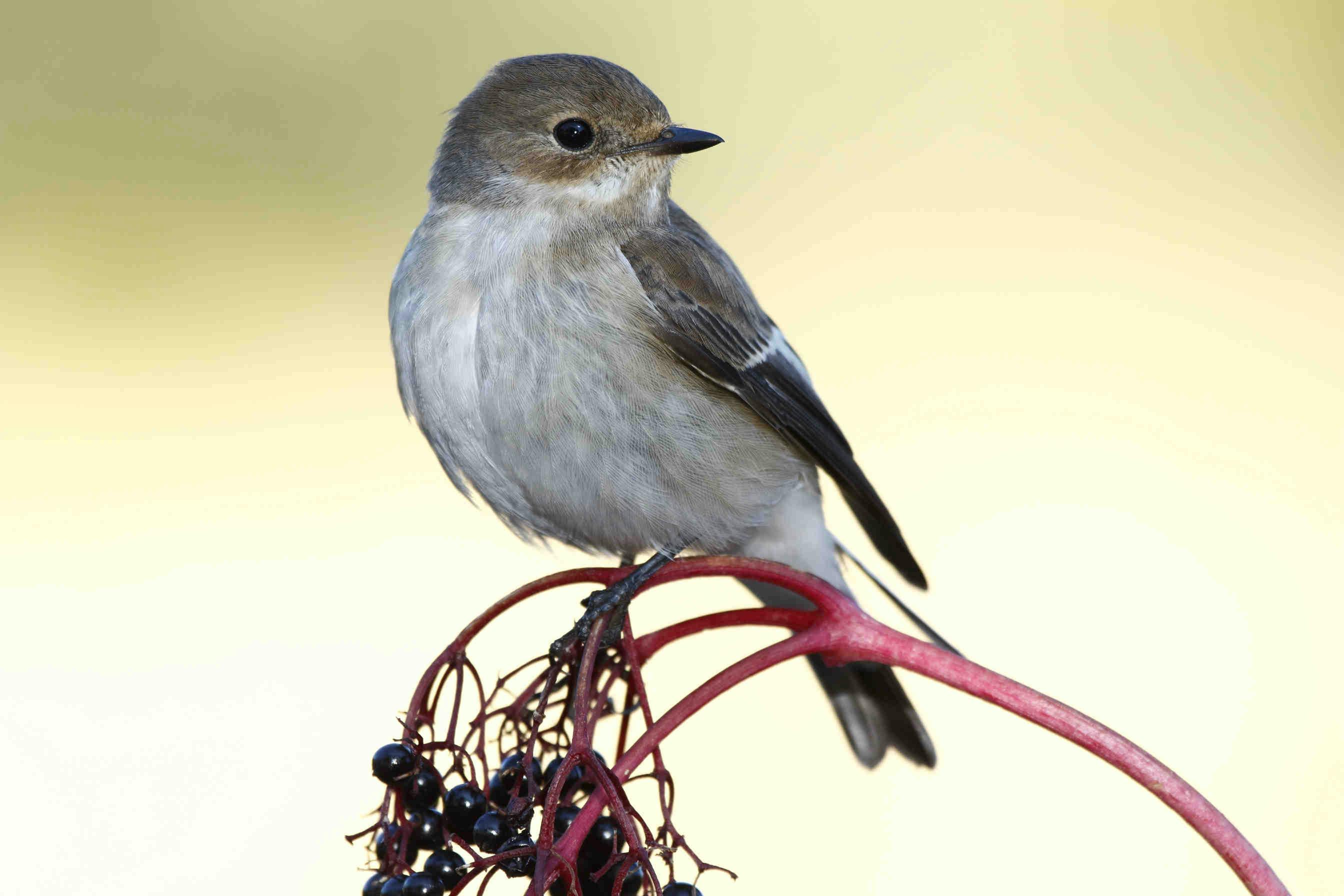
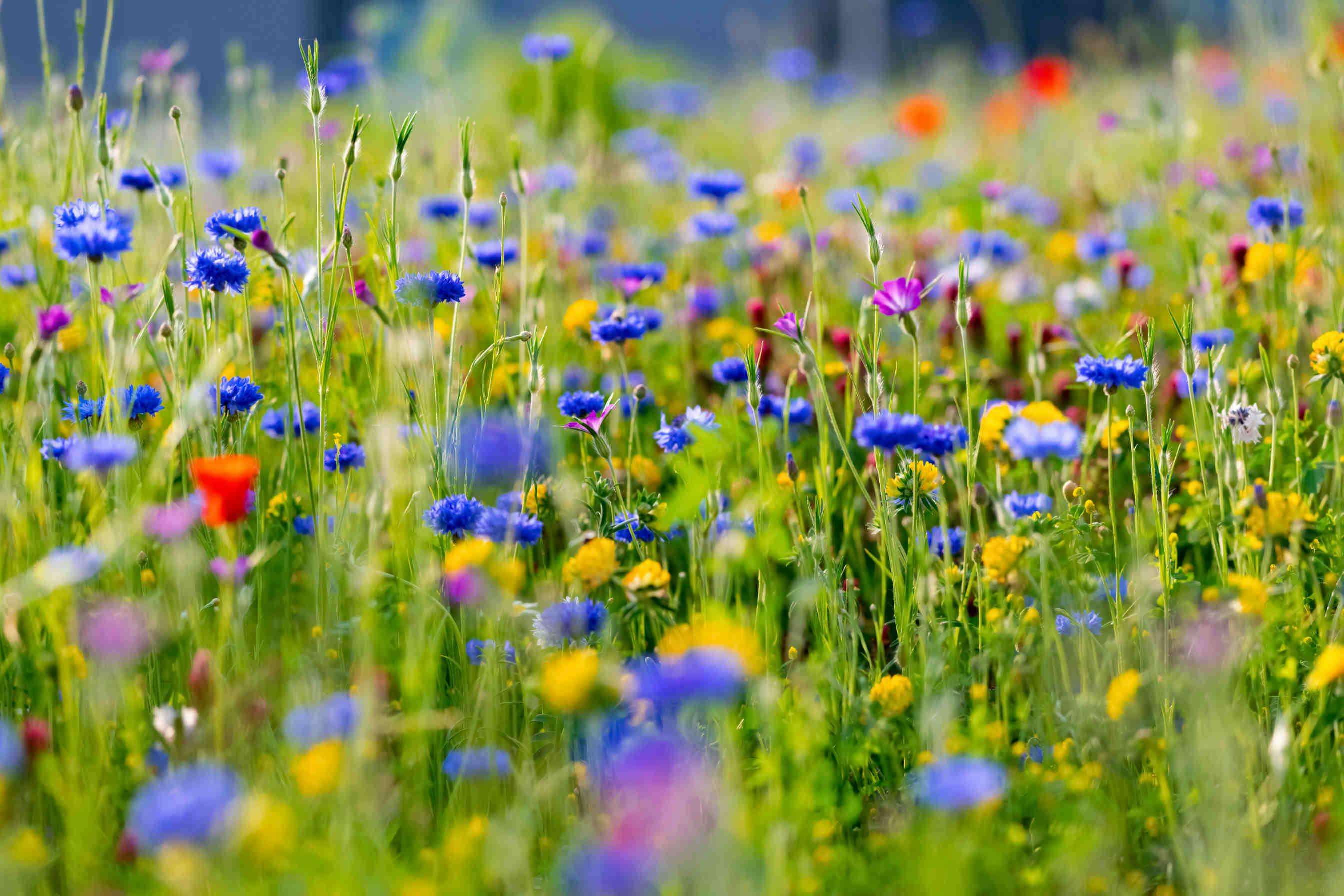
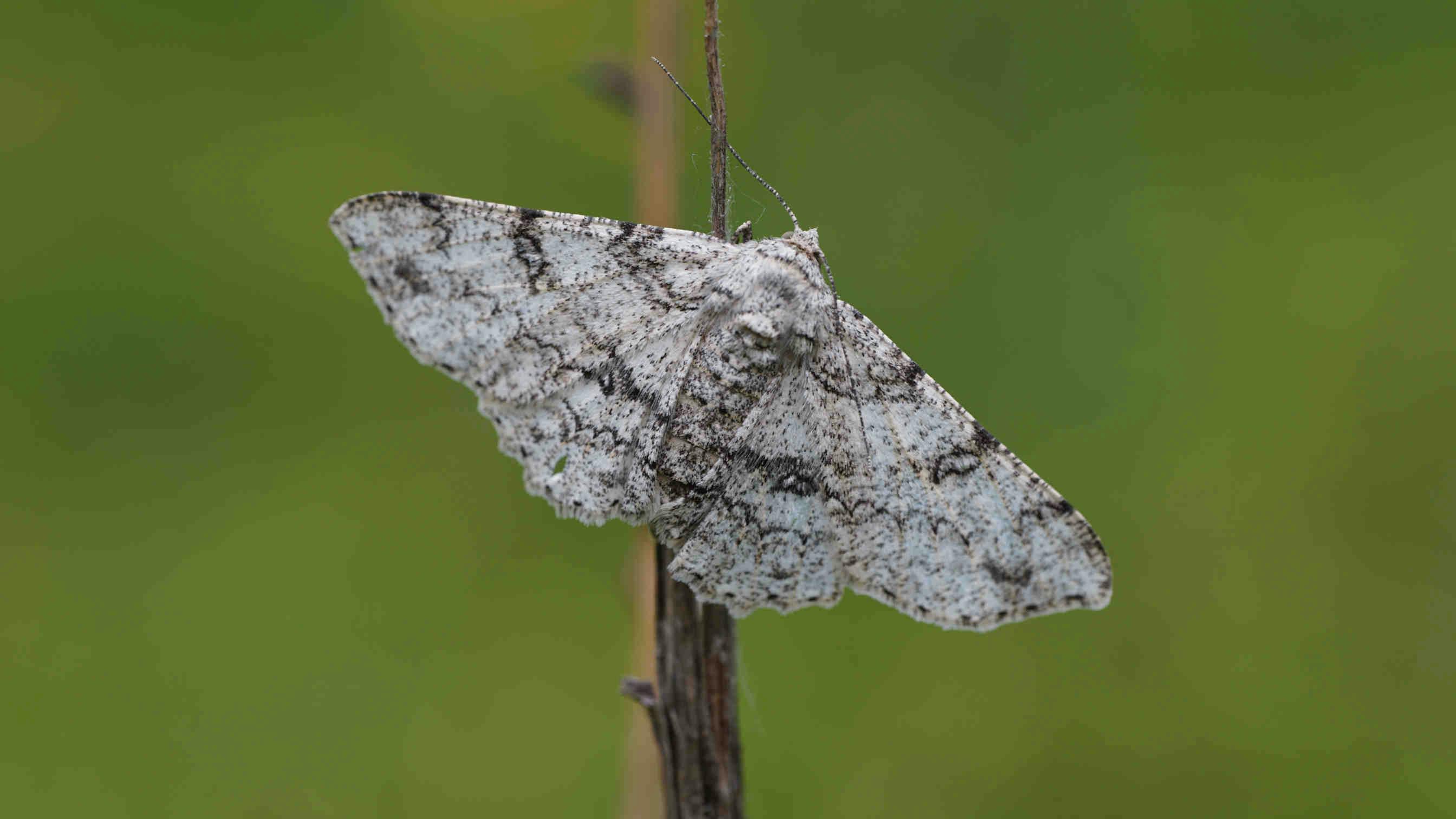
    Thefirst level of biodiversity is genetic diversity, which refers to the variety of genes within a particular species. Each individual possesses a unique set of genetic characteristics that determine its traits and adaptation to its environment. Genetic diversity plays a crucial role in the adaptability of species to environmental changes. According to the report Global Biodiversity Outlook 5, published by UNEP, the genetic diversity of species is a key factor in their adaptability and resilience in the face of climate change. Greater genetic diversity within a species increases the likelihood of survival, as some individuals may have genetic traits that make them more resistant to certain stressors. Therefore, the preservation of genetic diversity is essential to preserve the resilience of species and their ability to cope with the contingencies of the future.

    diversità genetica
    XNatura

    The second level of biodiversity: species diversity

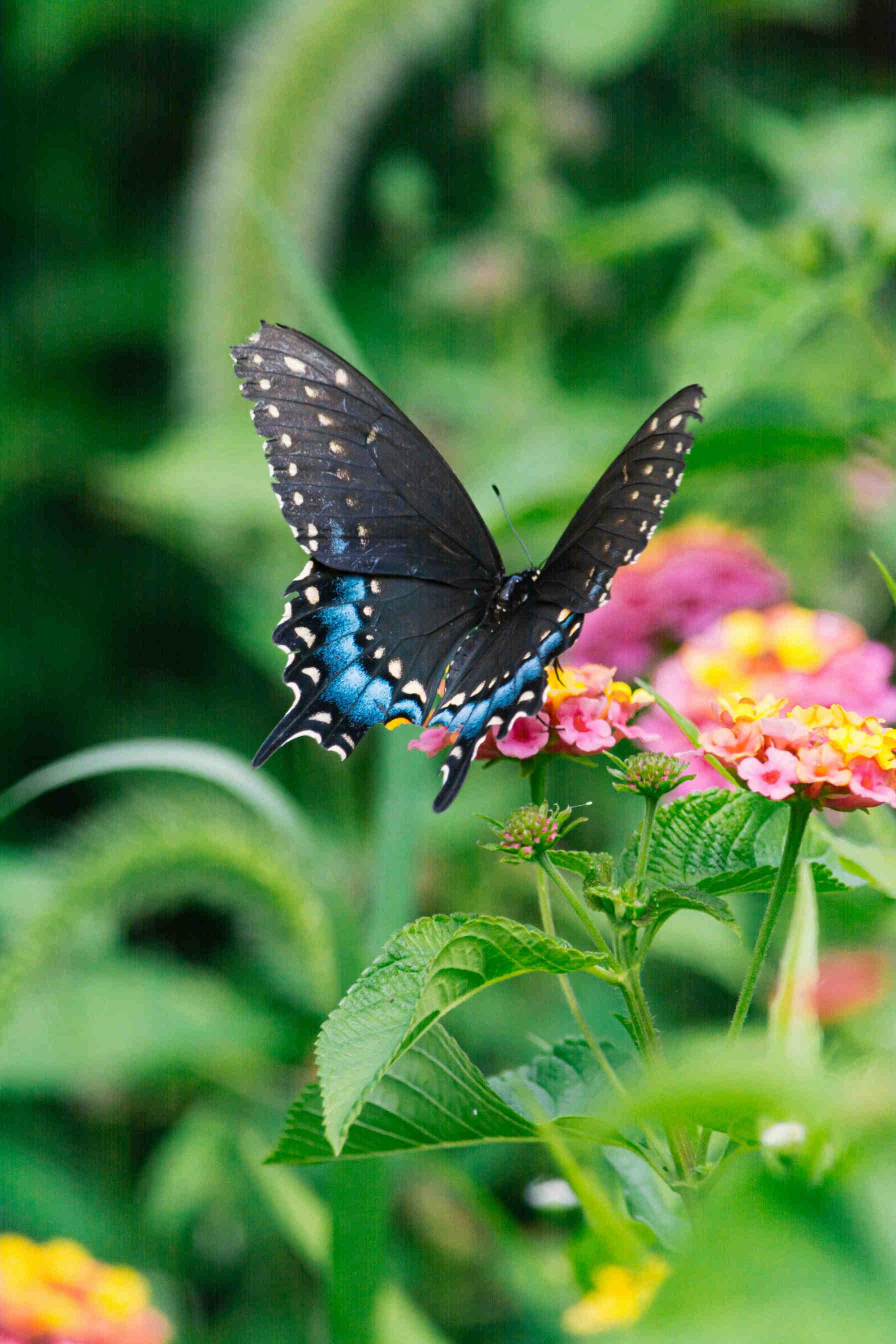
    Species diversity represents the second level of biodiversity and is one of the defining characteristics of our planet. Each species occupies a unique role within the ecosystem in which it is found, contributing to an intricate mosaic of ecological interconnections. According to a study published in Nature, greater species diversity within an ecosystem can increase its productivity, resistance to environmental impacts, and recovery capacity after a disturbance. In addition, species play important roles as pollination agents, control of pest populations or in nutrient cycling. The conservation of species diversity is essential to maintain the ecological balance and protect the life tissue of ecosystems.

    diversità di specie

    The third level: the diversity of ecosystems

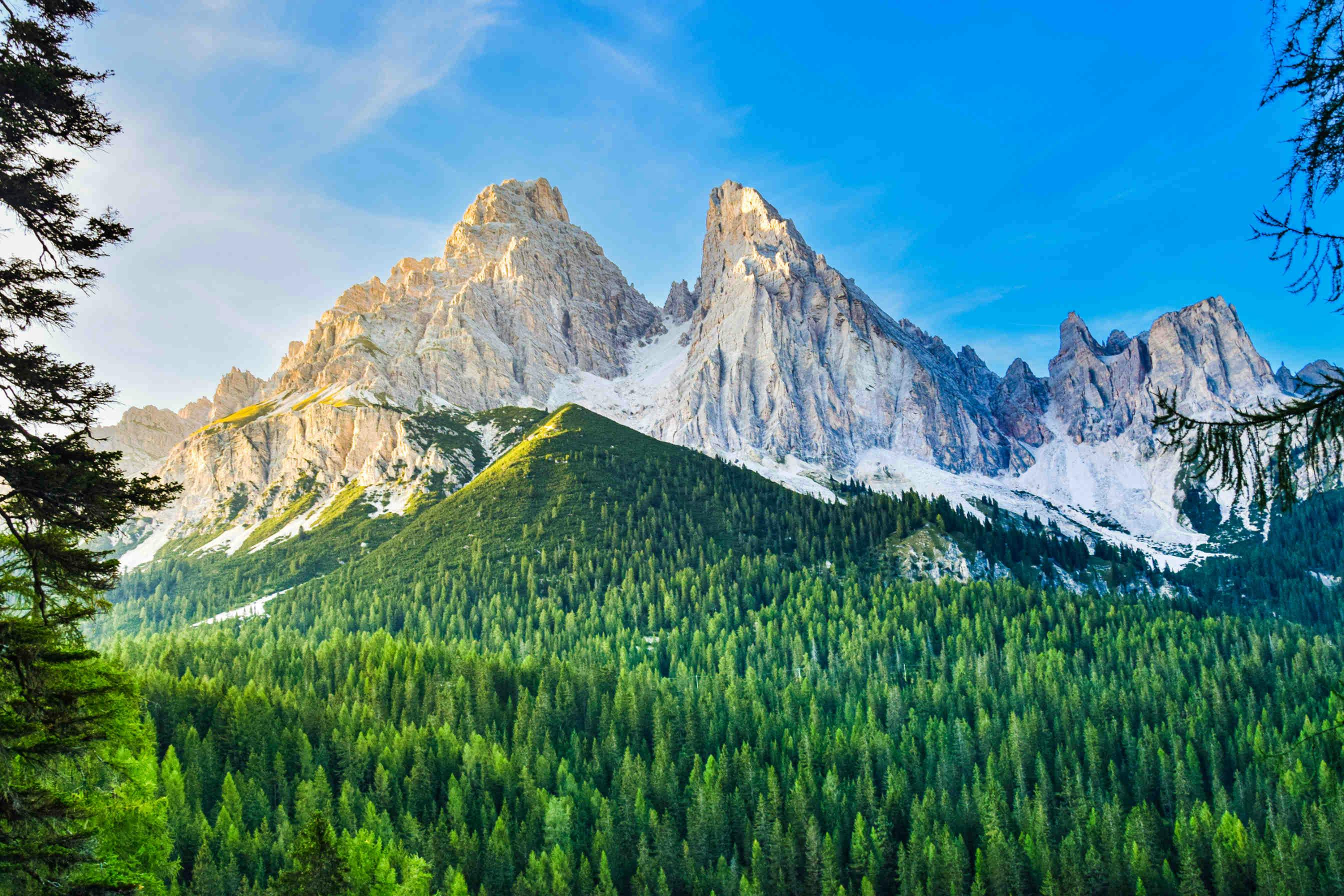
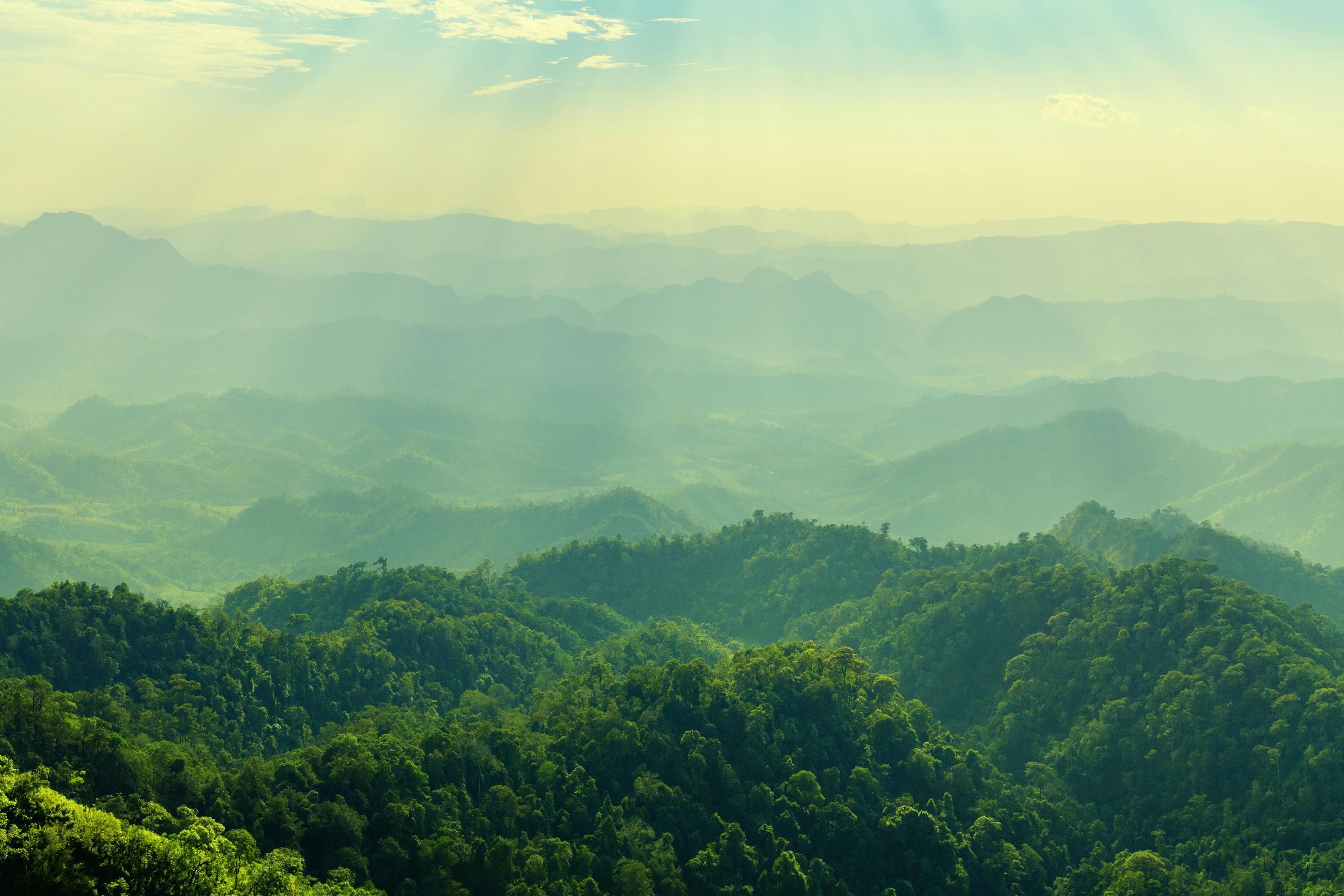
    The diversity of ecosystems represents the third level of biodiversity. Ecosystems have a variety of habitats, such as rainforests and grasslands, each with their own unique characteristics and species adapted to survive in those specific contexts. According to the IPBES, ecosystem diversity is essential for human well-being and provides benefits such as air and water purification, soil fertilisation and disease control. However, human activities, such as deforestation, habitat loss and pollution, threaten the diversity of ecosystems worldwide. The loss of habitat and destruction of ecosystems threaten not only the species that live there, but also the well-being of the entire planet. Therefore, it is essential to take measures to conserve and restore the diversity of ecosystems in order to ensure the survival of species and the sustainability of natural resources for future generations.
    diversità degli ecosistemi
    XNatura

    3Bee's Oases for Biodiversity

    A tangible example of the commitment to biodiversity conservation is the Oases of Biodiversity project, recently launched by 3Bee. The Oases of Biodiversity are urban and agroforestry habitats of biodiversity with refuges for pollinators and native flora. Certified sites with a traceable impact thanks to 3Bee technology. The project contributes to the conservation of ecosystems and is a unique opportunity to regenerate biodiversity. 3Bee's mission is to connect nature with technology thanks to the contribution of a community of citizens, organisations and businesses who become active participants in the change. Even private individuals can actively contribute to the protection of biodiversity by adopting a biomonitoring hive or a nectariferous tree. Together, we can realise the biggest biodiversity study and research project and achieve real change.

    Oasi 3Bee per la biodiversità
    3Bee
    06/07/2023Of 3Bee, Elena Fraccaro
    3699 Views
    Newsletter
    newsletter
    Subscribe to the Blog about bees and biodiversity