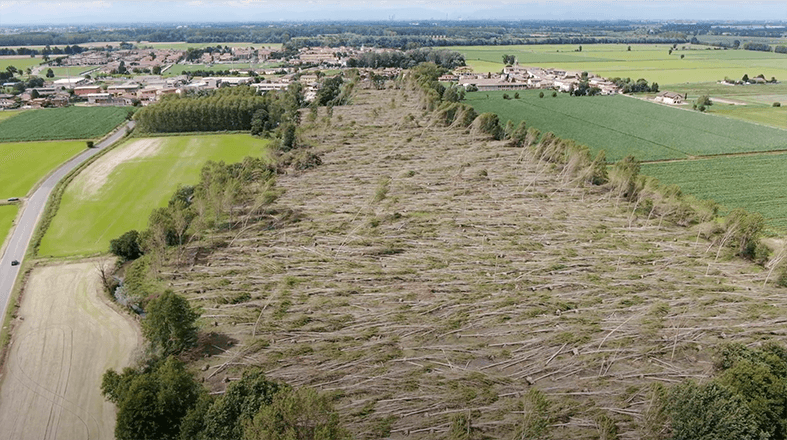
Giussago: the forest razed to the ground by bad weather
    MaltempoTempesta VaiaBiodiversityMonocultures

    Giussago: the forest razed to the ground by bad weather

    On 12 June, bad weather hit the province of Pavia hard: in Giussago, a poplar forest was uprooted by a whirlwind. But what are the causes and consequences of climatic disasters like this? What are the impacts on biodiversity? Find out more in this article.

    Read the article
    24/06/2024Of 3Bee, Lisa Santillo
    345 Views
    24/06/2024Of 3Bee, Lisa Santillo
    345 Views

    Bad weather in Pavia: the forest uprooted

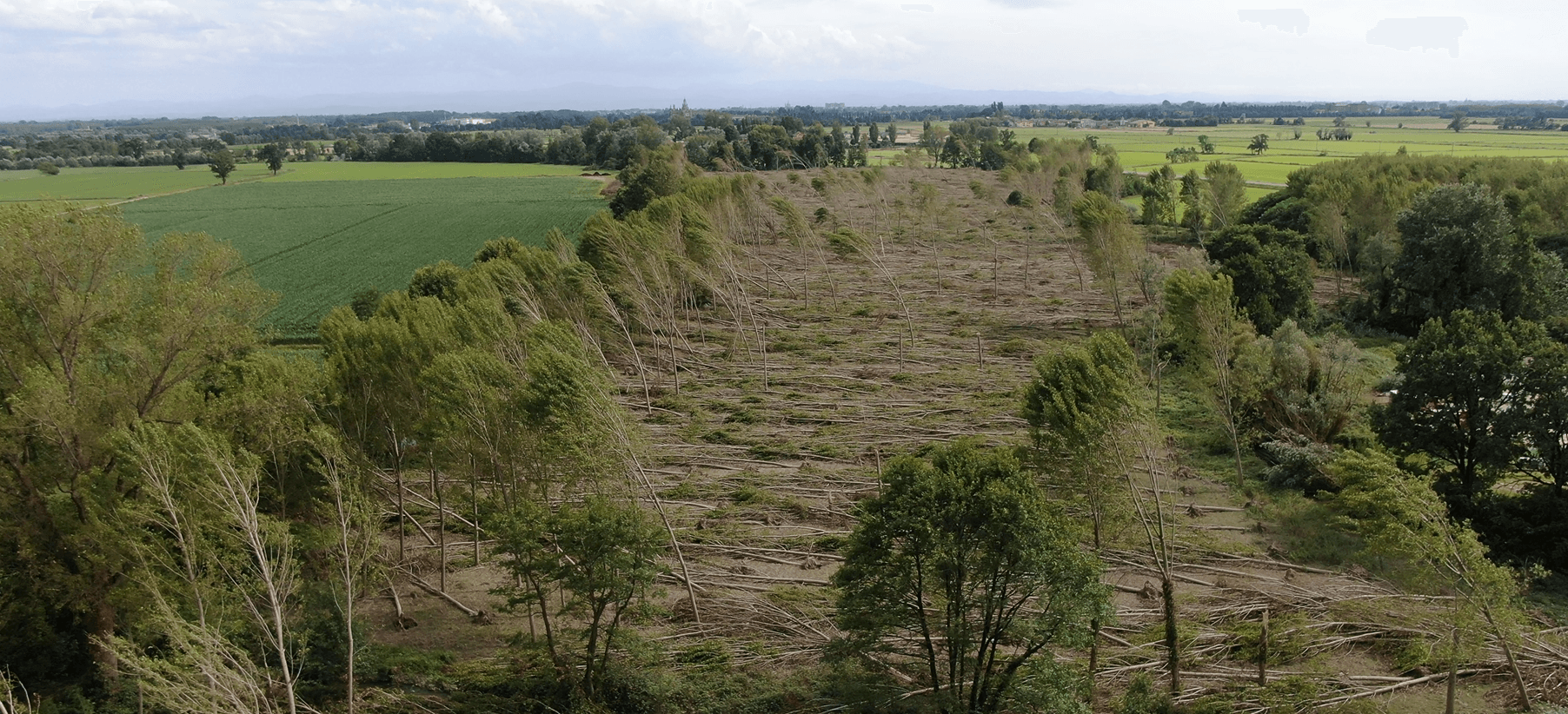
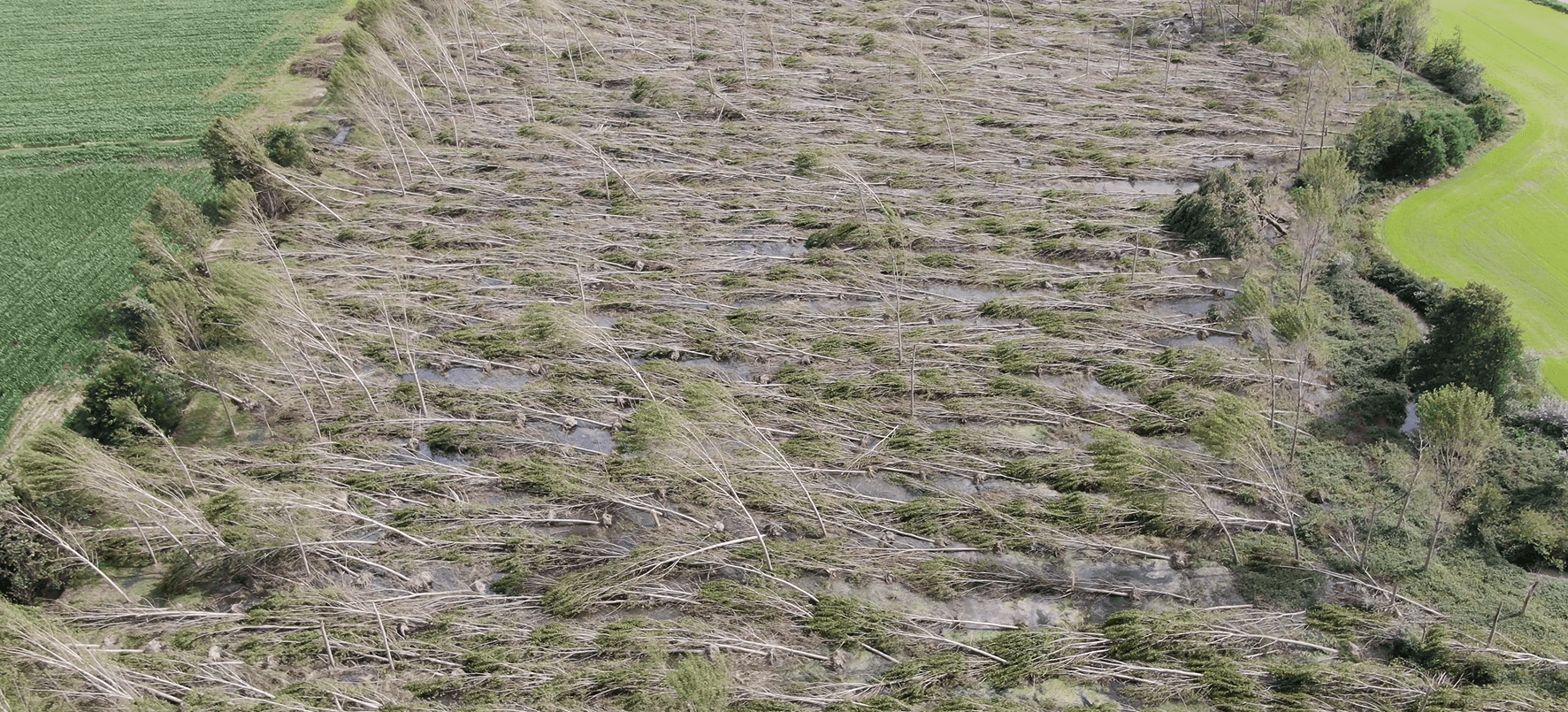
    The bad weather hit the province of Pavia hard on 12 June, with a violent thunderstorm and strong gusts of wind. Lomellina was the worst affected area, with significant damage in the hamlet of Casatico di Giussago. Here, an entire poplar forest was uprooted by a whirlwind: residents and firefighters were mobilised to carry out rescue and safety operations. Some buildings were overturned, and there were numerous floods in the areas of Rosasco, Robbio and Sant'Angelo Lomellina. Pavia also recorded falling trees, with several dangerous plants.
    pioppi giussago

    Giussago: fallen poplars recall the Vaia storm

    The climate disaster that struck the Pavia area is reminiscent of that of the Tempesta Vaia, when entire spruce forests were devastated by high winds. In that case, too, trees that once represented the backbone of forest ecosystems turned out to be vulnerable, snapping like toothpicks in the face of the fury of nature. Hence the urgency of rethinking the management of our ecosystems to make them more resilient. It is crucial to promote the regeneration of biodiversity, as only a diverse environment can better withstand extreme weather events and reduce the risks of future environmental catastrophes.

    XNatura

    The impact of climate change on biodiversity

    As stated by the MASE, climate change affects animal and plant species in a myriad of interrelated ways. The categories of impacts that can be identified are diverse: areas with favourable climatic conditions for a species - the so-called 'climate space' - shift, forcing species to change their geographical distribution; the synchrony between the breeding season and food availability for many migratory species is altered, causing critical misalignments; extreme weather events can cause the death of animals due to heat, cold, floods and lack of food, resulting in adverse effects. The spread of invasive species and pathogens, facilitated by climate change, can substantially alter animal and plant communities; the adaptation of human communities to climate change involves changes in the management of water, forests and agricultural land.

    pioppeto sradicato

    Monocultures: a threat to biodiversity

    Monoculture refers to the agricultural practice of cultivating a single plant species over large areas for extended periods. This method, while efficient for large-scale production, has a negative impact on biodiversity and the environment, as it reduces the variety of habitats available, limiting the presence of different species of animals and plants. The lack of genetic diversity makes crops more vulnerable to pests and diseases, requiring intensive use of pesticides and fertilisers that can further damage the environment, as demonstrated by a number of scientific studies. Moreover, this approach can lead to significant degradation of soil and water resources, compromising the health of ecosystems. The biodiversity is therefore crucial to maintaining resilient ecosystems capable of supporting a wide range of organisms and adapting to extreme weather events caused by climate change.

    XNatura

    Oasis 3Bee for climate resilience

    Extreme events such as the one in Giussago are unfortunately becoming more frequent and intense. The plant biodiversity is under threat and the entire ecosystem could be severely damaged. We can no longer grow forests of monocultures, we must create a harmonious landscape, but above all a true biodiversity resilient to climate and weather events. How? With the Oases 3Bee of Biodiversity: spaces dedicated to the protection of local biodiversity and the pollinator insects, monitored via technology. Oases represent valuable environments, designed to protect and preserve the richness of wildlife, where nature and technology come together. A first step towards climate resilience, which also contributes to the reduction of the heat island effect. Want to know more?

    3Bee
    24/06/2024Of 3Bee, Lisa Santillo
    345 Views
    Newsletter
    newsletter
    Subscribe to the Blog about bees and biodiversity

    Frequently Asked Questions

    Do you have any doubts or other curiosities about this article? Here you will find some insights