Galapagos: new hope against invasive alien species
    InvasionAlien speciesFloreanaReintroduction

    Galapagos: new hope against invasive alien species

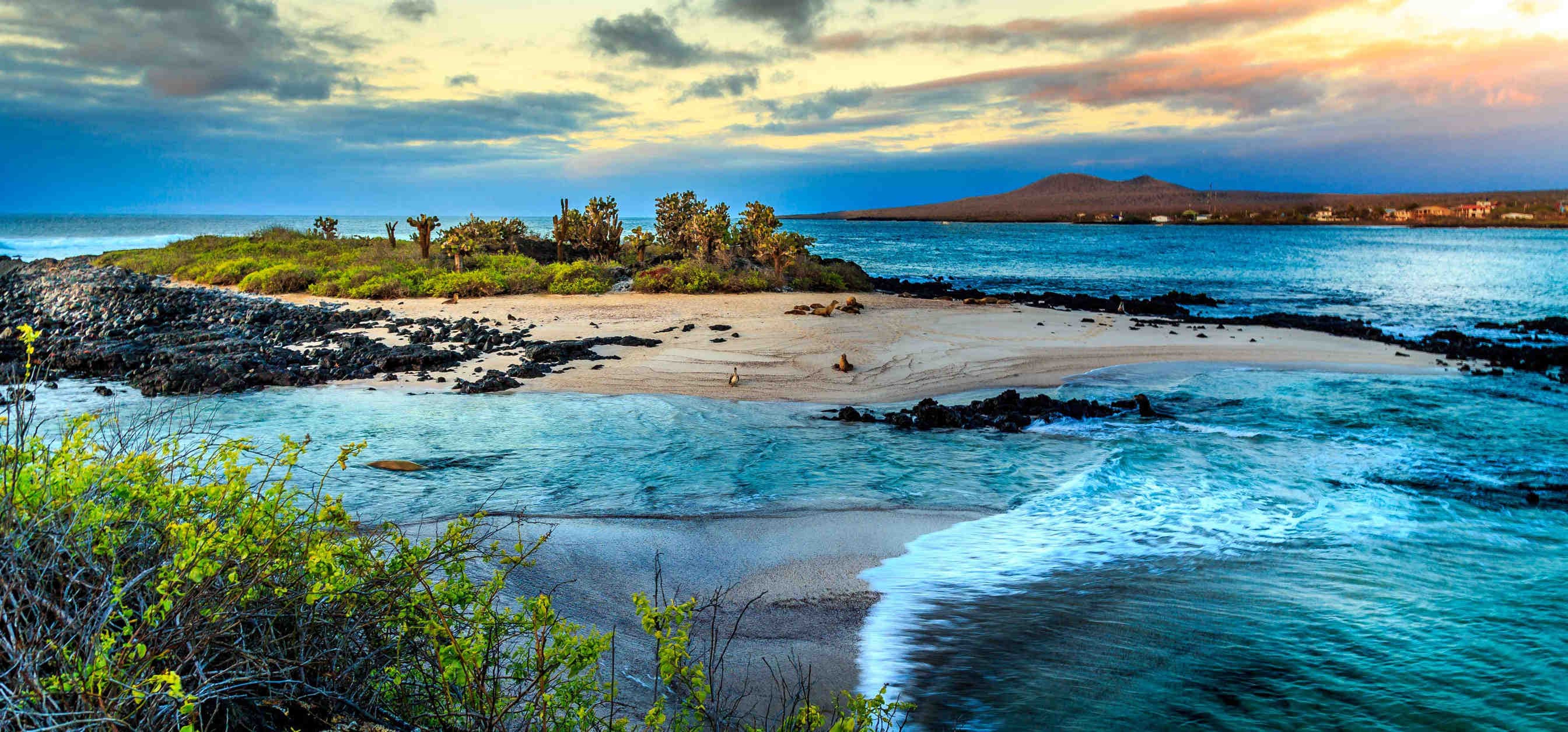
    In the Galapagos archipelago, an innovative ecological restoration and alien species eradication project represents a real hope of survival for several species including Darwin's finches.

    Read the article
    12/06/2024Of 3Bee, Valeria Barbi
    272 Views
    12/06/2024Of 3Bee, Valeria Barbi
    272 Views

    An invasion that has distant roots

    Situated more than 1300 kilometres off the coast of Ecuador, one of the smallest countries - in terms of size - on the South American continent, the Galapagos Archipelago has always attracted the curiosity and hunger for riches of adventurers, hunters and researchers, interested in unravelling its evolutionary secrets or capturing its precious resources. A stream of visitors began back in 1535 with the then bishop of Panama, Tomas de Berlenga, who set off for Peru and landed in what is considered a veritable paradise on earth, rich in a biodiversity that is unique in the world. Since then, in the last 489 years, another category of visitor has also arrived on the islands: no less than 1579 alien species introduced, voluntarily or by mistake, by human beings.
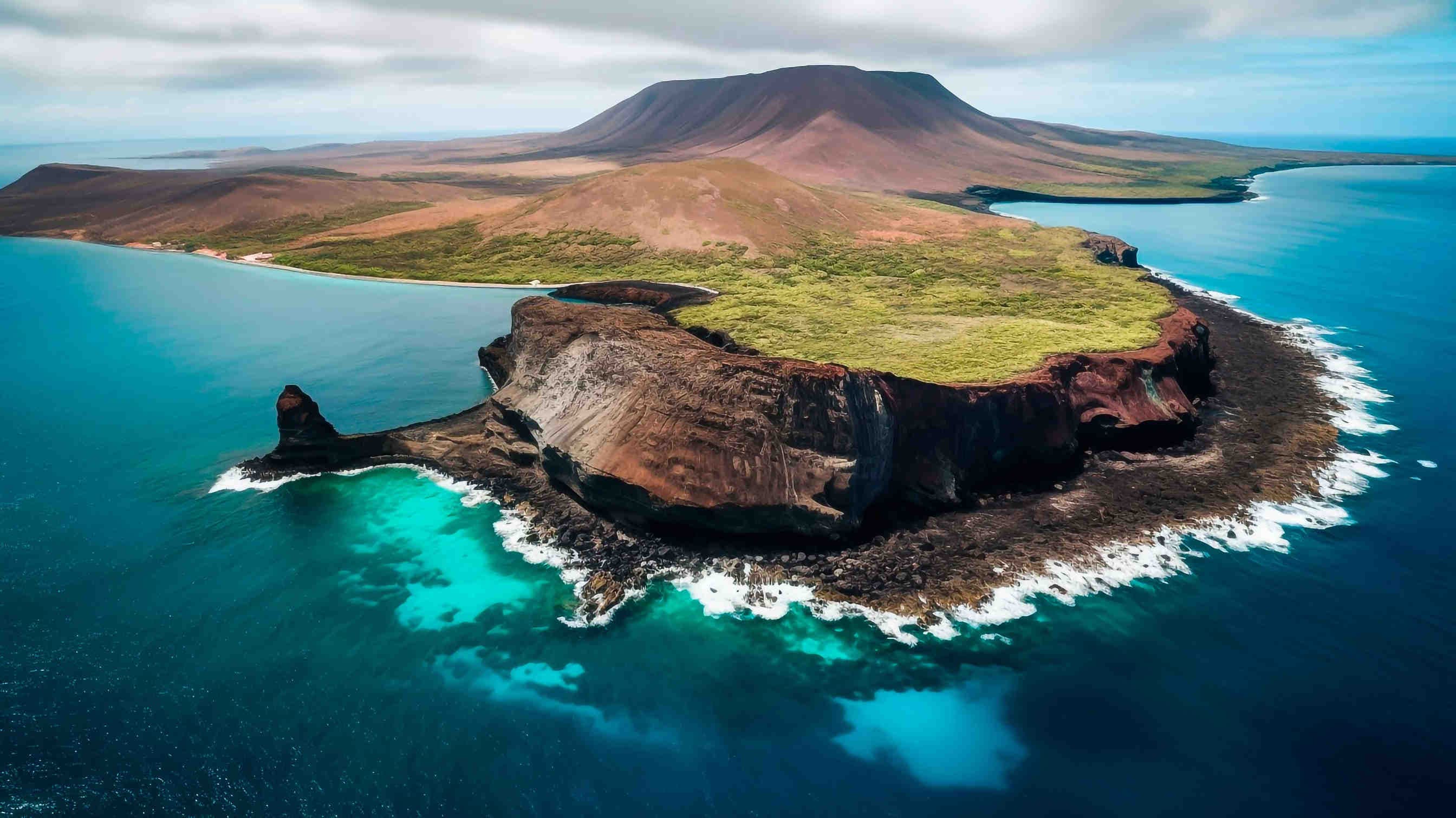
    arcipelago delle galapagos

    Eradicating alien species to save native ones

    For this reason, in recent years, the Galapagos have been at the centre of an ambitious ecosystem restoration and alien species eradication project that has at its centre the island of Floreana, the sixth largest in the entire archipelago. The Floreana Island Restoration Project is coordinated by the Galapagos National Park Authority and the Galapagos Biosecurity Agency, with support from the Jocotoco Conservation Foundation, the Island Conservation and the Charles Darwin Foundation in partnership with the Durrell Wildlife Conservation Trust, Galapagos Conservation Trust, and the active collaboration of the island's community of inhabitants.

    Eradicating alien species to save native ones
    XNatura

    The situation in Floreana

    Since the colonisation of the island, the introduction of invasive species has had such devastating effects on the local fauna that, today, 55 native vertebrate species are listed on the IUCN red list as Vulnerable or Critically Endangered. Recent research has shown a reproductive failure rate of 90% among bird species living on the island. This is why, in addition to the eradication of invasive ones, the project - which took more than a decade of painstaking planning - aims to reintroduce 12 native species, including the Floreana mimic (Mimus trifasciatus), the Small Vermilion Flycatcher (Pyrocephalus nanus) and the Giant Tortoise of Floreana (Chelonoidis niger niger), which disappeared in the 1840s-1950s due to over-exploitation by sailors and settlers, and the introduction of invasive species (goats, pigs, dogs, cats, donkeys and rodents) that preyed on their eggs and young.
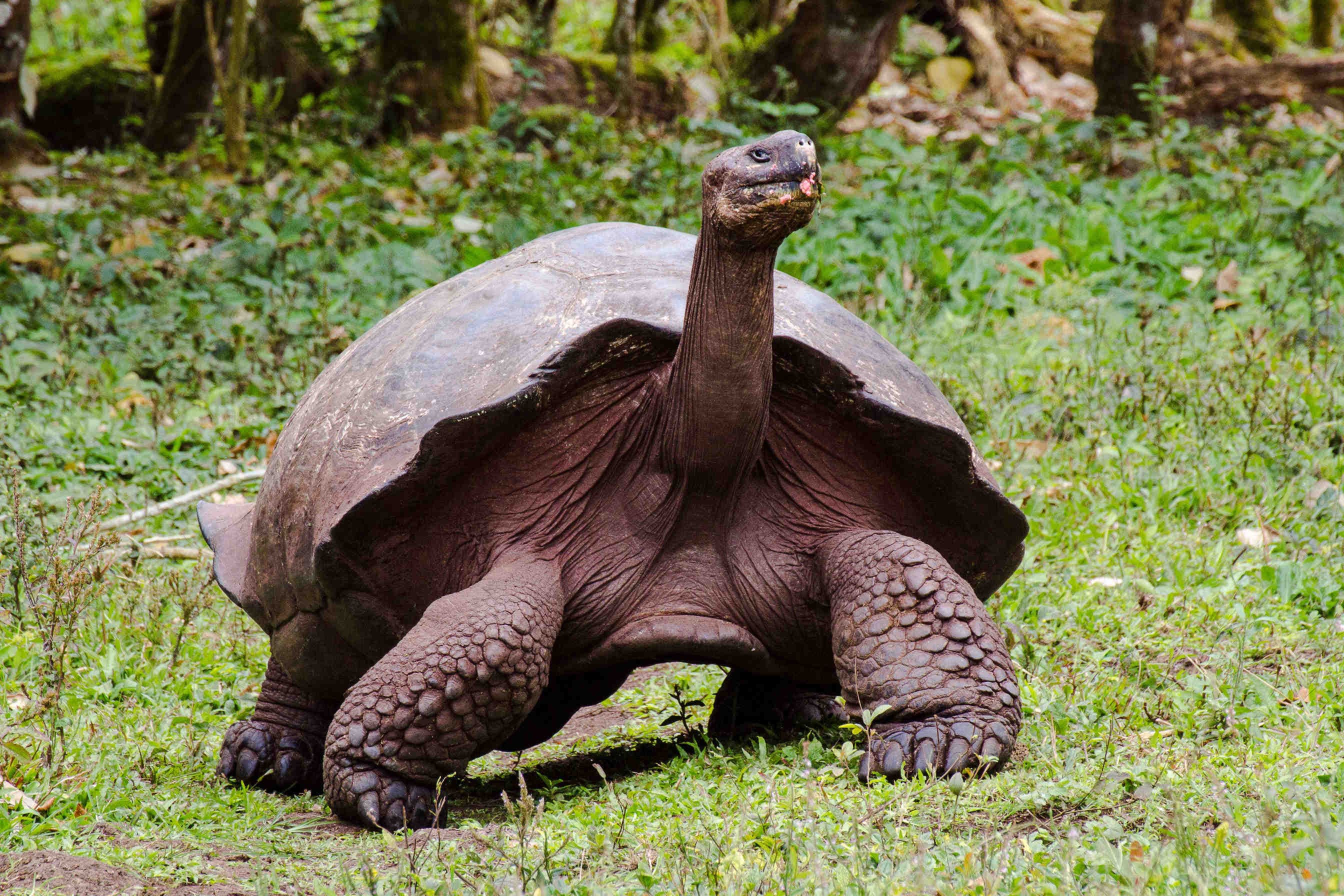
    tartaruga

    12 species waiting to go home

    "After the application of the control product for the eradication of alien species and the adoption of all mitigation measures to limit the risks on native ones, the reintroduction is one of the most important phases of the project and has not yet officially started," explains Maria Isabel Grijalva, communication manager of the Jocotoco Foundation. "However, we are confident that we can start it in 2024 starting with the giant tortoise. Afterwards, as the ecosystem recovers, the other 12 species that the project has identified for reintroduction will be released, such as the Galapagos Racer Snake (Pseudalsophis biseralis biseralis), five finch species the barn owl (Tyto furcata punctatissima), the Sooty Gull (Leucophaeus fuliginosus), the Galapagos hawk (Buteo galapagoensis), and the Little Vermilion Flycatcher (Pyrocephalus nanus), in a process that will take at least seven years'.
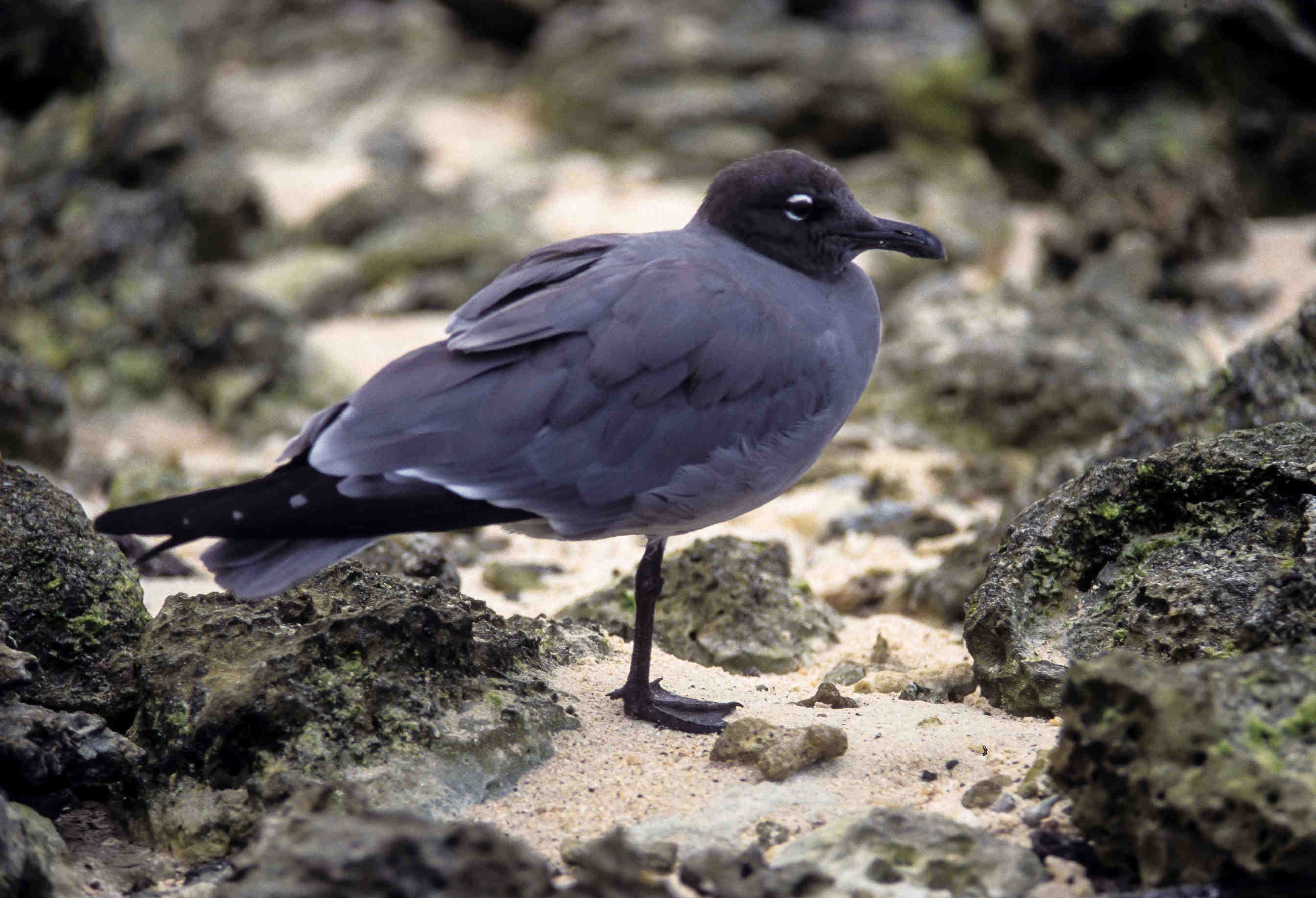
    12 species waiting to go home
    XNatura

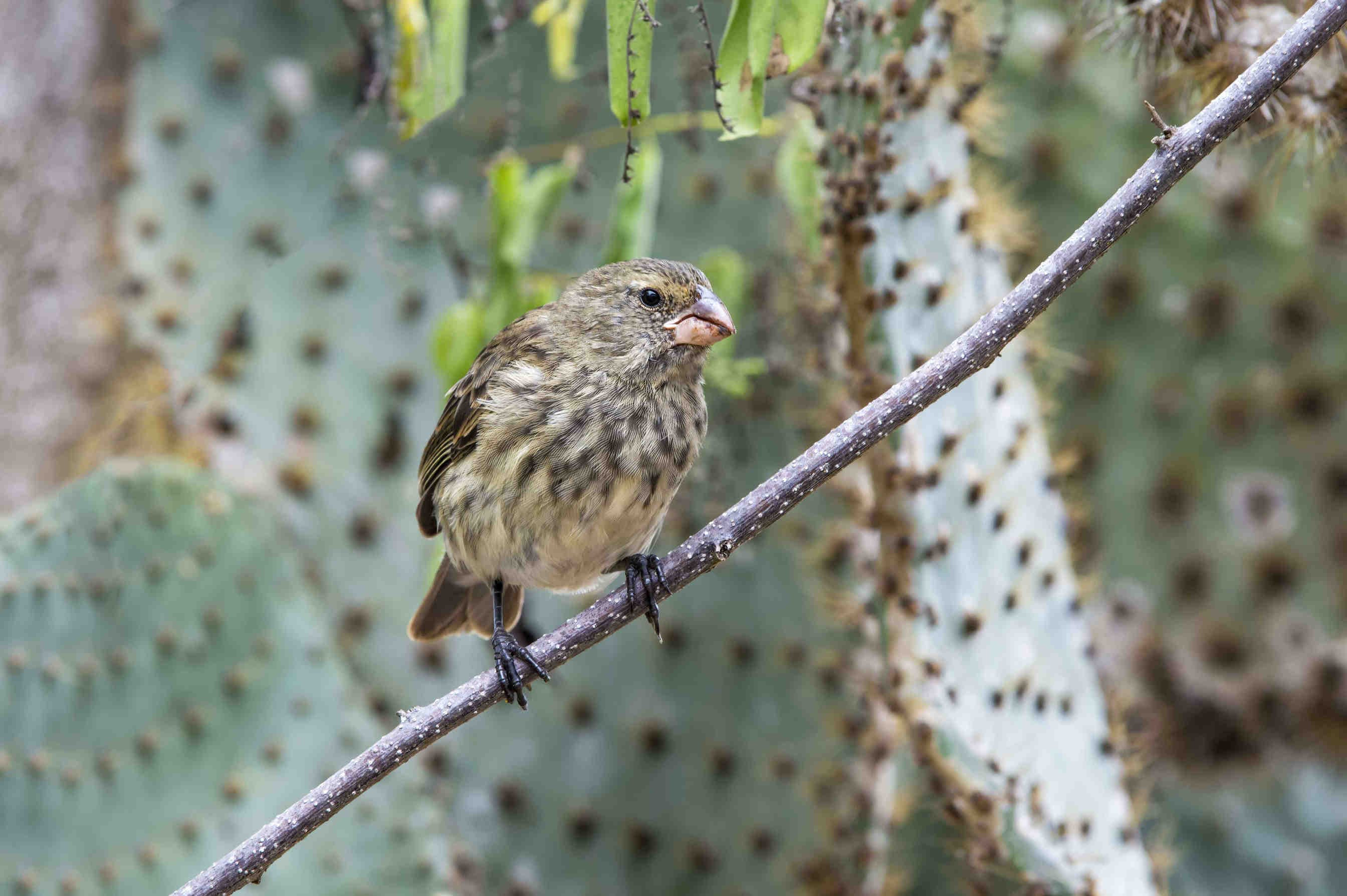
    Darwin's finches fly back to Floreana

    After months spent in large aviaries to prevent them from coming into contact with the chemicals used to eradicate the alien species, the last group of a total of 510 finches, comprising five native species, was released on 22 February 2024. A crucial moment in the journey to restore the island's biodiversity. "We built aviaries in Floreana and worked in collaboration with institutions experienced in bird conservation. These aviaries were carefully designed to replicate the birds' natural habitat and ensure their well-being during captivity, while eliminating invasive species," explains Victor Carrion, coordinator of the restoration project on Jocotoco Island. "First, a small test group was released and when, after a few days, we certified that they were doing well and had even started nesting and breeding, we released the remaining finches."
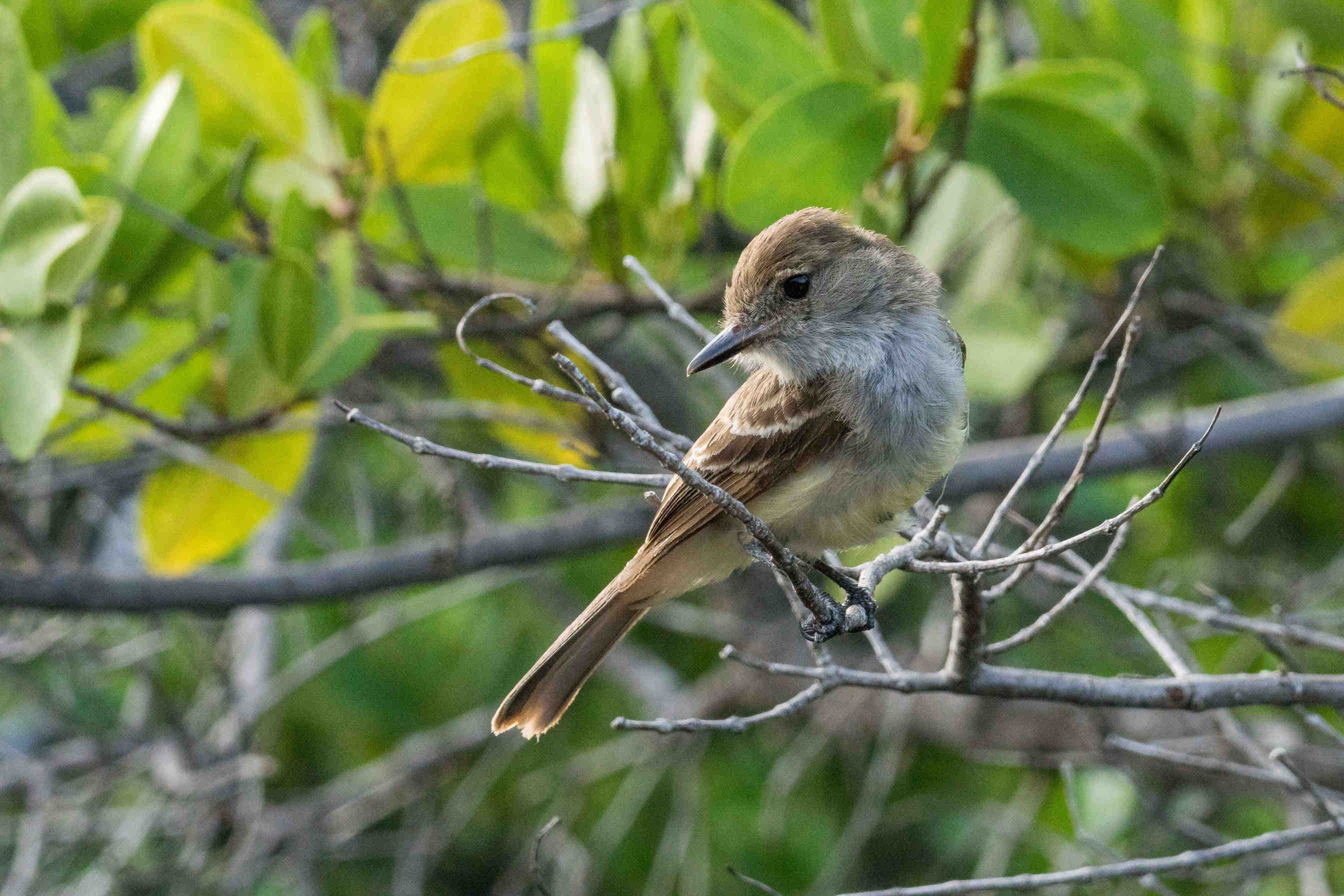
    Darwin's finches fly back to Floreana
    3Bee

    A key role in the health of ecosystems

    The Galapagos is home to 17 species of Darwin's finches, which have gone down in history for the unwitting contribution they made to the definition of the theory of evolution by the famous English biologist and naturalist who sailed aboard the Beagle and landed in the archipelago on 8 October 1835. These birds, including the Charles's Medium Arboreal Finch (Camarhynchus pauper), endemic to Floreana and seriously threatened with extinction, play a vital role in their habitat as pollinators, seed dispersers and natural insect control agents, contributing to the general health and balance of the islands' ecosystem. The medium finch is particularly rare and valuable: it is found only in the Scalesia forests of the Floreana highlands and is listed in the IUCN Red List as critically endangered.

    A key role in the health of ecosystems

    The avian vampire fly

    Among the factors that are causing its disappearance is the presence of the parasitic fly Philornis Downsi (photo by J. O'Connor, CC BY 3.0, via Wikimedia Commons), an invasive alien species introduced unwittingly by humans while transporting fruit shipments from the continent. Its larvae feed on the blood of finch chicks to such an extent that, according to Paula Lahuatte, a Charles Darwin Foundation researcher studying the physiology and habits of the avian vampire fly, only 6% of active nests are currently producing young. In the absence of chaffinch nests, the yellow parula (Dendroica petechia aureola) is reportedly becoming the main host species for P. downsi Hence, the importance of adopting eradication strategies such as the use of permethrin-treated feather dispensers and growth regulators for the insects, approaches that have proven particularly effective during drought years.
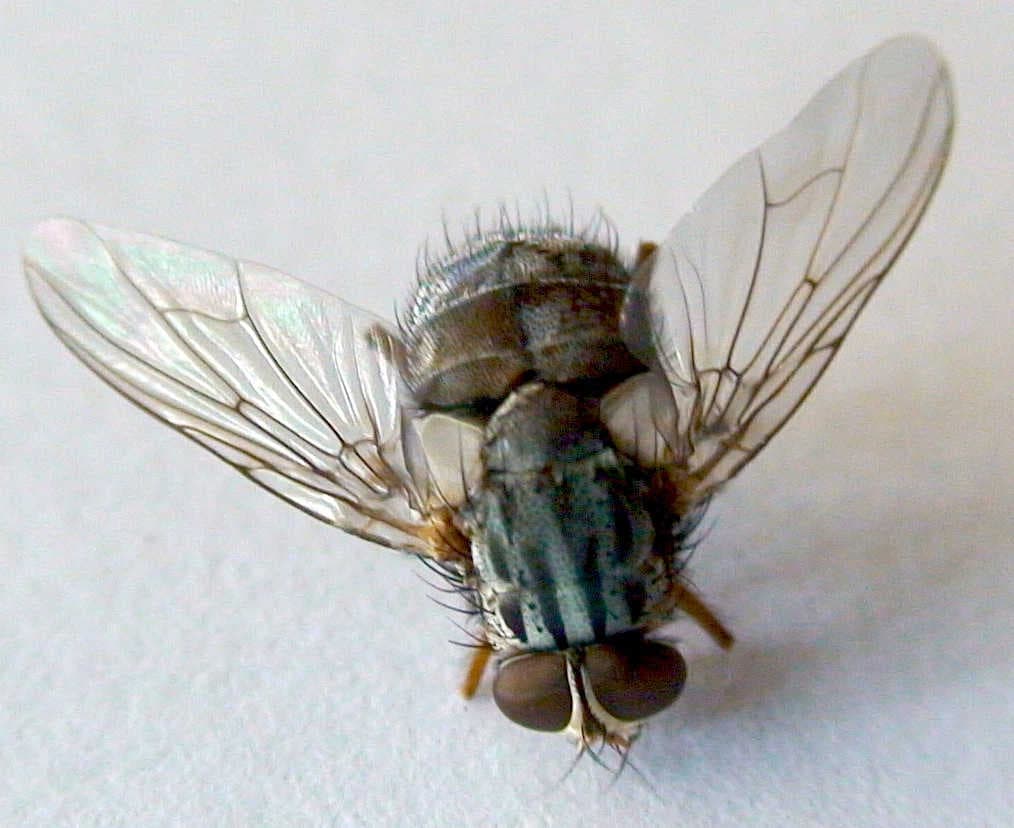
    The avian vampire fly

    Aliens are among us

    More than 37,000 alien species have been introduced by human activities in all regions and biomes of the Earth. 20% of all impacts have been reported on islands where they have contributed to 86% of extinctions on a global basis. In addition to the dramatic loss at the biological level, the invasive alien species cost the world at least $423 billion each year and have become one of the top five threats to the diversity of life on Earth, along with climate change, pollution, overexploitation and habitat loss. More than one out of every nine avian species would suffer, so much so that these animals are estimated to be part of the largest wave of human-led vertebrate extinctions. Nevertheless, this conservation success story in the Galápagos bodes well and joins a list of similar efforts, focused on ecological restoration, throughout Latin America, from Colombia to Tierra del Fuego.
    Aliens are among us
    12/06/2024Of 3Bee, Valeria Barbi
    272 Views
    Newsletter
    newsletter
    Subscribe to the Blog about bees and biodiversity

    Frequently Asked Questions

    Do you have any doubts or other curiosities about this article? Here you will find some insights