Heavy rain and flooding. Extreme events affecting man and biodiversity
    ScenarioNewsConsequencesBiodiversity

    Heavy rain and flooding. Extreme events affecting man and biodiversity

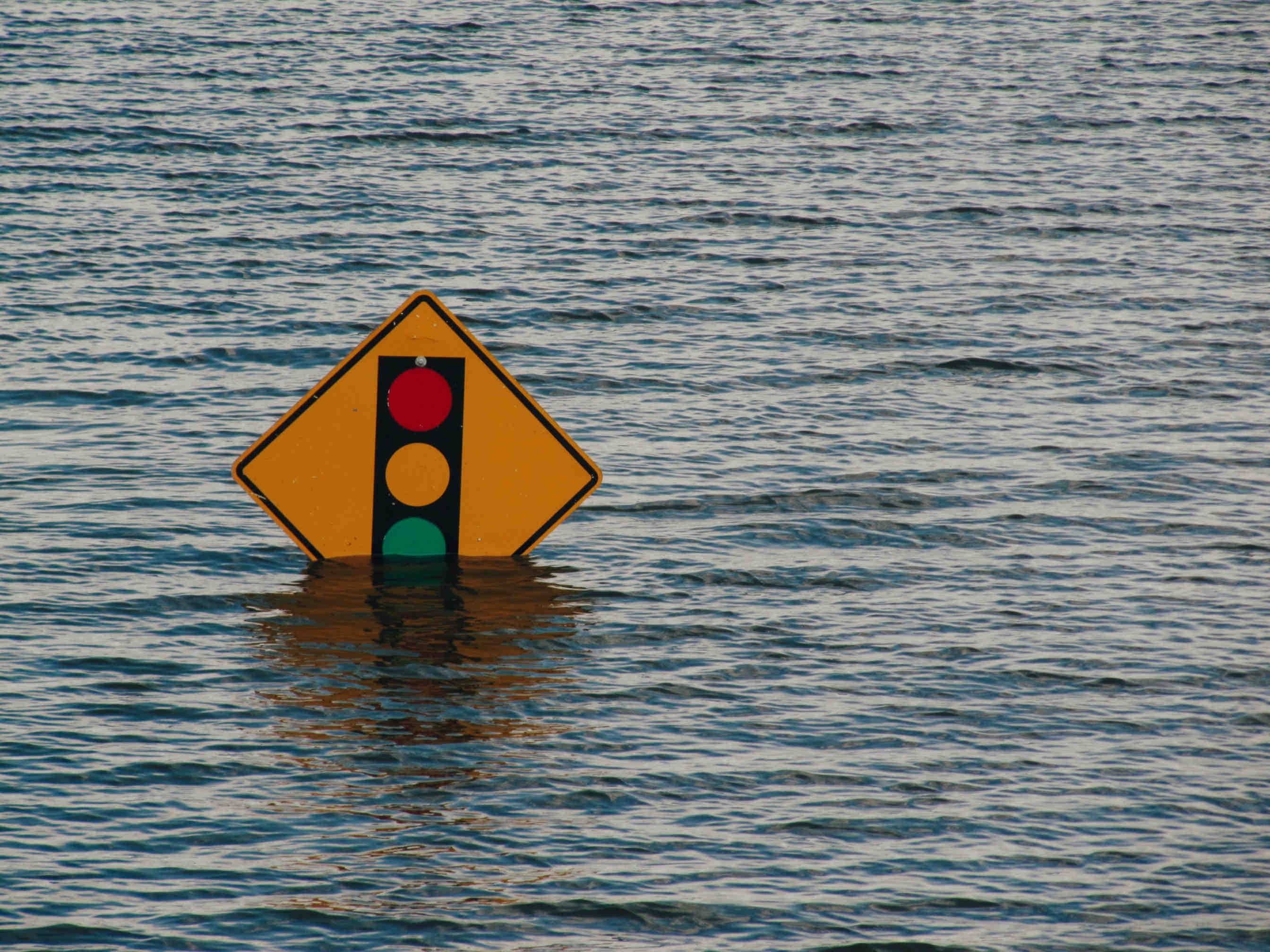
    Flooding, landslides and floods are occurring with increasing frequency and with the character of extreme events. Intensified also due to climate change, these phenomena not only cause inconvenience to the population, but also damage soils, which are precious for the resilience of the territory.

    Read the article
    16/10/2024Of 3Bee, Luca Rossi
    541 Views
    16/10/2024Of 3Bee, Luca Rossi
    541 Views

    The Growing Threat of Floods

    Disclaimer: this is an automated translation from Italian. Go to the original article.

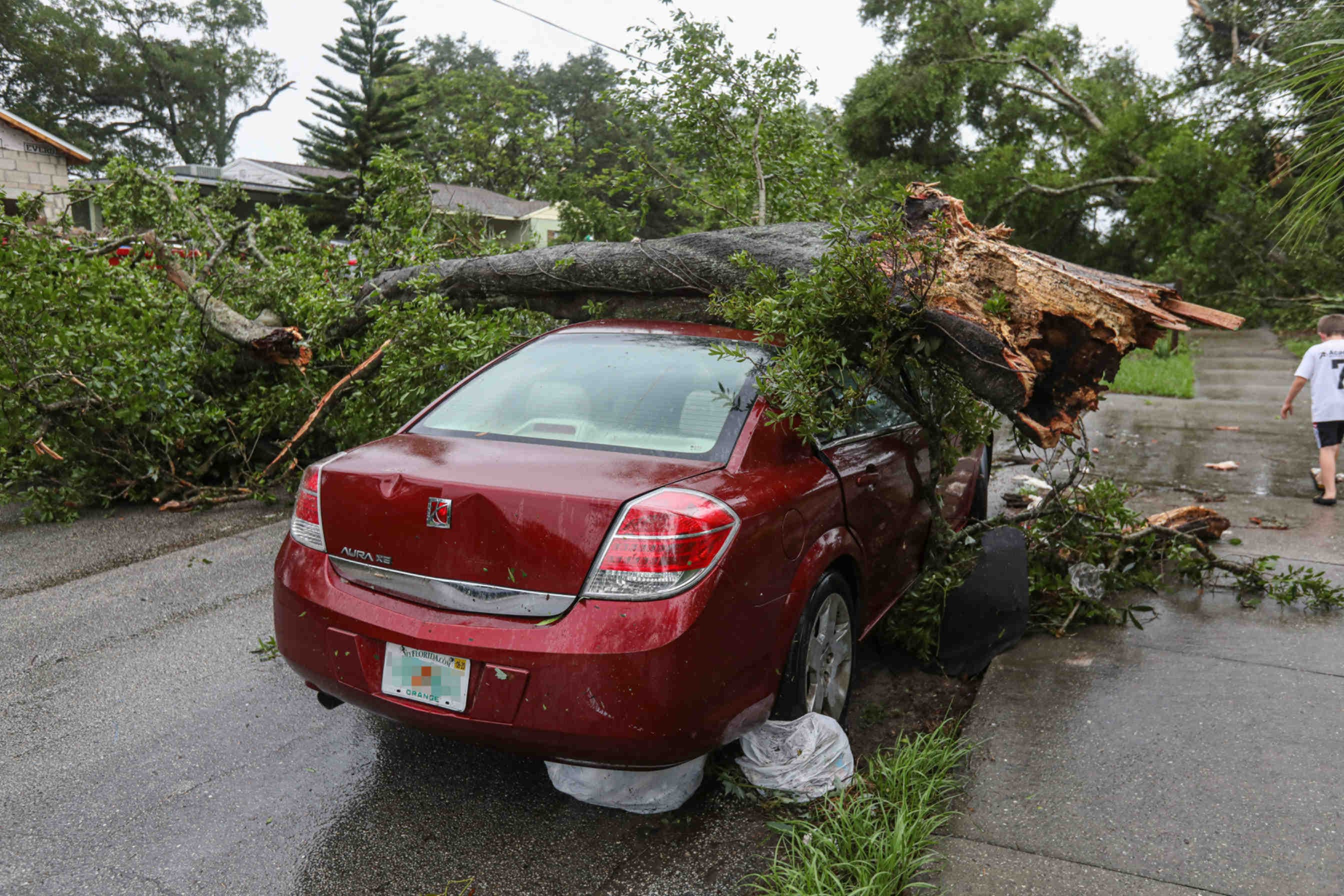
    In recent years, the phenomenon of heavy rainfall and flooding has assumed worrying proportions, raising questions about our ability to adapt to and manage these emergencies. These events, increasingly frequent and intense due to climate change, not only put human life and infrastructure at risk, but also have serious consequences on biodiversity. The rise in global temperatures leads to increased evaporation, generating more water vapour in the atmosphere. This phenomenon creates the conditions for heavy rainfall concentrated in short periods. According to the IPCC (Intergovernmental Panel on Climate Change), extreme events are expected to increase during the 21st century, with all the consequences. The most recent example is Florida (US), which, although accustomed to hurricanes and flooding, was hit at extraordinarily close range in early October by two hurricanes, Helene and Milt
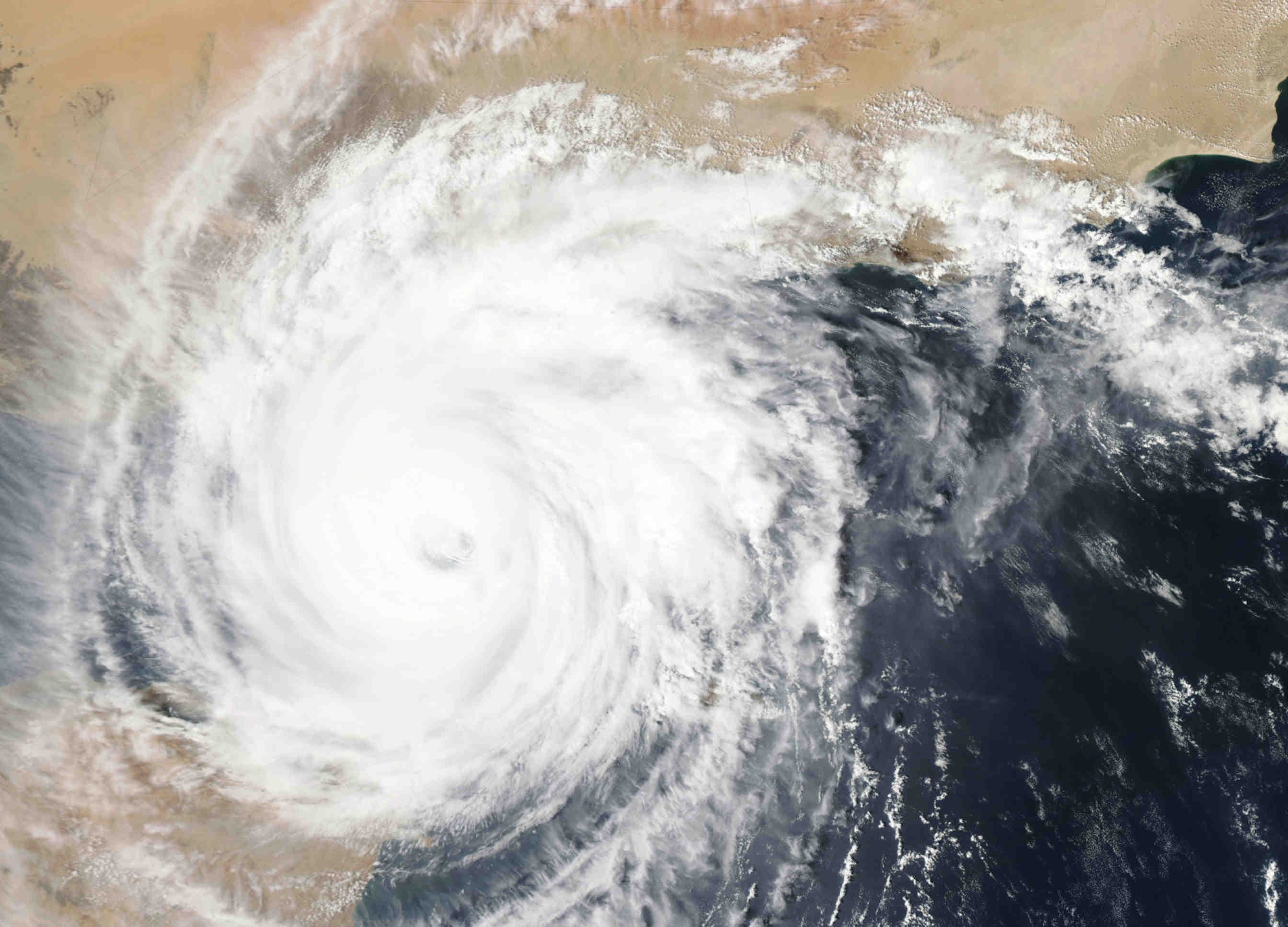
    uragano

    Root Causes of Extreme Weather Events

    A few weeks earlier than what was seen in the United States, Central and Eastern Europe also had its problems at the gates of autumn, with rainfall that broke all-time records in the space of four days. Italy was no exception, with Emilia Romagna which, devastated by the last two floods of September and October 2024, counts four floods in the space of 17 months, with damage on all fronts. These topical examples make us reflect on how, alongside climate change, other conditions, often attributable to anthropisation, also contribute to exposing the territory to extreme events. Over-urbanisation, with asphalt and impermeable infrastructure, and unsustainable land use further exacerbate the risk of extreme events.
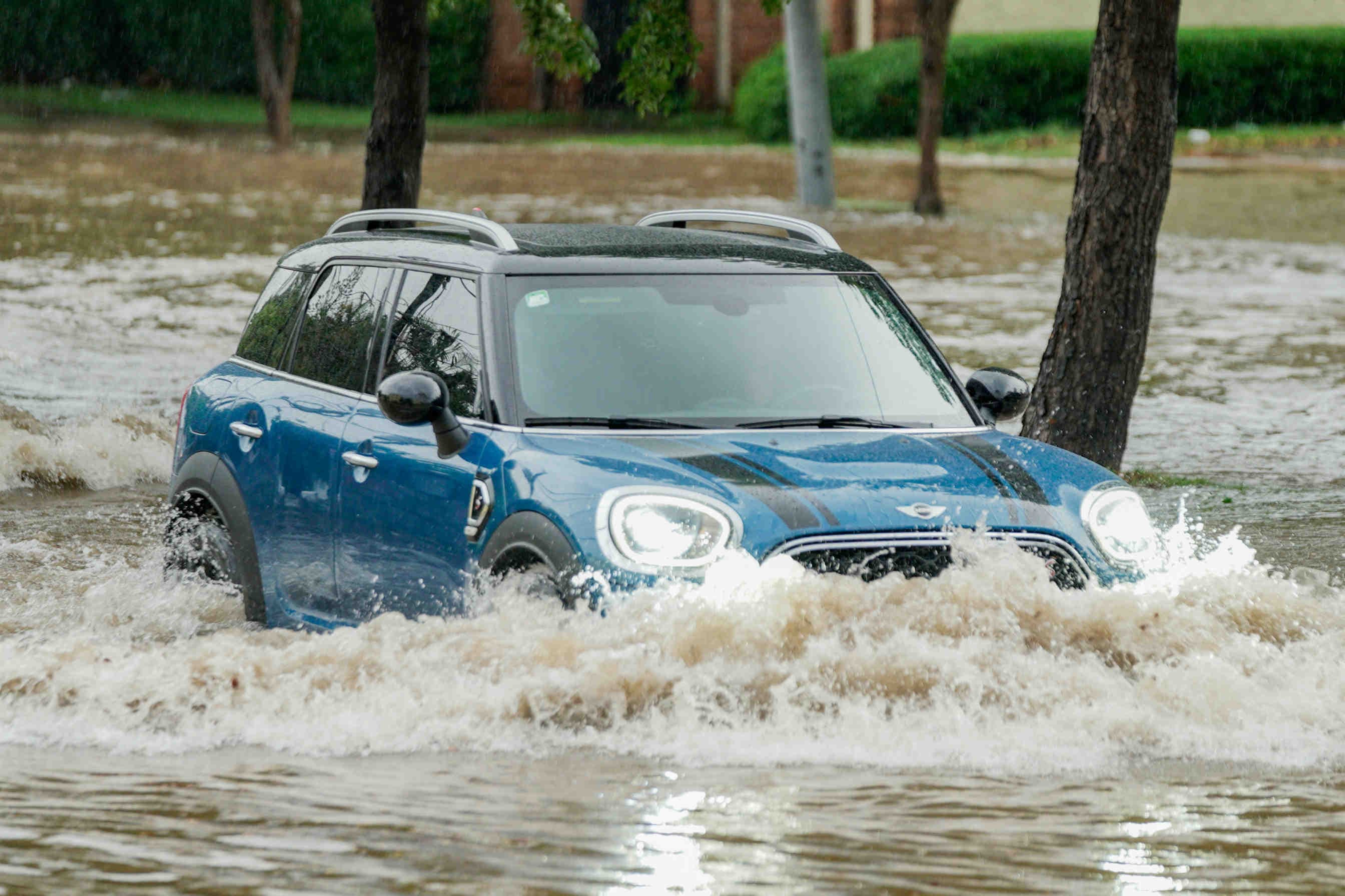
    auto in acqua
    XNatura

    Immediate Consequences of Flooding on the Environment

    When rainwater exceeds the drainage capacity of soil and watercourses, it accumulates in normally dry areas. Among the first consequences of a flood is soil erosion: the force of moving water can wash away and remove fertile soil, reducing the agricultural capacity of the affected land. This not only affects food production, but also has a negative impact on the biodiversity of the soil itself, which is crucial for healthy ecosystems. Also suffering damage are the freshwaters, which see heavy rainfall drawing pollutants, such as fertilisers, pesticides and urban waste, into the water resources. This pollution compromises water quality and severely damages aquatic life, leading to the death of fish and other species. In addition to aquatic habitats, other habitats such as forests and wetlands are also damaged in terms of loss of refuge availability for many species.
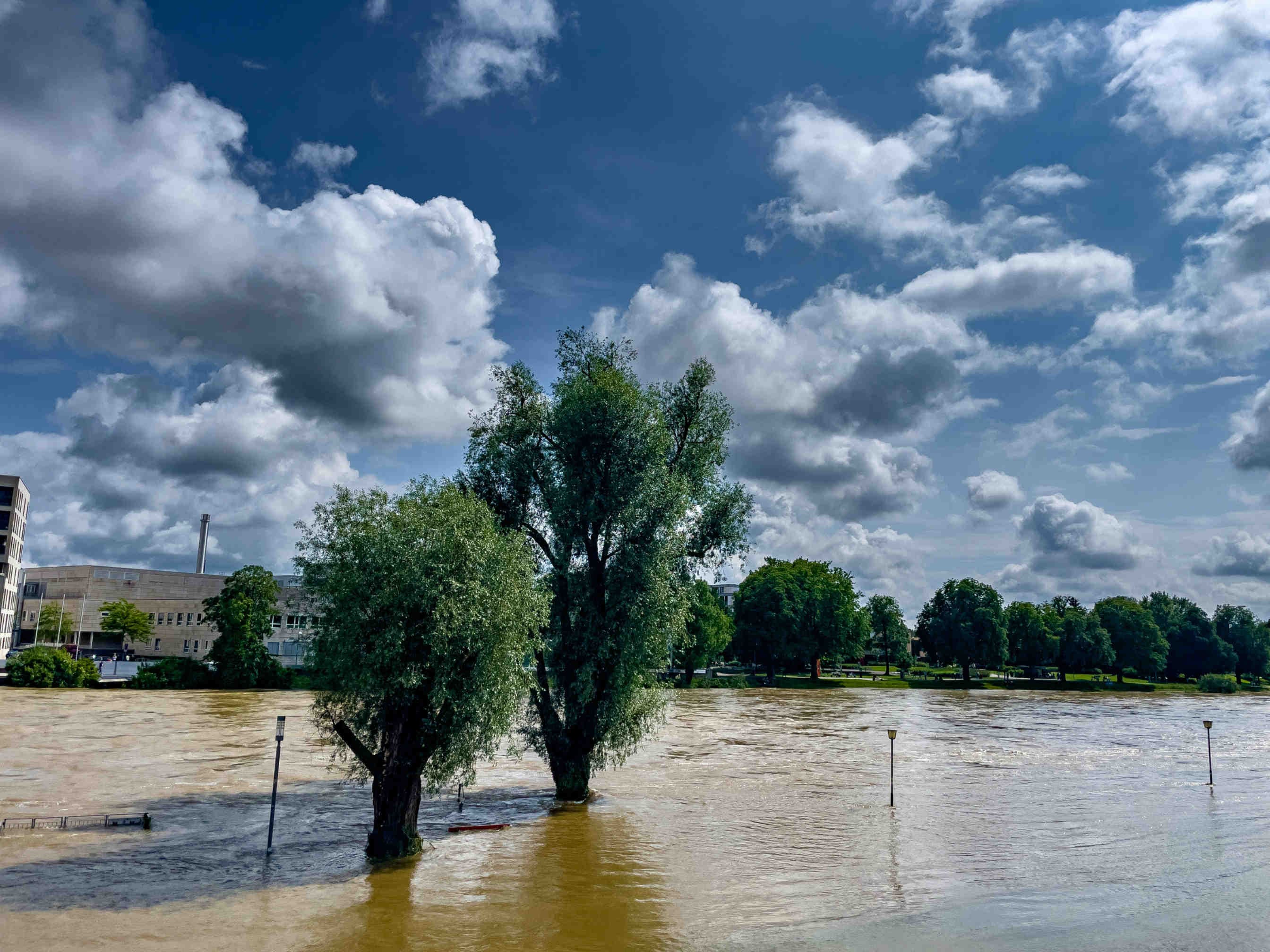
    alberature

    Long-term Impacts of Flooding on Biodiversity

    The consequences of heavy rain and flooding are not limited to immediate effects. In the long term, we may see profound changes in ecosystems such as species loss, where some organisms fail to adapt rapidly to changes in their habitat, leading to local or global extinctions. Biodiversity loss can have cascading effects on ecosystems, affecting species interactions and altering ecological dynamics. Indeed, the disappearance of key species, such as plants or predators, can also alter food chains and destabilise ecosystems. This can lead to an increase in populations of certain species, causing ecological imbalances. Already stressed ecosystems become more vulnerable to further threats, such as disease and future climate change, subject to a reduction in capacity to adapt to environmental stresses, increasing the risk of collapse.
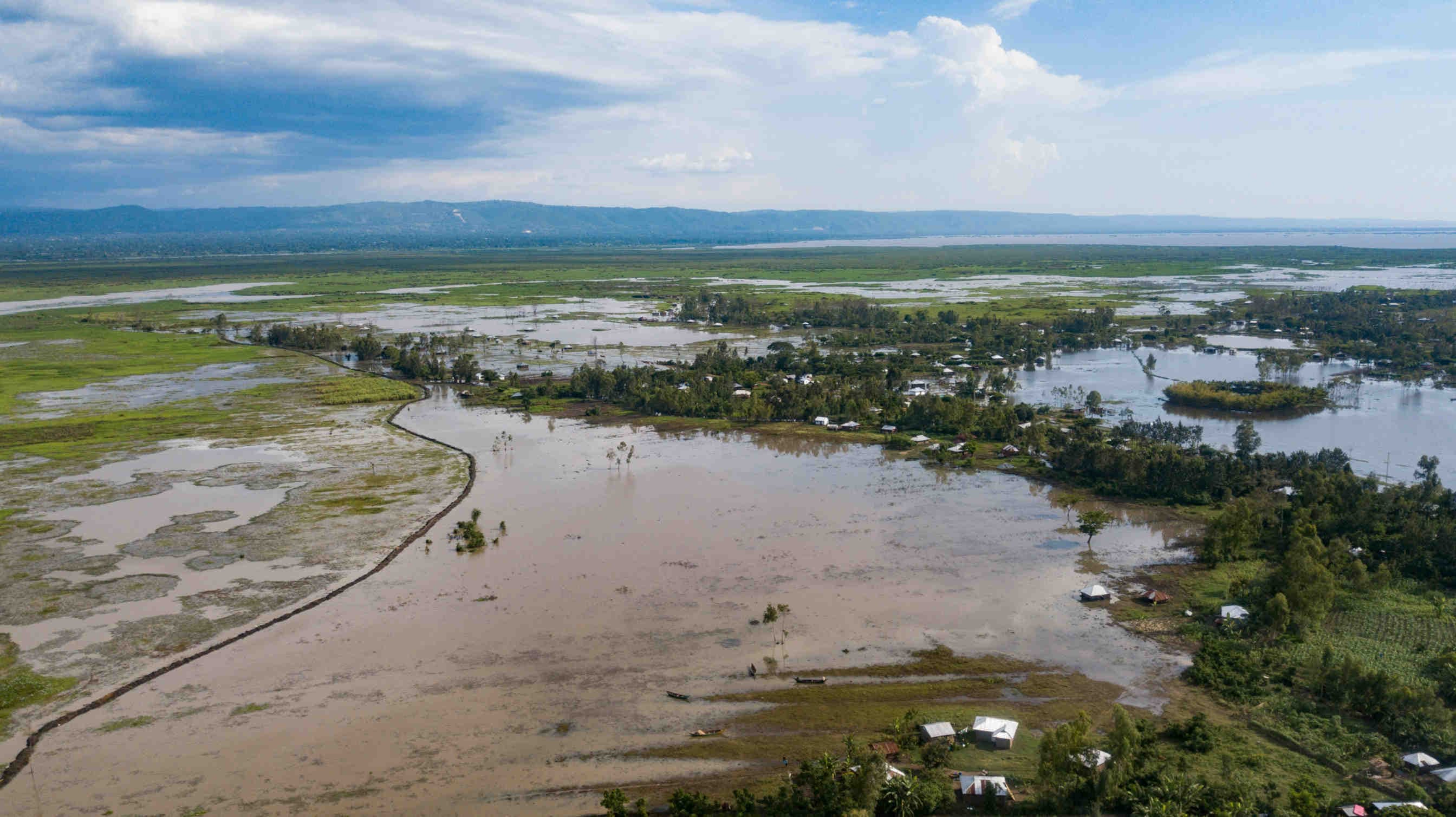
    inondazione
    XNatura

    Risks and Impacts on Essential Ecosystem Services

    Biodiversity plays crucial roles in human well-being and the health of the planet. Ecosystems rich in biodiversity provide essential ecosystem services, such as water purification, soil fertility and climate regulation. Wetlands, highly productive and vital ecosystems, are among the most precious allies in the regulation of extreme events. These environments act as natural sponges, absorbing excess water during heavy rains and slowly releasing it. The loss of wetlands due to urbanisation and intensive agriculture increases the risk of flooding and reduces the ability of ecosystems to manage rainfall. In addition, the increasingly frequent occurrence of extreme weather conditions represents a considerable threat to ecosystem services, which is still associated with insufficient research on recovery processes and mechanisms underlying ecosystem services after extreme events.
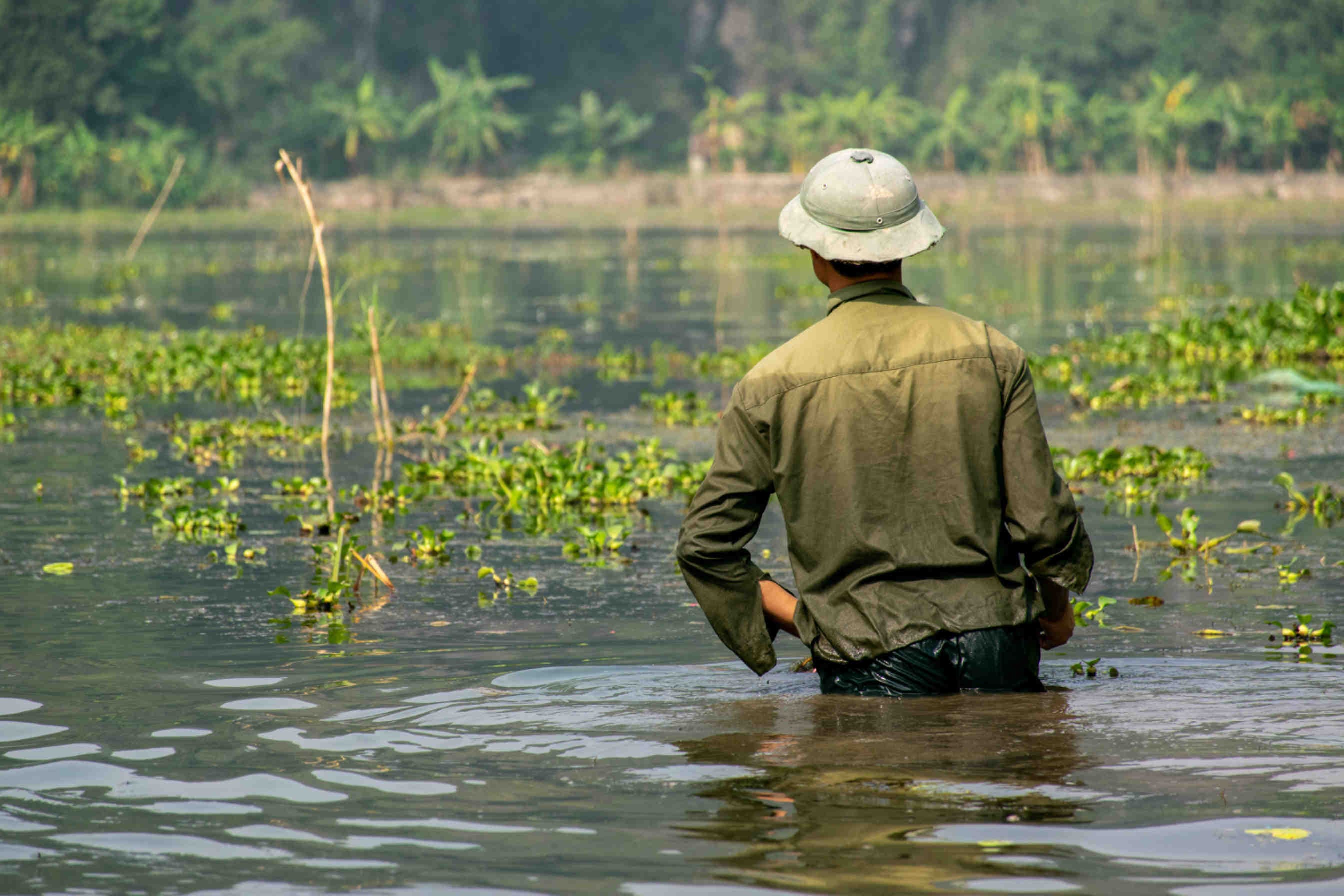
    uomo in acqua
    3Bee

    The value (also economic) of biodiversity

    The estimates indicate that the total annual value of ecosystem services has declined by at least $5 trillion per year since the late 1990s. This means that each year the world economy loses ecosystem services worth approximately 6% of global GDP, an amount roughly equivalent to the total market value of agricultural, forestry and fisheries production in 2019. Recent studies have shown how extreme floods result in losses in almost all categories of ecosystem services, with no discounts for terrestrial biodiversity (birds, mammals, reptiles, amphibians and insects). In particular, four main factors on which the degree of impact depends have been identified: the relationship between the duration of the flood and the survival time of the animals in it, the relationship between the depth of the flood and the height of the plants, the migration capacity of the animals, and temperature.

    albero schianto

    Addressing Social Dimensions of Flooding and Biodiversity

    It is crucial to recognise that heavy rains and floods disproportionately affect vulnerable communities, often already struggling due to economic and social factors. People living in at-risk areas often have limited access to resources and information needed to deal with these emergencies. It is therefore essential to involve communities in the planning and implementation of adaptation strategies, through raising awareness of flood risks and the importance of biodiversity to stimulate environmental responsibility and the adoption of good practices. The active participation of communities in natural resource management and urban planning can help create more effective solutions. Involving people in decision-making processes fosters greater awareness and responsibility for the environment.
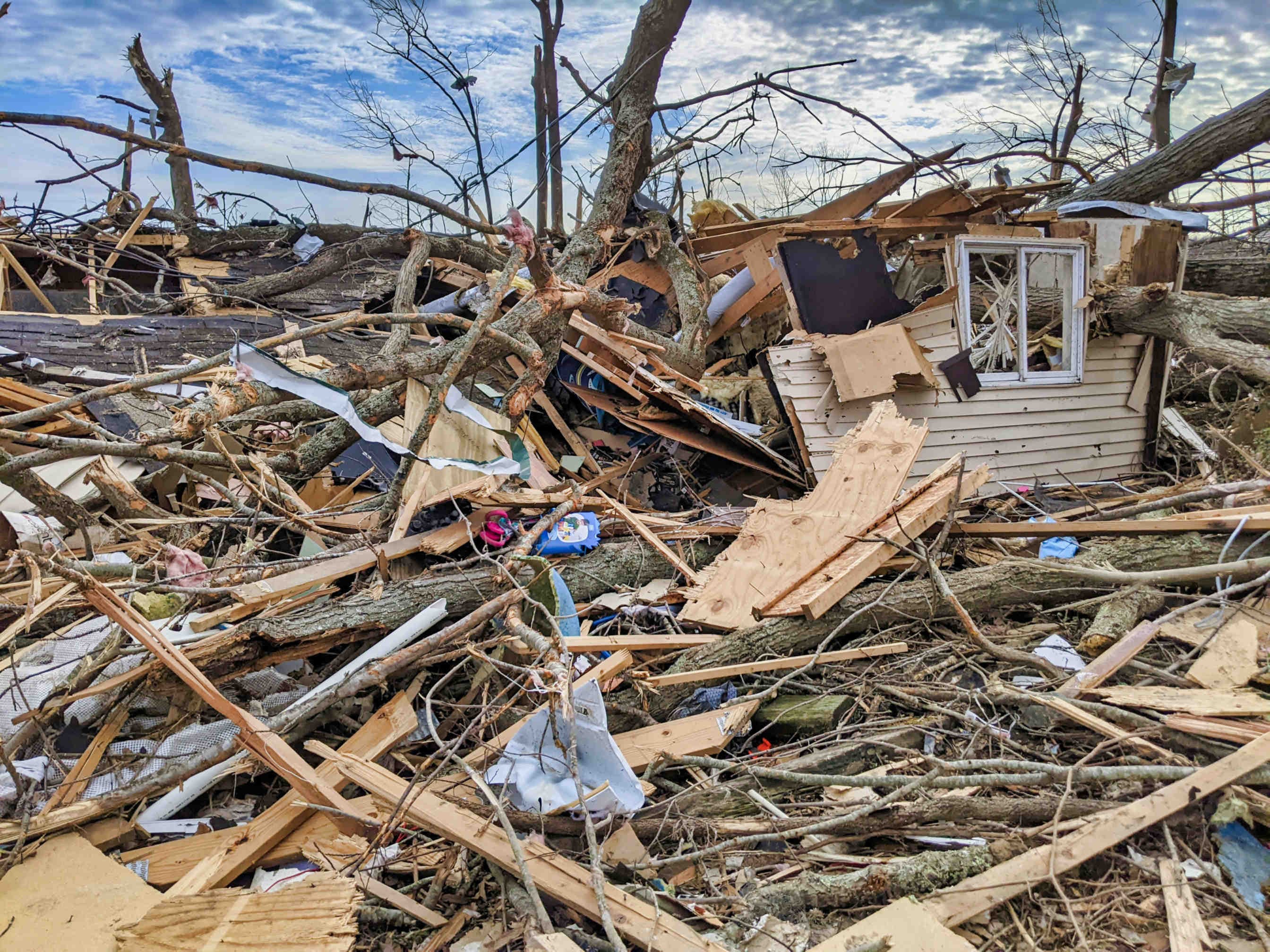
    casa distrutta

    Mitigation and adaptation strategies

    With the Taxonomy Regulation (2020/852), Europe also identified mitigation and adaptation as two of the key pillars for achieving sustainability goals. Addressing the risk of floods and their effects on biodiversity requires an integrated and multifactorial approach, with a view to both mitigating the causes of climate change and the tangible effects declined in extreme events, and adapting the territory and its infrastructures to a climate now compromised by human activities. Key strategies include reforestation and conservation of habitats, in order to retain water, reduce soil erosion and provide habitats for different species, and sustainable management of water resources, through drainage systems and the creation of retention basins, to mitigate the effects of heavy rains. All this, supervised and guided by scientific research and ecosystem monitoring.
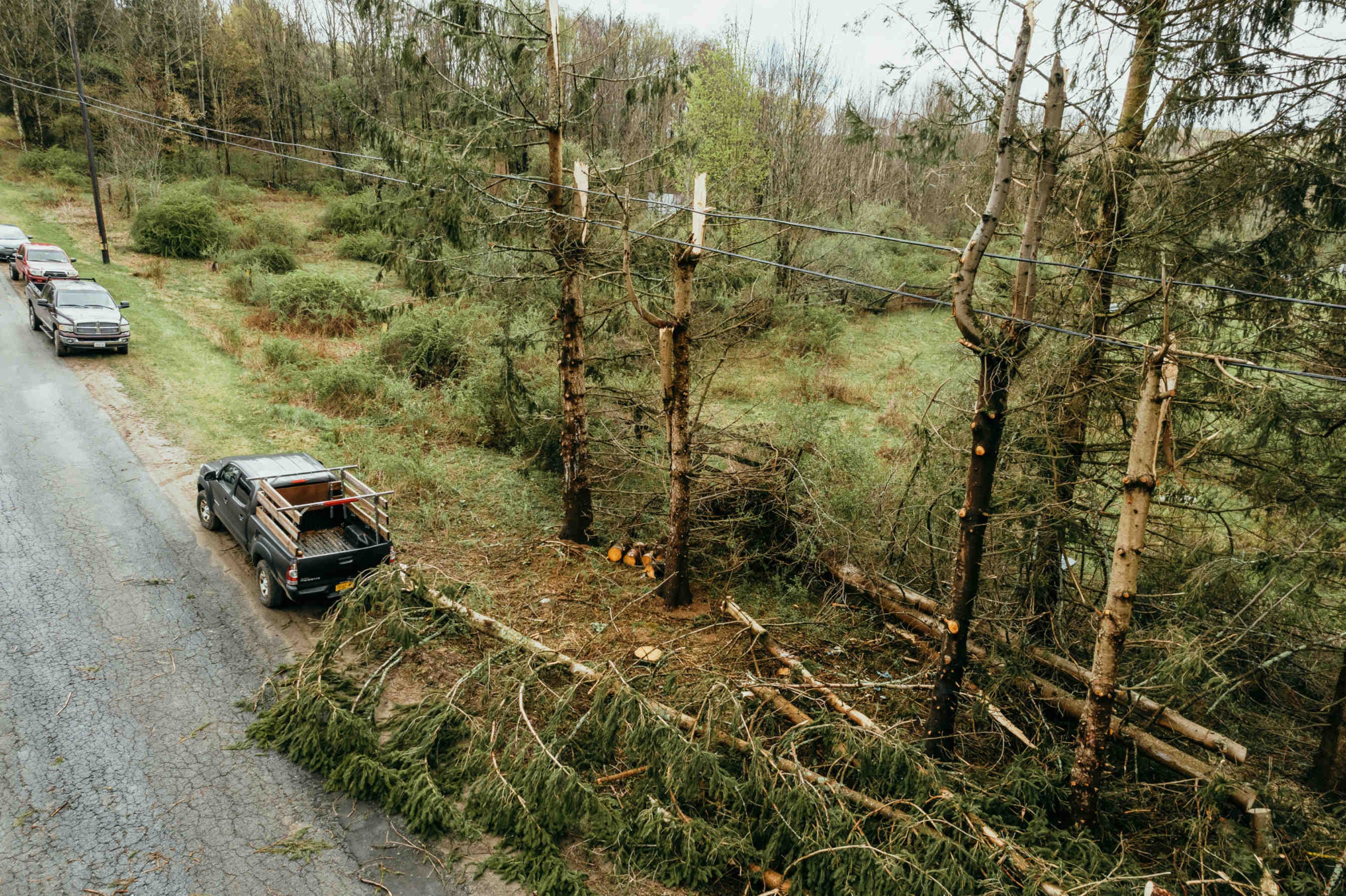
    foresta

    3Bee's biodiversity monitoring platform

    Technology can be a valuable ally in protecting future generations and reducing the risks associated with climate change. 3Bee's platform is a state-of-the-art digital environmental monitoring solution designed to detect and close nature, climate and biodiversity gaps for businesses, local authorities and nature parks. The platform allows four risk indices to be analysed quickly and intuitively, complying with the main international reporting standards. Among these, the Nature Impact Risk plays a crucial role, as it assesses the resilience of companies and municipalities to the challenges posed by climate change and natural events.This tool is essential for identifying the most vulnerable areas and developing targeted intervention plans within customized strategies based on the identified impact and dependencies on the involved ecosystem services.

    16/10/2024Of 3Bee, Luca Rossi
    541 Views
    Newsletter
    newsletter
    Subscribe to the Blog about bees and biodiversity