Climate: +1.5°C threshold exceeded for 12 consecutive months
    January 2024CopernicusSpongesImpact

    Climate: +1.5°C threshold exceeded for 12 consecutive months

    The average temperature in January 2024 reached 13.14°C: +0.12 degrees compared to 2020. Have we therefore exceeded the 1.5°C threshold set by the Paris Agreement? Read more in this article about the latest studies and discover how climate change impacts biodiversity.

    Read the article
    09/02/2024Of 3Bee, Elena Fraccaro
    363 Views
    09/02/2024Of 3Bee, Elena Fraccaro
    363 Views

    January 2024: the hottest ever recorded

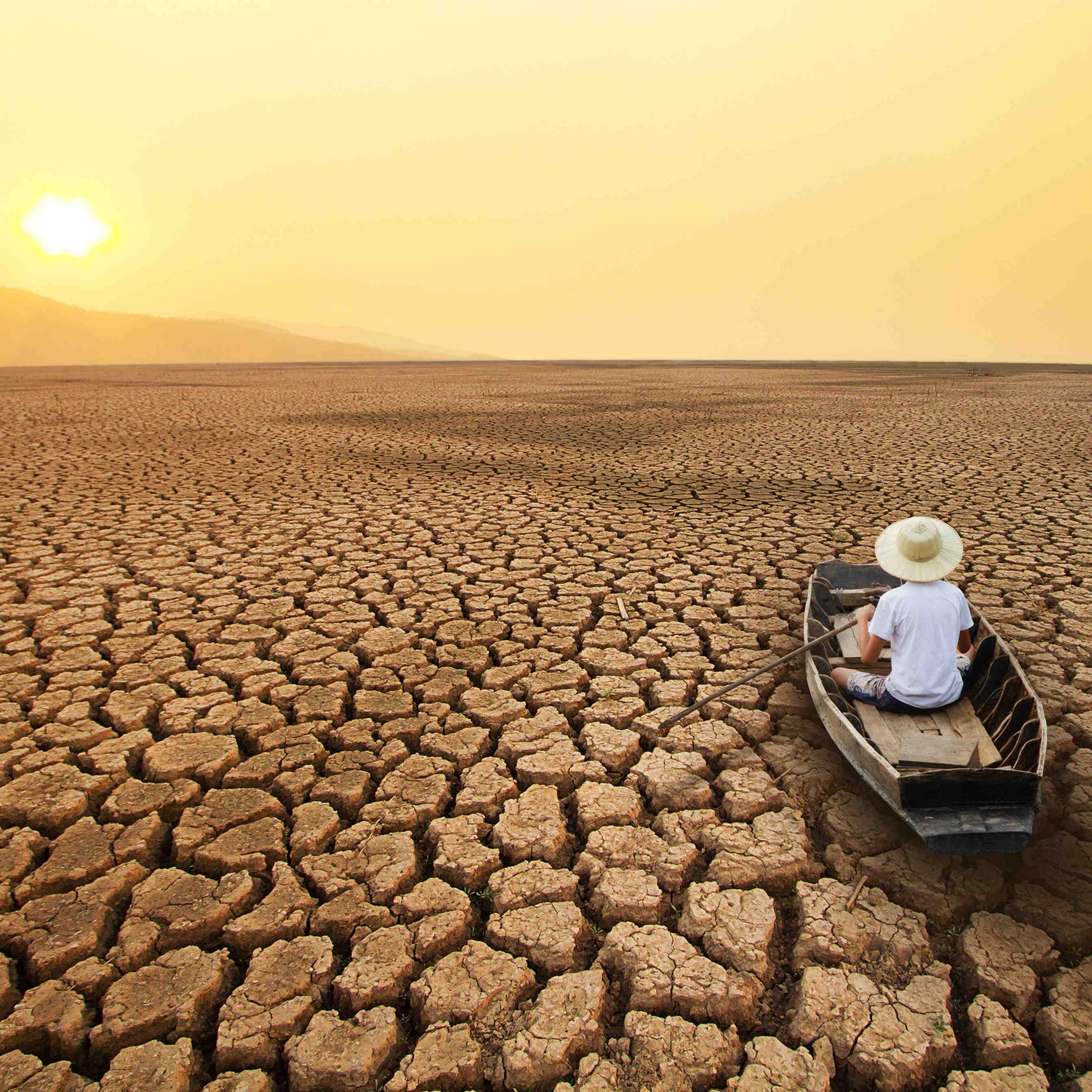
    Measurements by the Copernicus Climate Change Service (C3S) have shown that, for the first time, Planet Earth has exceeded the threshold of +1.5°C of warming in one year, compared to the pre-industrial period. Samantha Burgess, Deputy Director of the Copernicus Climate Change Service (C3S) said: "The 2024 starts with a record: it was the hottest January ever recorded, but more importantly we have experienced a period of 12 consecutive months with more than 1.5°C more warming than the pre-industrial period. A rapid reduction in greenhouse gas emissions is the only way to halt the rise in global temperatures'. The average temperature for the month of January 2024 reached 13.14°C, which is 0.70 degrees above the 1991-2020 average for January and +0.12 degrees above the temperature of the previous record (January 2020), confirming that last month was the warmest month on record since Copernicus measurements began.
    riscaldamento globale

    Copernicus: monthly heat record

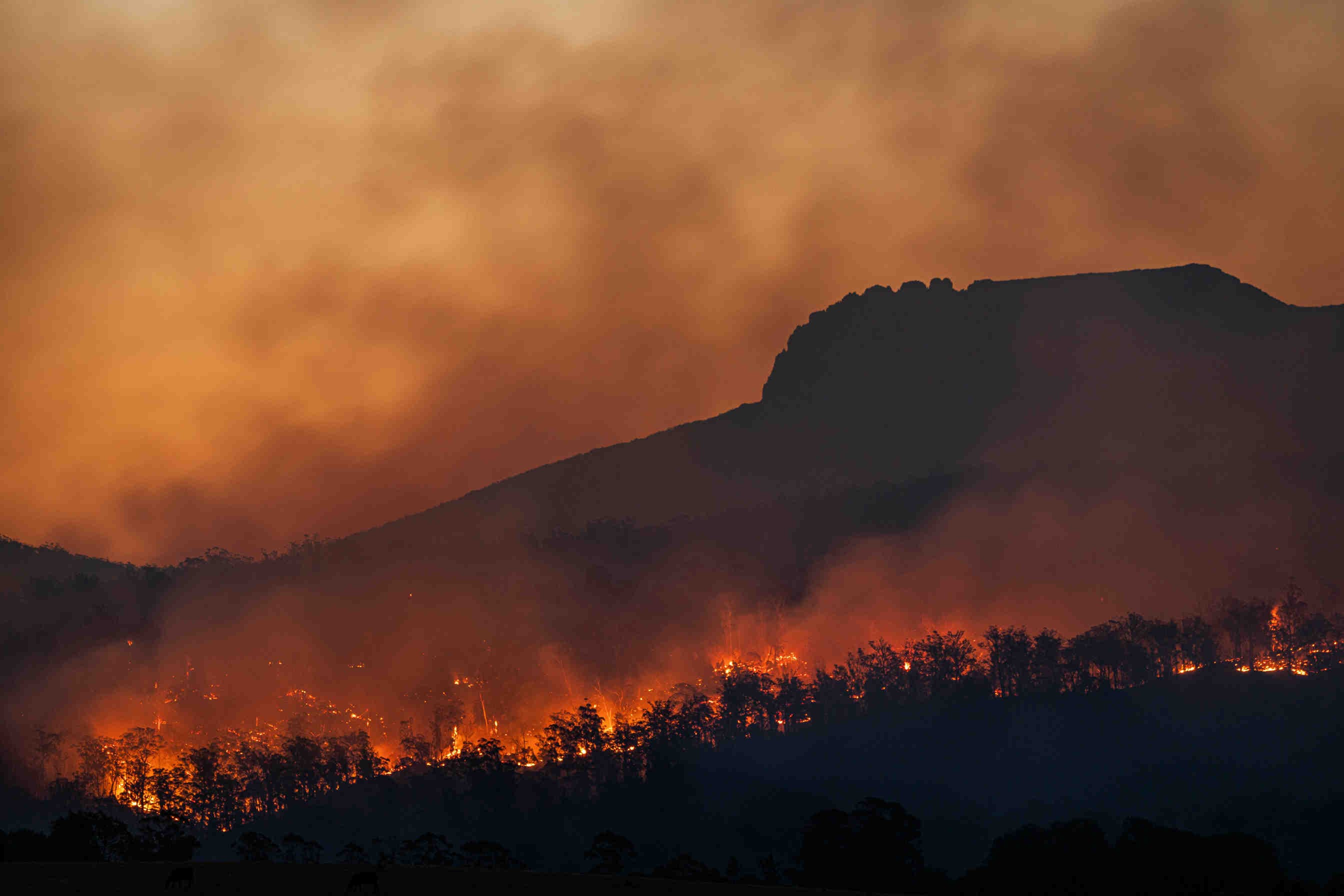
    Copernicus highlights that January was the eighth consecutive month in which the monthly heat record was broken: not only heatwaves in South America with record temperatures and devastating fires in Chile and Colombia, but also an abnormal rise in temperatures in Spain and France, as well as in Africa, the Middle East, Central Asia, the United States and Canada. Despite this, thethreshold of 1.5°C set by the Paris Agreement has not yet been exceeded. To consider this limit, a long-term average (at least 20-30 years) must be taken into account, and we are currently at about +1.25°C compared to the pre-industrial period. A number of researchers and scientists are carefully studying this from different angles, in order to keep track of global warming.

    caldo incendio
    XNatura

    Coral sponges: indicators of climate change

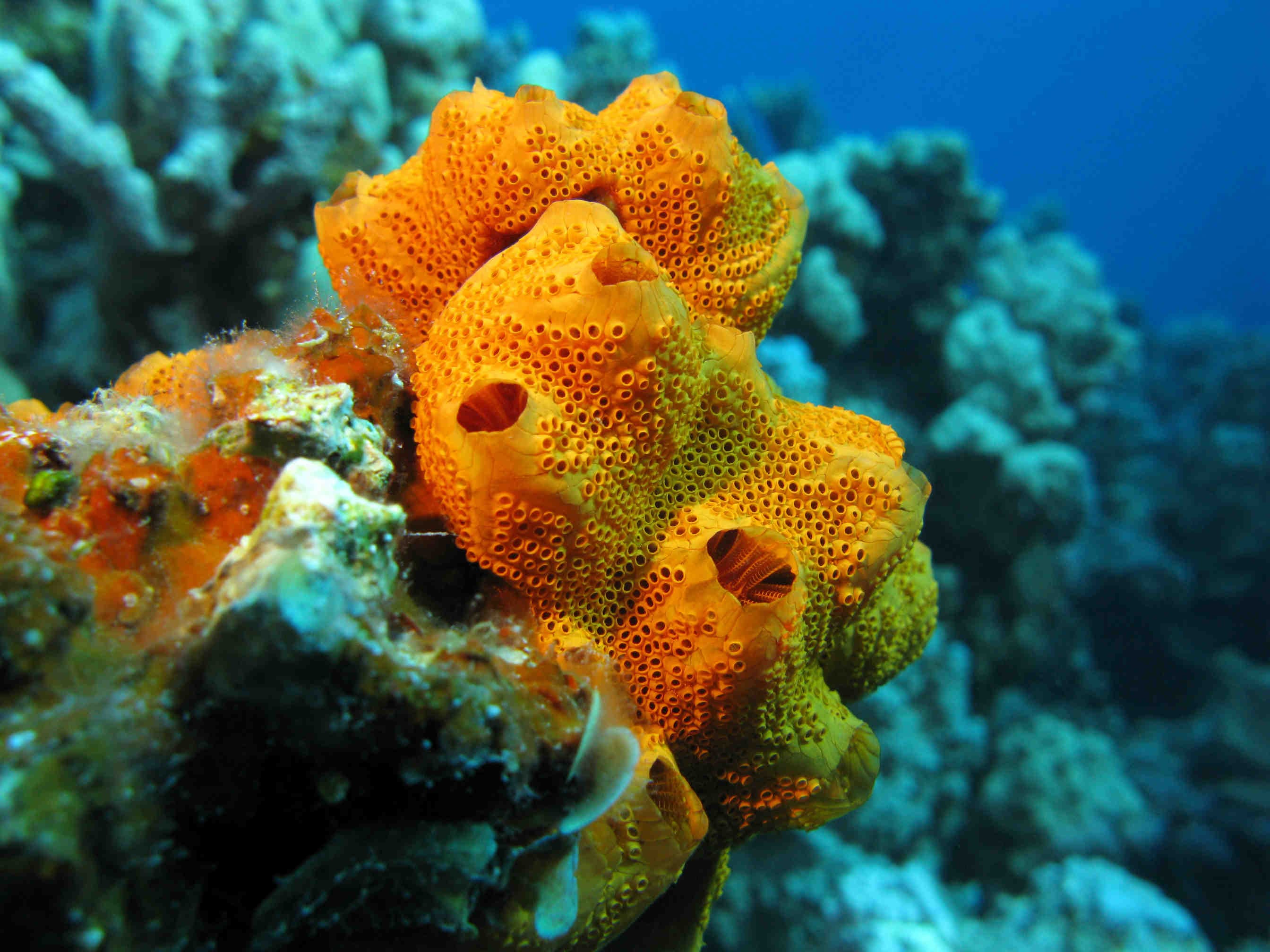
    A study by the University of Western Australia, recently published in Nature Climate Change, focused on the coral sponges (or sclerosponges) found in the oceans around the eastern Caribbean, which act as indicators of the climate history of the oceans themselves and their temperatures. This is because their limestone skeleton records any climate change. The data analysed by the study show that human-related warming began as early as around 1860, which is eighty years earlier than shown by instrument surveys of the sea surface. The ocean surface therefore, may have experienced a rise of 1.7 ± 0.1°C over pre-industrial levels between 2018 and 2022. A result that suggests that we may have already exceeded the 1.5°C limit and would thus be rapidly approaching the 2°C threshold. These conclusions, however, are not shared by all scientists.
    spugna corallina

    The impact of climate change on biodiversity

    The climate changes represent a global challenge that profoundly impacts ecosystems. These changes are characterised by an increase in average temperatures (global warming) and changes in precipitation cycles, which result in extreme phenomena such as droughts, storms, heat waves and floods. Among the consequences is the acidification of the oceans due to the absorption of carbon dioxide, which puts marine organisms such as corals and shellfish at risk. A tangible example of these impacts can be seen in the collinators, known for their dependence on specific flowers and their important role as pollinators. These birds are undergoing changes in their migratory patterns: climate change could shift the ideal habitat for hummingbirds northwards, due to changes in the flowering periods of the plants they feed on.

    colibrì
    XNatura

    Oasis 3Bee for climate resilience

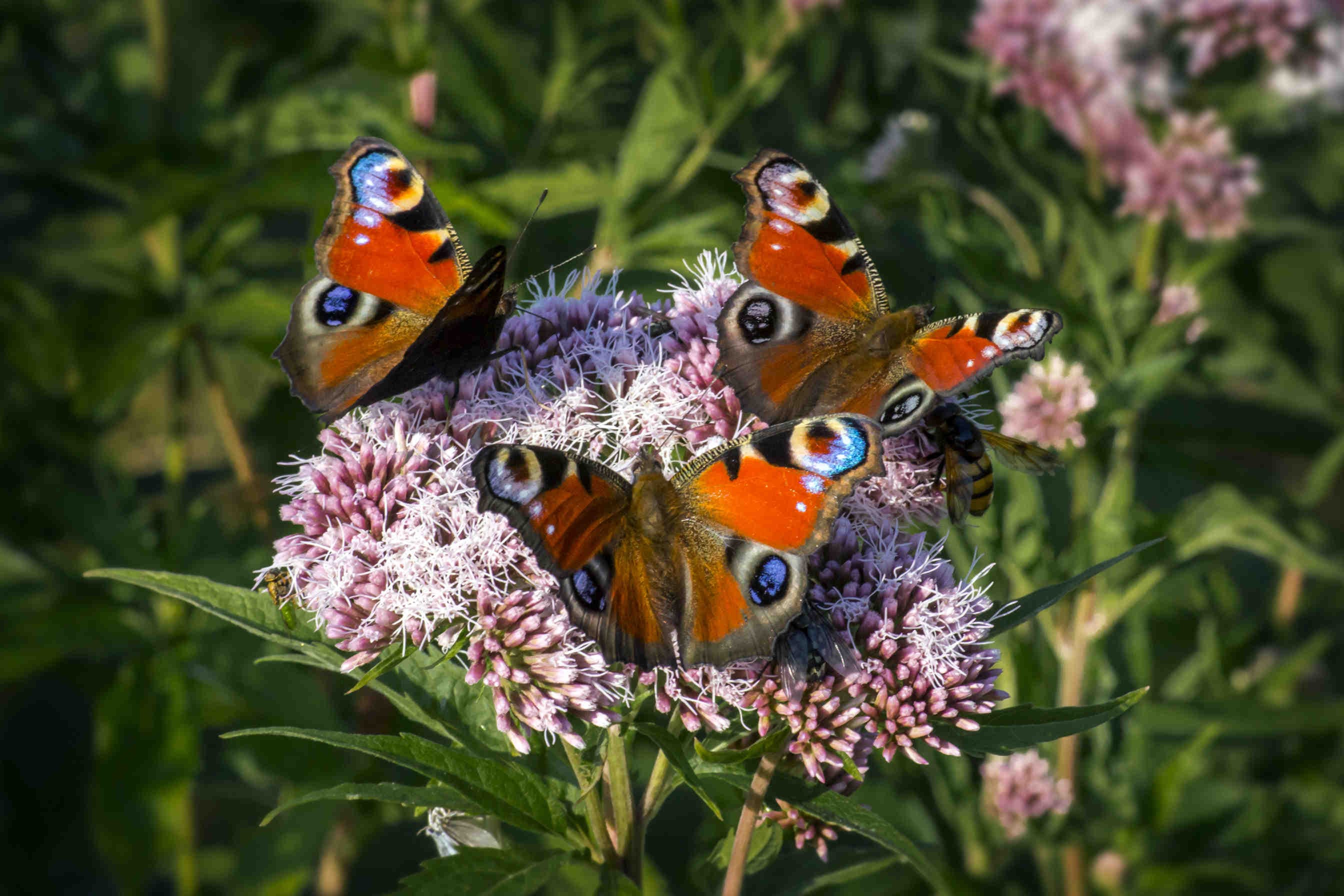
    In recent years, biodiversity has been disappearing at an alarming rate due to certain human activities, pollution and the consequences of climate change. According to the ISPRA, a significant percentage of pollinating insects - both domestic and wild - are at risk of extinction, a situation exacerbated by global warming. The role of pollinators is crucial: without them, many plants would lose the valuable pollination service that is crucial for their reproduction. It is therefore crucial to promote projects that support these species, such as the Biodiversity Oases of 3Bee that help maintain populations of pollinators by providing them with nutrient resources. Another positive effect is the mitigation of climate change: in big cities, having more greenery helps to decrease heat islands, reducing the peaks of high summer temperatures as well as making the air cleaner and more breathable.
    Oasi farfalle
    3Bee
    09/02/2024Of 3Bee, Elena Fraccaro
    363 Views
    Newsletter
    newsletter
    Subscribe to the Blog about bees and biodiversity

    Frequently Asked Questions

    Do you have any doubts or other curiosities about this article? Here you will find some insights