Central Asia: The Climate Challenge and Collaboration with the European Union
    Central AsiaCooperationProjectsTransition

    Central Asia: The Climate Challenge and Collaboration with the European Union

    Climate change is jeopardizing food and energy security in Central Asia. At the Samarkand Climate Forum, leaders from Central Asia and the EU discussed how to tackle this crisis with concrete projects and strategic cooperation.

    Read the article
    10/04/2025Of 3Bee, Angelina Tortora
    85 Views
    10/04/2025Of 3Bee, Angelina Tortora
    85 Views

    Global warming and challenges for Central Asia

    Disclaimer: this is an automated translation from Italian. Go to the original article.

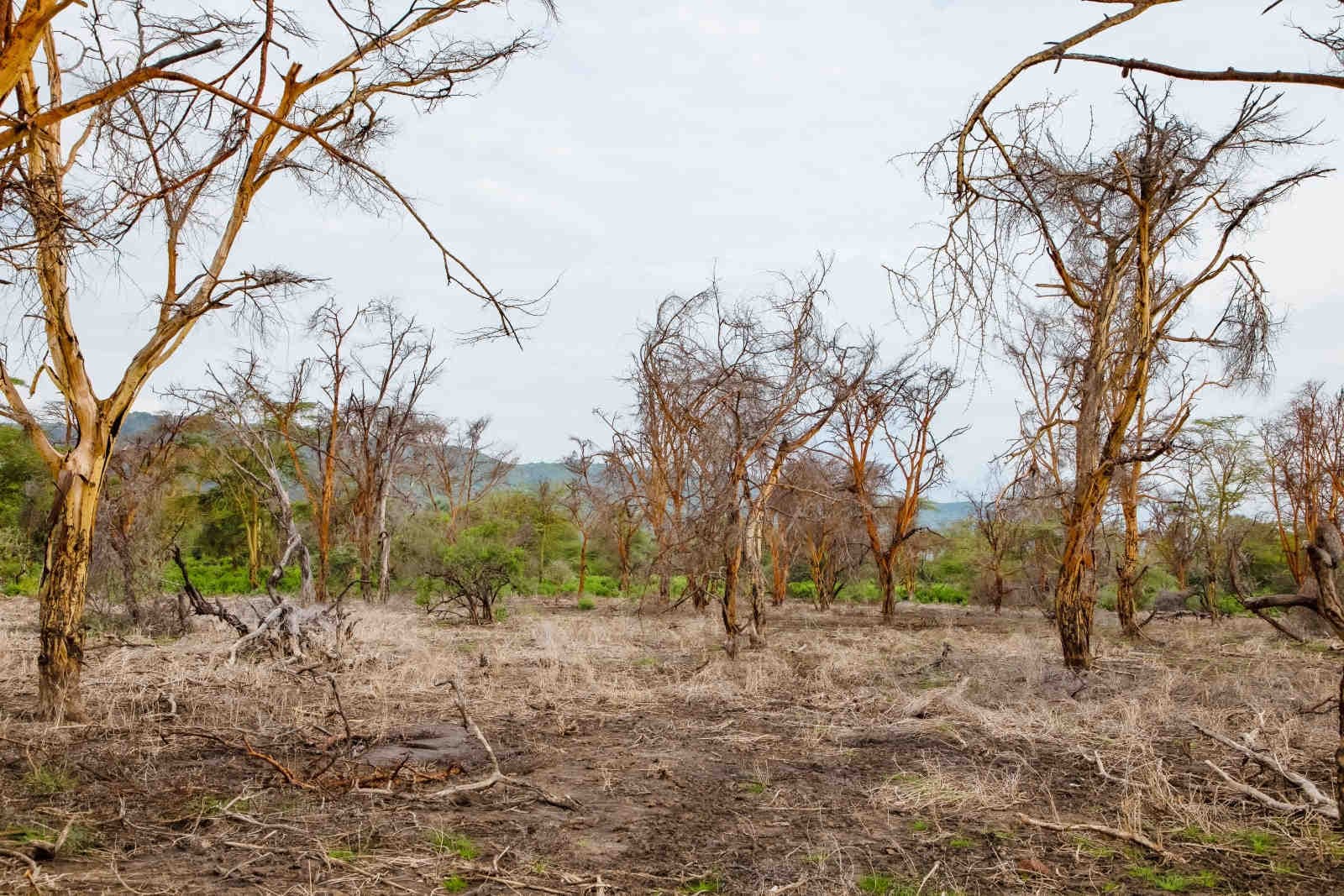
    Central Asia faces a steady increase in temperatures that is putting food and energy security at risk. According to the President of Uzbekistan, Shavkat Mirziyoyev, the fertile lands in the region are rapidly decreasing while the population is growing. It is estimated that within 25 years the population will exceed 100 million people. This rapid climate change is already compromising agricultural capacity and agricultural yields could decrease by 30% within a quarter of a century. With 20% of the region's lands already subject to degradation, it is evident that the climate crisis requires urgent and concrete actions.
    cambiamento climatico

    Cooperation between Central Asia and European Union

    The cooperation between Central Asia and the European Union is considered a key opportunity to tackle this crisis. During the Samarkand Climate Forum, leaders discussed how to integrate the scientific potential of the region with food security programs and technological innovation promoted by the EU. President Mirziyoyev emphasized that the joint use of scientific resources could enhance the adaptive capacity of the forestry and agricultural sectors, strengthening food security. The European Commission reiterated its commitment in the fight against climate challenges by adopting concrete projects for the green transition and water resource management.

    cooperazione sostenibilità
    XNatura

    Concrete projects to combat climate change

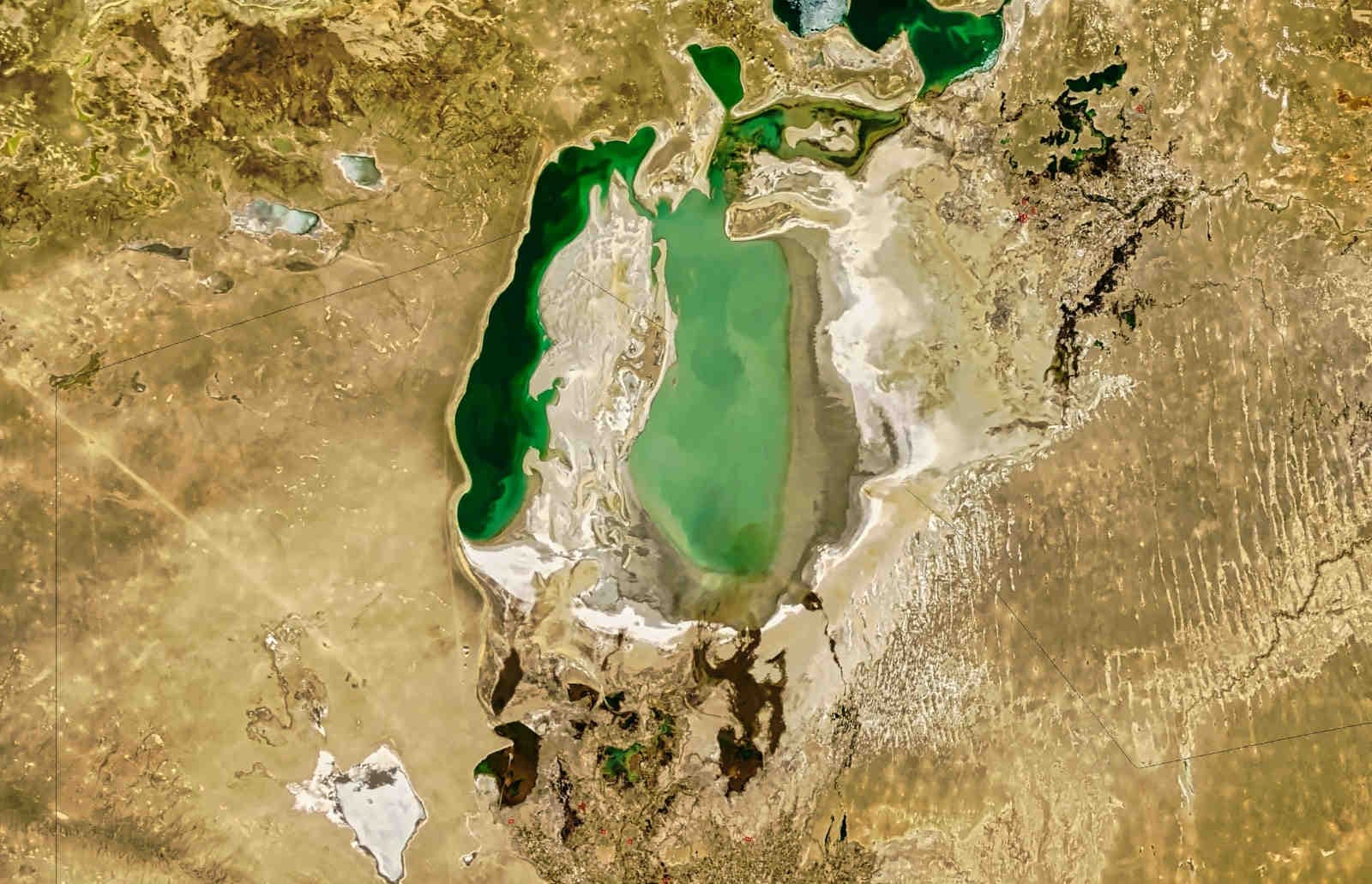
    During the Smarkand Climate Forum, various projects were discussed to prevent Central Asia from becoming a desert. The European Union has already initiated several initiatives, such as the creation of a green corridor in the Aral Sea basin, to bring life back to an area that has become a "salt desert." These projects are intended to support local farmers in adapting to climate change, providing them with technologies for water conservation and resource monitoring. Additionally, the EU is investing in large energy infrastructures, such as the Rogun Dam in Tajikistan and the Kambarata Dam in Kyrgyzstan, which will not only meet internal energy needs but also those for export to other countries in the region.

    clima

    The role of renewable energy and the green transition

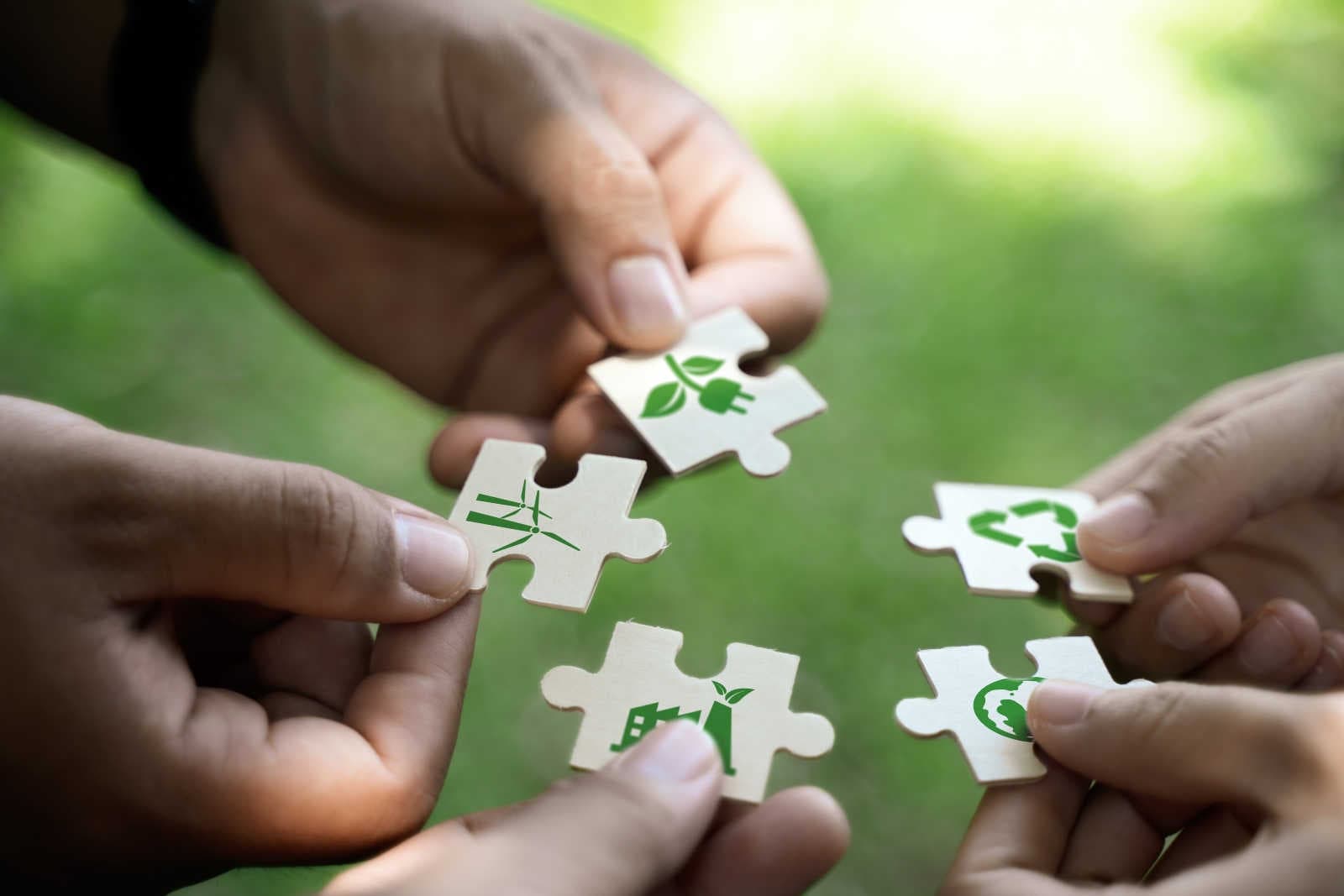
    The European Union is accelerating the transition to clean energy in Central Asia. This effort includes building renewable energy plants, which are essential to ensure the energy independence of the region. The President of the European Commission, Ursula von der Leyen, emphasized the importance of collaborating to adapt to climate change and accelerate the global transition to clean energy. With Uzbekistan, Tajikistan, and Kyrgyzstan joining the EU's global commitment to triple renewable energy capacity by 2030, the region has taken an important step towards greater sustainability.

    sostenibilità mondo
    XNatura

    A joint commitment to combat desertification

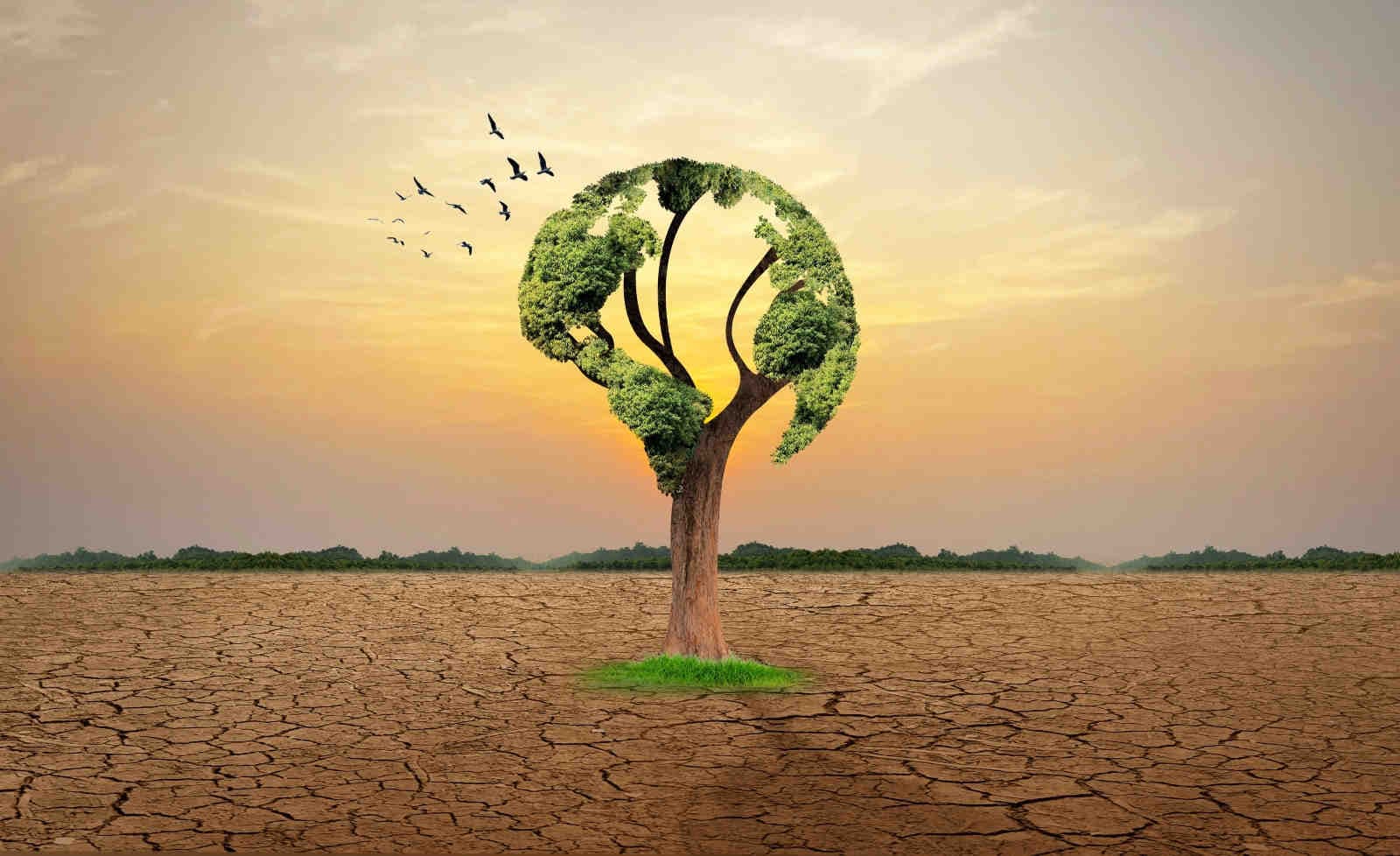
    Despite the challenges, the Samarkand Climate Forum made concrete progress. Leaders from five Central Asian countries, along with EU representatives, reaffirmed the importance of a coordinated response. Among the projects under discussion are initiatives such as the creation of regional strategies for water management and the planting of millions of trees to combat desertification. The presence of heads of state and significant international actors was seen as a sign of concrete commitment. According to Anacláudia Rossbach, Executive Director of UN-Habitat, collaboration between the countries of the region and the EU is essential for the success of these projects and to effectively tackle the climate crisis.

    desertificazione
    3Bee

    3Bee's expansion into international markets

    This article was created as part of the "Biodiversity services EU expansion" project (CUP: E43D22000480009) within the framework of the Lombardy Region's "PR FESR 2021-2027 – LINEA INTERNAZIONALIZZAZIONE 21-27" call, aiming to support the internationalization of Italian companies. 3Bee is the naturetech company that develops innovative technologies for monitoring, protecting, and regenerating biodiversity, supporting businesses in defining customized climate strategies based on the analysis of their impacts and dependencies on nature. With a consolidated portfolio in Italy, Germany, and France and notable partnerships, 3Bee continues its expansion into international markets to create tangible impacts through technology.

    10/04/2025Of 3Bee, Angelina Tortora
    85 Views
    Newsletter
    newsletter
    Subscribe to the Blog about bees and biodiversity

    Frequently Asked Questions

    Do you have any doubts or other curiosities about this article? Here you will find some insights