<i>Carterocephalus palaemon</i>, a successful reintroduction
    C. palaemonWhy it is rareReintroductionSuccess

    Carterocephalus palaemon, a successful reintroduction

    The conservation of endangered species is a central theme for global biodiversity. Discover how Carterocephalus palaemon and other insects have been successfully reintroduced where they had become locally extinct and the conditions that must be met for a successful reintroduction.

    Read the article
    30/01/2025Of 3Bee, Niccolò Patelli
    132 Views
    30/01/2025Of 3Bee, Niccolò Patelli
    132 Views

    Carterocephalus palaemon

    Disclaimer: this is an automated translation from Italian. Go to the original article.

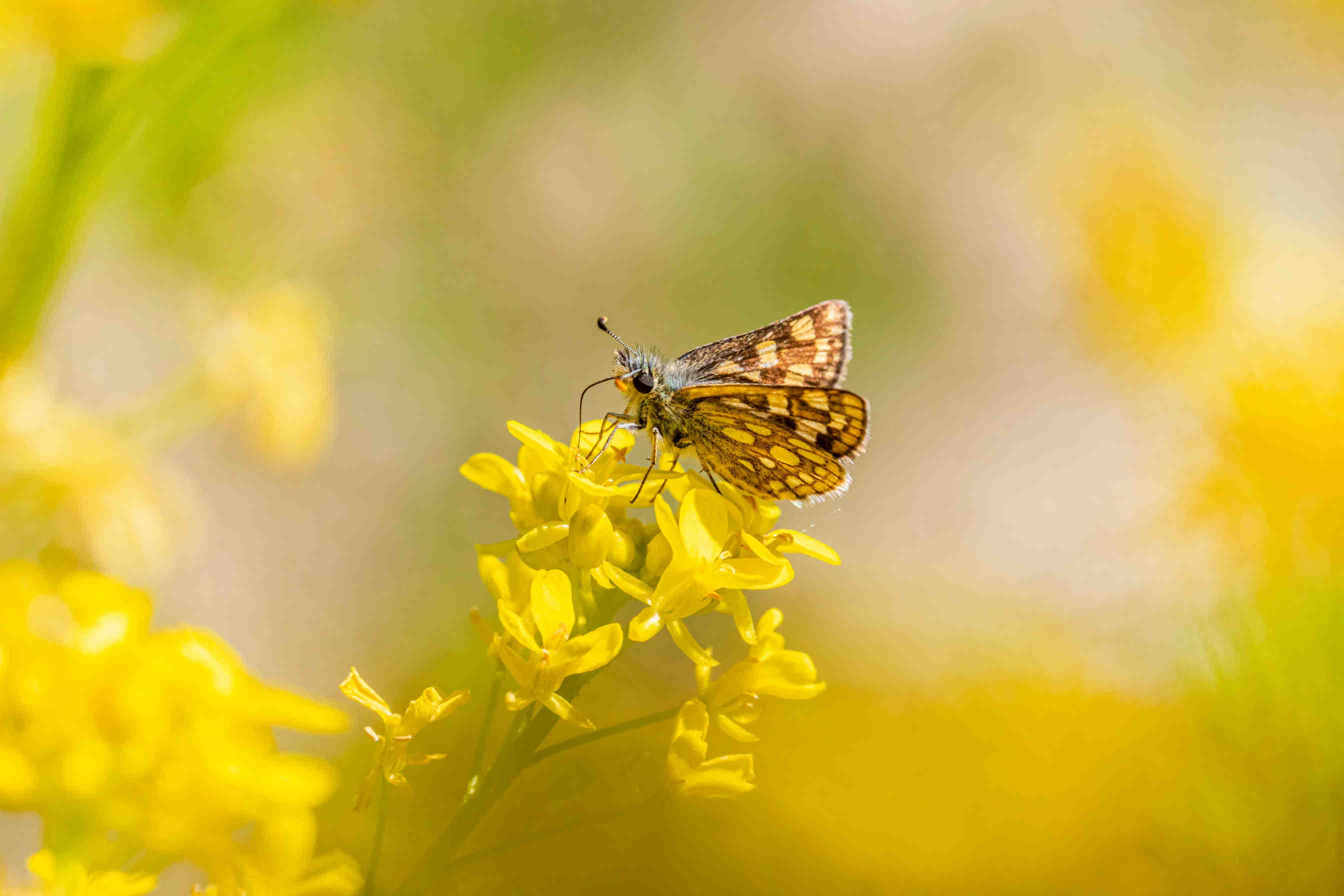
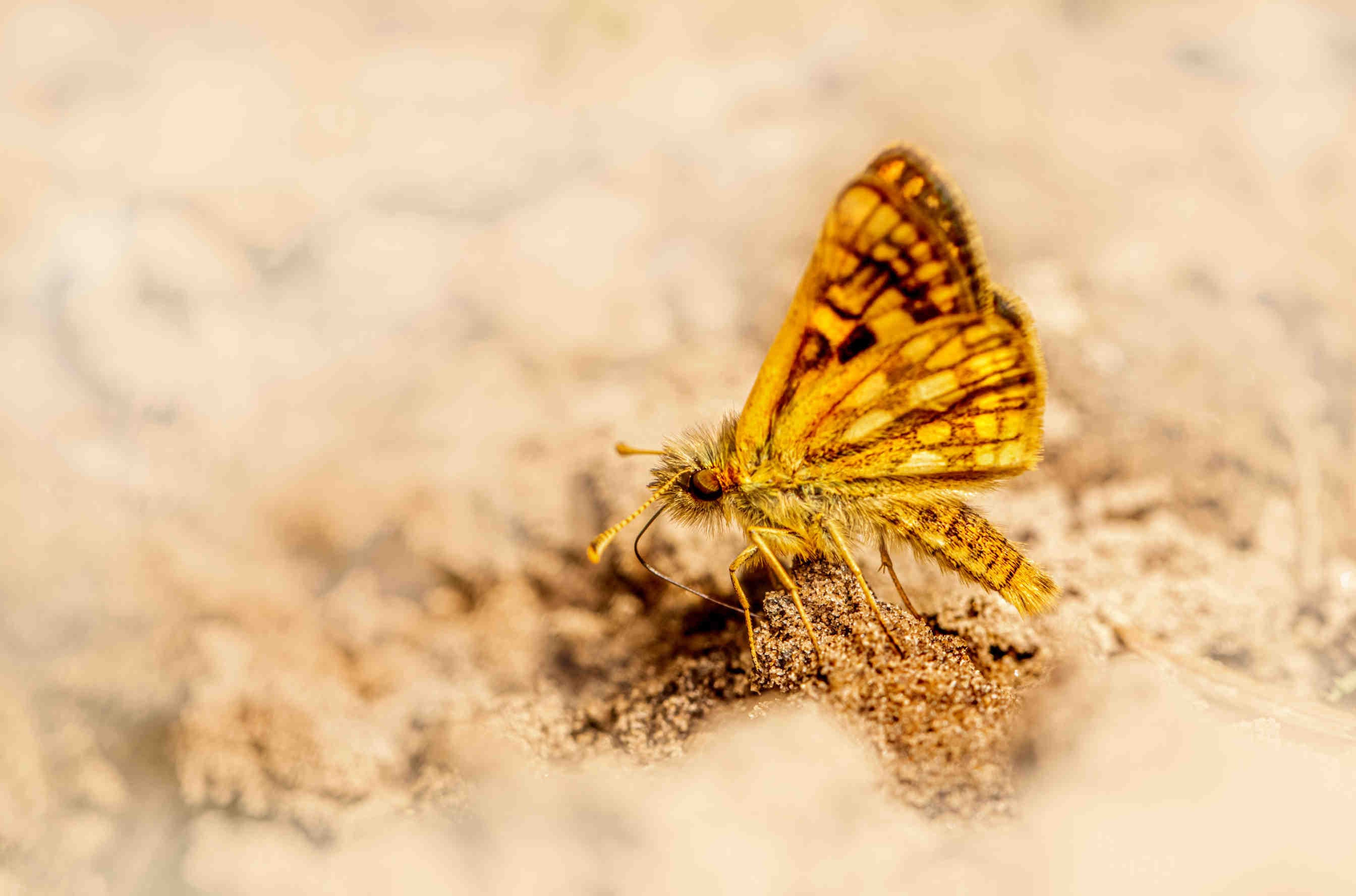
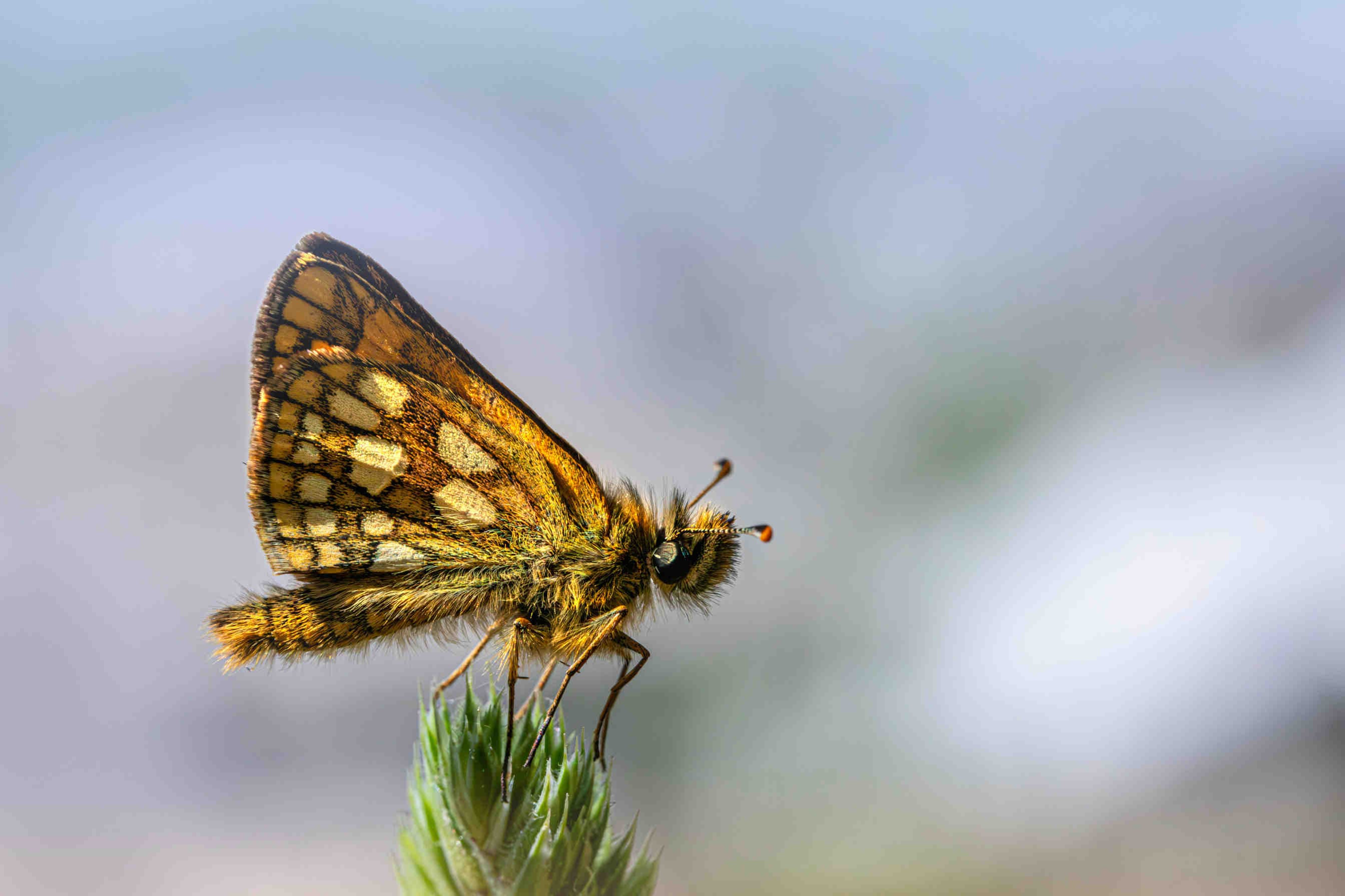
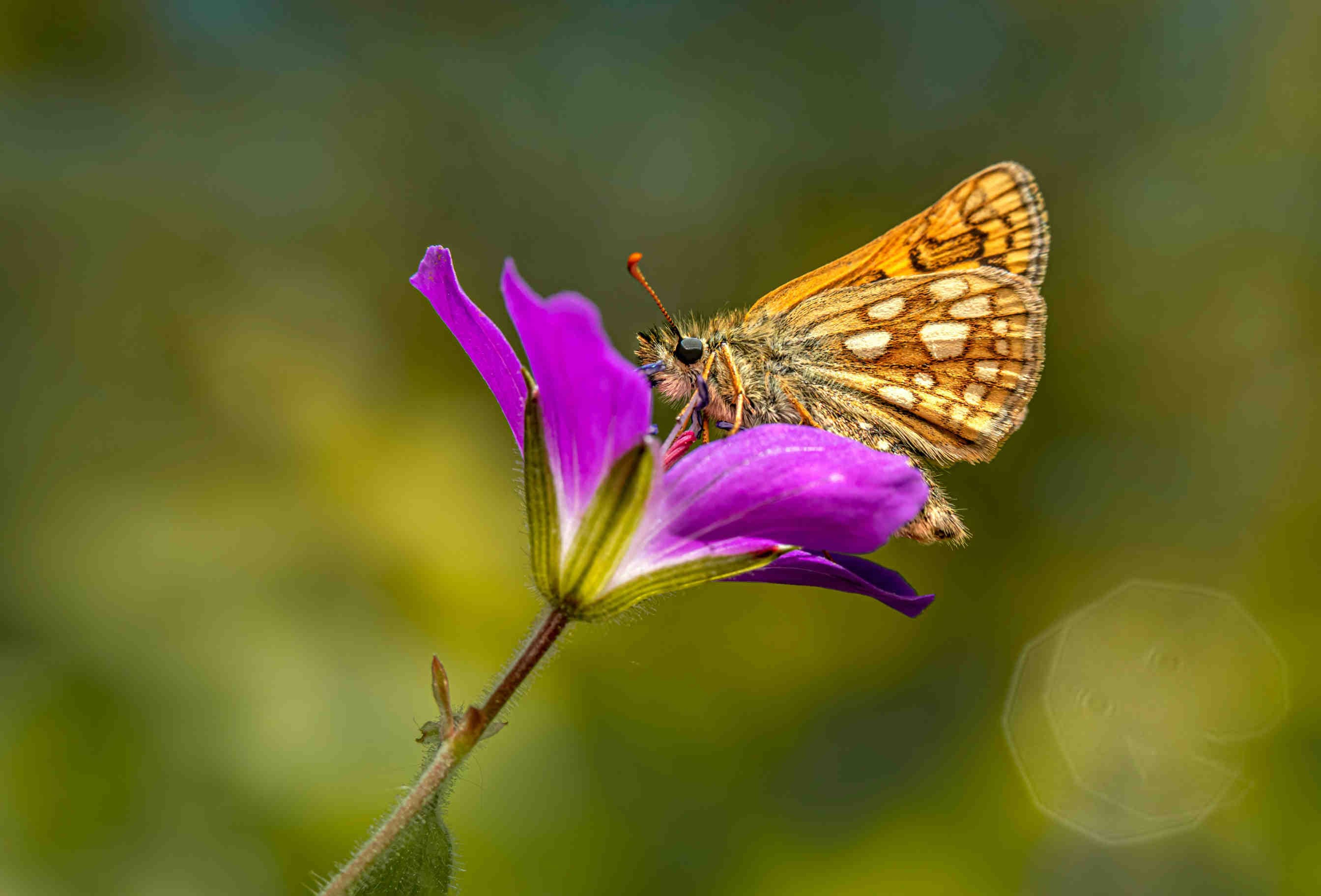
    Carterocephalus palaemon, known in the English-speaking world as the "Chequered Skipper" (and it does not have a common name in Italian), is a small butterfly belonging to the Hesperiidae family. It is a small butterfly, about 3cm wingspan in the largest specimens, and its wings have a characteristic dark brown pattern with distinctive yellow spots, which give it a "checkered" appearance (hence the English name). The genus Carterocephalus is one of the oldest among the Hesperiidae, meaning it was one of the first to differentiate and form the Hesperiidae family. Although not particularly showy, this butterfly plays an important role in the ecosystems where it lives, serving as an indicator of healthy and well-managed forest habitats.
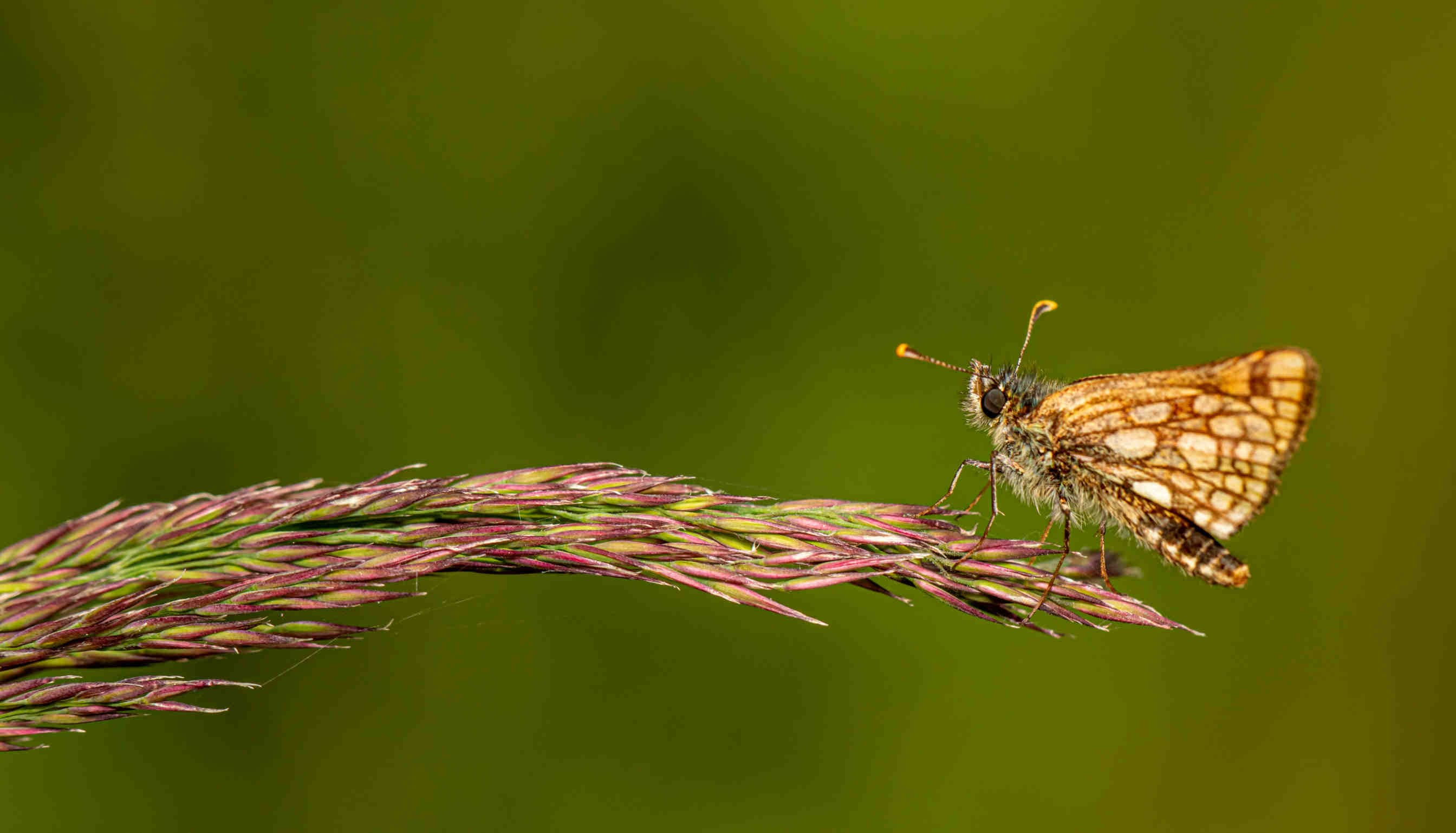
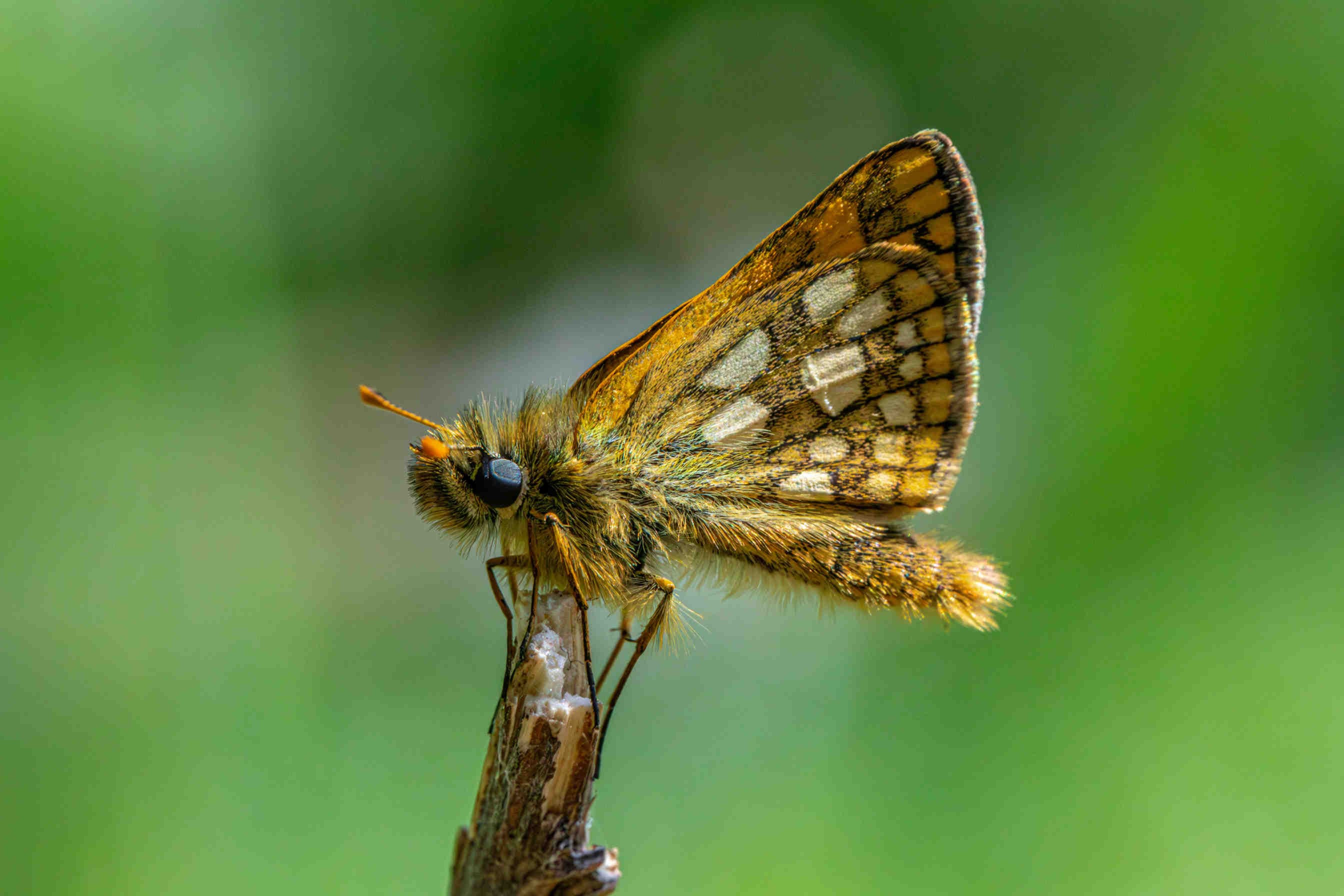
    Carterocephalus_palaemon

    Carterocephalus palaemon: why it is rare in the UK

    Carterocephalus palaemon mainly inhabits bright and humid forests, preferring areas with dense herbaceous vegetation and forest paths well exposed to the sun, where it feeds on plants such as Hyacinthoides non-scripta, Ajuga reptans, and Cirsium palustre. It is quite a common species in Europe and Asia, with particularly widespread local populations, and it is not part of the endangered butterflies in Europe. However, its rarity in the United Kingdom is mainly due to the loss of its natural habitat, caused by a change in traditional forest management. In fact, deciduous forests have been converted into conifer plantations, a habitat that does not support the host plants of this species, leading it to extinction in England, where it was declared locally extinct in 1976. Despite this, its status according to the IUCN is currently of Least Concern (LC) globally, but sometimes at a local level it needs protection.

    <i>Carterocephalus palaemon</i>
    XNatura

    The successful reintroduction in England

    Carterocephalus palaemon became extinct in England in 1976 due to habitat loss and the reduction of coppicing (a forestry management practice where plants are periodically cut down to regrow). Its reintroduction, which took place in 2018 in the Rockingham Forest, was preceded by four years of planning with local and international partners and authorities. The success of the reintroduction was largely due to the restoration of original habitats, with the creation of wide, sunny pathways essential for the larvae's survival, and suitable forest management for the development of this butterfly. The released population showed a first complete life cycle, with the birth of the first butterflies in England in 2019, an event of great importance for the local conservation of this species.

    Carterocephalus_palaemon

    Necessary conditions for a successful reintroduction

    To ensure the success of the reintroduction of a species in an area where it had become extinct, some fundamental conditions are necessary. First of all, the habitat must be able to support the species and therefore offer the resources necessary for the life cycle; if necessary, a degraded habitat should be restored as has been done in England. Genetic diversity is crucial: the reintroduced specimens must be as diverse as possible. Collaboration is essential between conservation bodies, government institutions, and local communities to obtain permits and ensure sustainable management. Finally, constant monitoring and adaptation of conservation techniques are indispensable for the survival of the species in the reintroduced environment.

    Carterocephalus_palaemon
    XNatura

    The reintroduction of Phengaris arion in England

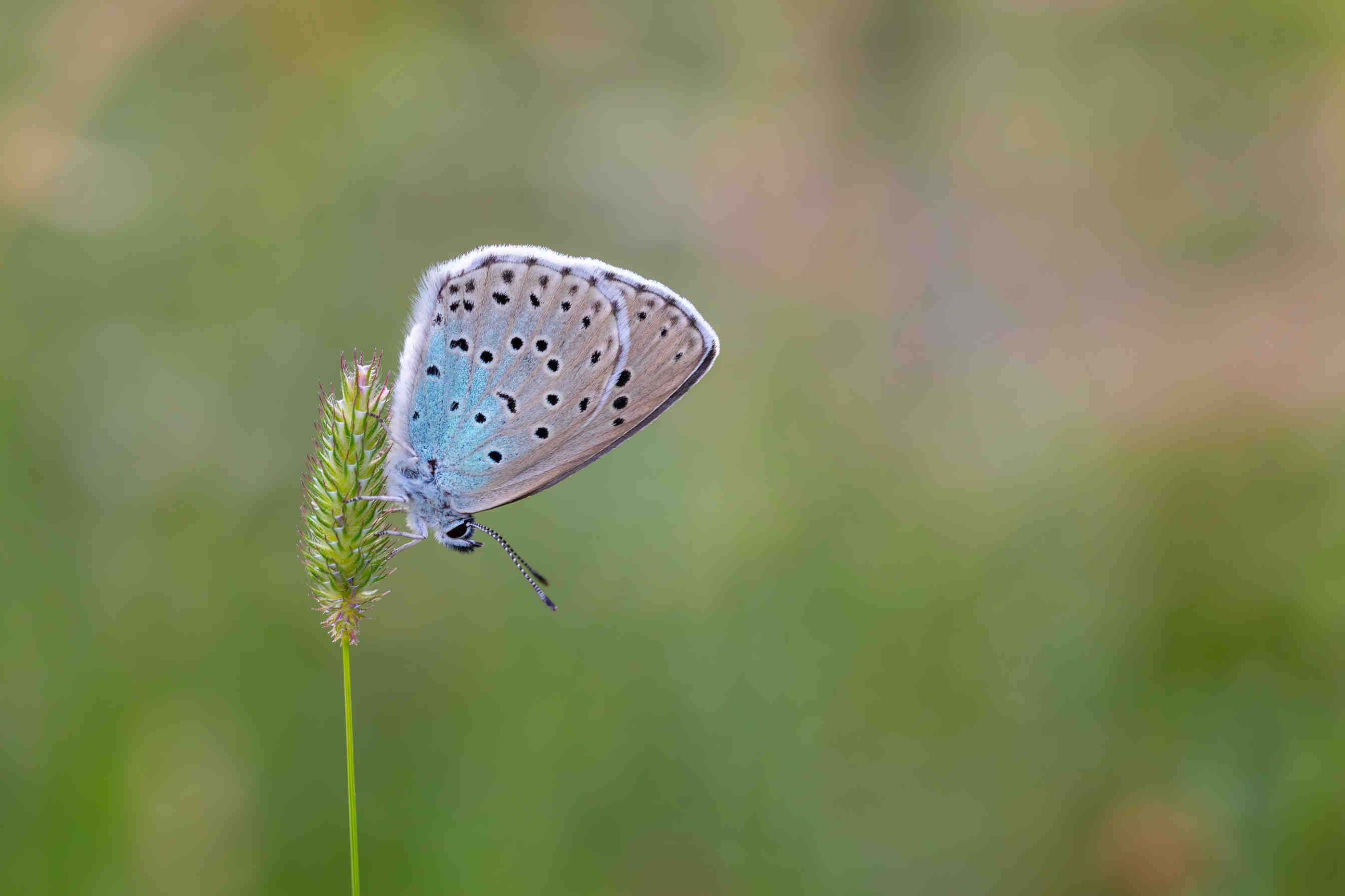
    Phengaris arion, a rare and particularly vulnerable butterfly, became extinct in England in 1979 due to habitat destruction and changes in agricultural management. It is a species classified as Threatened by the IUCN, requiring specific host plants and particularly the presence of a specific ant species for its development. Its reintroduction was complex and it was necessary to restore suitable calcareous grasslands, essential for larval development: initially, pasture animals were thought to have caused the disappearance of this species, but it was later discovered that sheep actually keep the grass short, an essential factor for the development of the ants. After careful habitat restoration and ant population management, the reintroduction was successfully carried out in the 1990s, and today it is present in various areas of southern England.

    Phengaris arion
    3Bee

    Parnassius apollo in Poland, Czech Rep. and Austria

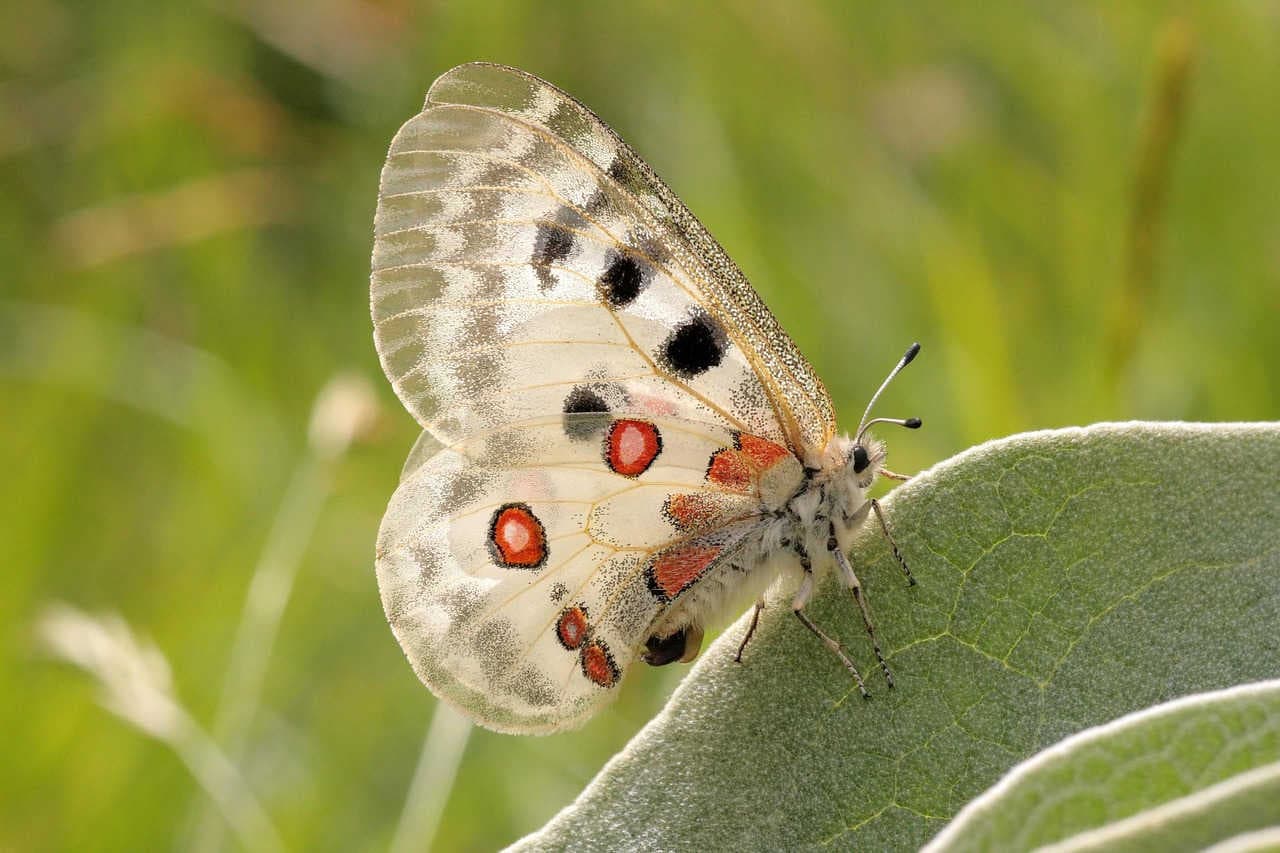
    Parnassius apollo, an iconic alpine butterfly, has gone extinct in many areas of Central Europe due to the loss of mountain habitats and climate change. Its reintroduction in Poland, Czech Republic and Austria was made possible by the conservation of alpine meadows and the restoration of host plants, which are mainly Sedum and Sempervivum. Additionally, captive breeding programs and careful management of release sites were necessary to ensure that the reintroduced populations could thrive. Despite the progress, Parnassius apollo remains classified as Near Threatened (NT) according to the IUCN, making further conservation efforts crucial.

    P. apollo

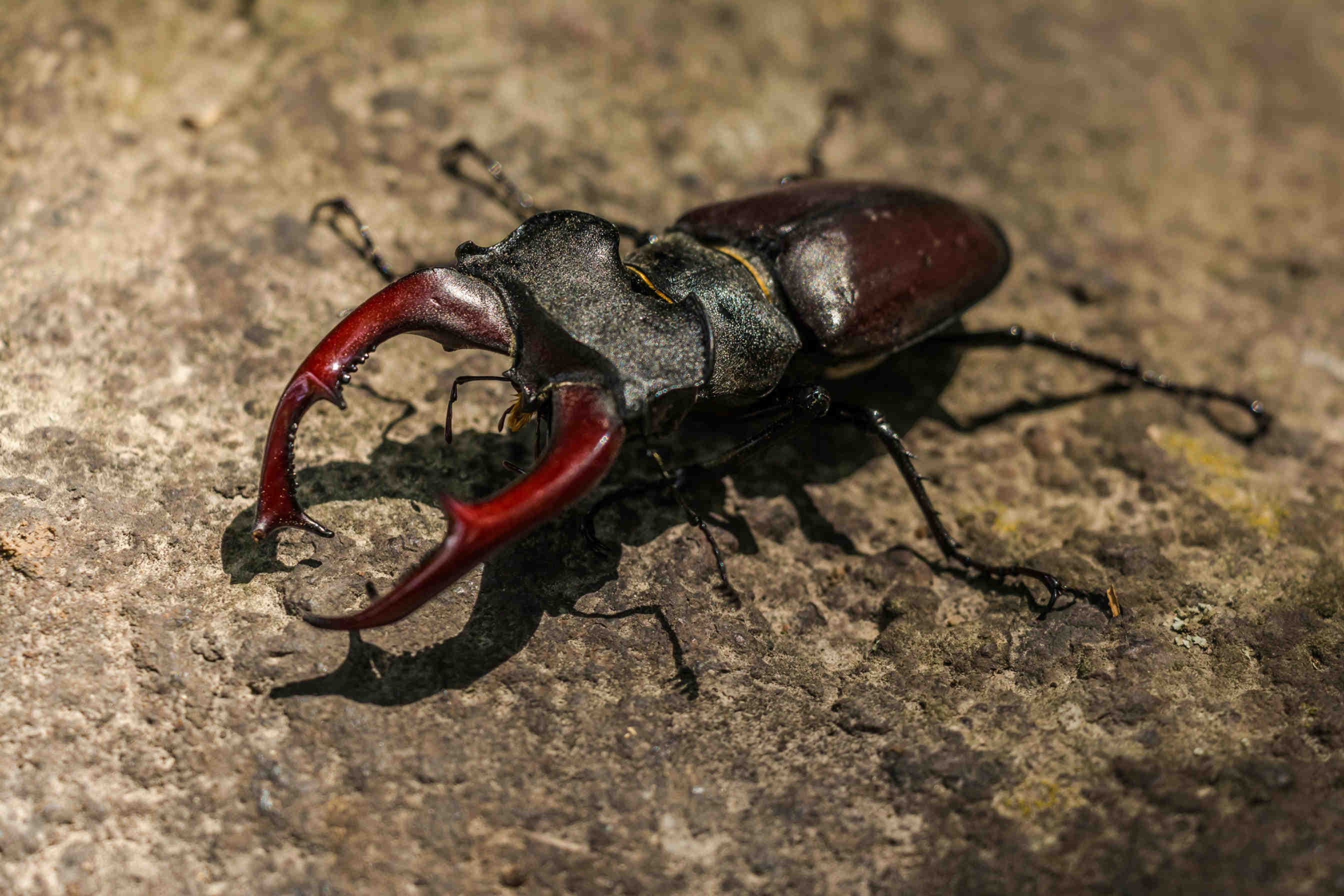
    Stag beetle in the Vena del Gesso Romagnola Park

    The stag beetle (Lucanus cervus) is one of Europe's largest and most iconic beetles, closely related to scarabs. It is a species closely linked to the presence of mature forests with abundant dead wood: the larvae develop in decaying trunks and take up to 8 years to complete their development. In the Vena del Gesso Romagnola Park, in the past, the species suffered a significant decline due to habitat fragmentation and the removal of dead wood. Recently, reintroduction projects have been initiated, including targeted forest management and the installation of specific wood piles to encourage egg laying and larval development. Regular monitoring has confirmed the recovery of local populations, making the Park a virtuous example of active conservation for saproxylic beetles.

    L. cervus

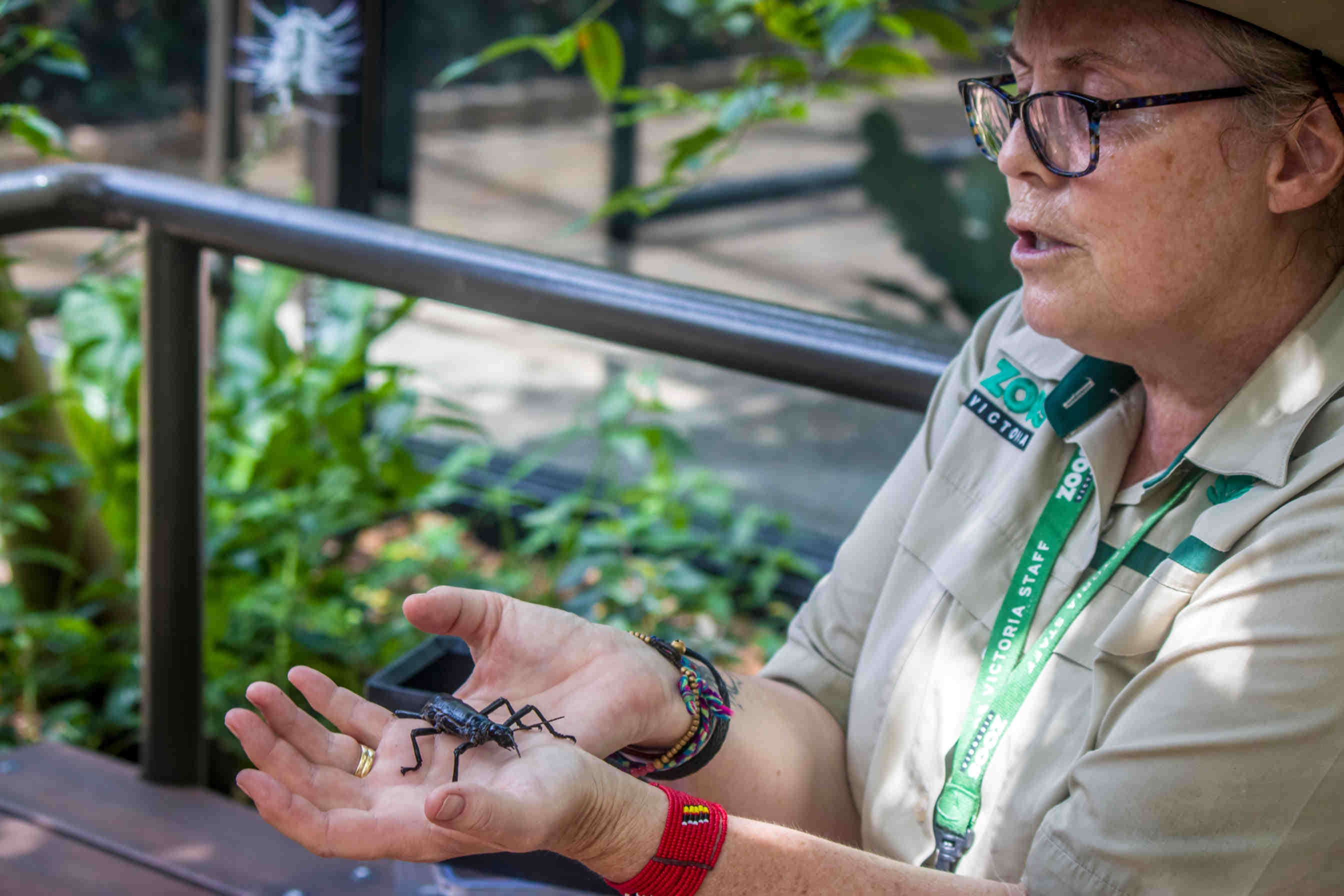
    The Lord Howe stick insect: From extinct to rediscovered

    The Lord Howe stick insect (Dryococelus australis) is one of the most enigmatic species of stick insects, closely related to leaf insects. This species was considered extinct after the accidental introduction of rats to Lord Howe Island in the 1920s, which decimated them. For eighty years it survived only in captivity until, in 2001, a very small population was rediscovered on a rocky and apparently inhospitable islet called Ball's Pyramid. Since then, targeted breeding programs for reintroduction and rat eradication plans on the main island have been initiated to allow for future reintroduction. The status of the stick insect according to the IUCN is still Critically Endangered (CR), but current efforts offer hopes for its long-term survival.

    D. australis

    The need for protected areas for conservation

    The conservation of endangered species requires careful and coordinated management of habitats. While it is true that many species live in quite varied habitats, creating and maintaining protected areas is essential to ensure the survival of vulnerable species, especially in contexts where habitat loss is the main cause of local extinction. Reintroduction projects, like those described in this article, demonstrate that it is possible to reintroduce locally extinct species, although this requires attention, time, and willingness. Only through joint efforts between governments, conservation organizations, and local communities can a secure future for global biodiversity be guaranteed.

    C. palaemon
    30/01/2025Of 3Bee, Niccolò Patelli
    132 Views
    Newsletter
    newsletter
    Subscribe to the Blog about bees and biodiversity

    Frequently Asked Questions

    Do you have any doubts or other curiosities about this article? Here you will find some insights