What are the benefits of honey?
    3Bee approachMieleBeneficiSore throat

    What are the benefits of honey?

    We all know and appreciate honey as a product to be used instead of sugar. Each of us, at least once in our lives, has enjoyed a herbal tea sweetened with a generous spoonful of honey. But what are its benefits and how can we best use it every day?

    Read the article
    13/03/2018Of 3Bee, Elena Fraccaro
    6793 Views
    13/03/2018Of 3Bee, Elena Fraccaro
    6793 Views

    3Bee's approach to biodiversity protection

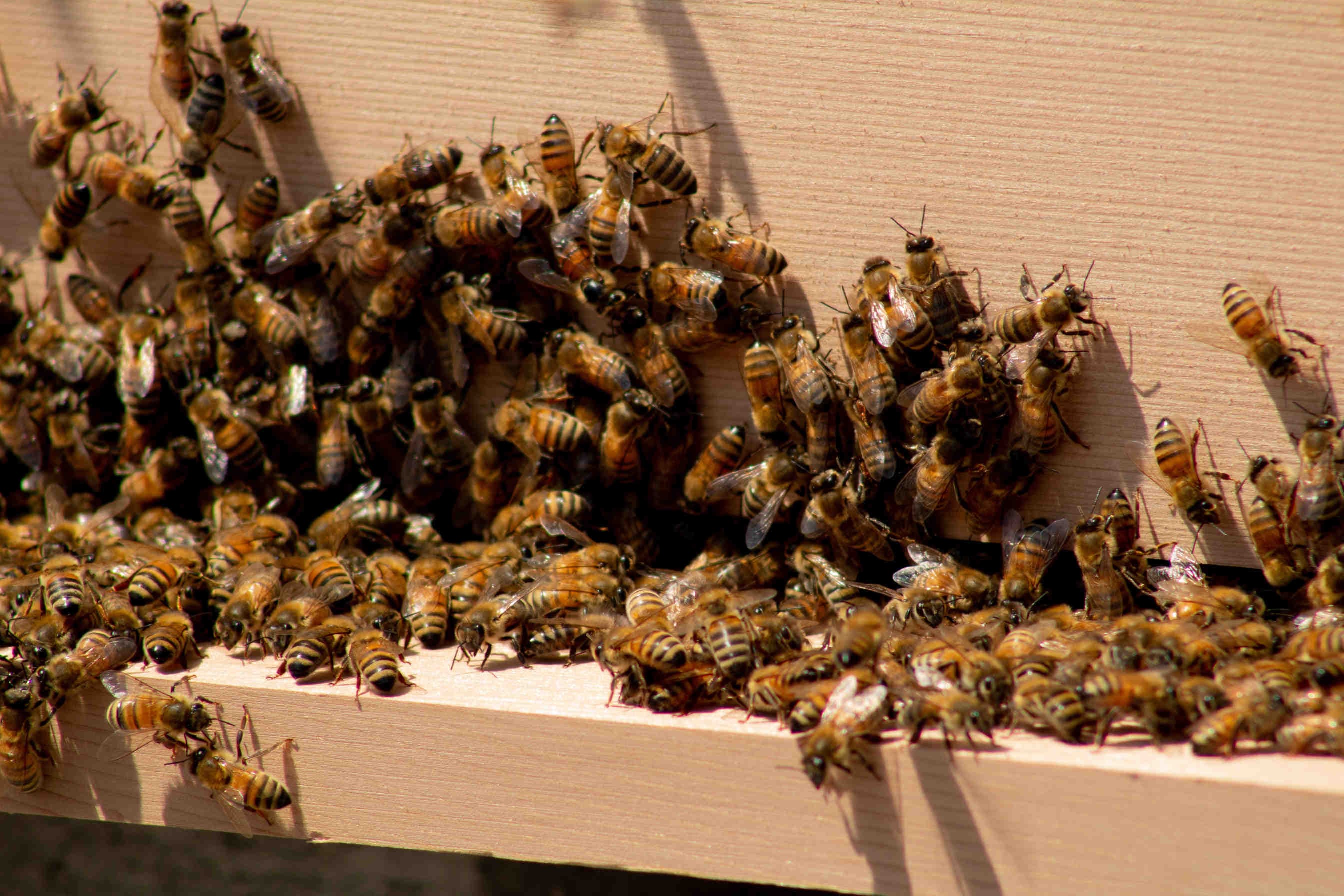
    3Bee is the Nature Tech company that develops technologies for the protection of biodiversity. 3Bee Hive-Tech is 3Bee's first system for analysing the health and 'starvation' status of honeybees, environmental bees par excellence. Over time, we have developed other technologies to study and monitor all the pollinating insects and created more than 200 Oases of Biodiversity with thousands of nectariferous plants to provide them with nourishment. Thus, we want to create a virtuous circle: our beekeepers are transformed by necessity into Oasis growers and promoters of environmental biodiversity. We do not encourage massive production and intensive breeding, which have a negative impact on biodiversity and pollinators. We do, however, recognise the value of honey as a valuable symbol of the biodiversity of an environment and a tool for disseminating the commitment and protection of an area, to be consumed sparingly and with respect for the life cycle of these insects.

    3Bee Hive-Tech

    What is honey

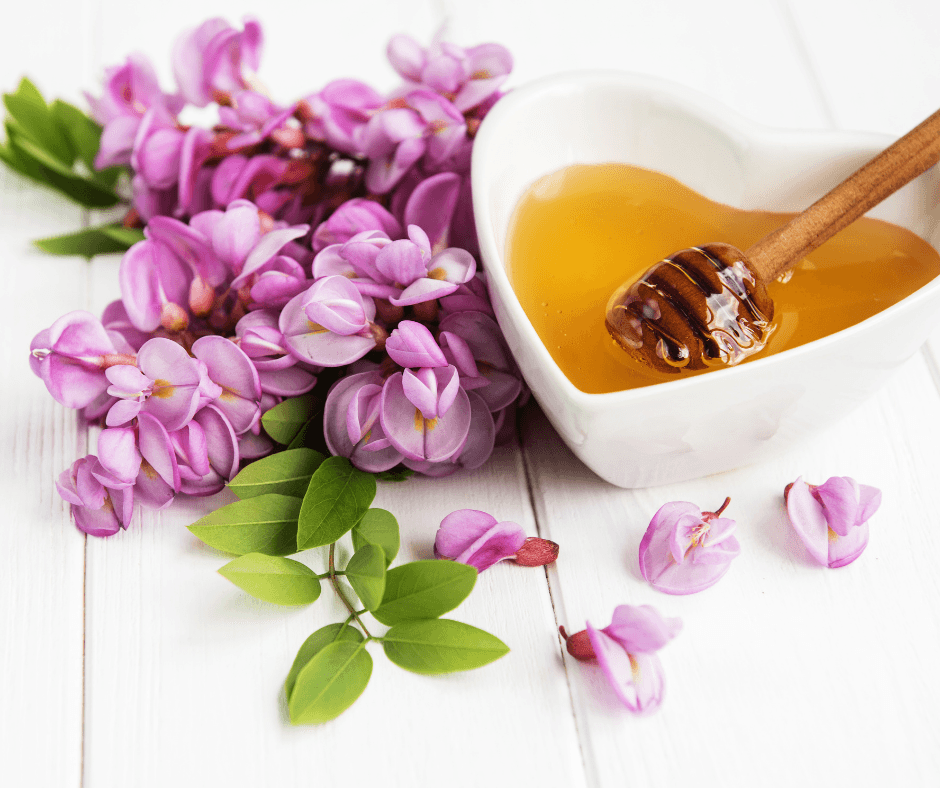
    Honey is a natural product made by bees (Apis Mellifera) from flower nectar, which is collected and subsequently processed. To date, some 300 different types of honey are recognised, the variety of which depends on the nectar of the different flowers harvested by bees. It consists mainly of carbohydrates, but has other compounds such as proteins, vitamins, amino acids, minerals and organic acids. Pure raw honey also contains polyphenols, flavonoids, alkaloids, glycosides and volatile compounds. In short, it is a superfood whose components have been indicated by various studies to have antioxidant, anti-microbial, anti-inflammatory, anti-proliferative, anti-tumour and anti-metastatic effects.
    What is honey
    XNatura

    The benefits of honey

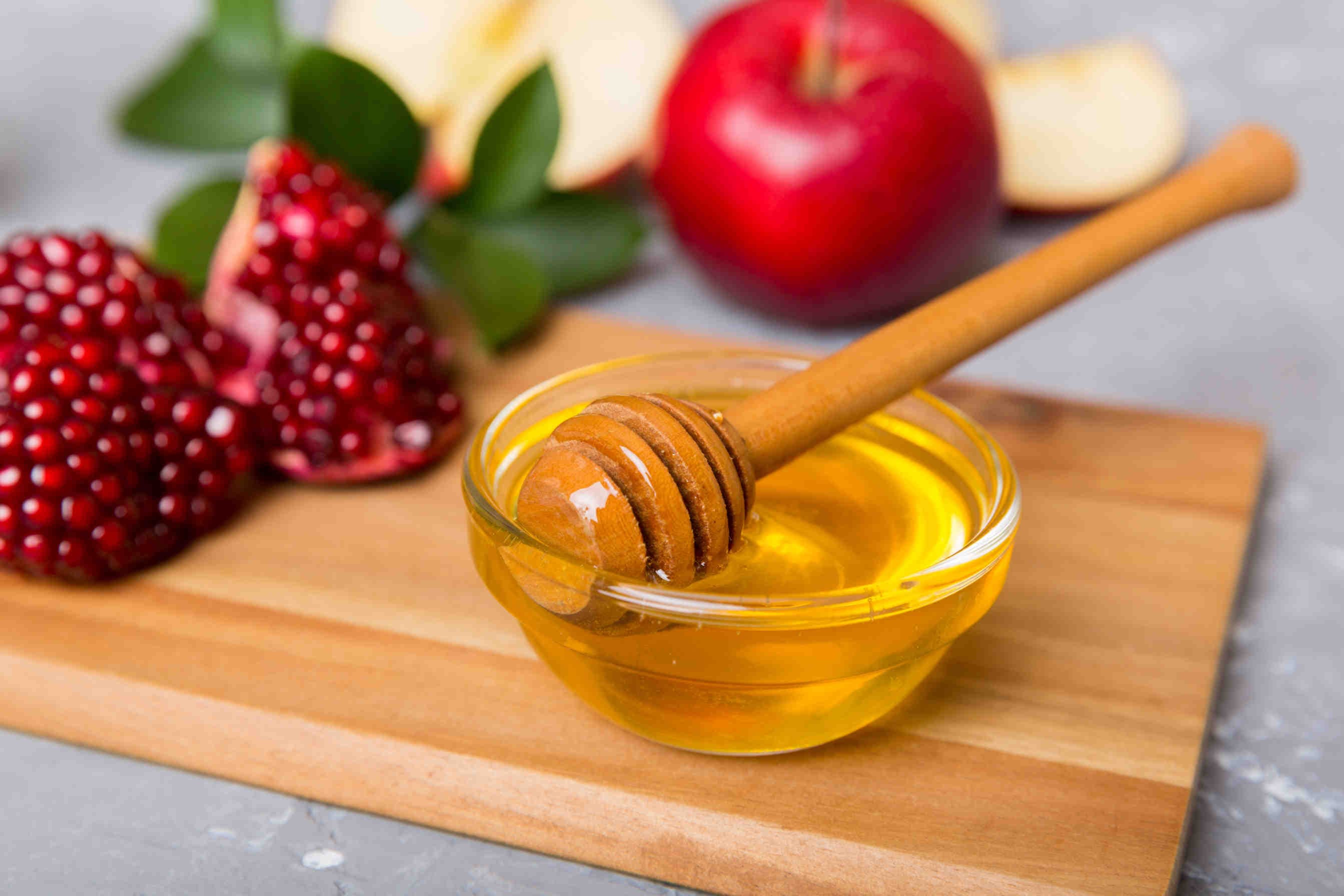
    The medicinal properties of honey have been known since ancient times. The use of bee products to treat illnesses is attested by cave paintings dating back 8000 years. Numerous documents such as Sumerian inscriptions, Egyptian papyri, Hindu scriptures, the Koran, the Bible, the writings of Hippocrates and Aristotle illustrate how honey has always been used by man as a medicine. Currently, there are many references to the beneficial properties of honey for our health, and many studies are dedicated to them. Obviously, to be able to enjoy all the benefits that honey provides us with, we should prefer raw honey, i.e. honey that has not undergone industrial processing. These deprive it of many of its useful nutrients, impoverishing its quality and reducing its effectiveness.
    The benefits of honey

    Useful against coughs and sore throats

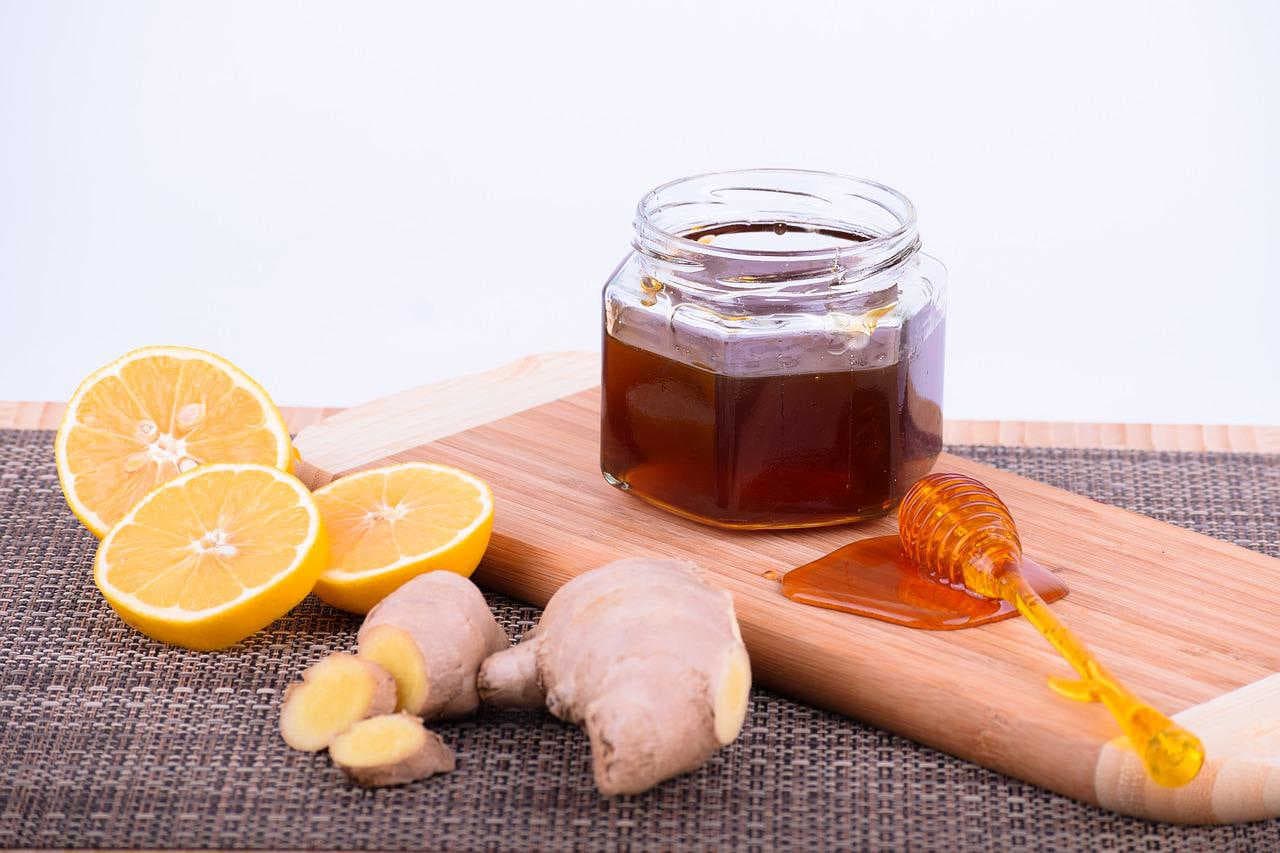
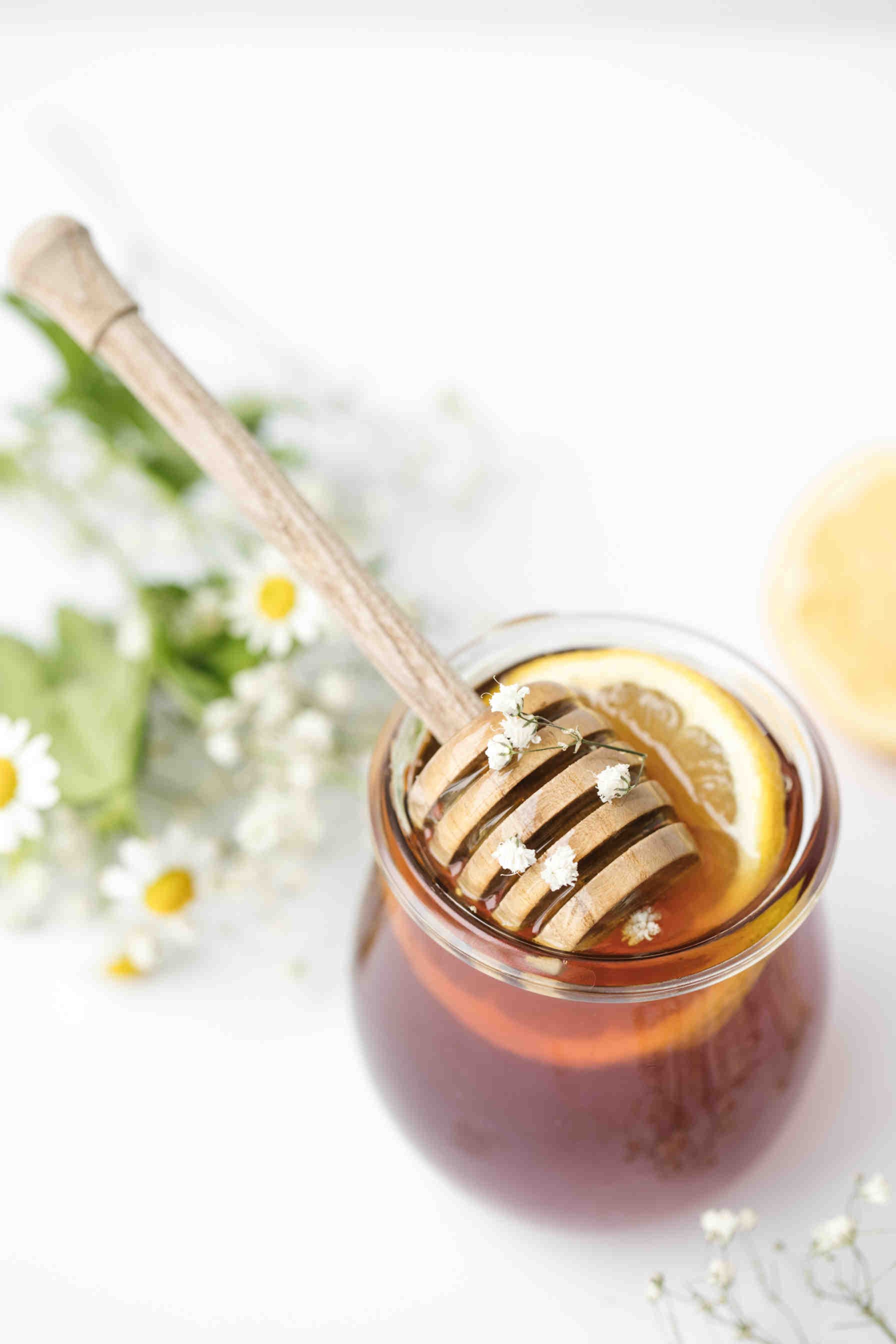
    Warm milk and honey, how many of us have never tried the classic 'grandma's remedy' in case of cough and sore throat? Honey is indeed an excellent cough suppressant, says an Israeli study conducted on 300 children. By taking honey instead of syrups and drugs, they saw a considerable decrease in their coughs at night! Just as it is useful for fighting coughs, it is also a great ally in cases of sore throat and seasonal winter illnesses. It exerts a decongestant action on the respiratory tract. For this kind of ailment, one usually prefers to consume more 'balsamic' honeys, such as linden and eucalyptus, to name but the most popular.
    Useful against coughs and sore throats
    XNatura

    Incredibly energising and anti-ageing

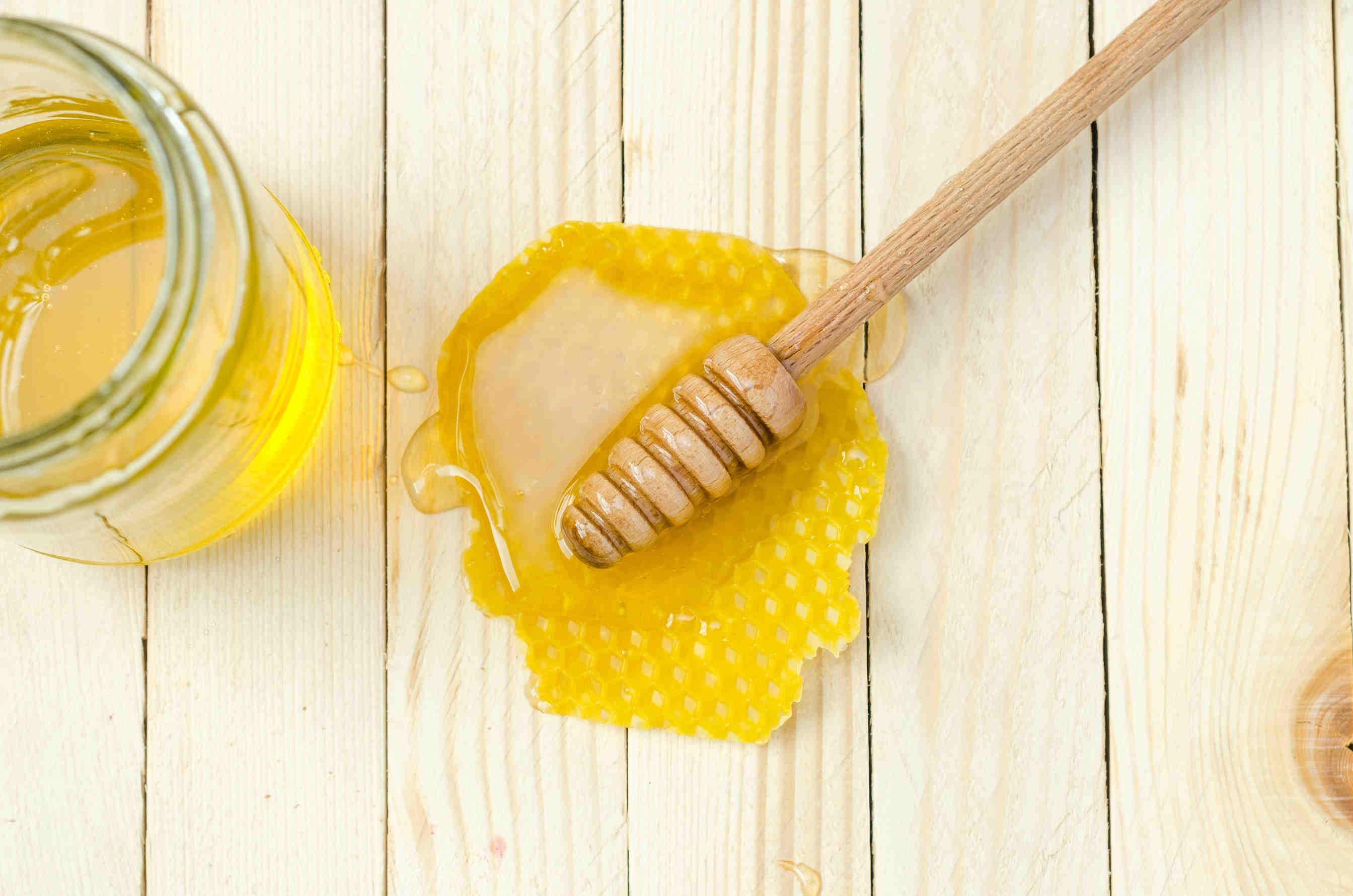
    Honey is great for athletes, but not only! Being a natural sugar concentrate, it is a precious source of energy. Its glucose and fructose composition allows both rapid absorption for faster utilisation of sugars and greater availability even during more intense physical exertion. Honey is a food rich in antioxidants and polyphenols. As a rule, the darker the colour of honey, the richer it is in these substances. Its antioxidant action prevents the onset of diseases caused by free radicals and counteracts the ageing process.
    Incredibly energising and anti-ageing
    3Bee

    Repairs tissue and acts against bacteria

    In antiquity, honey was used to facilitate wound healing. Many studies have focused on this property of honey. What has emerged is that the use of honey on wounds stimulates tissue regeneration while preventing inflammation and infection. Honey's ability to reduce infection is linked to its known antimicrobial action. In fact, the presence of hydrogen peroxide counteracts bacterial proliferation. Many studies have been conducted to try to fully understand its potential. Of the honeys studied, the one that seems to have the most intense action is Manuka honey, especially against Escherichia coli and Staphylococcus aureus.

    Repairs tissue and acts against bacteria

    Anti-inflammatory and emollient

    Honey is also rich in phenolic and flavonoid compounds and these are responsible for its anti-inflammatory properties. Not only does it promote tissue regeneration, but it also appears to be a stimulant for our immune system! For all these beneficial properties, honey has an incredibly beneficial effect on our skin, especially in the case of acne and pimples. It can be the secret ingredient in many home beauty recipes, such as moisturising masks and scrubs.

    Anti-inflammatory and emollient

    An aid for stomach and intestines

    Honey also seems to be very useful in cases of gastrointestinal infections. Precisely because of its anti-inflammatory properties and its promotion of tissue regeneration, it can have positive effects on the health of our stomachs. Among the many properties of honey, we can also mention its adjuvant action in cases of constipation. Its high fructose concentration, in fact, has a lowering power as it stimulates the flow of liquids in the intestinal tract.

    An aid for stomach and intestines

    Conclusions

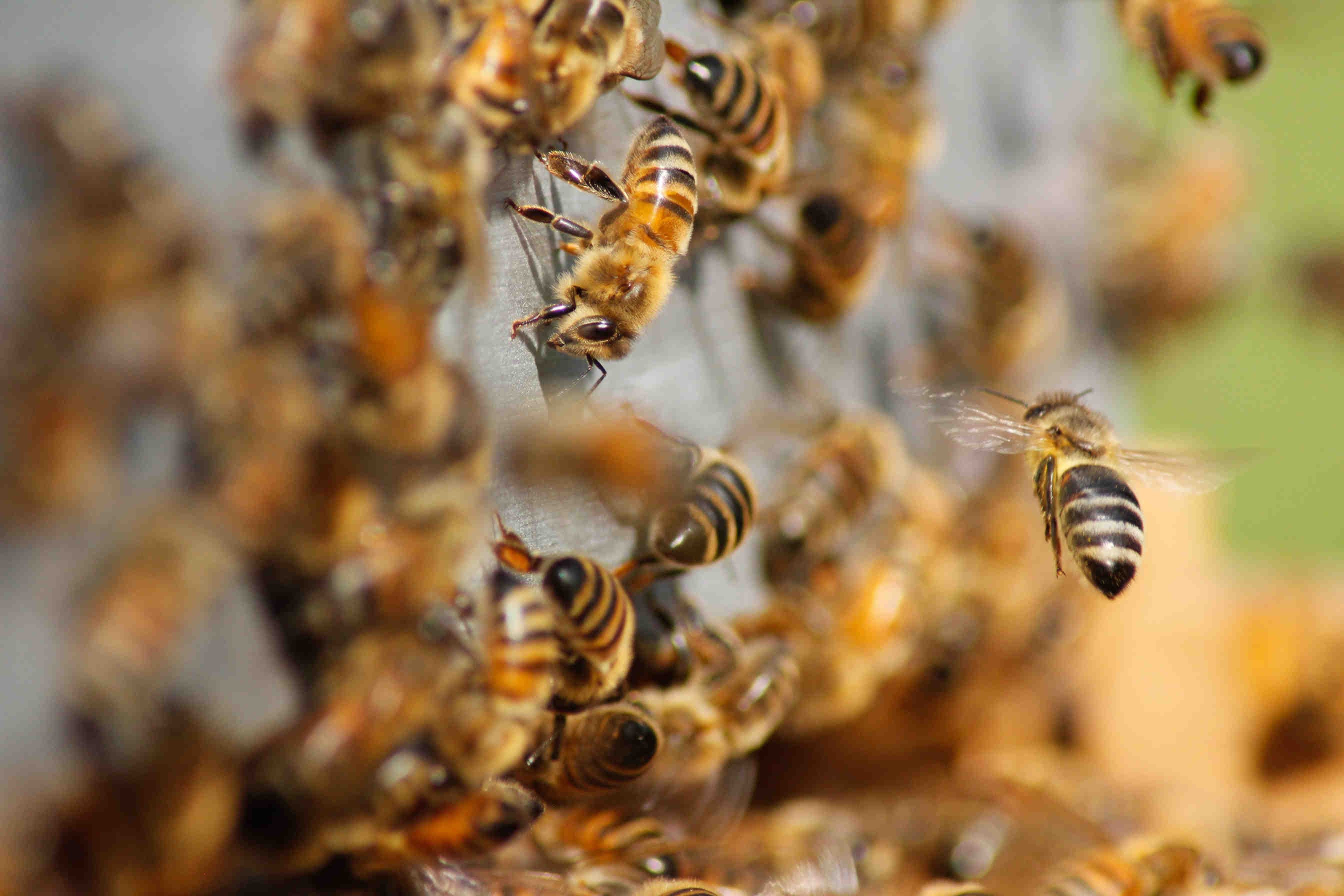
    The beneficial effects of honey, therefore, are many and, in order to enjoy them to the fullest, one teaspoon per day (20 g is the recommended dose) should be consumed. It is not only a valid substitute for sugar, compared to which it has a higher sweetening power and, for the same weight, contains about 22% fewer calories. It is not only a true superfood, extremely useful for our health, even in cases of malnutrition, withdrawal, intoxication and nervous exhaustion. It is also, due to its nutritional and production characteristics, a healthy product that has no negative impact on the environment. A real goods to appreciate and value. Find out how you can get quality, 100% Italian honey direct to your home thanks to our project "Adopt a beehive".
    Conclusions
    13/03/2018Of 3Bee, Elena Fraccaro
    6793 Views
    Newsletter
    newsletter
    Subscribe to the Blog about bees and biodiversity