3Bee's approach to biodiversity protection
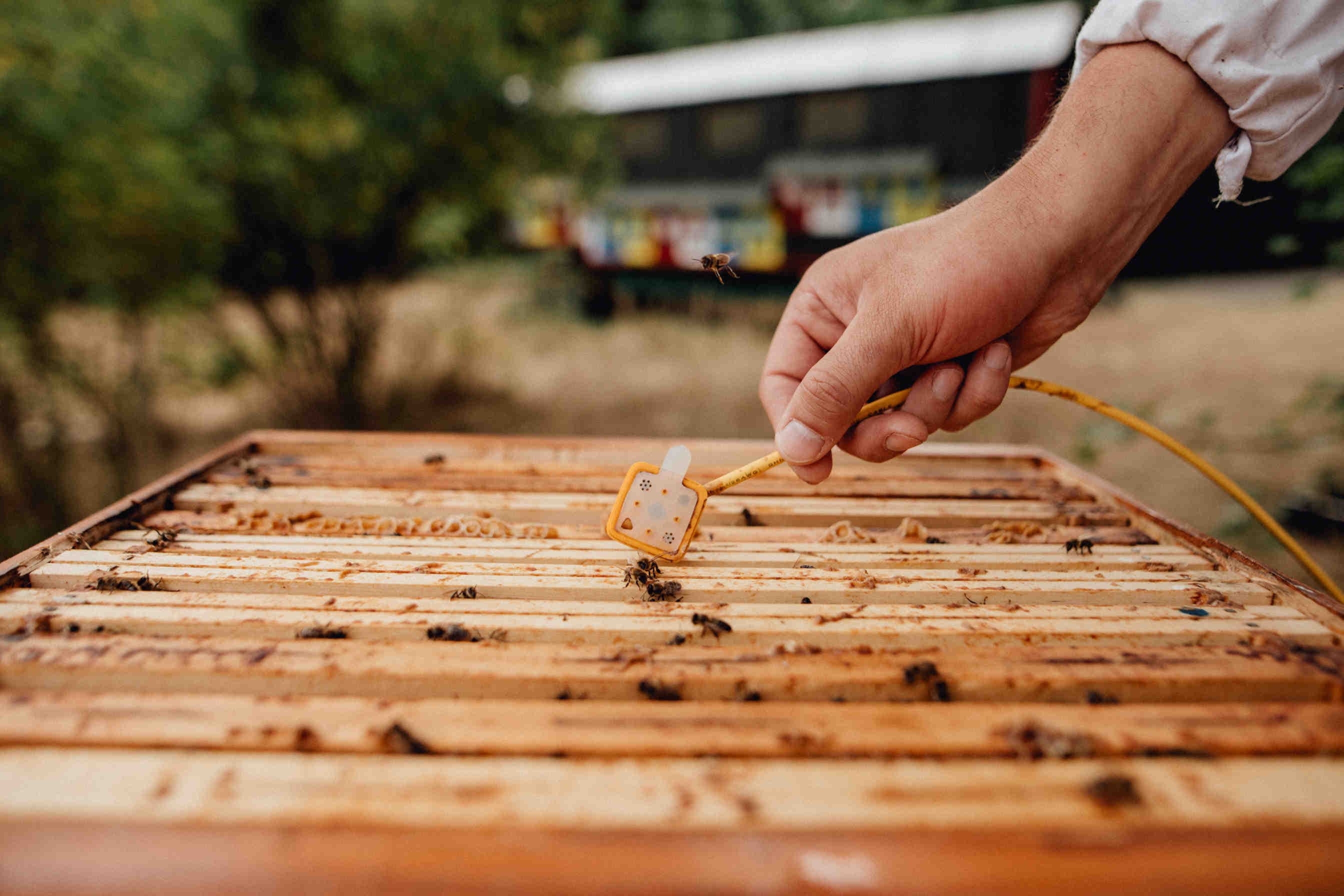
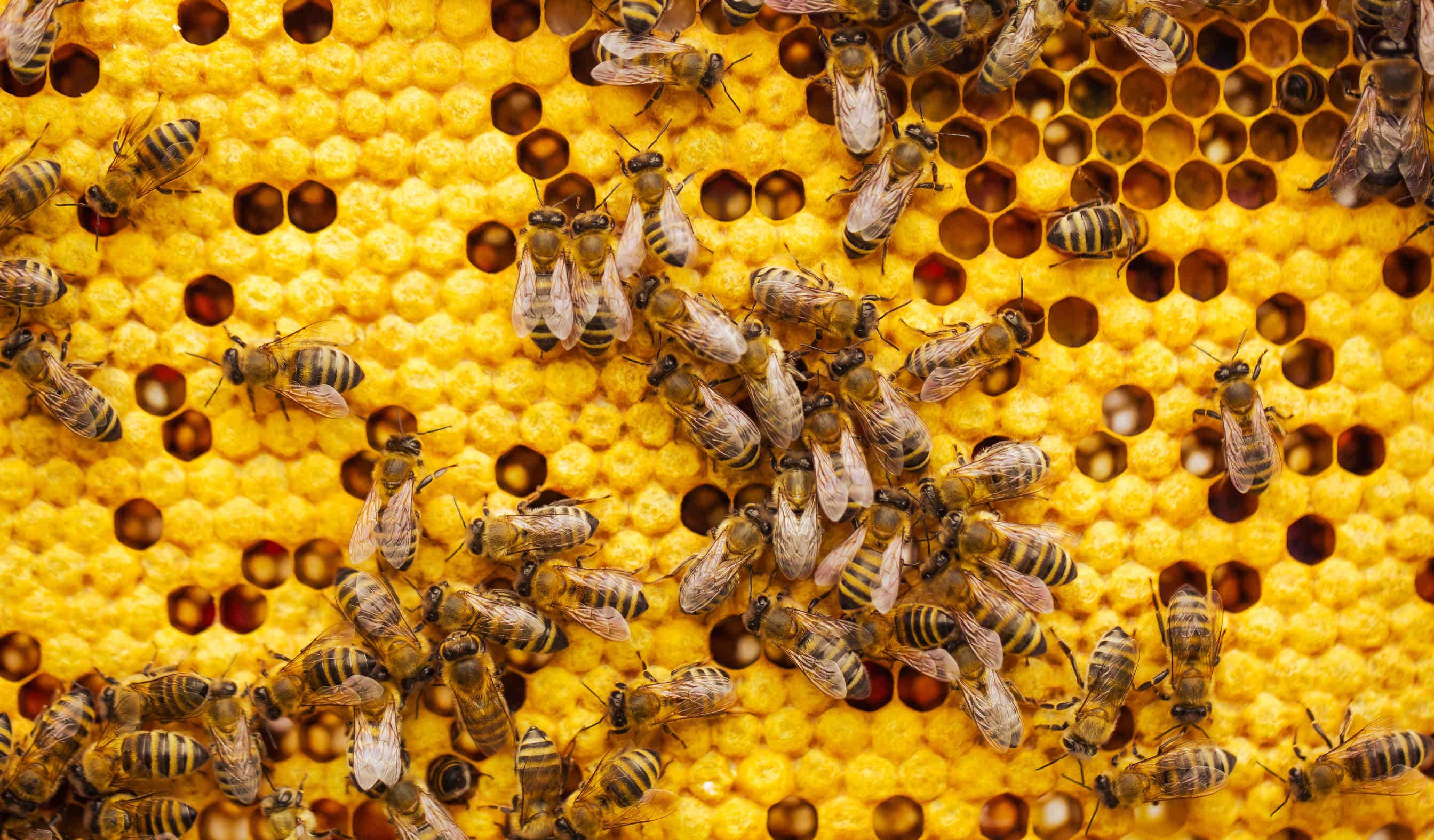
Honey is a foodstuff that has accompanied man from prehistoric times to the present day. We know that bees appeared between 50 and 25 million years ago, but the first evidence of an encounter between man and bee dates back some 10,000 years.
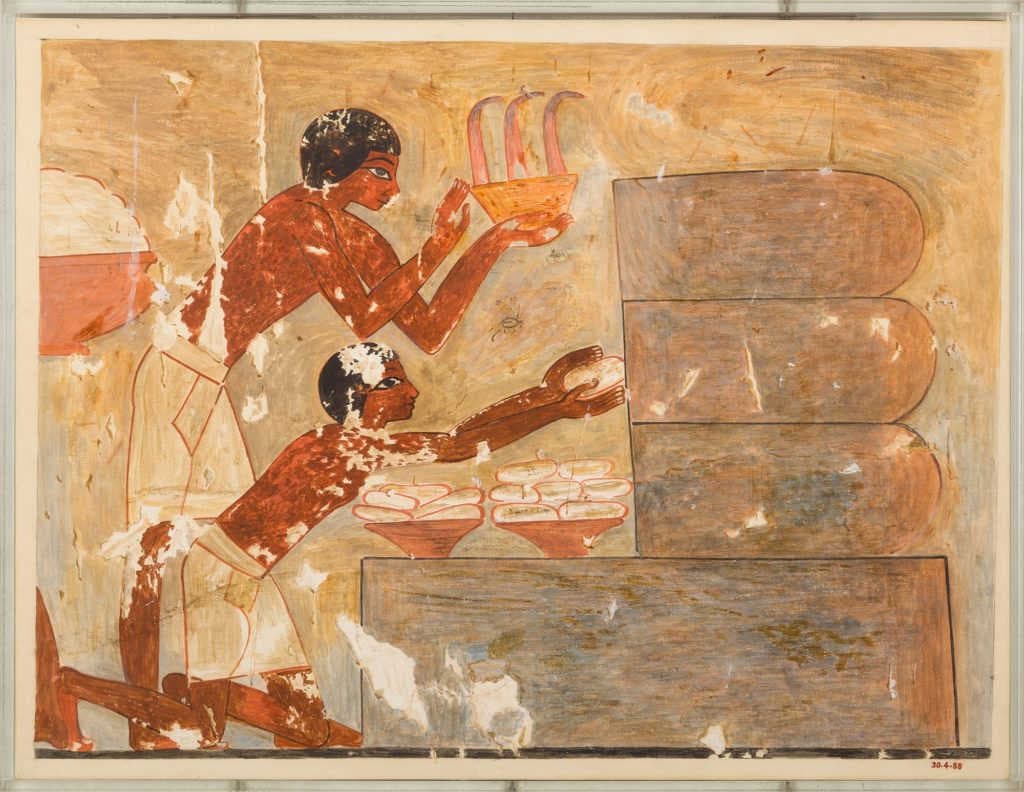
Read the articleFrom the simple search for wild swarms to collect honey, they gradually moved on to their breeding. There are reliable records of this practice in the period of


The Sumerians used honey for cosmetic purposes, while the
Extensive mention of honey is found in the time of the Greeks and Romans. Honey and bees are often found in mythology, in tales such as the one recounting the birth of Zeus, who was fed goat's milk and honey by nymphs. A true 'food of the gods', honey was used both in cooking and in religious and funeral rites. A food much consumed by sportsmen, it was considered by Pythagoras to be an elixir to ensure a long and healthy life.
The


Authors such as Varro, Columella, Pliny the Elder and Virgil speak extensively about this in their works, drawing on what had previously been written by Aristotle. He was in fact the first to attempt to describe the anatomy of bees and the phenomenon of honey formation. At the time, it was thought that honey literally fell from the sky and that bees merely collected it. Seneca put forward the hypothesis that bees somehow intervened in the honey production process, but it was not until the 17th century that more accurate scientific information on this was obtained. In any case, beekeeping was widespread in Roman times and honey had many uses, from medicine to cooking to cosmetics. In general, honey was widely used as a sweetener, condiment and preservative. It was used in the preparation of various fish and legume dishes and mead was made from its fermentation.

Honey was still known in India, where it was used as an aphrodisiac. It was considered a

Throughout the
The

It was only from the
The numerous