10 things to know about flies
    FliesWhat they areLife cycleTheir services

    10 things to know about flies

    Flies are among the most misunderstood insects, often perceived solely as annoying and harmful. Behind their apparent simplicity lies a fascinating world: discover their biodiversity, fundamental ecological functions, and surprising curiosities that characterize them.

    Read the article
    09/01/2025Of 3Bee, Niccolò Patelli
    2219 Views
    09/01/2025Of 3Bee, Niccolò Patelli
    2219 Views

    Flies, misunderstood insects

    Disclaimer: this is an automated translation from Italian. Go to the original article.
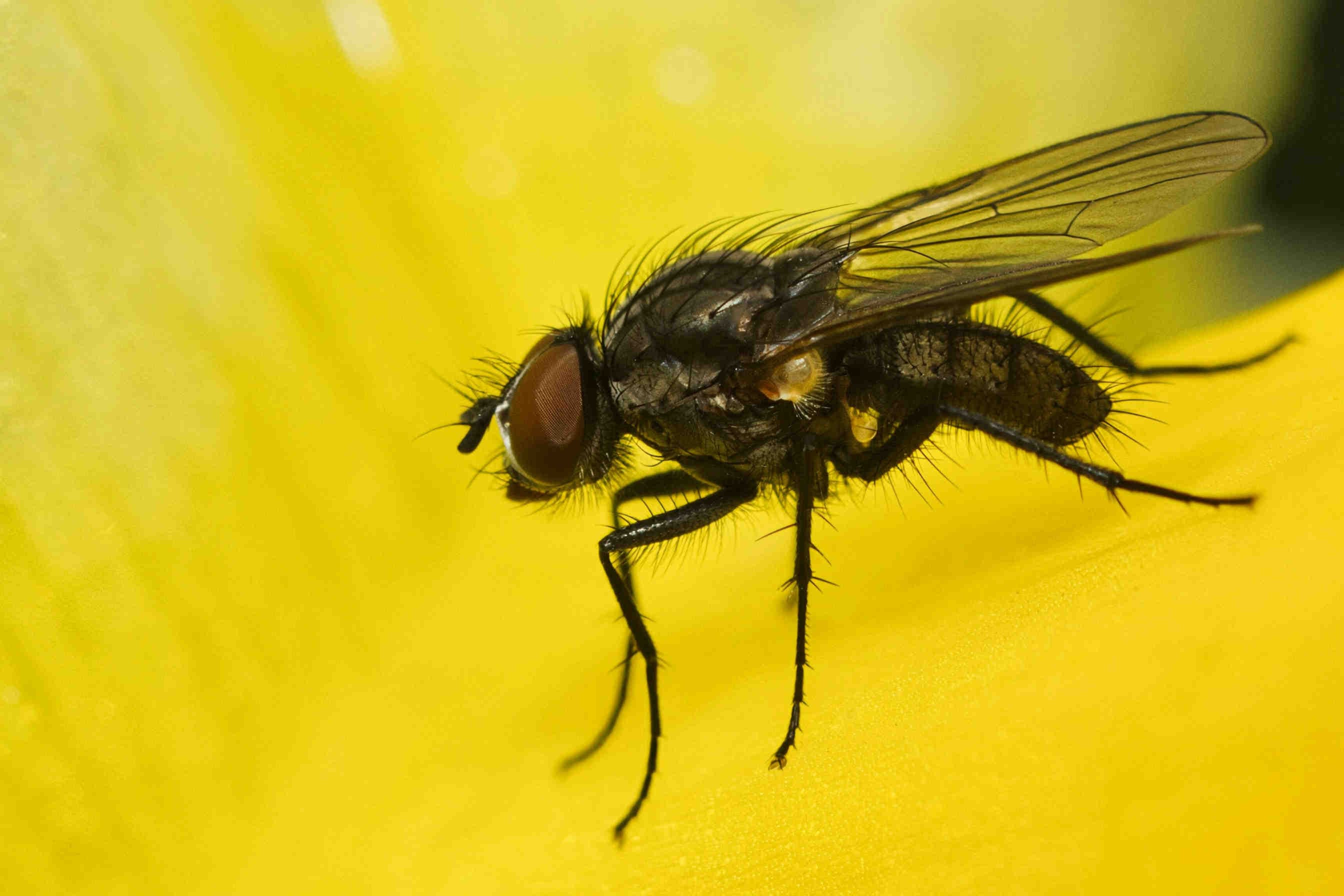
    Flies, often associated with nuisance and poor hygiene, are actually much more than that. Although they may be irritating, flies have extraordinary evolutionary adaptations and play fundamental ecological roles. For centuries, humans have reduced these insects to their ability to “disturb,” forgetting that they are present in nearly every environment on the planet and perform vital functions for ecosystems. Their ability to colonize the most varied habitats, from sweltering heat to the harshest climates, is a testament to their incredible resilience.

    mosca

    What (really) are flies

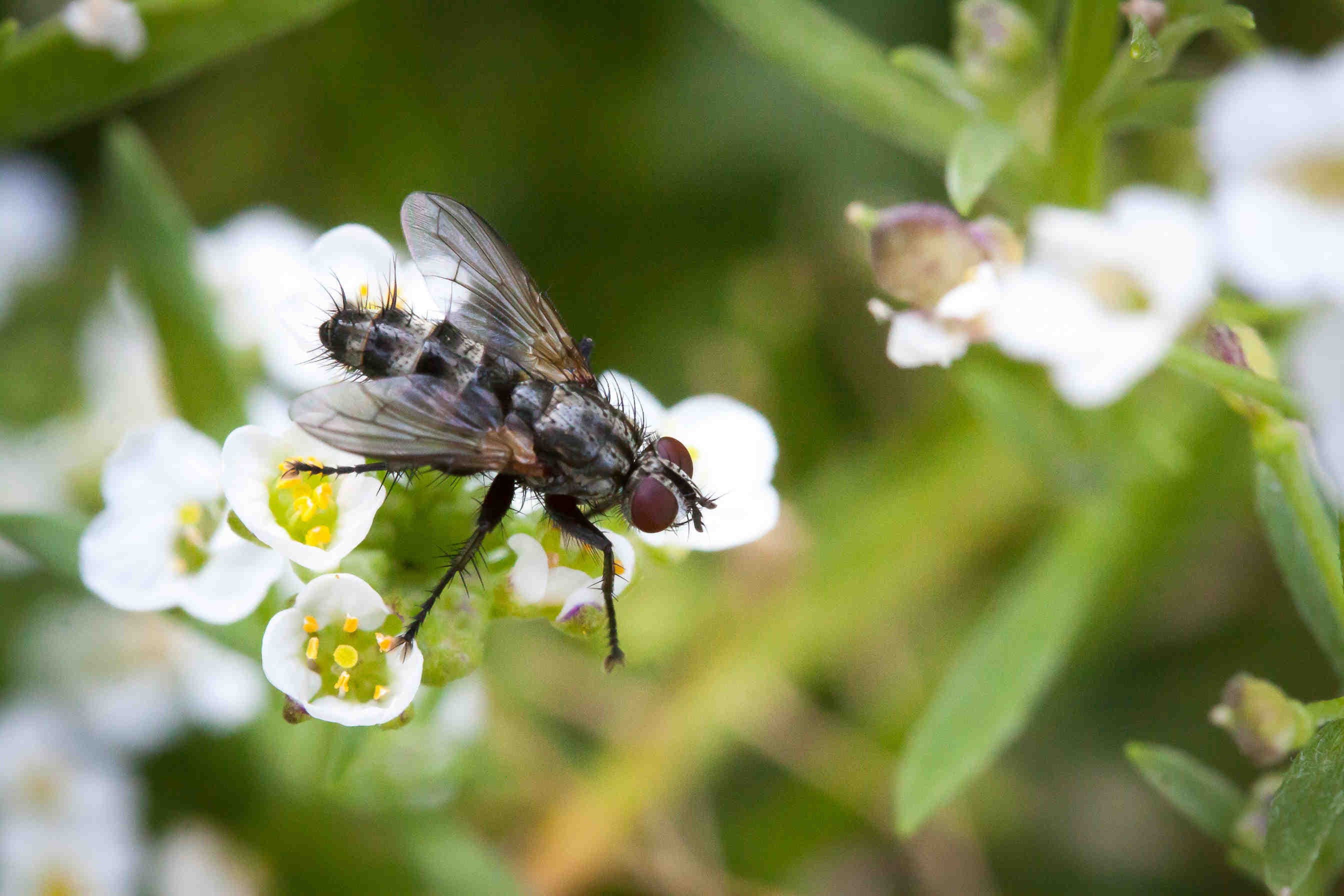
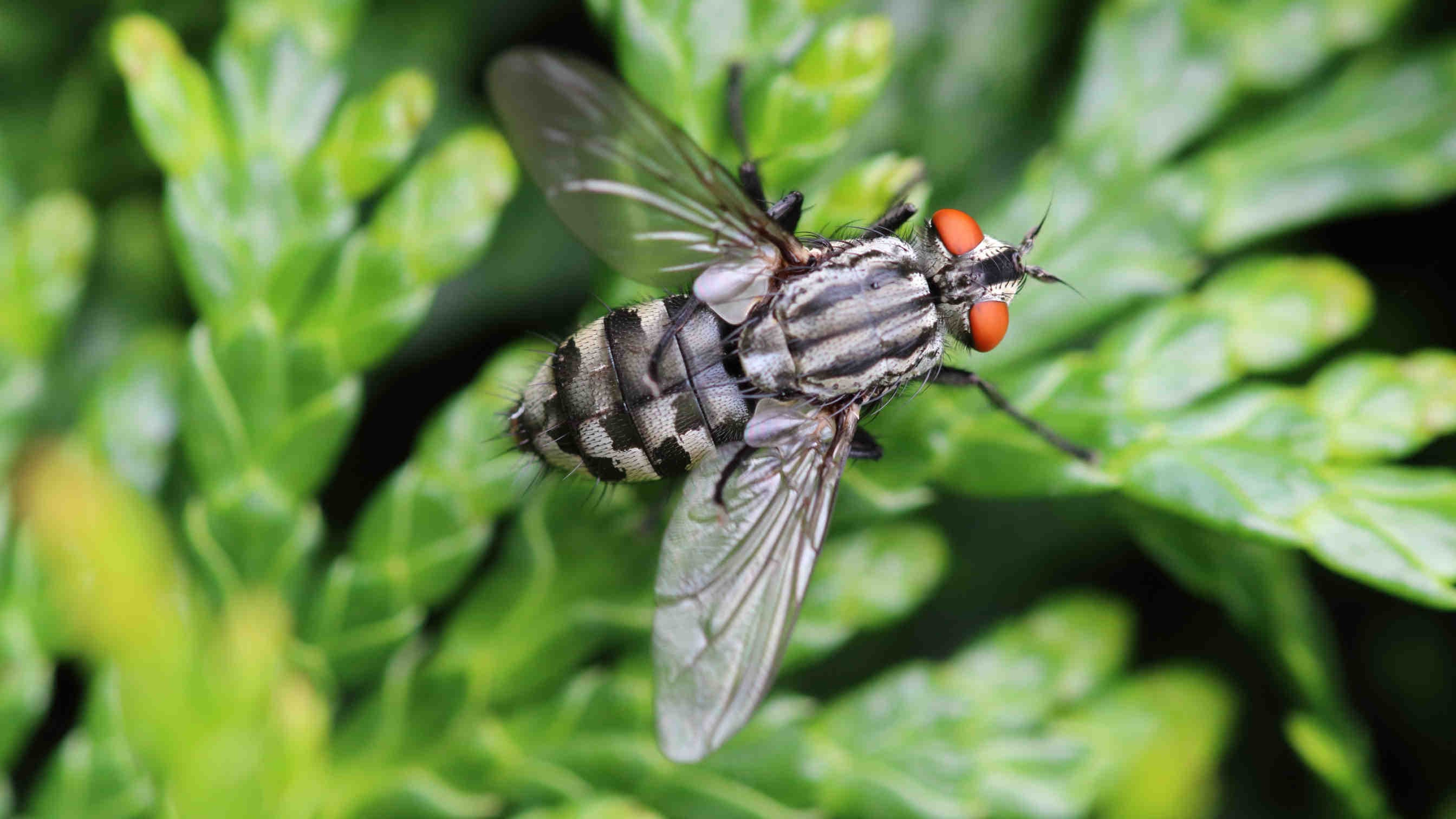
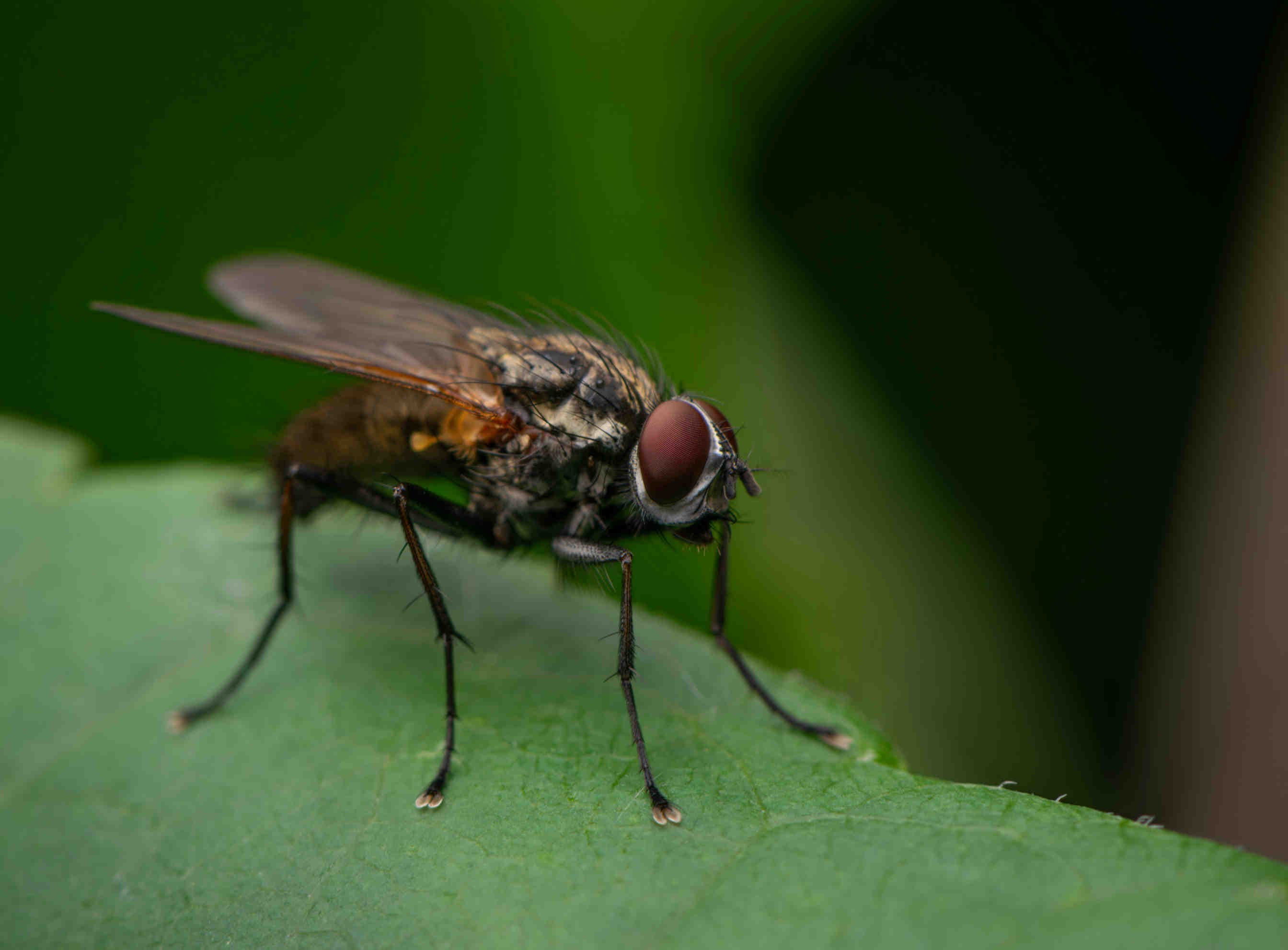
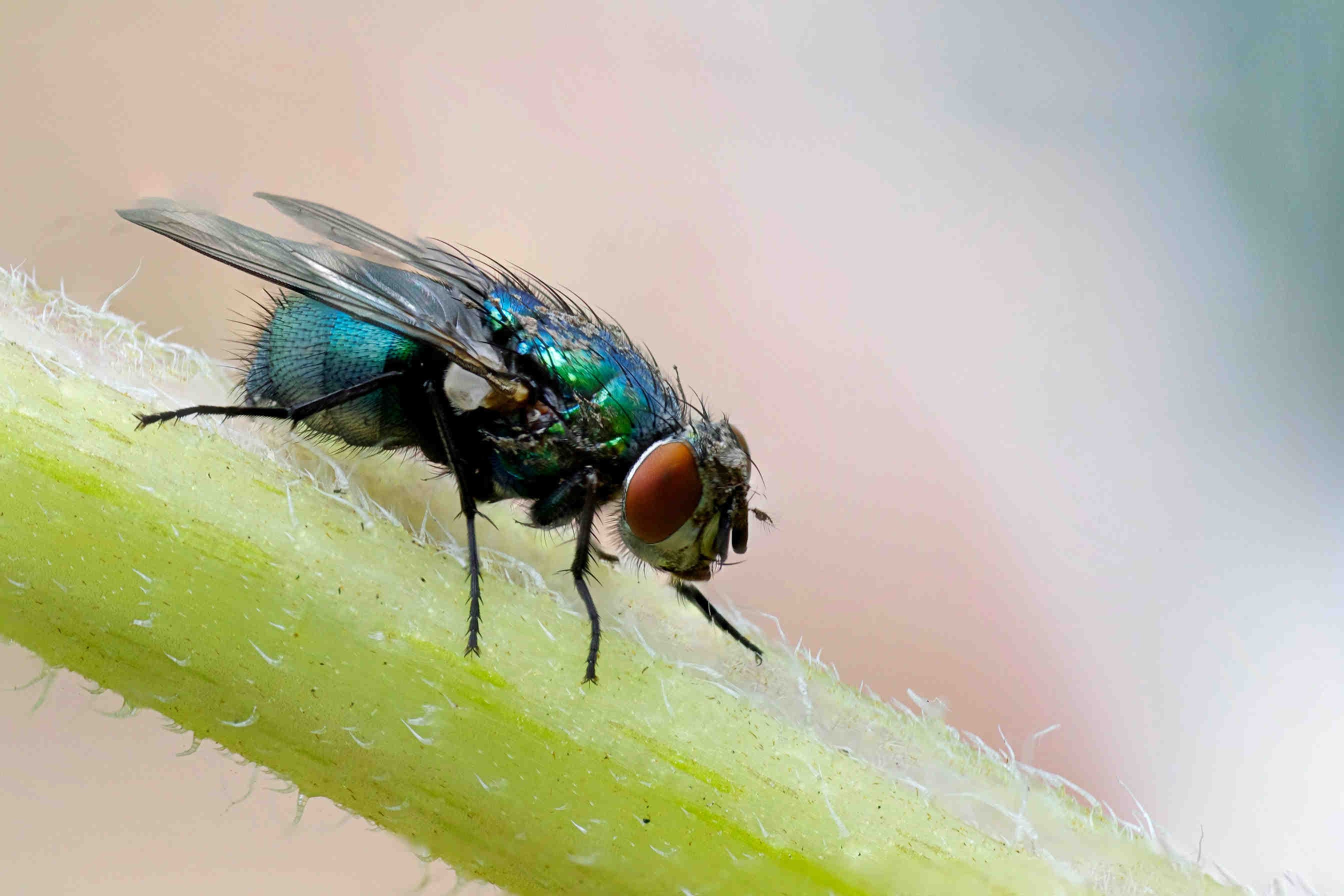
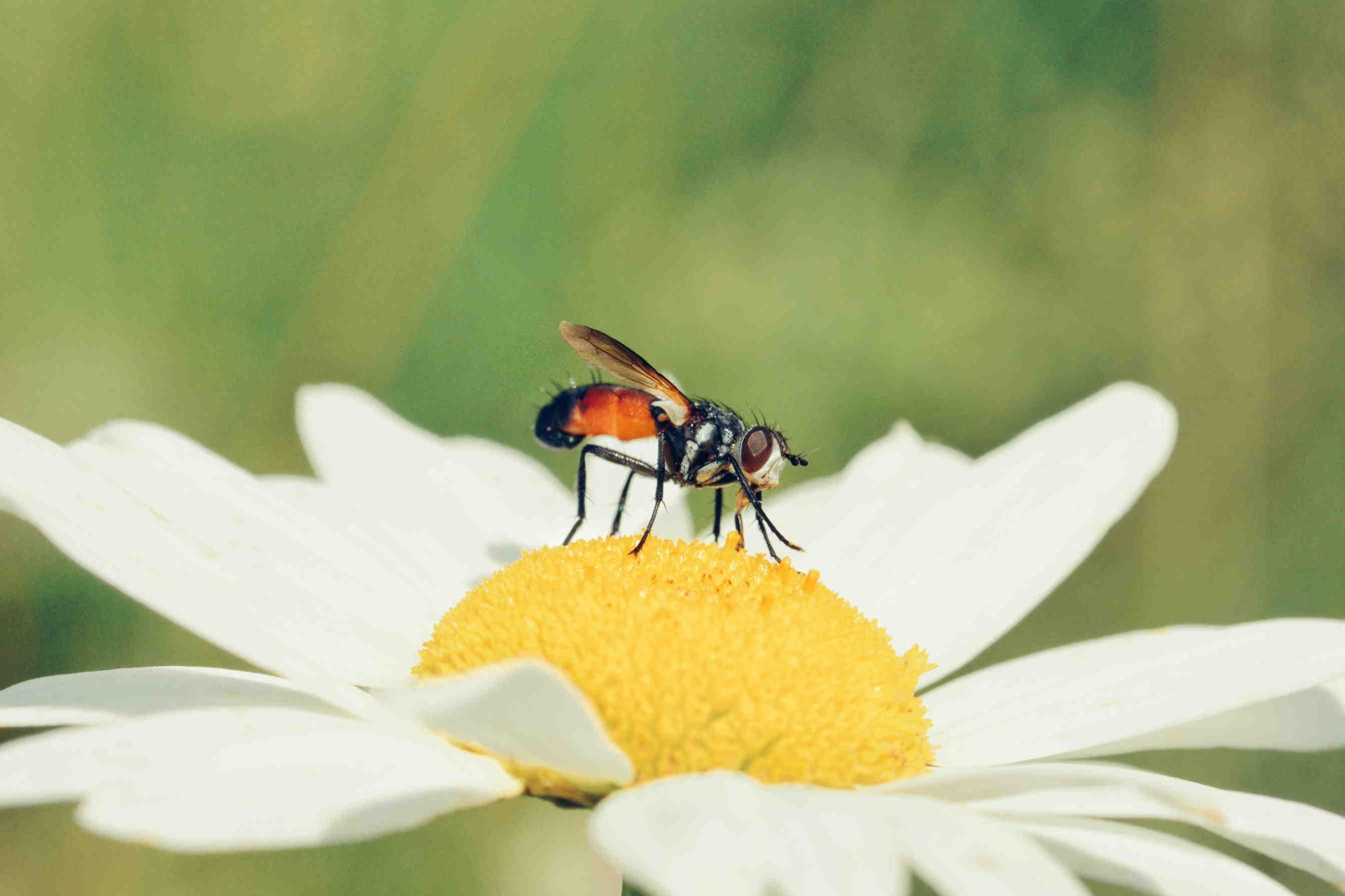
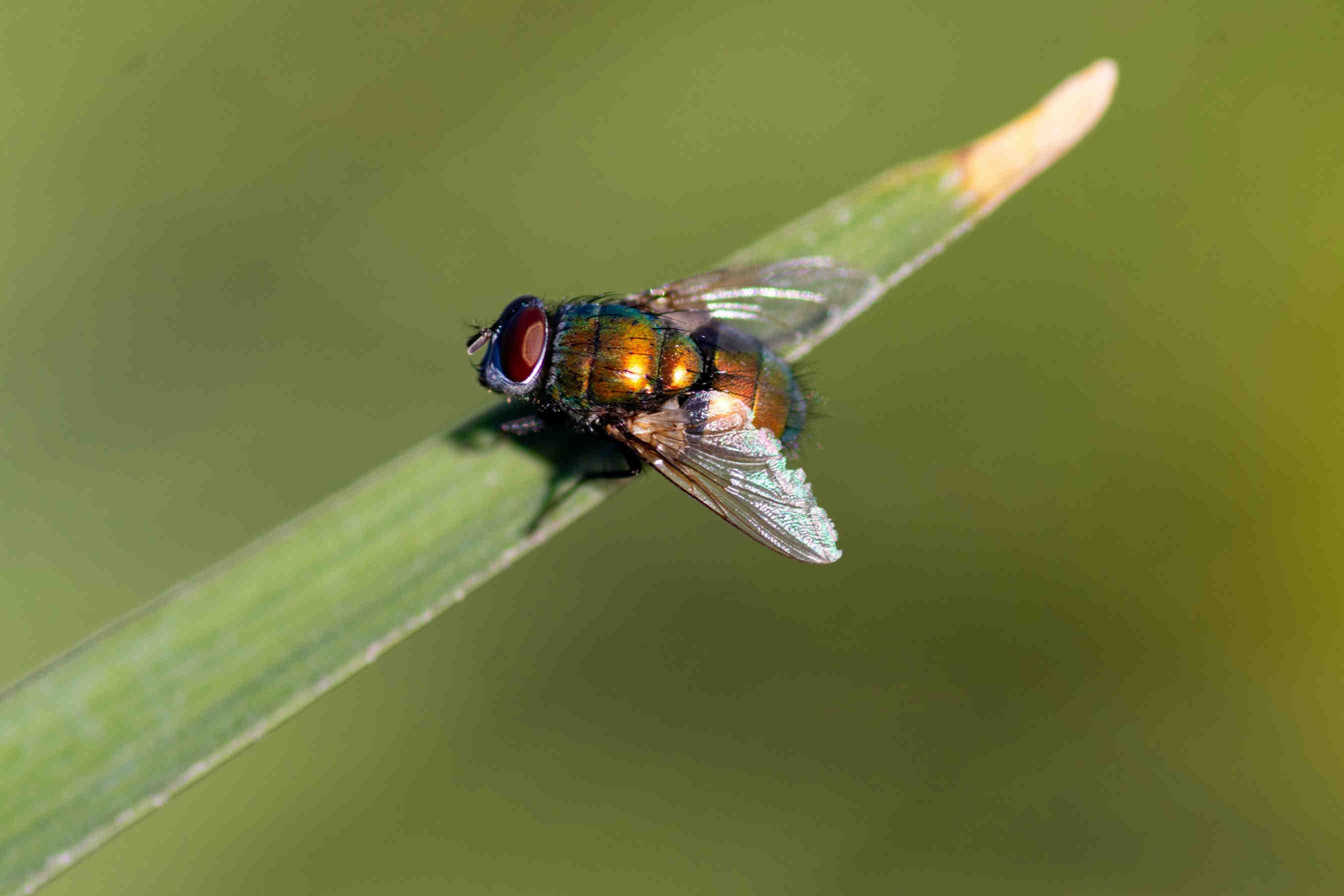
    When we think of flies, we usually imagine those small black insects that we can never catch, but in reality, we are talking about the suborder Brachycera, belonging to the order Diptera. The term "fly" is therefore very generic and includes tens of thousands of different species in terms of appearance, behavior, and ecology. Brachycera, like all diptera, are characterized by the presence of two functional wings (Diptera derives from the Greek “two wings”) and two converted into halteres, structures that ensure stability in flight. This suborder includes common flies like the housefly, but also less known and often highly specialized species, such as hoverflies and parasitoids. The ability to adapt to numerous environments and ecological niches makes "flies" one of the most diversified taxonomic groups among all animals.

    mosca
    XNatura

    Flies: an incredibly short life cycle

    There are species of sapro-phagous flies (i.e., those that feed on decaying organic matter), predatory species (such as Hoverflies, pollinators and predators of aphids), and also parasitoid species. Sapro-phagous species have a life cycle that, for some species and under ideal temperature and humidity conditions, can be completed in just one week. Females lay eggs that hatch within a few hours, releasing larvae that grow rapidly. The "blowflies" are even viviparous, meaning females lay larvae directly onto the substrate. After just a few days, metamorphosis into a pupa occurs (the equivalent of a chrysalis for butterflies), and adults emerge, ready to reproduce, ensuring a high rate of prolificity. This rate accelerates especially in warm climates, where the fly can transition from egg to adult in incredibly short times, colonizing new habitats with impressive speed. In winter, many species enter diapause.

    mosca

    The ecosystem services of flies

    Flies play crucial and, in some aspects, unexpected roles in ecosystems. They are decomposers and make organic matter available by transforming waste or animal and plant material into useful resources. Some species are efficient pollinators, thus contributing to the reproduction of plants, especially in habitats where other insects are inefficient or absent. Additionally, many flies are predators and, much like wasps, keep harmful insects in check. Some species, even more specialized, are parasitoids capable of limiting the population of agricultural pests and, among their benefits, they also contribute to the control of the brown marmorated stink bug. Finally, flies are part of the food webs and represent a food source for numerous animals. This and much more makes flies essential for ecosystem health.

    mosca
    XNatura

    Pollinating Flies

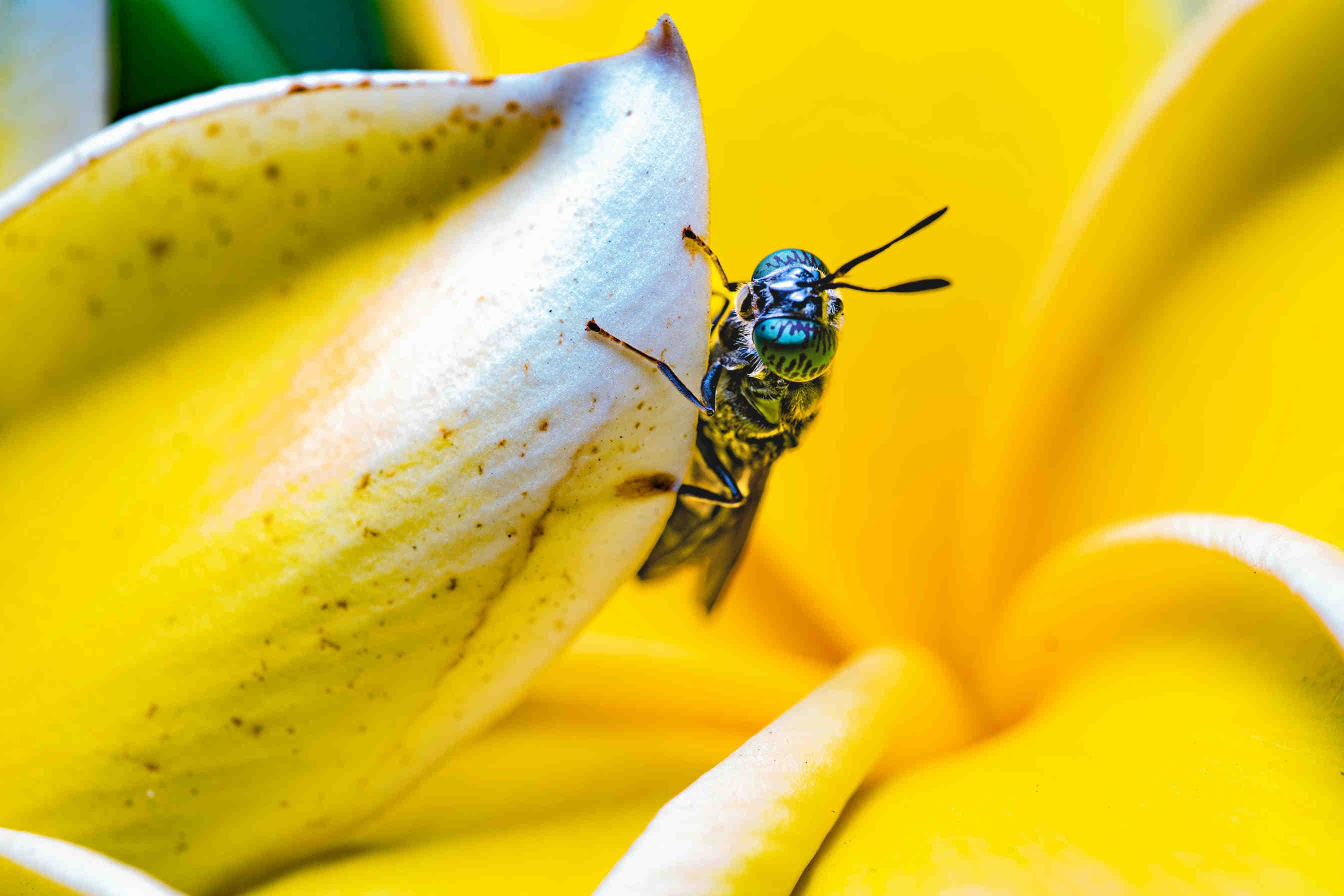
    Hoverflies, though not as famous as bees and butterflies, are efficient pollinators and are part of the unexpected pollinators, such as beetles and even wolves. Many species of flies visit flowers to feed on nectar and, like other pollinators, transfer pollen as they move from one plant to another. Their contribution is important especially in cold and mountainous climates, where flies are more active than hymenopterans and are often the only active group of pollinators. Flies also contribute to plant diversity, demonstrating their value even in agricultural contexts, although in the latter field it is mainly hoverflies that play a significant role.

    mosca
    3Bee

    Hoverflies: champions of pollination

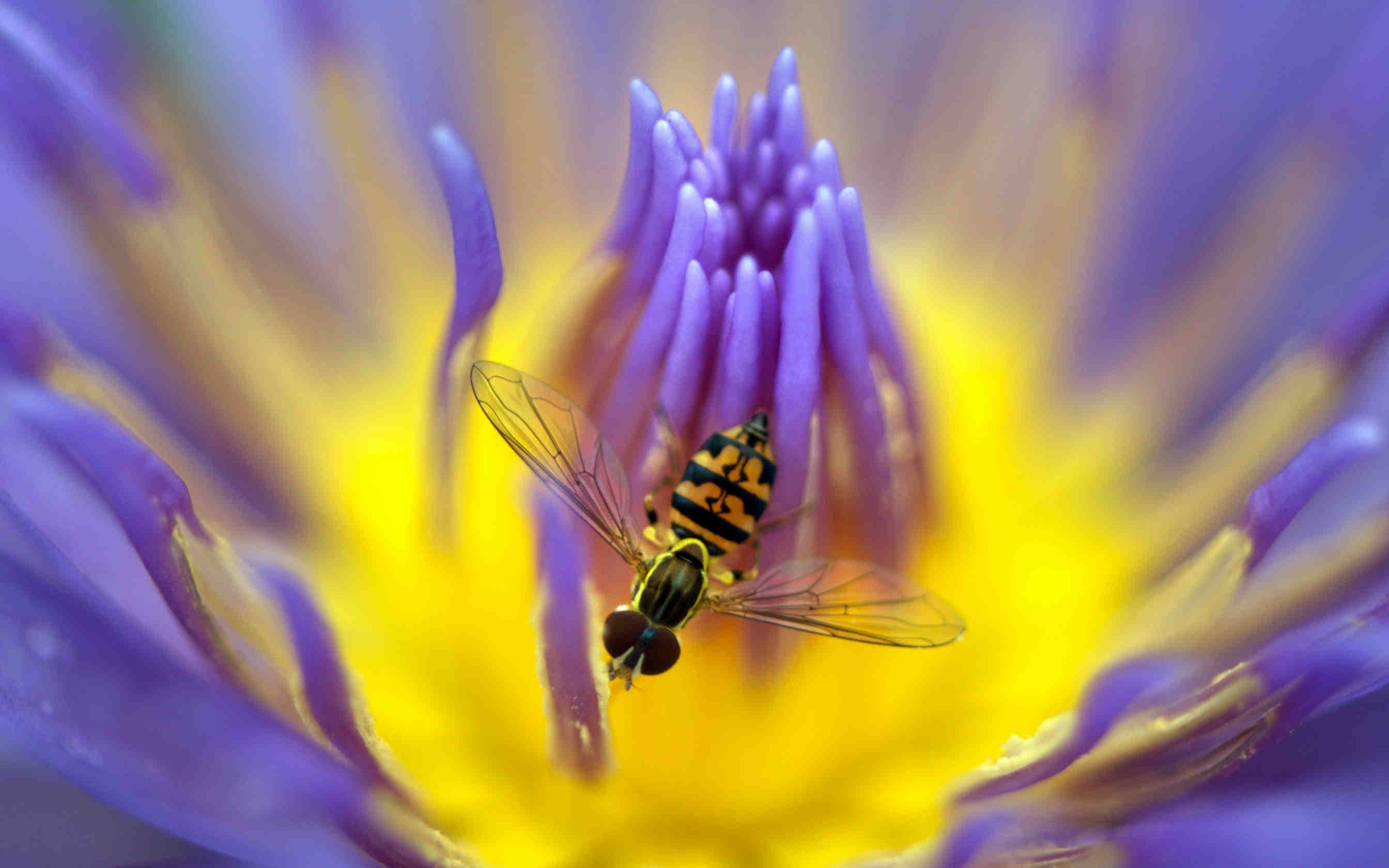
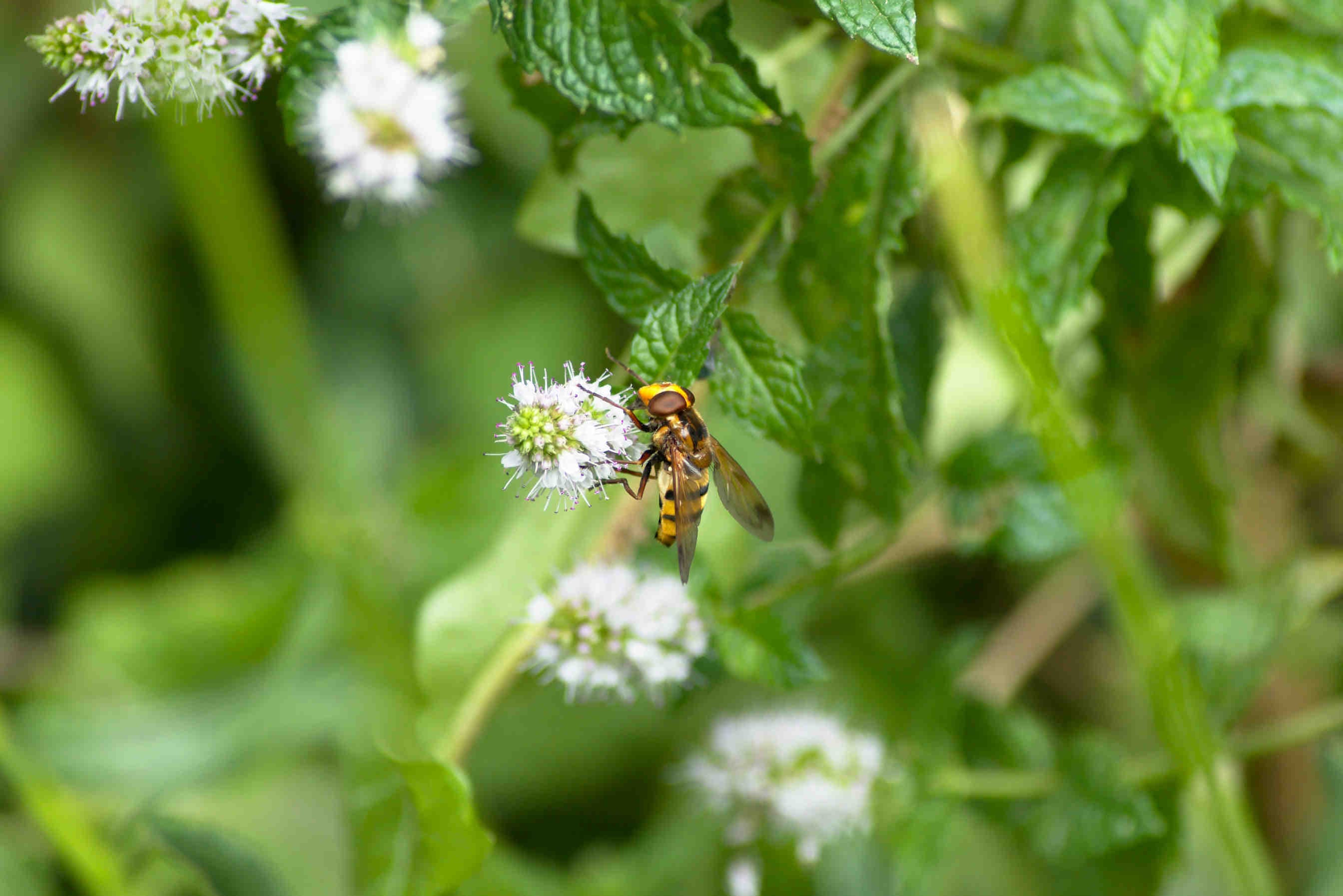
    Among the flies, hoverflies are the true specialists in pollination: their contribution globally is second only to that of the apoidean hymenopterans. With their appearance, often similar to that of bees, these flies disguised as bees visit a wide variety of flowers, significantly contributing to the transport of pollen. Hoverflies are crucial for crops like cabbages, onions, and fruit trees. Their larvae also play an important role as predators of aphids, helping farmers with biological pest control. This dual contribution makes them an irreplaceable resource for both natural ecosystems and agriculture.

    sirfide

    The black soldier fly: a valuable ally

    The black soldier fly (Hermetia illucens) represents a tangible example of how an insect can become a valuable ally. Its larvae feed on decomposing organic matter and can thus be fed using organic waste as a substrate: the end result is that these are transformed into compounds or even plastics and fuels, greatly reducing waste. Rich in lipids and proteins, these larvae can be used as sustainable feed for farm animals (insect protein-based feeds are available on the market) or for aquaculture. Their use in waste management offers an ecological and innovative solution to tackle global challenges related to waste management and food production, both for animals and humans themselves, making it a model of circular economy.

    Mosca_soldato

    Risks associated with flies

    Despite the numerous benefits they bring, flies can also pose a risk source. The housefly and other species can carry bacteria and viruses, as they land on our food and household surfaces after visiting decaying materials. This makes them responsible for transmitting diseases such as salmonella or cholera. However, it is the parasitic and blood-feeding species like the Simulids that cause direct harm to humans and animals by transmitting various diseases. Although they are unavoidable, population control of flies remains essential to reduce their negative impact.

    mosca

    Some curiosities about flies

    Flies possess truly astonishing characteristics: for example, they have chemical sensors on their legs and can therefore taste food with their feet, which allows them to detect flavors and chemicals as soon as they land on a surface. Their flight is incredibly agile, with some species beating their wings up to 200 times per second. Their compound eyes allow them to perceive movements up to five times faster than a human: that's why we can never catch them! Some species of flies, particularly their larvae, have sparked interest in medicine: they are used in wound care treatments due to their antibacterial properties (as some might recall from the iconic scene in the movie Gladiator). Additionally, flies have also had a symbolic role in history: in ancient Egypt, they were considered an emblem of tenacity and courage, often depicted in decorative amulets.
    sirfide

    Reevaluating Flies

    Flies are often victims of prejudices, an example of how limiting it is to judge an insect solely through our preconceived notions. Although they are almost exclusively associated with nuisances and hygiene risks, they play crucial roles in the functioning of ecosystems and maintaining the environmental balance. Delving deeper into their world invites us to reflect on the importance of every living being. Even the smallest and most misunderstood can prove to be incredibly curious and fascinating, reminding us that the beauty of nature lies in its extraordinary complexity.

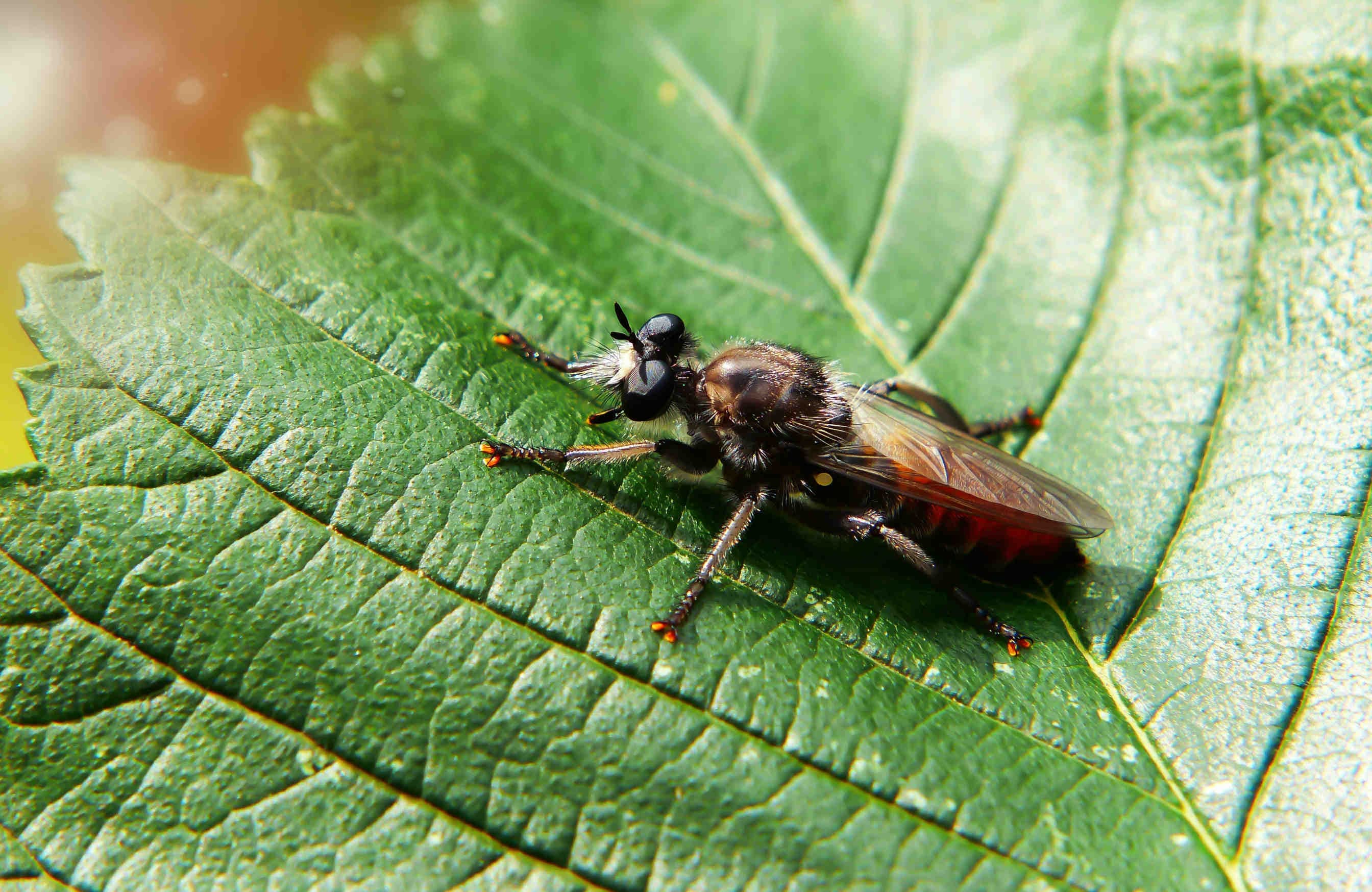
    Asilidae
    09/01/2025Of 3Bee, Niccolò Patelli
    2219 Views
    Newsletter
    newsletter
    Subscribe to the Blog about bees and biodiversity

    Frequently Asked Questions

    Do you have any doubts or other curiosities about this article? Here you will find some insights