Caterpillars: taxonomic classification and development
Disclaimer: this is an automated translation from Italian. Go to the original article.
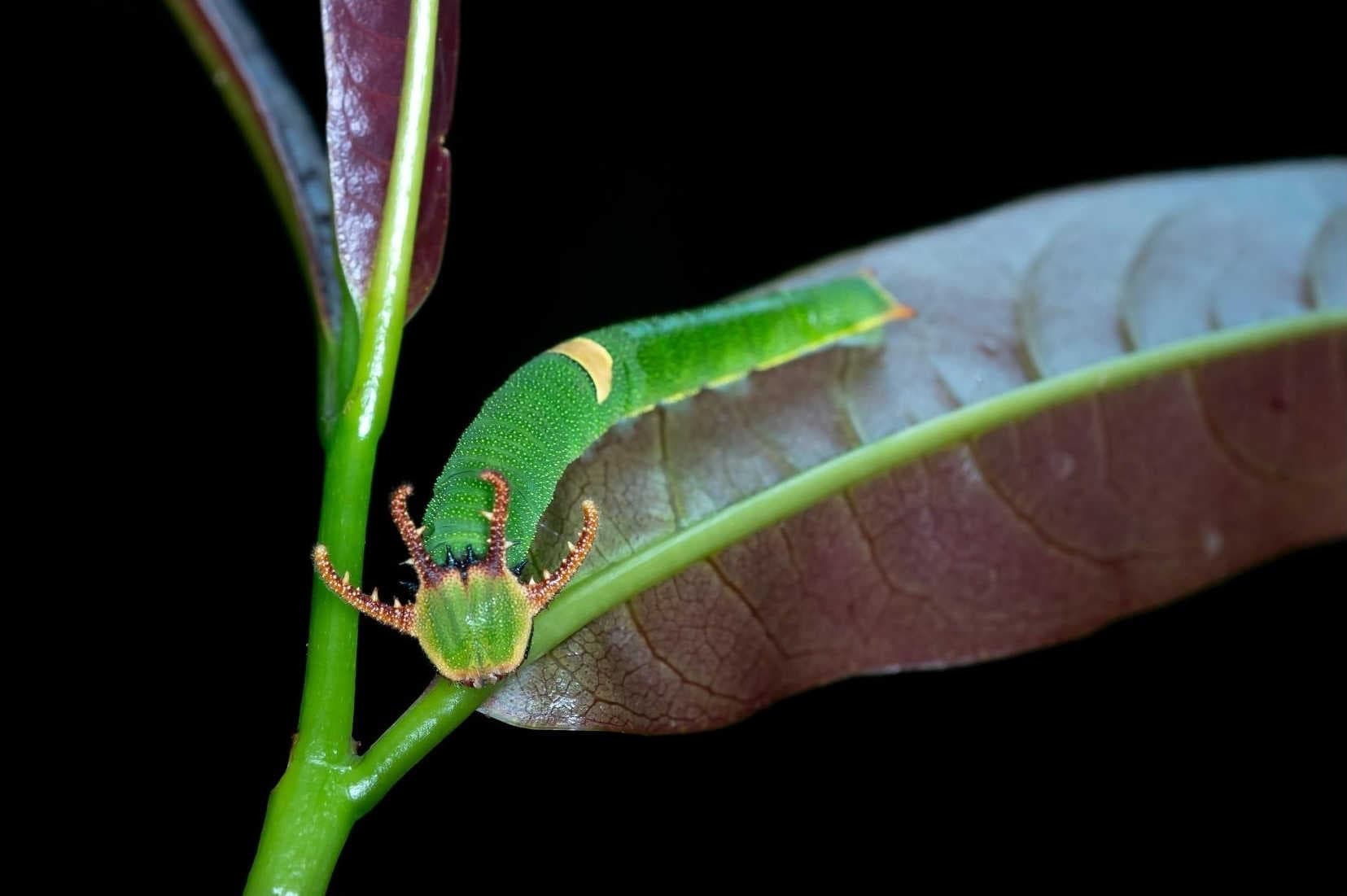
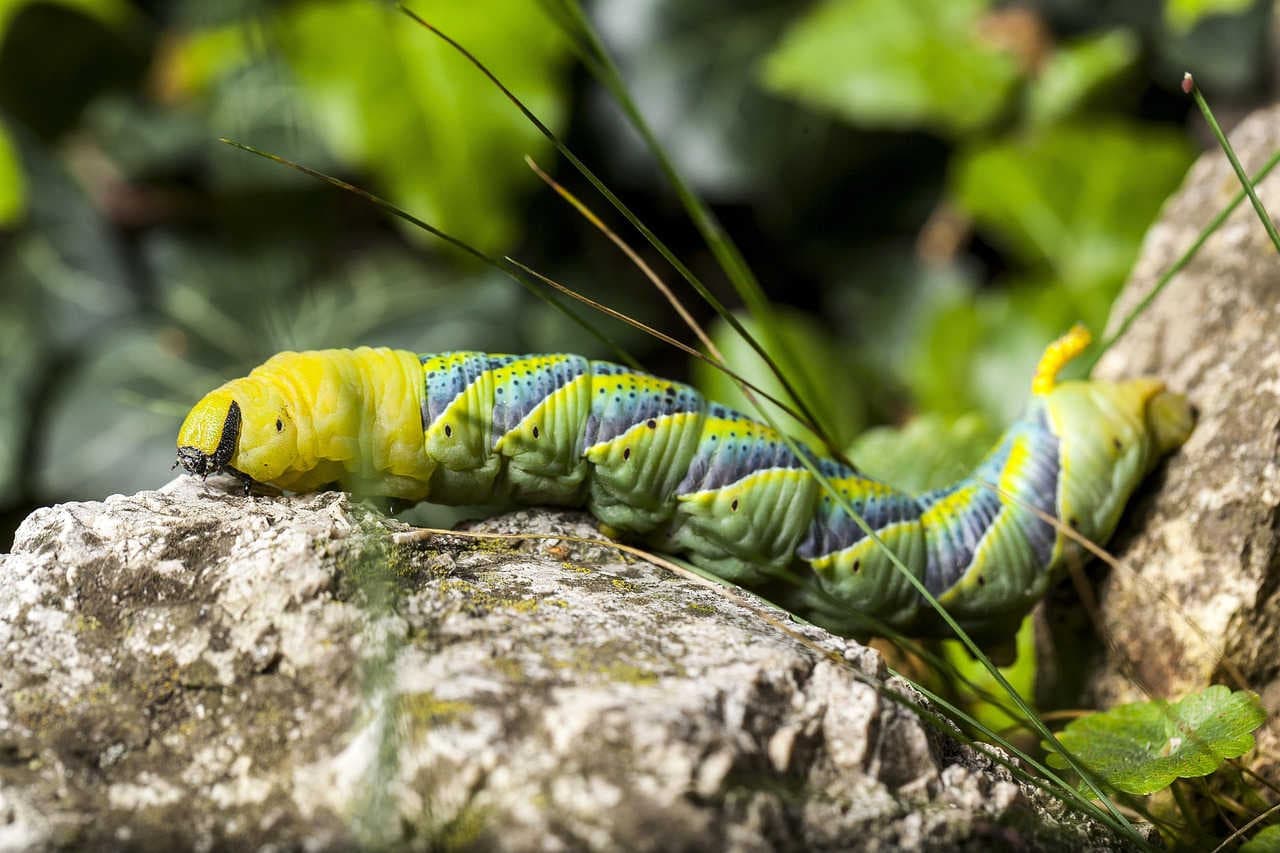
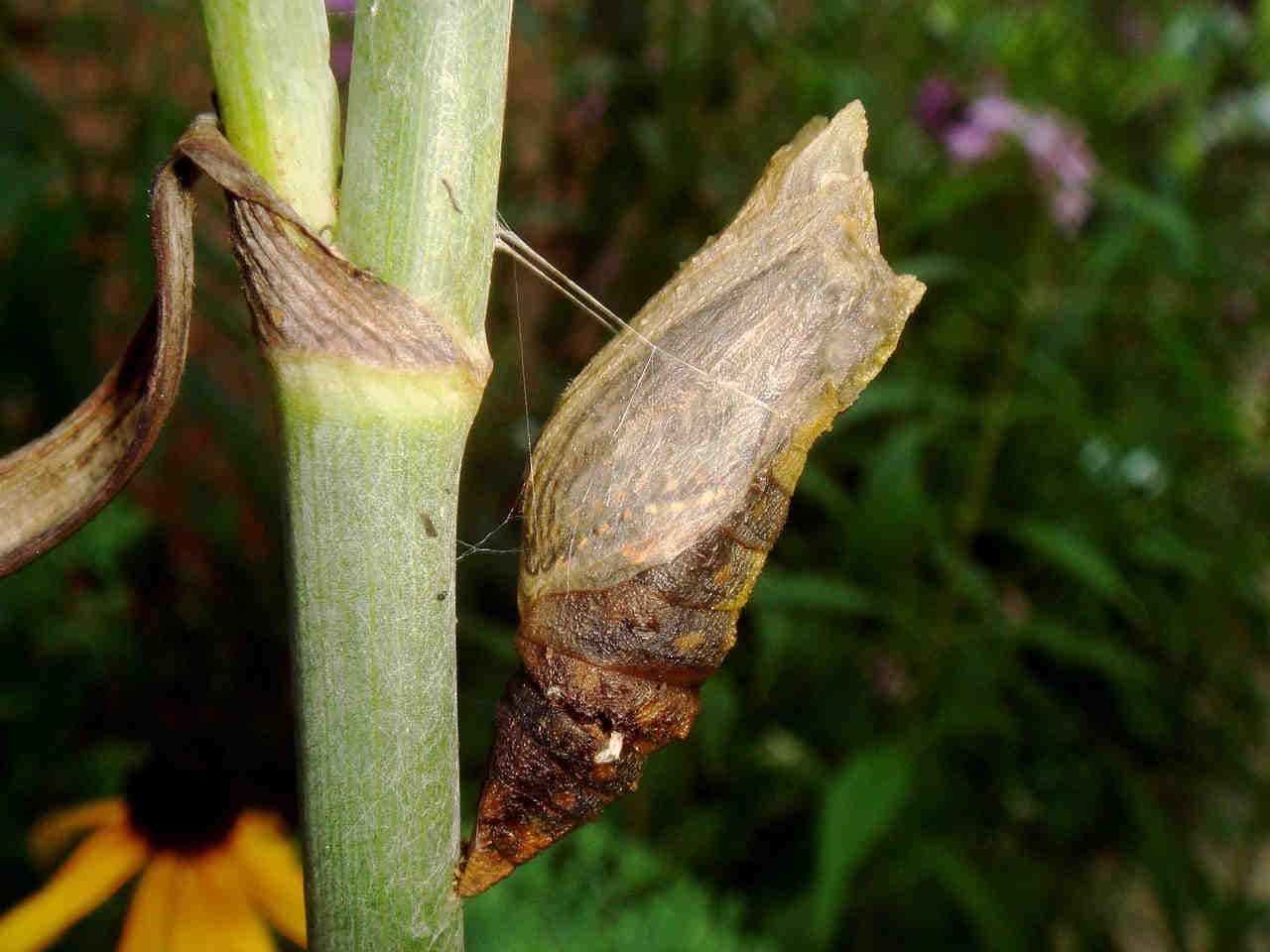
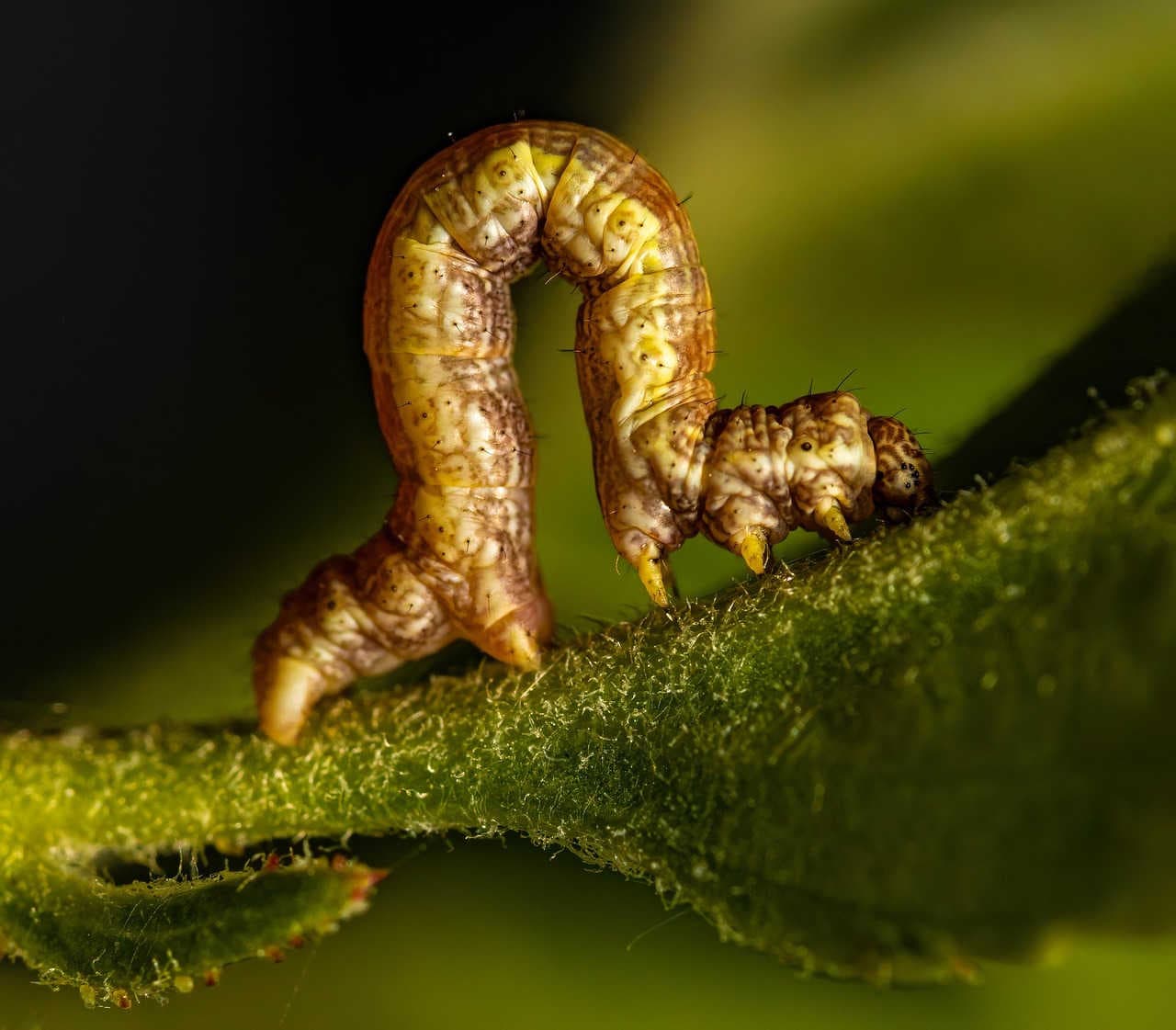
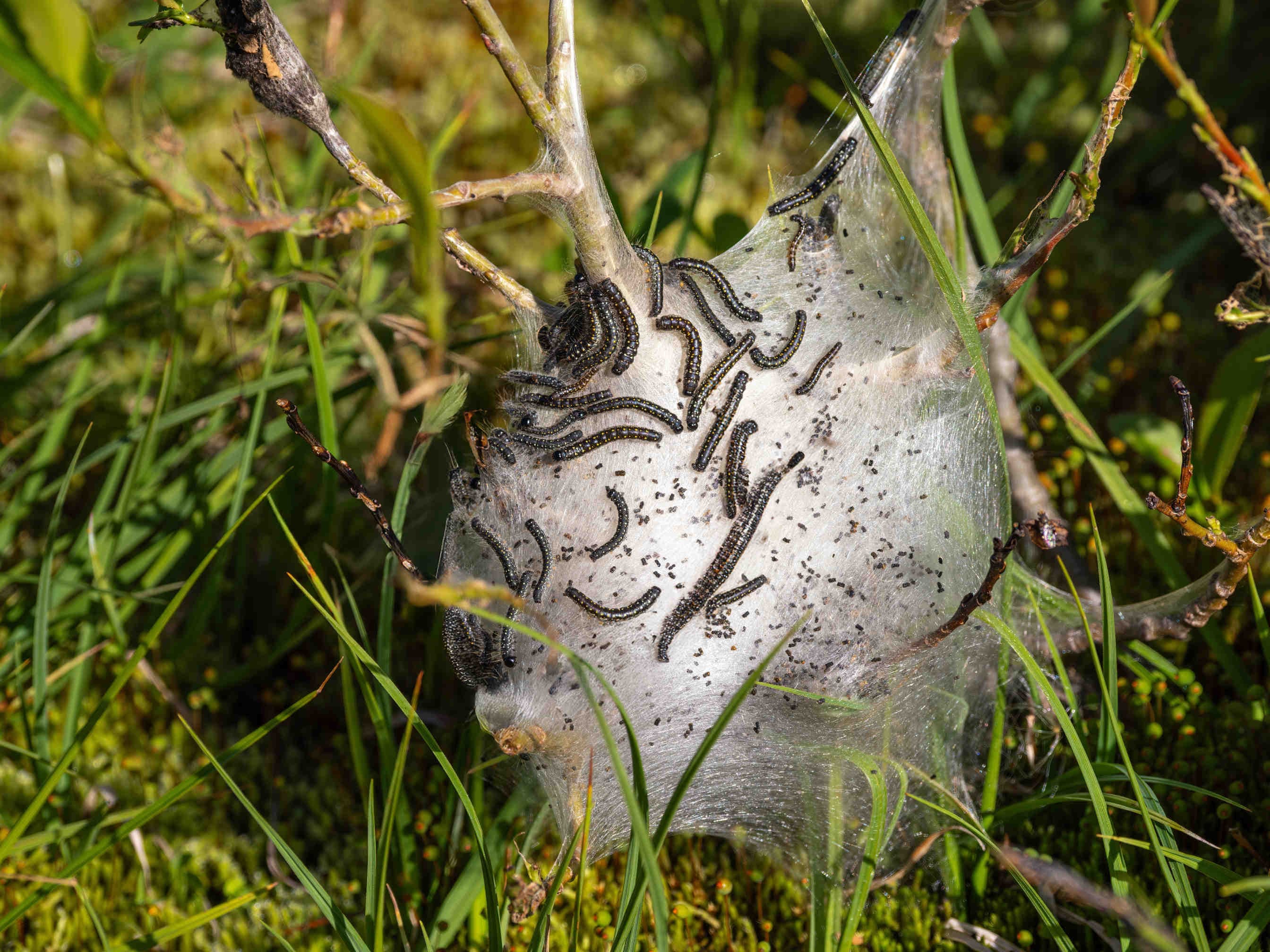
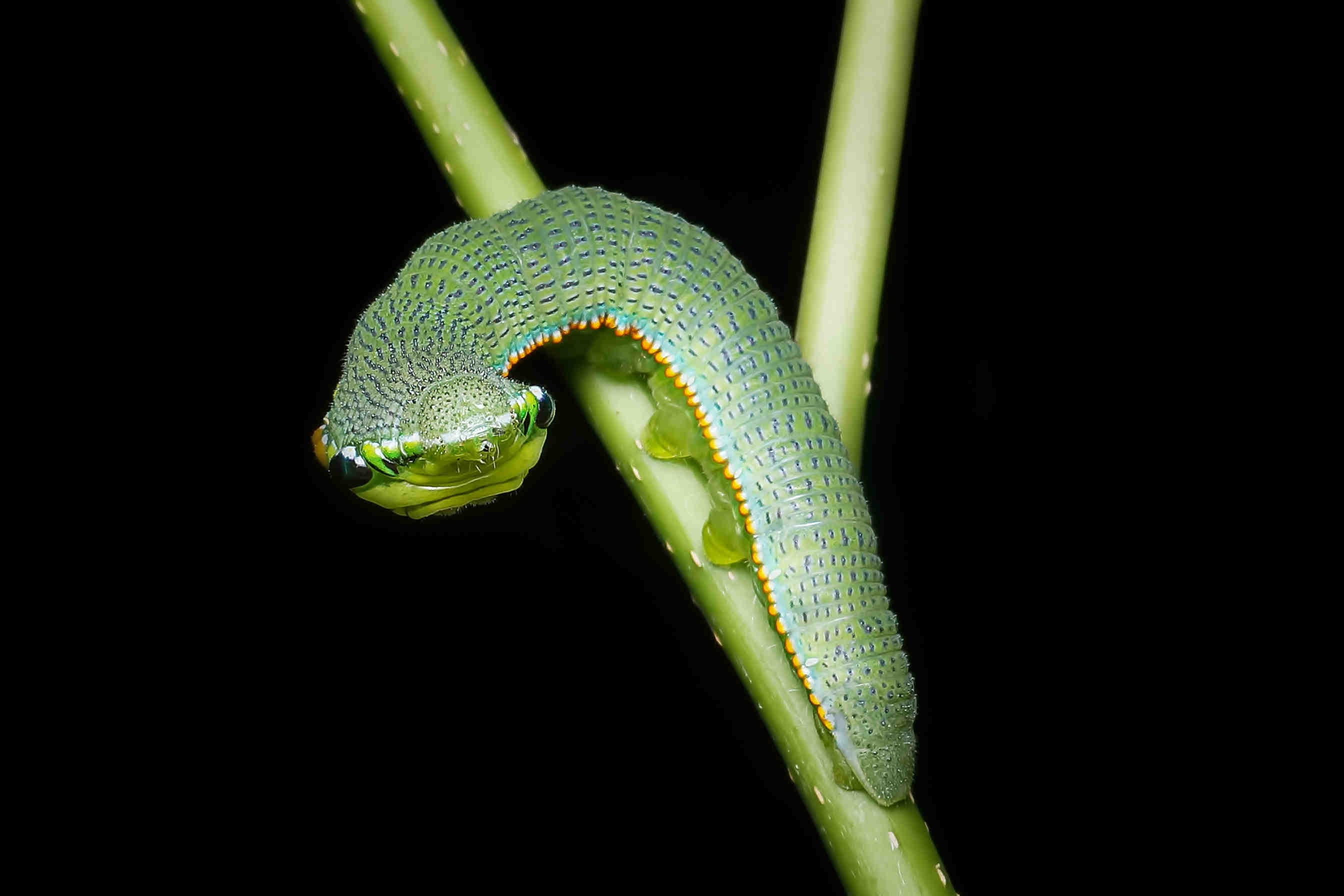
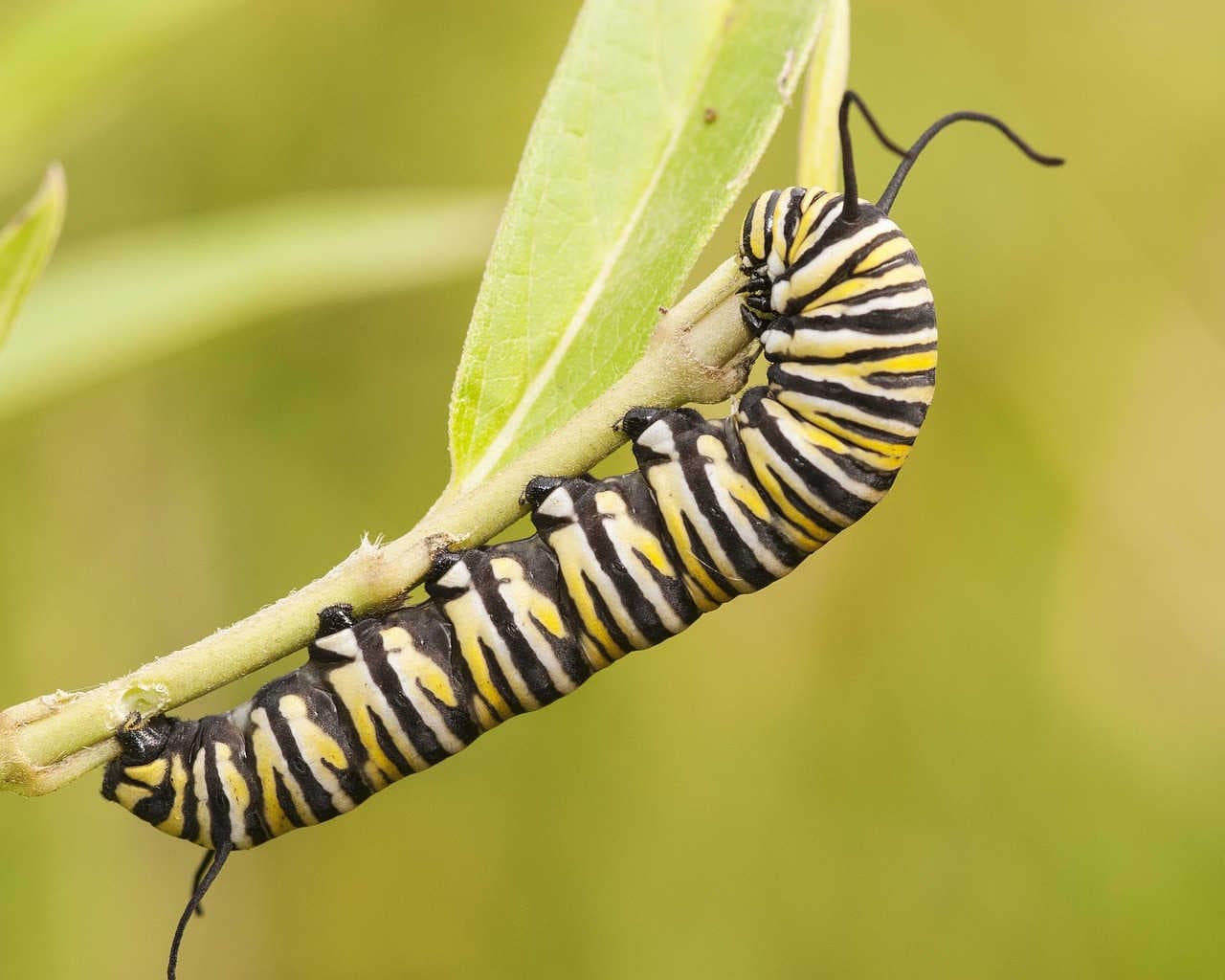
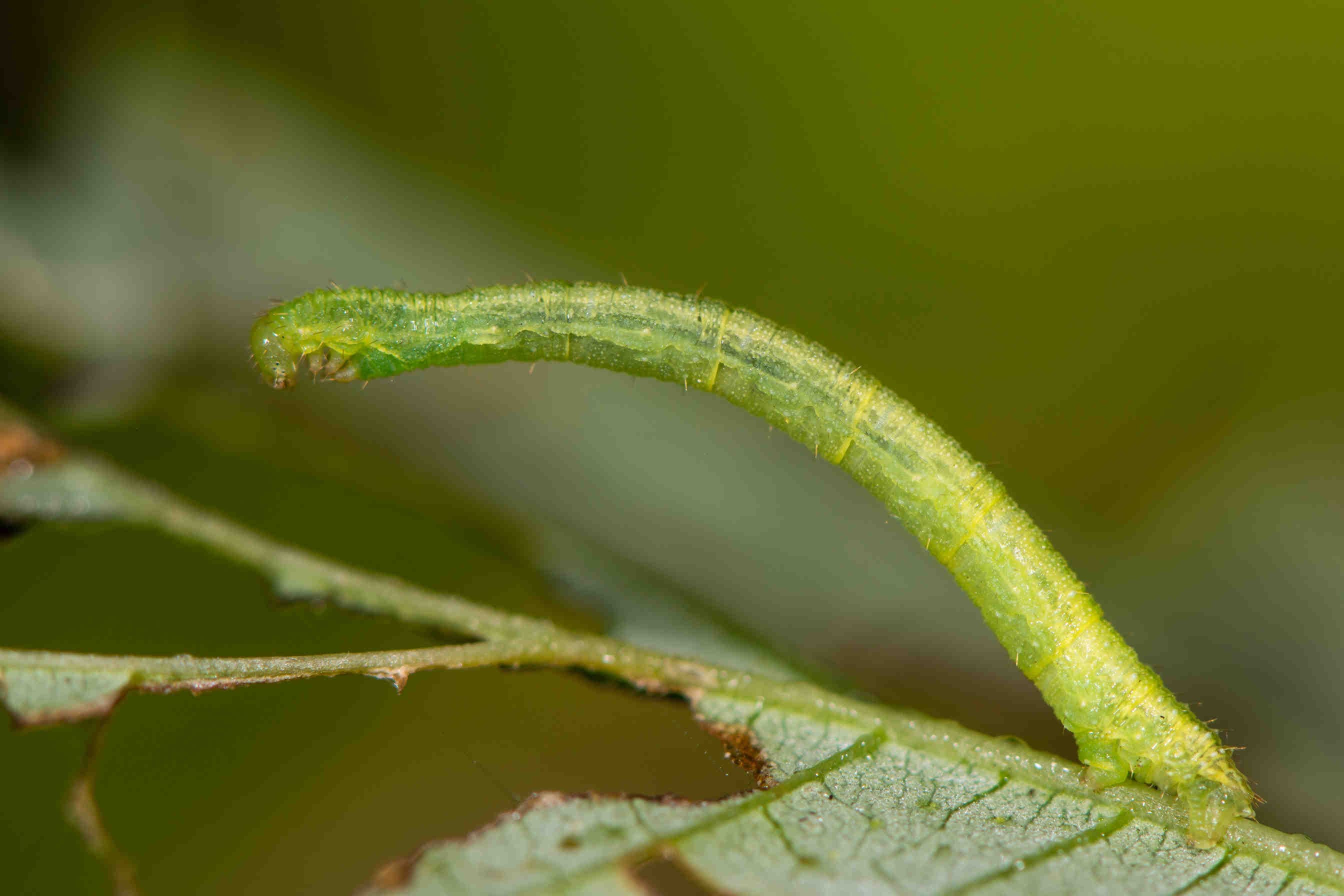
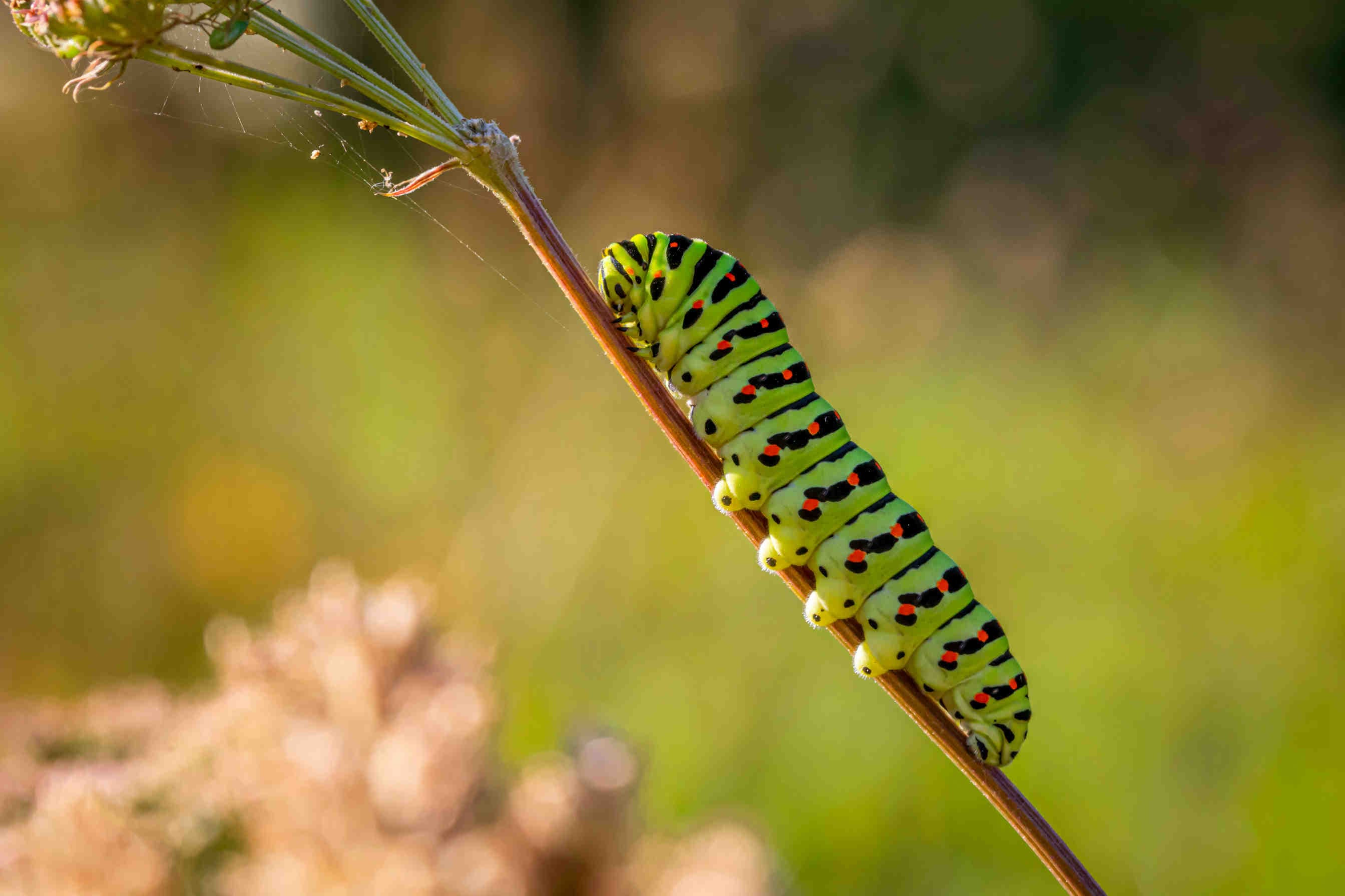
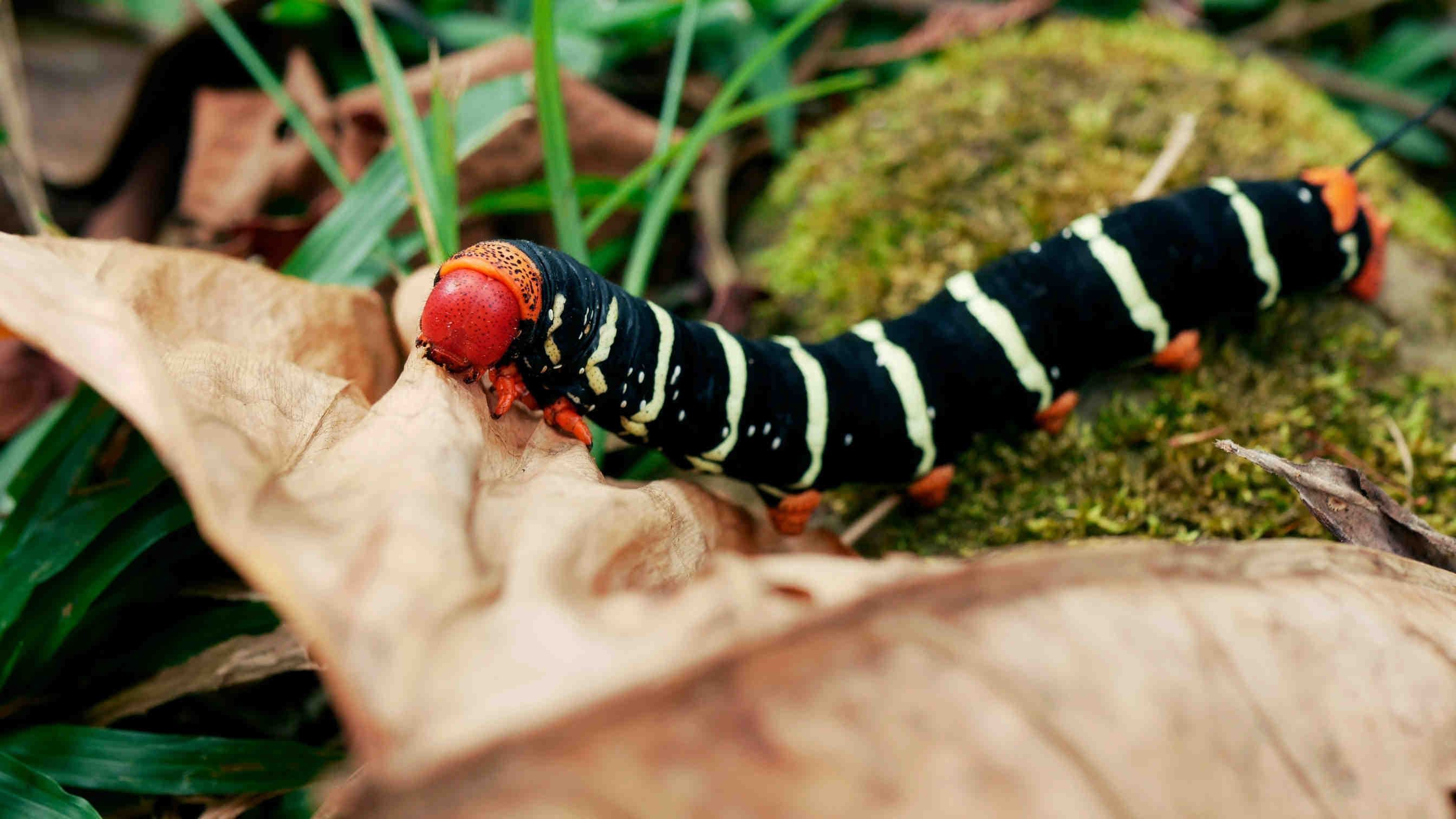
Caterpillars are the larval stage of butterflies and moths, both of which belong to the order Lepidoptera, and are simply called lepidopteran larvae in entomology. The term "caterpillar" derives from the Latin "Bruchus," meaning "grasshopper larva," and shares the same root as the verb "to browse," which refers to the act of chewing plants. Their growth symbolizes metamorphosis and renewal, but is also a classic example of holometabolism, a type of complete development where an insect transitions from egg to larva, then pupa, and finally adult. During their growth, caterpillars go through various molting stages, increasing in size: being a larva, the caterpillar spends all its time eating and digesting, to grow and eventually turn into a pupa (many species spend the winter as pupae) and subsequently an adult.