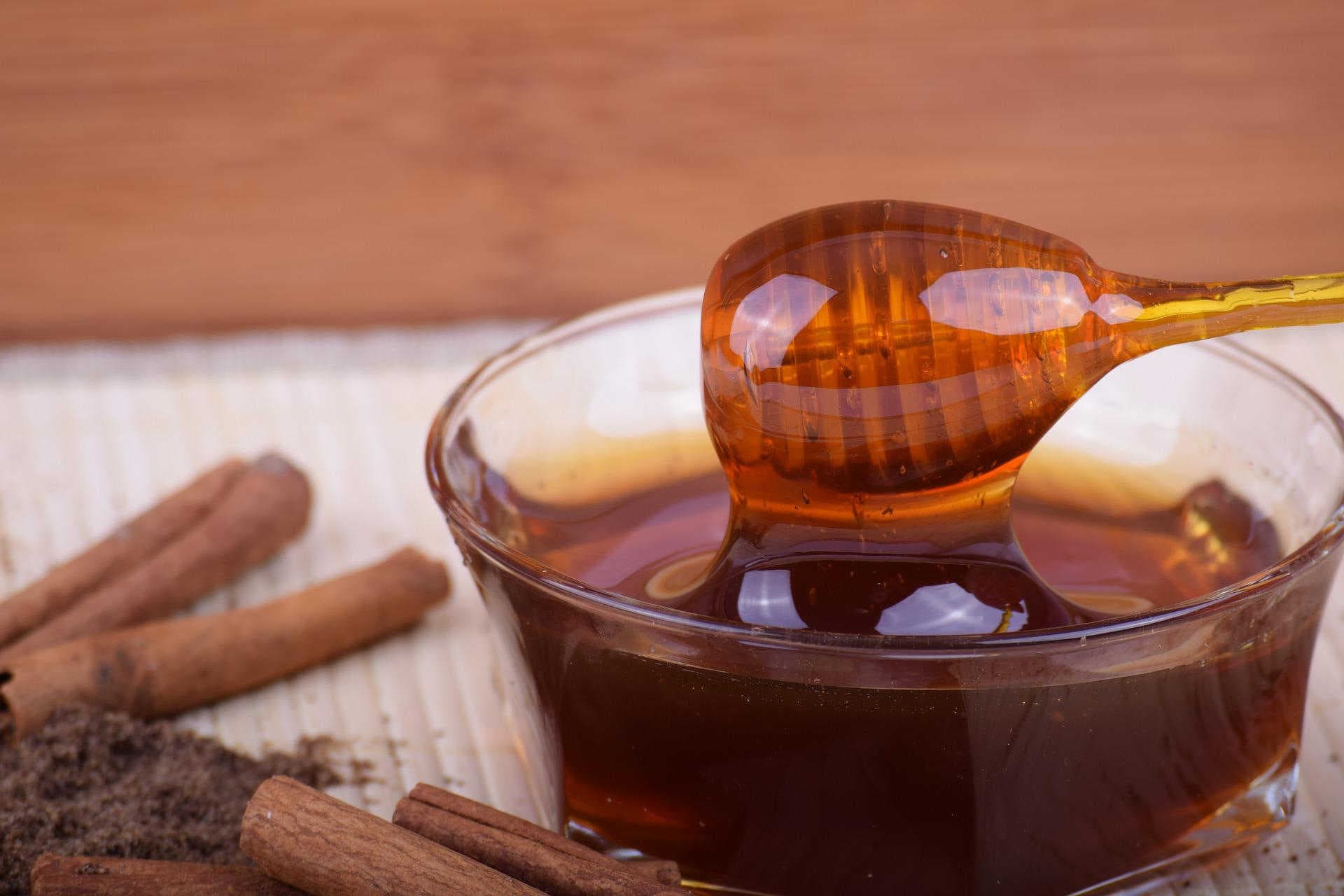
What are the 5 Most Wanted Honeys in Italy?
    3Bee approachConsumptionManukaOn

    What are the 5 Most Wanted Honeys in Italy?

    Our country is well known for the vast production of honey in its territory, but what are the most sought-after honeys in Italy? There are around 50 different types of monofloral honey, i.e. honeys in which one specific botanical origin prevails over another.

    Read the article
    24/04/2020Of 3Bee, Elena Fraccaro
    2717 Views
    24/04/2020Of 3Bee, Elena Fraccaro
    2717 Views

    3Bee's approach to biodiversity protection
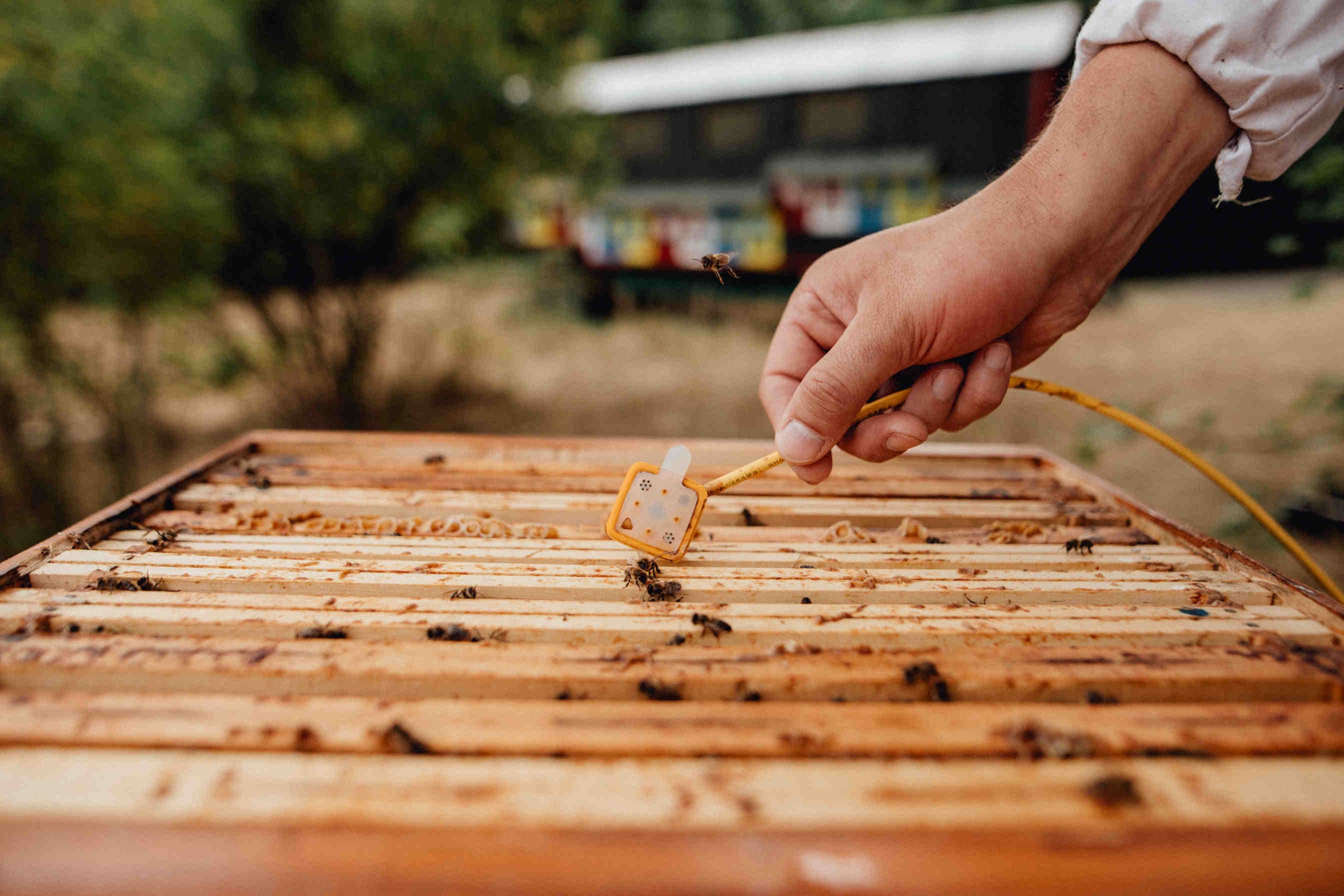
    3Bee is the Nature Tech company that develops technologies for the protection of biodiversity. 3Bee Hive-Tech is 3Bee's first system for analysing the health and 'starvation' status of honeybees, environmental pests par excellence. Over time, we have developed other technologies to study and monitor all the pollinating insects and created more than 200 Oases of Biodiversity with thousands of nectariferous plants to provide them with nourishment. Thus, we want to create a virtuous circle: our beekeepers are transformed by necessity into Oasis growers and promoters of environmental biodiversity. We do not encourage massive production and intensive breeding, which have a negative impact on biodiversity and pollinators. We do, however, recognise the value of honey as a valuable symbol of the biodiversity of an environment and a tool for disseminating the commitment and protection of an area, to be consumed sparingly and with respect for the life cycle of these insects.

    3Bee Hive-Tech

    Honey consumption in Italy

    The data on honey consumption in Italy are somewhat disappointing. Per year, we consume about 500g of honey per head, 35% less than the European average. What can give us hope is that the trend is clearly on the rise compared to past years. We Italians, therefore, are increasingly appreciating this incredible food, which has so many benefits. Obviously, there are more or less common and more or less appreciated honeys in our territory. The most common types are also the best known and easiest to find, even in large-scale distribution. Only the most courageous, or true enthusiasts, set out in search of even the strangest types, perhaps the pride of a strictly regional or local production. What is certain is that curiosity about honey is increasing more and more, and research on honey is becoming more and more numerous. In your opinion, what are the most searched for honeys in Italy by Italians?
    Honey consumption in Italy
    XNatura

    Manuka honey

    We can say that Manuka honey is somewhat the superstar of honeys. It is certainly worldwide the most sought-after and talked-about honey and we Italians are no less: we are certainly very intrigued by this honey and its properties. Manuka honey, however, is not produced in Italy. Its countries of origin are New Zealand and eastern Australia, where manuka (Leptospermum scoparium) grows abundantly and where bees can forage for its pollen and nectar. What makes this honey so famous are its antibacterial properties, which seem to be far superior to those of other honeys. This comes from the presence of methylglyoxal (MGO), the percentage of which is indicated on the label. The higher it is, the more the price rises, even reaching €500/kg! Despite this (or perhaps precisely because of this), it remains one of the most clicked honeys in Italy!
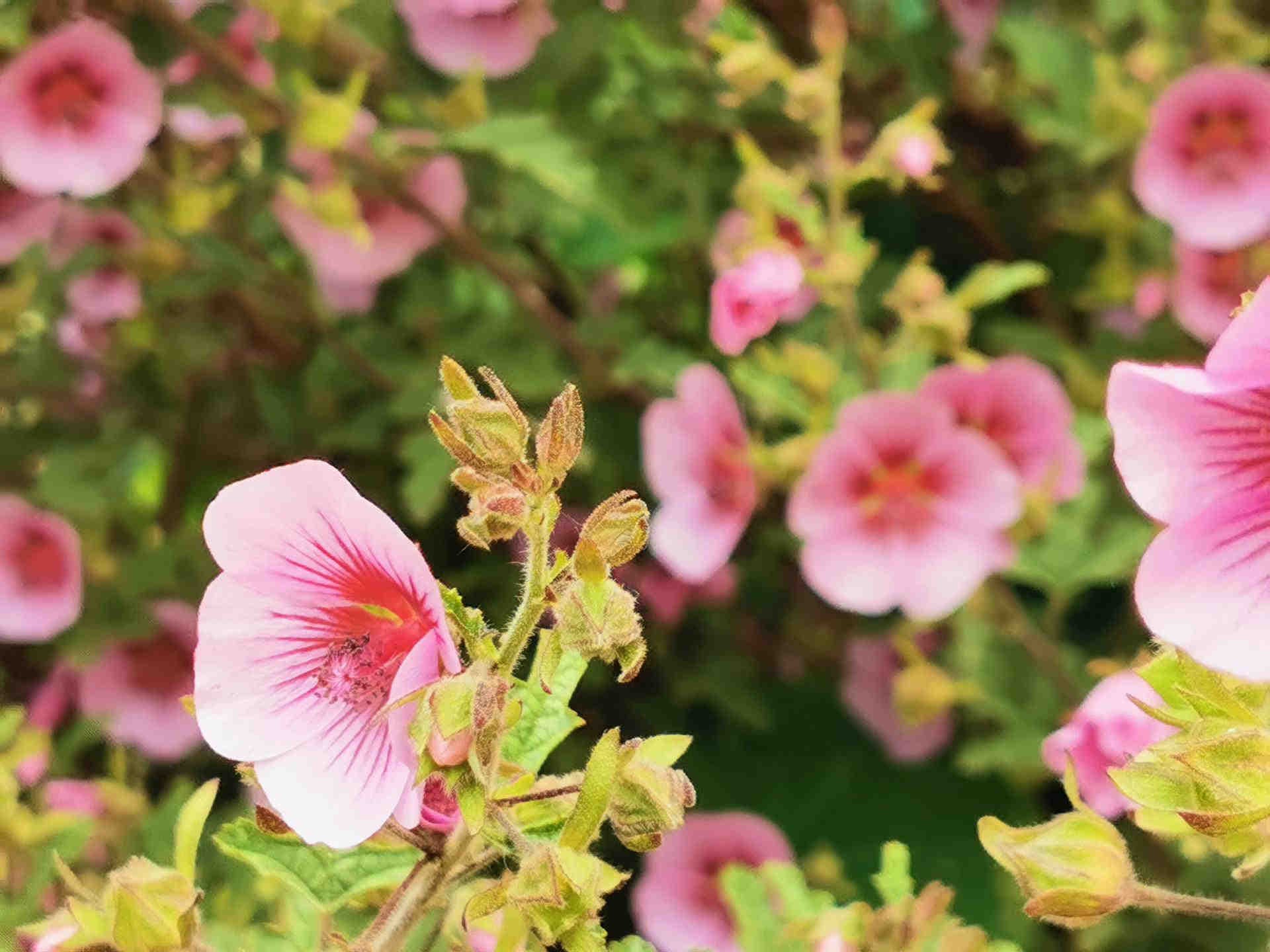
    Manuka honey

    Honey from sulla

    Incredibly, in second place we find the honey from sulla. How many of us know what kind of honey it is and what the plant from which the bees collect the precious nectar looks like? The sulla is a leguminous plant that is widespread in the central-southern regions of Italy. It is a forage plant, excellent for soil regeneration, which flowers between April and July, colouring the pastures a beautiful purple colour. The honey produced has a very light colour, with a faint, delicate odour and aroma. These characteristics make it highly appreciated by us consumers, who use it as a sweetener and as an ingredient in many recipes.
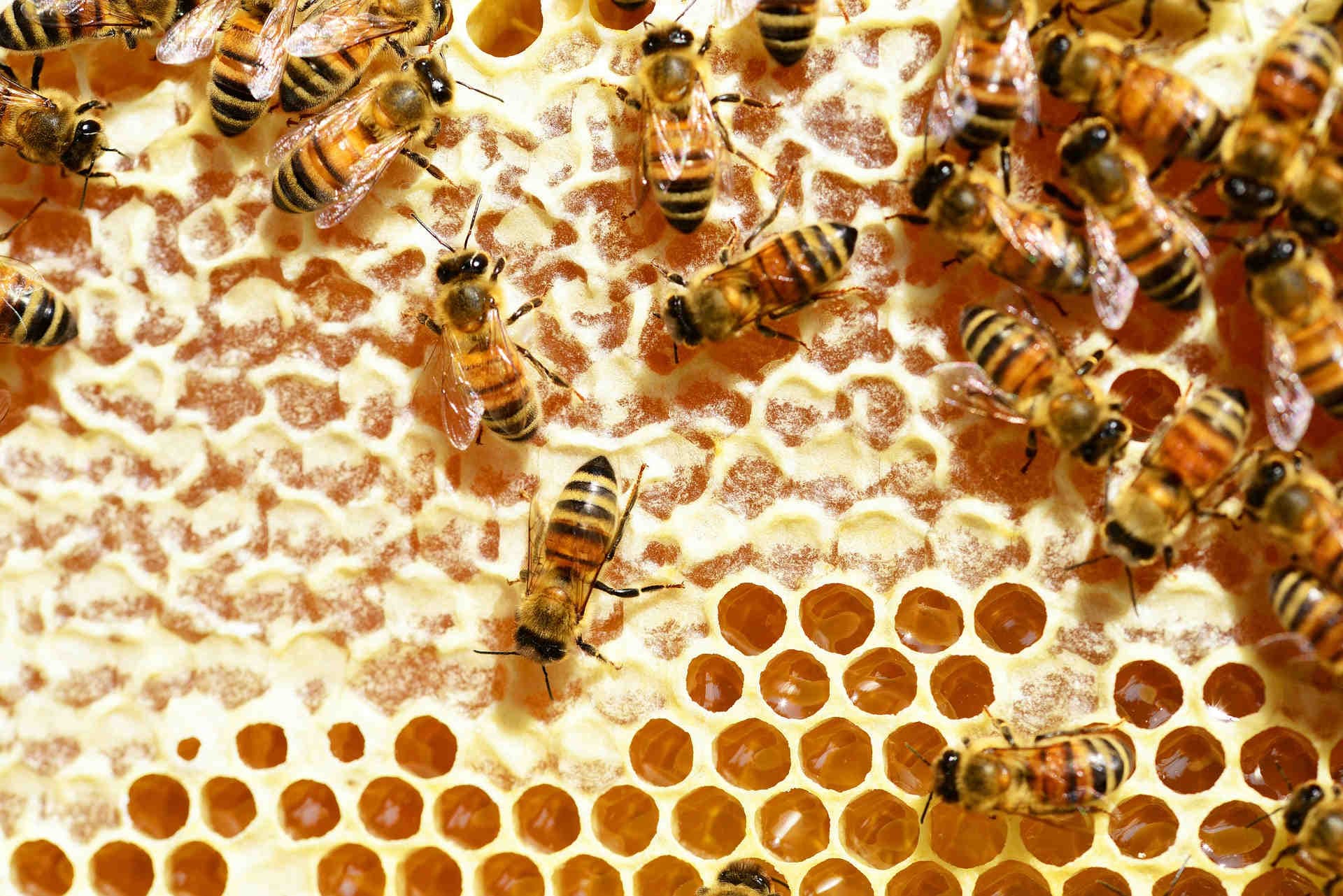
    Honey from sulla
    XNatura

    Acacia honey

    The third step of the podium is occupied equally by acacia honey and chestnut honey. Acacia honey is certainly among the most famous and popular honeys in Italy because of its sweet and delicate flavour. This makes it appreciated even by less daring palates and children. Since it does not risk altering the flavour of ingredients and dishes, it is used a lot in cooking, especially in confectionery. We know that acacia honey is produced during the month of May, when the robinia pseudoacacia is in bloom. This is a very delicate bloom and much sought after by beekeepers, but in recent years, adverse weather has seriously compromised the production of this honey, almost bringing it to zero in 2019. Undoubtedly, acacia honey is one of the most loved by us Italians.
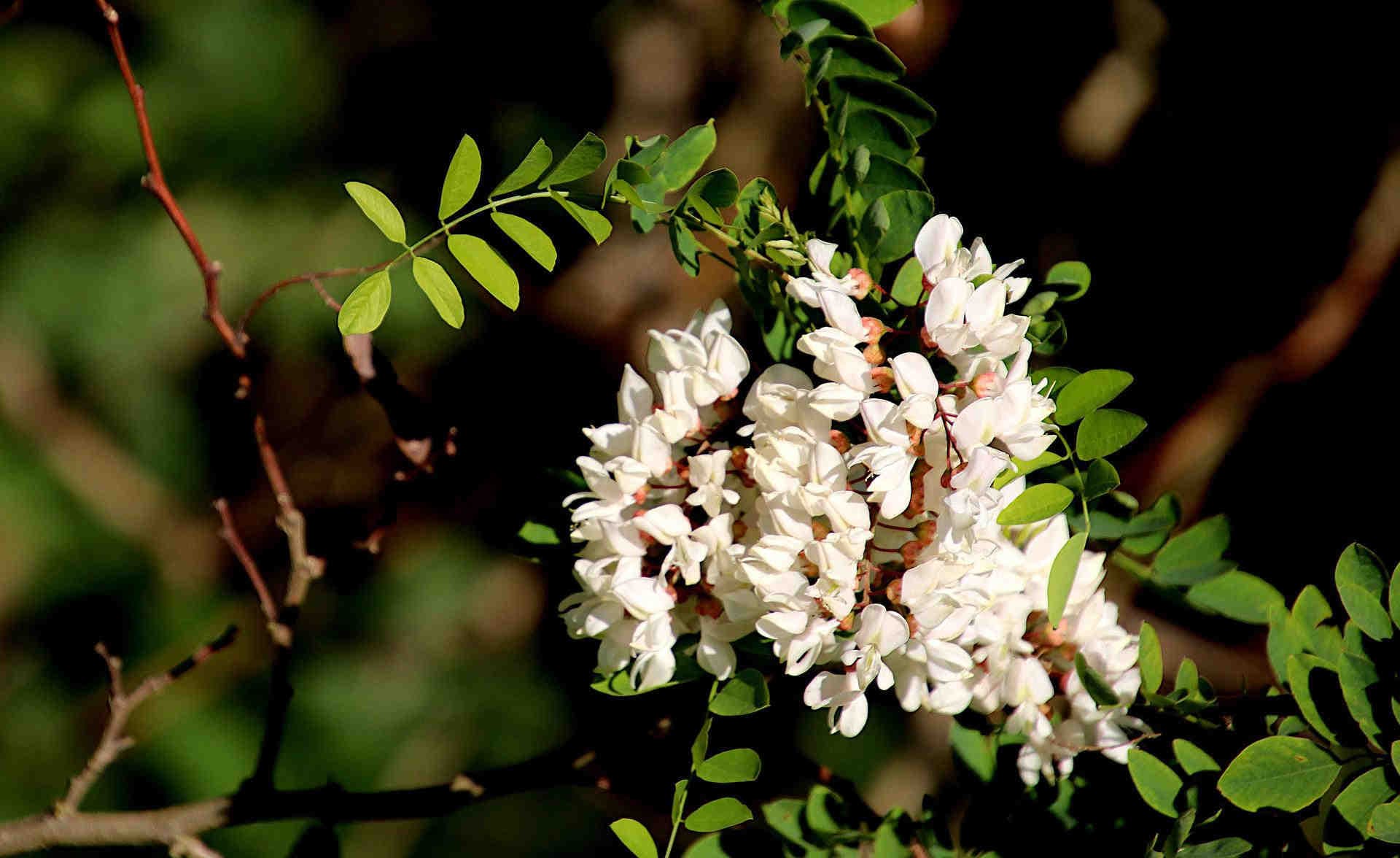
    Acacia honey
    3Bee

    Chestnut honey

    We can say that chestnut honey is the exact opposite of acacia honey. While acacia has a very light colour, chestnut is instead very dark. Whereas acacia is a weaker and milder honey, chestnut has a strong flavour, not very sweet and decidedly bitter. These characteristics make it a honey disliked by most and only sought after by those who appreciate its special qualities. However, it is excellent for flavouring and aromatising foods and is often found in combination with parmesan cheese and in pork recipes. However, we can say that although it is not an easy honey to appreciate because of its taste, it is very rich in antioxidants and mineral salts!

    Chestnut honey

    Wildflower honey

    Last among the most searched-for honeys in Italy is the miele millefiori. To speak of millefiori honey is actually a bit vague because each millefiori is potentially different from another. Bees, in fact, collect nectar from different flowers, so each place gives rise to a unique and particular millefiori. Within the millefiori category, we can mainly distinguish between two different types: the spring millefiori and the summer millefiori. The spring millefiori is lighter and more delicate and is produced in the spring months, before and after the season's big blooms. Summer millefiori, on the other hand, is darker and has a stronger flavour and is usually produced in late summer. If you too would like to experience the regional differences between the various types of honey, choose "Adopt a beehive" 3Bee!
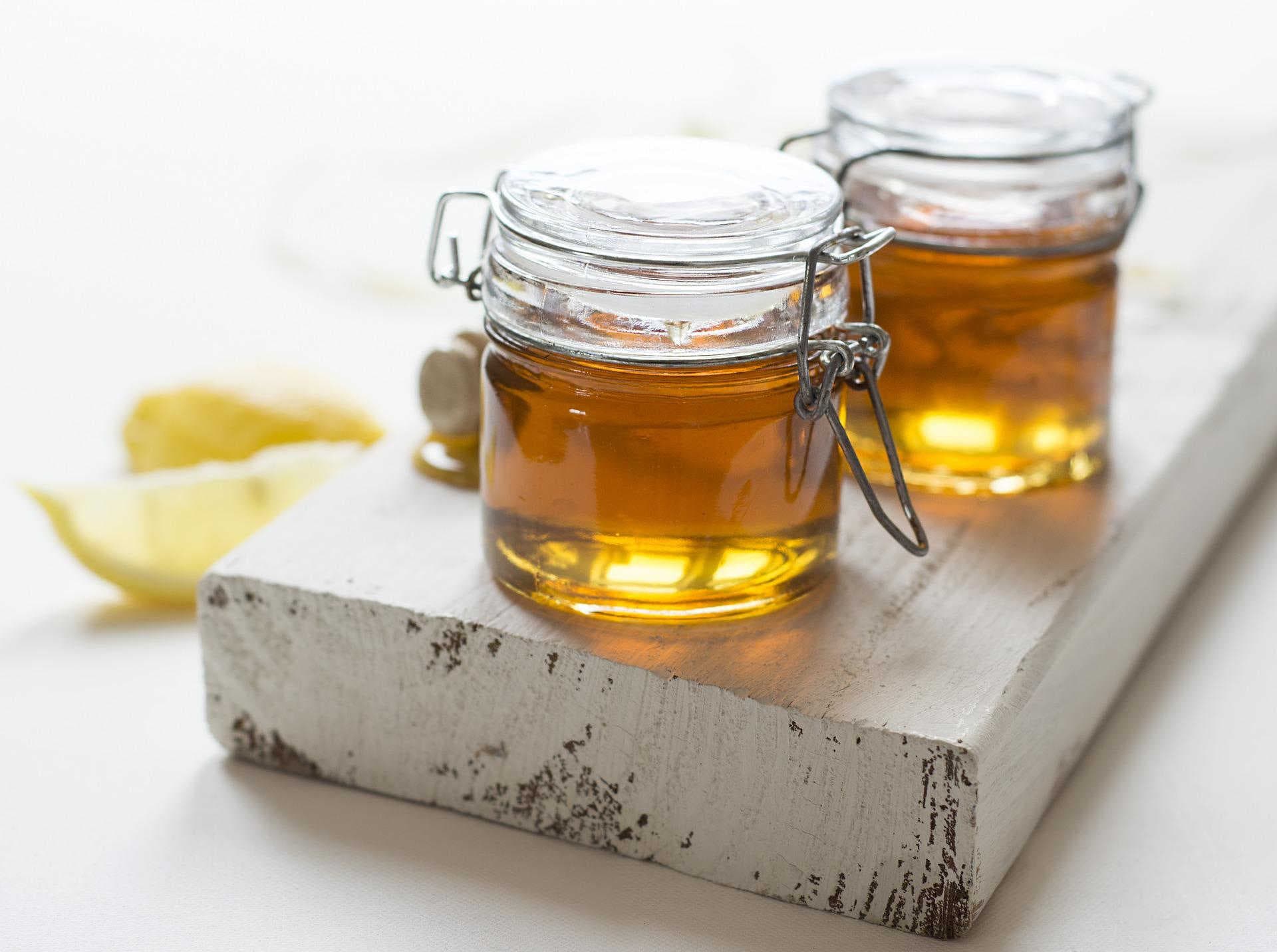
    Wildflower honey
    24/04/2020Of 3Bee, Elena Fraccaro
    2717 Views
    Newsletter
    newsletter
    Subscribe to the Blog about bees and biodiversity