4 December is International Cheetah Day
    GhepardoHabitatHuntingThreats

    4 December is International Cheetah Day

    On 4 December each year we celebrate International Cheetah Day, an occasion to raise awareness about the conservation of this extraordinary, fast and fascinating species. Find out more in this article.

    Read the article
    03/12/2024Of 3Bee, Lisa Santillo
    575 Views
    03/12/2024Of 3Bee, Lisa Santillo
    575 Views

    The cheetah: the king of speed

    Disclaimer: this is an automated translation from Italian. Go to the original article.

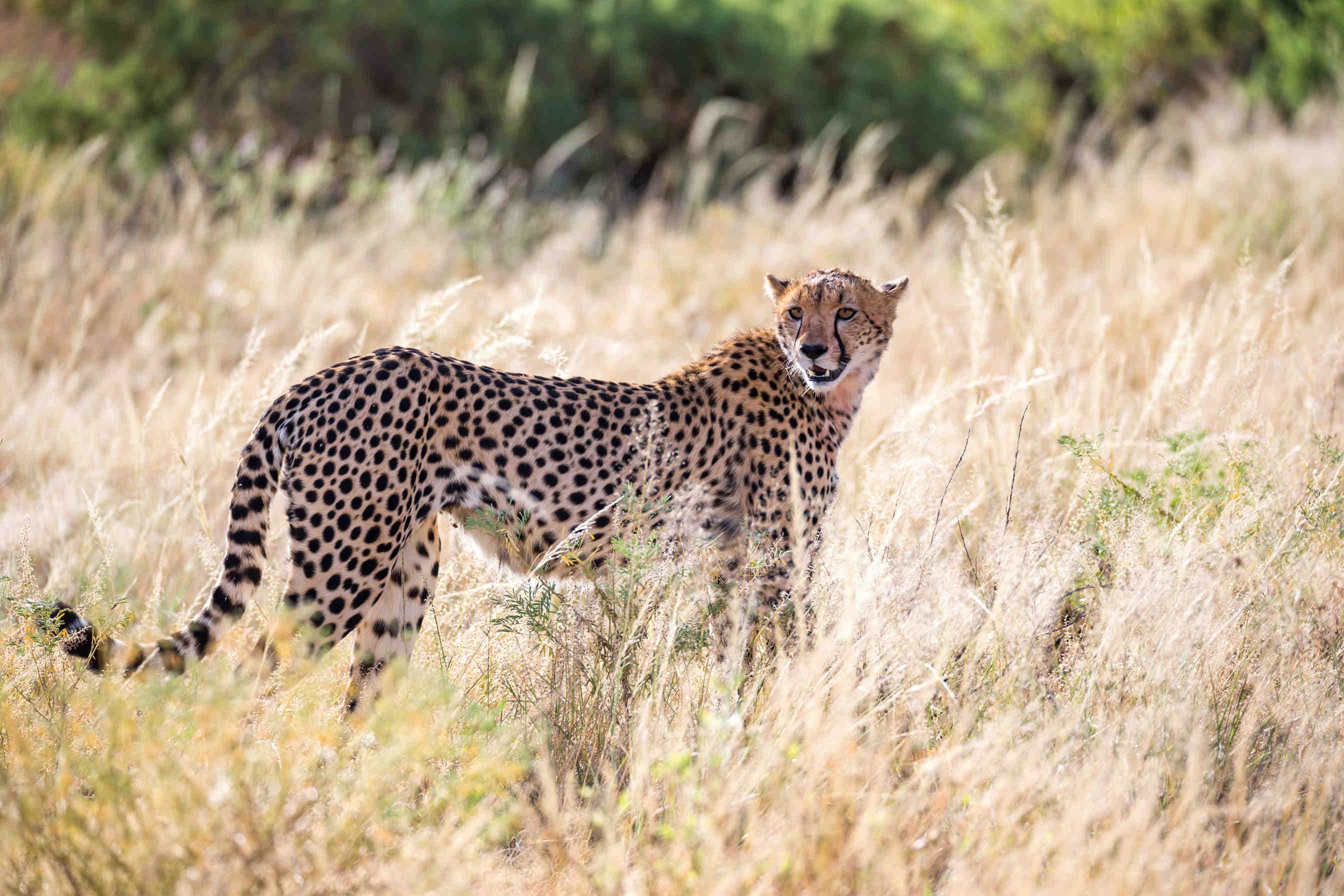
    The cheetah (Acinonyx jubatus) is famous for its extraordinary speed. With peaks exceeding 120 km/h, it is the fastest land mammal in the world. Unlike other felines, the cheetah's body is highly specialised for running: it has a flexible spine that acts like a spring when running, and powerful but light muscles designed for lightning-fast accelerations. His small head, large eyes and flaring nostrils allow him to focus exclusively on the chase. However, these extraordinary abilities require a great energy expenditure. After a chase, the cheetah needs to recover, as its body temperature can rise dramatically. It is precisely this need for rest that makes it vulnerable to larger predators, such as hyenas, who often snatch prey from it.
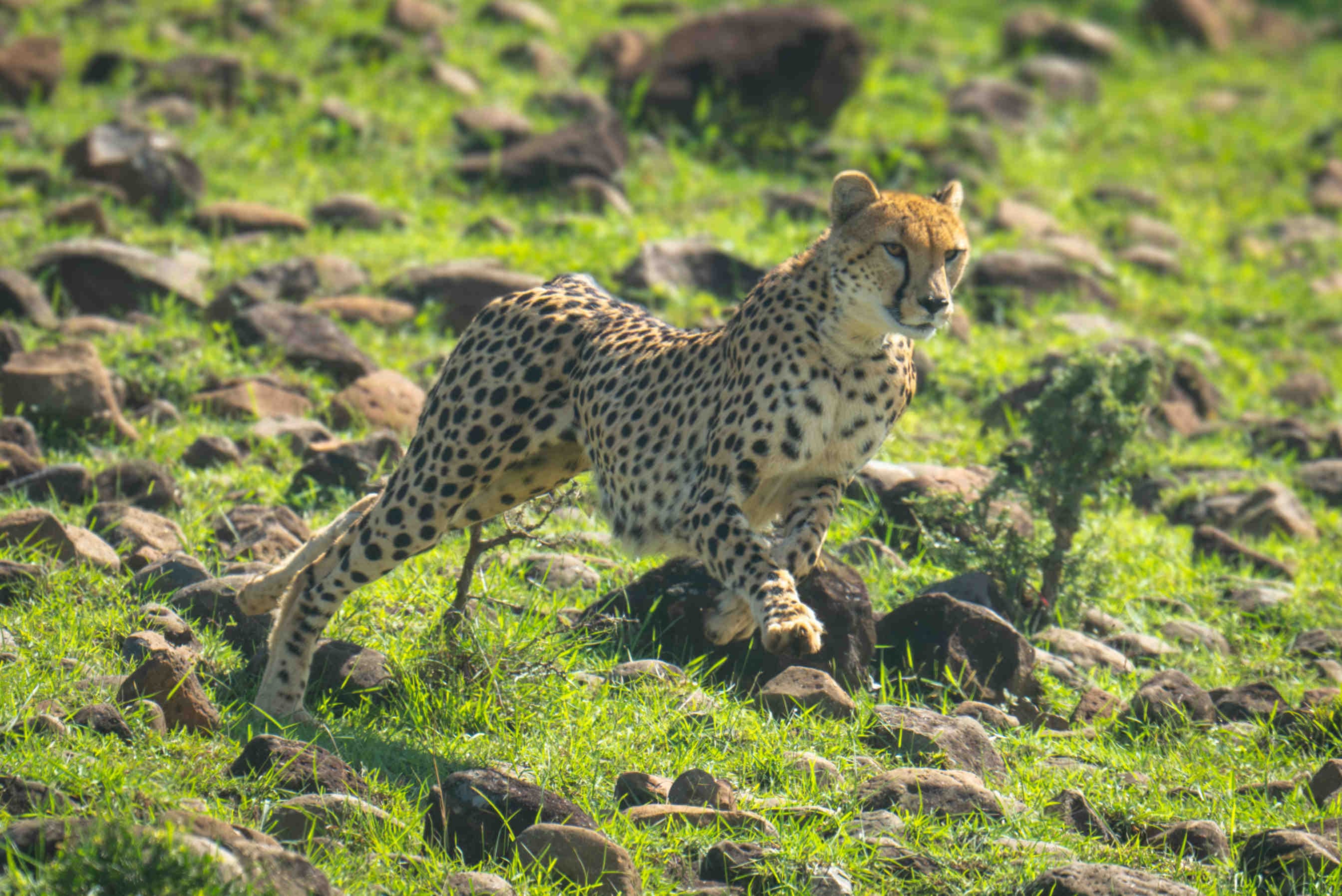
    ghepardo

    Habitat and distribution: where the cheetah lives

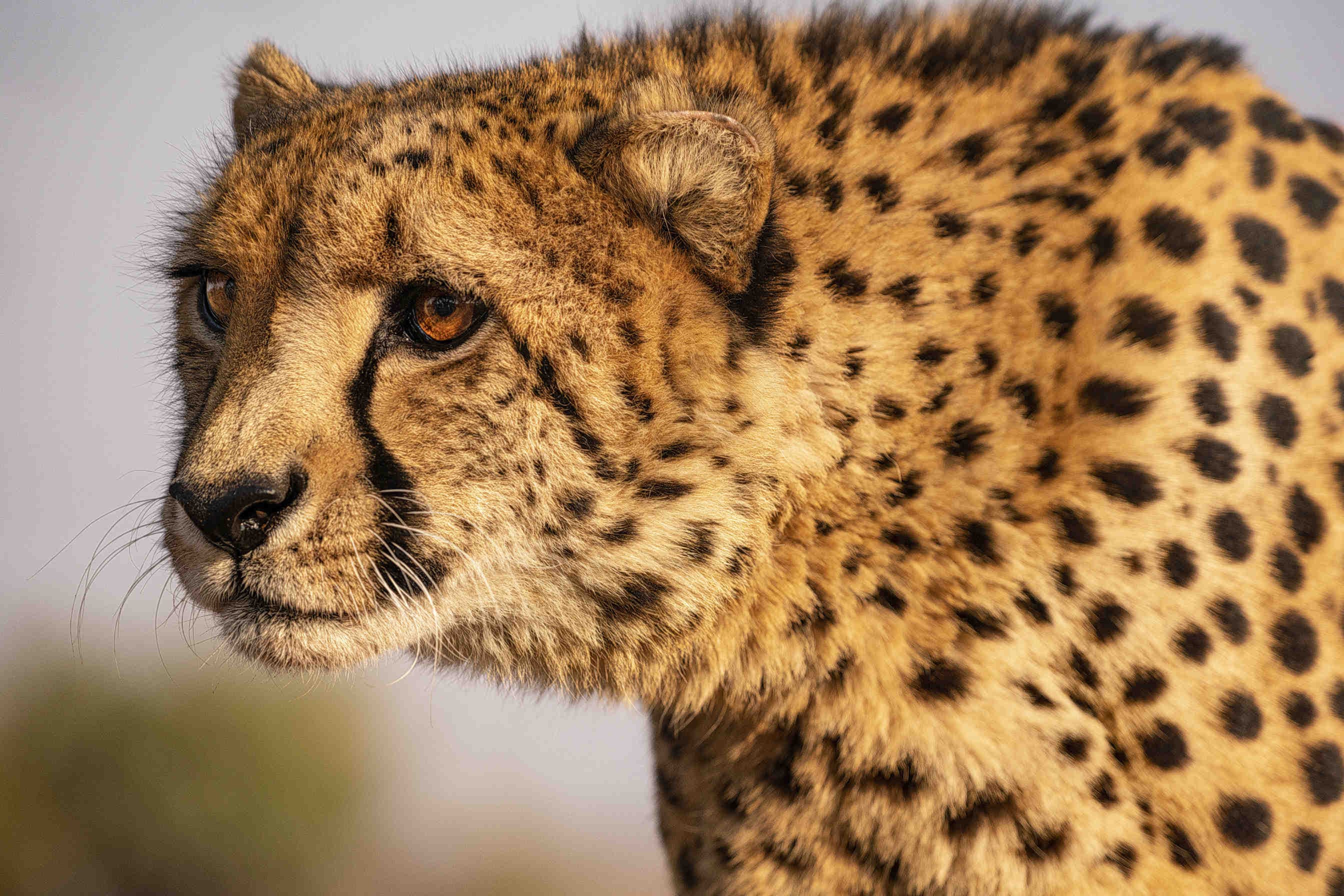
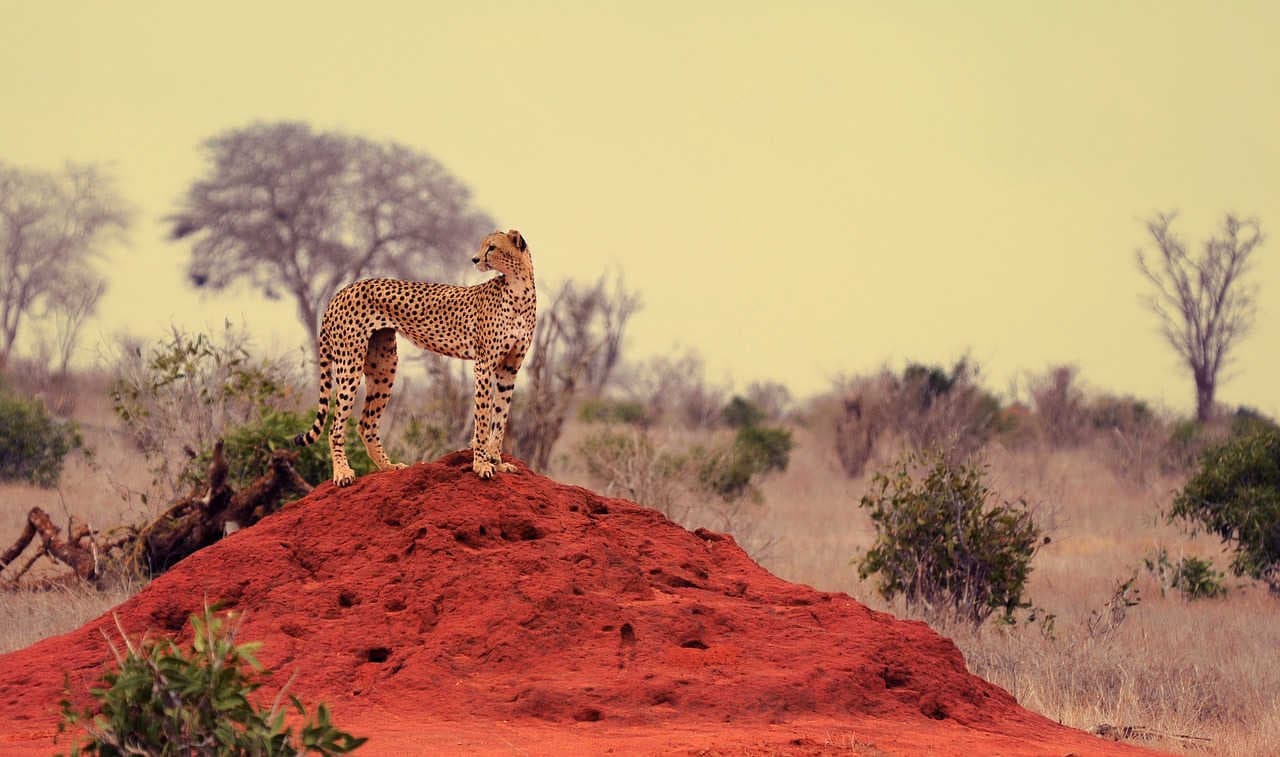
    The ghepardo is an animal that prefers wide open spaces, such as deserts and savannahs. Although it moves mainly on the ground, it is also adept at climbing trees, a behaviour that gives it a better view of the territory. At one time, its range was wider, stretching from Africa to India, via the eastern Mediterranean and central Asia, excluding only the Sahara and tropical forest. Today, its distribution is greatly reduced: according to the IUCN, the cheetah is found in only a few countries, mainly in sub-Saharan Africa, such as Namibia, Botswana, South Africa, Tanzania and Kenya. In Iran, there is a small population of Asian cheetahs, classified as critically endangered, with only a few dozen remaining. Habitat loss and conflict with human activities are the main threats to its survival.

    closeup ghepardo
    XNatura

    The cheetah's diet and hunting style

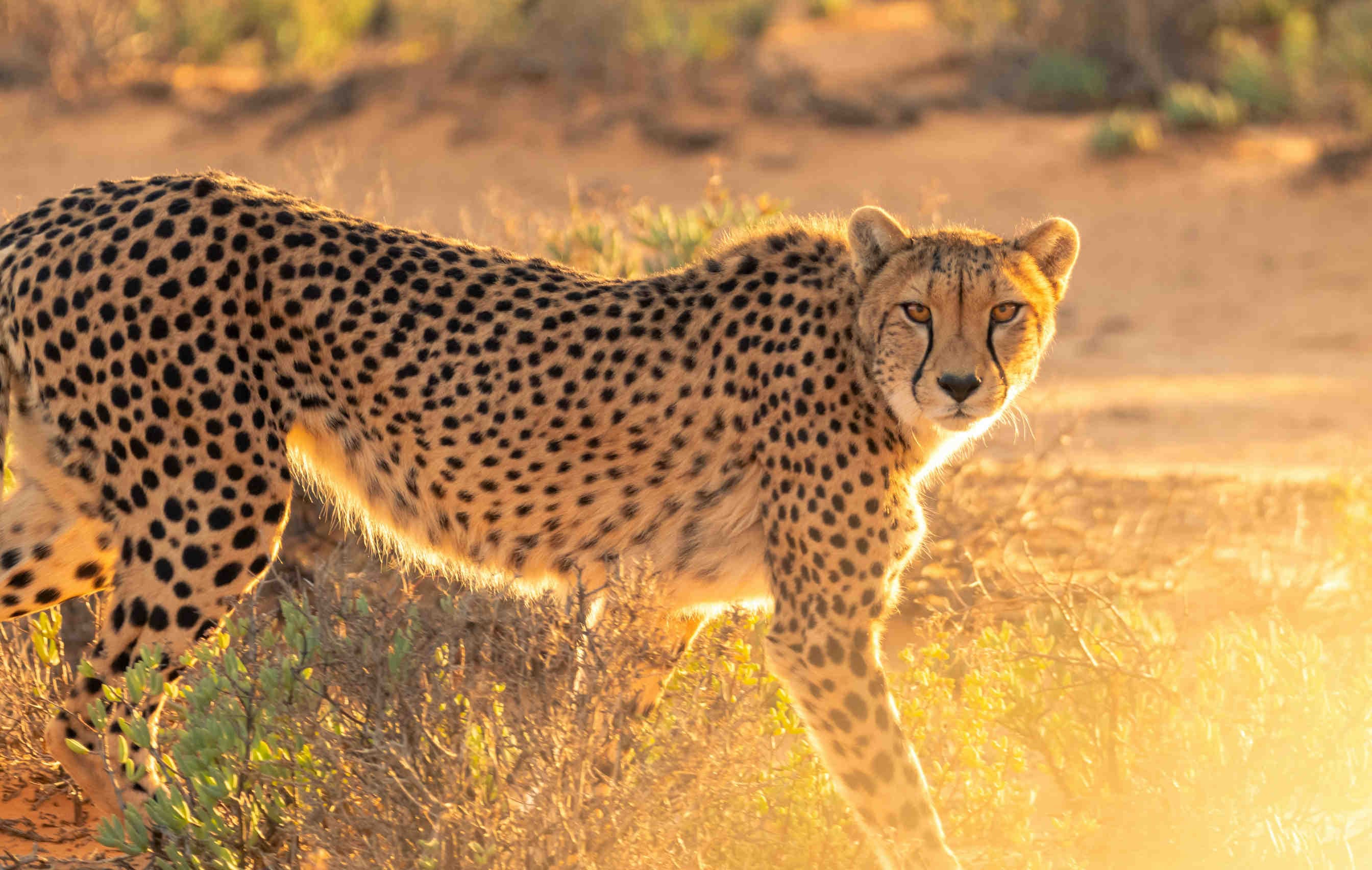
    The ghepardo is a predator carnivore that feeds mainly on Thomson's gazelles (Eudorcas thomsoni), but also on smaller prey such as hares and birds. Its hunting technique is based on a fairly short chase of about 70-100 metres. Although it reaches extraordinary speeds, the cheetah cannot maintain a high speed for long. The hunt therefore takes place very quickly: once it has reached its prey, the cheetah generally kills it with a bite to the throat, a mode similar to that used by other felines. Despite its speed, only 50 per cent of chases end in the successful capture of the prey, as reported by the Smithsonian's National Zoo.

    ghepardo

    Threats to cheetah survival

    The ghepardo is a vulnerable species, with a global population of about 6,500, as reported by IUCN. The loss of its natural habitat is the main threat to its survival. Agricultural expansion, infrastructure construction and increasing urbanisation are reducing hunting areas and pushing the cheetah into increasingly fragmented spaces. In addition, the climate change negatively affects the availability of prey, forcing cheetahs to travel longer distances to feed. Competition with other larger predators, such as hyenas and lions, increases the pressure on the species, which often has its freshly caught prey taken away from it. Another significant problem is the reduced genetic diversity of the cheetah, which makes it more susceptible to disease and harmful genetic mutations.

    ghepardo habitat
    XNatura

    Cheetah conservation: the role of awareness-raising

    World Cheetah Day, celebrated on 4 December, is an opportunity to raise awareness of the need to protect this iconic species. Conservation initiatives, such as those promoted by the Cheetah Conservation Fund (CCF) and other international organisations, are key to ensuring the survival of the cheetah. These projects focus on the preservation and protection of their populations and habitat, as well as promoting education in local communities. Awareness-raising plays a key role: through information, we can encourage more responsible behaviour regarding land management and support for conservation projects. International cooperation, together with targeted government policies, is essential to strengthen the conservation of the species and prevent the risk of extinction.

    3Bee
    03/12/2024Of 3Bee, Lisa Santillo
    575 Views
    Newsletter
    newsletter
    Subscribe to the Blog about bees and biodiversity

    Frequently Asked Questions

    Do you have any doubts or other curiosities about this article? Here you will find some insights