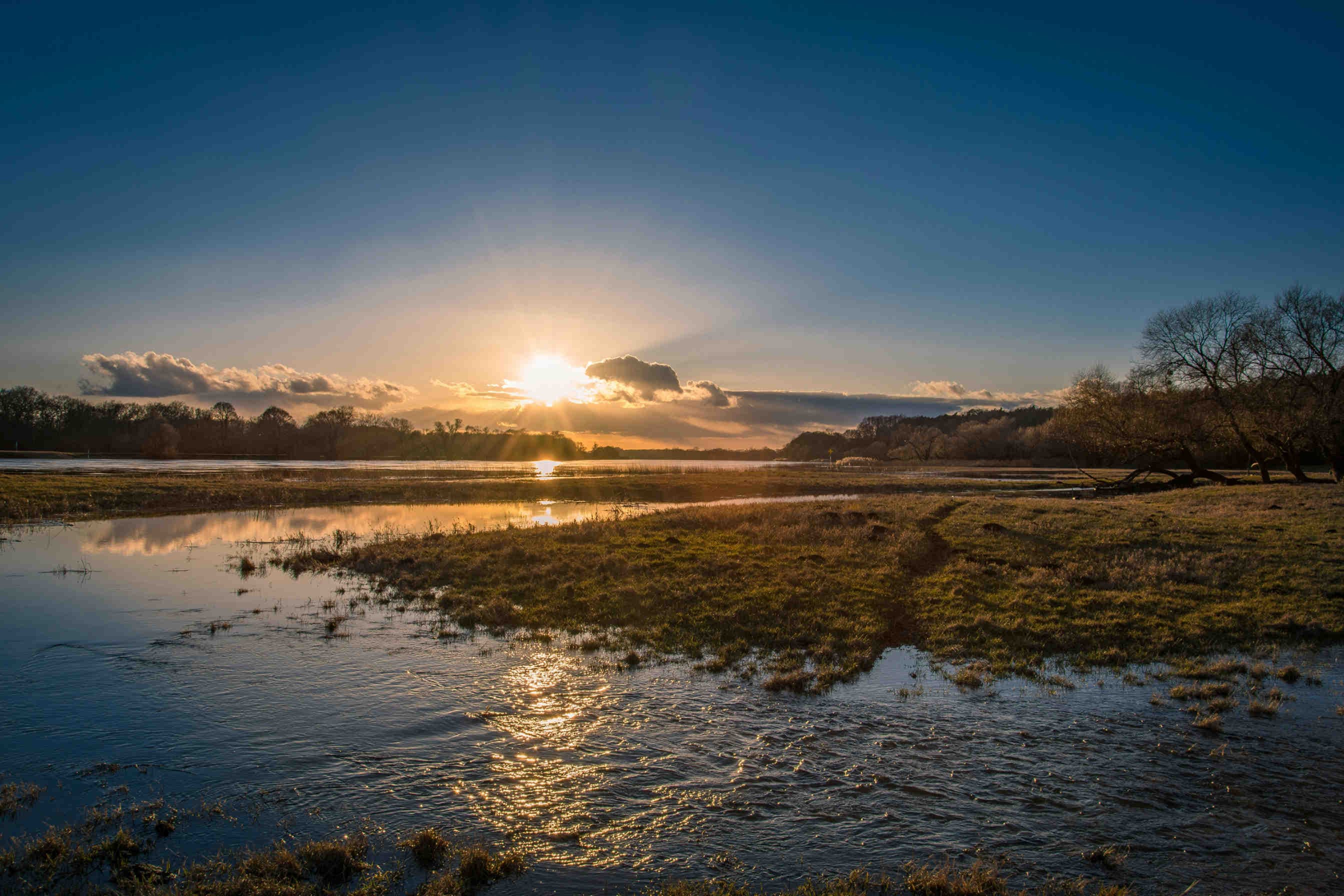
2 February is World Wetlands Day
    HistoryWetlandsCriteriEvaluation

    2 February is World Wetlands Day

    2 February is International Wetlands Day, an occasion to reflect on the importance of these vital ecosystems. In this article, we explore why wetlands, such as marshes, lakes and coastal areas, are essential for biodiversity, climate and more.

    Read the article
    31/01/2025Of 3Bee, Lisa Santillo
    293 Views
    31/01/2025Of 3Bee, Lisa Santillo
    293 Views

    World Wetlands Day: the story

    Disclaimer: this is an automated translation from Italian. Go to the original article.

    The World Wetlands Day, celebrated on 2 February each year, was established in 1997 by the Ramsar Convention, an international treaty signed in 1971 in Iran, which recognises the importance of wetlands for biodiversity and healthy ecosystems. The date was chosen to commemorate the signing of the Convention, which launched a global effort to protect wetlands, lakes, rivers and coastal areas, vital habitats for numerous species. Over the years, the day has taken on a key role in terms of awareness-raising. Each year, a specific theme is selected to focus attention on crucial aspects related to wetlands, such as sustainable management, protection from degradation and their contribution to the fight against climate change.
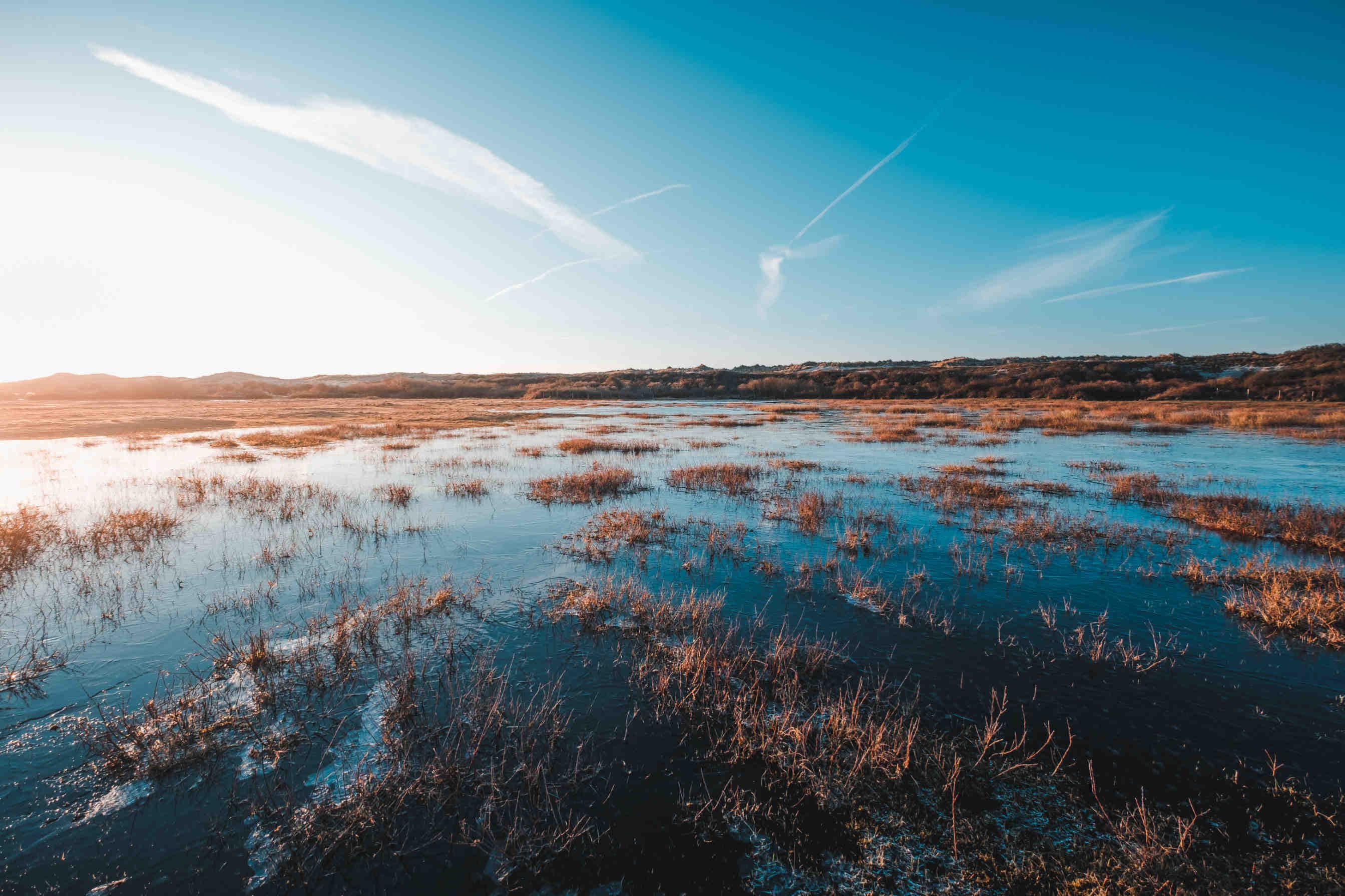
    zona umida giornata mondiale

    What are wetlands and why are they important?

    The International Ramsar Convention defines wetlands as "marshes and bogs, fens or basins, natural or artificial, permanent or temporary, with standing or flowing fresh, brackish or salt water, including expanses of seawater not more than six metres deep at low tide". To date, the Ramsar Convention has designated over 2,400 wetland sites of international importance, spread across 172 countries and covering over 2.5 million square kilometres. These ecosystems play key roles in the well-being of the planet, such as supporting biodiversity, protecting coastlines from extreme weather events, carbon sequestration and maintaining the water cycle. Their preservation is therefore essential to counter climate change and ensure the sustainability of natural resources.

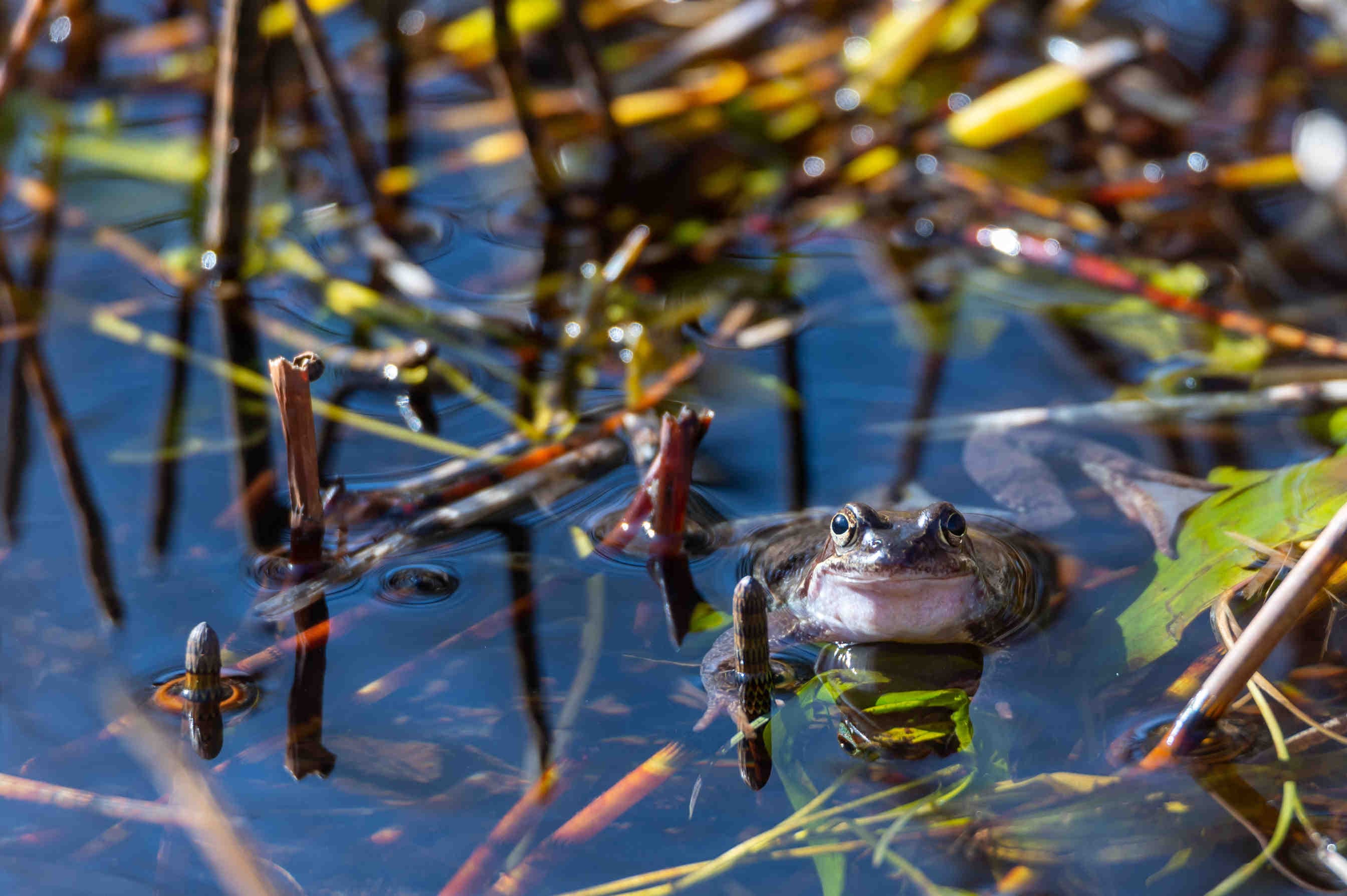
    zona umida rana
    XNatura

    The first 4 wetland assessment criteria

    The Ramsar Convention establishes 9 criteria to assess the importance of a wetland and determine its inclusion in the international list of Ramsar sites. The first 4 criteria are:
    1. The wetland must harbour rare, threatened or endemic species of flora and fauna, thus contributing to the protection of global biodiversity.
    2. The wetland must be a significant habitat for one or more migratory bird species listed in international conventions, such as the Bonn Convention or the CITES Convention.
    3. The wetland must be of international importance for the conservation of plant or animal species, not only for individual species, but for the ecosystem as a whole.
    4. The wetland must support a significant population of waterfowl or other wildlife species during their critical life stages, such as migration or reproduction.

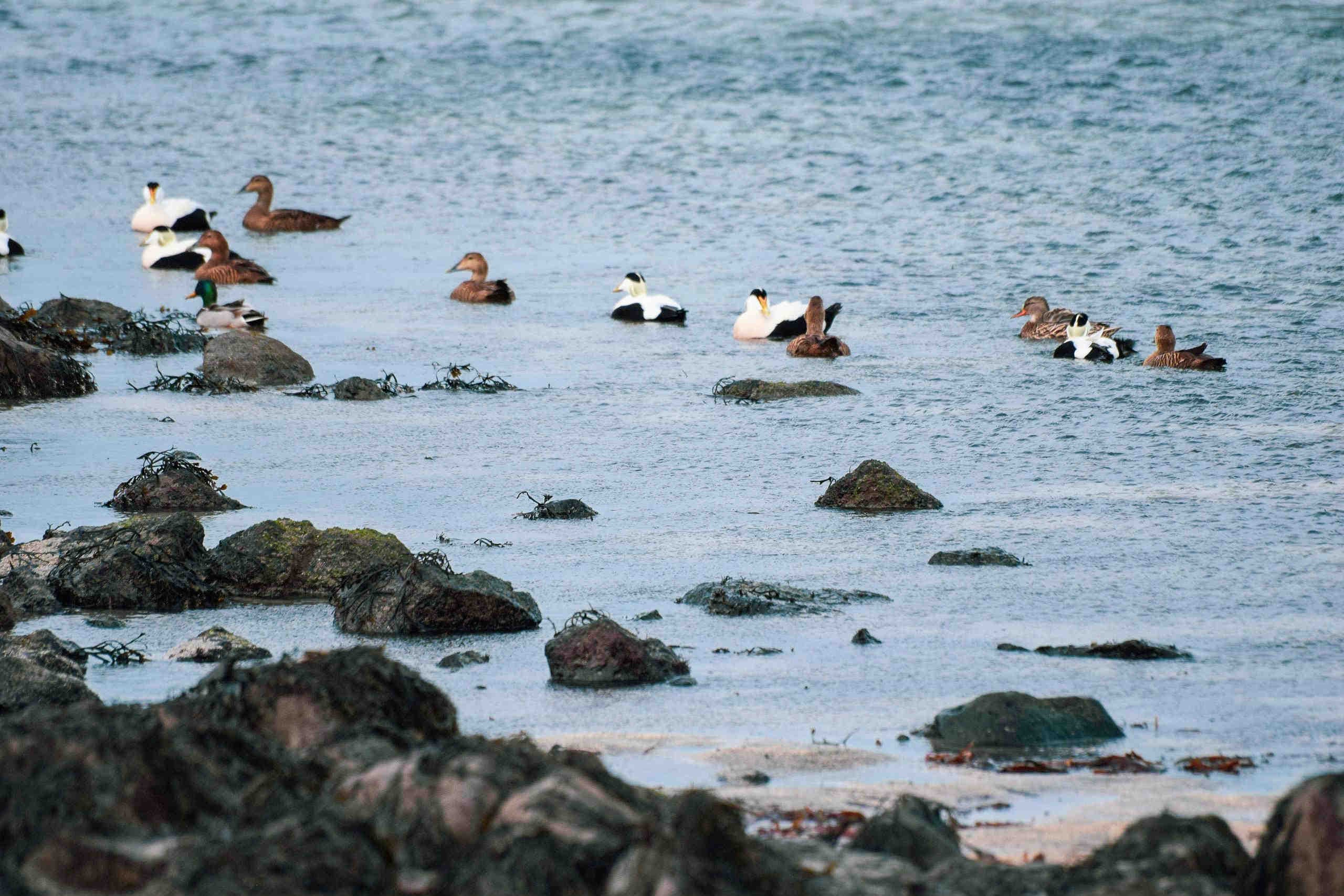
    zone umide uccelli

    The other 5 wetland assessment criteria

    The other 5 criteria of the Ramsar Convention are:
    5. The wetland must host at least 20,000 individuals of waterfowl or other wildlife.
    6. The wetland must host at least 1% of the population of a waterfowl species or other wildlife species of global importance, contributing to the conservation of critical populations.
    7. The wetland must contain habitats essential to the life cycle of species of fish, molluscs or crustaceans that are of commercial, ecological or scientific value.
    8. The wetland must play a key role in the ecological processes of an entire geographical area, such as protection against coastal erosion or maintenance of water quality.
    9. The wetland must contain natural habitats that represent an outstanding example of a particular type of ecosystem, highlighting its uniqueness and global significance.

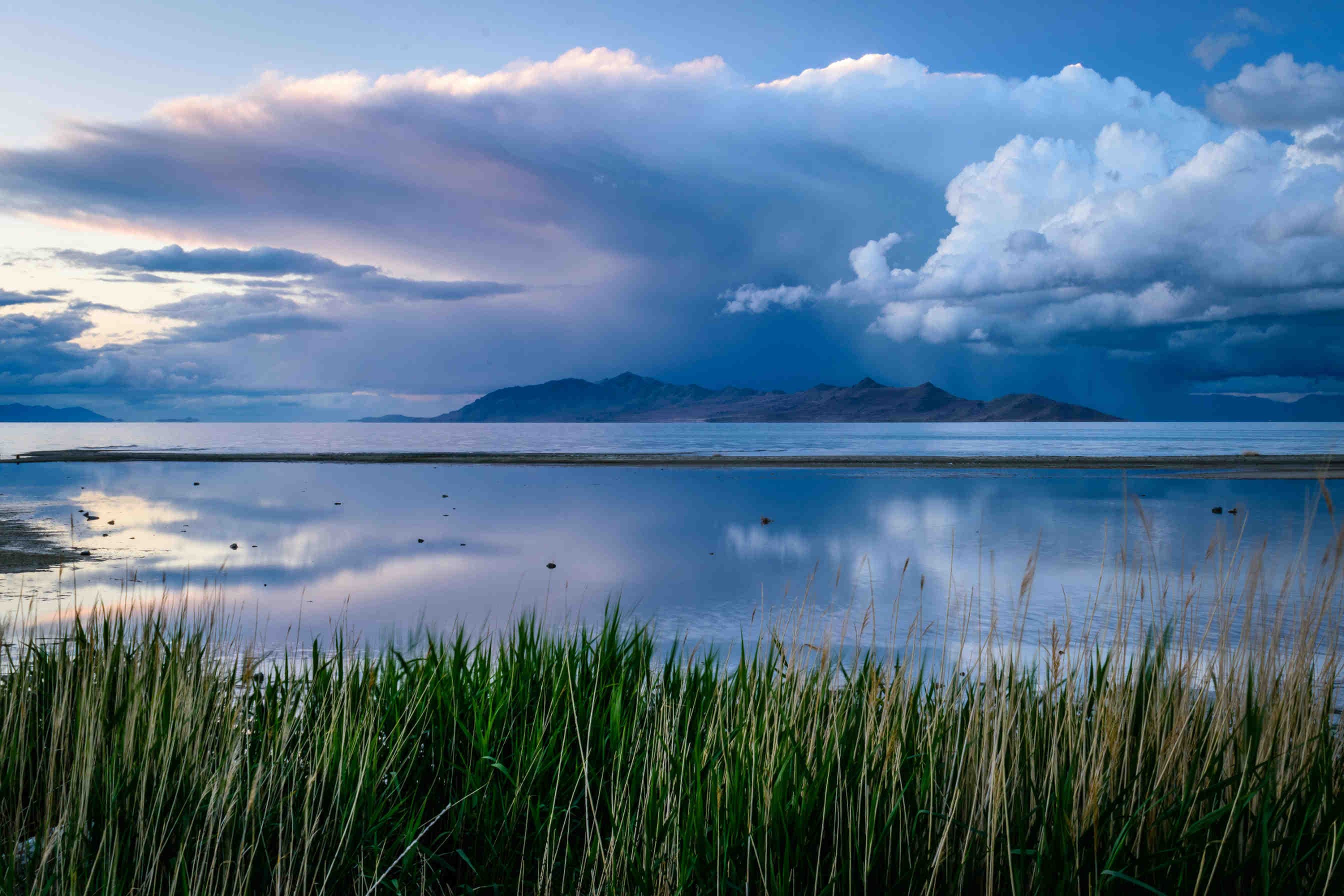
    zona umida lago
    XNatura

    Threats to wetlands: an endangered heritage

    wetlands are severely threatened by human activities, particularly urbanisation, intensive agriculture and climate change. Research published in Nature in 2023 revealed that about half of the wetlands in Europe, the continental US and China have been destroyed in the last 300 years, with some areas (such as the UK, Ireland and China) losing more than 75 per cent. Globally, the area of lost wetlands is equal to that of the whole of India. These losses undermine the ability of wetlands to act as carbon sinks and protection against extreme weather events, such as floods and droughts.

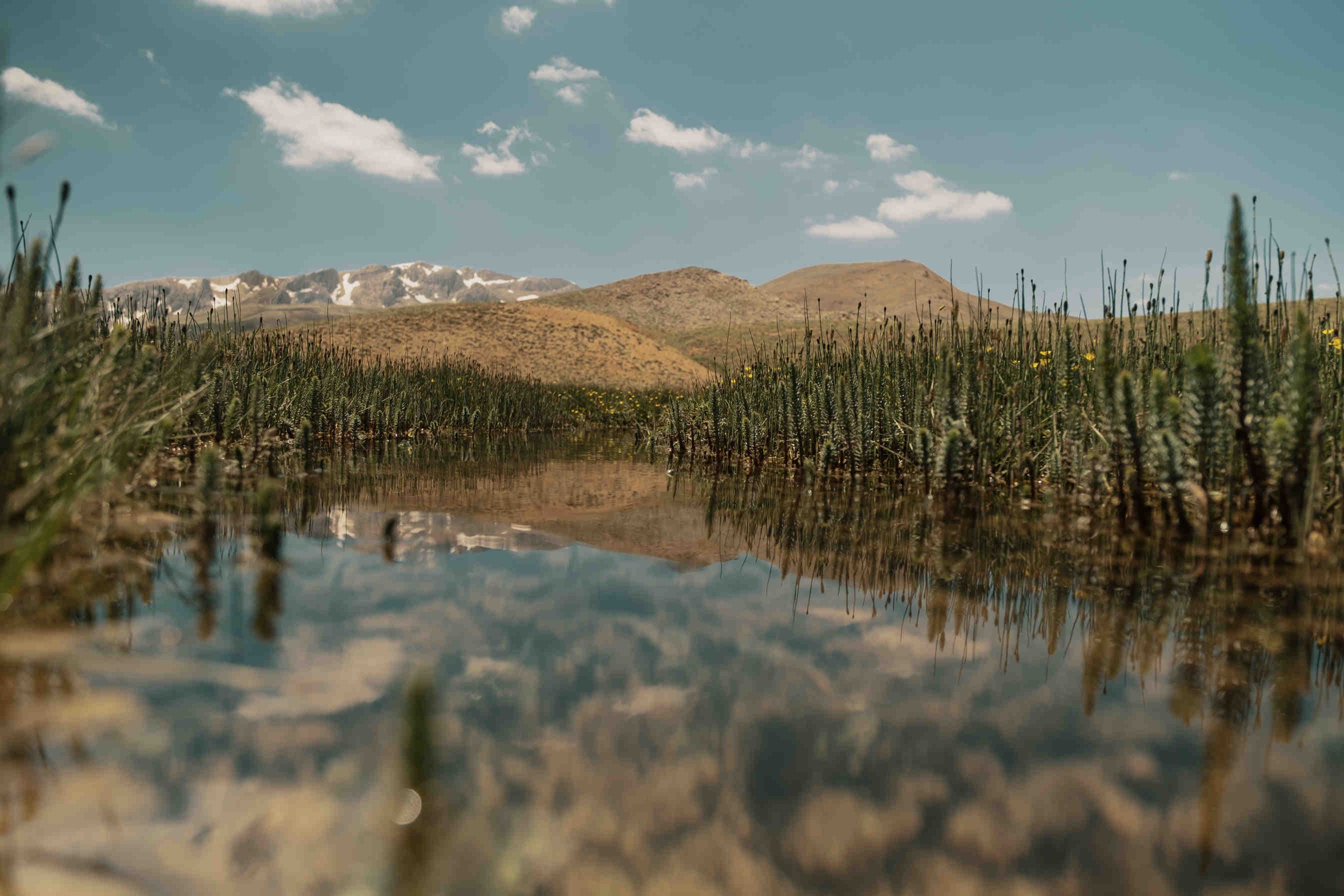
    zona umida montagna
    3Bee

    How to protect wetlands?

    Wetland protection requires the combined efforts of governments, non-governmental organisations, businesses and citizens. Key actions include the adoption of sustainable management policies, the promotion of sustainable agricultural practices and the continuous monitoring of the health of these ecosystems. Local communities can play a key role in preventing pollution and supporting dedicated recovery initiatives. Organisations such as Wetlands International and the Ramsar Convention are at the forefront of wetland protection, providing resources and guidance to preserve these vital natural environments.

    31/01/2025Of 3Bee, Lisa Santillo
    293 Views
    Newsletter
    newsletter
    Subscribe to the Blog about bees and biodiversity

    Frequently Asked Questions

    Do you have any doubts or other curiosities about this article? Here you will find some insights