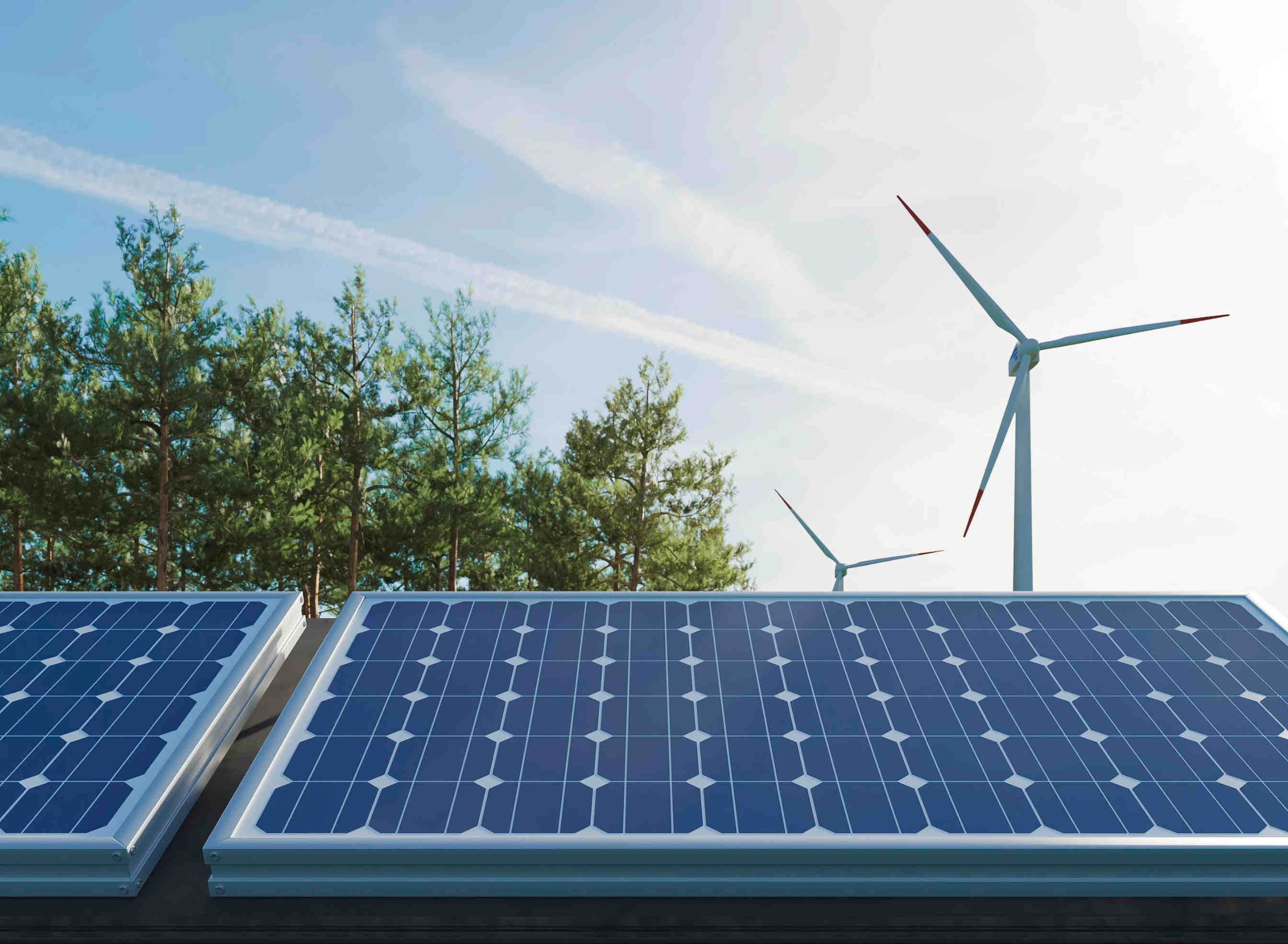
Energy production: why monitor biodiversity?
    BiodiversityRenewablesTechnologyApproach

    Energy production: why monitor biodiversity?

    Why monitor biodiversity in the energy production sector? In this article, we delve into the topic by highlighting the crucial role of technology in this sector, between significant impacts and new regulations.

    Read the article
    23/02/2024Of 3Bee,
    206 Views
    23/02/2024Of 3Bee,
    206 Views

    Biodiversity loss and global warming: the impacts

    According to the latest IPBES report, about 1 million animal and plant species are threatened with extinction, with a 20 per cent decrease in the abundance of native species in terrestrial habitats over the past hundred years. In this context, it is important to emphasise that the diversity loss is also linked to the impacts of global warming. A recent study by the University of East Anglia, states that if climate-changing emissions are not drastically reduced, in line with the Paris Agreement, 50 per cent of the species will lose most of the optimal climatic conditions for their survival in the next seventy years.
    biodiversità

    Renewable energy: impact and regulation

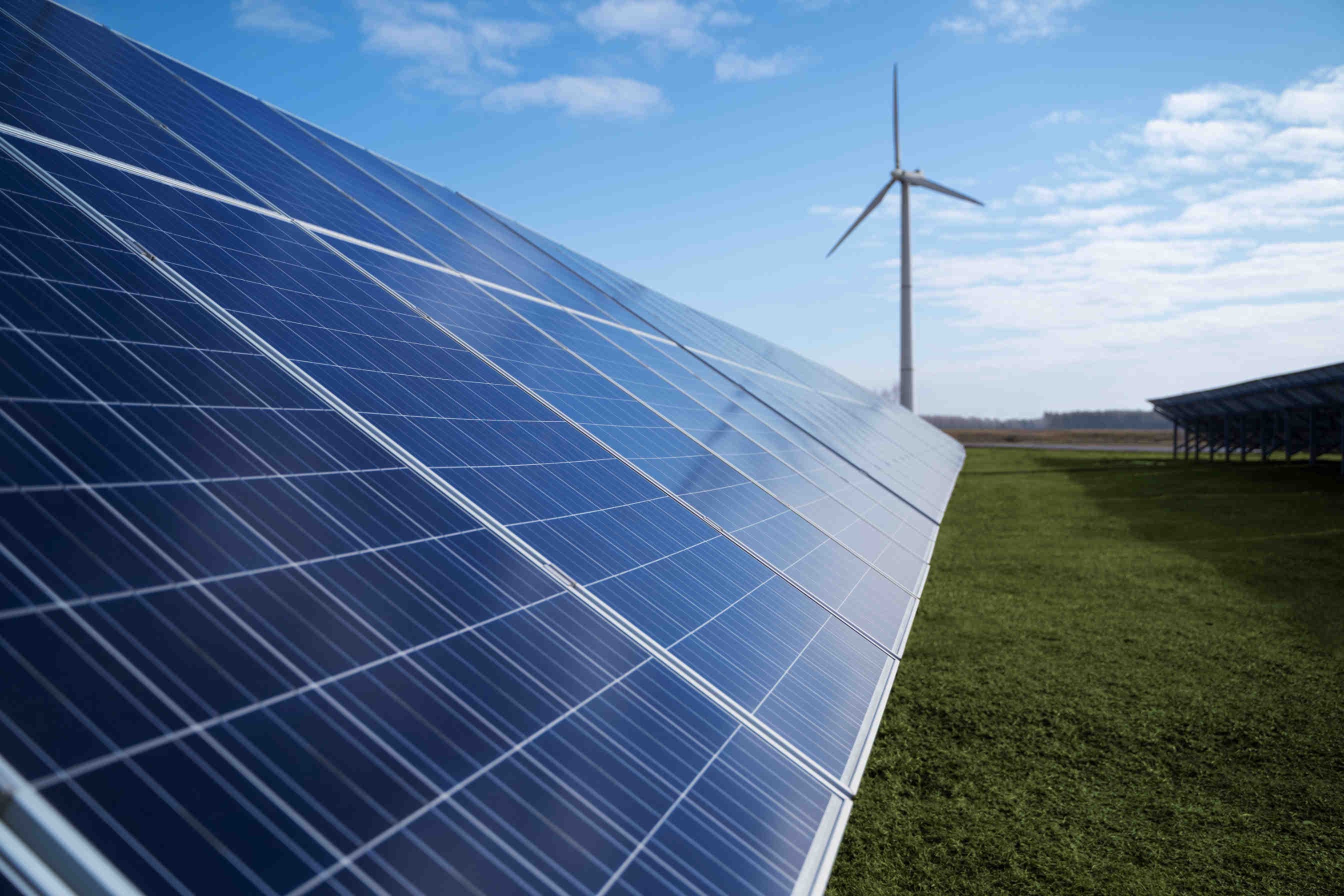
    In an attempt to limit global warming and mitigate the climate crisis, the IPCC has emphasised the crucial role of renewable energy, which is expected to provide at least 85% of the world's electricity by 2050. With specific reference to land consumption, we can state that renewable energy, although sustainable, requires a large land area, as specified by the NREL. These data highlight the importance of monitoring the impact on biodiversity in this sector, which is also a key issue in regulatory terms. In fact, regulation is becoming increasingly stringent: the CSRD directive, which came into force this year, and the Nature Restoration Law passed last July, make active biodiversity management a real legal obligation for the energy sector.

    energie rinnovabili
    XNatura

    Technology as a strategic asset

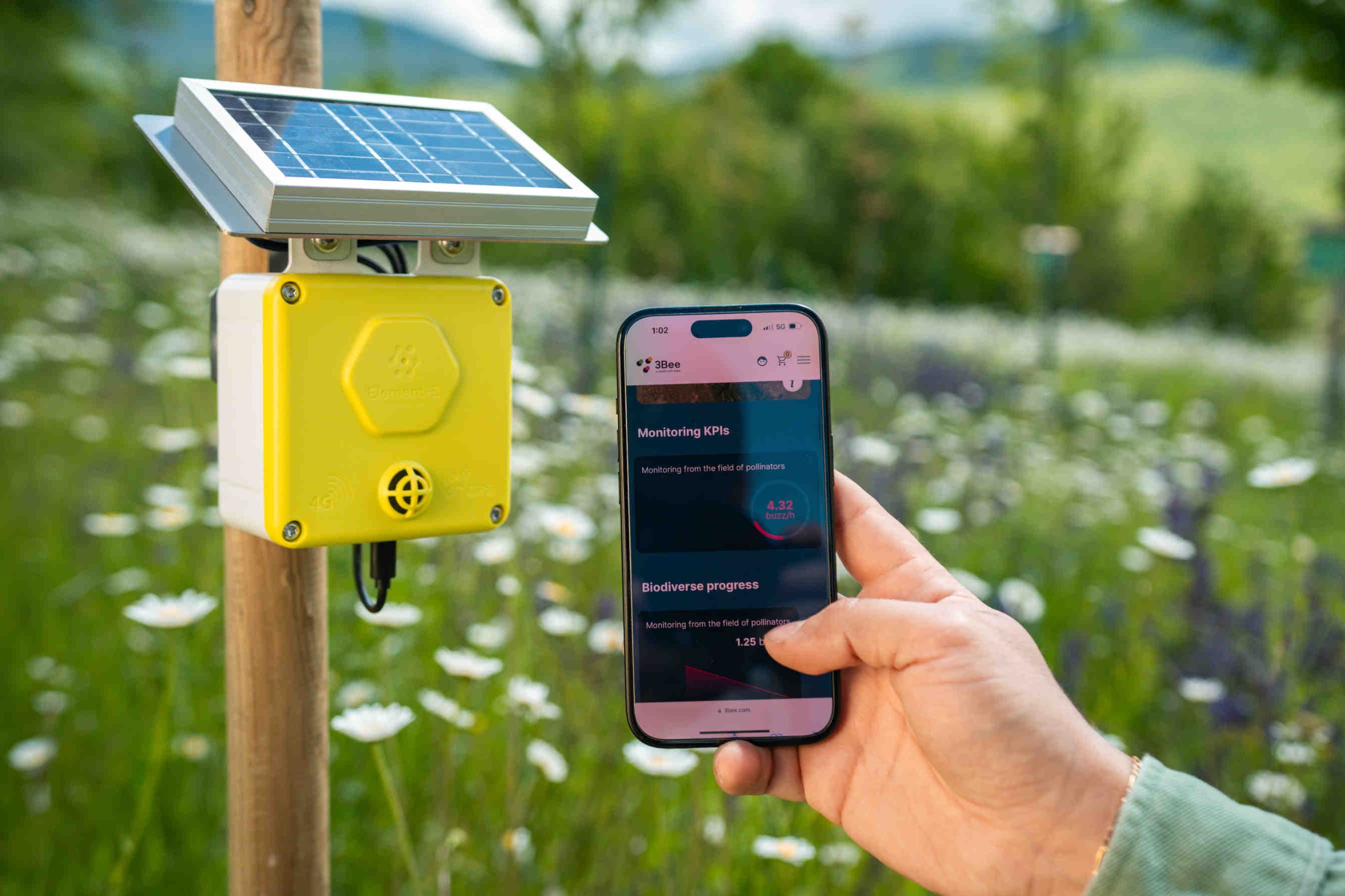
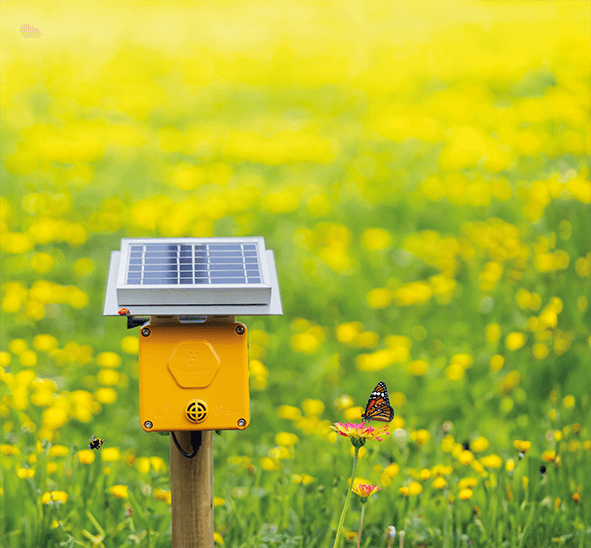
    Within an ever-changing regulatory environment, 3Bee's XNatura emerges as an advanced technology solution to address these challenges, ensuring a collection of data in compliance with reporting standards such as ESRS and GRI and establishing itself as a key strategic asset for companies in the energy sector. XNatura is the terrestrial biodiversity monitoring protocol developed by 3Bee, based on bioacoustics and remote sensing, whose application is verified by Bureau Veritas Italia, a leader in certification services.
    Element-E 3Bee

    XNatura Score and the site-specific approach

    The XNatura Protocol is part of a site-specific approach identified by 3Bee, which includes the assessment of the site's habitat and biodiversity, the subsequent identification of targeted actions for regeneration, the communication of the results obtained, and the drafting of the ESG biodiversity report in accordance with international standards. An approach that enables energy companies to obtain important insight from technology, enabling them to identify and design targeted interventions to mitigate any negative environmental effects and actively engage in the protection of biodiversity, contributing to long-term environmental sustainability.

    agrivoltaico
    XNatura

    Results of the Biodiversity Monitoring Project

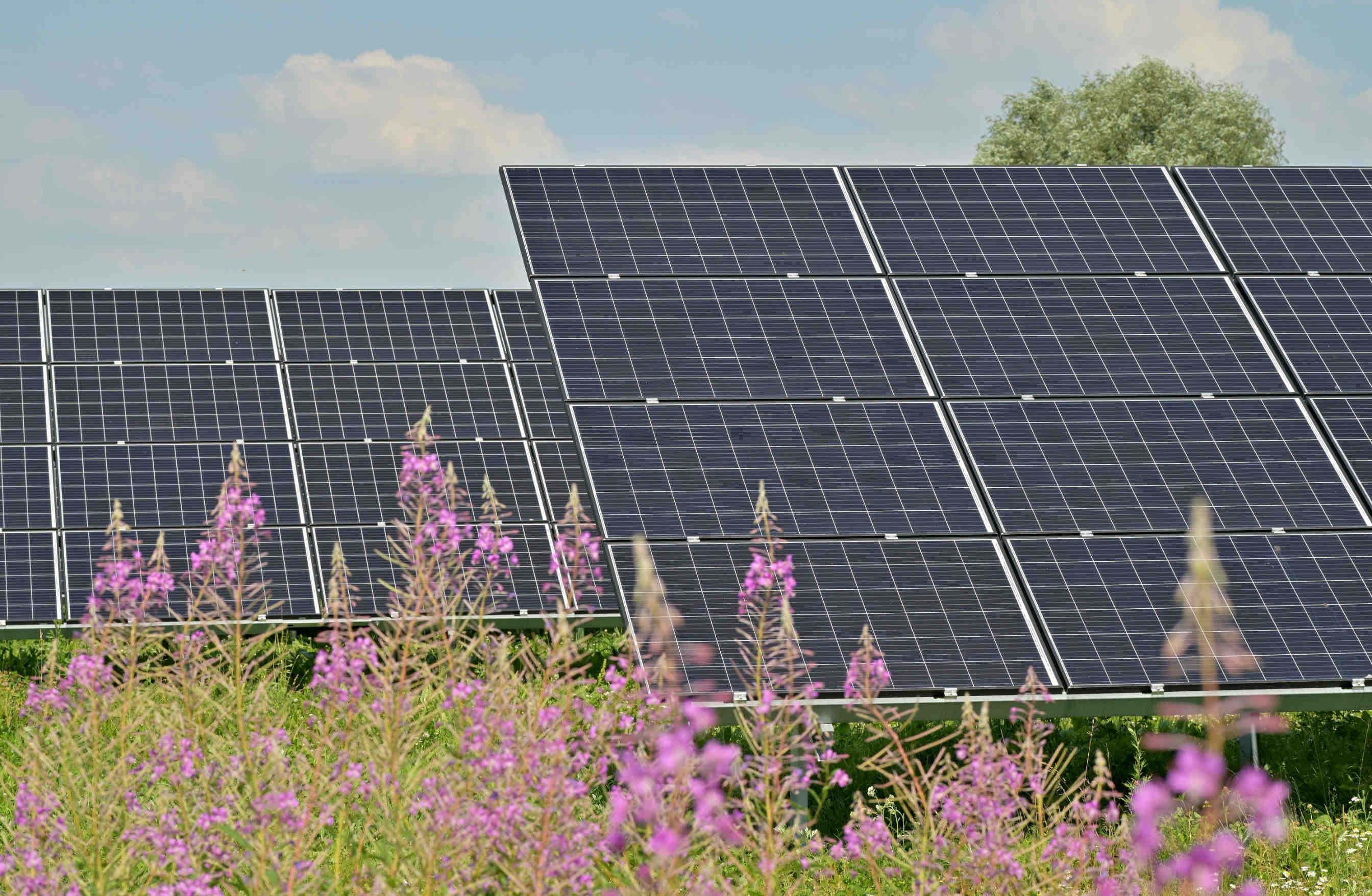
    The preliminary results of a biodiversity monitoring project through the XNatura protocol realised on a 2 MW photovoltaic site, show an important improvement of about 10% in terms of pollinator abundance due to targeted regeneration actions. This results in a significant benefit in terms of improved ecosystem services, including pollination, benefiting the local community. The project was also recognised as an "Environmental Best Practice" by Solar Power Europe. A concrete demonstration of XNatura's potential as a strategic asset for companies in the power generation sector with an eye on environmental sustainability.

    Element-E 3Bee
    3Bee

    The benefits of the XNatura Score protocol

    The XNatura protocol for biodiversity monitoring is now used in severalphotovoltaic, agri-voltaic, biogas and wind power plants in Europe, facilitating the integration of biodiversity with renewable energy production. The resulting benefits consist primarily in the possibility of access to tracked data, which guarantees full transparency. This data can be useful to guide the design of the plantation and the planning of targeted actions to improve the level of biodiversity. Furthermore, clear communication to stakeholders is facilitated, thanks to the comprehensiveness of the reports in line with the taxonomy on the subject ESG.

    energia

    Energy production and monitoring technology

    Thus, technology emerges as a crucial asset for the monitoring and development of strategies to improve biodiversity within photovoltaic, agri-voltaic, biogas and wind power plants. The energy production sector increasingly needs to integrate biodiversity-friendly strategies and innovative solutions, based on a scientific and technological approach. These can be the key element in driving change towards a responsible energy future, towards the environment and people.

    energy

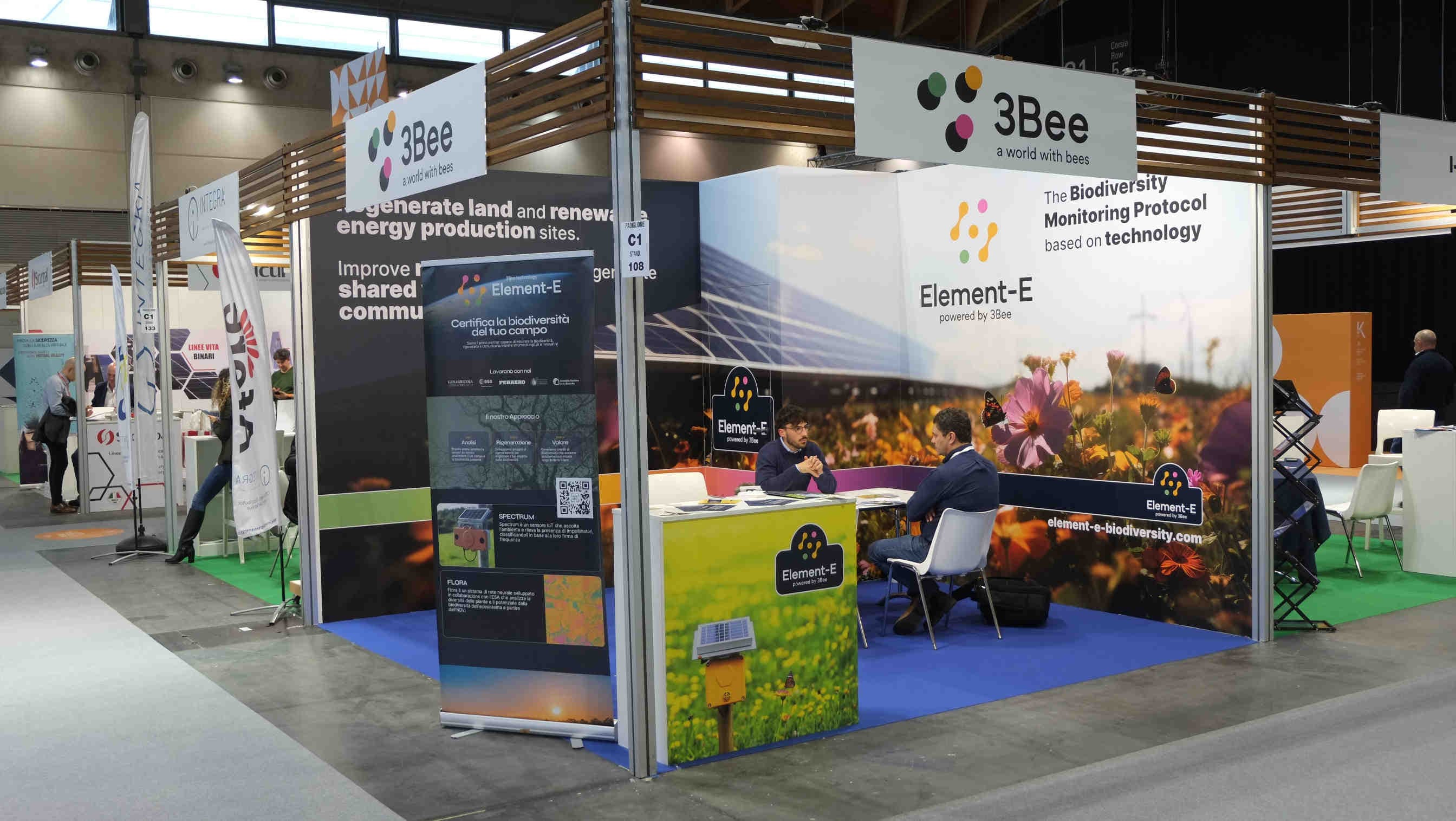
    3Bee at KEY - The Energy Transition Expo 2024

    This year we participated for the second time in KEY - The Energy Transition Expo, the most important European event dedicated to technologies, services, and integrated solutions for energy efficiency and renewable energies in Italy and the Mediterranean basin. On this occasion, we presented the terrestrial biodiversity monitoring protocol, XNatura, to energy players, which is useful for understanding their impact on biodiversity and identifying targeted actions for its regeneration in photovoltaic, agro-voltaic, biogas and wind power plants. A scientific and technological approach that accompanies companies in the sector on a data-driven biodiversity journey, ensuring transparent communication. Want to know more?
    KEY 2024
    23/02/2024Of 3Bee,
    206 Views
    Newsletter
    newsletter
    Subscribe to the Blog about bees and biodiversity

    Frequently Asked Questions

    Do you have any doubts or other curiosities about this article? Here you will find some insights