Why invest in climate action?
    Climate CrisisBusinessesInactionWarming

    Why invest in climate action?

    According to a study by BCG, the lack of climate investments could lead to economic losses between 16% and 22% of the global GDP by 2100. Find out in this article why investing in climate action is important for businesses.

    Read the article
    20/12/2024Of 3Bee, Angelina Tortora
    150 Views
    20/12/2024Of 3Bee, Angelina Tortora
    150 Views

    Climate crisis and economic implications: the BCG study

    Disclaimer: this is an automated translation from Italian. Go to the original article.

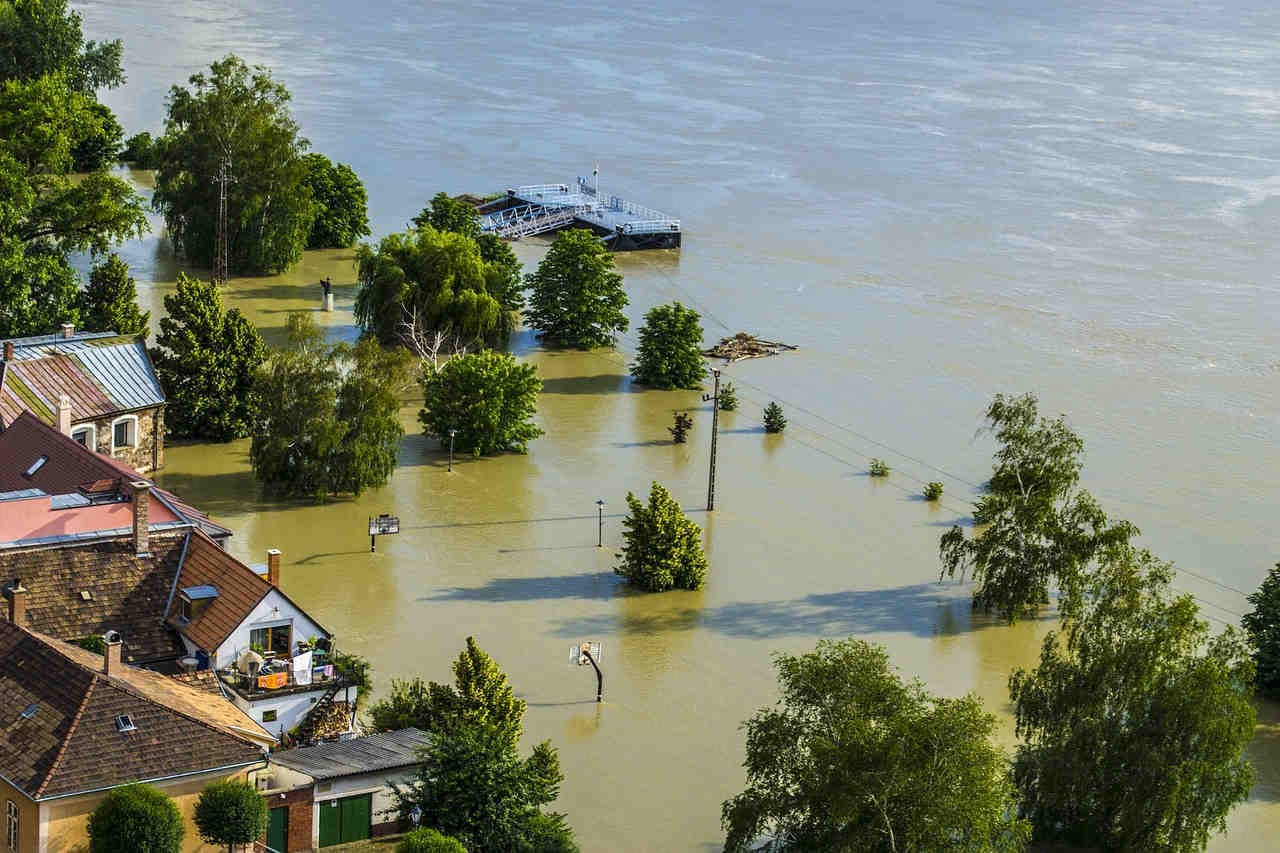
    The climate crisis represents an unprecedented global challenge, with economic implications that go well beyond the initial costs of mitigation and adaptation. According to the Boston Consulting Group (BCG) study Why Investing in Climate Action Makes Good Economic Sense, conducted in collaboration with Cambridge Judge Business School and Cambridge ClimaTRACES Lab, failing to meet the targets of the Paris Agreement could lead the world towards warming exceeding 3°C by 2100, with estimated economic losses between 16% and 22% of global GDP. This scenario of inaction would lead to an increase in the frequency and intensity of extreme weather events, causing devastating impacts on infrastructure, public health, and biodiversity.
    Crisi climatica e implicazioni economiche: lo studio di BCG

    Why is investing in climate beneficial for businesses?

    Investing in climate action is essential for businesses and offers a range of advantages. An analysis by the World Economic Forum 2024 suggests that allocating less than 2% of global GDP to mitigation efforts could limit the temperature rise to less than 2°C, significantly reducing the expected economic losses and ensuring long-term stability. Additionally, a study published in Nature highlights how such investments can prevent irreversible impacts, including the collapse of marine ecosystems and the rapid melting of glaciers, phenomena known as tipping points. These events would not only amplify economic damages but also compromise social and natural resilience.

    Perché investire nel clima vantaggioso per le aziende?
    XNatura

    The cost of climate inaction

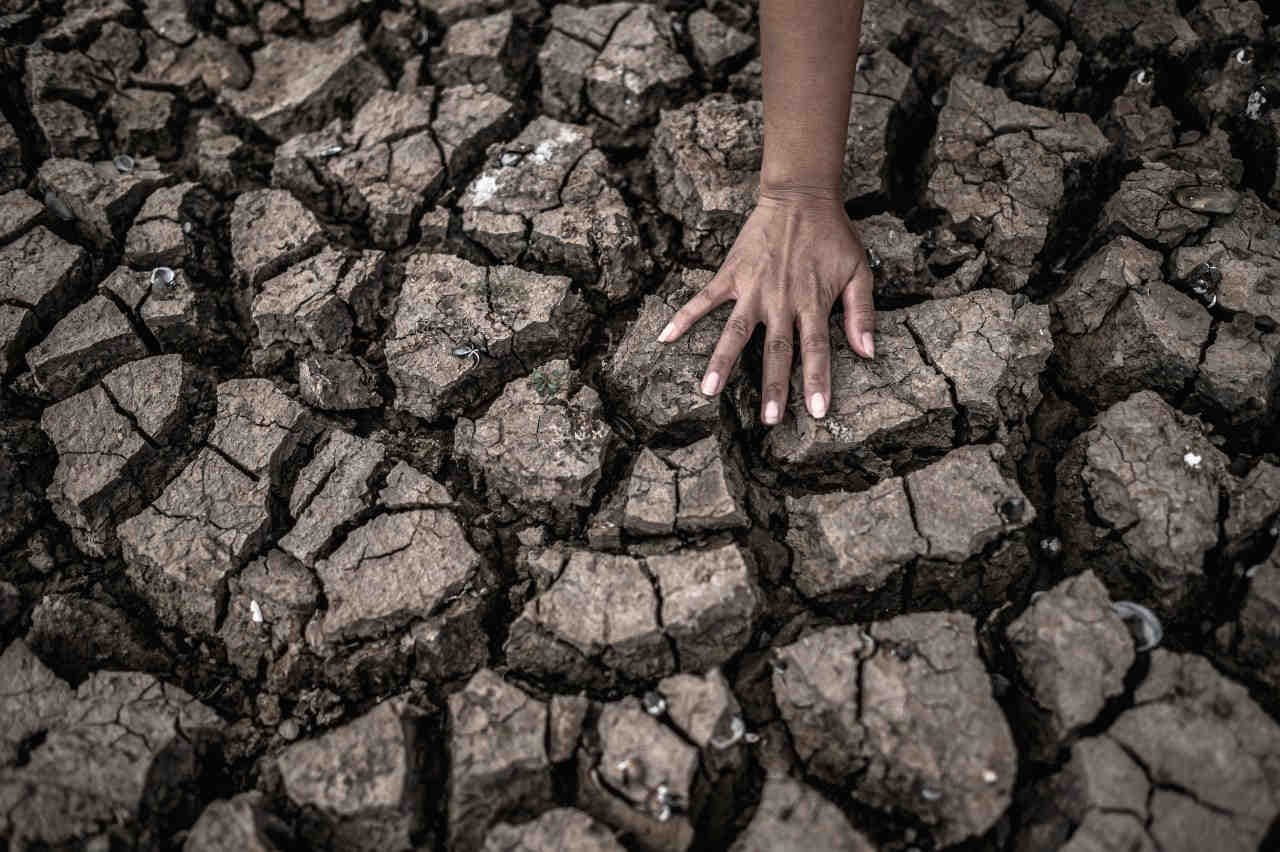
    Despite the urgency, governments and businesses are often hesitant to bear the initial costs. However, as demonstrated in a recent report by the Banque de France, the cost of inaction far exceeds that of climate investments. It is estimated that, without significant interventions, global losses will reach 10%-15% of global GDP by 2100. Conversely, immediate and coordinated action could free up economic resources to address other global challenges, while ensuring an economic return up to ten times higher than the initial investments. In this context, adopting ambitious strategies, supported by comprehensive research and effective global coordination, represents not only an environmental necessity but also a long-term economic and social opportunity.

    inazione climatica

    The price of global warming

    If the world does not change course, the global temperature will rise by about 3°C by 2100, causing increasingly significant damage to the economy, natural ecosystems, and human life. To comply with the Paris Agreement and keep warming below 2°C, it is essential that governments and businesses undertake concrete climate actions. In recent years, extreme weather events have increased in frequency and intensity. Since 2015, according to the EM-DAT database, natural disasters have increased by 15%, causing a 205% increase in economic costs and a 280% rise in human casualties. These numbers will continue to grow with the rise in global temperatures, causing further losses and human suffering.
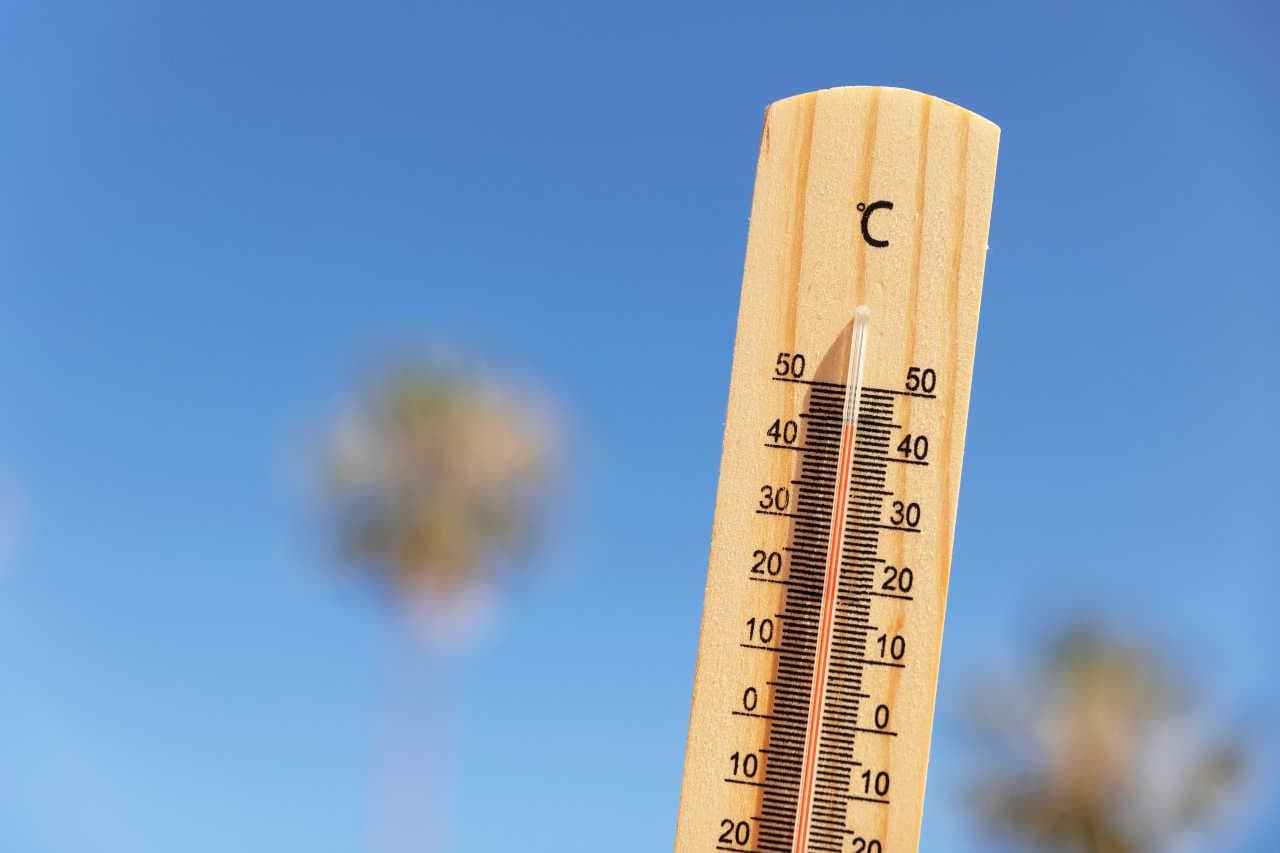
    Il prezzo del riscaldamento globale
    XNatura

    The climate paradox: initial costs vs the cost of inaction

    Despite the rising costs, global leaders struggle to adopt sufficient measures to limit global warming to less than 2°C. The reluctance to bear the initial costs of reducing emissions and adapting to climate change has slowed the collective response to the crisis. However, it is crucial to assess the economic implications of inaction. A comparative analysis of two scenarios, one with current investment levels and another with sufficient investments to keep warming below 2°C, demonstrates that the cost of inaction far surpasses that of mitigation and adaptation measures.

    Paradosso climatico: costi iniziali vs costo dell’inazione
    3Bee

    The need for immediate climate action

    In a scenario of inaction, the world would face economic losses equivalent to 16%-22% of global GDP by 2100, with a reduction of the global annual growth rate by about 0.4 percentage points. Conversely, by investing less than 2% of global GDP until 2100 in additional mitigation efforts, the temperature rise could be limited to less than 2°C, avoiding economic impacts estimated between 11% and 13% of global GDP. This investment, initially higher (up to 8% of GDP by 2030), would decrease over time. Even in a warming scenario below 2°C, greater investments in adaptation would be necessary, as some economic consequences would be inevitable due to past emissions. By investing less than 1% of GDP in adaptation measures, much greater economic losses, up to 4% of global GDP, could be avoided.

    La necessità di un’azione climatica immediata

    Climate action: main obstacles and solutions

    Three main obstacles hinder climate action:

    1. limited understanding of inaction costs: there is still no scientific consensus on the economic impacts of climate change, and current estimates are quite uncertain;
    2. uneven distribution of climate impacts: decisions vary based on different countries’ economic and political priorities;
    3. human cognitive biases: the tendency to prioritize short-term outcomes hinders interventions with long-term impacts.

    To overcome these barriers, it is essential to bridge the gap between ambition and action through levers such as promoting thorough research on climate impacts; developing effective policies and regulatory mechanisms; and coordinating global efforts to ensure a uniform and timely response.
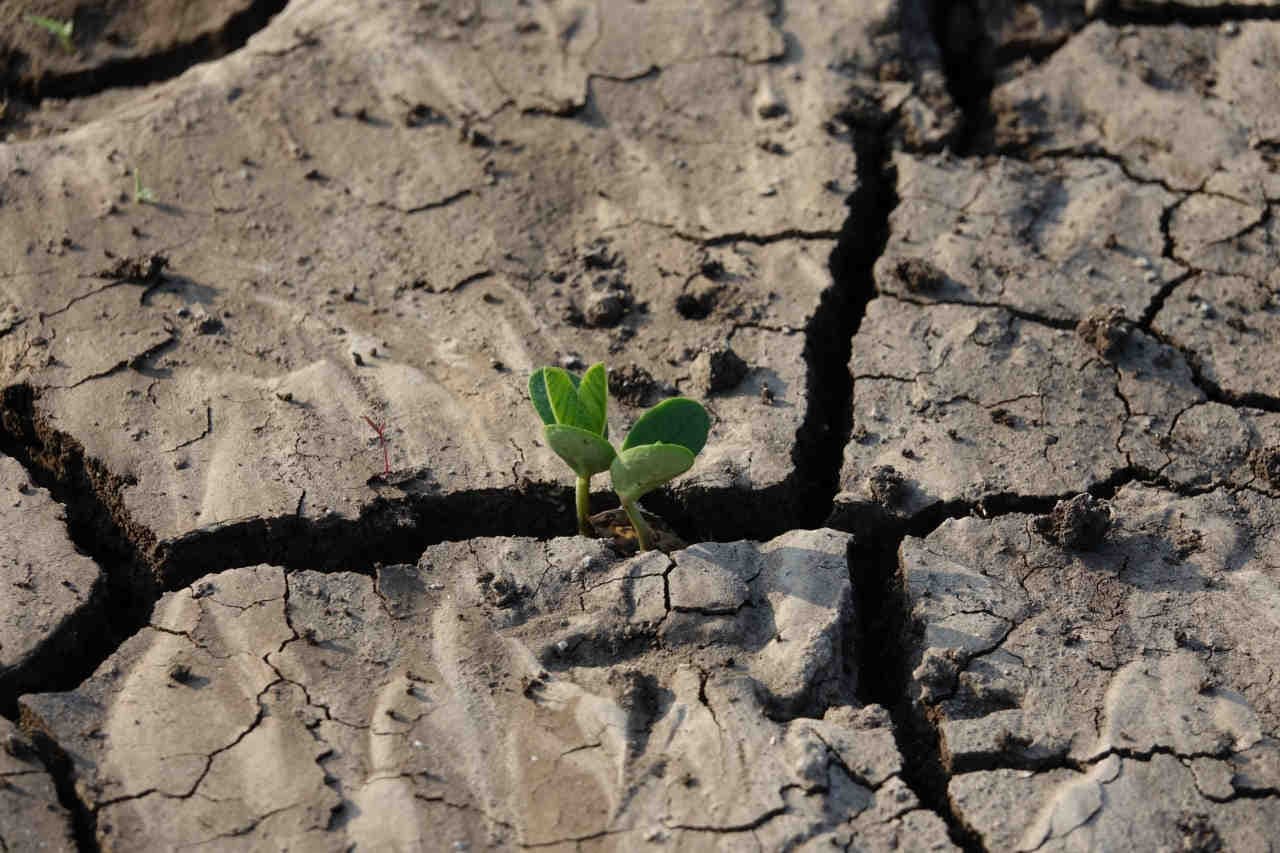
    Azione climatica: principali ostacoli e soluzioni

    XNatura Score platform and climate strategy for businesses

    Investing in climate action is today a strategic economic choice, as highlighted by the report Why Investing in Climate Action Makes Good Economic Sense, with an estimated economic return six to ten times higher than the initial investments. Mitigation and adaptation actions are now essential, and a more joint action by the public and private sectors is increasingly necessary. In this context, the 3Bee XNatura platform allows municipalities, companies, and natural parks to monitor their impacts and dependencies on nature to define a tailored climate strategy, ensuring regulatory compliance at the same time. In assessing climate risks, the platform monitors the evolution of temperature and precipitation over time and includes parameters such as MSA Climate Change, which assesses the impact of climate change on biodiversity.

    Piattaforma Element-E e strategia climatica per le aziende
    20/12/2024Of 3Bee, Angelina Tortora
    150 Views
    Newsletter
    newsletter
    Subscribe to the Blog about bees and biodiversity

    Frequently Asked Questions

    Do you have any doubts or other curiosities about this article? Here you will find some insights