Why can fireflies light up?
    Light BulbBioluminescenceFirefliesBacteria

    Why can fireflies light up?

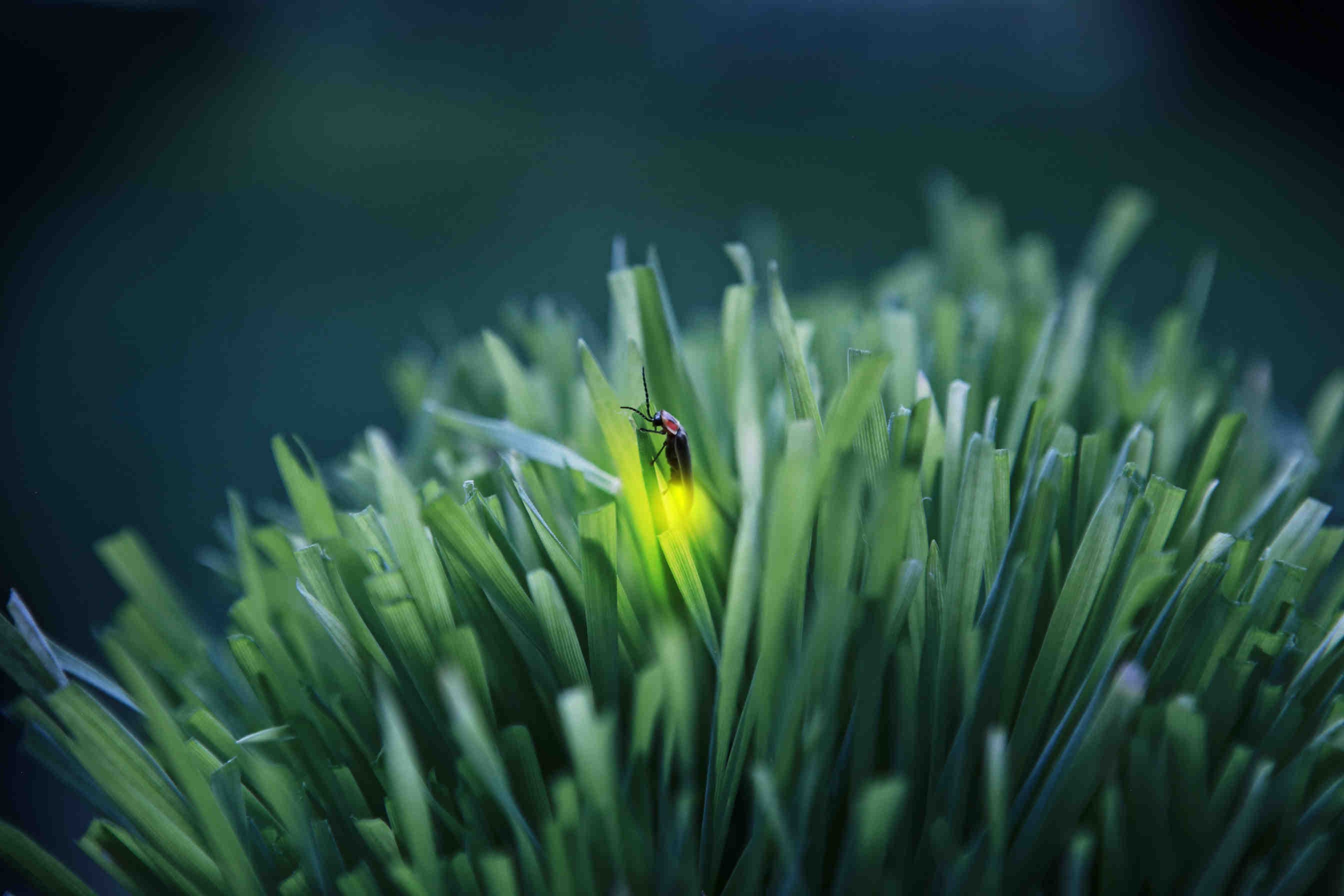
    Small insects that keep us company during summer nights: fireflies. They are undoubtedly famous for their ability to emit light. But how do they manage to do it? It's all thanks to bioluminescence, the unique ability that allows certain species to produce their own light without the loss of heat.

    Read the article
    03/02/2025Of 3Bee, Marta Depetris
    343 Views
    03/02/2025Of 3Bee, Marta Depetris
    343 Views

    The forerunners of the light bulb

    Disclaimer: this is an automated translation from Italian. Go to the original article.

    Humans invented the light bulb at the end of the nineteenth century, but some species have been able to emit light for much longer. It's all thanks to bioluminescence, which is the ability of some living organisms to emit visible light. Given its peculiarity, one might think that this characteristic only involves a small portion of living organisms, but in reality, it is quite common, including simpler organisms such as bacteria and protists, but also fish, cephalopods, and insects. Currently, the only animal groups in which no bioluminescent activity has been found are angiosperms and terrestrial vertebrates.

    The forerunners of the light bulb

    The Chemistry of Bioluminescence

    In most cases, bioluminescence is an intrinsic characteristic of the species that, thanks to a chemical reaction, is capable of converting chemical energy into light energy. It all has to occur in the presence of oxygen, which acts as the activator of this reaction. Thanks to it, the oxidation of a particular protein, luciferin (in Latin lucifer meaning "light bearer") occurs, which thanks to the luciferase enzyme ensures that almost all chemical energy is converted into light. The luciferase enzyme is not the name of a single enzyme but is a term used to indicate a family of enzymes that can differ from one organism to another, and so it is for luciferin, which varies within different species.

    The Chemistry of Bioluminescence
    XNatura

    The strategy of fireflies

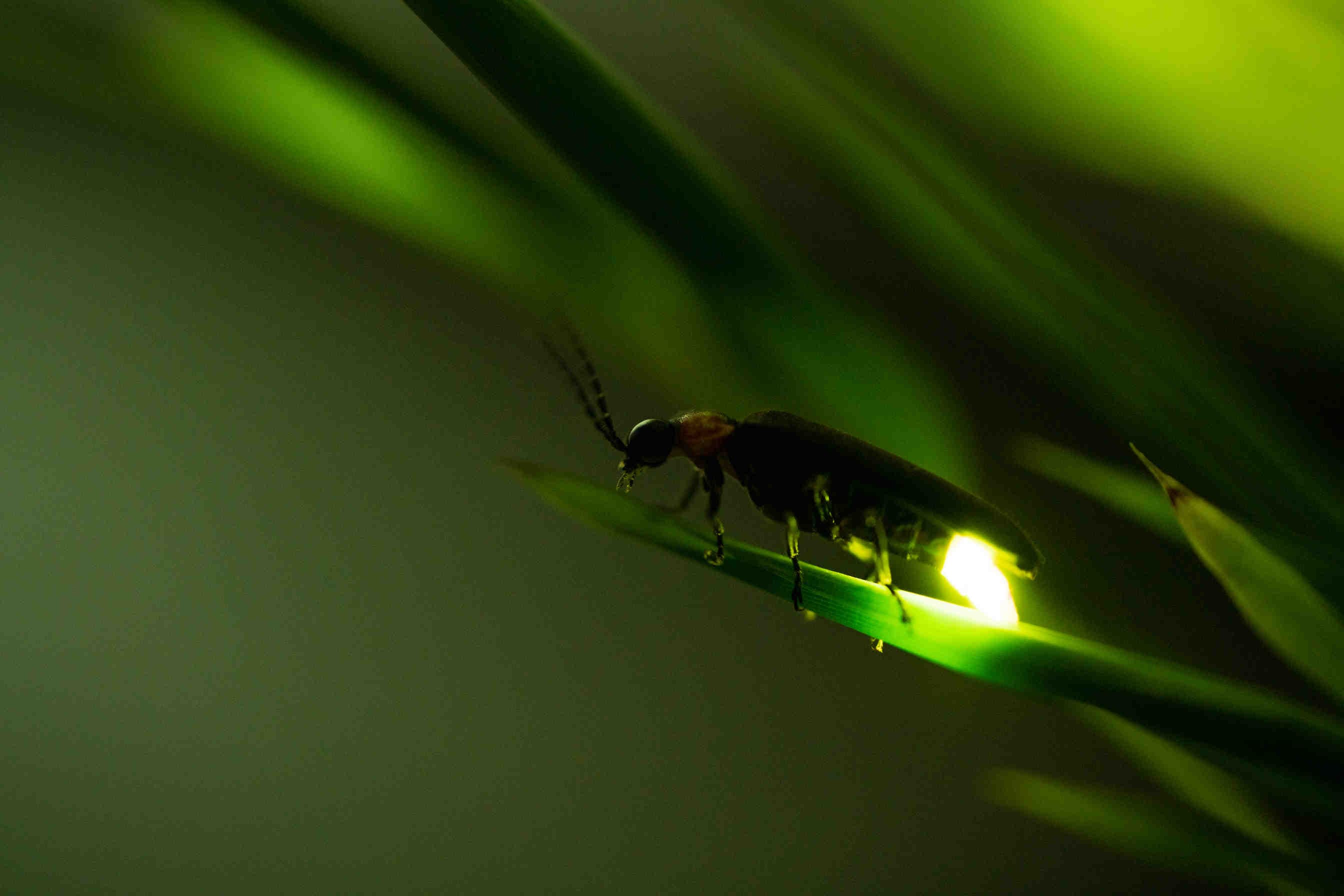
    The emblematic example that comes to mind when talking about bioluminescence is surely the firefly. These insects belonging to the order of Coleoptera emit light thanks to the classic chemical reaction involving luciferins and luciferases that takes place within a specialized organ present on the abdomen. For these invertebrates, light plays a fundamental role in mating, allowing males and females of the same species to find each other. The female, in fact, is wingless, meaning she lacks wings, and is able to emit light even for long periods with the aim of being found by the male, who has wings and can emit light for a shorter period of time. A curious aspect related to the bioluminescence of these insects is that the light frequencies are species-specific, meaning each species has a characteristic frequency. Some species of fireflies have developed the clever strategy of mimicking the light frequencies of other species with the sole purpose of attracting them and eating them.

    The strategy of fireflies

    All thanks to bacteria

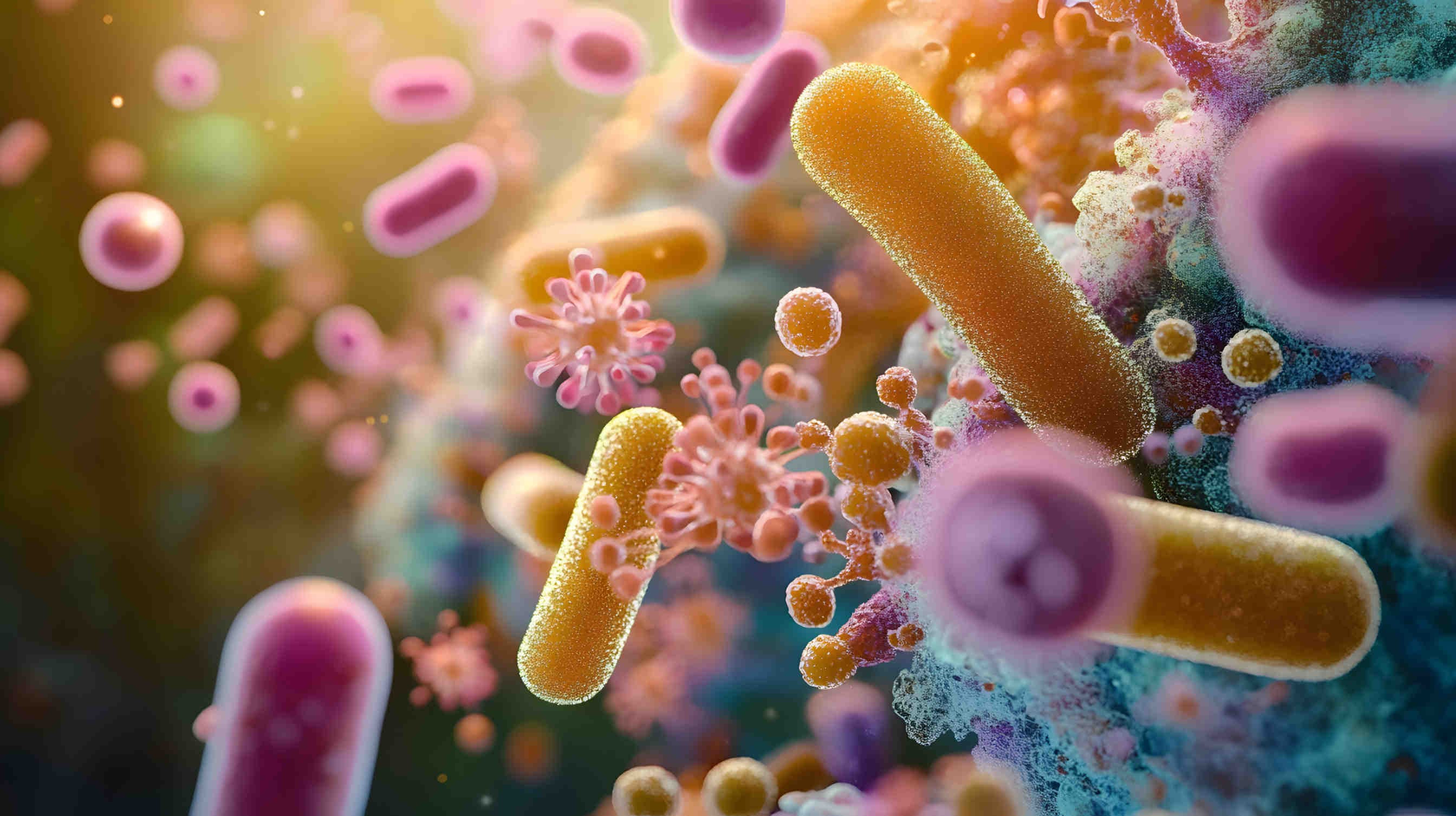
    Not all living organisms capable of emitting light can rely on the chemical reaction produced by luciferases. Some are helped by a rather common strategy in nature: symbiosis. Inside the bodies of some species, there may be bioluminescent bacteria, which are the main culprits for the light emission of the species they are symbionts with. It is precisely these microorganisms that manage to light up according to the chemical reaction already seen previously and consequently also make the organism they live with bioluminescent as well.

    All thanks to bacteria
    XNatura

    Milky seas

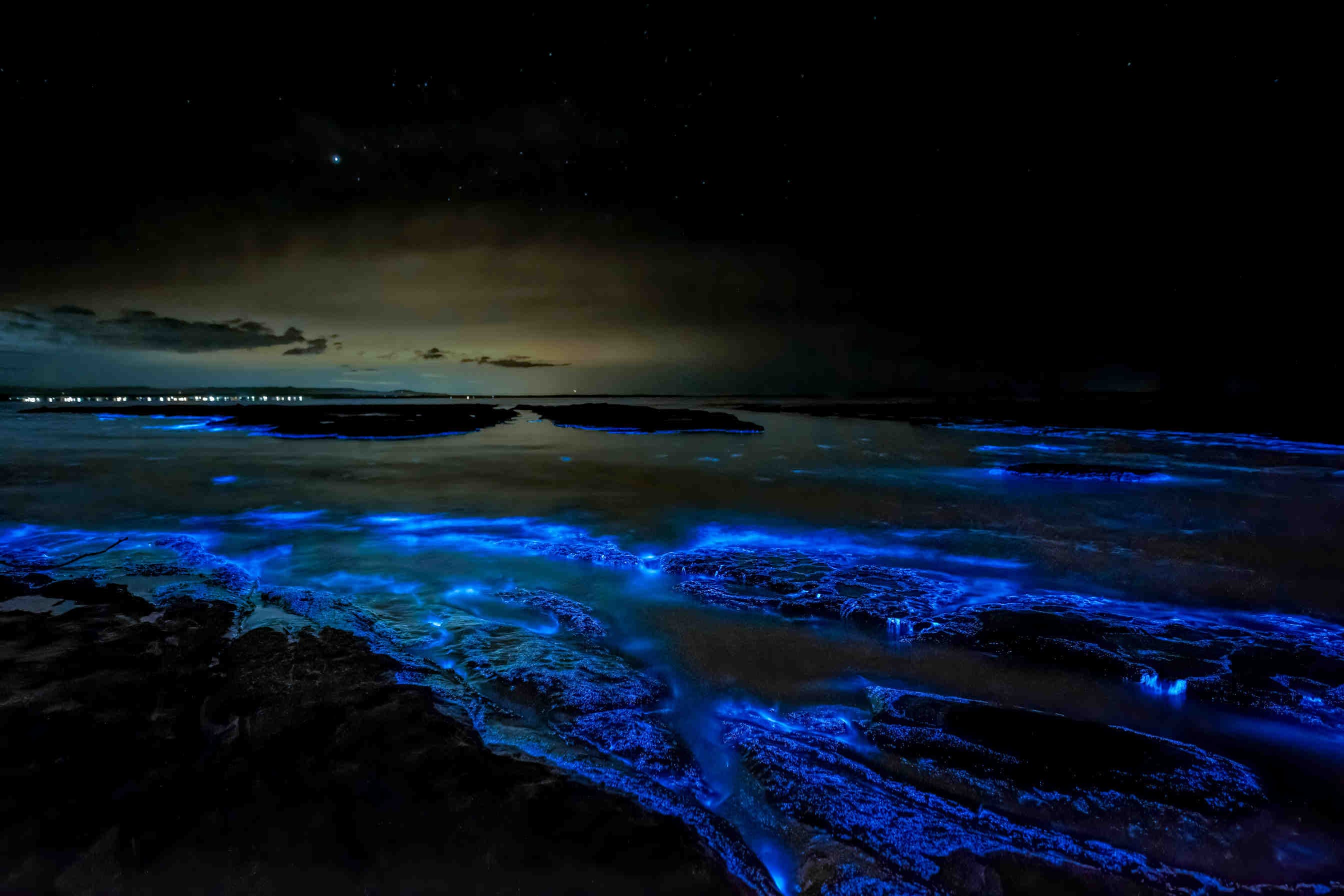
    It is also easy to come across these bioluminescent bacteria that do not have relationships with other organisms. In certain environments, such as the marine one, these microorganisms are capable of creating bioluminescence based on “quorum sensing”, meaning they emit visible light when they reach high concentrations in a given space. This results in spectacular phenomena like milky seas, vast luminous surfaces that can be detected even by satellites orbiting the Earth. Even today, these events are the subject of numerous studies by the scientific community, which is in relentless pursuit of the mechanisms behind their origin.

    Milky seas
    3Bee

    Emitting light to survive: the case of the squid

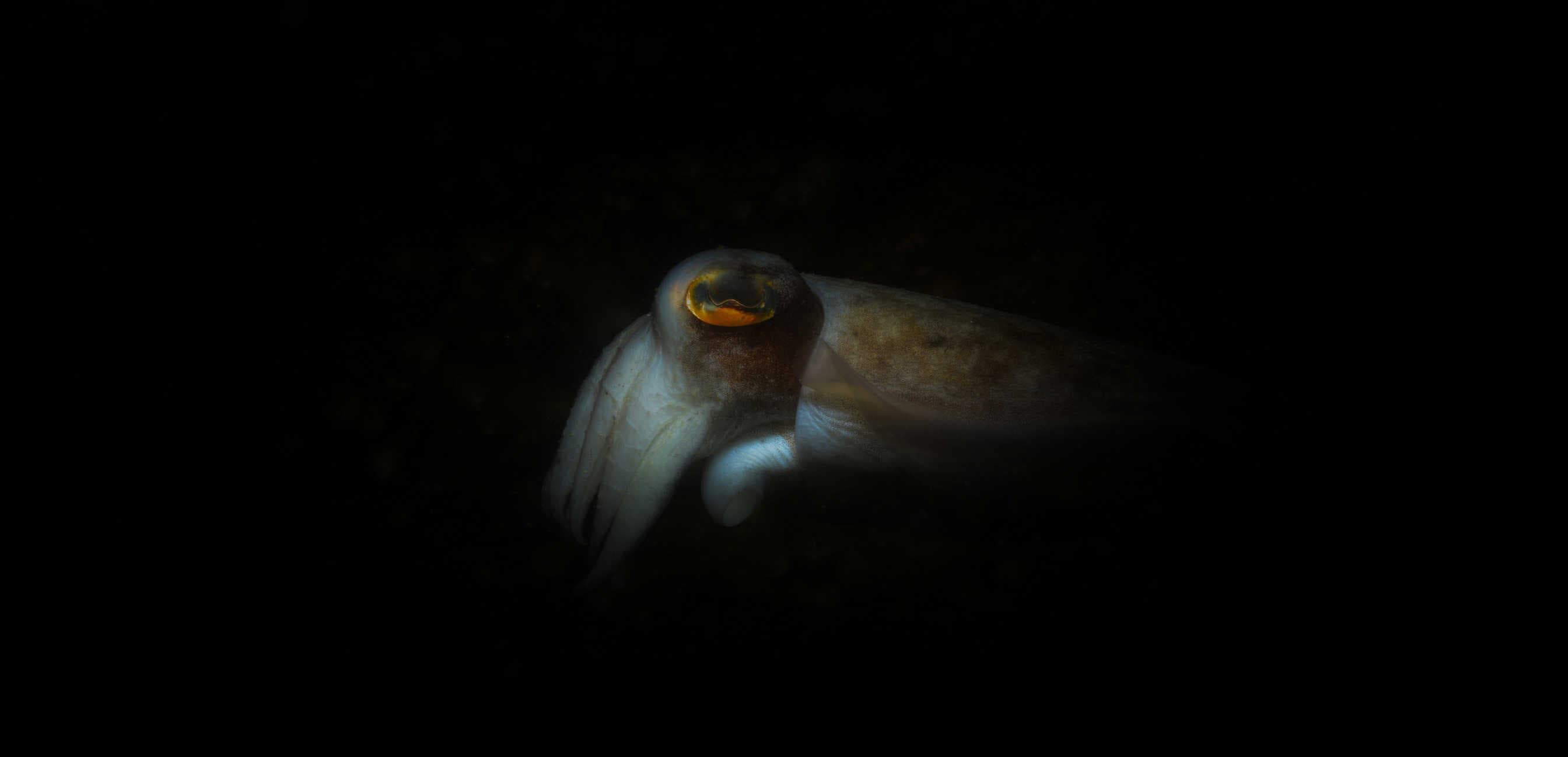
    A very interesting example of bioluminescence is Euprymna scolopes, commonly known as the Hawaiian bobtail squid. This species is one of the many that owes its bioluminescence to symbiosis with bacteria, in this case belonging to the species Vibrio fischeri, which are found in a specific organ within the cephalopod's mantle. The presence of these small microorganisms allows the squid to implement a strategy called counter-illumination, a method of camouflage that involves producing light very similar to an illuminated background, such as the ocean surface or the sky. The emitted brightness can also be adjusted, thus adapting to different light intensities and allowing the animal to go completely unnoticed.

    Emitting light to survive: the case of the squid

    Luminous waters

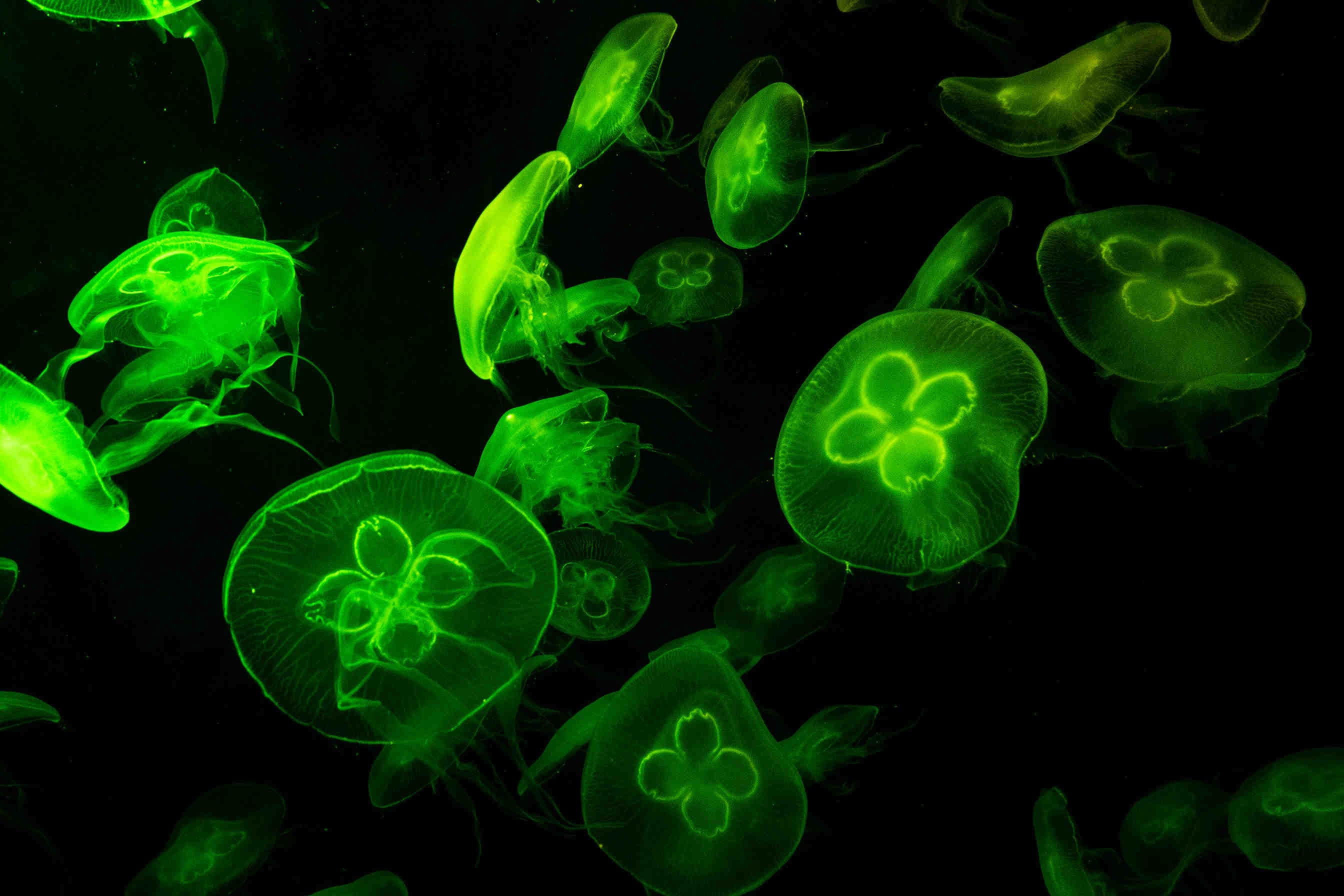
    Most bioluminescent organisms are made up of species that live in aquatic environments. The marine environment hosts about 80% of these species, including very different organisms, both vertebrates and invertebrates. Among these we find the plankton, which is not actually a single species but a heterogeneous group of different organisms that share the characteristic of not being able to swim actively within the water. Other examples are the numerous species of mollusks (such as Watasenia scintillans known as the firefly squid) and cnidarians, such as the jellyfish of the genus Equorea and Pelagia found in the Mediterranean Sea. But even among vertebrates, we find some examples of bioluminescence, such as sharks of the Dalatiidae, Somniosidae, and Etmopteridae families that have true luminous organs whose purpose seems to be counter-illumination.

    Luminous waters

    Fluorescent fungi

    Among the most fascinating and still little-known living organisms on our planet, we have them, the fungi. Some species have the ability to emit light. The bioluminescent ones usually belong to species that grow on decaying and decomposing logs and leaves. The most well-known representatives belong to the genera Armillaria, Mycena, Panellus, Omphalotus, and Pleurotus. However, there are not many species of these groups that we can define as bioluminescent. In fact, only 80 species (out of a total of 10,000 known species of fungi) possess this characteristic. To date, these fungi are still the subject of study, and researchers are trying to understand the purpose of their bioluminescence. One of the most credible hypotheses is that they use light as a signal to attract beetles, wasps, and other small invertebrates so that they can transport the spores to other parts of their habitat.

    Fluorescent fungi

    Bioluminescence for scientific research

    Bioluminescence has been and still is the inspiration for numerous scientific studies. Some more than others have allowed for discoveries that have changed the world of research. One of these is the discovery, which earned its discoverer the Nobel prize in chemistry, of the Green Fluorescent Protein (GFP), first extracted by the chemist Osamu Shimomura. The animal in which GFP was found is a jellyfish, Aequorea victoria, which is capable of emitting light from some areas surrounding its bell. This protein, when illuminated by UV rays, emits a strong green fluorescent color. This characteristic has allowed it to be used as a marker for cells, proteins, and genes, completely revolutionizing the world of molecular biology.

    Bioluminescence for scientific research

    Why light up?

    At first glance, it may seem that bioluminescence is not a significant evolutionary advantage. For some species, being visible can make the difference between being preyed upon or managing to escape. Yet, bioluminescence also brings several advantages. It is believed that bioluminescence originated as a byproduct of luciferase, whose reaction played an important antioxidant role for species. With the development of other more efficient strategies, the reasons explaining the persistence of this mechanism should be sought elsewhere. Mainly, bioluminescence is used to attract prey or, conversely, to scare predators, but it can also have a communicative function, conveying a message between individuals of the same species. All these functionalities, however, can be threatened by humans with light pollution and climate changes that alter the delicate balance that often allows this extraordinary phenomenon.

    Why light up?
    03/02/2025Of 3Bee, Marta Depetris
    343 Views
    Newsletter
    newsletter
    Subscribe to the Blog about bees and biodiversity

    Frequently Asked Questions

    Do you have any doubts or other curiosities about this article? Here you will find some insights