Who are the bee predators?
    PredationVespeGruccioneFalco

    Who are the bee predators?

    In nature, interactions can take place between different organisms, including a prey-predator relationship. Bees may be prey to many animals, but that does not make them enemies to be fought: they are an important part of biodiversity.

    Read the article
    19/05/2024Of 3Bee, Lara Vivarelli
    3066 Views
    19/05/2024Of 3Bee, Lara Vivarelli
    3066 Views

    Prey-predator relationship

    In nature, there are several types of interactions between two or more individuals. One of these is predation, which involves one organism using another organism of a different species as a food source. The predation plays a key role in the food web, as it acts as a control and regulator of the population of prey, which can be either herbivores or carnivores. In this way, biodiversity is preserved at 360°, preventing any one species from becoming dominant. Furthermore, predation favours evolutionary drive, which leads to the development of anti-predator adaptations in prey. The prey-predator relationship and its dynamics within an ecosystem is described by a mathematical model consisting of a system of differential equations.
    predazione

    The best known: wasps and hornets

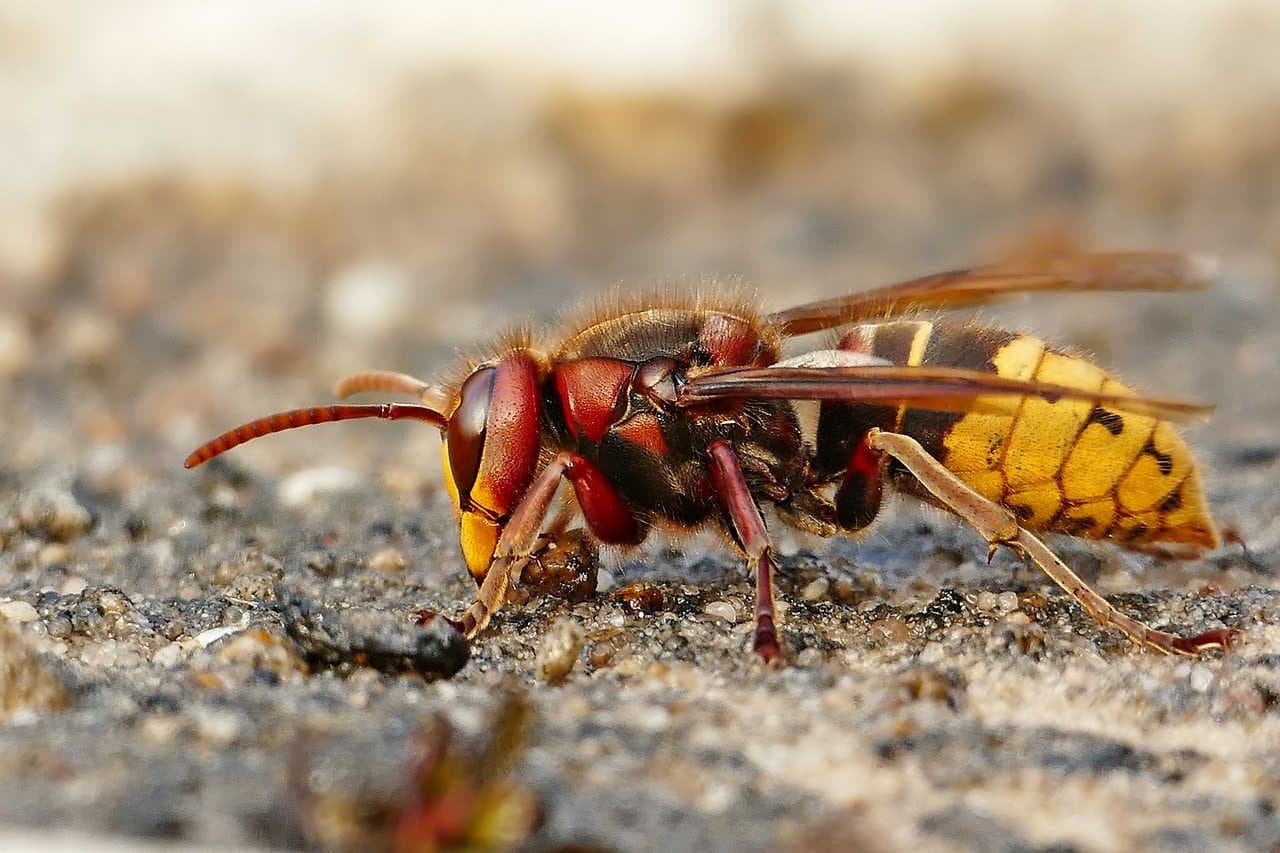
    The bees represent a large group of hymenoptera species with social behaviour and a predatory character. The adults of these insects feed on the nectar of flowers and sugary sources, such as fruit; however, at the same time, they prey on small insects, such as bees, to supplement the diet of the larvae they rear in the nest. In fact, they possess robust mandibles and a short ligule. The calabrone is the largest vespid in Europe, in fact its correct name is Vespa crabro. It is of considerable size, reaching up to 5 cm in length. It is also a territorial animal, which can mobilise its entire nest to defend itself, making it a particularly dangerous insect, as it injects considerable amounts of venom with its sting. In recent years a predatory alien species, originally from Asia, has arrived in Europe, and is known as the Vespa velutina or Asian hornet. The latter represents a greater danger being an invasive allochthonous species.

    vespide
    XNatura

    The gruccione

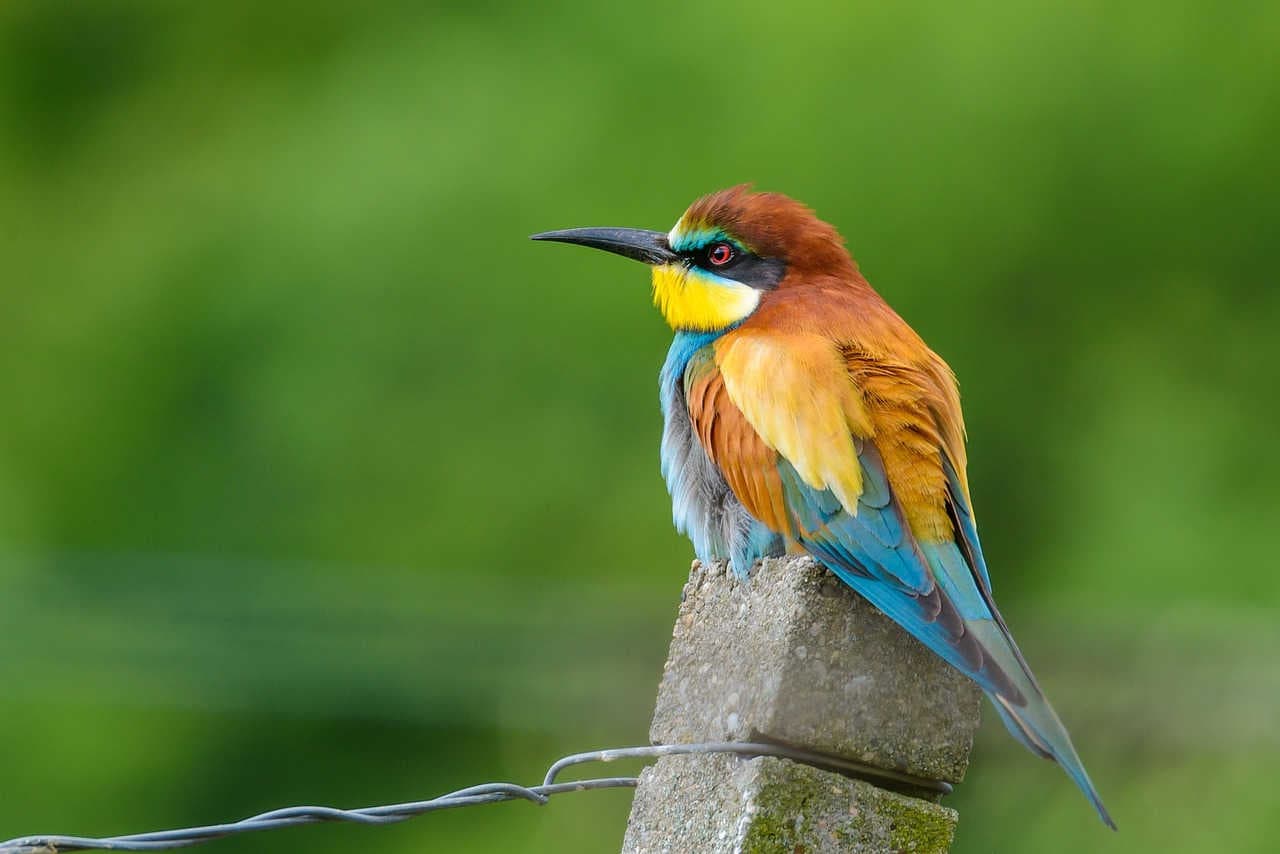
    There are many insectivorous birds that can also feed on bees, the best known of which include blackbirds, titmice and woodpeckers, but swallows and house martins are also skilful hunters. However, other, lesser-known birds also feed onbees, such as the gruccoon and the honey buzzard. The gruccione is a brightly coloured bird that migrates from North Africa to central Italy, where it builds nests on the banks of riverbanks. Its diet is mainly composed of hymenoptera, which it hunts with an undulating flight and, before feeding, is able to remove its sting by striking the prey insect on a hard surface. Hunting bees takes place at bee foraging sites or by standing in front of hives waiting for these insects to arrive or leave. The hunting activity of bee-eaters in front of the apiary is mainly concentrated in the mid to late afternoon.

    The gruccione

    The Honey Buzzard

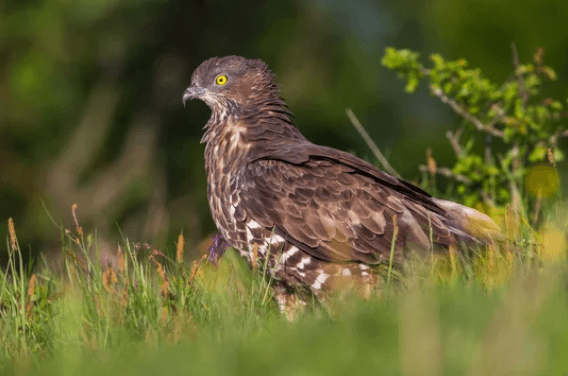
    The honey buzzard, on the other hand, is an insectivorous and migratory rapace, whose scientific name is Pernis apivorus, indicating its peculiarity of divouring bees. It has been observed removing honeycombs of bee and wasp nests to feed on the larvae and pupae of these insects, and also occasionally feeds on honey and wax. Its head is covered with modified feathers, similar to scales, to protect it from the stings of these hymenoptera. The colour of the iris of the adult's eyes is yellow as opposed to the black pupil, which also seems to serve as a reminder of the colouration of bees and wasps. The head and beak are small, in order to fit inside the honeycombs of the bees.

    falco pecchiaiolo
    XNatura

    Reptiles and amphibians

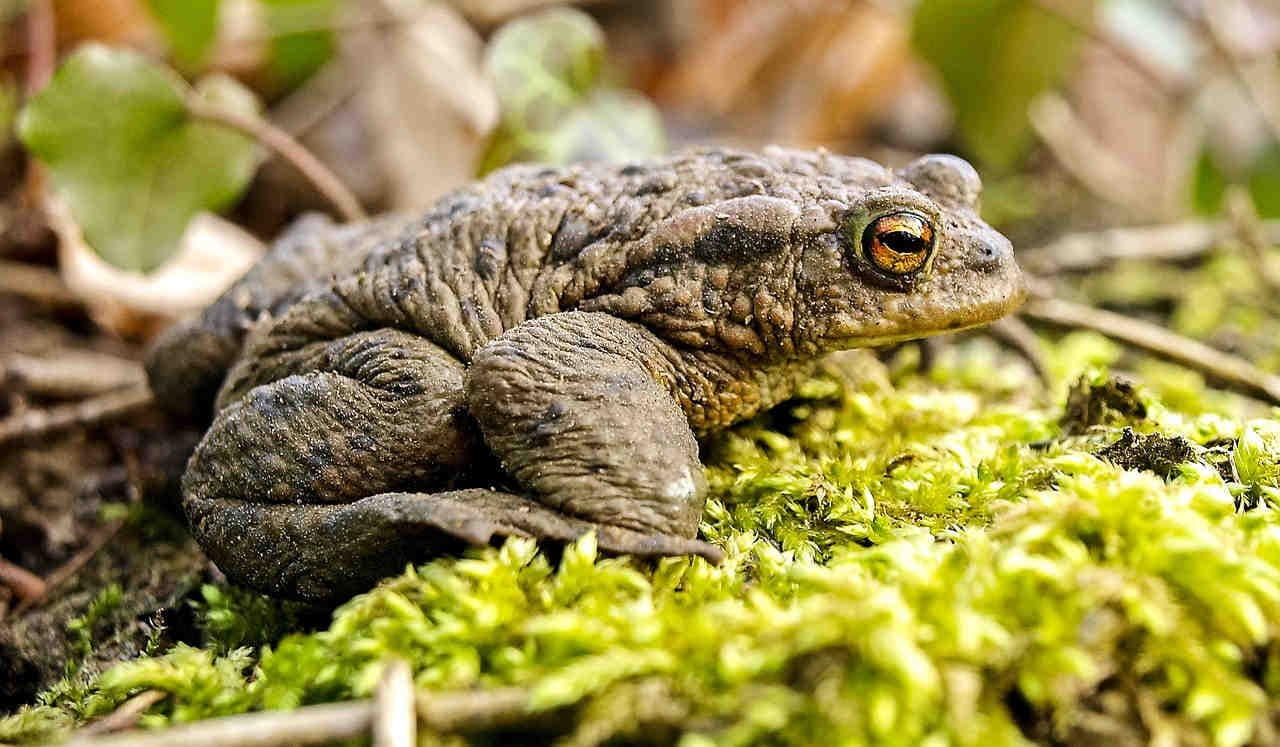
    Some species of ranges and toads are capable of feeding on bees. In fact, toads have been observed positioned in front of beehives ready to forage for bees intent on leaving their nests. For example, the Bufo marinus, an Australian toad, aggregates with its own kind in front of beehives for predation. Occasionally, reptiles such as lucertulae and lizards may also feed on these pollinating insects, especially on older or sick individuals that are more likely to be found on the ground.

    anfibi
    3Bee

    Large and small mammals

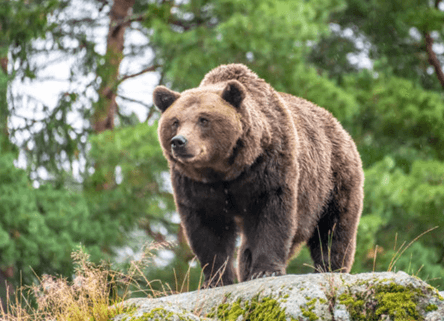
    Predators of bees can also be found among mammals, both small and large: field mice, foxes, dormice, hedgehogs and bears are notorious for plundering hives. The mice have the ability to enter the hive and feed on pollen, honey, larvae and adult bees, and cause further damage by contaminating the nest with their droppings, urine and odour. The best known mammal in Italy honey bee is the bear. In fact, this animal is capable of destroying an entire apiary in one night, opening it up and knocking it over to eat honey, larvae and pollen. Normally, a bear destroys one to three families per night. To curb this problem, electric nets have been developed in recent years to defend, sometimes in vain, the hives from the bears' voracity.
    Large and small mammals

    Moths: The Case of the Death's Head Sphinx

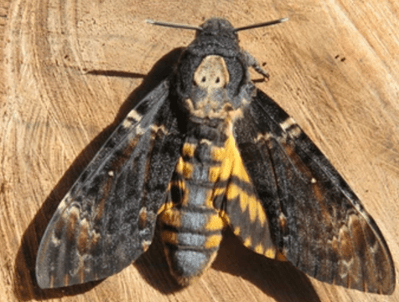
    The death's-head sphinx is a phalena endowed with a feature that gave it its name, namely a spot on its thorax resembling a teschio. It is a lepidopteran present in Asia, Africa and Europe, where in the latter region it has become very rare due to excessive use of insecticides and pollution. During the night, the adult of this lepidopteran enters the hives to feed on honey. During this plundering, bees guarding the entrance to the hive can attack it. However, the death's-head sphinx has developed a strategy to conceal itself from the 'eyes' of the guards: it is able to produce chemical molecules that mimic the fatty acids emitted by the bees, so it is not recognised by the bees themselves. It possesses, in addition, several body structures as protection against bee attacks: thick hair, thick cuticle and resistance to venom. Thus, once it enters the honeycomb, it is able to move undisturbed to raid the honey.
    sfinge testa di morto

    Other insects and arachnids

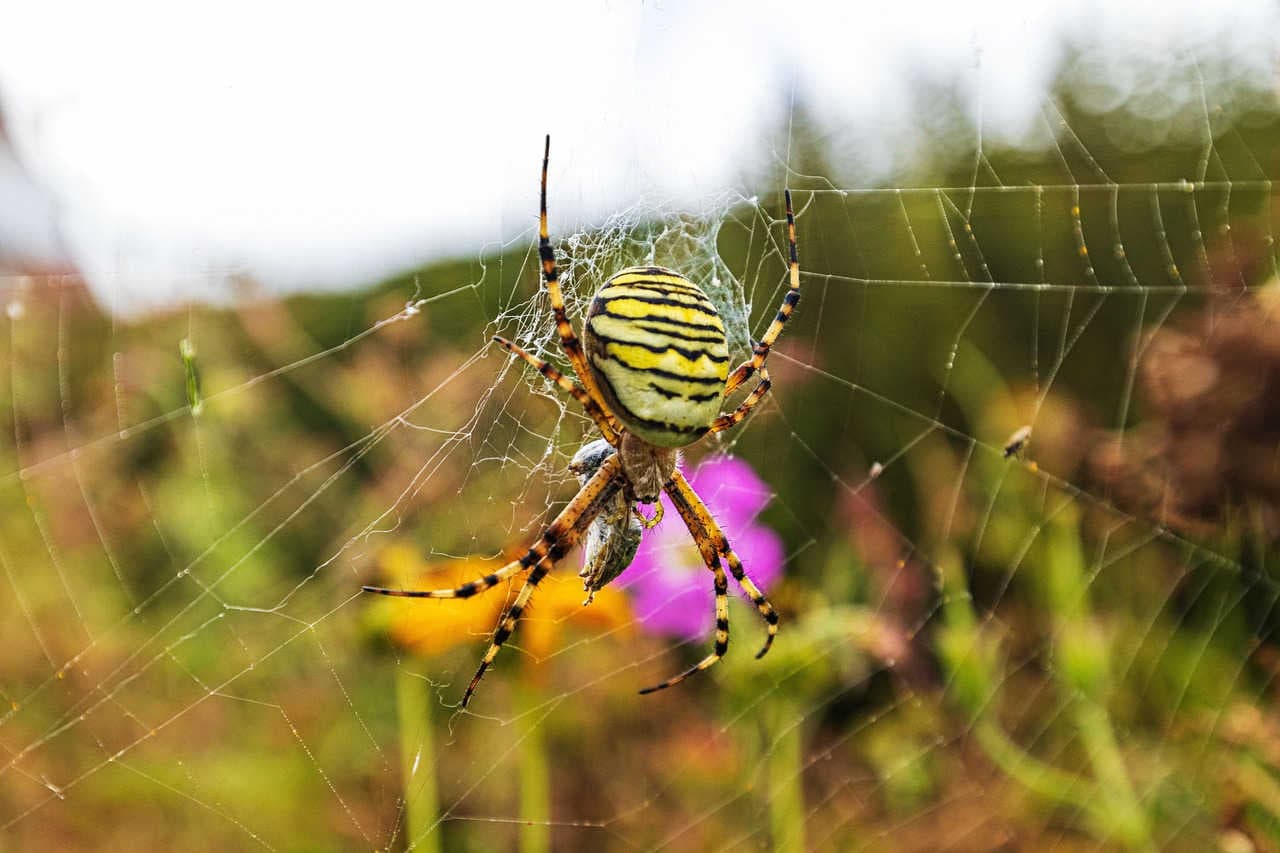
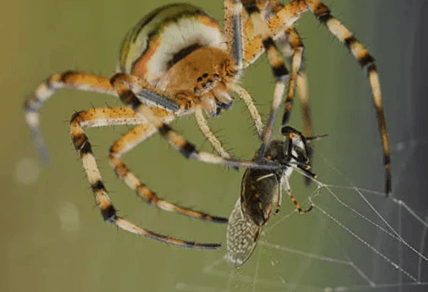
    Coleoptera, ants, mantids and spiders: small but skilful hunters! The religious mantis is known to be a relentless predator; in fact, it waits for its prey to approach by standing motionless in the vegetation, then snaps at the right moment. The ants try to get inside the hives to feed on the sugary material of which they are greedy, such as honey. In this way they create constant damage and disturbance to the bees' work. The spider wasp weaves its web into which bees can also stumble during flight, which are wrapped in several layers of silk and bitten repeatedly; finally, they are transported to the centre of the web and become ready food for the spider. The crab spider, on the other hand, has a quite different predatory behaviour: it does not weave its web but, standing on flowers, ambushes the pollinating insects.

    aracnidi

    Predators are also to be safeguarded!

    Although it is important to safeguard the pollinators, including bees, it is good to remember that their preservation does not occur through the culling of predators. In a healthy ecosystem the ecological network balances itself, ensuring that no one species becomes dominant and invasive over another. Indeed, the removal of predators can have cascading effects, such as altering behaviour, species interactions and the abundance of other predators and prey, ultimately affecting the stability of the vegetation and thus the entire ecosystem. Predators are as important as prey for preserving biodiversity, as they are able to regulate population densities. Their preservation is no less important than that of other organisms.
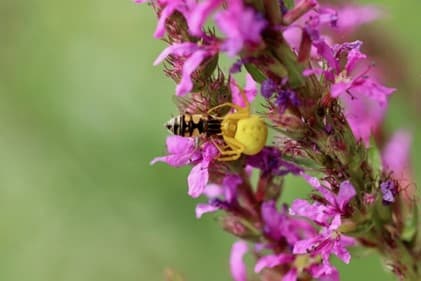
    predatore
    19/05/2024Of 3Bee, Lara Vivarelli
    3066 Views
    Newsletter
    newsletter
    Subscribe to the Blog about bees and biodiversity

    Frequently Asked Questions

    Do you have any doubts or other curiosities about this article? Here you will find some insights