Sustainability projects: why choose Arboretum 3Bee
    ArboretumPollinatorsBeneficiFioriture

    Sustainability projects: why choose Arboretum 3Bee

    The creation and management of an Arboretum is one of the biodiversity regeneration measures implemented by 3Bee. A corporate sustainability project measured via dashboards, for a scientific approach that prevents the risk of greenwashing. Find out more in this article.

    Read the article
    19/06/2024Of 3Bee, Lisa Santillo
    181 Views
    19/06/2024Of 3Bee, Lisa Santillo
    181 Views

    Arboretum 3Bee: what is it and what is it for?

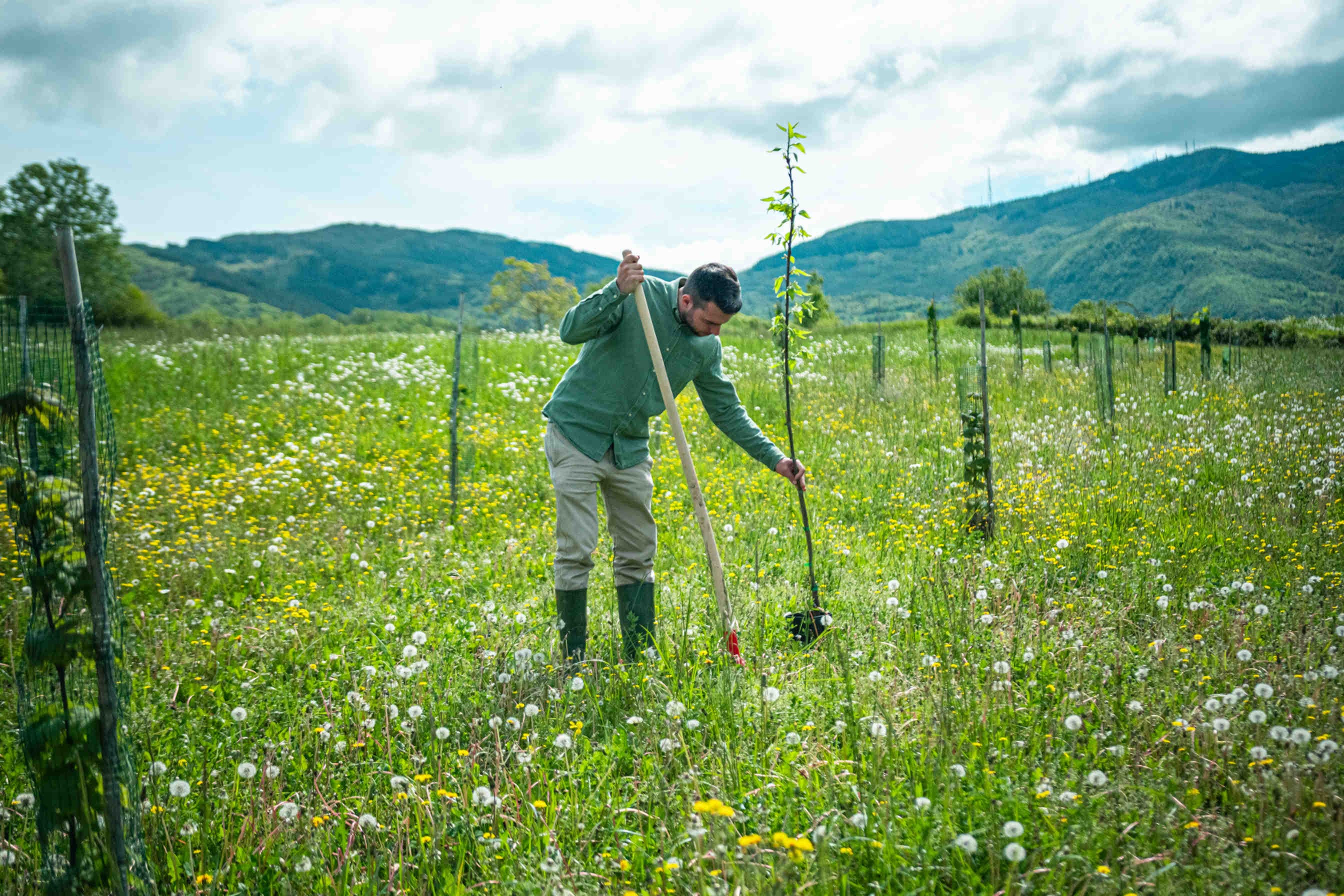
    The creation of a Arboretum is one of the biodiversity regeneration interventions carried out by 3Bee and consists in the planting of a wide range of native species of nectariferous trees following a satellite analysis of the reference area carried out with the flora technology, developed by 3Bee in collaboration with ESA (European Space Agency). These plants, carefully selected for their importance in attracting and supporting the life of pollinating insects, play a crucial role in the ecosystem. Each nectariferous plant species (trees, shrubs) provides a focus for an abundance of biological activity, offering shelter, food and habitat to a wide range of plant and animal species.
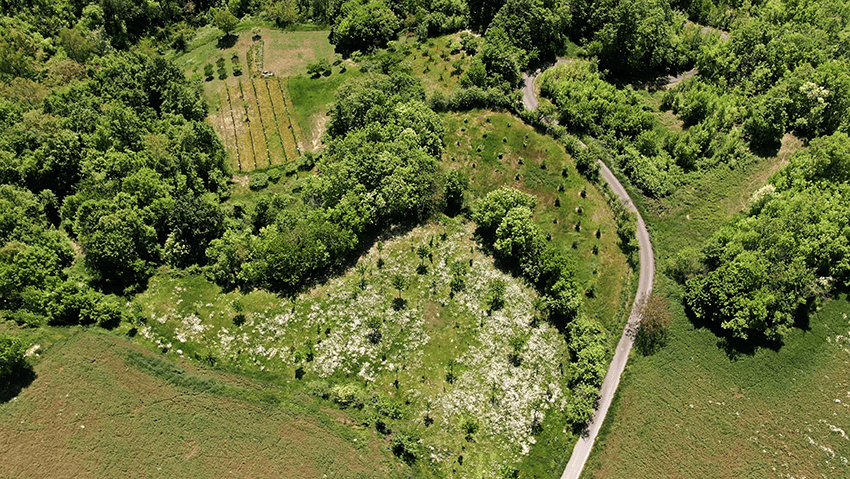
    Arboretum 3Bee

    Arboretum 3Bee: nectar and pollen for pollinators

    The objective of the Arboretum is to recreate an environment in which the pollinators can find habitat and nourishment and consists of at least four nectariferous plant species (trees, shrubs). The term 'nectariferous' indicates a fundamental characteristic that differentiates them from all other types of trees, namely the production of nectar. The nectar is a sugary substance produced in particular structures within the flowers that forms the basis of nutrition for pollinating insects. Nectar can vary in chemical composition depending on the species of plant that produces it, but it generally consists mainly of simple sugars such as glucose and fructose, together with small amounts of other sugars, amino acids, vitamins and minerals. This combination of substances provides pollinators with an essential source of nutrition during their search for food.

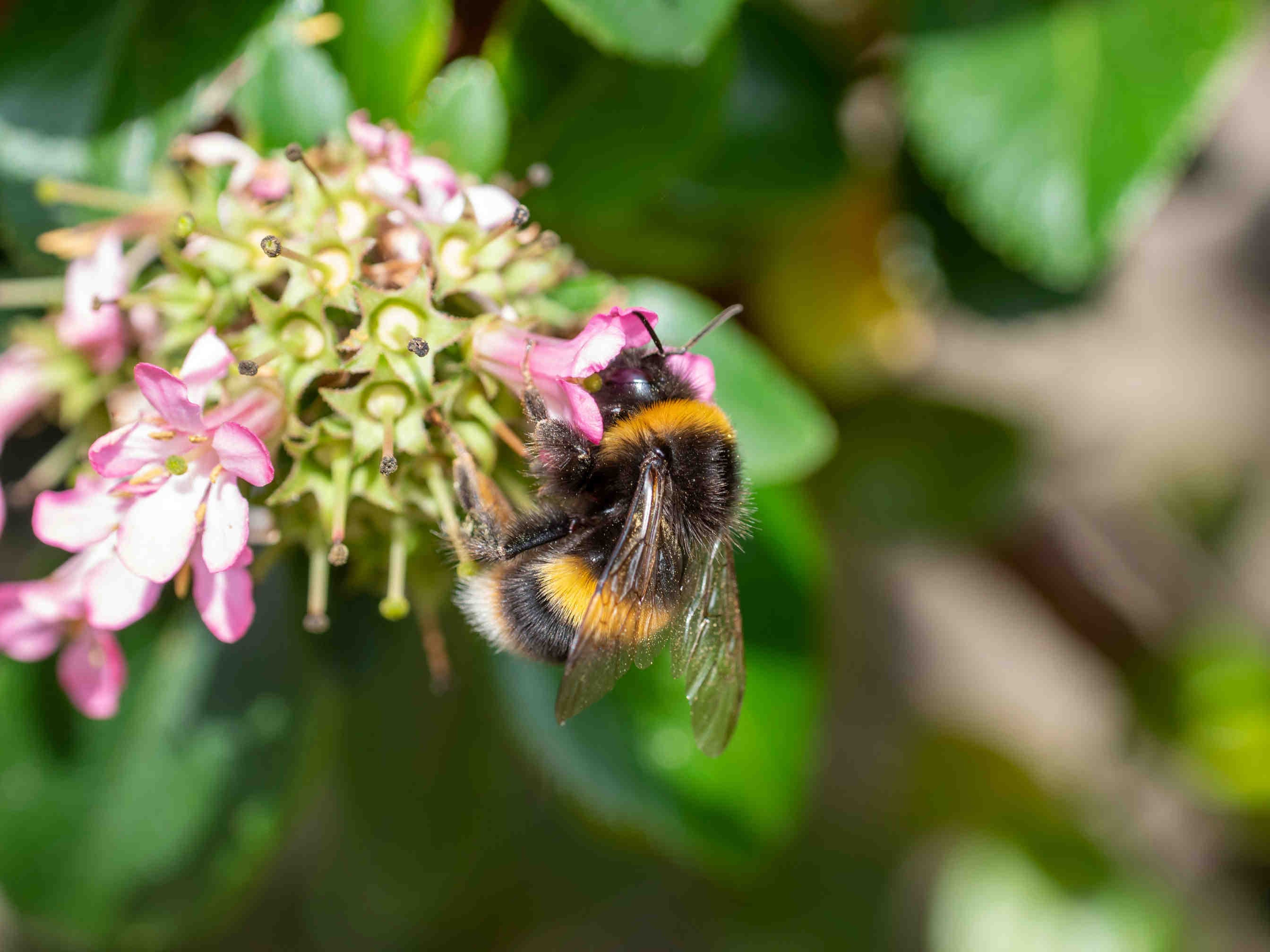
    bombo
    XNatura

    Arboretum and nectariferous plants: the benefits

    But that's not all: the nectariferous plants planted within each Arboretum also have the distinction of producing another compound that is very important for the nutrition of pollinating insects, namely pollen. This is a rich source of proteins, carbohydrates, fats, vitamins and minerals that are essential for insect health and development. Among the most important nectariferous species planted by 3Bee are chestnuts, linden trees, blackthorns, apple trees and wild pear trees. All of these are united by their abundant flowering.
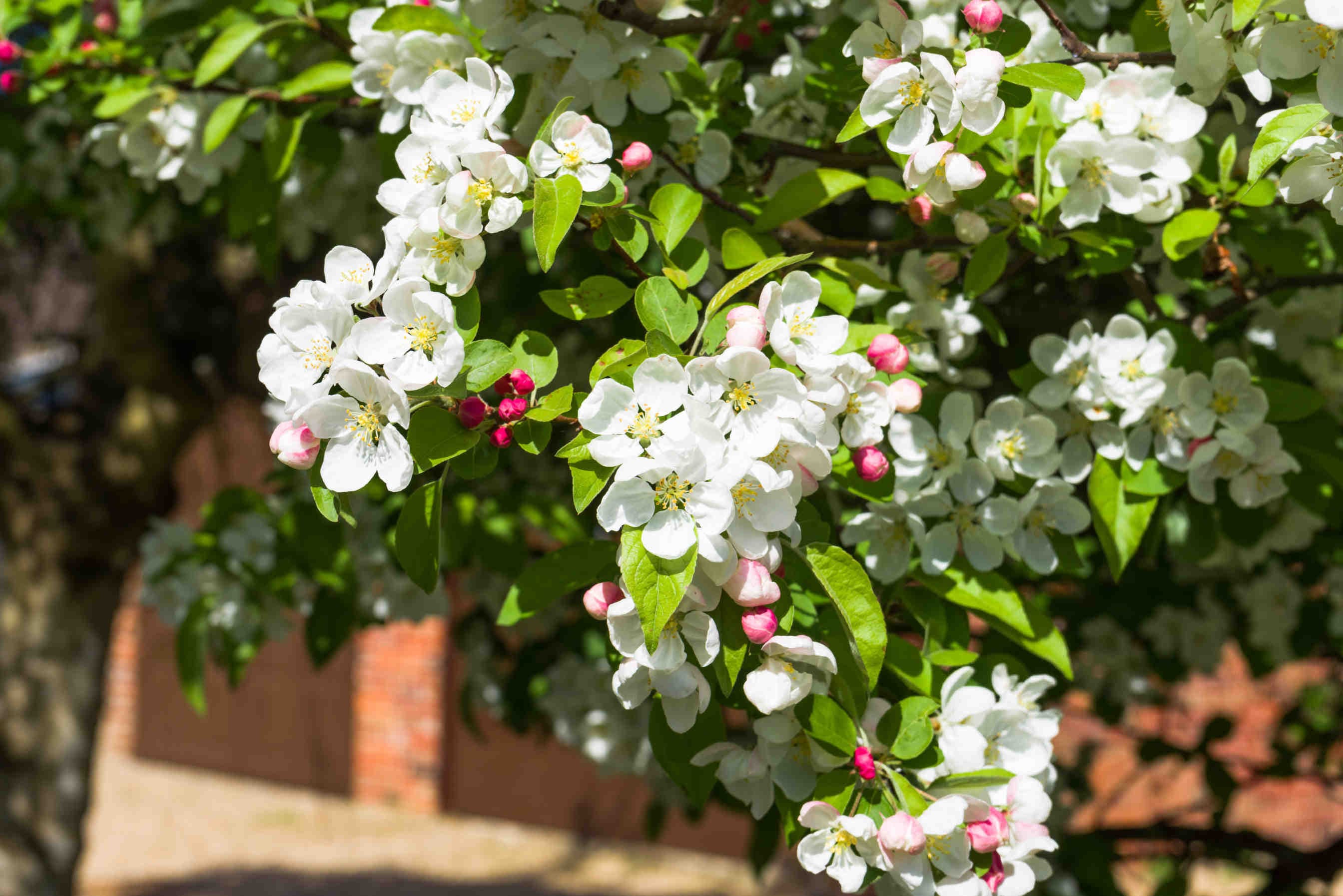
    melo selvatico

    Arboretums and scalar flowering nectar plants

    The nectariferous plants planted by 3Bee in each Arboretum, are characterised by another important aspect: the scalar blooms. This means that the various plant species present do not all flower at the same time, but the blooms are distributed throughout the year so as to ensure grazing for the pollinating insects for as long as possible. Of course, the blooms are mostly concentrated during the spring period, the time when the insects most need nourishment to properly develop their families and prepare for the production season.
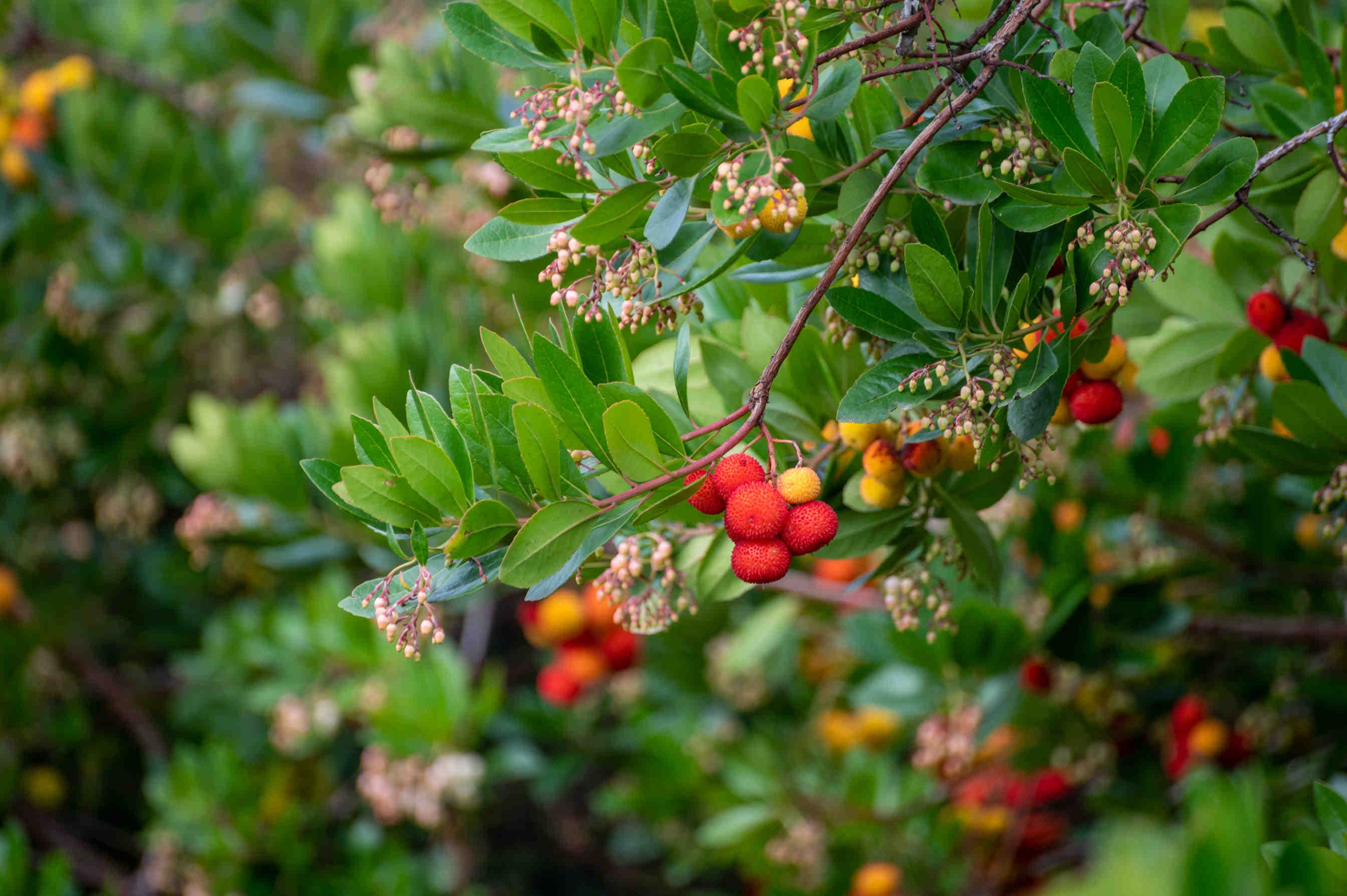
    corbezzolo
    XNatura

    Arboretum 3Bee: who takes care of it?

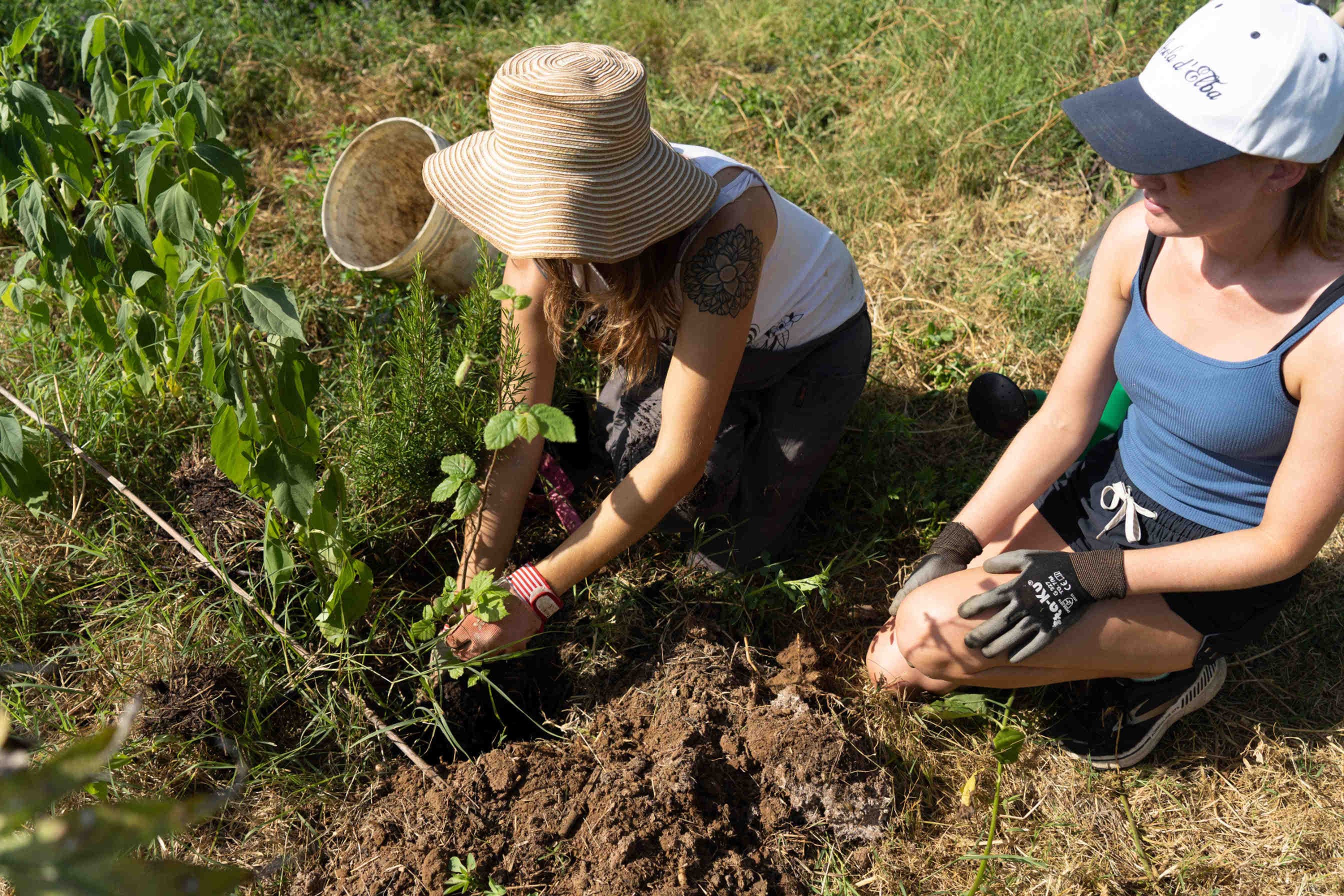
    Each Arboretum 3Bee is managed by professional farmers - the so-called biodiversity growers - who decide to allocate a part of their land to biodiversity projects instead of putting it to use by planting monocultures. To date, the 3Bee grower network consists of more than 150 entities, spread not only all over Italy, but also abroad, in particular in France, Spain and Germany. The management of an Arboretum generally involves irrigation during periods of dryness and a visual check of the plants especially during the first years of development, which are the most important ones. The aim is to let biodiversity develop as naturally as possible, intervening only where it is needed.

    grower 3Bee
    3Bee

    Arboretum 3Bee for your company

    The Arboretum 3Bee project is an opportunity for companies wishing to demonstrate a concrete commitment to biodiversity protection. An Arboretum 3Bee can not only be adopted at a distance, but can also be realised directly within the company's premises, after satellite analysis with Flora. Once the project is up and running and the nectariferous plants are planted, the company can access the dashboard Digital Oasis, an innovative platform that allows it to monitor the impact results achieved thanks to the project, which are useful for the drafting of the company sustainability report. This approach not only strengthens the company's reputation and image, but also involves customers, employees and stakeholders, creating added value for the entire organisation. Thanks to the flexibility of 3Bee's solutions, each company can identify the project that best suits its needs, ensuring a positive and measurable impact on its sustainability goals.
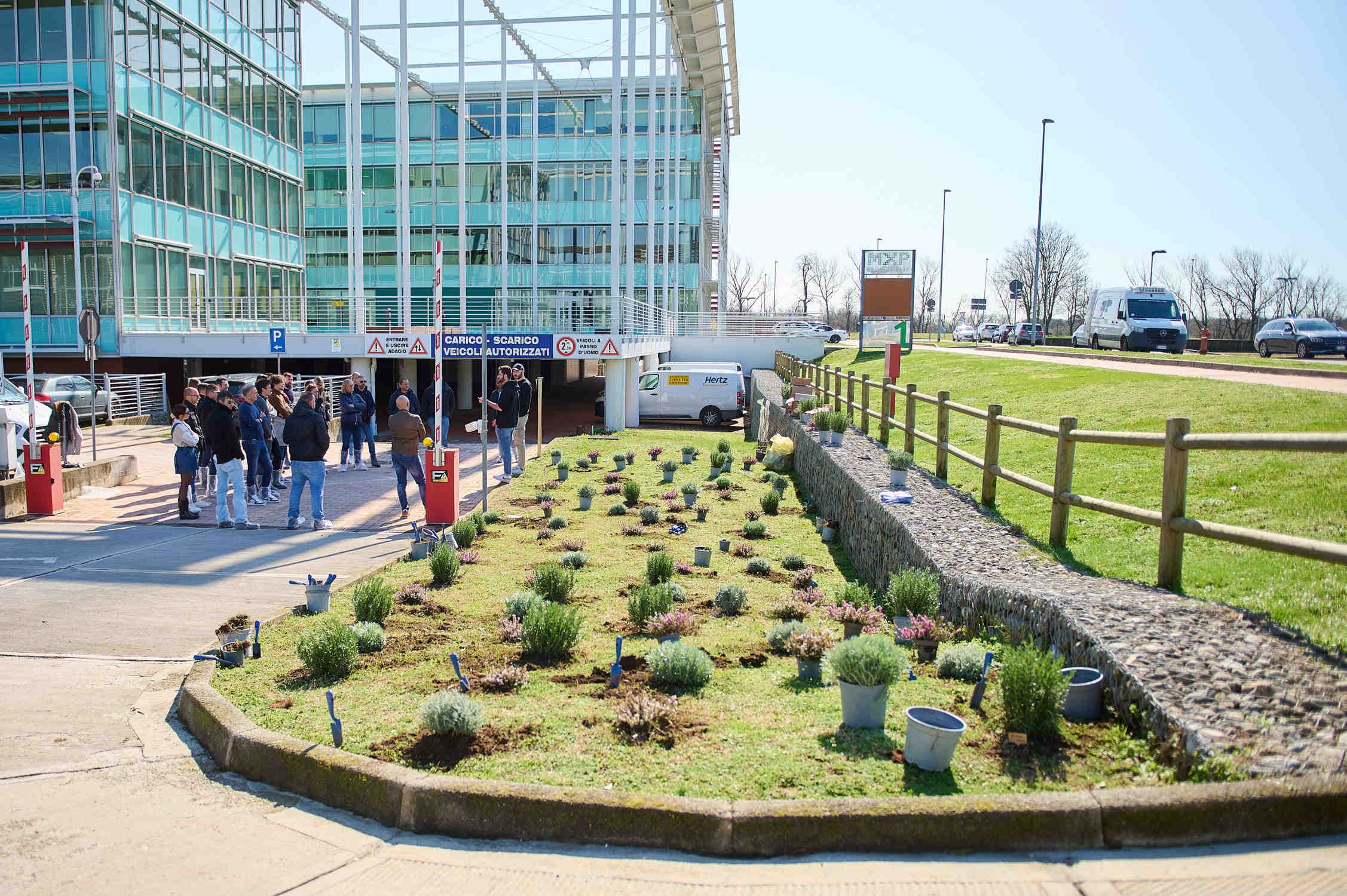
    Arboretum sede aziendale

    Regenerate biodiversity with 3Bee

    Realising a regeneration project with 3Bee means having advanced tools to monitor in real time the progress of your Arboretum. In fact, the Digital Oasis dashboard represents a scientific toolkit of regeneration and conservation, from which you can consult tangible and measurable data for transparent communication. Each regeneration project involves the preparation of a detailed report by 3Bee, allowing companies to align themselves with international reporting standards, preventing the risk of greenwashing and demonstrating a scientific approach to sustainability. The regeneration actions carried out by 3Bee are not limited to the planting of nectariferous trees, but include a series of interventions studied through preliminary analysis with Flora, ensuring customised and high-impact solutions. Want to know more?

    biodiversità vegetale
    19/06/2024Of 3Bee, Lisa Santillo
    181 Views
    Newsletter
    newsletter
    Subscribe to the Blog about bees and biodiversity

    Frequently Asked Questions

    Do you have any doubts or other curiosities about this article? Here you will find some insights