Pollution: PM10 alarm in Europe
    January 2024MachiningPM10Biodiversity

    Pollution: PM10 alarm in Europe

    The ESA has shown how PM10 levels have been exceeded several times in Europe as of January 2024, starting with the Po Valley. Find out in this article what PM10 is, what its impact on biodiversity is and the key role of environmental monitoring in this area.

    Read the article
    20/02/2024Of 3Bee,
    634 Views
    20/02/2024Of 3Bee,
    634 Views

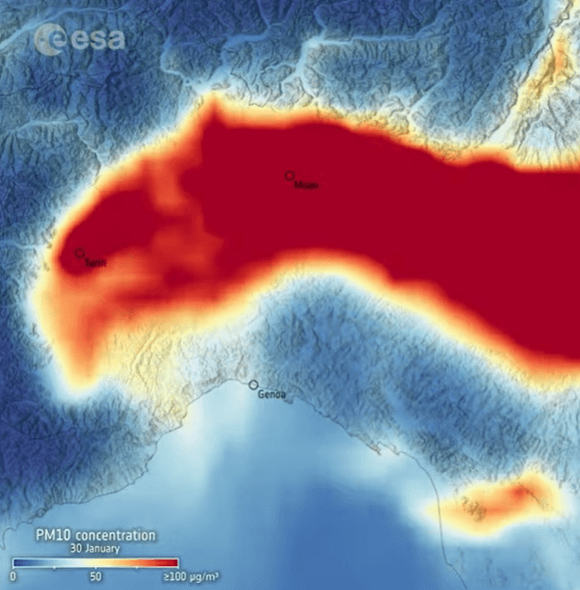
    January 2024: PM10 levels above safety threshold

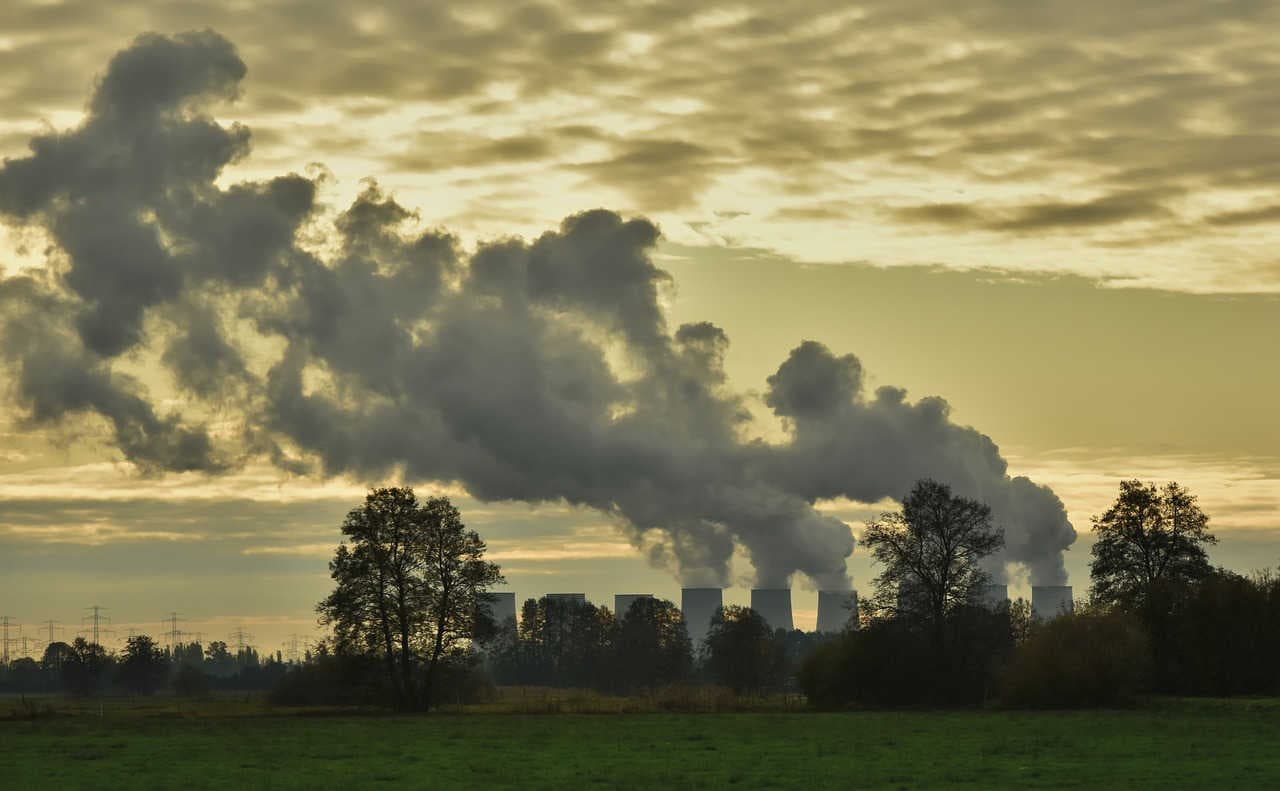
    Recent studies by the European Space Agency (ESA) have revealed a critical exceedance of PM10 levels, beyond the limits set by the European Union, highlighting a marked degradation of air quality in the last period. This phenomenon, which significantly affects the Poor Plain, leads one to reflect on public health risks. The geographical conditions of this area, together with the high concentration of industrial activities and population density, favour the accumulation of pollutants. Studies, conducted by the Copernicus Atmosphere Monitoring Service (CAMS), documented how, in January 2024 alone, the area recorded PM10 levels exceeding the safety threshold, raising concerns about long-term risks to human health and the environment.
    inquinamento

    Pollution and PM10: WHO and EU limits exceeded

    The seriousness of atmospheric pollution is underlined by the limits imposed by the World Health Organisation (WHO) and the European Commission, which define maximum thresholds for the concentration of PM2.5 and PM10 in the air. Despite the threshold values of 50 μg/m3 for PM10, which should not be exceeded on more than 35 days per year, observations in January 2024 reveal a worrying situation with numerous exceedances. This trend is not isolated to the Po Valley but extends to several European regions, as reported by the European Environment Agency (EEA), highlighting a widespread environmental problem that requires urgent action to limit exposure to fine particulates and improve air quality on a continental level.

    Inquinamento
    XNatura

    What is PM10 (airborne particulate matter)

    The PM10, or airborne particulate matter, is the set of solid and liquid atmospheric particles suspended in ambient air. As defined by the Ministry of the Environment "the term PM10 identifies particles of aero-diameter less than or equal to 10 µm. These are characterised by long residence times in the atmosphere and can, therefore, also be transported a long distance from the point of emission, have a particularly complex and variable chemical nature, are able to penetrate the human respiratory tree and thus have negative effects on health. PM10 particulate matter is partly emitted as such directly from sources in the atmosphere (primary PM10) and partly formed in the atmosphere through chemical reactions between other pollutant species (secondary PM10). PM10 can have both a natural origin (wind erosion on rocks, volcanic eruptions, self-combustion of forests and woods) and anthropic (combustions and other)."

    PM10

    The impact of PM10 on biodiversity

    air pollution has direct impacts on biodiversity and the environment, threatening the survival of many species. A recent study published in Science showed that many urban areas have a level of pollution sufficient to reduce by up to 70 per cent the distance at which pollinators, such as moths, can perceive the scent of flowers. A phenomenon that negatively affects the valuable pollination work of these insects. With specific reference to PM10, the European Environment Agency (EEA) has highlighted how it alters the chemical composition of soil and water, impairing plant growth and the balance of natural habitats and directly affecting aquatic and terrestrial biodiversity. A thorough understanding of these mechanisms is crucial for developing effective mitigation strategies to protect global biodiversity.

    biodiversità inquinamento
    XNatura

    PM10: the importance of environmental monitoring

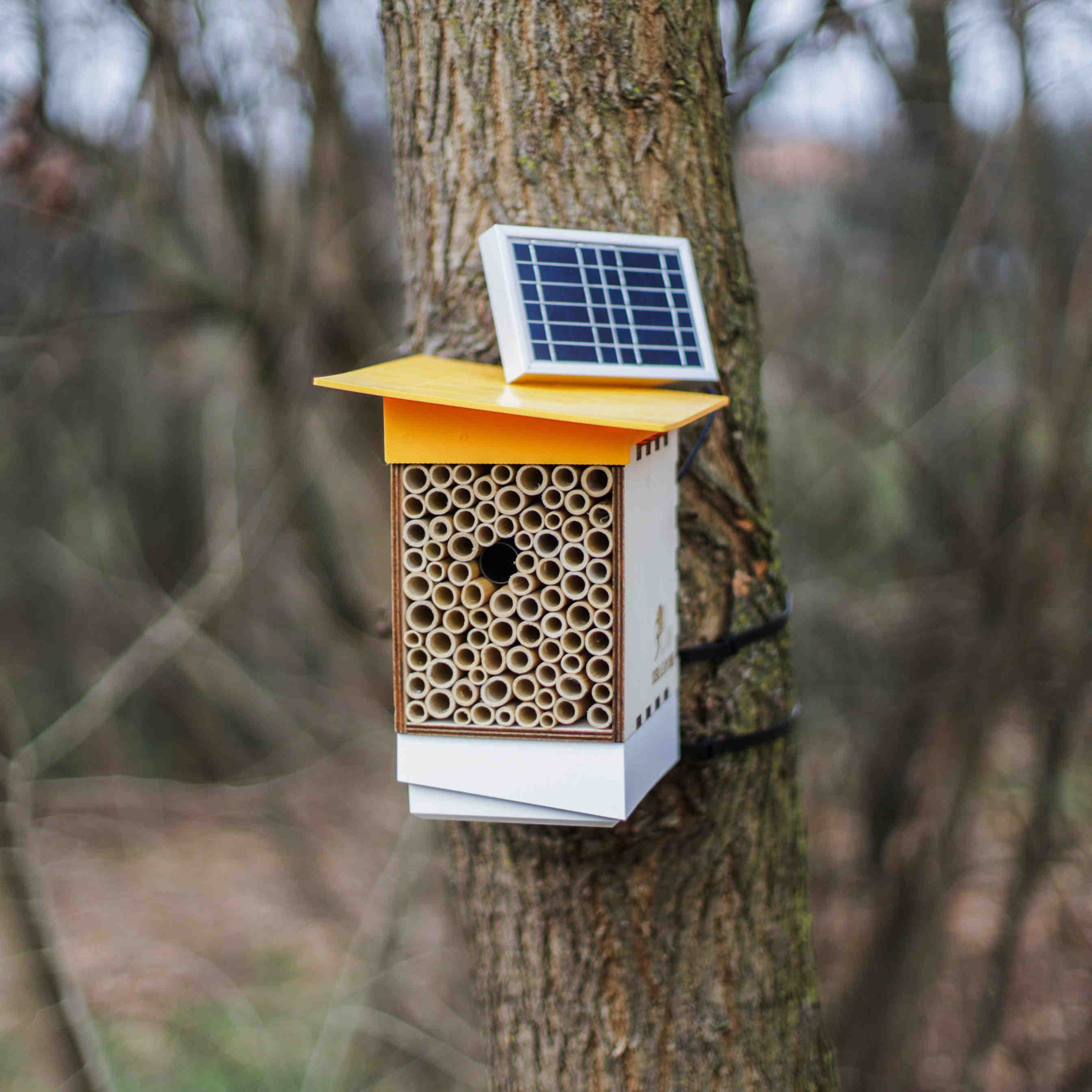
    In this context, environmental monitoring plays a key role in identifying and mitigating the impact of pollution on biodiversity. 3Bee, a nature tech company, develops innovative technologies to collect and analyse quantifiable data on the health of pollinating insects and their habitats. This approach makes it possible to assess the effectiveness of conservation strategies, identify potential threats and make possible improvements. With reference to PM10, 3Bee has developed Polly X, the solitary bee shelter. It is an IoT device that monitors a number of important environmental indicators, including air quality. Its data includes the concentration of particulate matter in the air, which, as we have seen, can have negative effects on human health and the environment. Eleven quantities are monitored, including density, number concentration and average particle size in nanometres, including PM10 and PM2.5.
    Polly X 3Bee
    3Bee

    XNatura Score: the biodiversity monitoring protocol

    Polly X is among the technologies underpinning XNatura, the terrestrial biodiversity monitoring protocol developed by 3Bee, whose application is verified by Bureau Veritas Italia, a leader in certification services. XNatura is part of a site-specific approach, whose phases are:

    - Assessment - detailed analysis of the habitat and the biodiversity of the site.
    - Regeneration - identification of targeted actions for regeneration.
    - Communication - sharing of results through the dedicated web page and through the label XNatura certifying the use of the protocol.
    - Monitoring and reporting - starting from the data returned by the technology, drafting of the biodiversity report ESG compliant with international standards.
    XNatura enables companies to obtain reports compliant with European regulations and to enhance their commitment to biodiversity protection through a scientific and technological approach.

    farfalla monitoraggio
    20/02/2024Of 3Bee,
    634 Views
    Newsletter
    newsletter
    Subscribe to the Blog about bees and biodiversity

    Frequently Asked Questions

    Do you have any doubts or other curiosities about this article? Here you will find some insights