Pollinator Monitoring Scheme: what it is and what it is for
    PollinationPollinatorsCurrent statusEurope

    Pollinator Monitoring Scheme: what it is and what it is for

    The Pollinator Monitoring Scheme (PoMS) is a standardized monitoring scheme which aims to monitor pollinator populations within the European Union. Find out how it is structured and why it is so important.

    Read the article
    28/11/2023Of 3Bee, Elena Fraccaro
    717 Views
    28/11/2023Of 3Bee, Elena Fraccaro
    717 Views

    What is pollination

    Pollination pollination is a crucially important ecosystem service that, as almost everyone knows by now, promotes plant reproduction and contributes to biological diversity. Pollinators transport the pollen from one flower to another, enabling fertilisation. This process is crucial for food production: about 75% of crops grown for human consumption depend on pollination for the production of fruit, seeds, nuts and vegetables. These include fruit crops such as apples, pears, cherries and citrus fruits, as well as horticultural crops such as tomatoes, peppers and courgettes. In addition, crops such as coffee, cocoa and nuts, which are important for the food and beverage industry, are also significantly dependent on pollination. Finally, pollination contributes to the conservation of plant biodiversity and the balance of ecosystems, provided there is sufficient biodiversity of pollinators themselves and not just Apis mellifera.
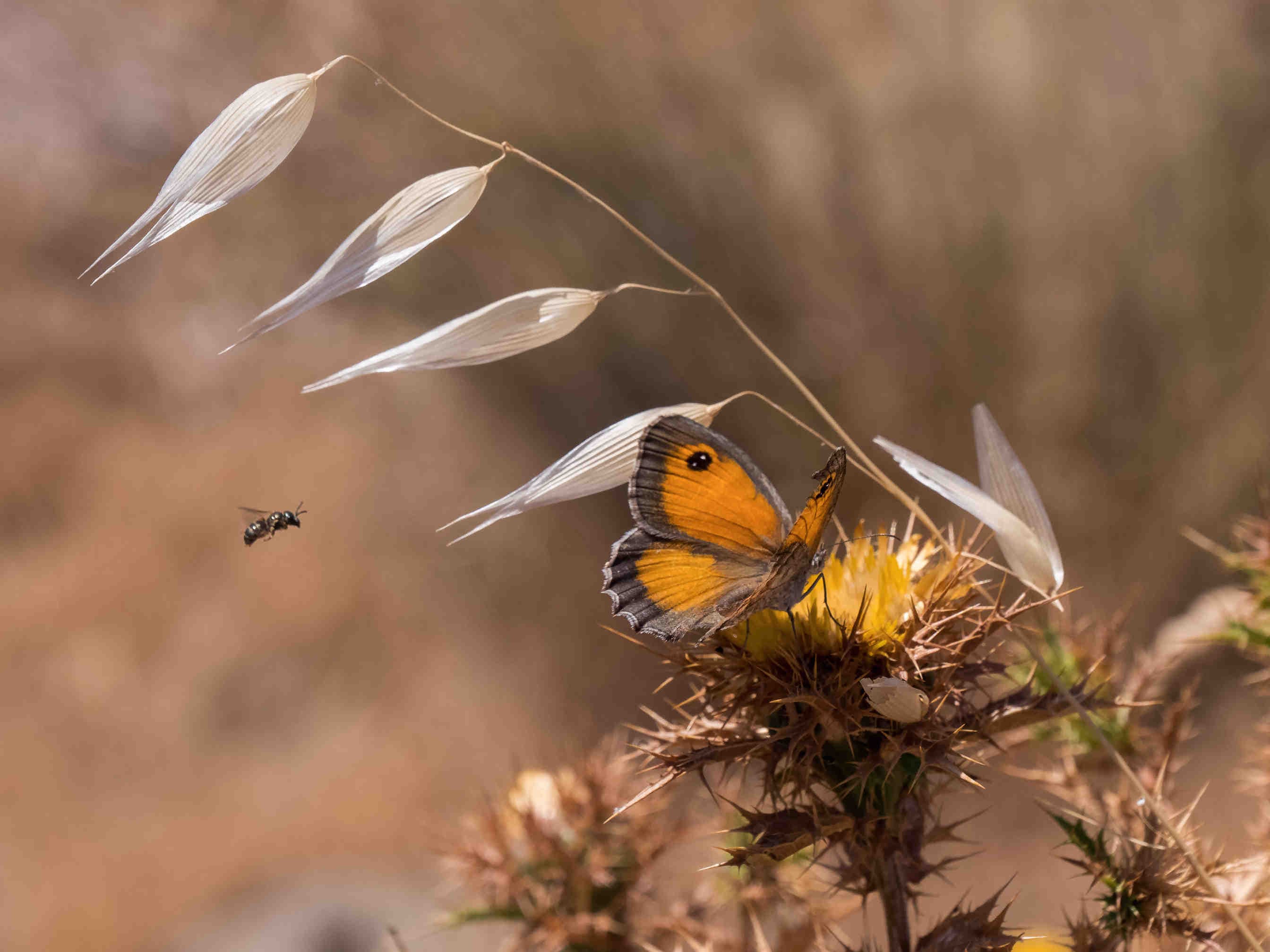
    Farfalla_Ape_selvatica

    Pollinators: who they are and what role they play

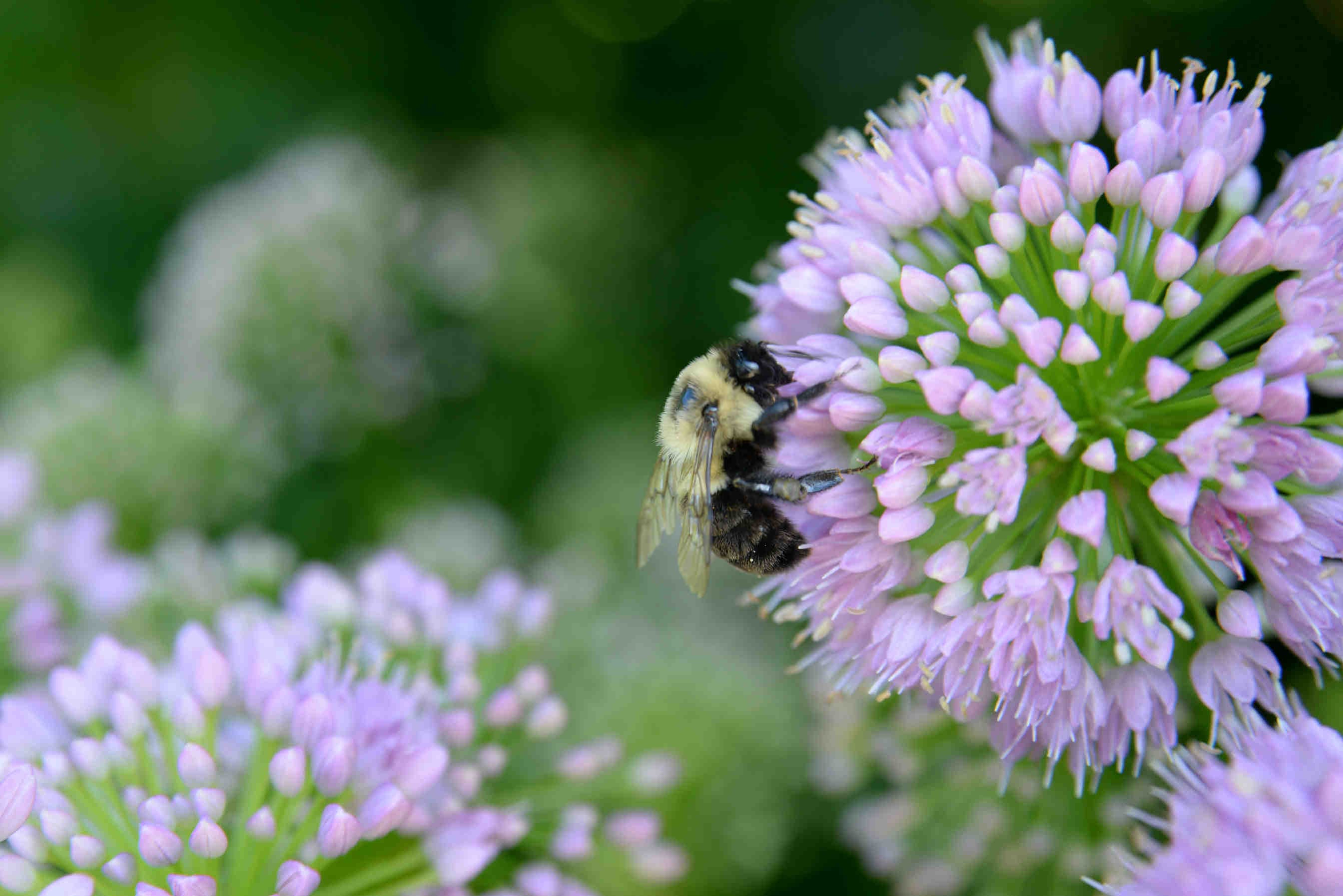
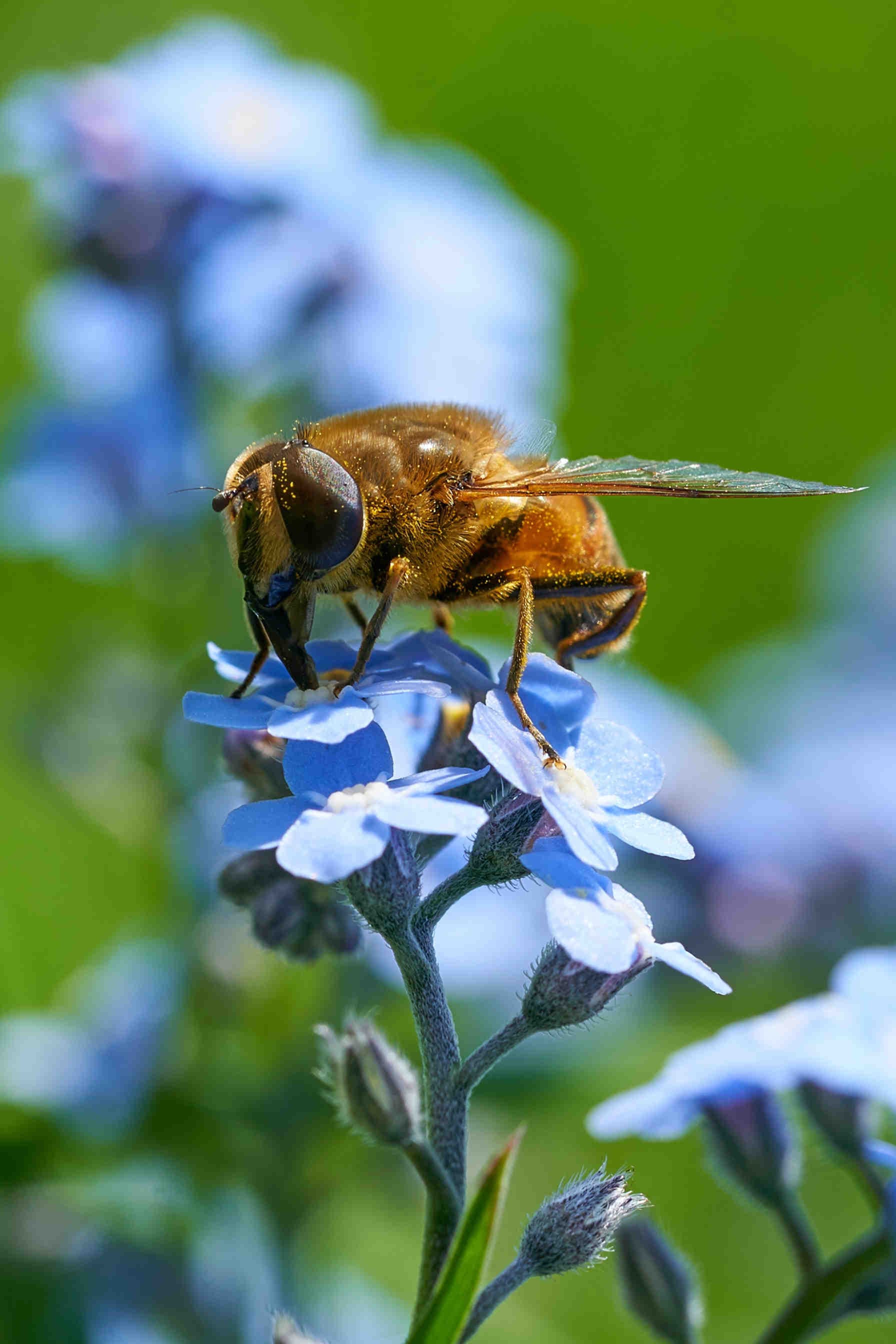
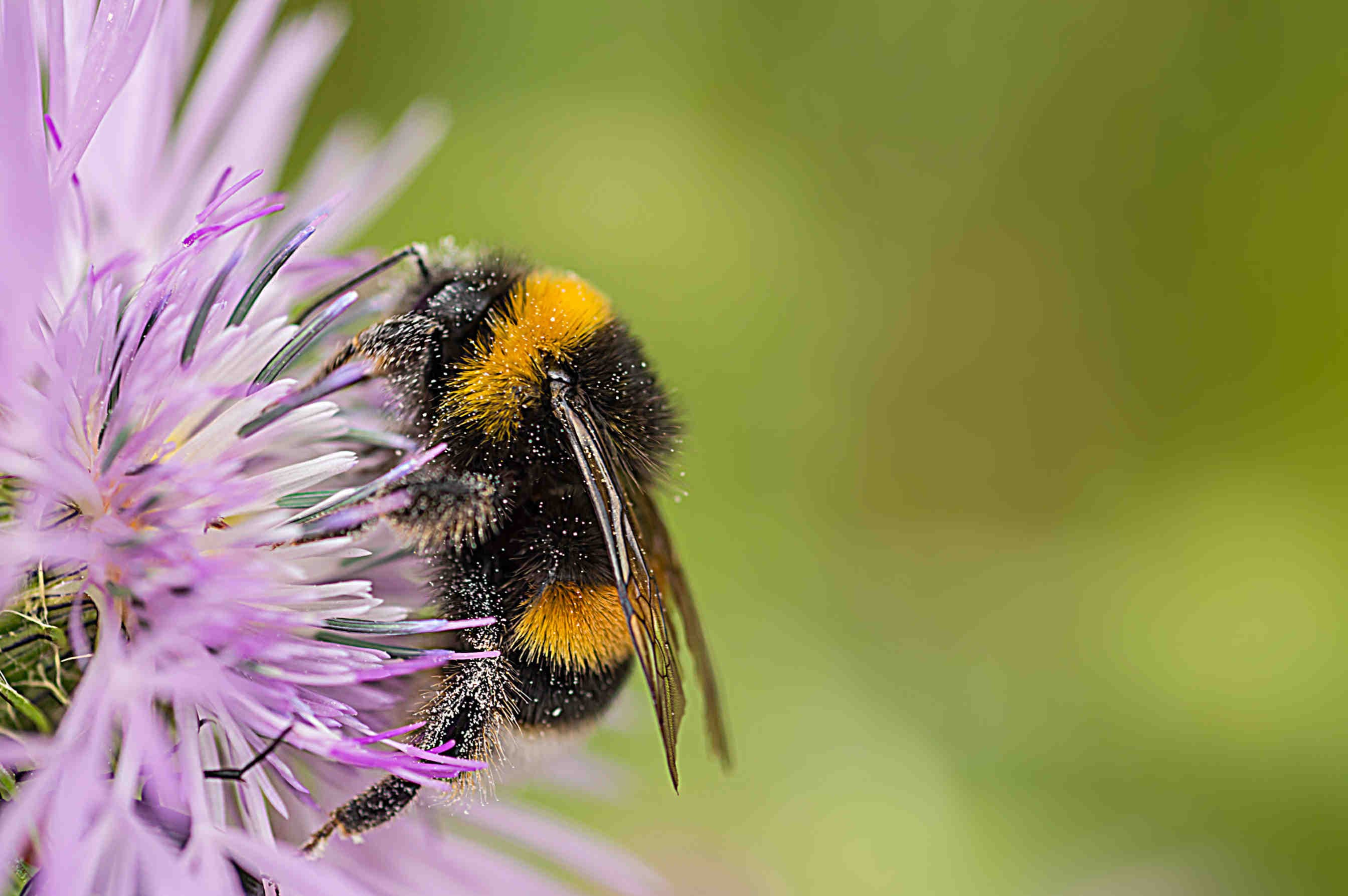
    The pollinators that everyone knows are bees and butterflies, but there are actually many others. First of all, there is not only the honey bee and it is not true that it is the most efficient pollinator. It is a complex issue, but depending on climate and geography other solitary bees or bumblebees can be far more efficient . The bumblebees are known to many and, although good pollinators, these insects are outclassed by the dipteran hoverflies. You may have seen some strange flies, clearly distinguishable by those large eyes that look almost like a helmet, but 'disguised' as bees, i.e. with a yellow and black abdomen: these are the sirfids, a family of dipterans that are extremely important as pollinators, second only to the hymenoptera (order that includes bees and bumblebees) and in biological control, being predators of aphids. Wanting to dispel a myth, beetles and wasps, which often frighten, are also important pollinators.
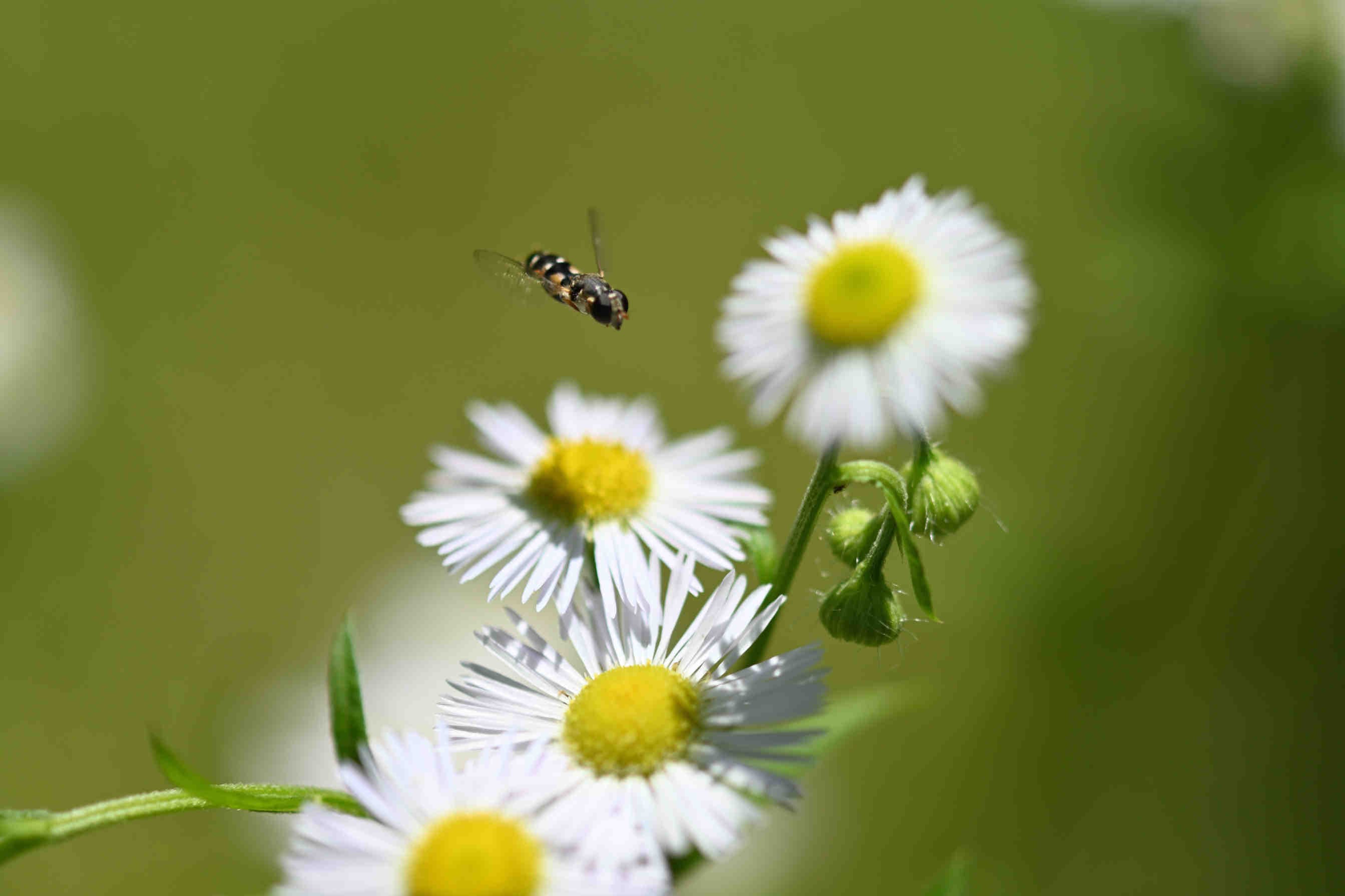
    Sirfidae
    XNatura

    Overview of the current status of pollinators

    The decline of insects is a topic much studied by the scientific community and there is much evidence to support it. It is a complex issue andthere is neither a single reason nor a single solution. To narrow it down, pollinators are also in decline and there are many causes . Pollution, heavy metals, pesticides and their residues severely affect their physiology, inducing malformations or leading to their death. The climate change and in particular the rise in temperature and the change in the distribution of rainfall cause direct and indirect effects, including the decrease in nectar that plants make available to pollinators, not to mention the reduction in the habitat and reproduction sites. In short, it is an extremely complex problem.

    sirfidae

    Pollinators in Europe

    Europe is home to over 2000 species of bees, nearly 500 species of butterflies and over 1000 species of hoverflies, which contribute to the pollination of nearly 80% of wild plants and account for some 15 billion euro as an ecosystem service. The evidence of their decline is increasingly evident to the scientific community and we have already mentioned the IUCN Red Lists . The European Red List indicates precisely that 37% of bee species and 31% of butterfly species are in decline and precisely because of the elements listed in the previous paragraph.

    Bombo_Bombus
    XNatura

    Importance of pollinator monitoring

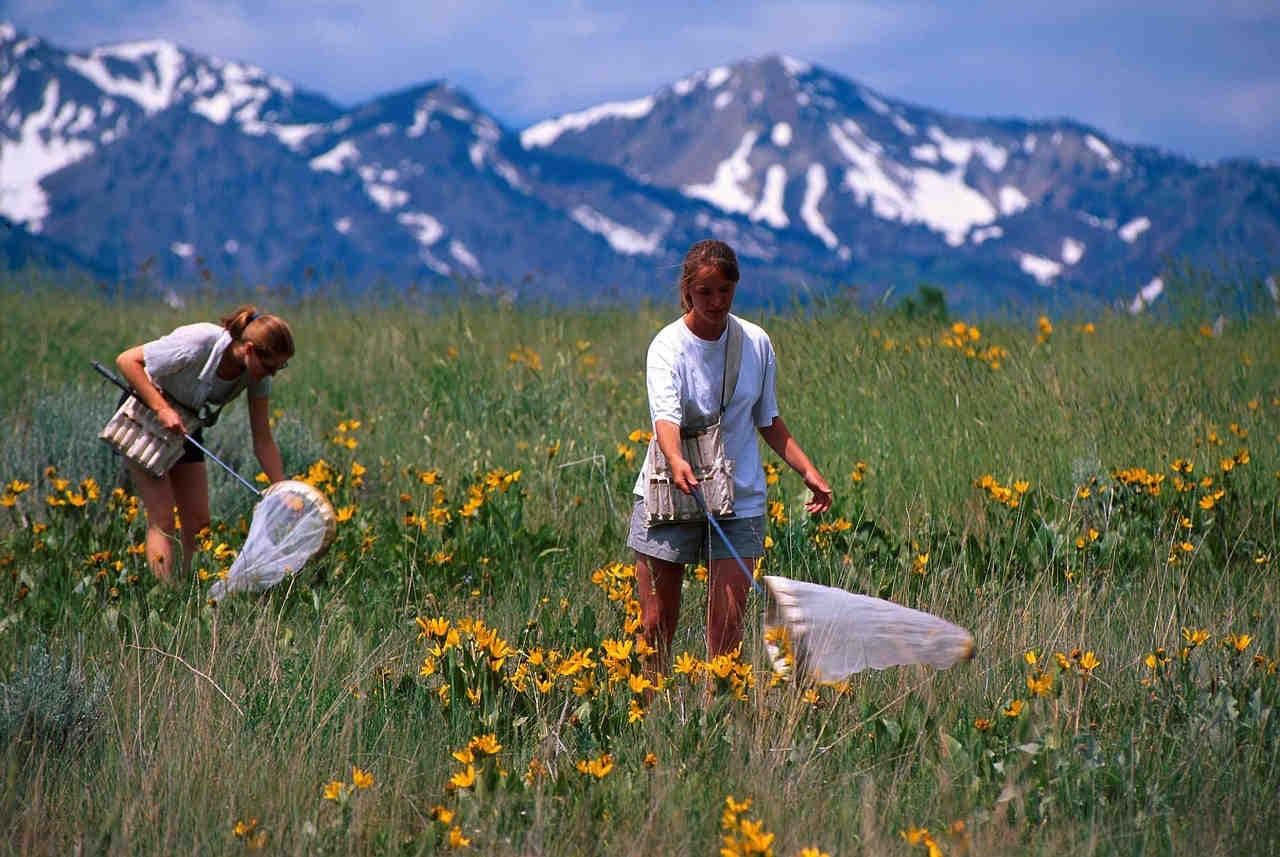
    The monitoring of pollinators is crucial because knowing the status (i.e. the health, abundance and distribution) of these insects in the environment allows experts to study the state of pollinator populations and possibly devise strategies to protect them. Whether bees, butterflies or hoverflies, proper monitoring makes it possible to assess environmental threats, such as climate change and pesticide use, and develop conservation strategies. Their decline has negative impacts on flora, fauna and ecological processes, thus requiring preventive measures to protect them, not to mention the enormous damage that would result in agriculture and thus for food production.

    monitoraggio_insetti
    3Bee

    What is the Pollinator Monitoring Scheme (PoMS)

    Europe is a collection of individual states, each with its own laws and regulations. In the case of the pollinators, different states may have different monitoring systems that perhaps focus on different taxa. The Pollinator Monitoring Scheme (PoMS) stands as a standard for both the monitoring system and the taxa considered, in order to coordinate European strategies for the protection of pollinators and the habitats that support them, whether natural ecosystems, agroecosystems or urban ecosystems.

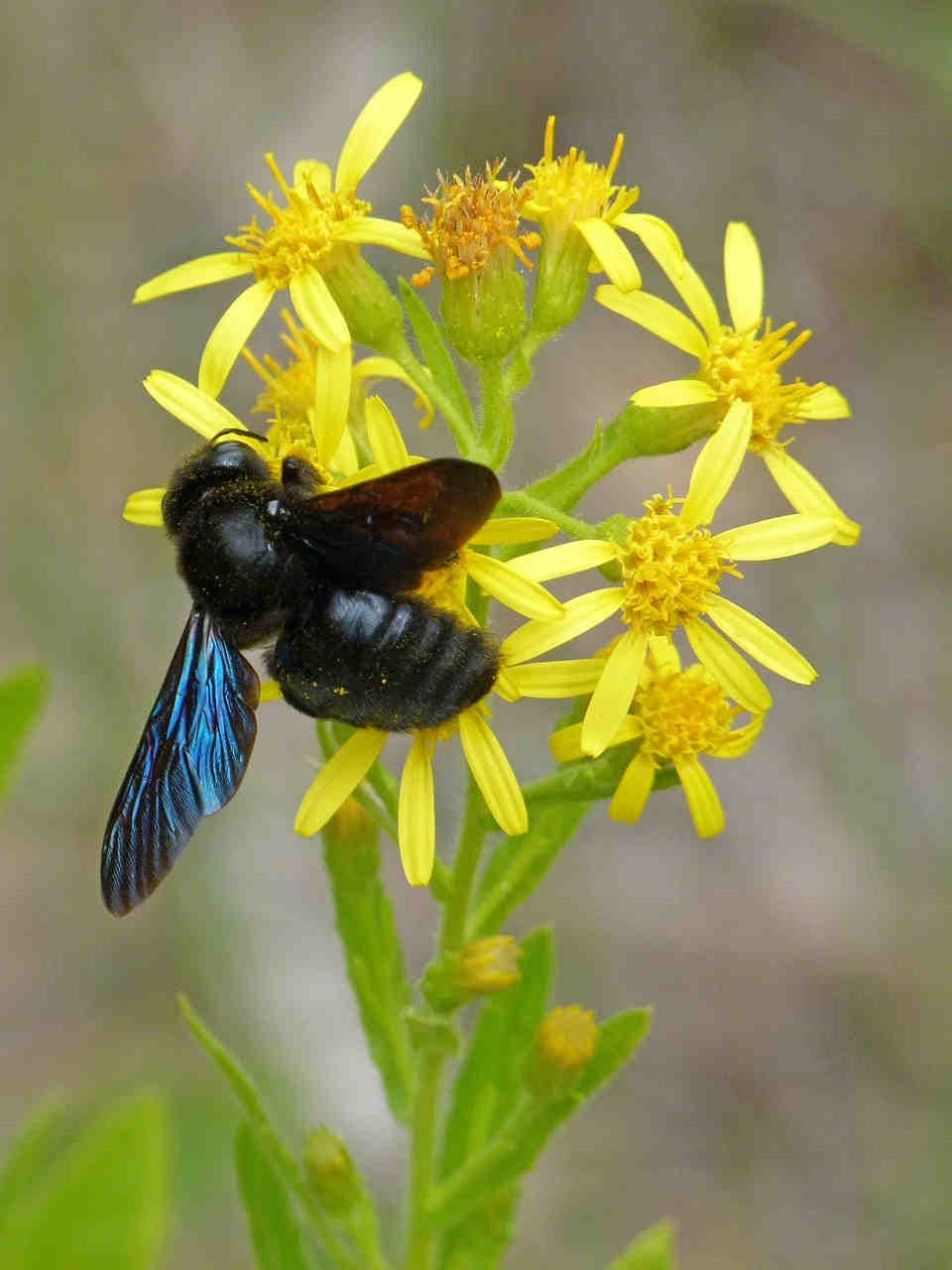
    Xylocopa

    The objectives of the PoMS

    The main aim of the programme is to develop a 'Basic Scheme' encompassing the most significant species for pollinator monitoring throughout the European Union. This scheme must be able to detect changes in the status of pollinators using standardised sampling methods. In addition, the programme aims to offer a series of additional modules for other species and measures beyond the 'Basic Scheme'. Other goals include the creation of a general EU indicator to assess the status and trends of pollinators and a specific indicator for the Common Agricultural Policy (CAP). Finally, the programme aims to provide estimates of the costs needed to establish and implement the 'Baseline Scheme', taking into account aspects such as the costs of personnel, equipment, travel, taxonomy, training, data management and coordination.

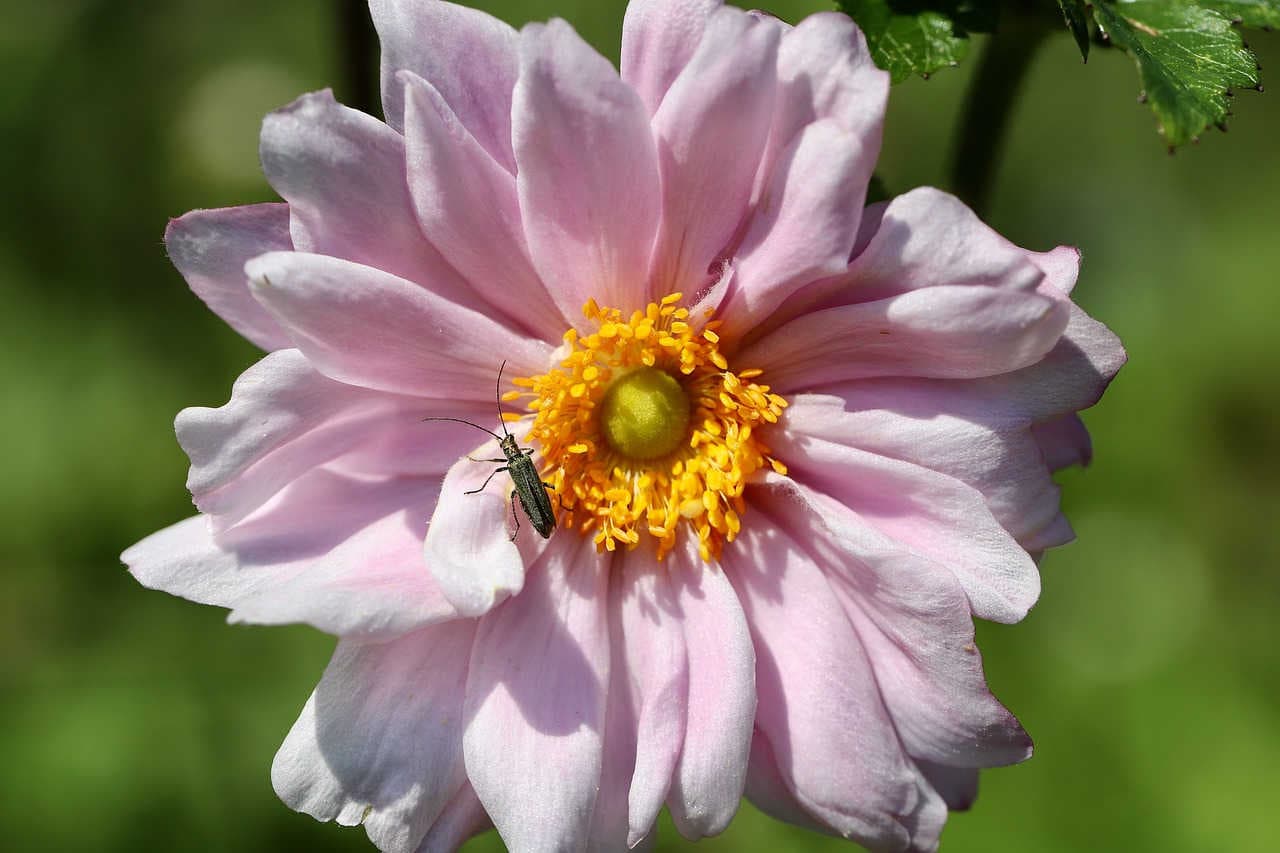
    Oedemeridae

    How the PoMS is composed

    The PoMS consists of a essential scheme, divided into the Minimum Viable Scheme (MVS) and two additional modules. The MVS includes all species that are essential to be monitored throughout the European Union, mainly wild bees, bumblebees, hoverflies and butterflies. Rare and threatened pollinator species (which we covered in the piece on the IUCN Red Lists) and the phalenes are included in the two complementary modules. Each of these objectives is handled with suitable methods for monitoring the groups, which are studied and managed by both experts and volunteers. In addition to these two sections (MVS and complementary modules), three additional modules are also planned, which are aimed at collecting data on the pollination ecosystem service, the abundance of floral visitors (i.e. insects that visit flowers and inflorescences but are not necessarily pollinators, such as some ants) and the abundance of other flying insects.

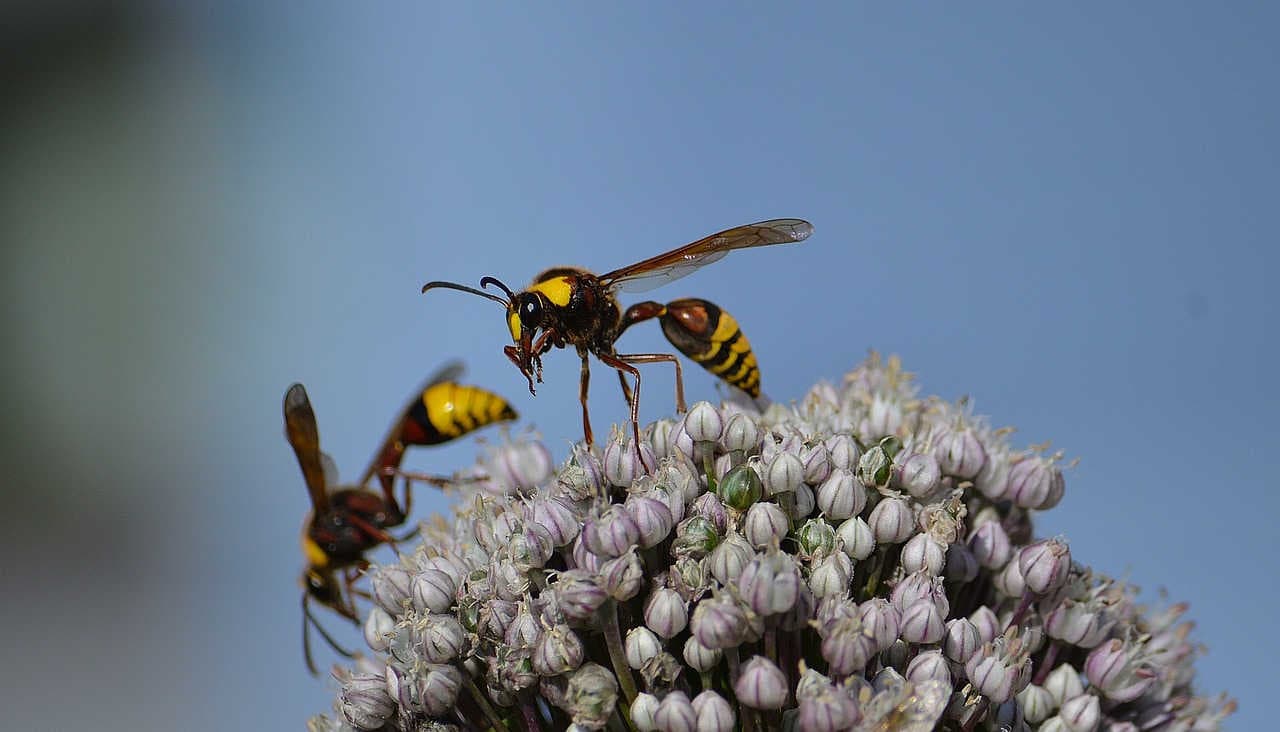
    vespa_eumeninae

    The importance of PoMS

    The PoMS is a monitoring programme that aims to study and preserve the health of pollinator populations in a standardised manner for all EU member states, detecting variations in their distribution and abundance over time and space. By collecting and analysing systematic data, experts can monitor the health of pollinators, identify threats and develop coordinated conservation strategies at the European level. The PoMS is crucial for the protection of biodiversity and its importance grows with the urgent need to address declining pollinator populations. This is where 3Bee fits in: monitoring is one of our 3 main pillars, in fact our approach is based on data collection from proprietary technologies that allow us to monitor the health of bees, pollinators and their connection with ecosystems.

    Article by Niccolò Patelli

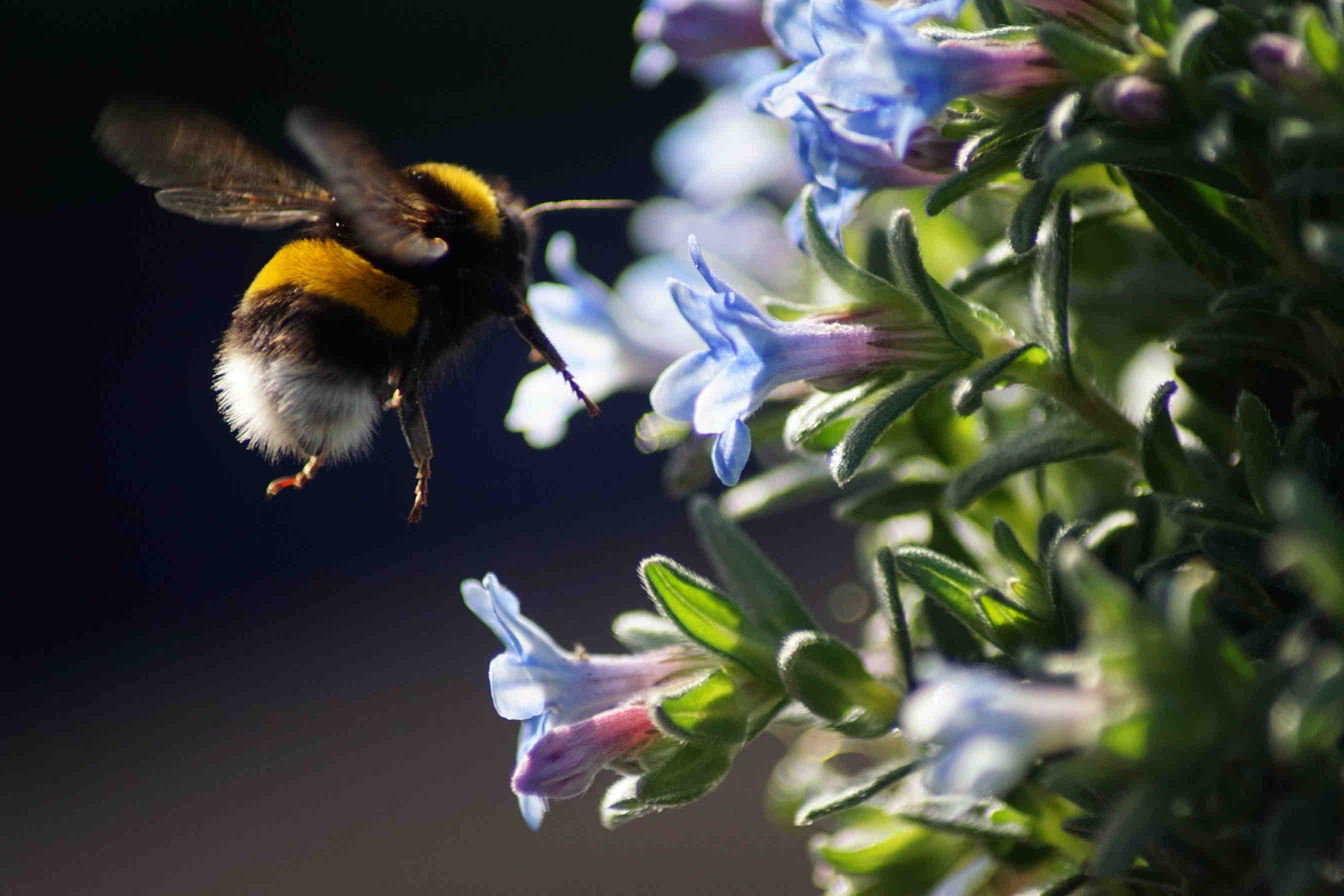
    Bombo_Bombus
    28/11/2023Of 3Bee, Elena Fraccaro
    717 Views
    Newsletter
    newsletter
    Subscribe to the Blog about bees and biodiversity

    Frequently Asked Questions

    Do you have any doubts or other curiosities about this article? Here you will find some insights