Face to face with moths: the pollinators of the night
    Lepidopterapleatdifferencesmetamorphosis

    Face to face with moths: the pollinators of the night

    Often associated with ominous events and less appreciated than their 'cousin' butterflies, moths are actually a world rich in biodiversity. They are also very important pollinating insects, as are the better-known bees, and enable the nocturnal pollination of many plants

    Read the article
    17/10/2023Of 3Bee, Elena Fraccaro
    2391 Views
    17/10/2023Of 3Bee, Elena Fraccaro
    2391 Views

    The fourth most numerous order of insects

    When we think of moths, we often picture a 'hairy' insect that prowls in the night and makes us gasp when it suddenly enters our home, attracted by light. In short, these insects have never enjoyed a good reputation among us humans, unlike their closest relatives, the butterflies. Butterflies and butterflies are not as different as they seem, however: they both belong to the order Lepidoptera, a compound word derived from the Greek "lepidos"- scaglia and "pteron" - ala and which perfectly describes their main characteristic, namely that their wings are covered in scales. Do you know what is called 'powder' that remains on our fingers if we touch the wings of these insects? It is actually nothing more than the scales of the wings. In general, handling the wings of lepidopterans is strongly discouraged, as we risk causing damage to these insects, which may then have problems flying.
    lepitoptera

    Who Moths Really Are

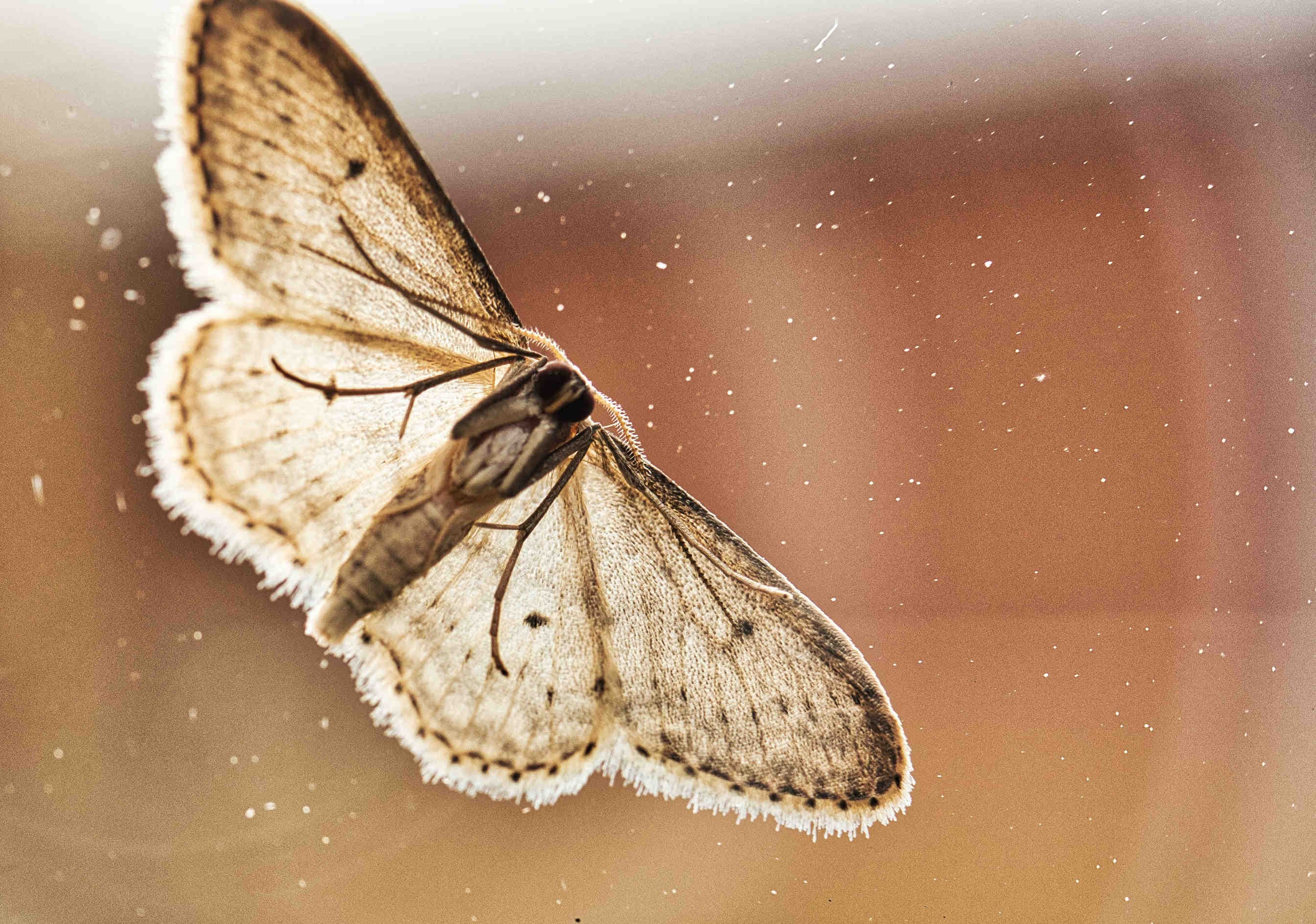
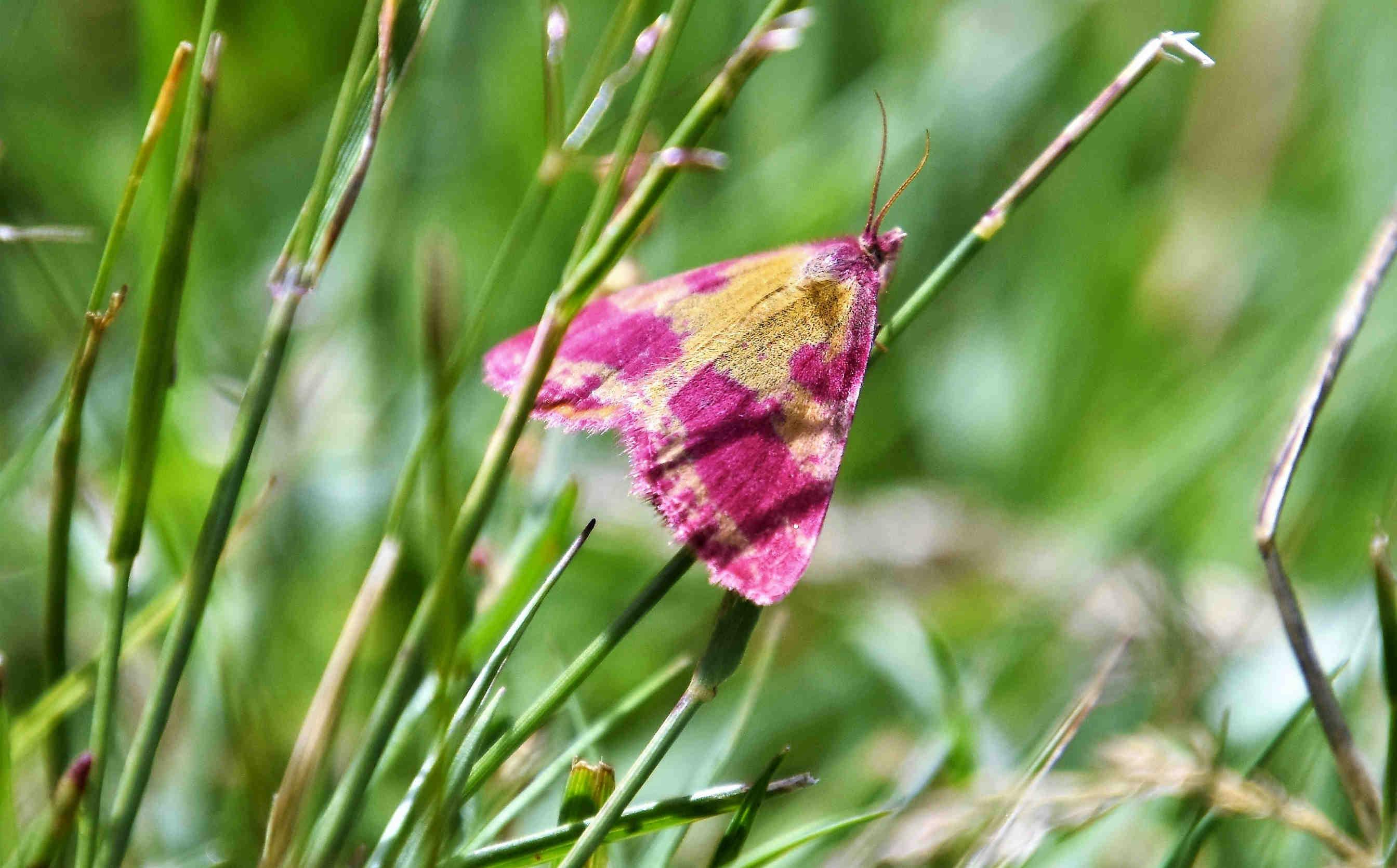
    Although much less well known, moths make up about 90% of the order Lepidoptera, but giving a precise definition of what a moth is is more difficult than one might think. In biology, moths can be defined as all those lepidopterans that do not belong to the superfamily called Papilionidaea, to which butterflies belong instead. Within this vast group of insects, we find an enormous diversity that results in moths of the most varied shapes, sizes and colours and with some of the most diverse feeding and ecological habits in the animal world.
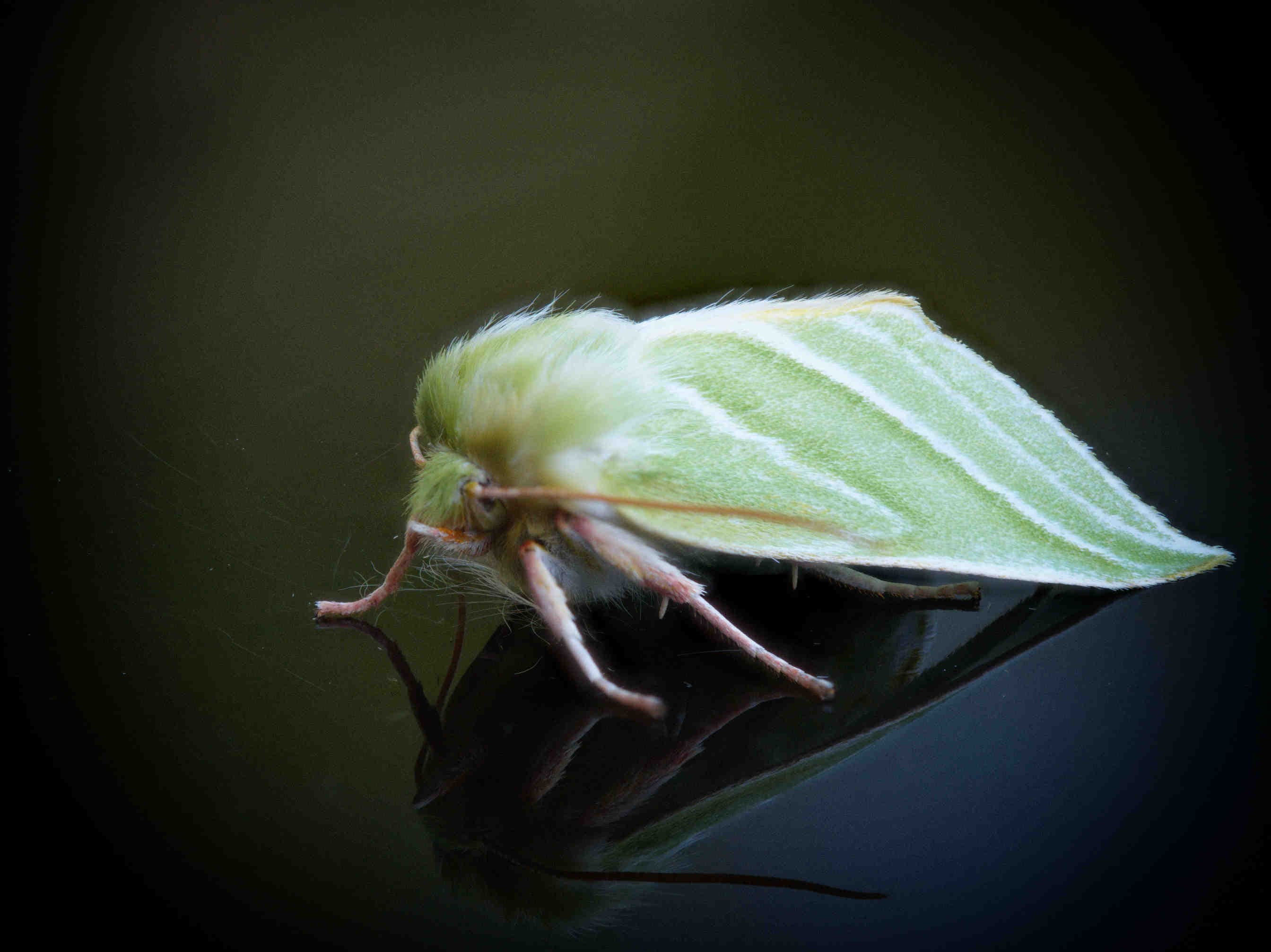
    definizione falene
    XNatura

    Find the differences: butterfly or moth?

    Butterflies and moths share many characteristics. Being both insects, they share first and foremost all the typical characters of this group of Arthropods: six legs, body divided into head, thorax and abdomen and the presence of an external skeleton called the exoskeleton. Understanding whether we are dealing with a butterfly or a moth is therefore not very easy. Let us immediately dispel the myth that moths only fly at night, because in reality some species can also be found during daylight hours. The thought that moths are always dark-coloured is also a false belief, because in reality you can find many species with bright, garish colours. The only difference that allows us to distinguish a moth from a butterfly is the shape of the antennae. In fact, butterflies have antennae defined as 'clavate', i.e. having a small bulge at the apex, whereas moths have antennae of many different shapes, but not clavate.
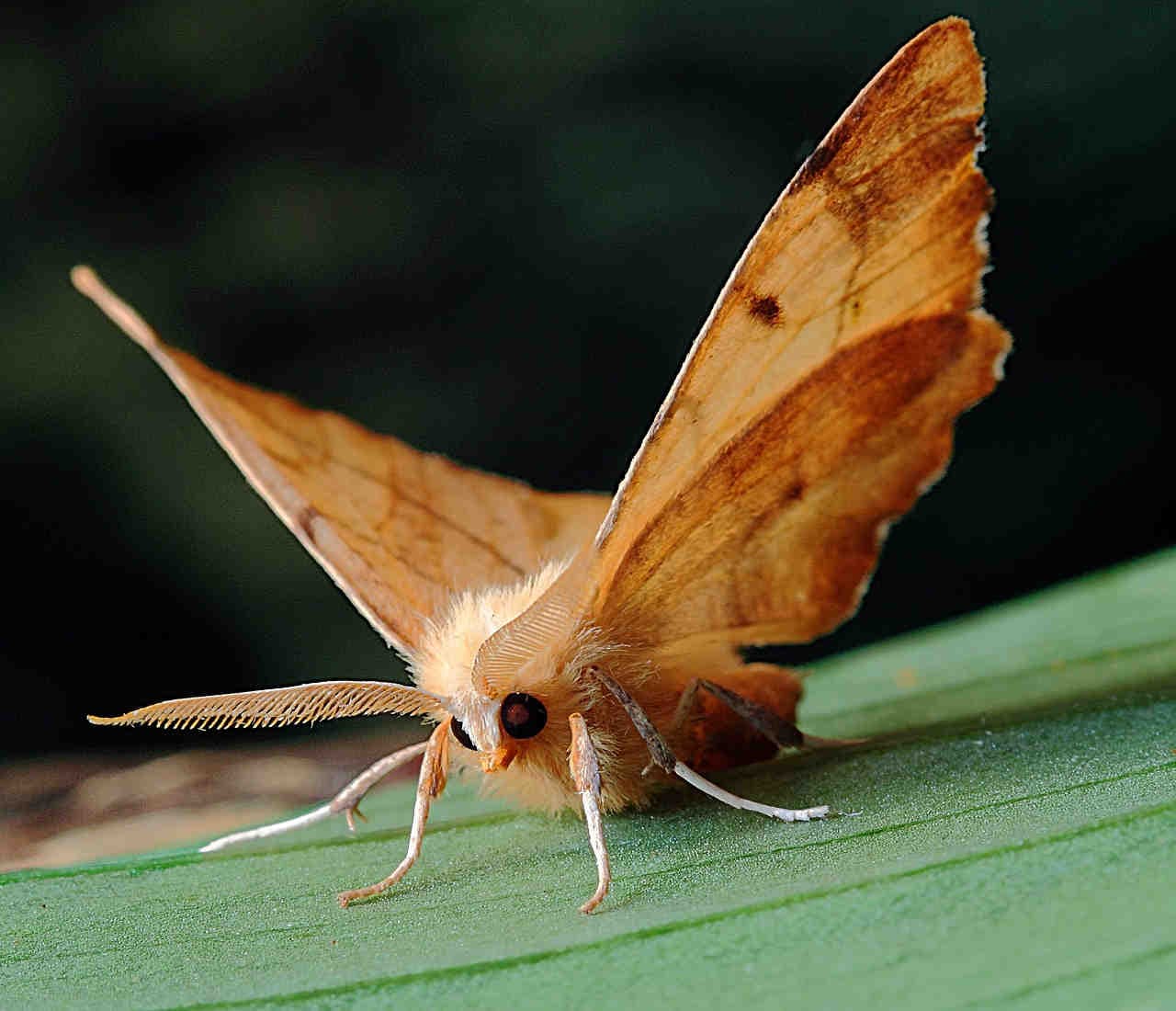
    differenze antenne

    How a moth is born

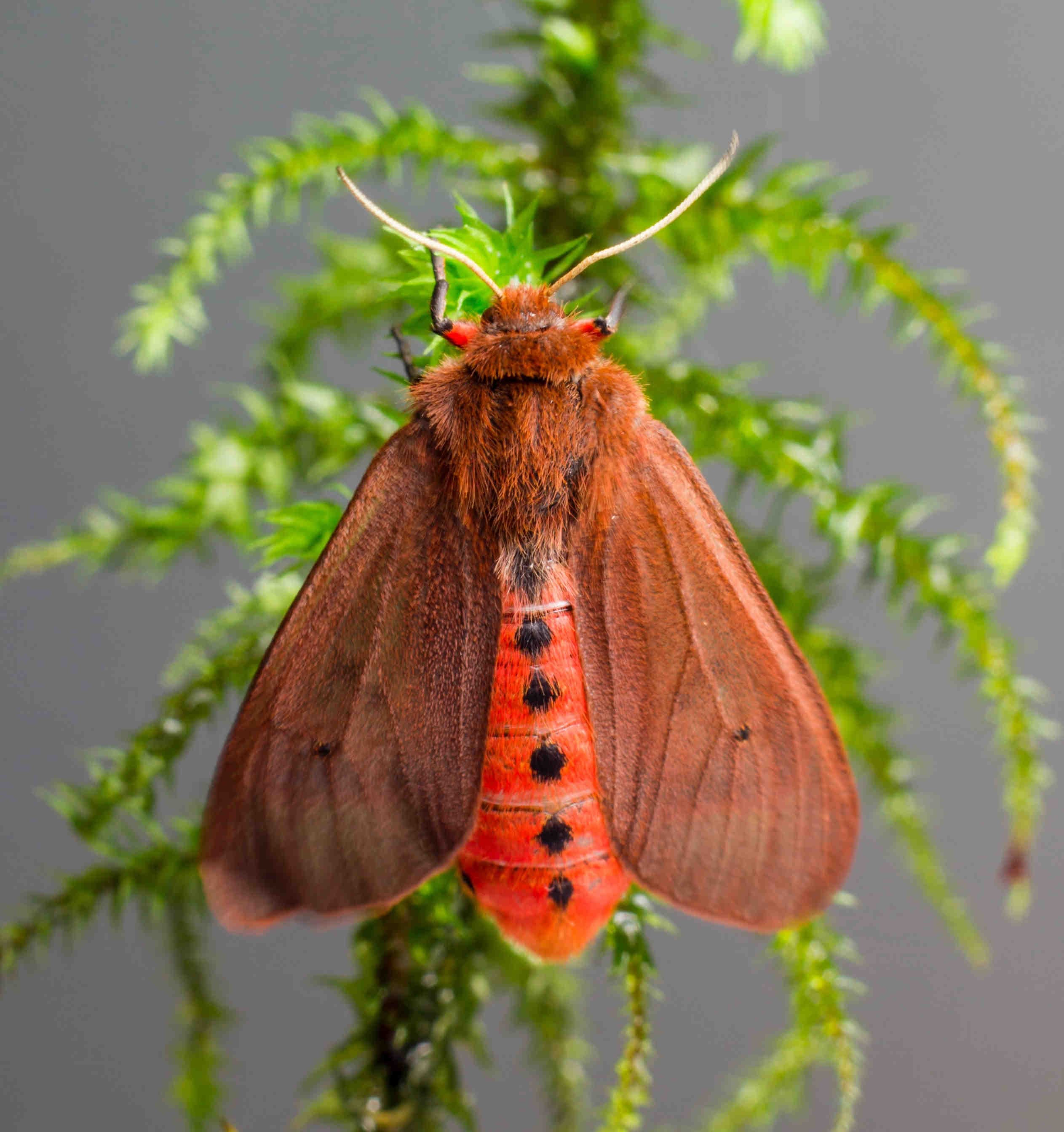
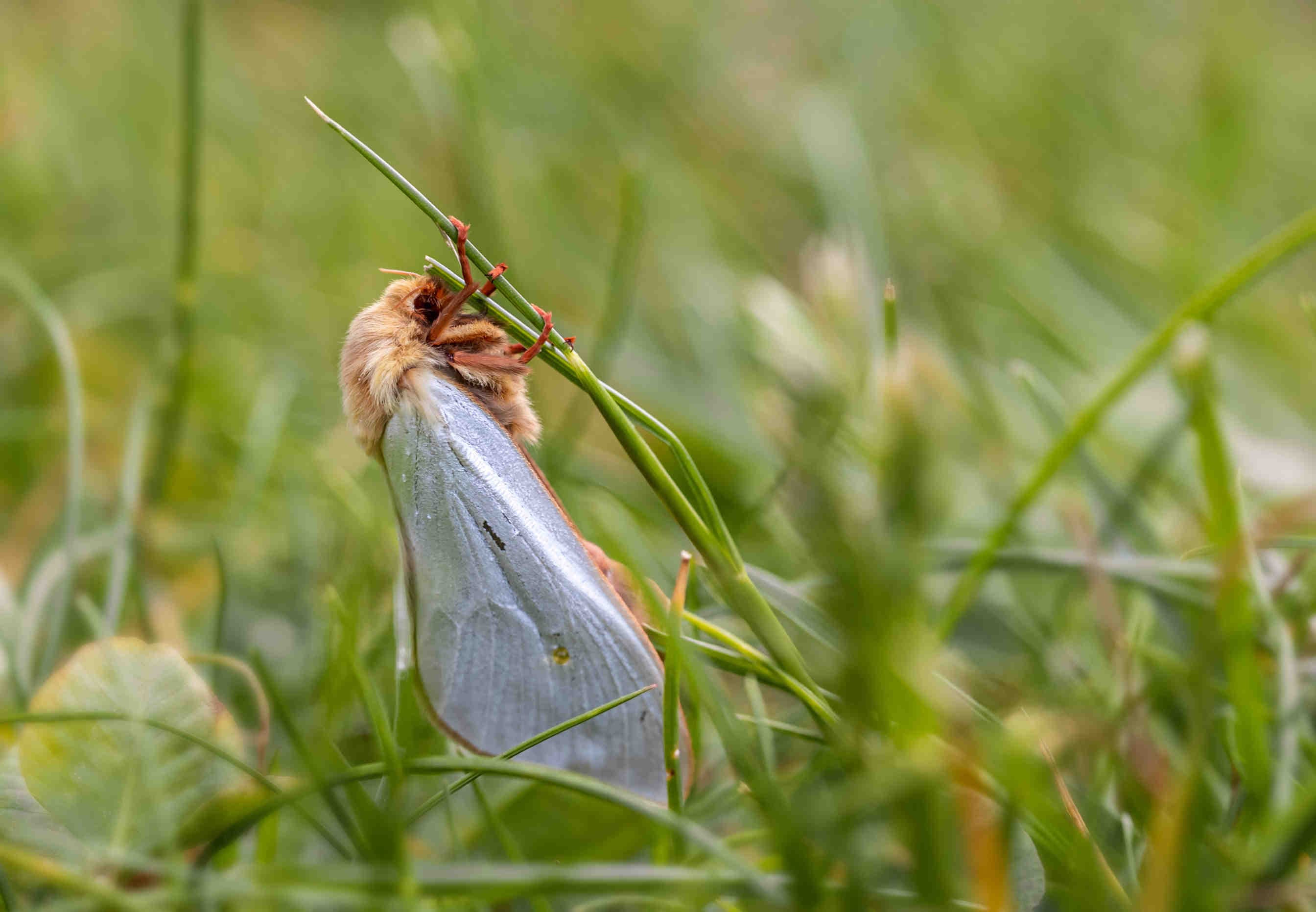
    The Lepidoptera, thus also moths, are called olometabolous or complete metamorphosis. These terms indicate a life cycle in which the animal undergoes drastic morphological changes in the transition between the different stages. The life cycle of a moth is very similar to that of a butterfly. It begins with the laying of eggs on a plant, called the nursery plant. From the hatched eggs emerge larvae, or caterpillars, which feed on the plant. The job of the caterpillar is mainly to eat and grow as much as possible! To do this, however, it must make several moults, which allow the caterpillar to change its exoskeleton and grow. At the end of these moults, the caterpillar will become pupa or chrysalis, a totally dormant stage from which, with the right environmental conditions, the adult moth will emerge.
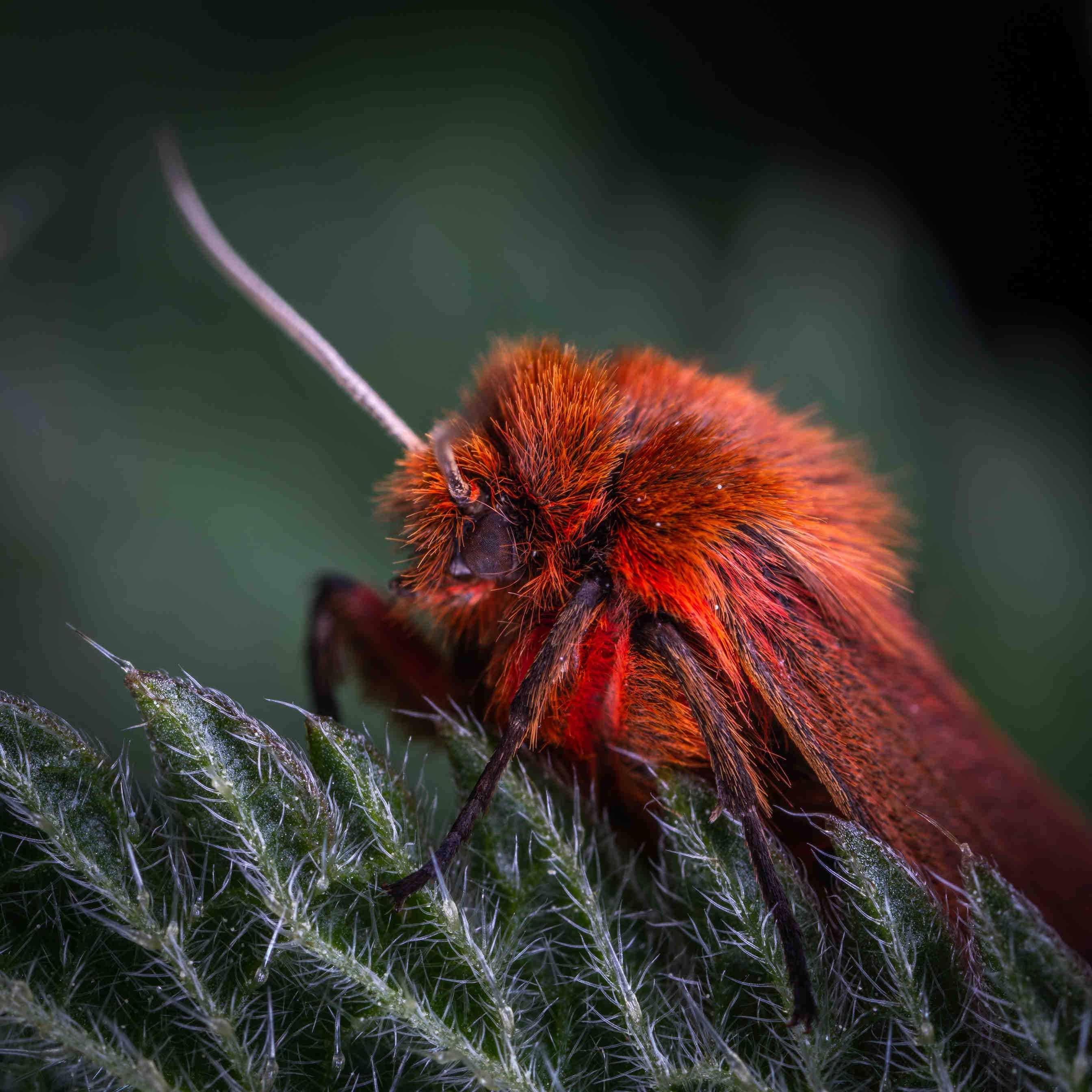
    falena rossa
    XNatura

    Moths as pollinators

    Perhaps not everyone knows that moths, as well as butterflies and the better-known bees, are pollinating insects. Visiting flowers to find nectar, on which they feed, they collect pollen thanks to the large number of bristles on their bodies, thus transporting it from plant to plant and enabling the reproduction of many plant organisms. The role of the pollinator is a very important task indeed; 90% of wild flowering plants depend on pollination carried by animals, including moths.
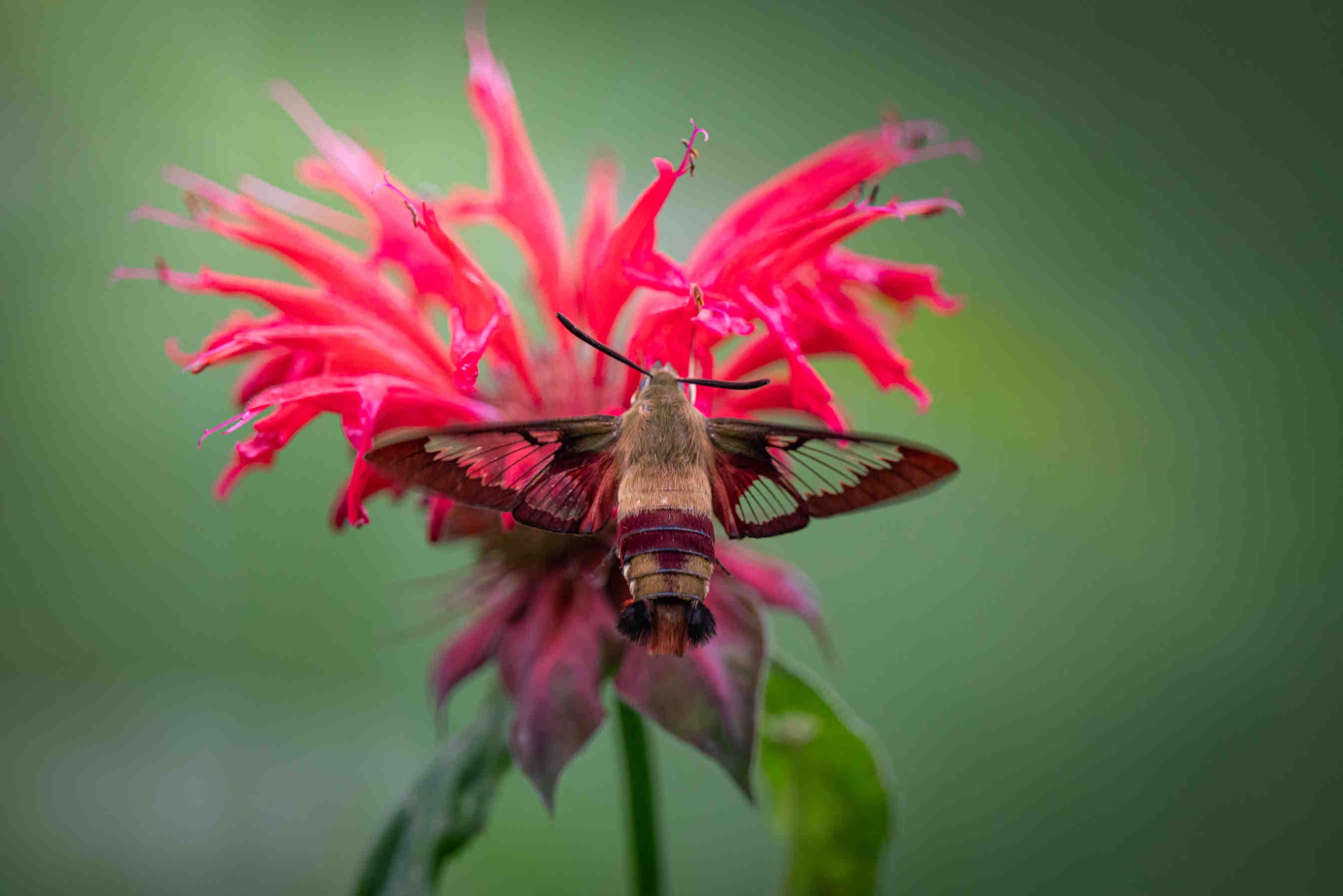
    impollinatori
    3Bee

    The loss of biodiversity

    For many years, moths have been little studied, partly because of the difficulty in monitoring them, given their predominantly nocturnal habits. Not much data is therefore available on the conservation status of the various moth species, but unfortunately we can say that, like the other pollinating insects, they too are undergoing a strong decline. Recent studies in England have seen how moths have suffered a 31% decline over the past 47 years. Lepidoptera contribute 10% to pollination and have been severely threatened for years, especially by habitat loss and pesticide use. Moths also suffer the effects of light pollution that causes them to become disoriented in their flight, risking leading to their death. To counteract the loss of biodiversity, 3Bee is also taking the field, with the creation of the Oases of Biodiversity.
    declino impollinatori

    Producing sounds to defend themselves against predators

    Moths, like many other insects, are seen as tasty meals for many other animals that feed on them. The first predators of moths are certainly the bats, which use their ability to emit sounds to locate their prey, even in the absence of light. But as always happens in nature, there is a constant race to evolve the best adaptations to survive. It is thus that moths of the subfamily Arctiinae have developed the ability to emit sounds that can have a dual function: to mimic the sounds emitted by species that are toxic to predators, or sounds that interfere with those emitted by bats, so as to "hide" and not be predated.

    Macroglossum stellatarum, the hummingbird moth

    We are all familiar with the colourful hummingbirds that approach flowers in search of nectar. Alas, however, these birds are only to be found in nature on the American continent, but in Italy and Europe we can find an animal that somewhat resembles them. This is the Macroglossum stellatarum, commonly known as the "Hummingbird moth", so called because of its ability to perform the stationary flight. This moth of the Sphingidae family is capable of flapping its wings very fast (up to 200 times per second) and thanks to the presence of a small tuft of bristles at the end of its abdomen, it is able to stabilise its body, thus giving the impression of hovering in flight just like hummingbirds. It can easily be spotted during the daylight hours, even in more urbanised areas, as it unfurls its spirit horn, which it uses to suck nectar from flowers.
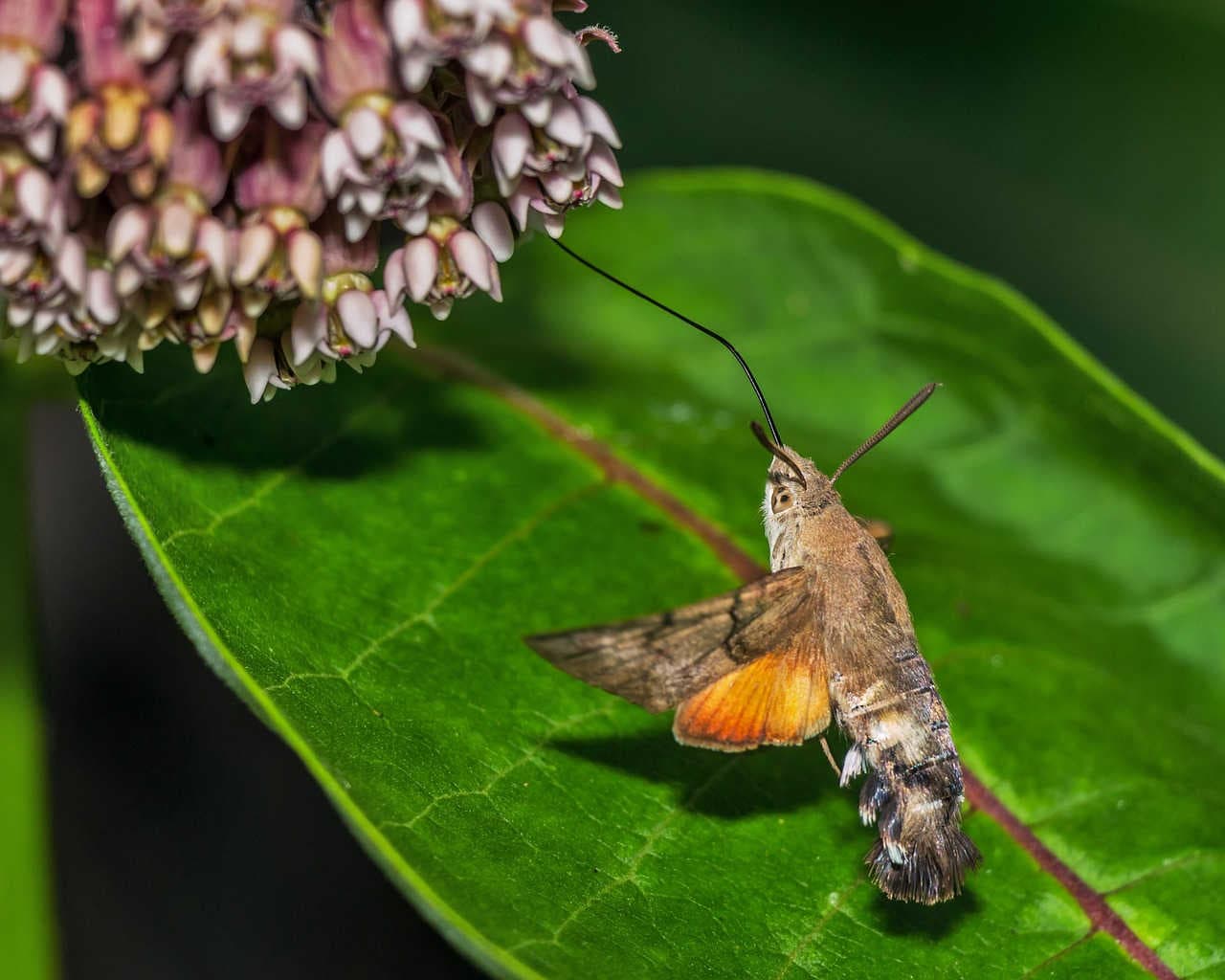
    macroglossum stellatarum

    Natural selection in action: the case of Biston betularia

    The species Biston betularia, known as the birch moth, is an example of how natural selection works. In nature, this moth can occur in two forms, one clear and one dark - called the melanic form. Normally, as it often perches on the trunks of birch trees, the lighter form of this moth better camouflages itself with the bark of these trees, thus being able to escape predators more easily than the melanic form. However, a very interesting phenomenon happened in England during the Industrial Revolution, when due to the strong fumes released by coal combustion the birch trunks turned black. It was thus that in this new man-made environment, the dark forms survived more easily than the light ones because they were able to blend in better on the darker trunks, thus becoming more numerous than the light form of the same species.

    Biston betularia

    The history of silk

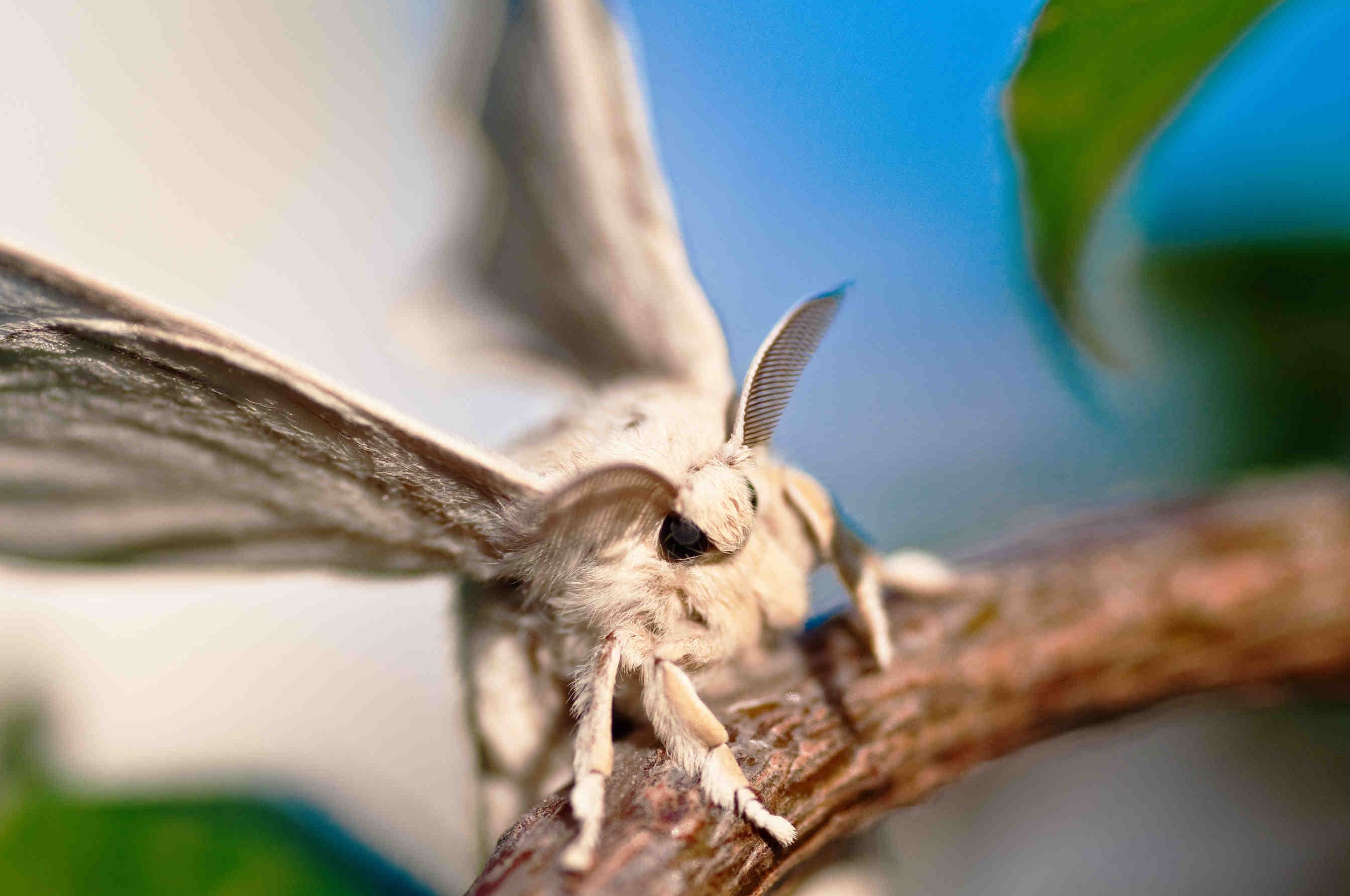
    The history of the silkworm is full of legends and it is thought that the use of this insect for silk production dates back more than 5,500 years, when the Bombyx mori first began to be bred in China. The B. mori is a moth of the Bombycidae family and one of the few cases of domestication of an insect. In fact, this moth is none other than the domestic variant of Bombyx mandarina, normally found in nature. Like any domestic species, the silkworm was also the result of artificial selection carried out by man who, over the centuries, selected the individuals of the species with the most useful characteristics - in this case individuals that produced the most silk - by breeding them. Thus a new, domesticated species is born that has different characteristics to the species from which it was selected - for example, the B. mori is larger and cannot fly.

    baco da seta

    We defend pollinators, like moths

    We often hear that bees are endangered, but it is not just them. In fact, all pollinating insects are in constant decline. The causes are many, and unfortunately behind this loss of biodiversity is often man who, with intensive farming, pesticides and abandonment of habitats, contributes to this negative trend. As much as 75% of crops depend on animal-driven pollination, and of these 99.6% are insects alone, including moths, which contribute to the pollination of plants whose flowers open at night. Safeguarding pollinating insects not only means counteracting the loss of biodiversity, but also contributing to the wellbeing of man. 3Bee also contributes to the preservation of pollinators thanks to the Oases of Biodiversity: urban and agroforestry habitats of biodiversity, places with a traceable impact thanks to technology.


    Article edited by Marta Depetris

    17/10/2023Of 3Bee, Elena Fraccaro
    2391 Views
    Newsletter
    newsletter
    Subscribe to the Blog about bees and biodiversity

    Frequently Asked Questions

    Do you have any doubts or other curiosities about this article? Here you will find some insights