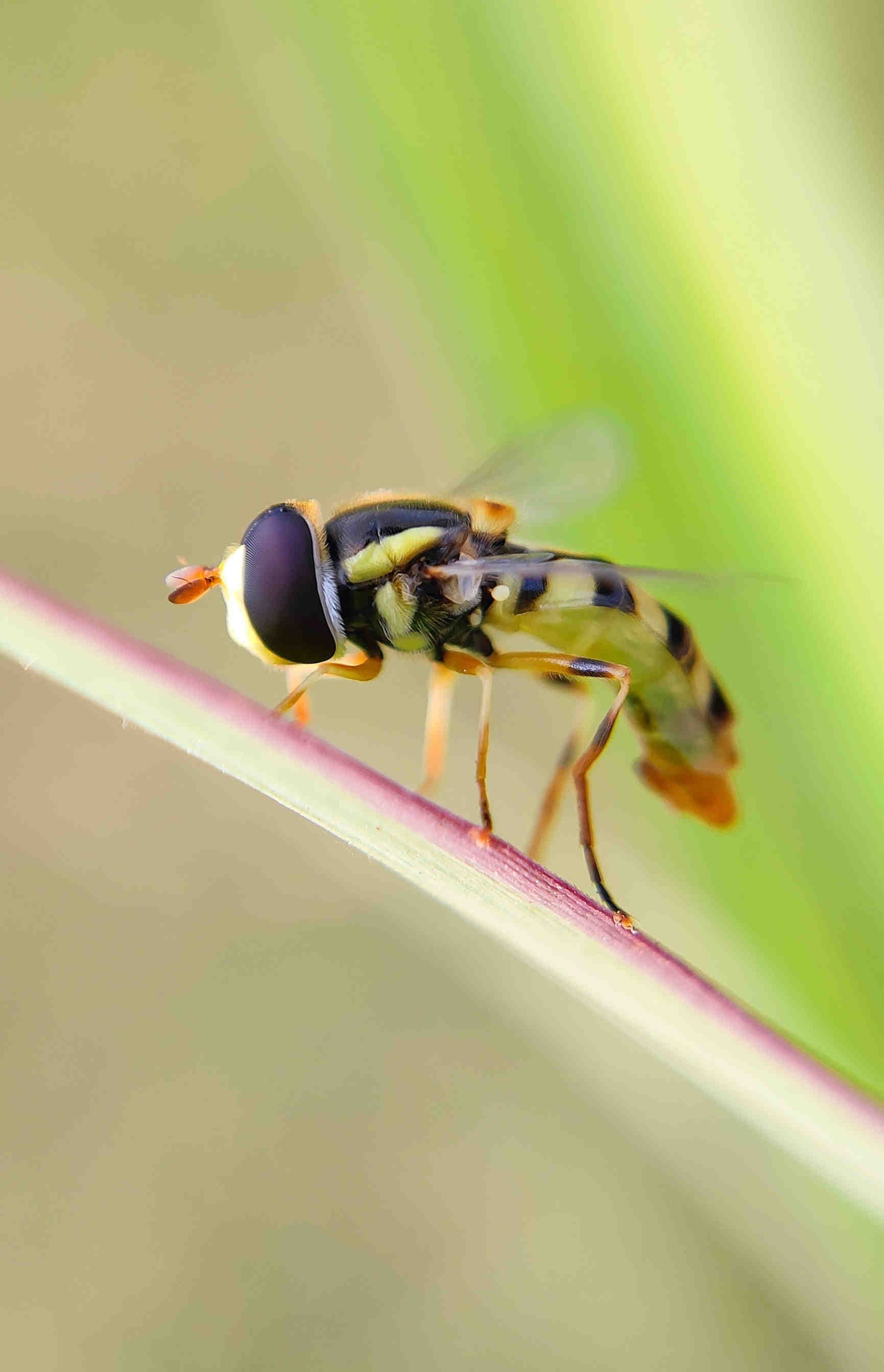
The Hoverflies, insects 'disguised' as bees
    SirfidiFeaturesLife cycleMimicry

    The Hoverflies, insects 'disguised' as bees

    Hoverflies are often mistaken for bees or wasps due to their camouflage, but they are actually related to common flies. They do not, in fact, possess any sting, but like bees they are important pollinating insects.

    Read the article
    08/11/2023Of 3Bee, Elena Fraccaro
    2388 Views
    08/11/2023Of 3Bee, Elena Fraccaro
    2388 Views

    Sirfidi, these strangers

    We probably don't know it, but in our garden or even walking in an urban park or on a hike in the mountains, we have probably come across a insect. They are a family of insects that is certainly among the least known to those who do not study these animals, but like many other insects, they play very important roles within ecosystems. The Syrphids are insects belonging to the order of Diptera and there are around 6000 species worldwide (more than 500 in Italy alone). But who are the Diptera? They constitute one of the largest insect orders in the world, comprising more than 120,000 different species. Within this group of insects we find many organisms that we are familiar with, although not very well known, such as flies, horseflies, mosquitoes, midges, and finally also our hoverflies. In particular, the Syrphidae are Brachycerous Diptera to which the common flies also belong.
    sirfide

    Identikit in un Sirfide

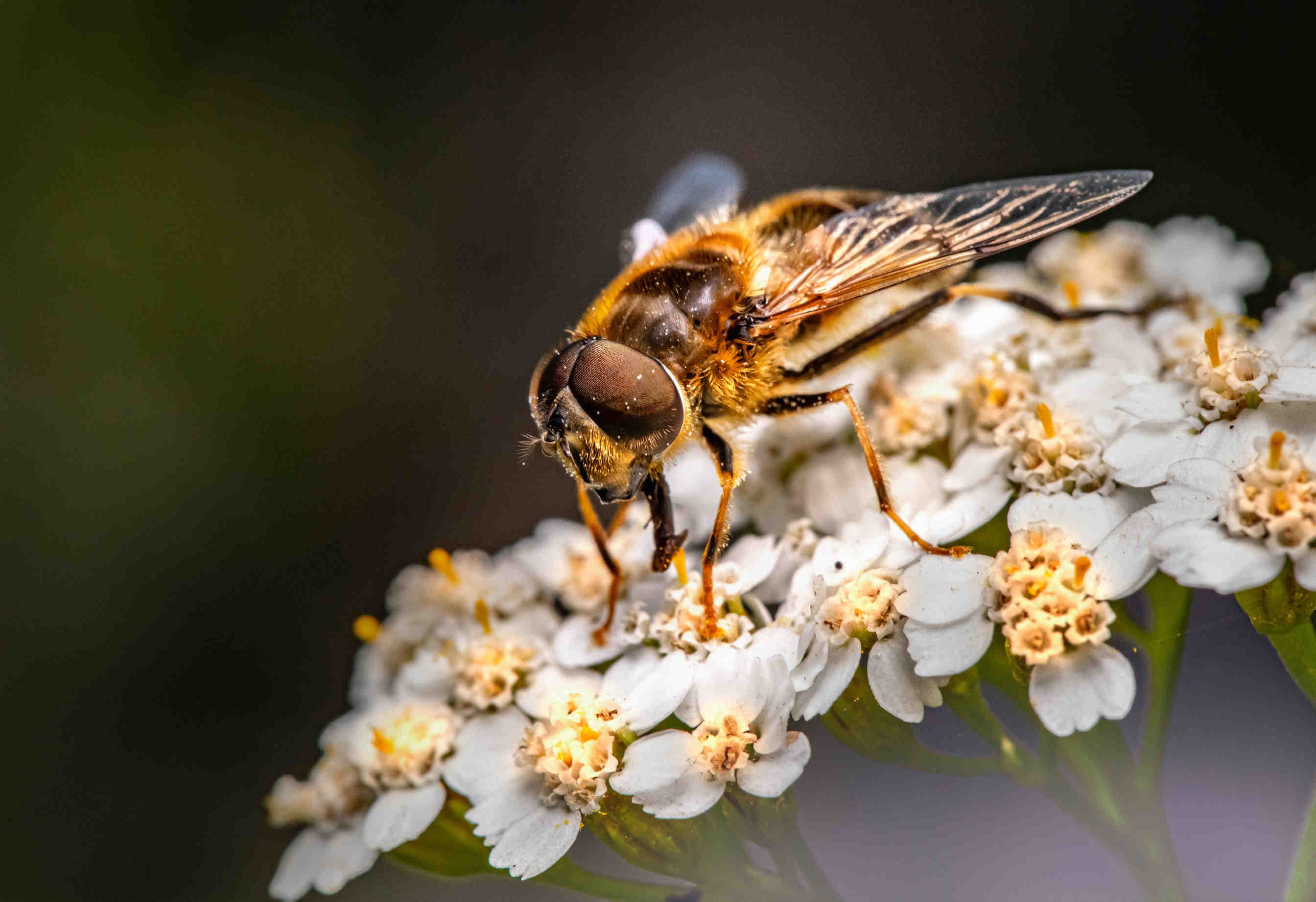
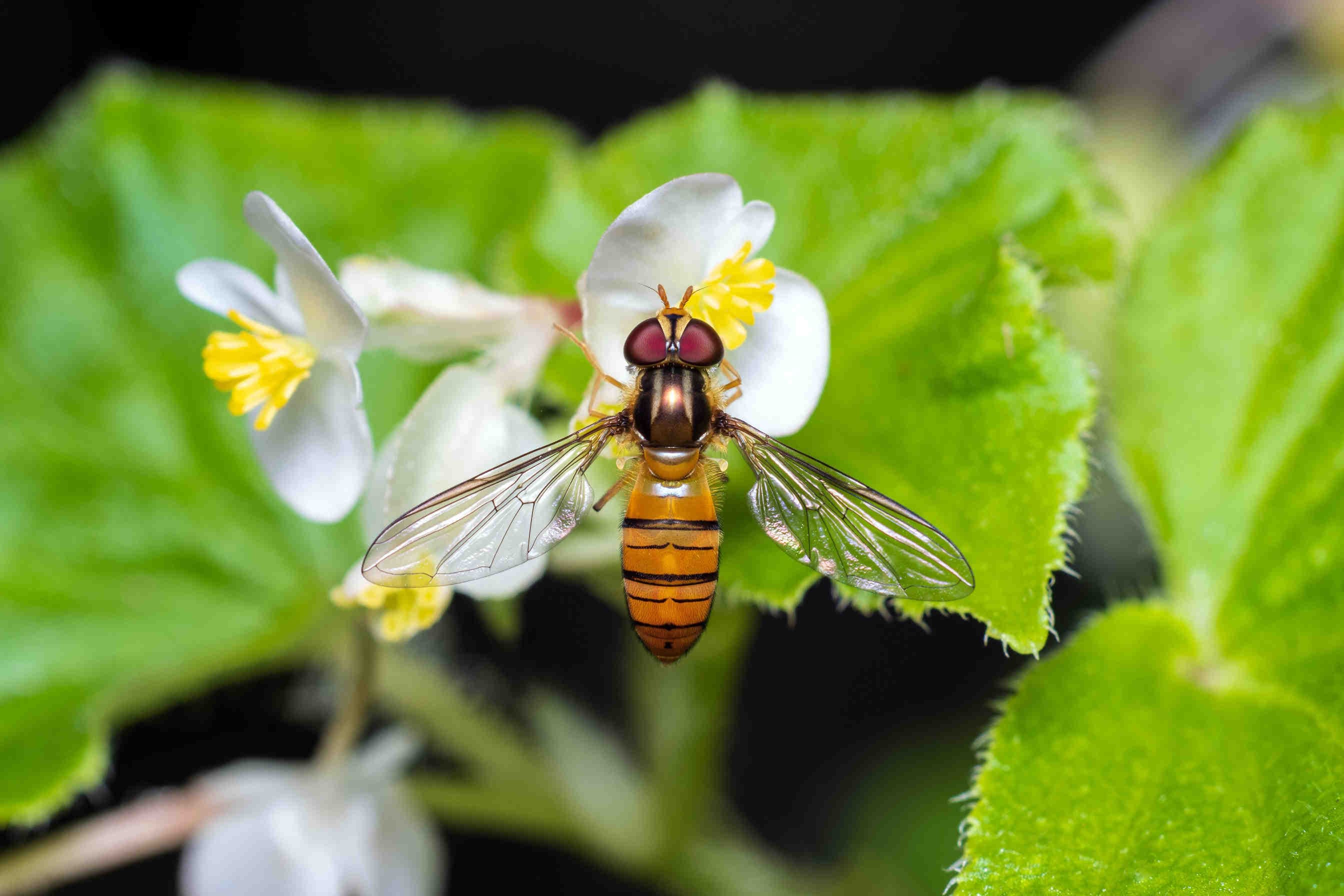
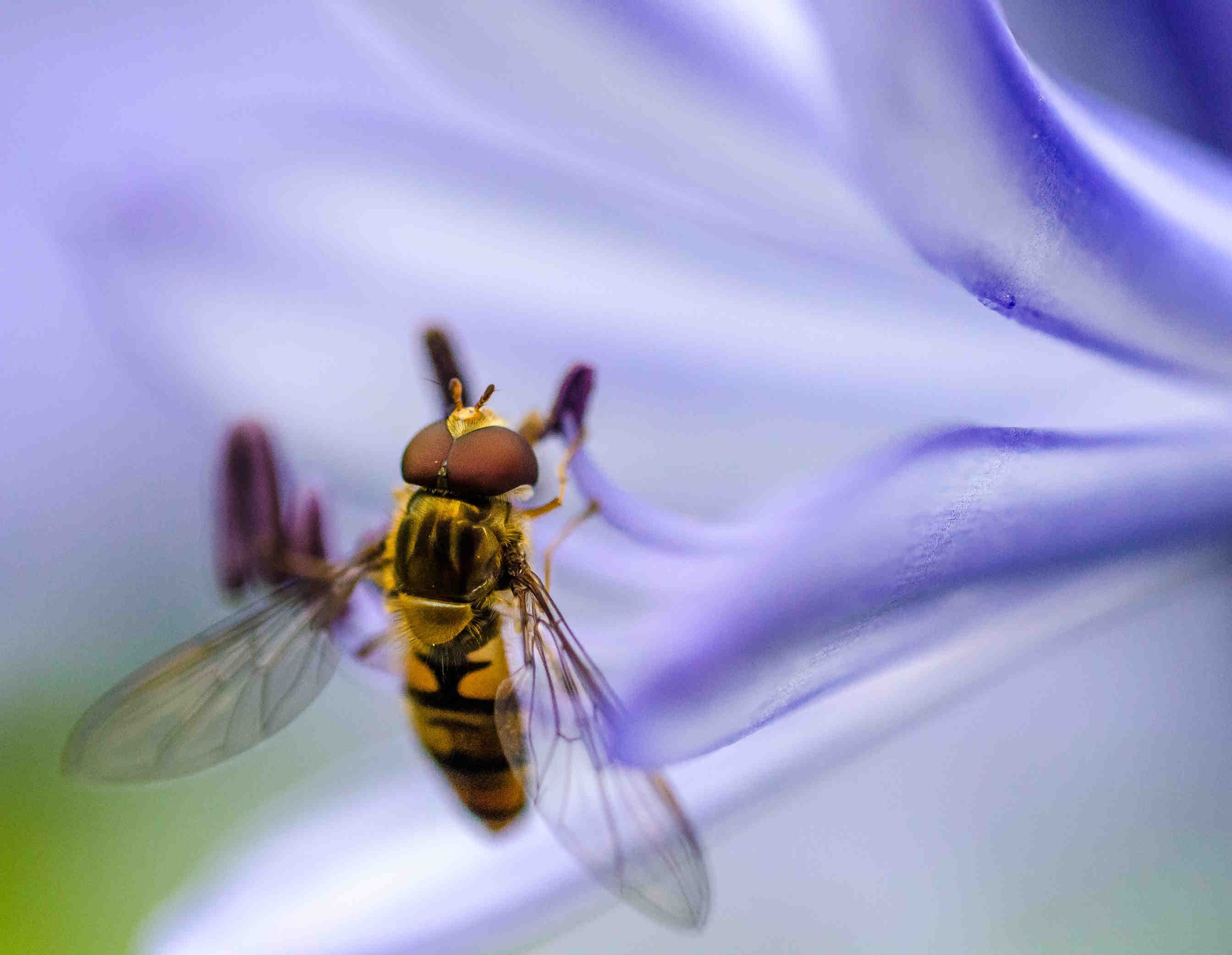
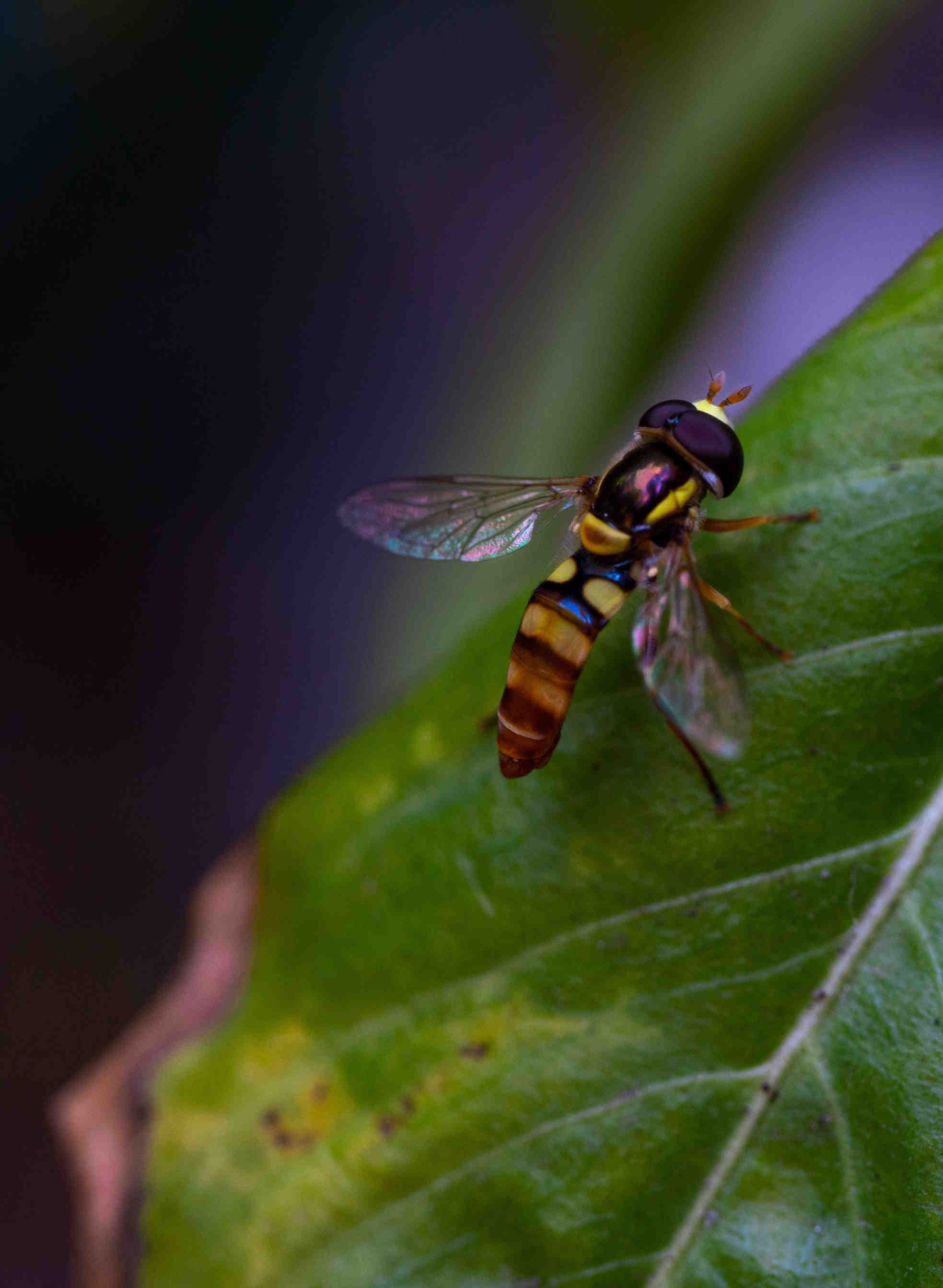
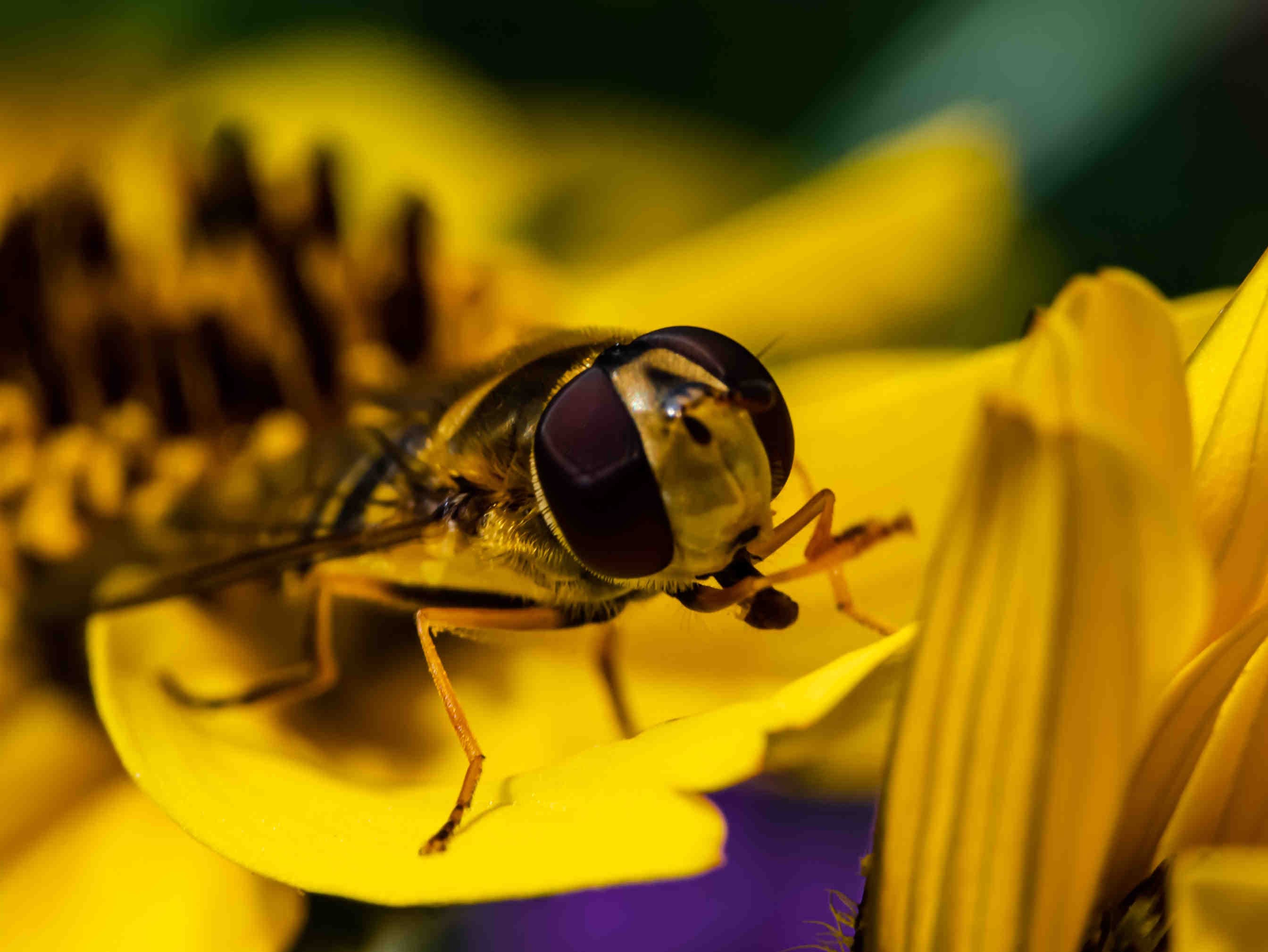
    Being able to recognise the species of these insects is by no means simple and is something that is left to the most experienced scholars. However, what we can do fairly easily is to understand whether we have a Syrphid in front of us or not. Being 'relatives' of flies, these insects share some characteristics with them, first and foremost the lamb-like mouthparts and two wings, instead of four. In fact, like flies, hoverflies also have one pair of wings that serves for flight, while the other pair has been modified into a pair of balances, which allow these insects to make a stationary flight, similar to that of hummingbirds. They also have very short antennae and large eyes similar to those of flies. A unique characteristic of this family of insects is the presence of the spurious venation, a false wing venation whose presence is a sufficient character to distinguish Hoverflies from all other Diptera.
    sirfide identikit
    XNatura

    The life cycle

    The life cycle of the hoverflies is very similar to that of many other insects. They are called olometabolous insects, also called complete metamorphosis insects: this means that their appearance changes dramatically between the various stages of metamorphosis (egg, larva, pupa, adult). After lengthy courtship rituals, mating takes place, leading to the laying of a few eggs on a substrate that may vary between species, depending on the food requirements of the future larva. Three different types of larvae are mainly distinguished, based on their feeding habits: phytophagous, when they feed on plant material, predatory or saprophagous, i.e. feeding on decaying organic matter. After a few molts, the larva becomes a pupa from which the adult later emerges. Depending on the different species, this biological cycle may occur once, twice or several times during the year.

    ciclo vitale sirfide

    Pretending to be someone else

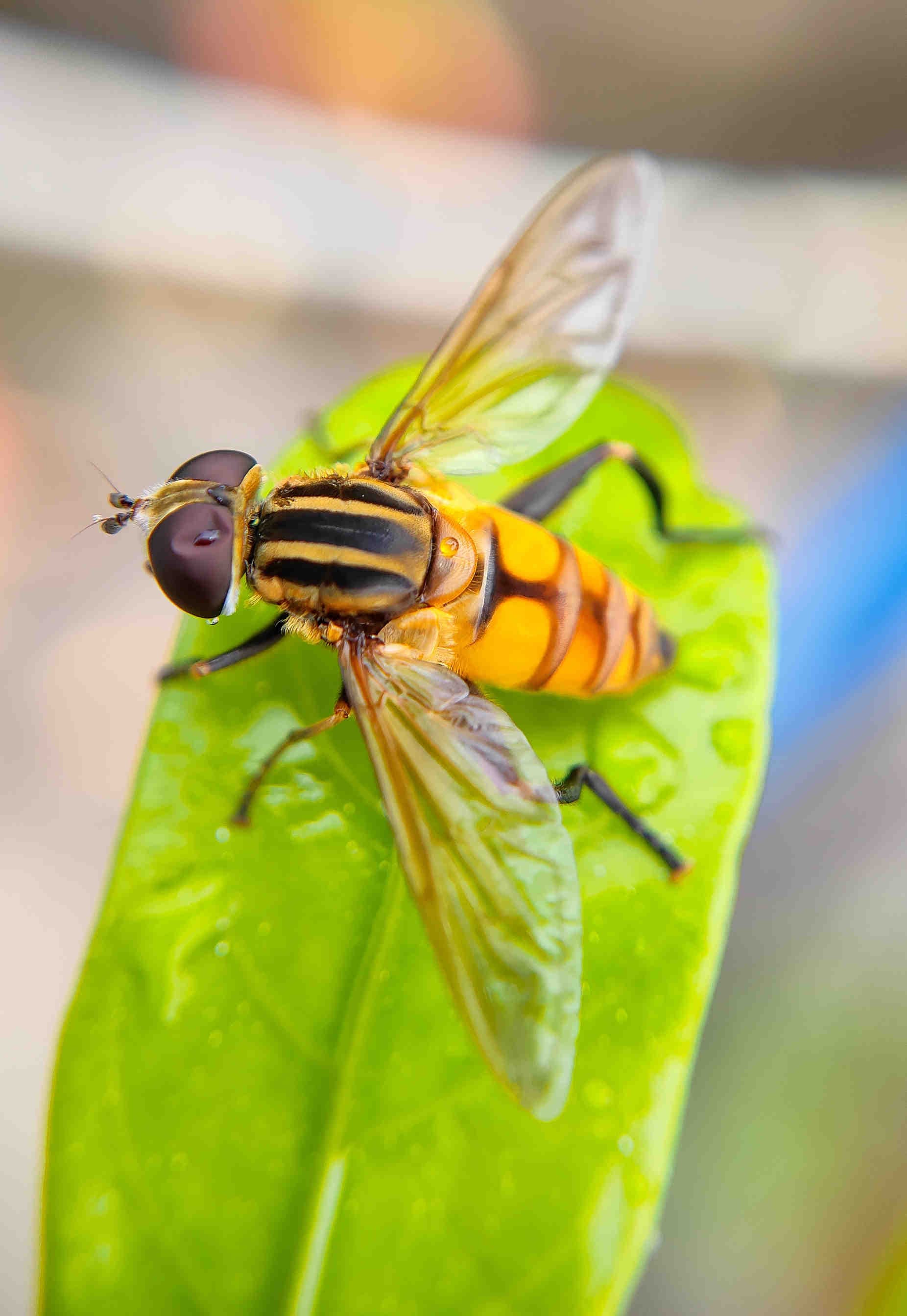
    Mimicry in the animal world is expressed in many different forms. For many living organisms, this is the only strategy they can use to escape predators. We do not, however, think of camouflage only as a way of not being seen by others. Mimicry, in the animal kingdom, can also mean 'disguising' oneself as another animal. This is what some hoverflies do, as they have the same colours and patterns as many Hymenoptera (family to which bees, bumblebees, wasps etc. belong). They engage in a form of mimicry known as Batesian mimicry, which occurs when one harmless species mimics another that is instead dangerous or poisonous to the same predator. In fact, the hoverflies are completely innocuous to their predators, but by imitating the aposematic colours of some imenoptera (i.e. colours that indicate a danger signal) they 'pretend' to be dangerous and manage to fool their predators.

    sirfide
    XNatura

    Pollinators, but not only

    When we talk about pollinators, the first image that comes to mind is almost certainly of a bee. True, bees are certainly among the most famous pollinators, but Syrphids also play this very important role as they are among the main pollinators of natural environments and thus perform a fundamental service for the survival of many plants and animals, including us humans. Like other pollinators, they are now in decline. For this reason, 3Bee is also pursuing many regeneration projects with the aim of saving the biodiversity of these important insects. Not all hoverflies, however, are pollinators. There are in fact some species that are predators of other insects, in particular of phytophagous insects, i.e. those that feed on plants and their various parts, thus helping to regulate the populations of these insects, which are also potentially harmful to agriculture.

    sirfide impollinatore
    3Bee

    Hoverflies as bio-indicators

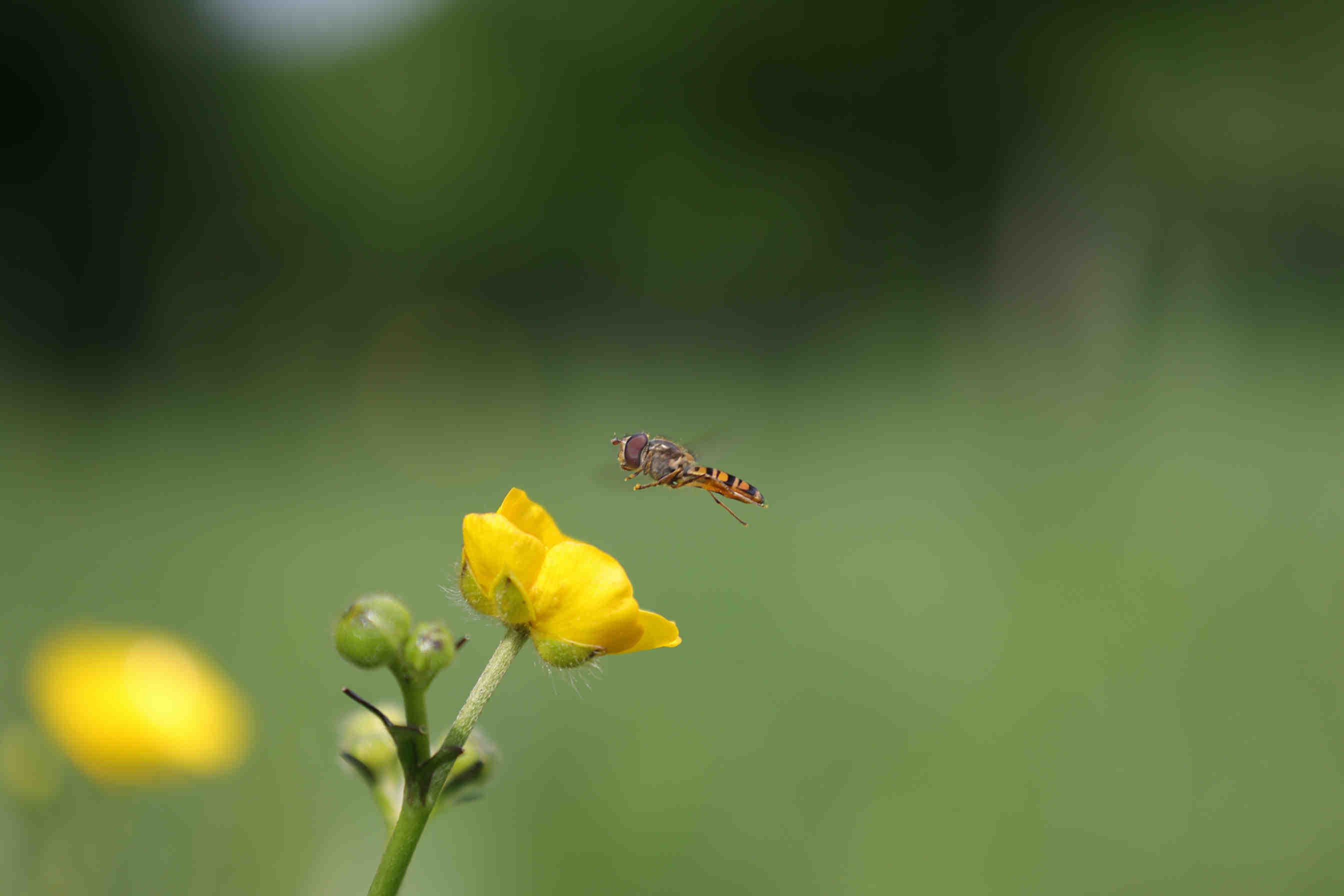
    When it is said that a group of organisms are good bioindicators, it means that they are animals that, by their presence or absence, make it possible to obtain information on the health status of a certain ecosystem. This parameter is very difficult to measure directly because it would be necessary to take into account all living organisms present within the environment concerned, which is almost impossible. For this reason, bio-indicator organisms come to the rescue, such as Syrphids, which are able to respond to specific environmental changes, giving us an indication of what the problems in an environment may be.
    sirfidi bioindicatori

    Myathropa florea, the hoverfly Batman

    We have already mentioned that accurately recognising the different species of hoverflies in nature is by no means simple, and almost always even experts have to resort to the aid of a microscope to be able to determine the exact individuals. However, there are some species that, thanks to some of their characteristics, can be easily recognised even by non-experts. This is the case, for example, of the species Myathropa florea, commonly called 'syrphid Batman', commonly found in North Africa and Europe. It owes this name to the pattern of black spots on its thorax, which resemble the silhouette of a bat. It is a species that is widespread in both forest and prairie environments and can be seen flying from May until October. Its larvae are aquatic and therefore have a long siphon that allows them to breathe underwater.
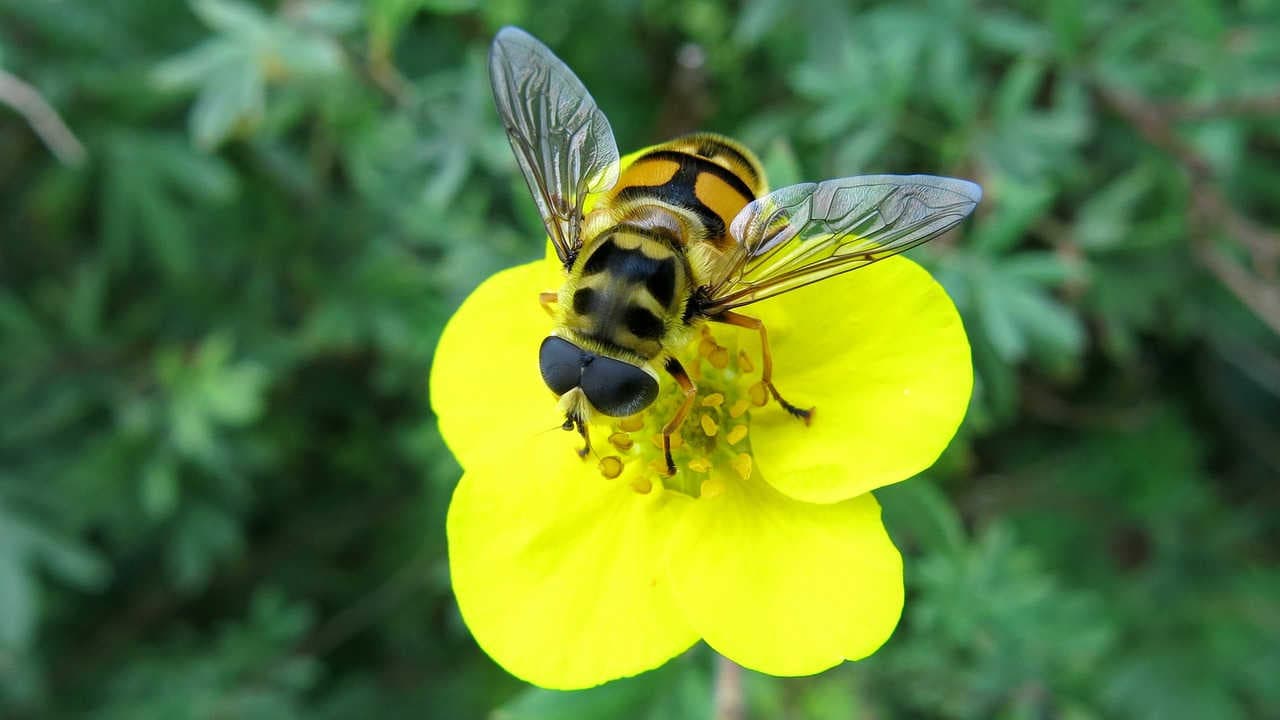
    Myathropa florea

    The case of Microdon mutabilis

    In contrast to adult hoverflies that feed mainly on pollen and nectar, larvae can have very different food habits. One of the most peculiar cases is certainly that of the larvae of the genus Microdon that live inside ant nests, feeding on their larvae or pupae. One example is the larvae of the species Microdon mutabilis, widespread throughout Europe, which parasites the nests of ants of the genus Formica. After the female lays eggs near an ant nest of the Formica genus, these hatch and a snail-like larvae emerges. Once inside the ant's nest, these larvae have a tough shell that allows them to avoid being attacked by ants and to feed on their offspring undisturbed.
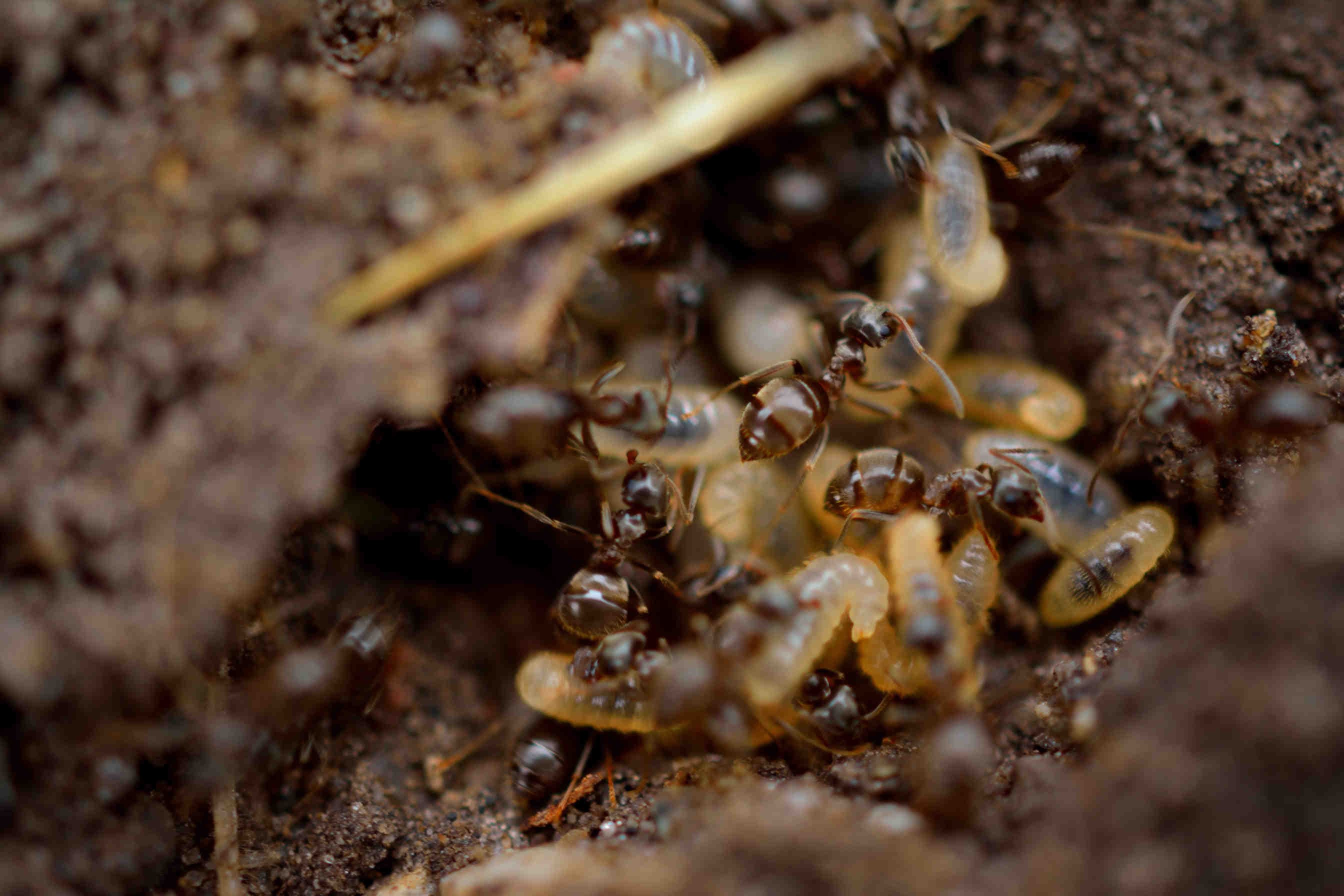
    Microdon mutabilis

    Milesia crabroniformis

    It is not always easy to see a hoverfly due to their small size and because of their mimicry, they can also be easily mistaken for a bee or other hymenoptera. Some species, however, are almost impossible to miss. For example, the species Milesia crabroniformis is certainly among them. Its name is reminiscent of the common name of the species Vespa crabro, which we all know as the Crab hornet. This is because its appearance resembles that of the European hornet in every way, and the loud noise emitted by its wings in flight also brings this insect to mind, but unlike the hornet, M. crabroniformis is absolutely harmless because it has no sting (just like all other hoverflies).
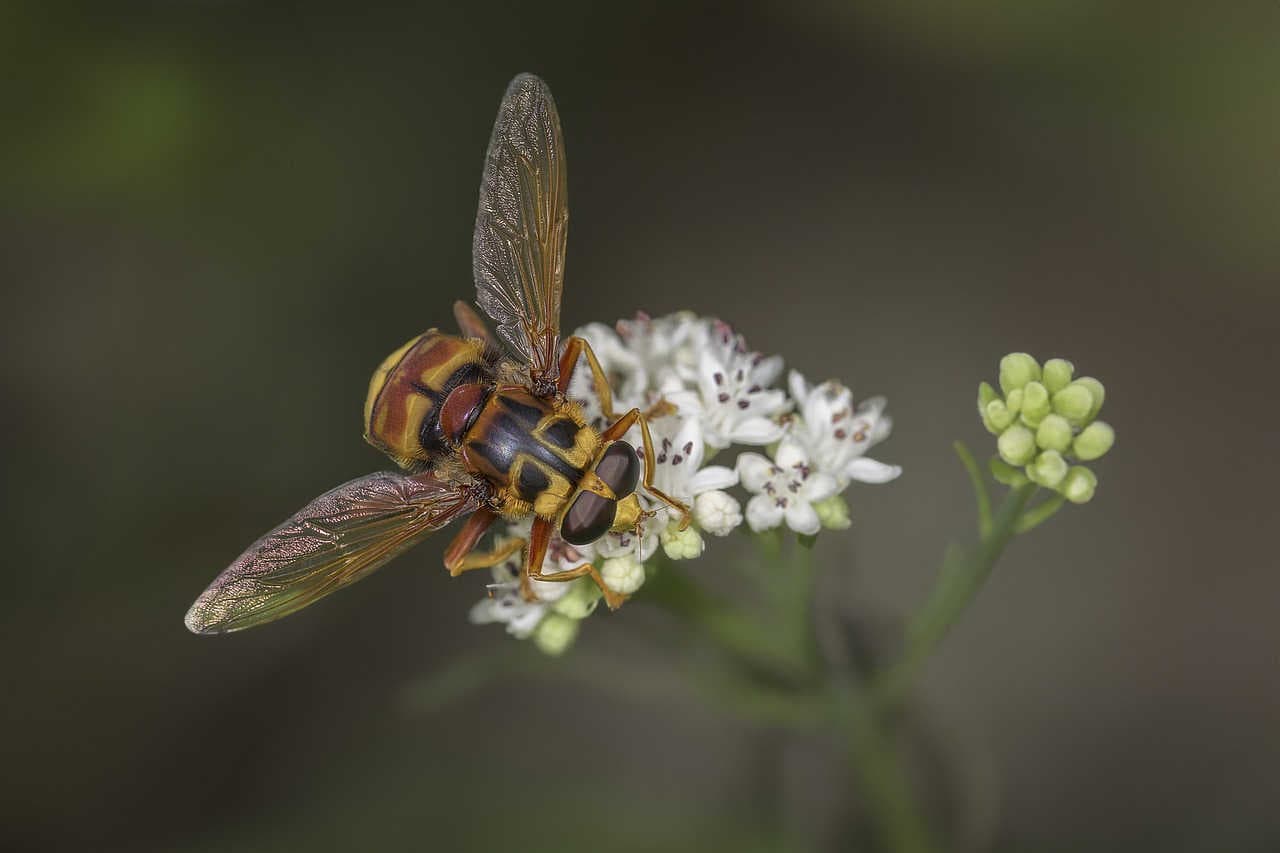
    Milesia crabroniformis

    Il progetto Syrph the Net

    In the late 1990s, a database called Syrph the Net was devised: a tool to assess the health of ecosystems using Syrphids as indicators. The starting point of this project is that different species of Myrphidae are associated with particular habitats, each of which therefore presents a well-known community. The project wants to convey the concept that it is not enough to know the absolute number of species of Hoverflies in a habitat in order to know its status, but rather the relationship between the number of species actually found and those potentially present is important. This is the only way to get an idea of the status of biodiversity present in a given habitat. Although developed on the Hoverflies, the philosophy of the database can be extended to any other group of bio-indicators. Another example of a project to protect biodiversity and pollinators is that of the Biodiversity Oases of 3Bee.

    Article by Marta Depetris

    sirfide
    08/11/2023Of 3Bee, Elena Fraccaro
    2388 Views
    Newsletter
    newsletter
    Subscribe to the Blog about bees and biodiversity

    Frequently Asked Questions

    Do you have any doubts or other curiosities about this article? Here you will find some insights