Niche Construction: environment and organisms evolve together
    OrganismiEvolutionNicheBeavers

    Niche Construction: environment and organisms evolve together

    Tradition has taught us to see evolution as a passive adaptation of species to pre-existing environments. Niche Construction Theory, on the other hand, emphasises how the life activities of organisms can modify the environment and influence their own evolution. Learn more.

    Read the article
    30/06/2024Of 3Bee, Chiara Pertile
    913 Views
    30/06/2024Of 3Bee, Chiara Pertile
    913 Views

    Organisms as subjects and not objects of evolution

    According to the great geneticist Richard Lewontin one of the most serious mistakes of the dominant evolutionary thinking in the 20th century was to focus exclusively on the study of genes, considered the only unit on which natural selection acts, and on changing gene frequencies in populations. This approach reduced organisms to mere objects of evolution, ignoring the crucial role of their metabolic and behavioural activities. On the contrary, in order to biologically explain all the properties of living beings, Lewontin argues that organisms should be considered as active subjects of their own evolution, analysed in an environmental context that is not abstract and pre-existing, but changing with them. According to the author, the most correct metaphor to describe life is in fact not adaptation, but construction.
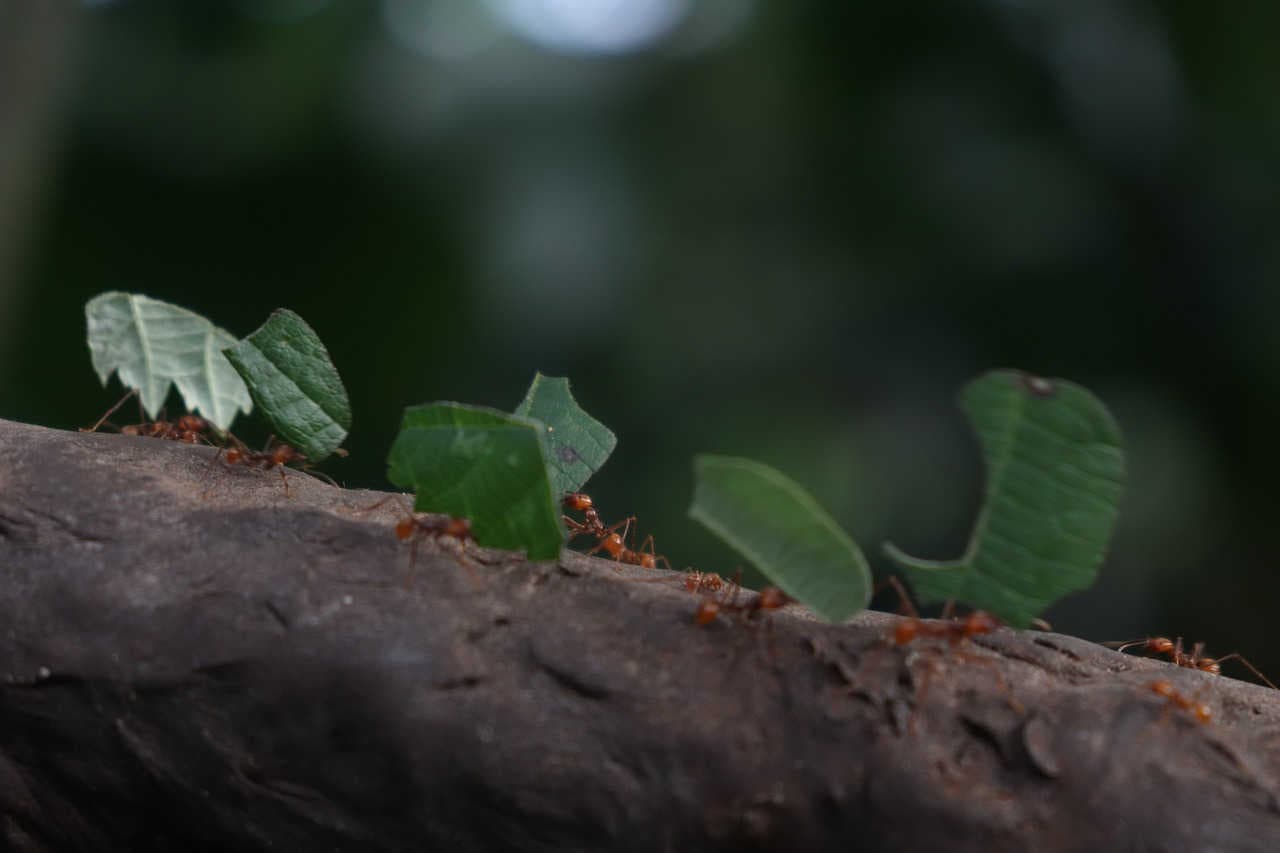
    formiche mangiafoglia

    The evolutionary roles of the organism

    In the early 2000s, the Niche Construction Theory inherited and expanded this metaphor of evolution as construction. In the text 'Niche Construction: The Neglected Process in Evolution (2003)' - considered to be the main reference point for defining niche construction theory - Marcus Feldman, John Odling-Smee and Kevin Lala state that while the first evolutionary role of organisms, i.e. being 'carriers' of genes, has been widely discussed in evolutionary studies, it is now necessary to focus on their second evolutionary role. The Niche Construction Theory has the task of doing this: living beings in fact take energy and resources from the environment, build artefacts, emit debris, die in it and, by performing these activities, modify the selective pressures present in their own environment and that of other species, representing a causal factor in the evolution of living things.

    costruzione di nicchia
    XNatura

    The theory of niche construction

    All the behavioural and metabolic activities of a biological population (e.g. building a termite mound) play a very important role in evolution: they change ecological niches, influencing both environmental resources and selective pressures, which in turn retroact on the organisms themselves, influencing their evolution and that of other niche inhabitants. Ambodies actively change their environment and environments selectively change organisms. According to Niche Construction Theory, moreover, organisms would not only inherit a genetic make-up, but also a modified ecological niche, where they are born, live and through which selective pressures act. It is thanks to the concept of ecological inheritance that this theory takes on evolutionary as well as ecological value.

    castoro

    Examples of niche construction

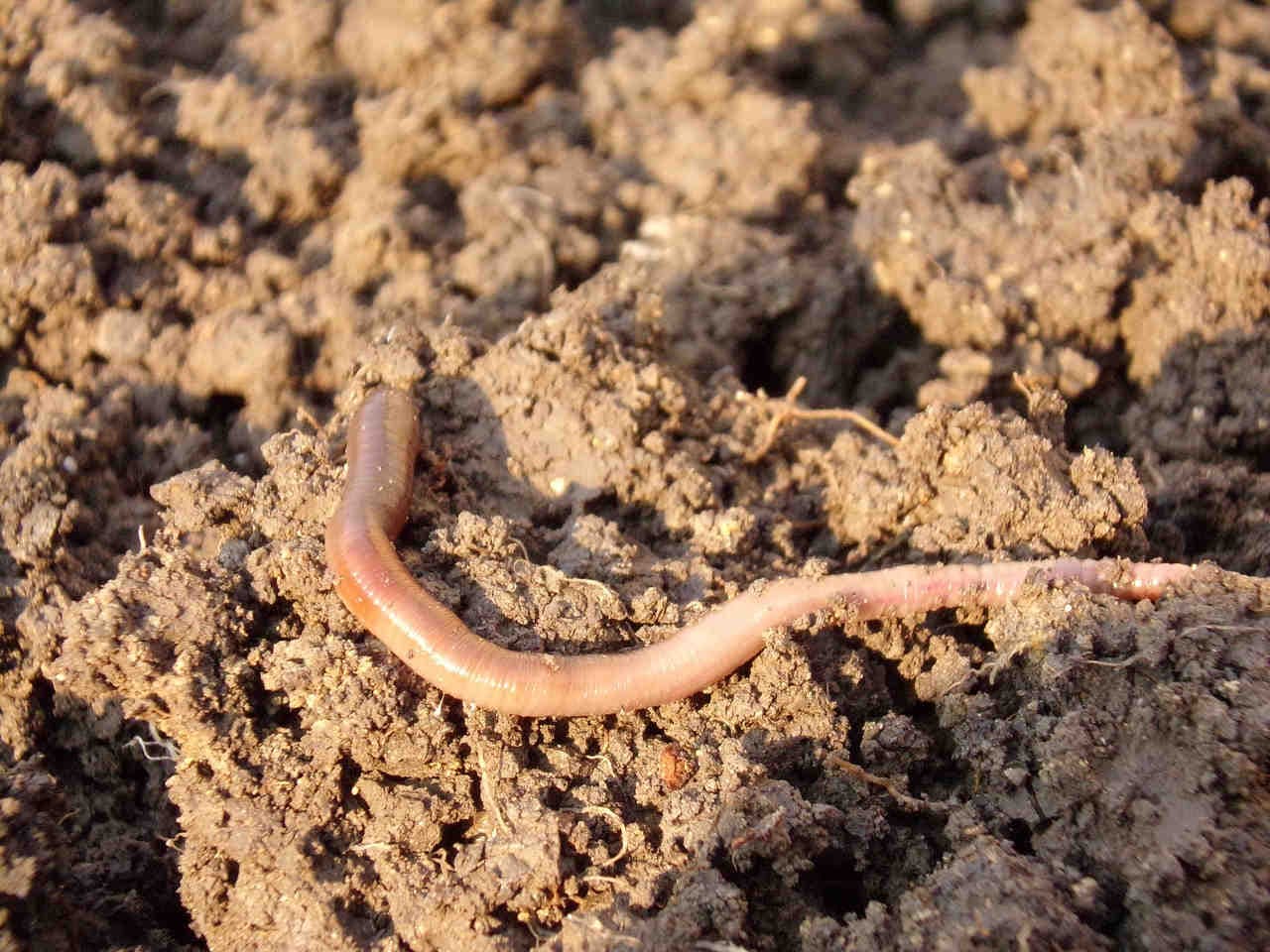
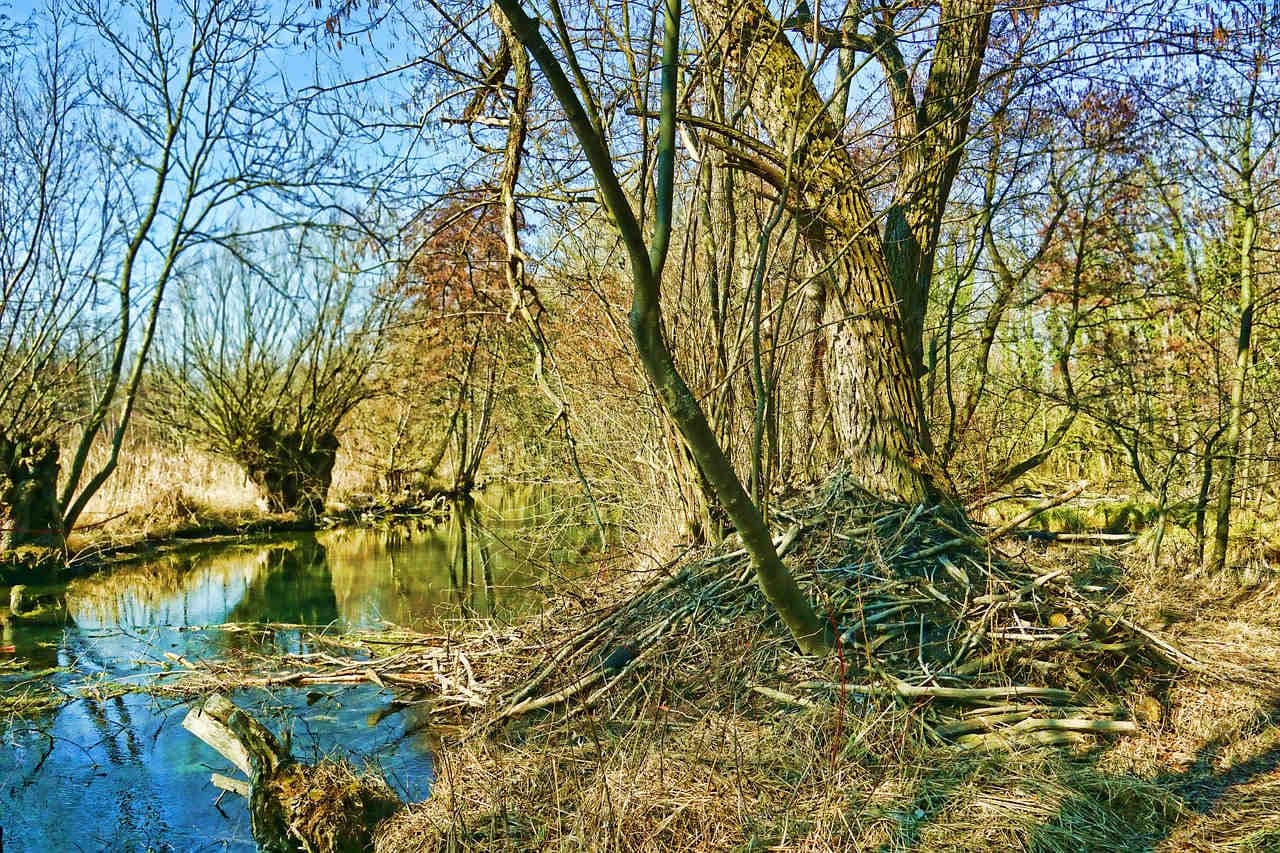
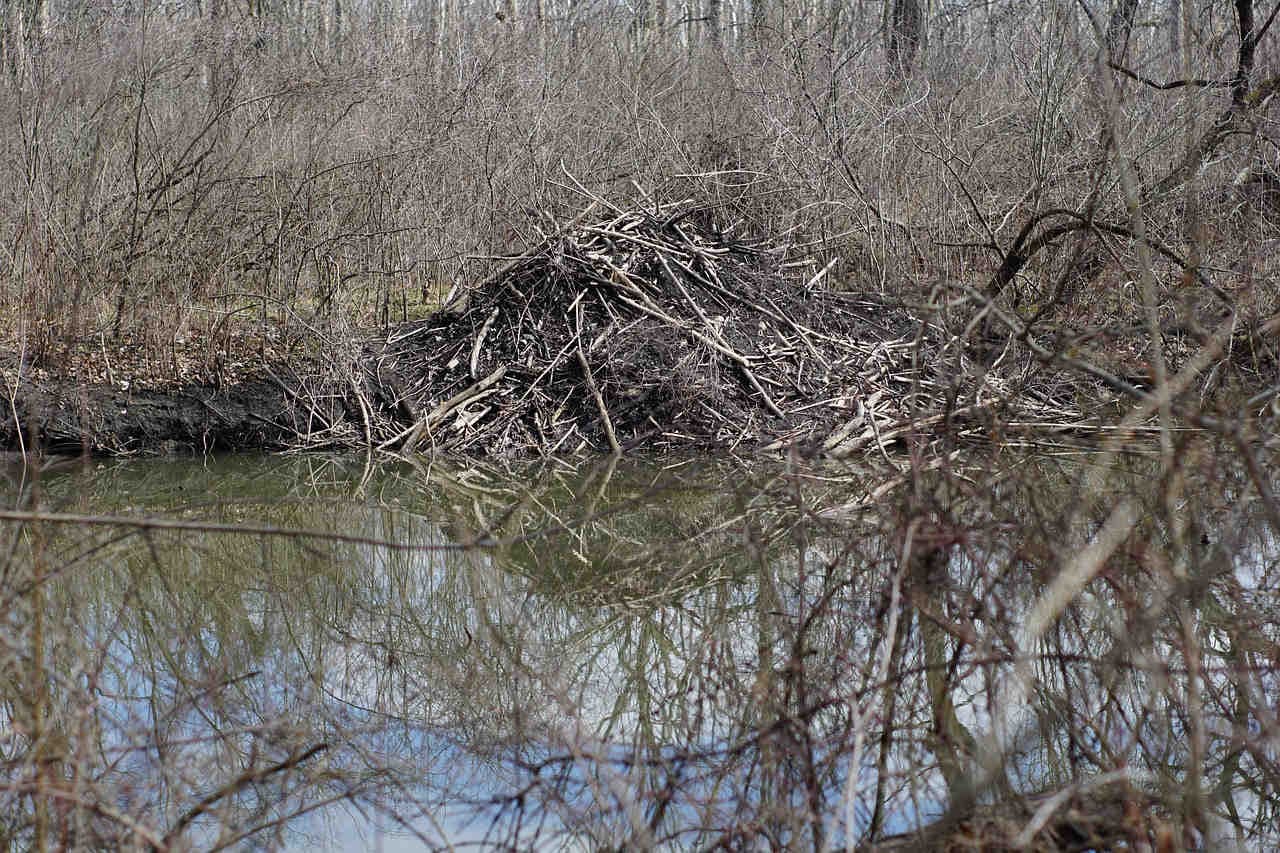
    A classic example of niche construction is provided by beaver. These animals not only inhabit aquatic environments, but actively transform them by building dams. These structures alter watercourses, create new habitats and influence local biodiversity. Beaver dams can lead to the formation of ponds that are home to a variety of plants, fish and other animals that would otherwise find no suitable habitat. In this way, beavers not only create a more favourable environment for themselves, but influence the entire ecosystem. Another fascinating example concerns earthworms. These invertebrates, through their digging and decomposition activities, change the structure of the soil, improving its fertility. This not only facilitates the growth of specific plants, but also the availability of nutrients for other species, demonstrating how niche construction can have cascading effects on entire ecosystems.

    lombrico suolo
    XNatura

    Different types of niches

    Direct modification of the environment is not the only way in which niche construction theory operates. In fact, one can distinguish 'disturbative niches' from 'relocalised niches'. In the former case, the organisms modify one or more factors of their physical environment, while in the latter, the inhabitants move away from where they live, thus exposing themselves to new environmental factors. In several episodes, niche construction can be both disruptive and relocative. Furthermore, two different contexts in which the organisms' activity occurs can be analysed: a 'departure' and a 'contrast' context. A 'starting' context occurs when the organism initiates a change in one or more factors of its environment, while a 'contrasting' one occurs when the organism reacts to changes in the external environment. Finally, niche construction does not always generate positive effects: it can sometimes be detrimental to the organisms' fitness.

    ecosistema diga
    3Bee

    Feedback evolutivi

    One of the most interesting aspects introduced by Niche Construction Theory is the concept of reciprocal causality in biology. As we have seen, when organisms modify their environment these modifications can create new selective pressures that affect the very evolution of its inhabitants. These feedback loops are common in nature and can lead to a coevolution between species and their environment, where environmental changes created by organisms drive new evolutionary adaptations. In this context, evolution becomes a two-way process, where organisms and environments influence each other in a continuous dynamism.

    diga castori

    Complexity and conservation

    The Niche Construction Theory invites us to view evolution as a dynamic interaction between organisms and the environment. Recognising organisms as active agents in the construction of their niches opens up new avenues for scientific research and offers valuable tools to address the environmental challenges of our time. Indeed, understanding how species modify their environments can help forecast ecosystem responses to environmental changes, such as those induced by global warming or deforestation. Recognising the complex intertwining of organisms and the environment shown by niche construction theory offers scientists new tools to develop more effective strategies of environmental conservation. For example, the restoration of degraded ecosystems could benefit from the introduction of certain species that, through niche construction, can recreate the necessary conditions for ecosystem revival.

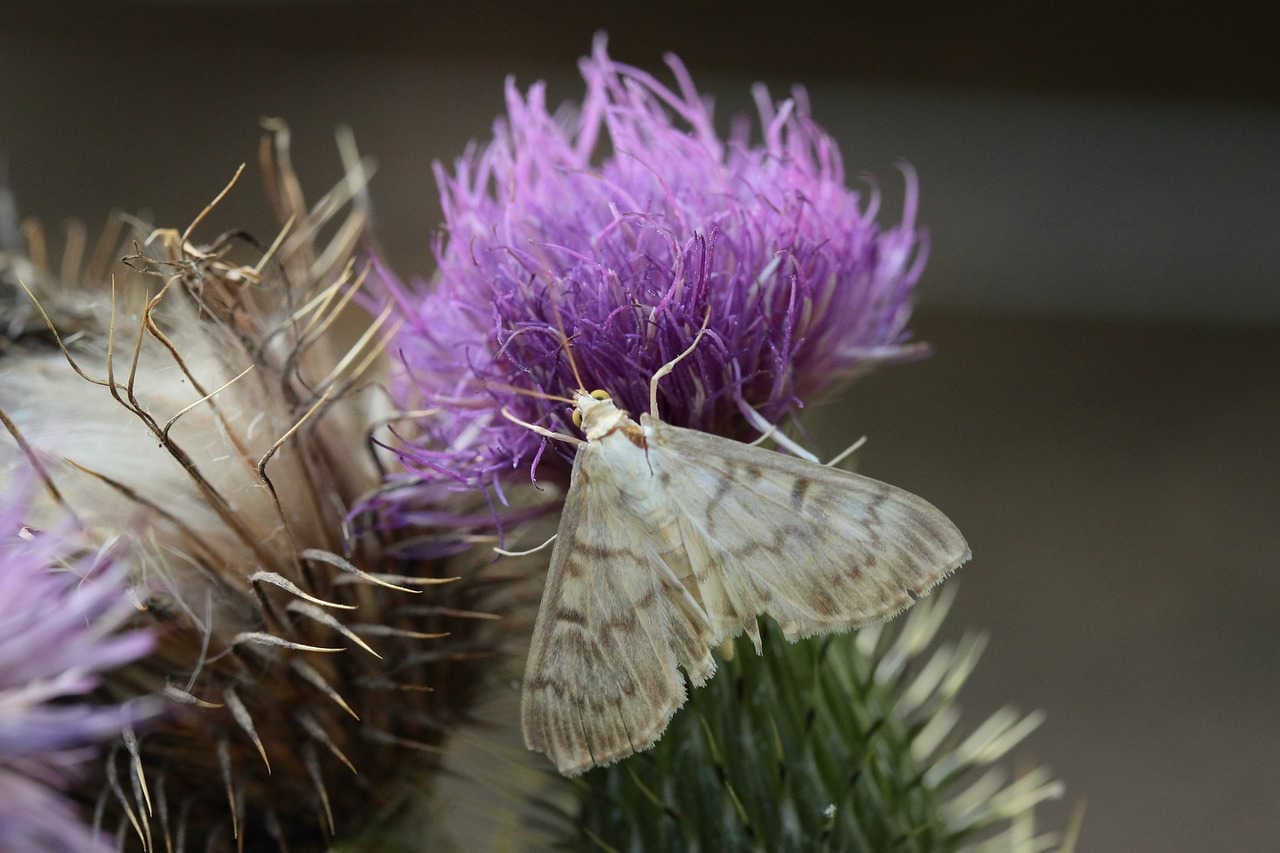
    farfalla

    Pollination niches

    According to the study 'Niche Perspectives on Plant-Pollinator Interactions', it is indeed necessary to integrate the little-exploited niche concept to study the role of pollinators in plant evolution and reproduction. Indeed, it is well known that pollinators and plants are involved in important phenomena of co-evolution and evolutionary feedback. However, human activities, such as intensive agriculture, habitat loss and pesticide use, can disrupt these co-evolutionary relationships and damage pollination niches, creating negative effects on the health of these animals and the survival of plants dependent on their pollination. Consequently, understanding these phenomena through the perspective of Niche Construction Theory and protecting the niche interactions between plants, pollinators and the environment is essential for the conservation of biodiversity and for ensuring the productivity of ecosystems.

    biodiveristà campo
    30/06/2024Of 3Bee, Chiara Pertile
    913 Views
    Newsletter
    newsletter
    Subscribe to the Blog about bees and biodiversity

    Frequently Asked Questions

    Do you have any doubts or other curiosities about this article? Here you will find some insights