What is biodiversity and its role in the ecosystem
Disclaimer: this is an automated translation from Italian. Go to the original article.
The
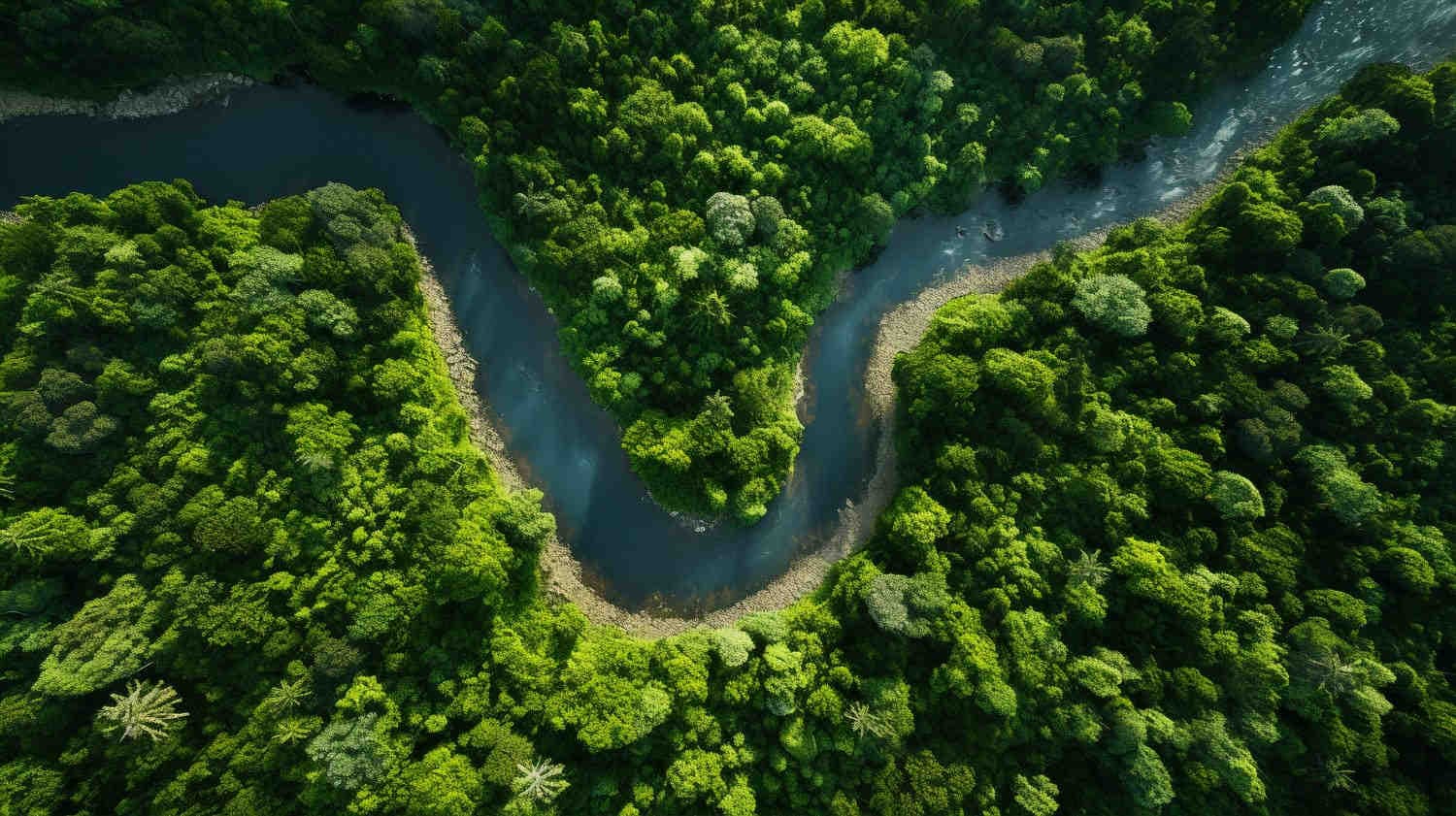

Biodiversity is an essential pillar for the global economy and corporate sustainability. Understanding and monitoring the impact of production activities on ecosystems is crucial today to mitigate operational risks, comply with regulations, and strengthen stakeholder trust.
Read the articleDisclaimer: this is an automated translation from Italian. Go to the original article.
The
Biodiversity is not just an environmental issue: it is a fundamental asset for the functioning of global economies. The natural resources derived from biodiversity are the backbone of entire production chains, from the agri-food and energy sectors to the pharmaceutical one. For example, over 50% of the world's GDP depends on healthy and resilient ecosystems, which provide raw materials, essential services such as pollination and climate regulation, and natural solutions to tackle global challenges like climate change. For companies, neglecting the importance of biodiversity means exposing themselves to operational, reputational, and financial risks. The loss of biodiversity can lead to a reduction in available resources, an increase in raw material costs, and growing regulatory pressures from governments and investors.


In recent decades, human activities have exerted unprecedented pressure on natural ecosystems. According to the IPBES (Intergovernmental Science-Policy Platform on Biodiversity and Ecosystem Services), about one million animal and plant species are at risk of extinction, many within the next few decades. The main causes include changes in land use, pollution, exploitation of natural resources, and the introduction of invasive species. Companies, often considered among the main culprits of
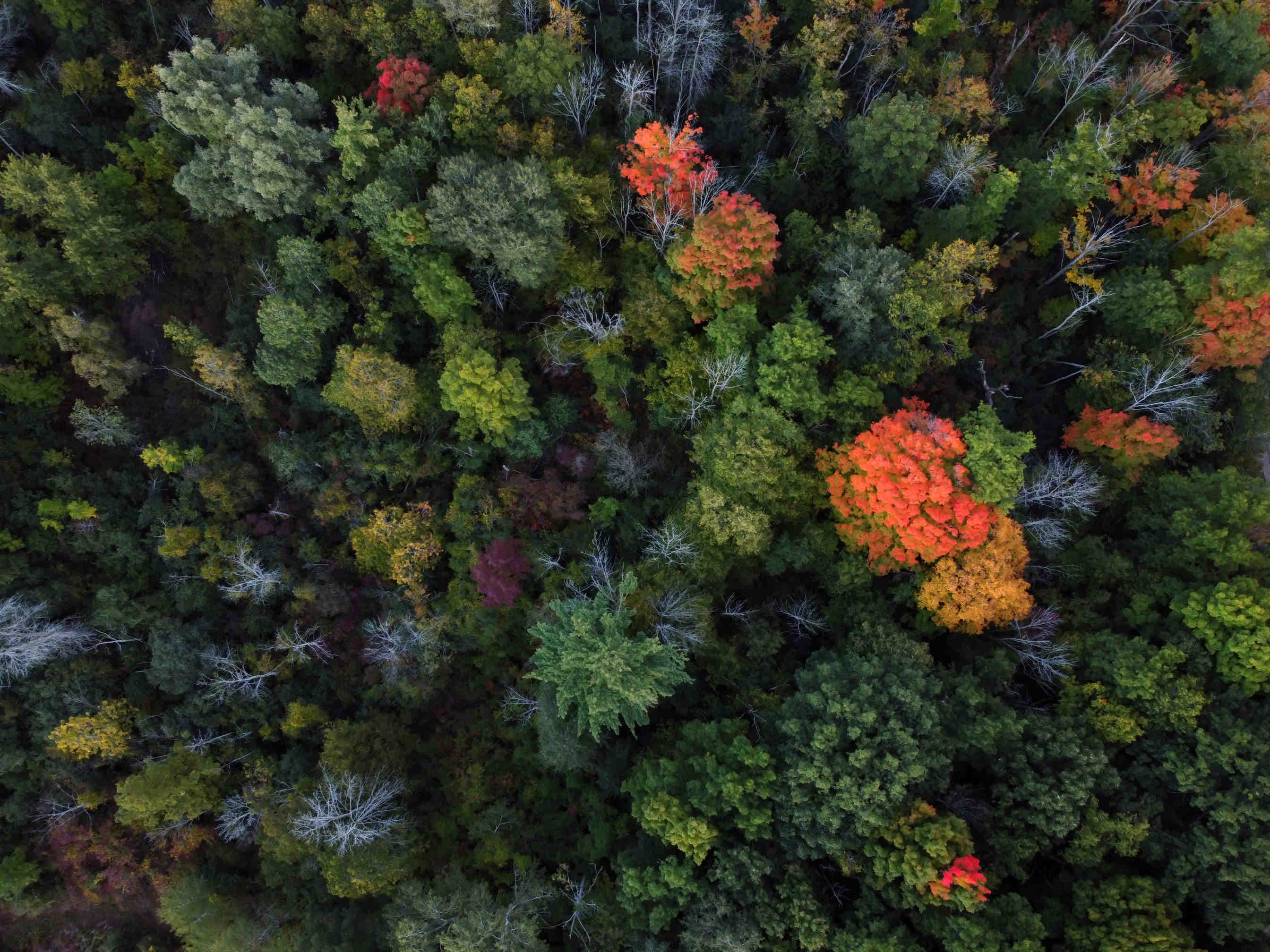
In response to increasing pressure from governments, investors, and consumers, companies are adopting more transparent practices to


In this context, the 3Bee's XNatura platform is used, allowing municipalities, companies, and natural parks to monitor impacts and dependencies on nature to define a tailored climate strategy, while ensuring regulatory compliance. The platform assigns a risk score that identifies sites needing priority interventions, facilitating


Do you have any doubts or other curiosities about this article? Here you will find some insights