What is Biodiversity Net Gain?
Biodiversity is increasingly becoming a watchword as we strive to balance the needs of a growing human population with the intrinsic value and

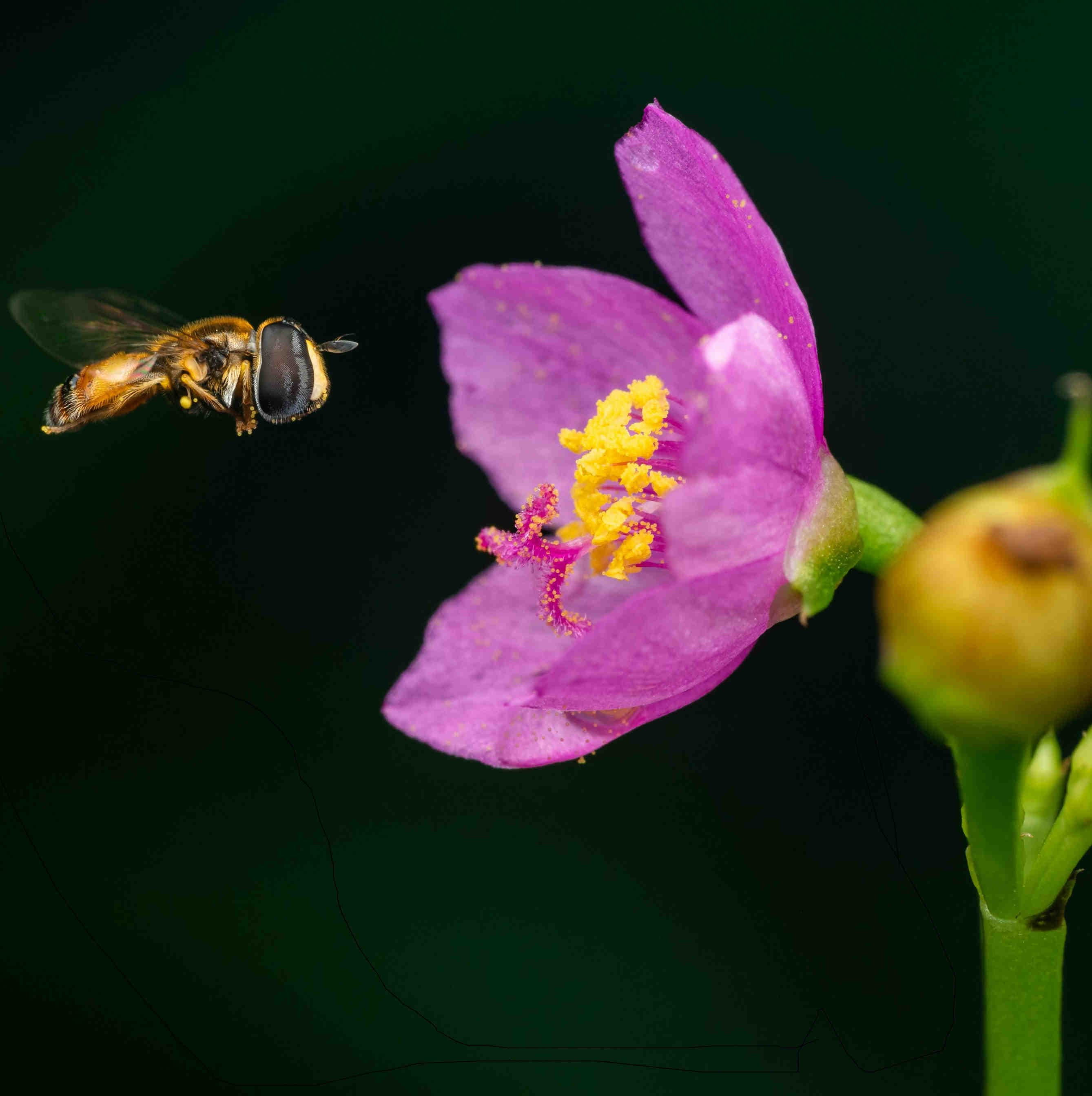
Biodiversity Net Gain legislation needs to deliver for key groups in ecosystems. England is leading the way with its new legal framework, but are the plans likely to provide pollinators with a much-needed boost?
Read the articleBiodiversity is increasingly becoming a watchword as we strive to balance the needs of a growing human population with the intrinsic value and
Any moves to make
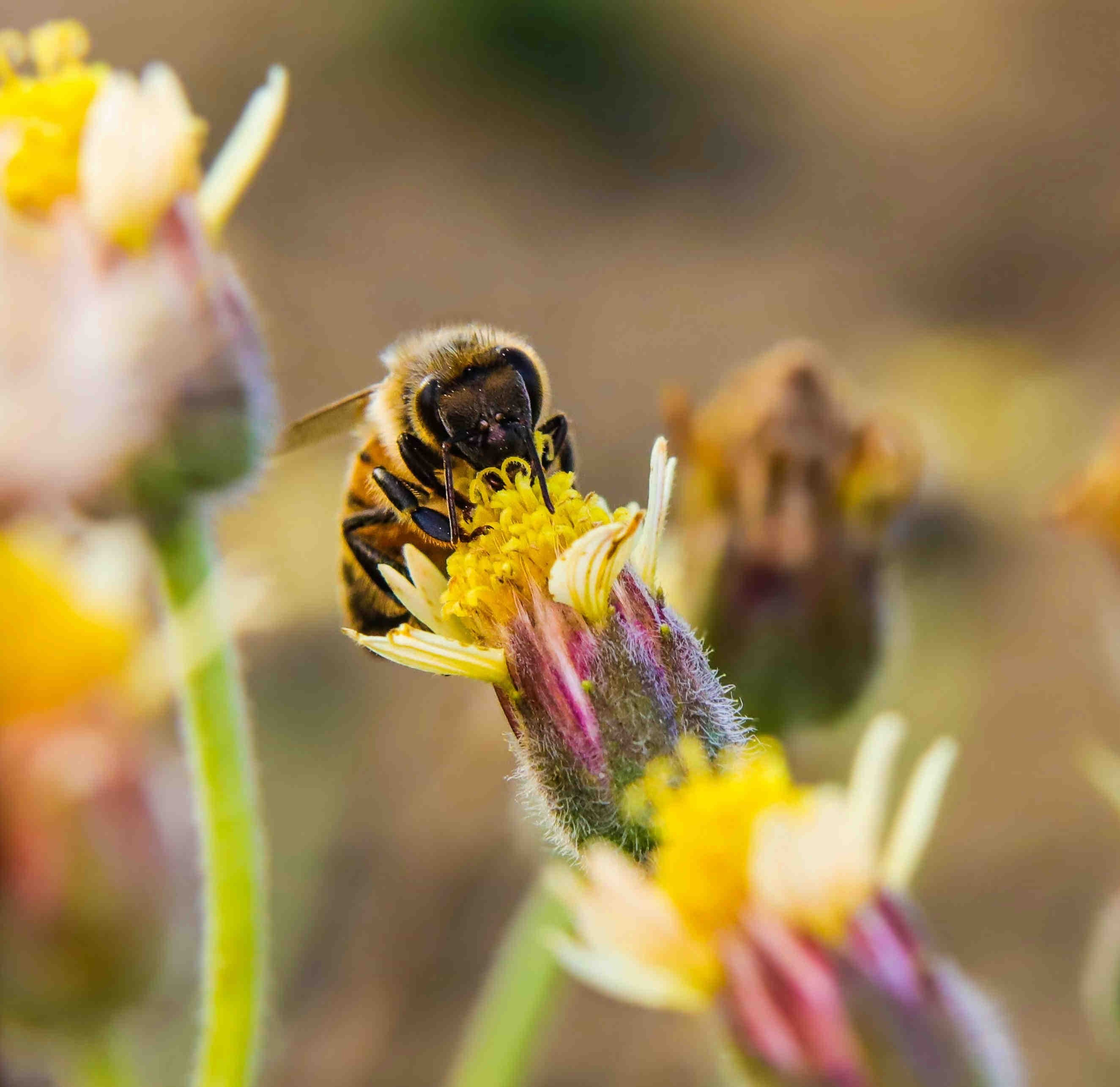

Pollinators need a lot more than just flowers, Ollerton noted. They require supplements from their habitat such as nesting materials, additional food and hibernation sites. Then, they also have specific needs to ensure successful

New work led by Natalie Duffus at the University of Oxford has brought further suggestions about how BNG can pack a punch for the small creatures delivering vital ecosystem services. As it stands, the current legislation represents something of a “missed opportunity” to bring significant change for the fortunes of


Duffus agrees with Ollerton that the diverse life histories of pollinators are another factor which needs greater consideration. This means that they can often depend on a mosaic of habitats, with examples including hoverflies that depend on both stagnant water for juvenile development and flowers for feeding as adults, as well as species which use both flowers and rotting wood or coppice stools. Connecting the elements of the mosaic effectively brings even greater value, and indeed, features that enable movement introduced as part of
With opportunities to review and refine England’s BNG policy, all is far from lost. Changes could look to align BNG more effectively with England’s National Pollinator Strategy, for example, Duffus said, ensuring that what is effectively a compensation scheme for nature delivers to broader conservation objectives. To achieve this alignment, another crucial consideration is the need to
Projects engineered to bring increased biodiversity come in a range of sizes. This is often dictated by whether sites are in urban or rural areas, and this is particularly pertinent in the realm of BNG, where net gain is either achieved on site, where development is taking place, or offsite at specialist locations for

With hundreds of countries implementing or exploring BNG, how might new adopters seek to either implement or change elements of the work so far in England? Duffus thinks that the feature most worth replicating is that the scheme starts with a

There also need to be experts involved from the earliest possible stage in designing

Do you have any doubts or other curiosities about this article? Here you will find some insights