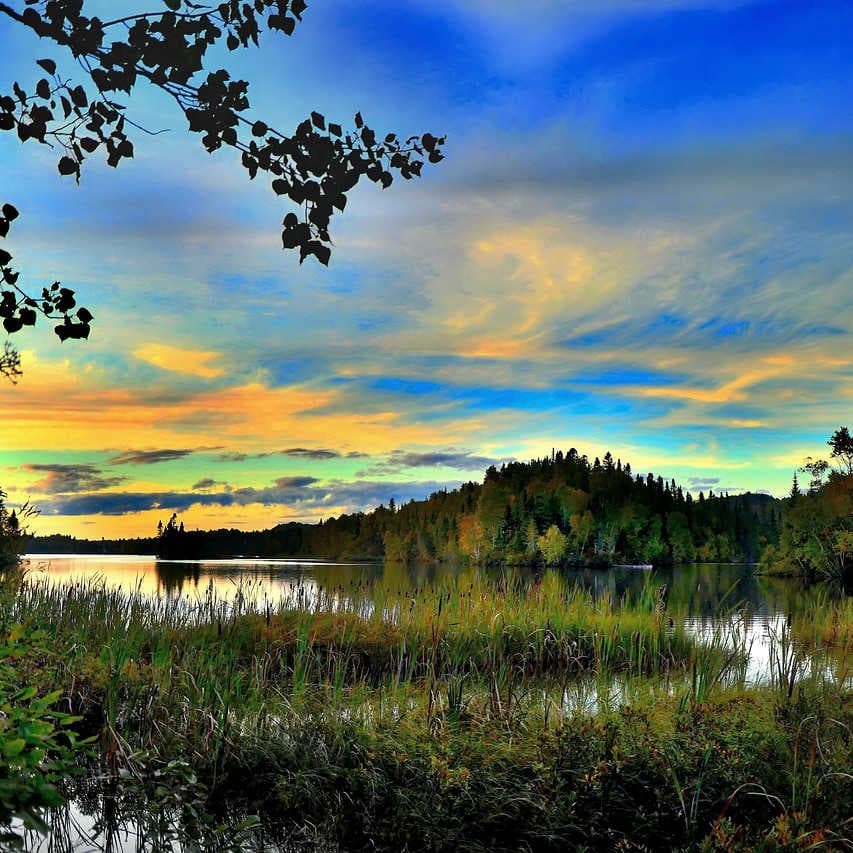
Low water clarity damages the greater strolaga
    ClimaImpactStudioResults

    Low water clarity damages the greater strolaga

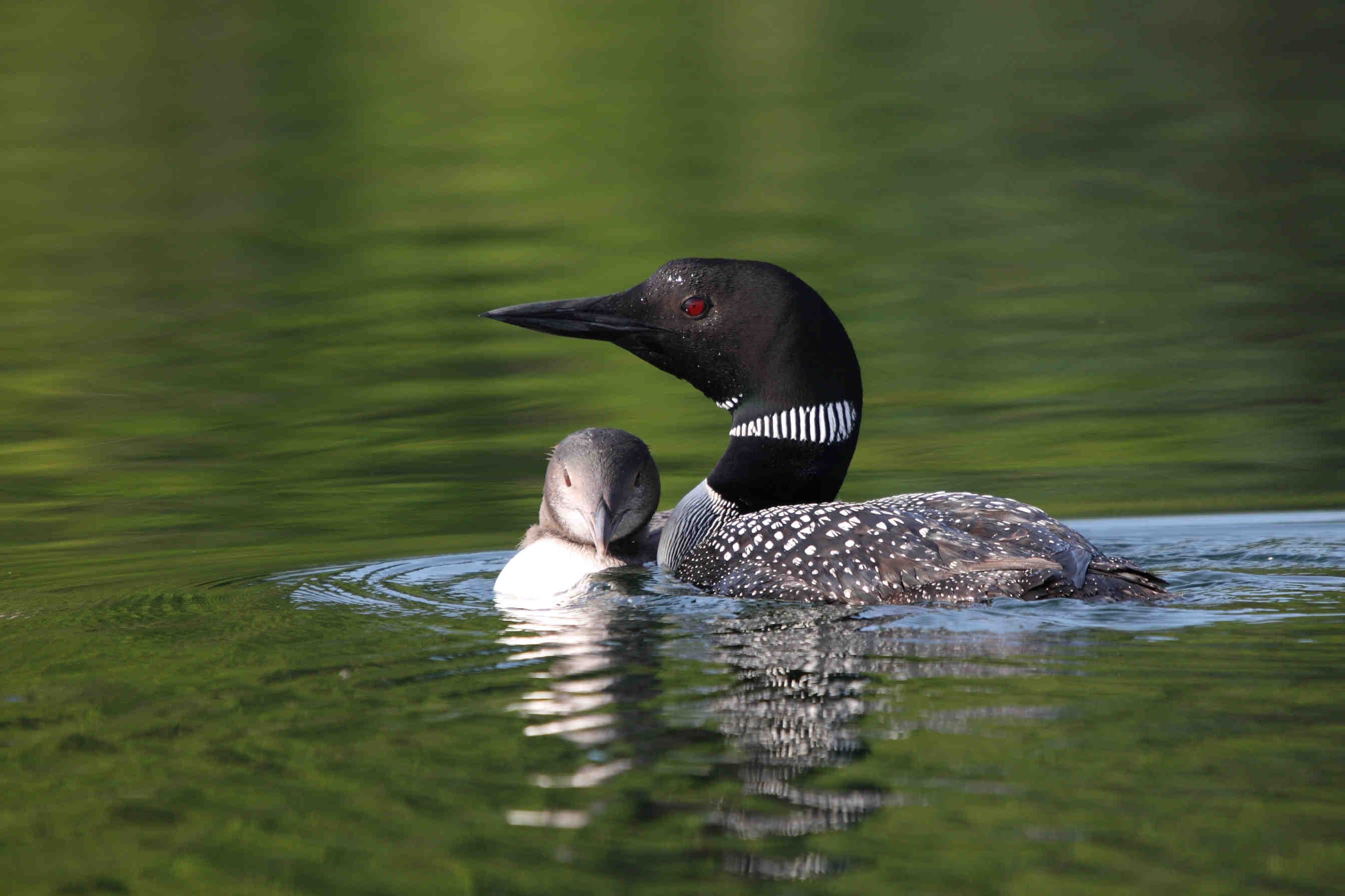
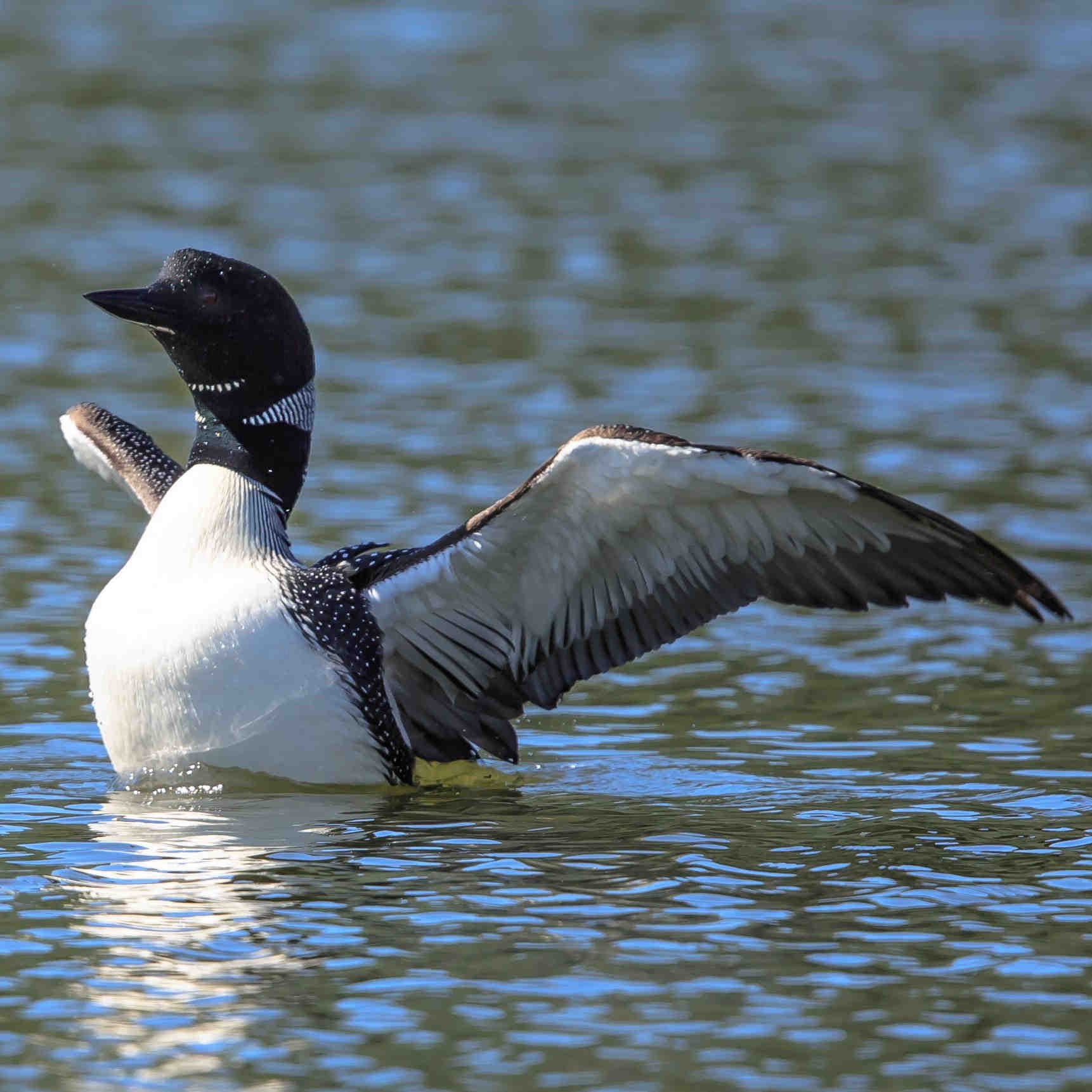
    Climate change is altering the environment extremely rapidly, not allowing living beings to adapt in time to the new environmental conditions. One example of this is the Great Loon, an iconic bird whose populations are declining dramatically.

    Read the article
    24/04/2024Of 3Bee, Alessia Mircoli
    411 Views
    24/04/2024Of 3Bee, Alessia Mircoli
    411 Views

    The hidden effects of climate change

    It is now evident that climate change is a phenomenon that has rapidly disrupted environmental balances, severely impacting ecosystems. However, the mechanisms through which it affects individual species are not as easy to identify. One strategy to highlight them is to identify a specific ecological factor related to the survival or reproduction of a certain species and determine how this is affected by the climate. This is the background to a new research study, the results of which have been published in Ecology, which features the Major Strolaga (Gavia immer). This is a diving bird that hunts fish and other prey, whose populations have declined sharply due to a very specific environmental condition: water clarity.
    lago

    The impact of precipitation on the Strolaga Maggiore

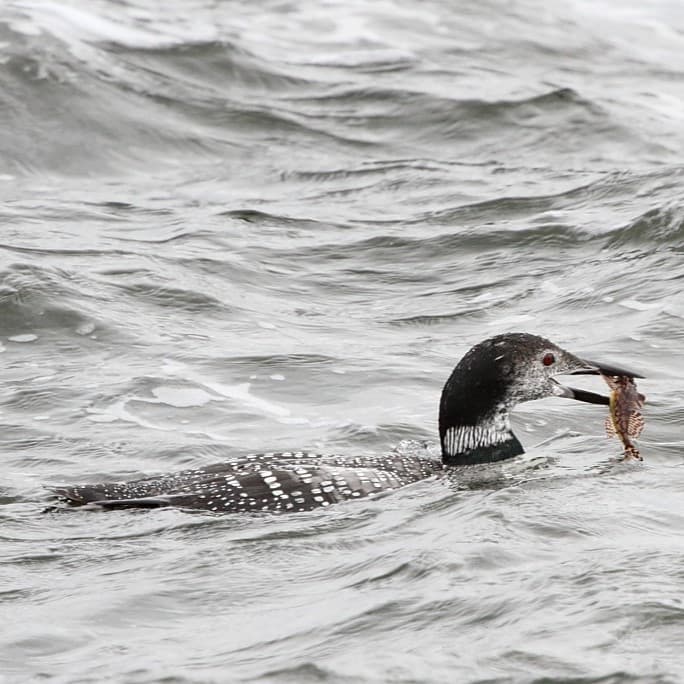
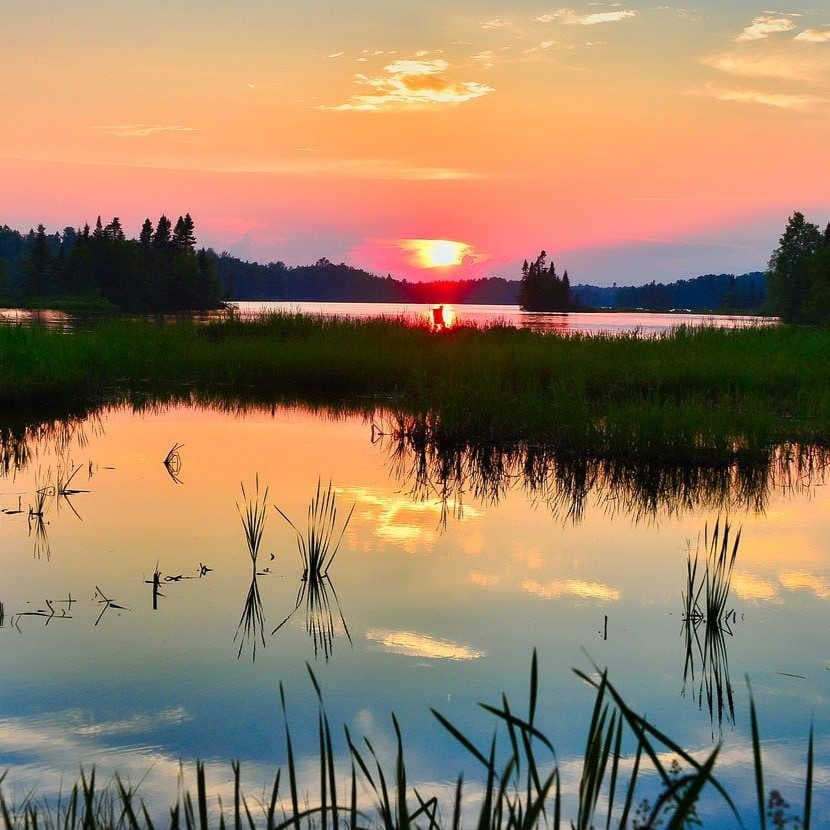
    The major damselfish breeds in freshwater lakes from eastern Alaska to northern Canada, including portions of 14 US states. Several studies claim that the species prefers bodies of water with high water clarity, and it has also been shown that it dives for longer periods when this condition occurs in winter. The team of researchers showed that the precipitation in July results in reduced water clarity which, in turn, makes it difficult for adults to locate and catch their prey underwater. This results in a failure to feed their chicks and, consequently, a higher probability of mortality of the latter. These results were obtained by studying populations in northern Wisconsin, but the situation is likely to be the same in other areas of the species' range.

    strolaga pesca
    XNatura

    The study

    To arrive at this result, the research team studied an area comprising some 200 glacial lakes. These are home to 105-120 breeding territories, representing about 8%-10% of the total breeding population in Wisconsin. Here, scientists have captured, weighed and released many of the individuals found there. They also developed a model using the R programming language to calculate the average water clarity in June and July specific to each territory and year. Finally, they acquired post-processed data on air temperature and precipitation and also assessed the impacts of humans on the areas examined.

    dati

    The results of the study

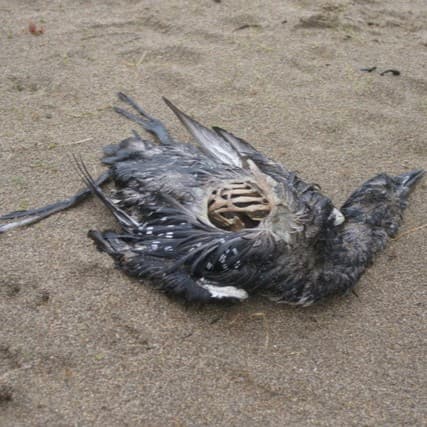
    The analysis of the data led the researchers to a triggering realisation. Over the past 25 years, there has been a steady drop in water clarity: an average of 0.022 m per year, which equates to a cumulative drop of 0.59 m from 1995 to 2021. Through further analysis, the researchers were able to identify the average water clarity during July, the fastest growing month in the chicks. Their mass is closely linked to this month because, as they cannot fly until they are 11 weeks old, they are completely dependent on the care of their parents and the food the latter manage to procure for them. They discovered, finally, that the precipitation that occurs during this period negatively affects water clarity. This phenomenon observed in recent decades, attributed to climate change, hampers the greater forkbeard in feeding its offspring and decreases the survival rates of the chicks.
    strolaga morta
    XNatura

    Why does water clarity vary?

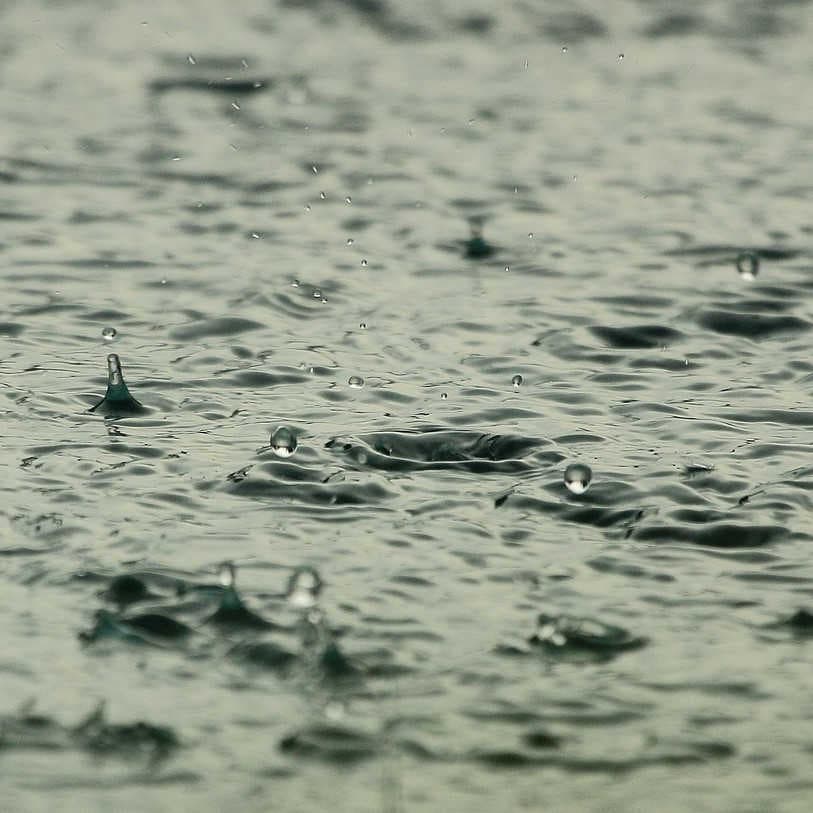
    It is evident, therefore, that due to the alteration of the climate, the month of July is characterised by the presence of heavy rain, which makes the water less clear. However, it is not as clear why the water 'gets dirty', which is currently being studied. The authors of the research suggest that rain could transport dissolved organic matter (DOM) into lakes from adjacent streams and coastal areas. But it is also possible that nutrients (such as fertilisers used on lawns by lakeside residents), waste from domestic animals or even leaks from septic systems are to blame. in any case, further investigations are needed before a firm conclusion can be reached.
    gocce acqua
    3Bee

    Unity is strength

    This study is the perfect example of how necessary collaboration between different sectors and specialisations is to ensure the preservation of biodiversity. The 30-year study of the behavioural ecology of these birds in northern Wisconsin intersects with current research on the clarity of freshwater lakes. The researchers say that the aim now is to carry out similar research in Minnesota to see if, just as happened in Wisconsin, the recent decline in breeding success of the loon stems from water clarity. Further efforts to identify specific environmental factors linked to climate change that reduce species fitness could help assess the ability of species to adapt toclimate change and identify populations unable to adapt.
    strolaga in acqua

    Lakes as sentinels of climate change

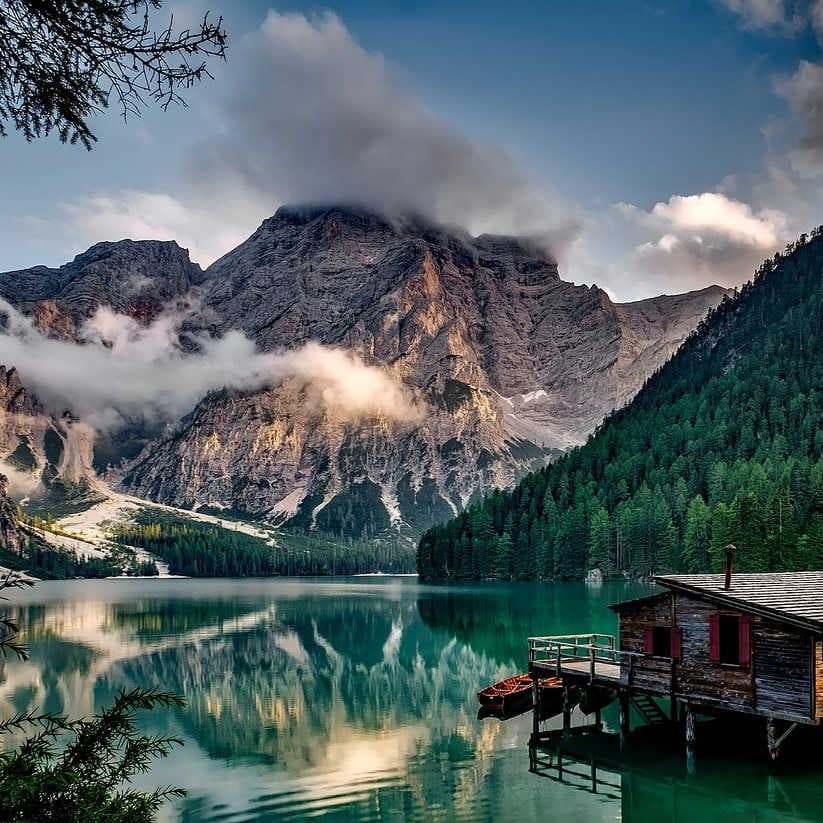
    Unfortunately, the bad news is not over. With increasing precipitation and temperatures in the Upper Midwest, a decrease in water clarity is expected in this region as well. This will presumably translate into a decline in foraging efficiency in the entire guild of freshwater lake predators. Furthermore, as water clarity determines the ability of sunlight to penetrate a lake, temperature patterns, photosynthesis rates, nutrient cycling and primary production in lakes will be greatly impacted, and the entire aquatic community will be affected. Since loss of water clarity is a widespread pattern in northern lakes, we can expect a substantial change in aquatic ecosystems as climate change takes hold.

    lago in montagna

    Eutrophication also changes water transparency

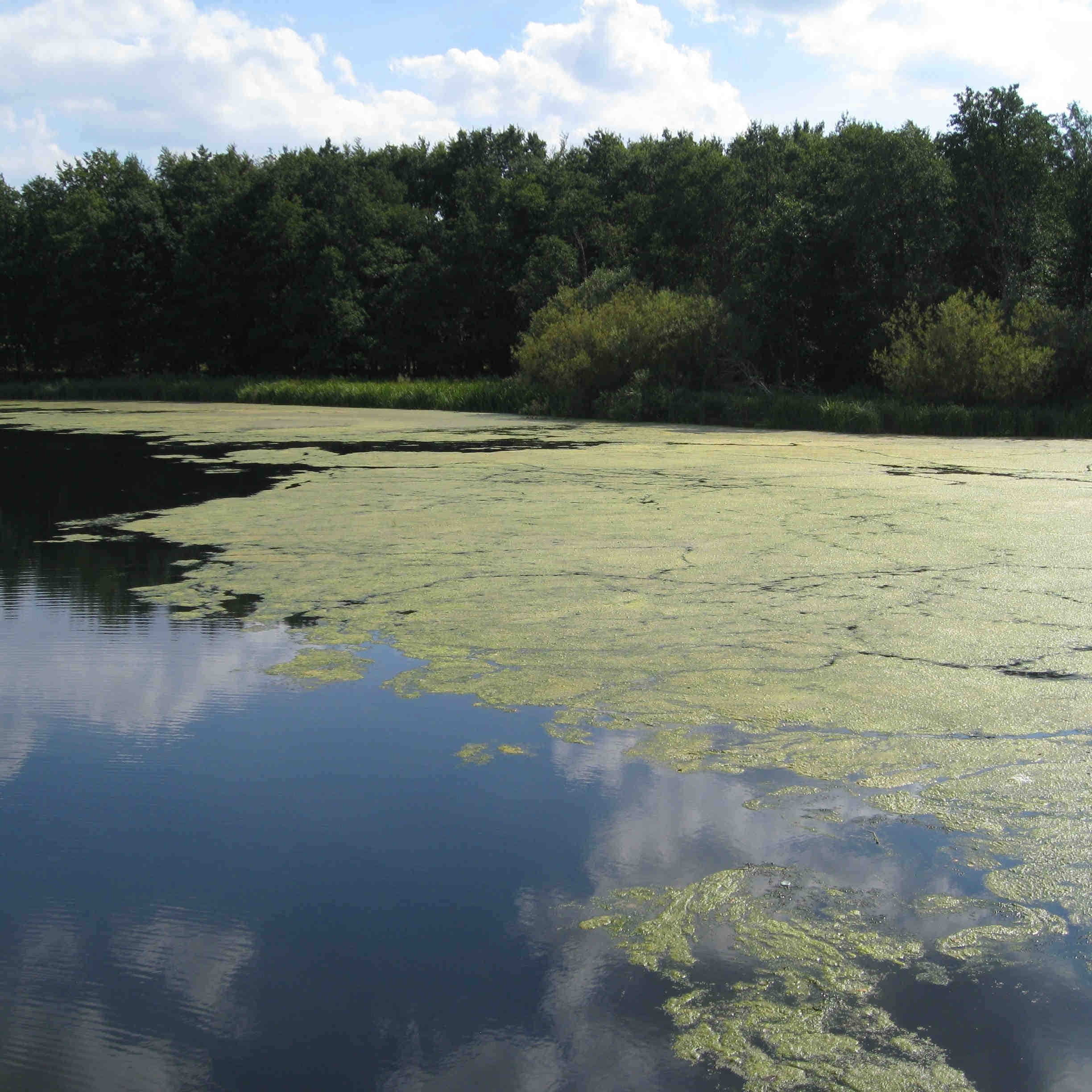
    Lake environments can also be altered by another phenomenon: eutrophication. This is a process of enrichment of fresh waters with nutrients, particularly nitrogen and phosphorous, poured into the waters by discharges of agricultural fertilisers, urban waste and industrial effluents. This causes the exponential proliferation of algae and, consequently, a reduction in water transparency. This causes a reduction in the passage of sunlight and endangers the survival of other plant and animal species living in that environment. Furthermore, when the algae die, the process of decomposition starts, which leads to the consumption of oxygen: reducing the concentration of this gas dissolved in the water increases the phenomena of anoxia leading to the death of aquatic fauna. In summary, eutrophication is dangerous because it alters the ecological balance in lakes, reduces biodiversity and threatens water quality
    lago eutrofizzato

    Further impact of climate change on lakes

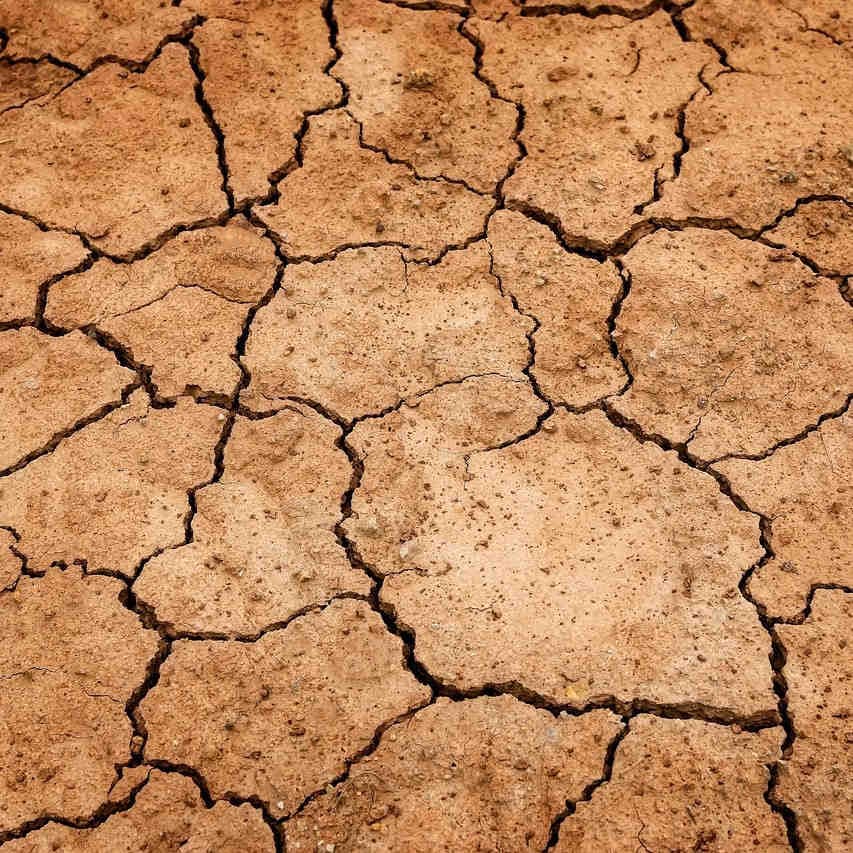
    Wetlands are key ecosystems as they ensure the survival of many species and animals that also use these environments as feeding and nesting grounds. Due to climate change, temperatures have risen dramatically, a situation that is putting a strain on freshwater bodies of water by causing rapid evaporation. A study, in fact, confirms that every year an average of 1,500 cubic kilometres of water evaporates from the globe's lakes, increasing from 1985 to 2018, at a rate of about 3 trillion litres/year. These alarming figures call for urgent and determined action to protect these vital ecosystems before it is too late. Timely and coordinated action by all concerned sectors is imperative to preserve wetlands and their valuable ecological functions.

    siccità

    Public participation in lake conservation

    Educating and actively involving the community in the conservation and monitoring of lake ecosystems is a major challenge. The adoption of sustainable practices and the participation of people in data collection can significantly contribute to the understanding of ongoing changes and the search for effective solutions. In this context, dedicated programmes and awareness-raising initiatives can play a key role in engaging the public and promoting concrete actions for the safeguarding of lakes and their inhabitants. This not only facilitates the collection of data more quickly and efficiently by involving more individuals in the field, but also allows participants to recognise the importance of these environments and nature as a whole, with the hope that they will spread this awareness.

    paesaggio

    3Bee: technology for biodiversity

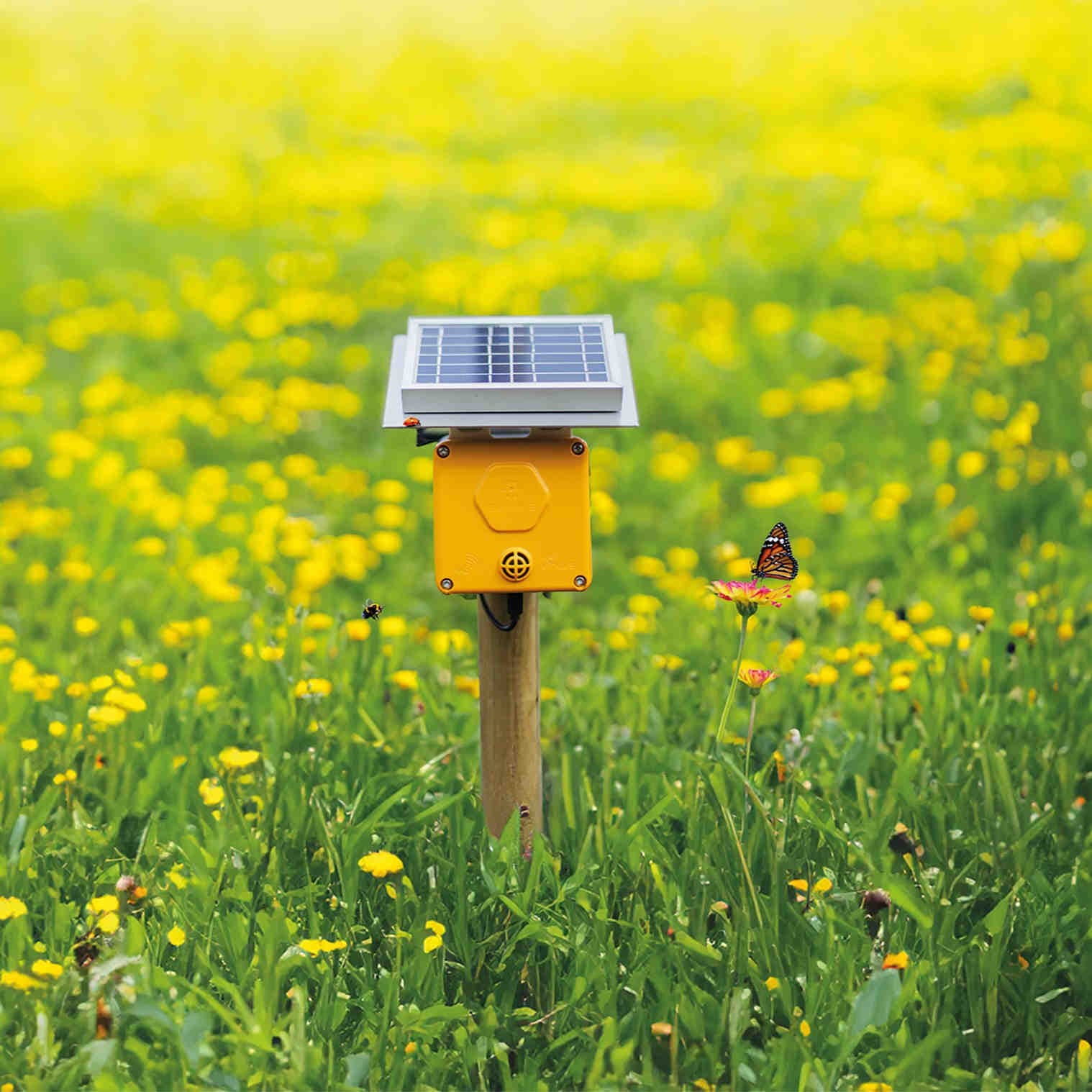
    3Bee is the naturetech company developing technologies for the monitoring, protection and regeneration of biodiversity. Starting with the bee, a fundamental bio-indicator, 3Bee collects and interprets environmental data through innovative proprietary systems to monitor the health of pollinators and their connection with ecosystems.
    - Want to find out how monitor the biodiversity of your production site through technology? Go to the innovative XNatura biodiversity monitoring protocol.
    - Do you want to learn about the main solutions and innovative ESG training programmes for your business? Discover the 3Bee Edu programme.
    - Want to learn more about the creation of Europe's largest ecological corridor for pollinators? Go to the Oases of Biodiversity.
    3Bee: technology for biodiversity
    24/04/2024Of 3Bee, Alessia Mircoli
    411 Views
    Newsletter
    newsletter
    Subscribe to the Blog about bees and biodiversity

    Frequently Asked Questions

    Do you have any doubts or other curiosities about this article? Here you will find some insights