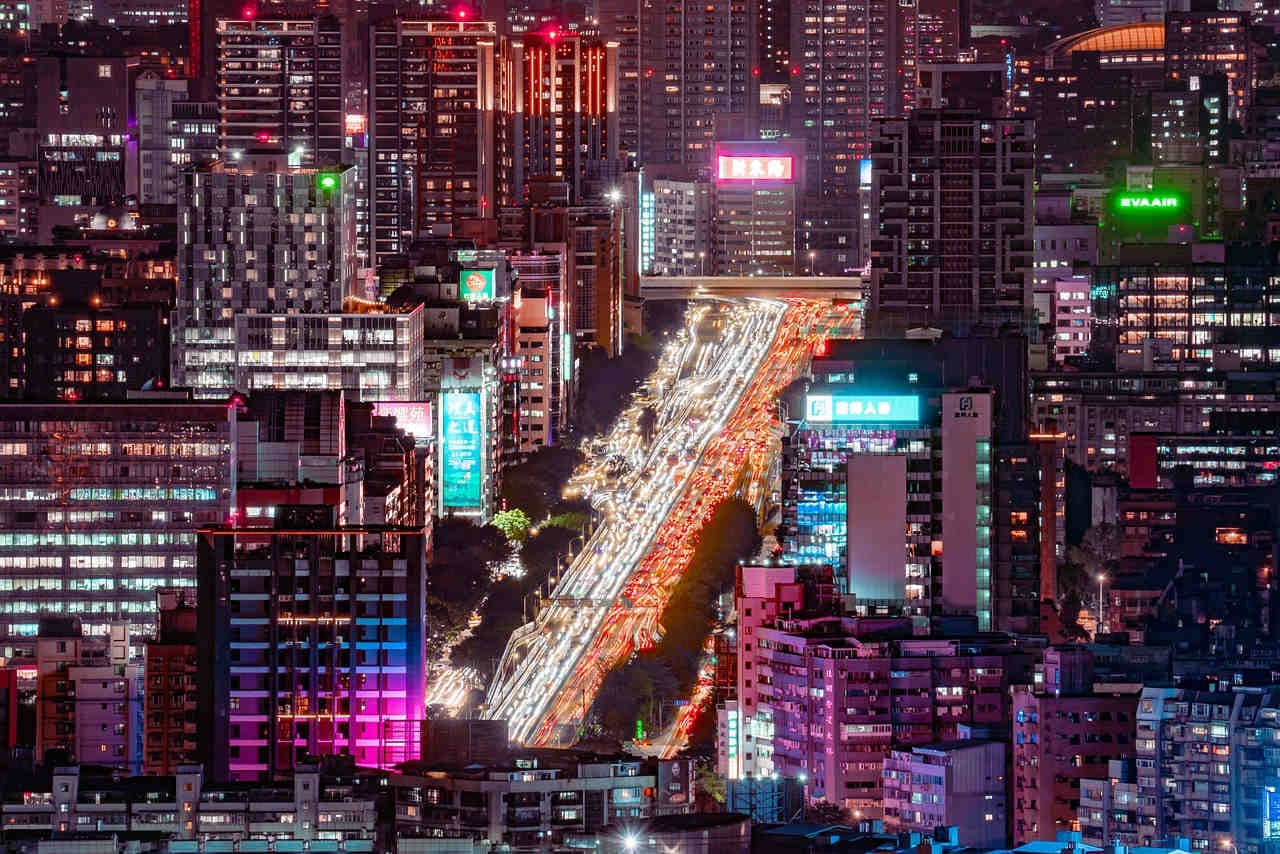
Light pollution, a recent phenomenon
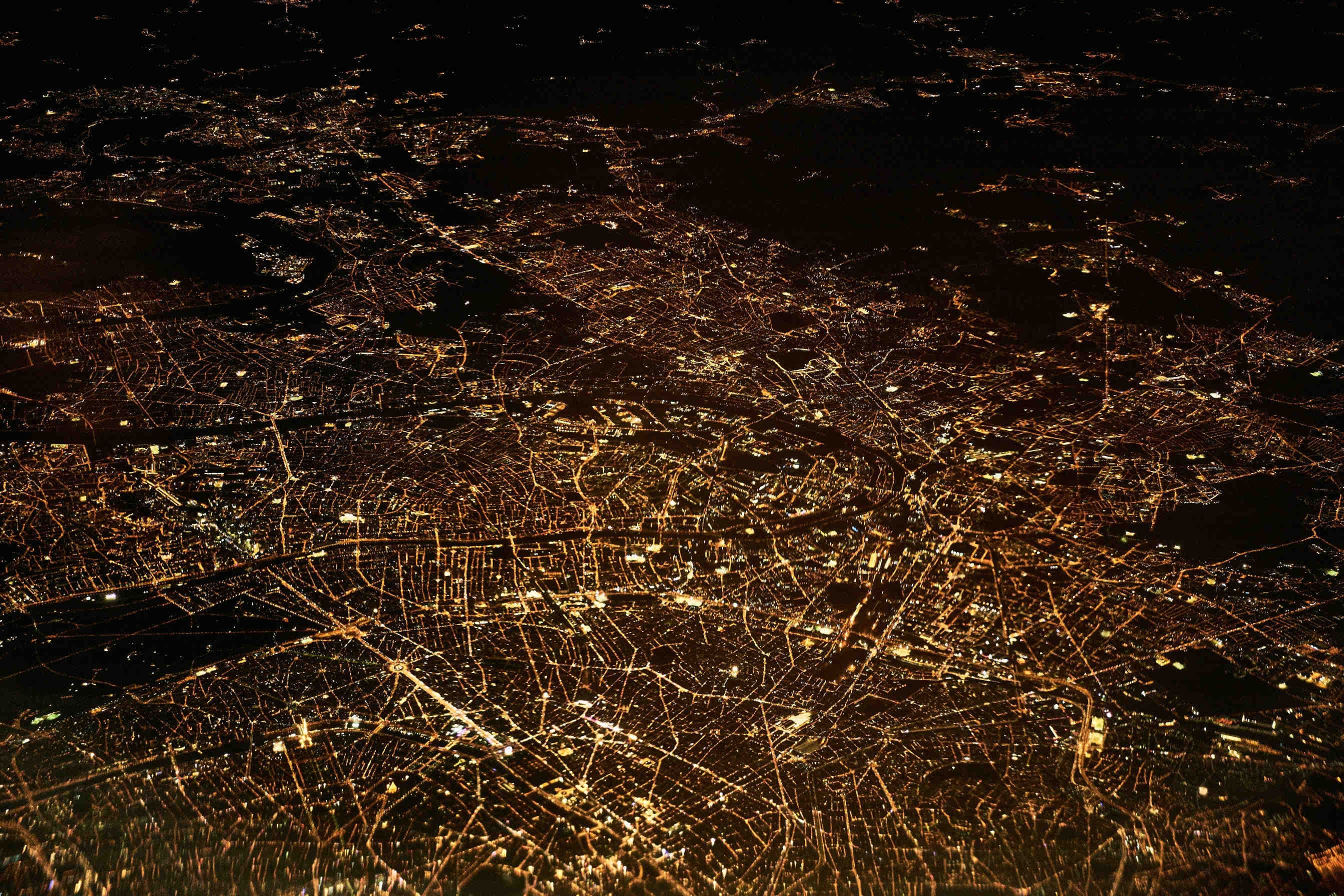
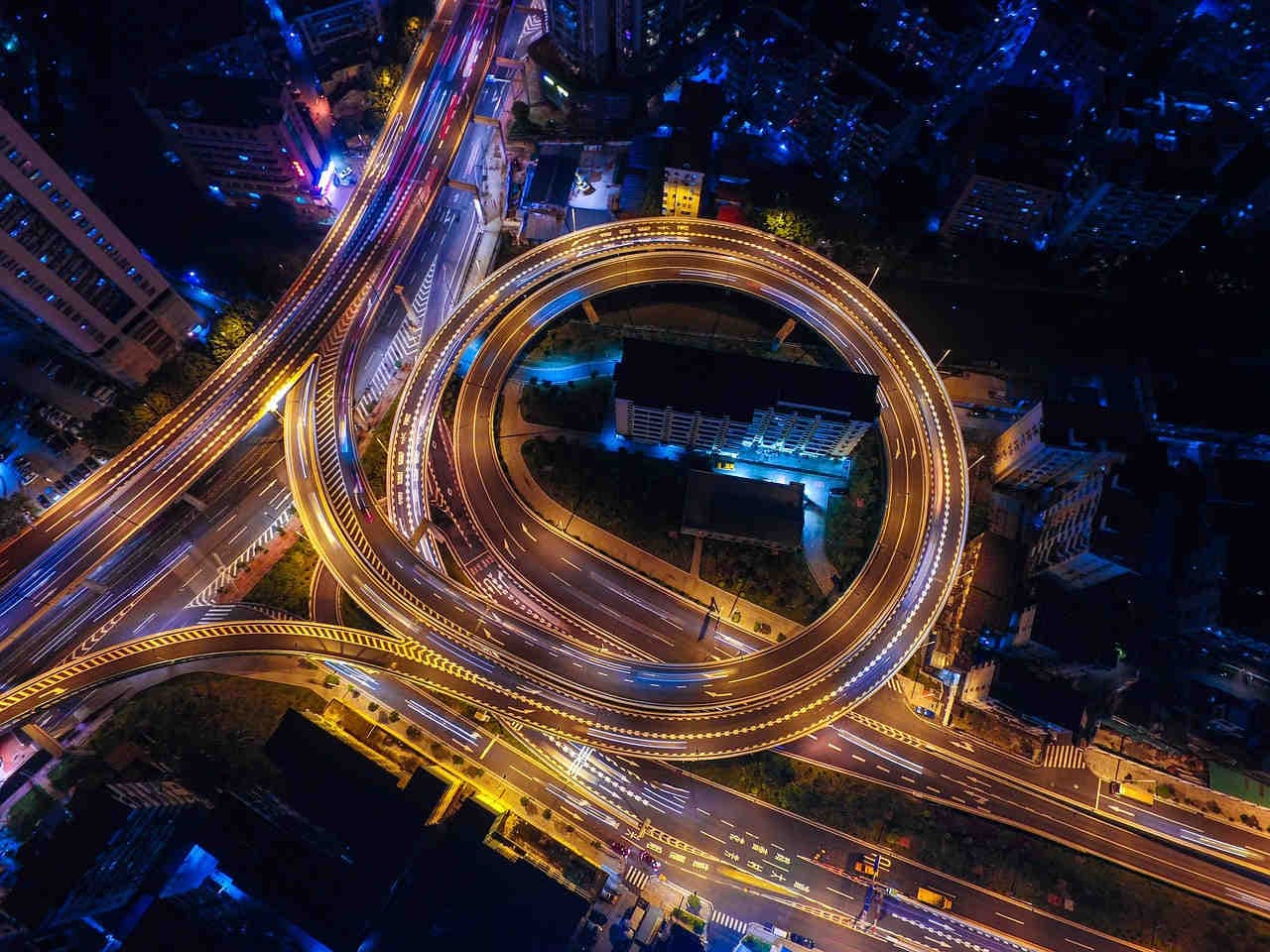
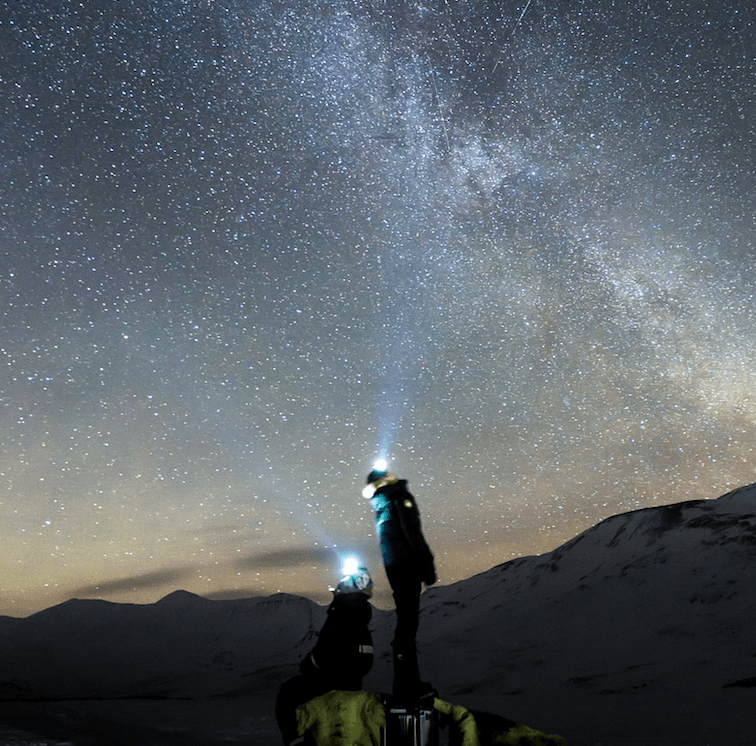
Light pollution, also known as "photopollution", defines all artificial lighting that attenuates normal night-time darkness. This "photopollution" results from a sprawling network of street lamps, shop windows, advertising hoardings, road signs and other sources of night-time light. Man-made light emissions create a luminous halo, particularly over large cities, which considerably alters the darkness threshold necessary for the circadian rhythm. This phenomenon, visible from space, is said to increase by around 5% to 10% per year. An increase that has been heightened by the arrival of LED bulbs, which emit a more intense light, according to the European Space Agency. The luminescence of the night sky initially worried astronomers who, in the 1980s, were beginning to experience the deleterious effects of night-time over-illumination on their work.