Light pollution down by 2024
    PollutionAnimalsCircadienEffects

    Light pollution down by 2024

    Human activity affects biodiversity both day and night. Artificial light causes serious damage to animals and plants, whose rhythms depend on light levels. Fortunately, light pollution in France has been falling since the beginning of 2024.

    Read the article
    29/04/2024Of 3Bee, Fiorila Hell
    1285 Views
    29/04/2024Of 3Bee, Fiorila Hell
    1285 Views

    Light pollution, a recent phenomenon

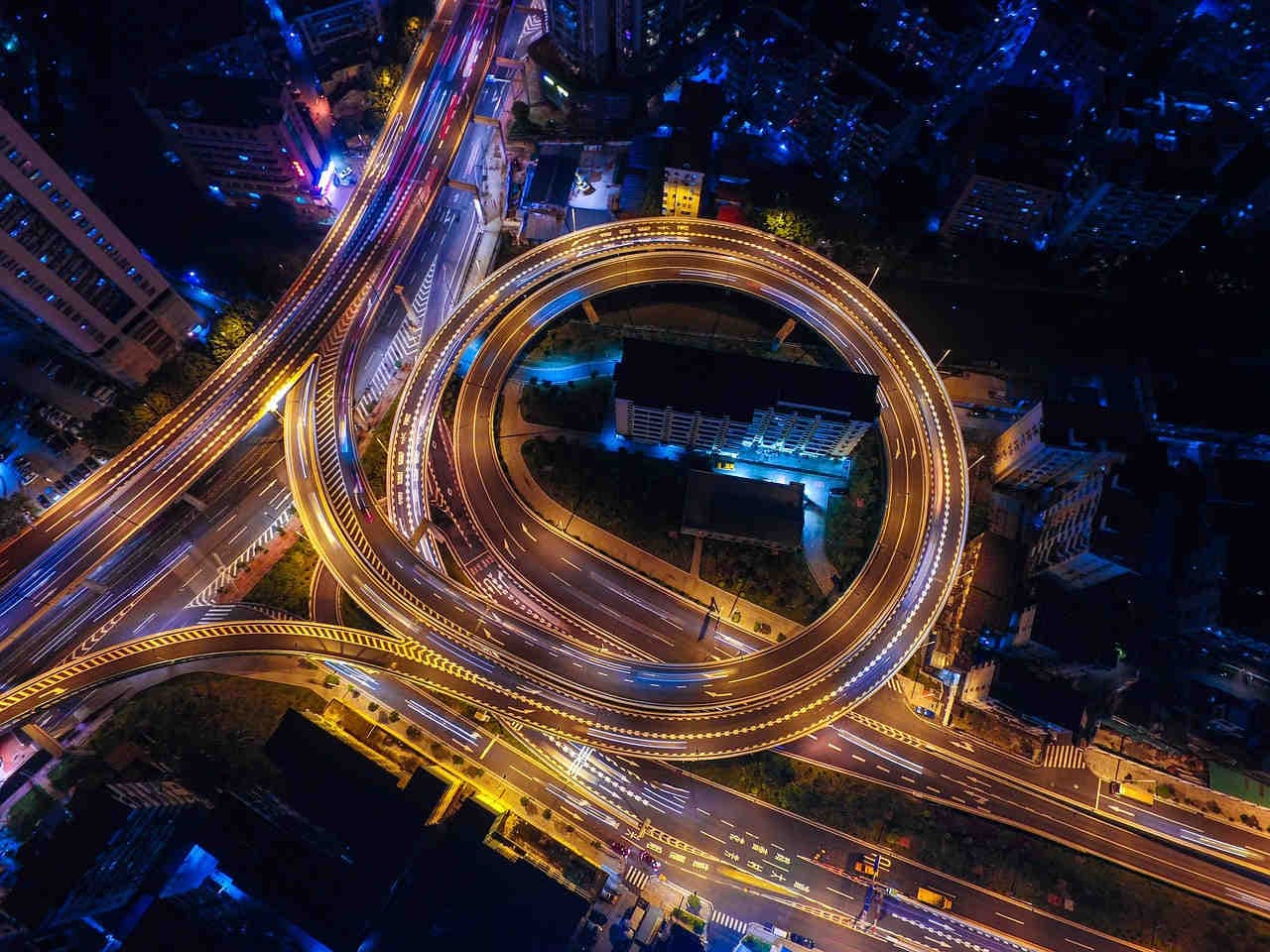
    Light pollution, also known as "photopollution", defines all artificial lighting that attenuates normal night-time darkness. This "photopollution" results from a sprawling network of street lamps, shop windows, advertising hoardings, road signs and other sources of night-time light. Man-made light emissions create a luminous halo, particularly over large cities, which considerably alters the darkness threshold necessary for the circadian rhythm. This phenomenon, visible from space, is said to increase by around 5% to 10% per year. An increase that has been heightened by the arrival of LED bulbs, which emit a more intense light, according to the European Space Agency. The luminescence of the night sky initially worried astronomers who, in the 1980s, were beginning to experience the deleterious effects of night-time over-illumination on their work.
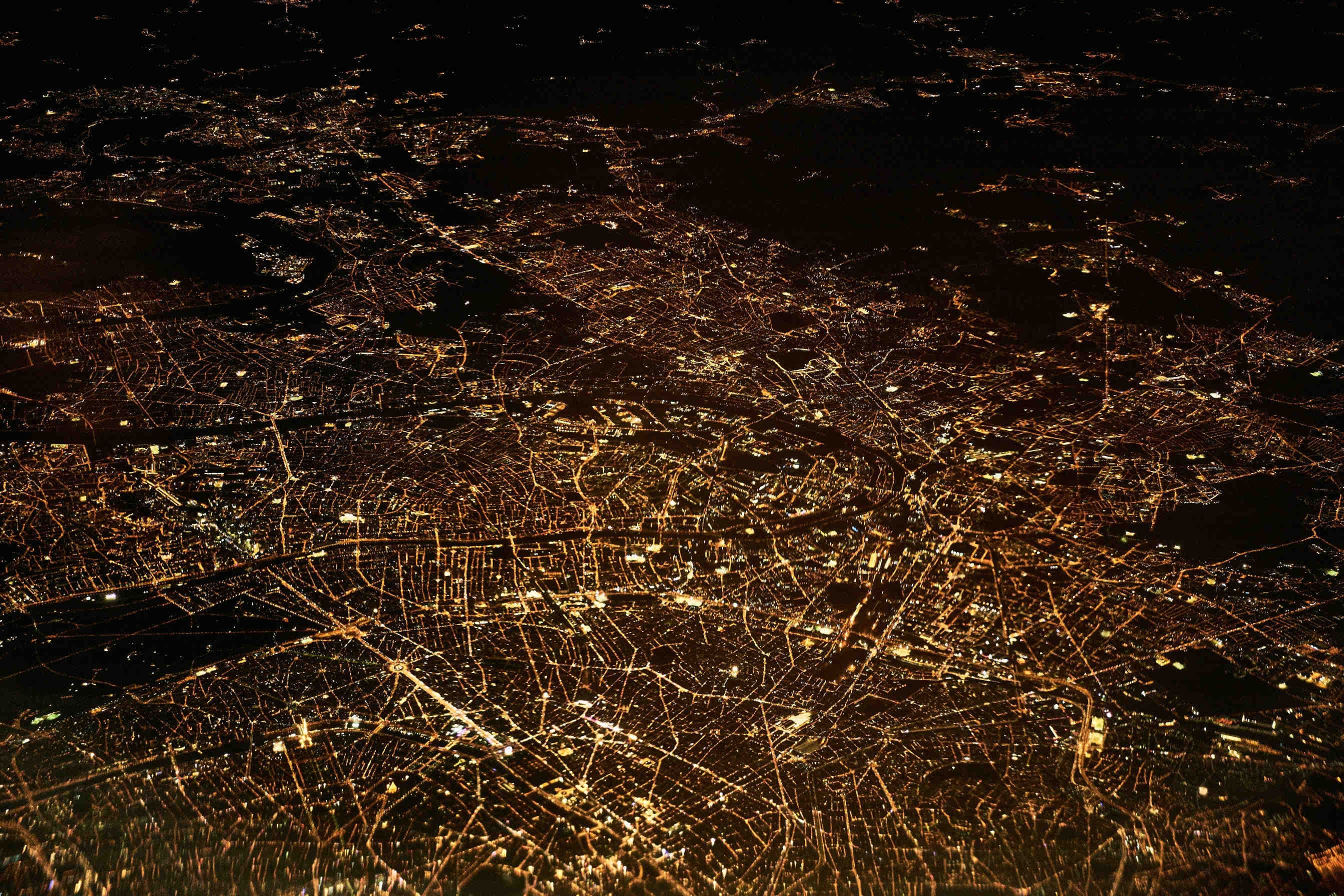
    Lumières urbaines vues du ciel la nuit

    The stars, plants, animals and us

    After astronomers, it was the turn of naturalists and ornithologists in the 1990s to notice the harmful consequences of light pollution on living things. Already vulnerable to climate disruption, pesticides, urbanisation and the over-exploitation of nature, biodiversity is now also suffering from light pollution. Of all the forms of man-made ecological disturbance, light pollution is the only one that has no analogue in nature . While the climate has already undergone disruption, habitats have already been fragmented, and some plants naturally emanate pesticides, the daily and seasonal "light-dark" cycle has so far been constant and uninterrupted. This pollution is therefore particularly harmful to a biodiversity unable to adapt in time. This phenomenon threatens and disrupts ecosystems far more severely than we think.

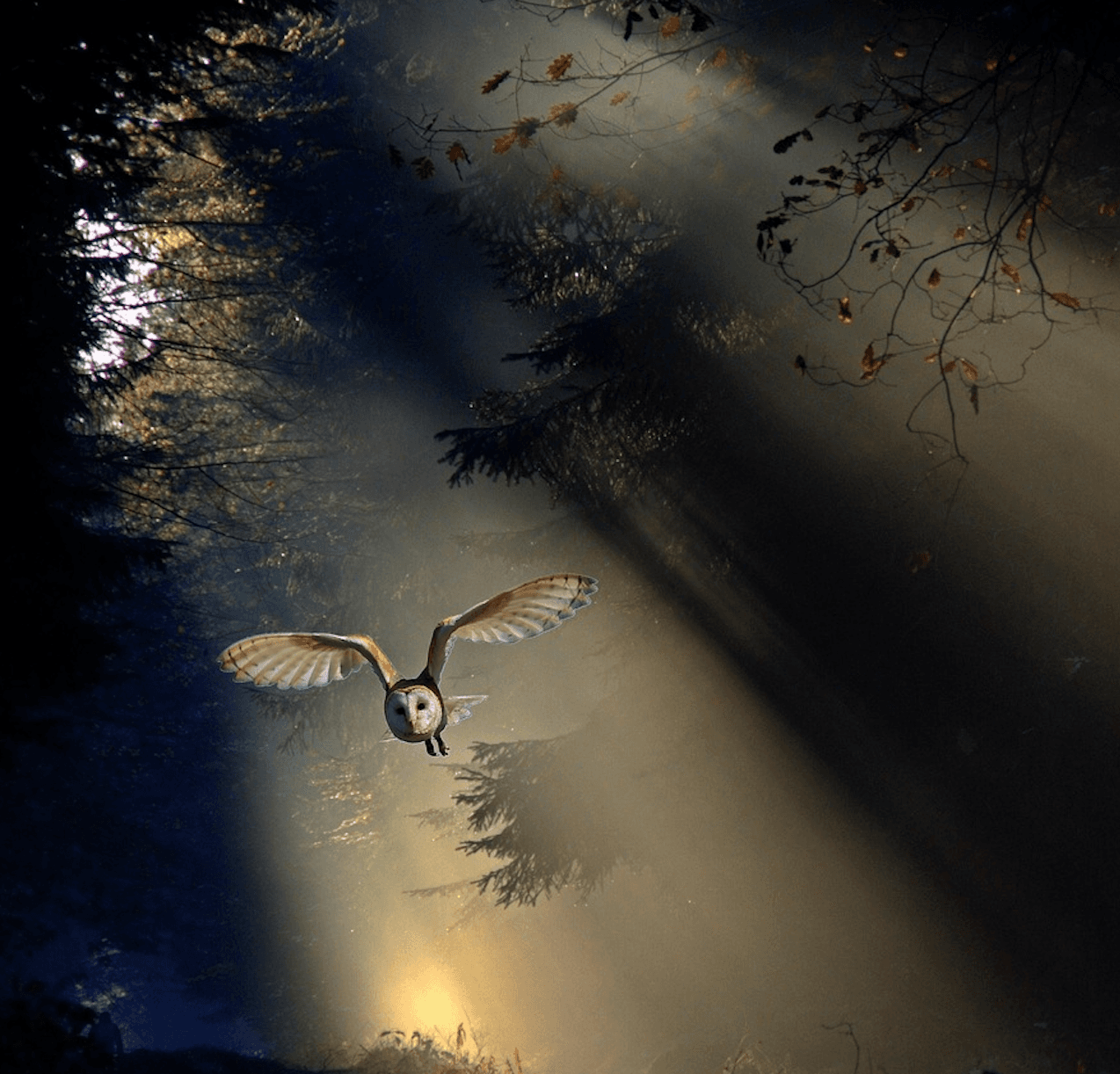
    Chouette en plein vol nocturne
    XNatura

    All united under the law of circadian rhythm

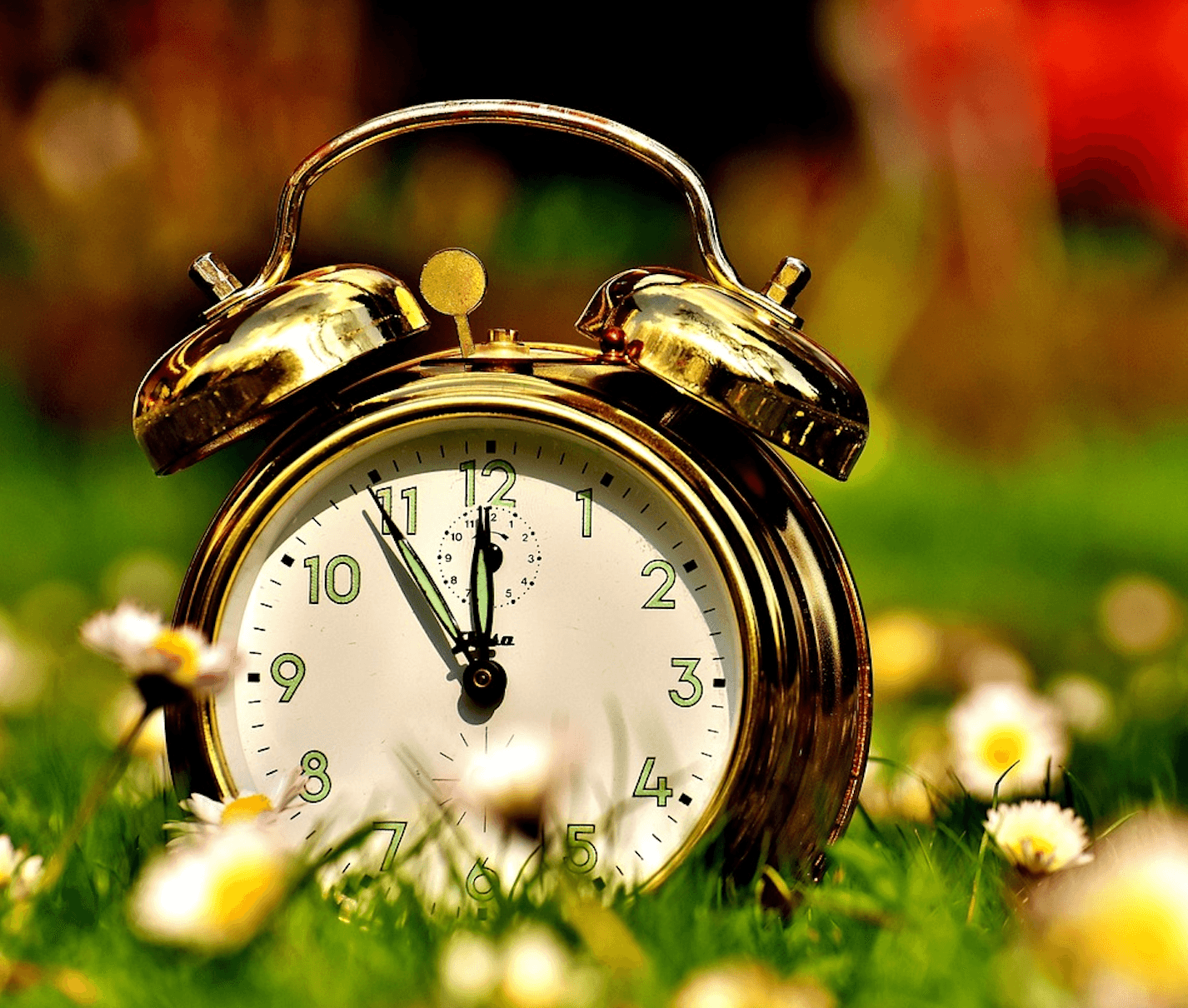
    Most living things rely on the luminosity of the sky to dictate their rhythm. These signals help to regulate the natural migration, reproduction and nutrition cycles of many species. This intuitive information system is called the circadian cycle. It is an internal clock enabling survival and development mechanisms to be accomplished. It is present in animals but also in humans, for whom many biological processes depend on the daily "darkness-light" cycle. Digestion, blood pressure and even body temperature are regulated by the circadian clock. The body detects light levels and sends signals to the relevant organs to trigger the mechanisms appropriate to the schedule. For example, the sleep hormone, melatonin, is secreted naturally at dusk. When sky darkness is degraded, the entire circadian cycle is disrupted, potentially leading to health problems.

    horloge dans l'herbe

    Effects on nocturnal species

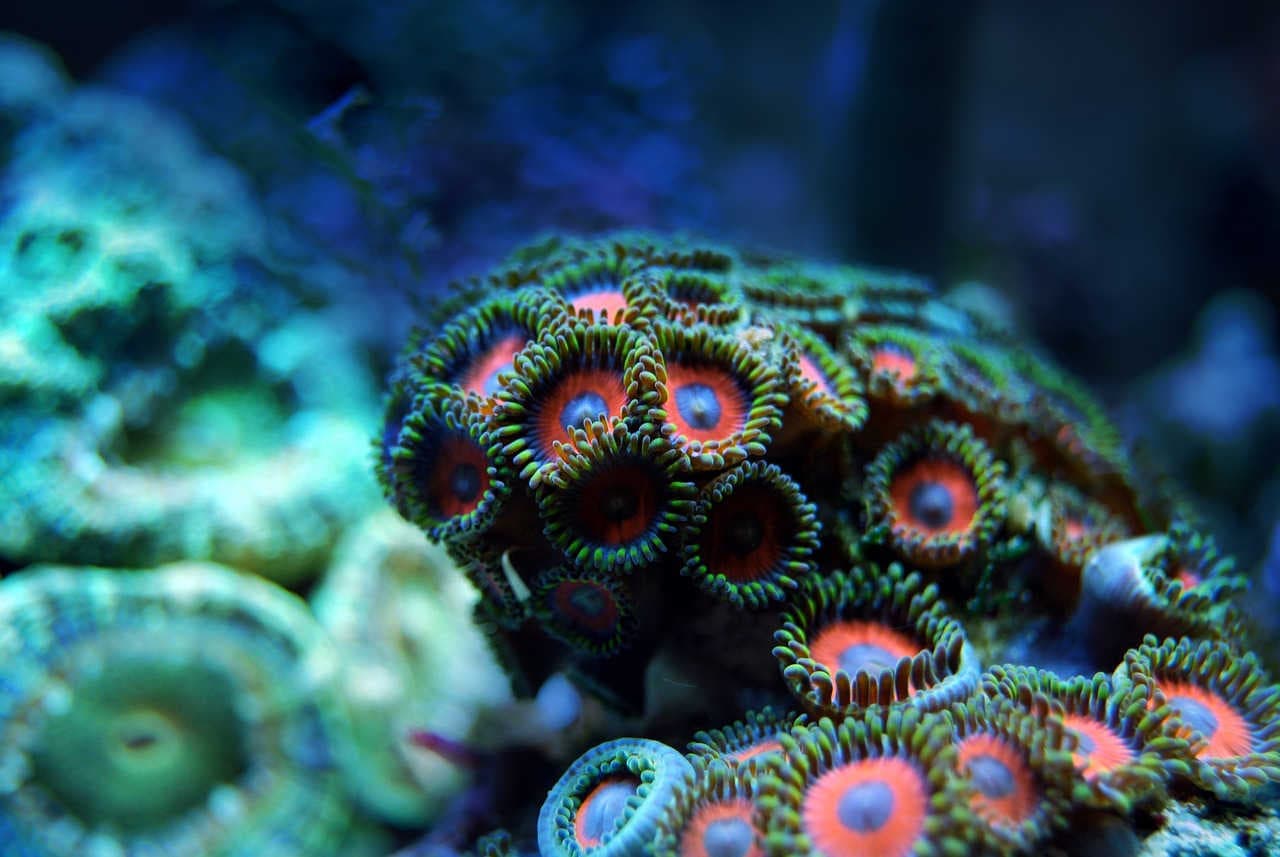
    The animals most disturbed by light pollution are the nocturnal species. Around 30% of vertebrates and 60% of invertebrates are animals that are active at night. As their vision is adapted to the dark, they will perceive light with much greater intensity than diurnal species. This can disorientate wildlife and modify their behaviourof reproduction, navigation and communication, threatening the survival of species. For example, certain marine species, such as zooplankton and coral, rely on the luminosity of the moon for the dissemination of reproductive cells. The reproductive success of these species depends on the ability of both sexes to coordinate the distribution of male and female gametes. If the sky is too clear, it is likely to alter the brightness of the moon and prevent these species from coordinating, risking a drop in reproductive success.

    corail de nuit
    XNatura

    Threatened migratory species

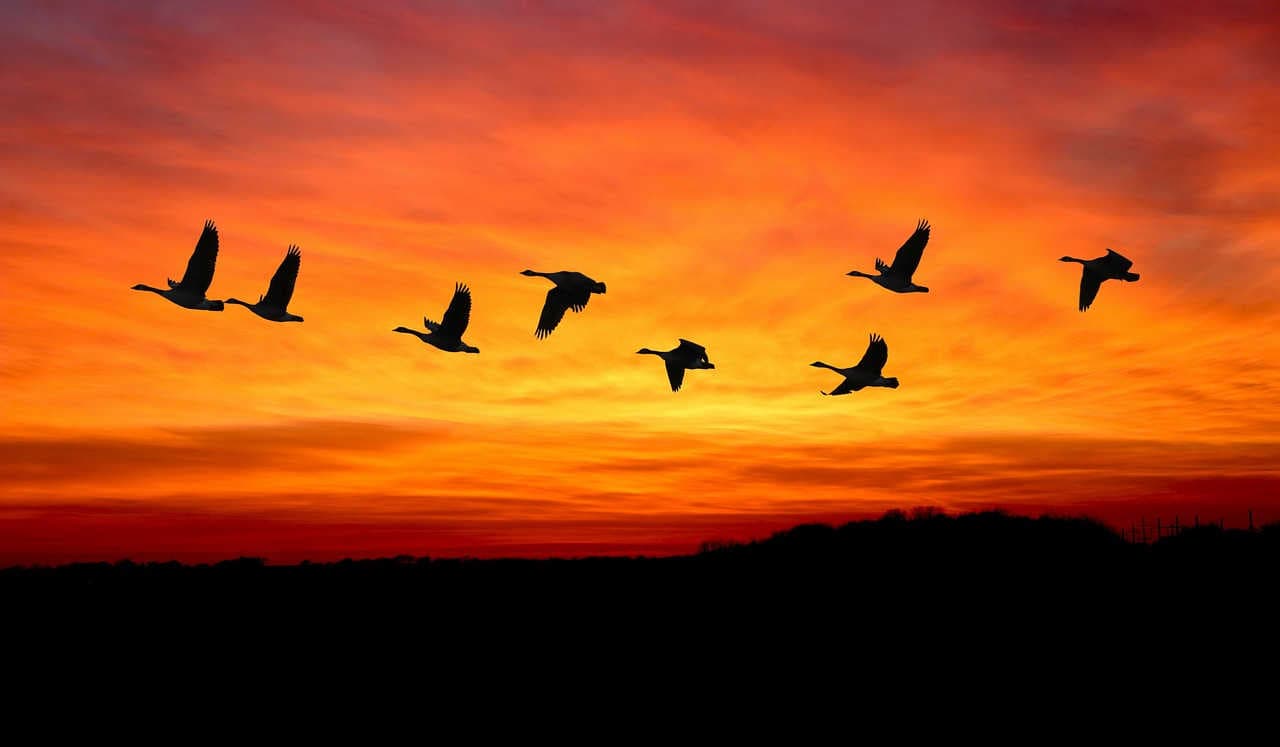
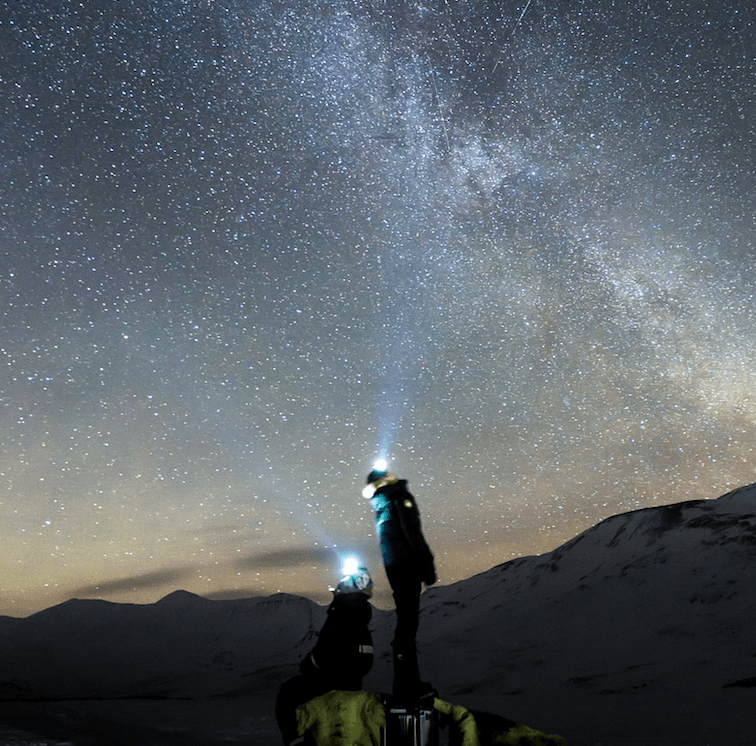
    According to a UN report, more than 20% of migratory species are threatened with extinction. The threat is largely blamed on human activity, which is deteriorating and overexploiting the natural habitats on which these species depend. Migratory birds are particularly affected by luminescence caused by artificial lighting. Two thirds of migratory birds travel at night. Their night-time navigation system relies on two types of information to orient themselves: the position of the stars and the magnetic field of the Earth. Not only does light pollution deteriorate the visibility of the sky and the celestial map, it can also dazzle birds. Some lighting can even alter the detection of the Earth's magnetic field. At their wits' end, disorientated animals are more vulnerable to exhaustion, predation and possible collisions with light-emitting buildings.

    oies sauvages en migration
    3Bee

    Insects and light

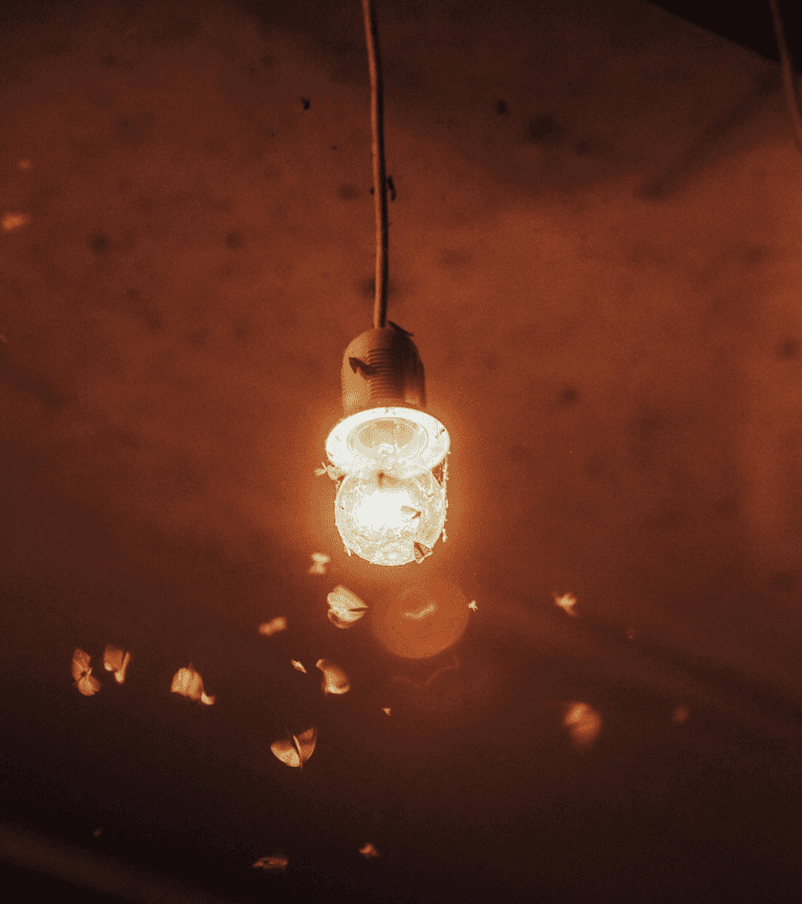
    The dangers of night-time over-lighting are easily observed by their impact on insects. A large number of insects are attracted by light, which disorients them and causes them to circle around until they become exhausted or predate. Studies estimate that around one third of insects attracted by artificial light would lose their lives before daybreak. Insects that manage to escape the cone of light may continue to suffer. The disorientation caused by the light can affect their sensory and motor abilities for several hours, preventing them from reproducing, feeding or escaping predators. A drop in theinsect population can have dramatic consequences for ecosystems, such as reduced pollination of plants and imbalances in the food chain. It is estimated that artificial light is the second leading cause of mortality in insects after pesticides.

    Insectes autour d'une ampoule

    Weakened ecosystems

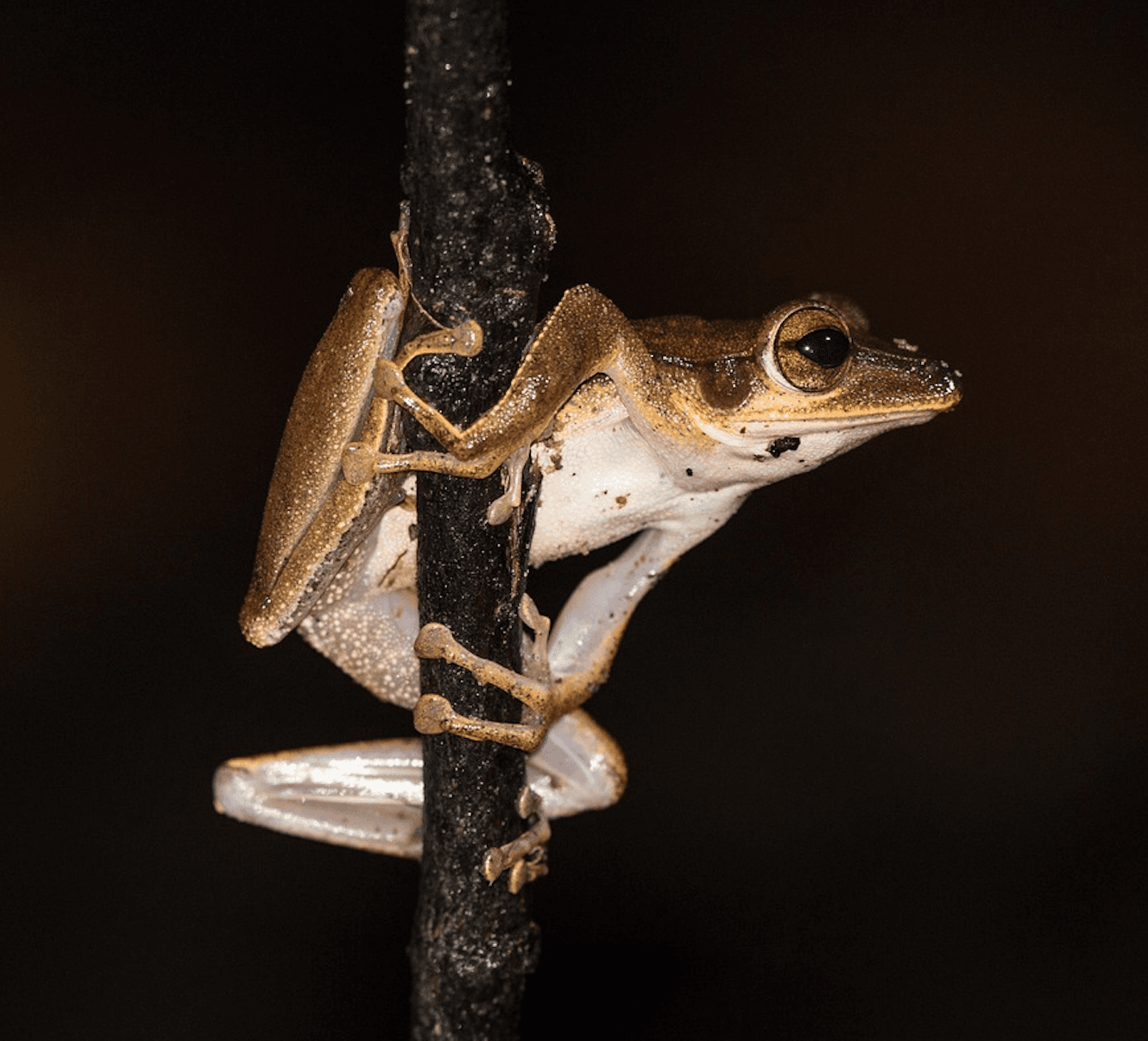
    These few examples illustrate on a case-by-case basis the dangers of light pollution on biodiversity. In addition to the species mentioned above, entire ecosystems are suffering the consequences of this contemporary problem. The proper functioning of an ecosystem is based on a network of interactions between different species, which is easily weakened by this new source of pollution. Light attracts certain species and repels others, fragmenting natural habitats. This intensifies competition between predators, modifies predation behaviour and leads to serious disruption of the ecosystem. Increased competition between predators is a serious problem. Daytime predators such as scavengers, reptiles and birds take advantage of the clustering of insects around light sources to hunt at night. The result is a drop in food resources, which threatens the survival of nocturnal predators.

    amphibien nocturne sur une branche

    A matter of safety

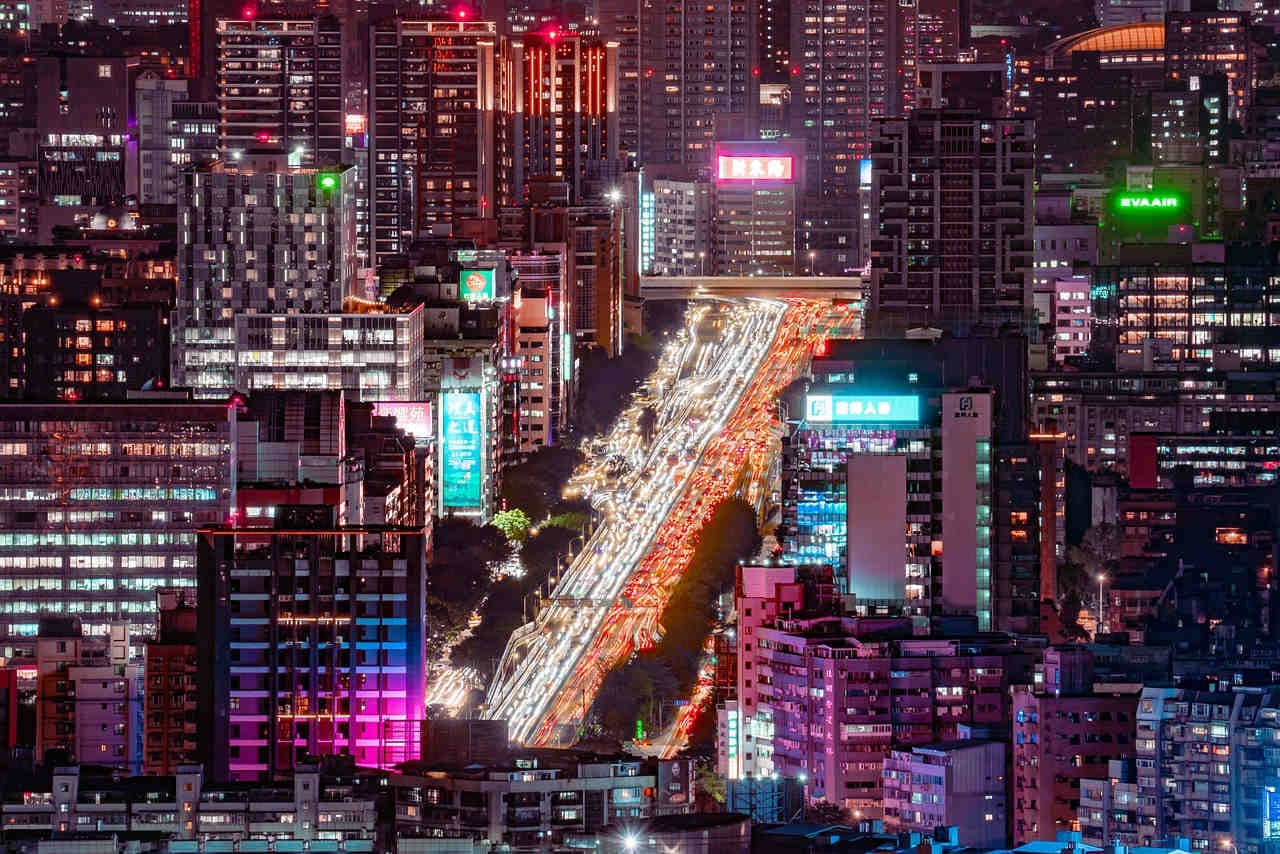
    Given the serious impact of light pollution on biodiversity, ecosystems, astronomy and human health, it's hard to understand why this phenomenon has waited until 2024 to finally diminish in France. This success is largely due to the energy crisis, which is pushing localities to make energy savings. Of all the forms of man-made pollution, this is the simplest and quickest to remedy. Turning off the lights reduces this source of pollution immediately and rebalances the ecosystems vital to safeguarding biodiversity. So why persist in over-lighting at night? It would appear to be a cultural factor. Over-lighting meets a need for safety. Road safety and aviation safety, in particular, depend on night-time lighting. Urban lighting also gives city dwellers a sense of security.

    lumières artificielles autouroute

    Reconciling interests

    An international campaign to raise awareness of the effects of light pollution on biodiversity had been launched in 2022 during the World Migratory Bird Day, organised by the Convention on the Conservation of Migratory Species of Wild Animals (CMS). Numerous solutions were highlighted by the CMS in order to protect biodiversity from this pollution. Nevertheless, the CMS insists on the obvious need to retain a certain amount of night lighting to preserve human safety and productivity. Their recommendations are aimed primarily at political decision-makers in order to provide lighting at the right time, in the right place and in the right way. For example, requiring certain buildings to turn off their lighting during migration periods, in autumn and spring, would ensure a less dangerous crossing for migratory species.

    ciel étoilé et personnes avec lumière artificielle

    Optimistic progress

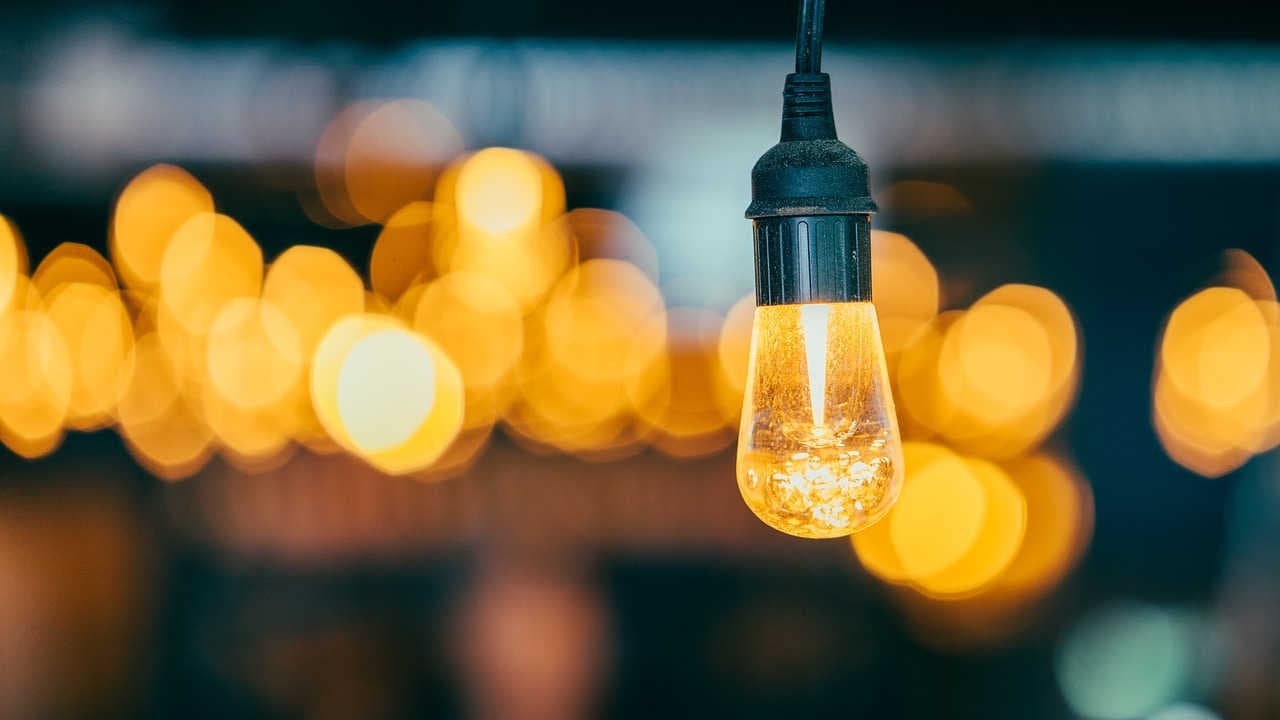
    Although the drop in light pollution at the start of 2024 is largely due to the energy crisis, it is still good news for biodiversity. In 2023, the European Commission published a report presenting solutions to mitigate the harmful effects of light pollution on biodiversity. Research on this subject has progressed considerably over the last five years, generating hundreds of articles. Solutions that are concrete and easy to put in place exist to rapidly remedy this deleterious phenomenon, for example in the form of dark protection zones. Technology also offers ingenious alternatives such as lighting triggered by motion sensors or lower streetlights, illuminating a smaller, more efficient beam. It's now up to political decision-makers to get to grips with the subject in order to encourage the implementation of these solutions and take action to preserve biodiversity.

    ampoules allumées

    3Bee: technology for biodiversity

    3Bee is the naturetech company that develops technologies to monitor, protect and regenerate biodiversity. Starting with the bee, a fundamental bio-indicator, 3Bee collects and interprets environmental data using innovative proprietary systems to monitor the health of pollinators and their link with ecosystems.
    - Want to know how to monitor biodiversity on your production site using technology? Check out the innovative XNatura biodiversity monitoring protocol.
    - Want to find out more about training programmes and innovative ESG solutions for your business? Discover the 3Bee Edu programme.
    - Want to find out more about creating Europe's largest ecological corridor for pollinators? Visit the Biodiversity Oases.

    Spectrum 3Bee
    29/04/2024Of 3Bee, Fiorila Hell
    1285 Views
    Newsletter
    newsletter
    Subscribe to the Blog about bees and biodiversity

    Frequently Asked Questions

    Do you have any doubts or other curiosities about this article? Here you will find some insights