Ladybirds: 5 incredible curiosities
    PuntiniPredatorsSpaceWinter

    Ladybirds: 5 incredible curiosities

    Ladybirds are small beetles spread all over the world and are a valuable indicator of environmental biodiversity. Did you know that not all of them are red with black spots? Or that they hibernate in winter? Find out in this article the top five interesting facts about ladybirds.

    Read the article
    26/02/2024Of 3Bee,
    1263 Views
    26/02/2024Of 3Bee,
    1263 Views

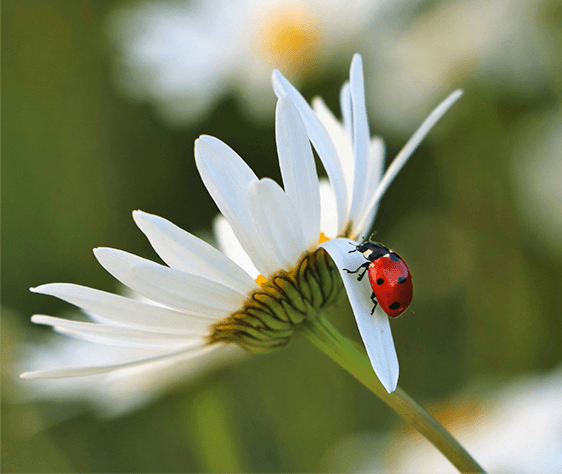
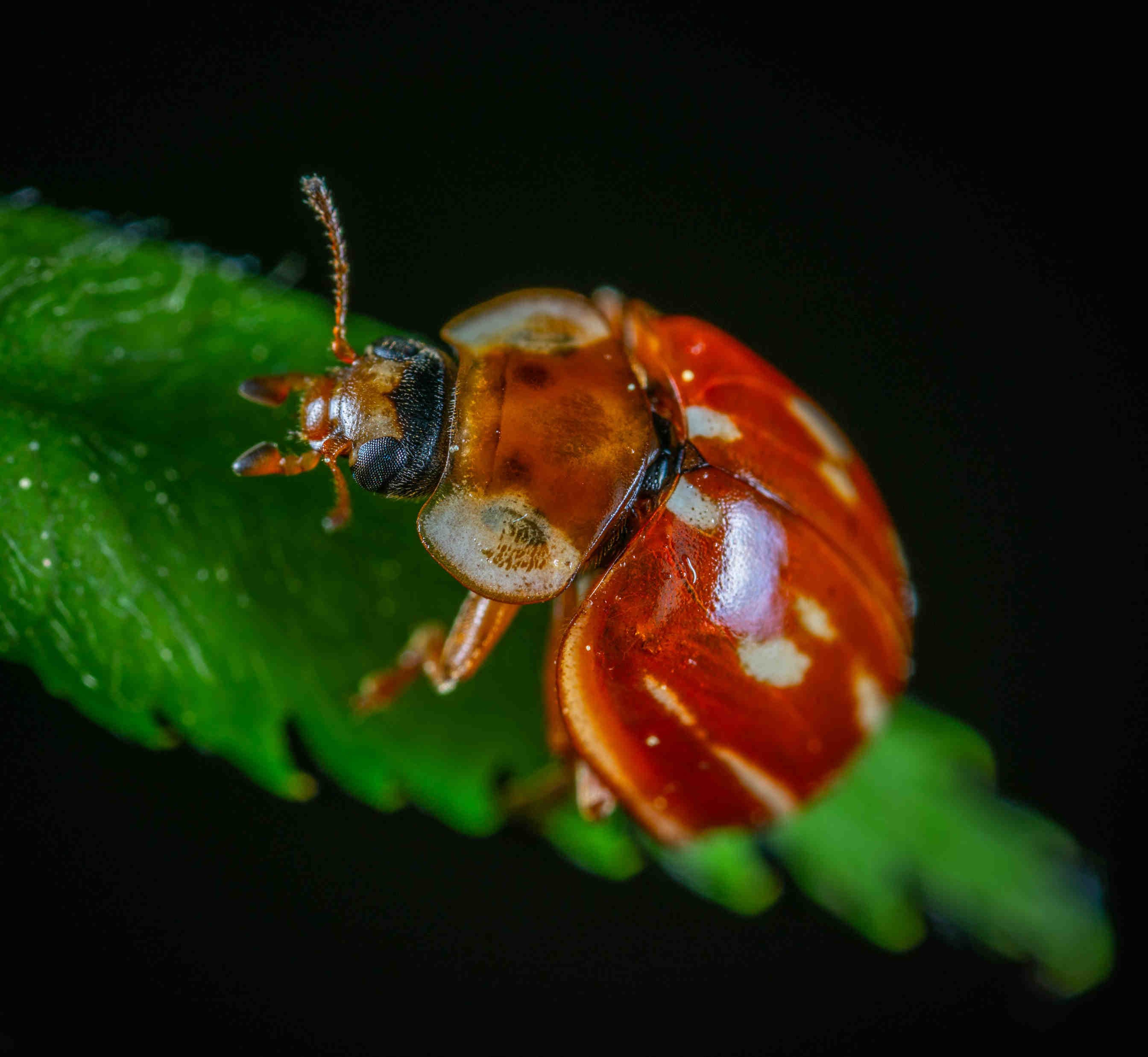
    Not all ladybirds are red with black dots

    Although most people think that bugs are red with black dots, not all species of ladybirds look like this. There are more than 6,000 species of ladybirds in the world, of which 450 are in North America. Besides red, the main colour of their livery can be yellow, orange, brown, pink or even black. The colour of the livery is a distinguishing feature of the various species: there may or may not be numerous dark spots on it, known colloquially as "dots", which also contribute to the recognition of the species. Some ladybirds may have two dots, as in Adalia bipunctata, but there may be up to 24 as in Subcoccinella vigintiquatuorpunctata.
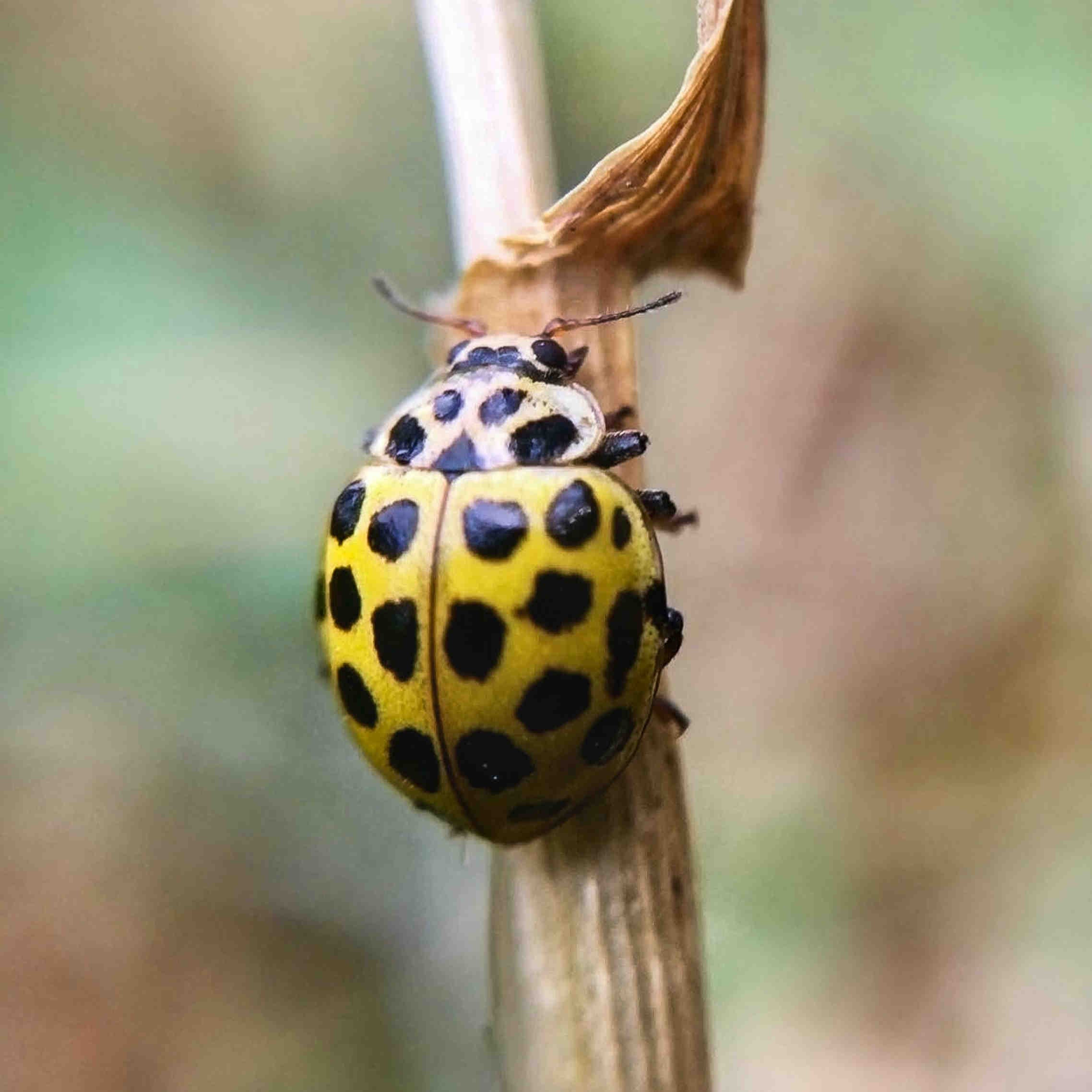
    coccinella gialla

    Ladybirds are exemplary predators

    The little ladybirds are unyielding predators: they feed on aphids, mites and other plant pests. Gary Booth, Professor of Biology at Brigham Young University, said that in one day, ladybirds can consume up to two or three times their body weight. Furthermore, some scientific studies have shown that an adult ladybird can eat up to 5,000 aphids in its lifetime. It is important to note that the many species of ladybirds have different food preferences. While many prey on aphids and other garden pests, some, such as the Mexican bean beetle (Epilachna varivestis) and the pumpkin beetle (Epilachna borealis), feed on plants and are themselves unwanted pests.

    coccinella
    XNatura

    Ladybirds in space' mission

    Four ladybirds have been in space. In 1999 four of these insects were sent into space on board the STS-93 mission of the NASA for scientific purposes. The objective was the observation of the behaviour of ladybirds and aphids, their prey, in the absence of gravity. In fact, ladybirds generally climb up the herbaceous stems of plants to catch aphids: these often try to escape predation by releasing their grip on the stem and letting themselves fall down by gravity. Scientists had always wondered how the aphid's defence mechanisms might work in the absence of gravity, so what better place than space to make this observation? The results showed that, even in microgravity environments, ladybirds manage to prey on aphids. Fun fact: the "astronaut ladybirds" protagonists of the experiment were named John, Paul, Ringo and George, just like the Beatles.

    coccinella spazio

    In winter, ladybirds 'hibernate'.

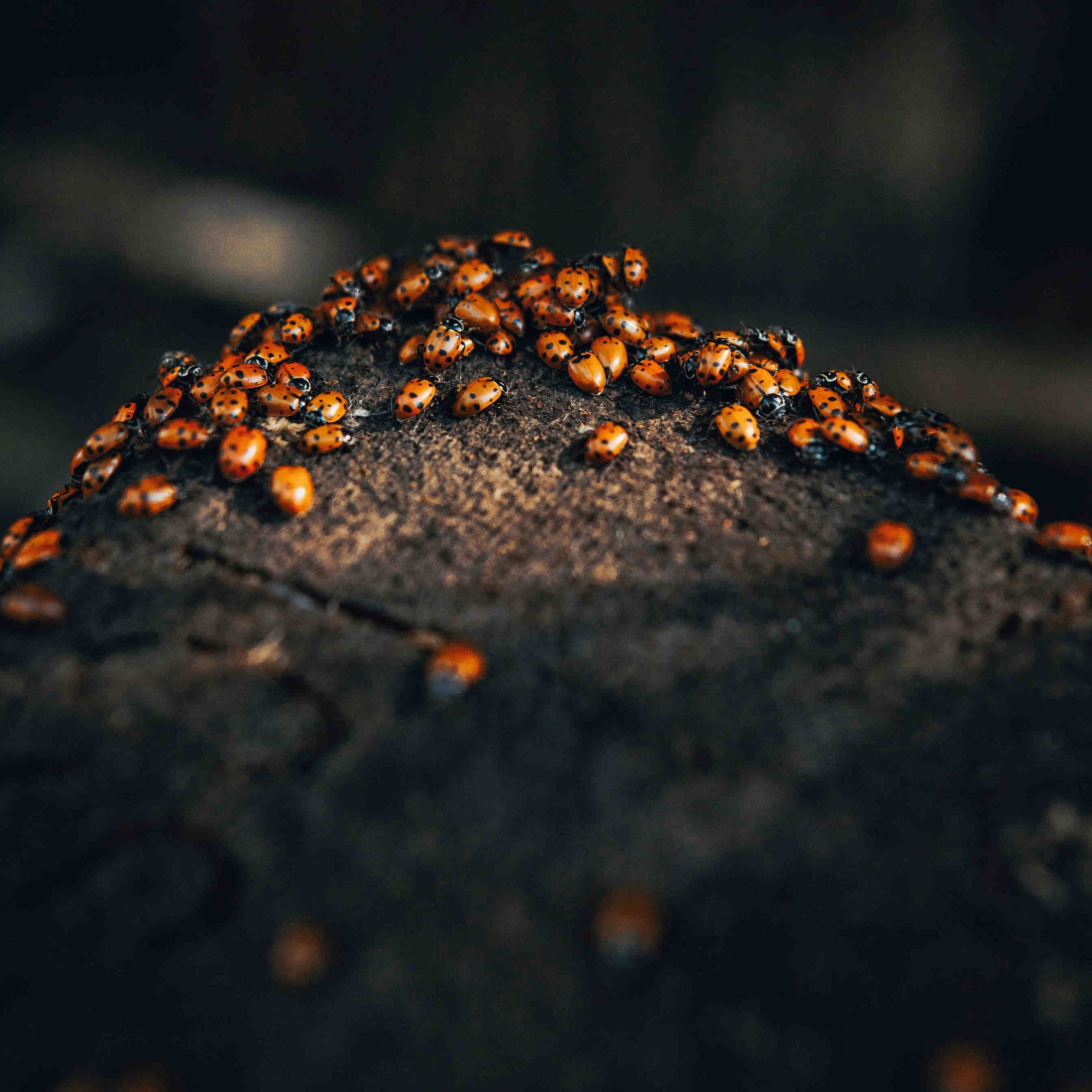
    Instead of moving south, like other animals, to spend the winter in milder temperatures, the bugs, which live in colder climates, enter diapause, a phenomenon similar to hibernation. It is a state that slows metabolism and vital functions to a minimum, allowing them to get through the winter and start living again in the spring. In diapause, ladybirds often find themselves in groups of varying numbers and, during this period, which can last up to nine months, they live off their fat reserves, which enable them to make it to spring, when aphids become abundant again.
    coccinelle gruppo
    XNatura

    Ladybirds' wings beat 85 times per second

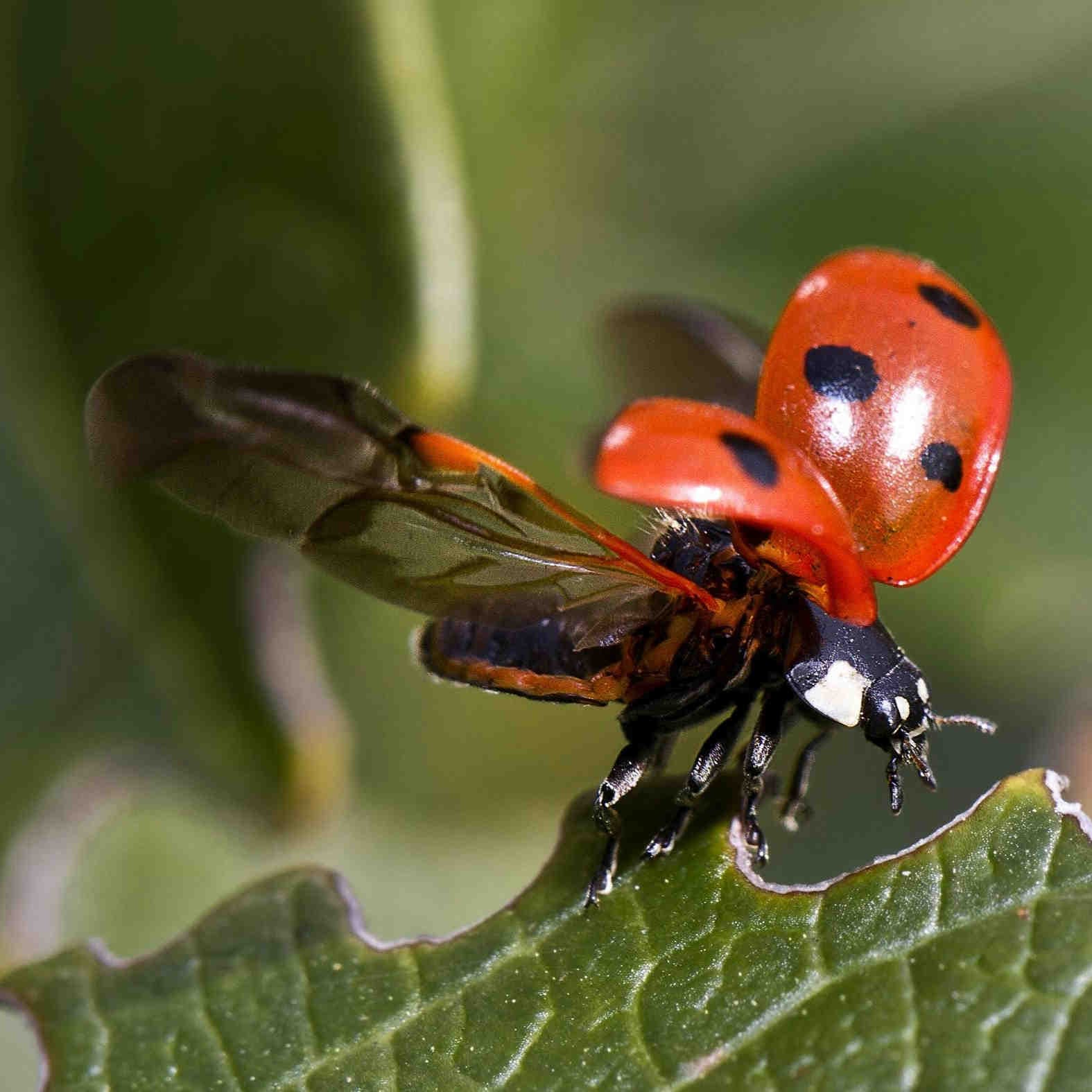
    The larkspur goes through 4 stages of development before reaching adulthood. The egg hatches and the larva immediately begins to feed on aphids: its voracity increases with development and is at its highest at the 4th stage and in the adult. The last larval takes over the pupal stage and here we have the most intriguing magic of the metamorphosis: in this phase its body undergoes important morpho-physiological changes that lead to the adult form. When the time comes, the adult breaks the pupal envelope and presents itself to the environment with a shiny new appearance: characteristic is the smooth dome structure, where the sclerotized forewings, called elytra, protect the true wings. Beneath the elytra, the thin, broad hind wings find protection from impact but, when needed, are spread in the air at a speed of 0.1 second, allowing the ladybird to move quickly. During flight, a ladybird's wings beat as many as 85 times per second.

    coccinella ali
    3Bee

    How to protect ladybirds

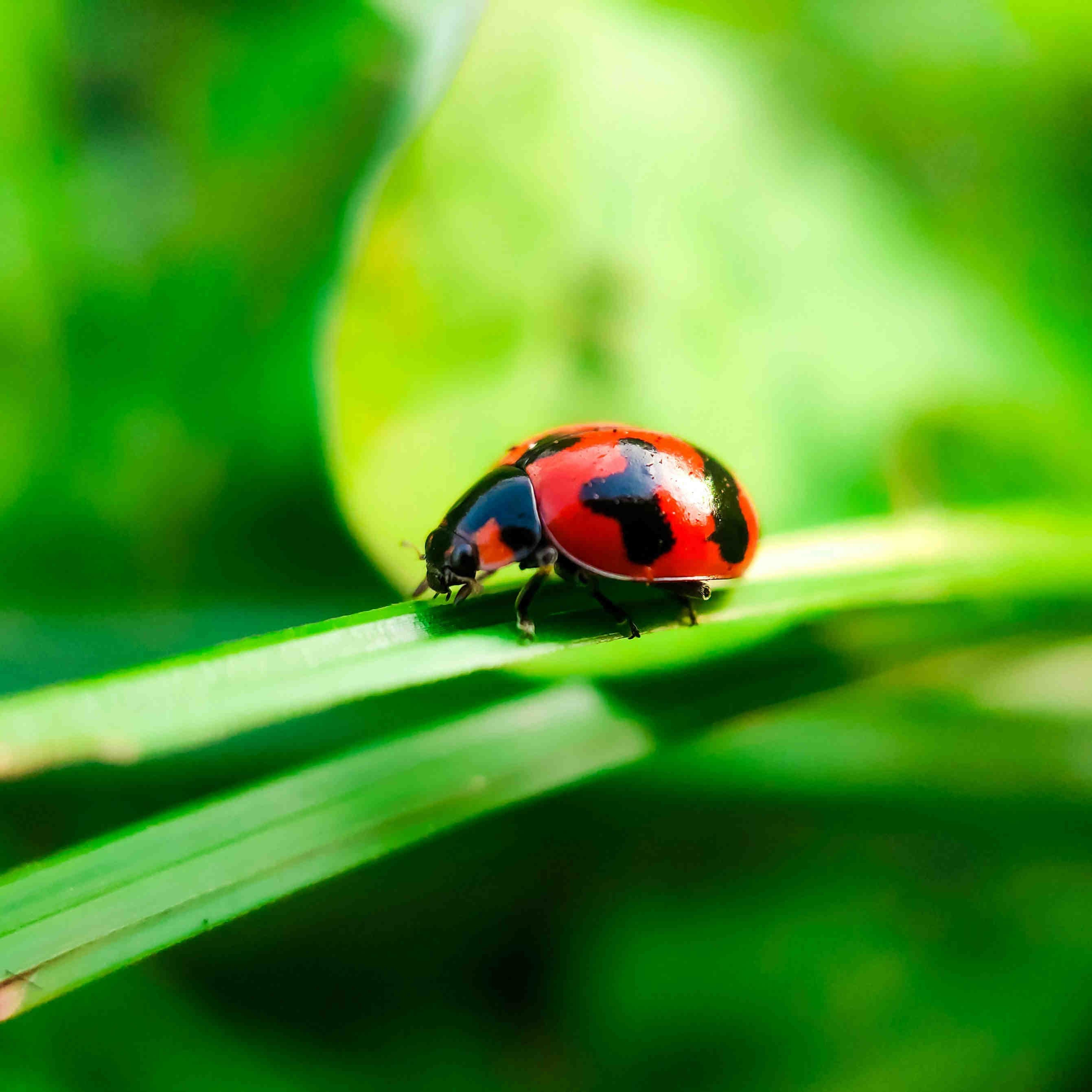
    A report compiled in 2022 on the conservation status of ladybirds describes an alarming situation: ladybird populations are in decline due to ecosystem-altering phenomena such as climate change, pollution and the presence of invasive species. In this context, it is crucial to promote projects such as the Biodiversity Oases of 3Bee, which help maintain healthy populations of pollinators and other insects, including ladybirds, by providing them with nutritional resources and natural habitats. Places where technology and nature come together, to monitor the health of an area and identify targeted regeneration actions. Want to know more?
    coccinelle oasi
    26/02/2024Of 3Bee,
    1263 Views
    Newsletter
    newsletter
    Subscribe to the Blog about bees and biodiversity

    Frequently Asked Questions

    Do you have any doubts or other curiosities about this article? Here you will find some insights